

There is a moment in late winter when the garden is all promise and no evidence — and inside a greenhouse, the evidence is already up: green rows, damp warmth, and tomatoes with a six-week head start on the weather.
These 75 greenhouse ideas build that advantage in order — siting first, structure and benches second, water, climate and the seasons last — so the glasshouse earns its place in every month, not just the kind ones.
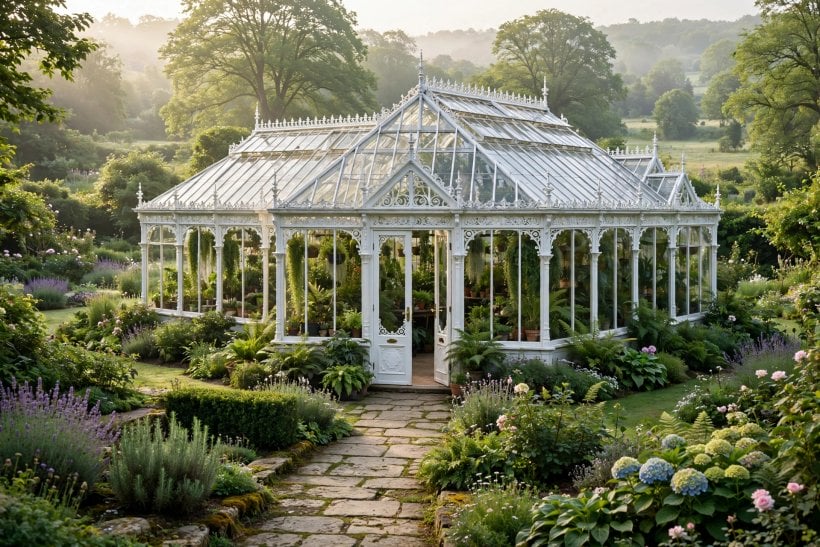
1. Greenhouse Ideas at a Glance
The central entity is the greenhouse: the garden’s glass room, built to hold a climate and defined by its attributes — the site it stands on, the structure and glazing, the benches and working layout, the watering system, the heating, ventilation and shade that manage its weather, and the growing calendar it makes possible. The first attribute governs the rest: a greenhouse succeeds or fails by its site, because no heater or vent can fully repay a position starved of sun.
| Where should a greenhouse stand? | In the sunniest, most sheltered spot the garden has, ridge running east–west where possible, clear of tree shade and frost pockets. Light is the crop; everything else is management. |
| Glass or polycarbonate? | Glass for clarity, longevity and looks; twin-wall polycarbonate for insulation, safety and weight. The right answer follows the site, the budget and whether small children play cricket nearby. |
| How big should a first greenhouse be? | Bigger than the first instinct — staging fills fast once the bug bites. Buy the largest the site and budget honestly allow; nobody has ever complained their greenhouse was too roomy. |
| What does a greenhouse actually change? | The calendar. Seeds start weeks earlier, tender plants overwinter, and autumn crops run long. It is not a warmer garden — it is a longer year. |
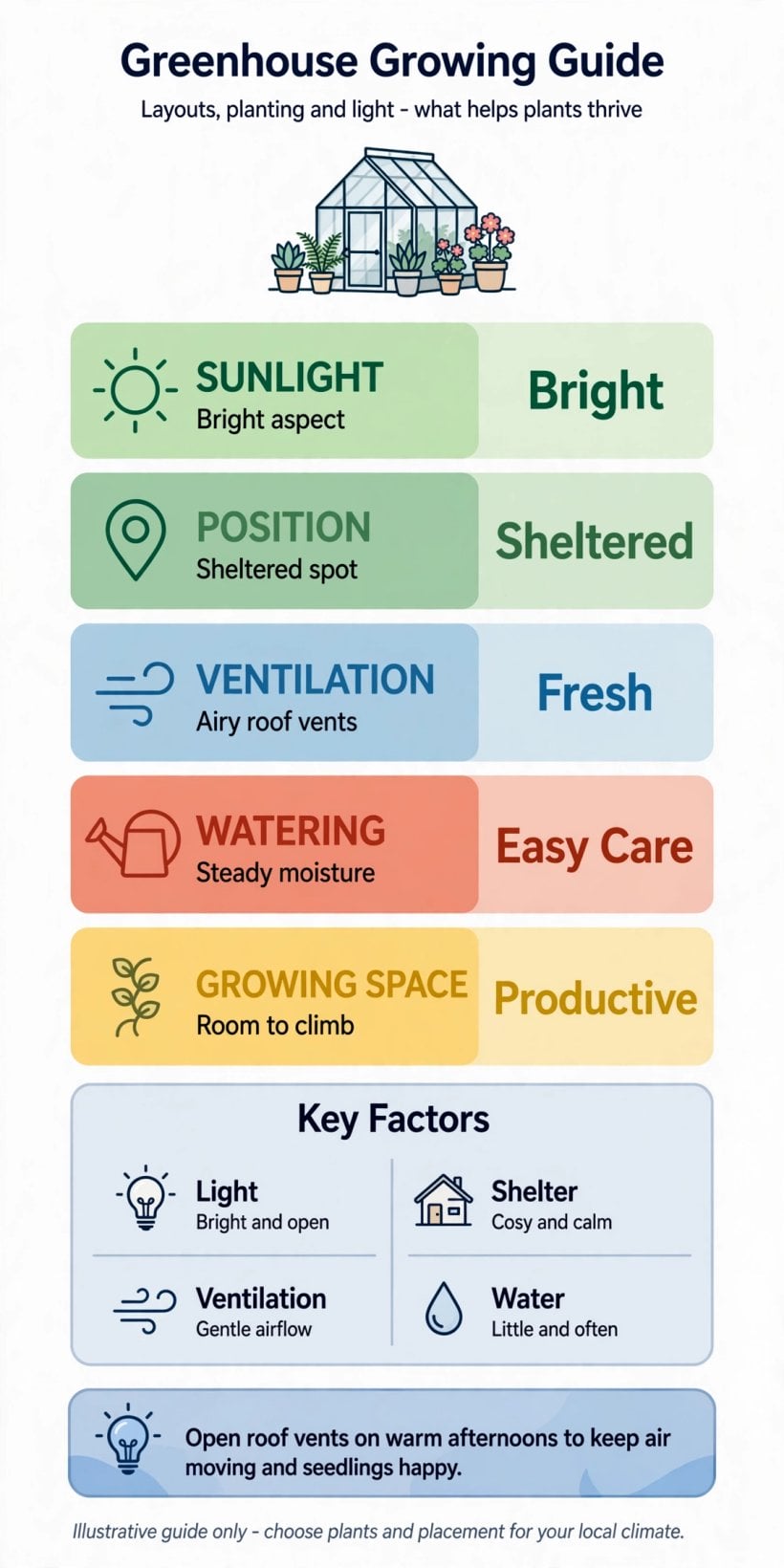
2. Siting and Orientation: Where the Glass Stands
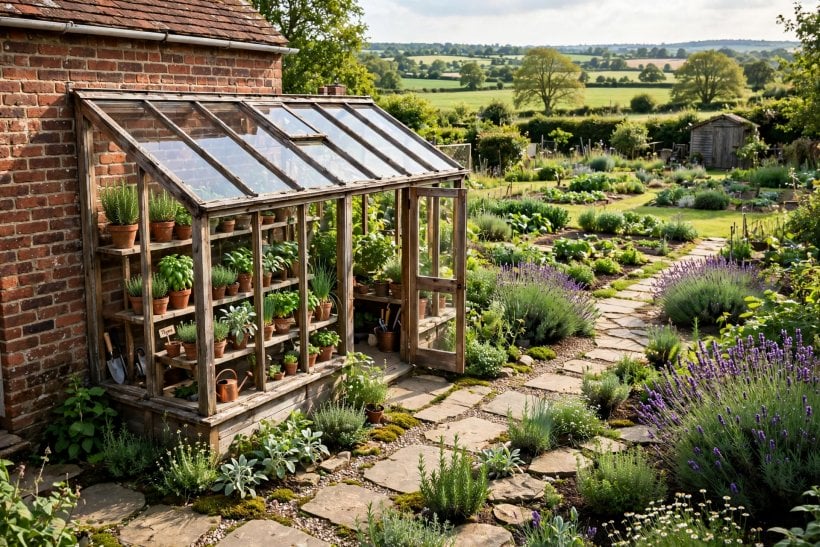
Every greenhouse decision after this one is compensation for the site. Spend the choosing time here — walk the garden in winter sun, watch the shadows, and let the plants’ interests outvote the view from the kitchen window.
1. Chase the Winter Sun, Not the Summer
The greenhouse earns its keep in the dark months, so site it for winter light: low sun, unobstructed, never in the shadow a fence or tree throws from November to February. A site perfect in July can be a cave by Christmas.
2. Run the Ridge East to West
An east–west ridge lets the long south side harvest low winter sun all day. In summer the difference softens; in the hungry months it is the difference between growth and mere survival.
3. Shelter From the Prevailing Wind
Wind steals heat through every joint and tests every fixing. A hedge or fence a respectful distance away — breaking the wind without stealing the light — is the greenhouse’s cheapest heating system.
4. Avoid the Frost Pocket
Cold air pools at a slope’s foot and in fenced hollows. Site the greenhouse where cold air drains away downhill, not where it gathers; a few metres of position can be worth degrees on the year’s coldest night.
5. Stand It Near Water and Power
Every can of water and every heater cable travels from the house. A site near an outdoor tap and a safe power route saves a daily walk that adds up to miles in a season.
6. Keep the Path Short and Solid
The greenhouse is visited daily, in all weathers, often carrying trays. A hard path that never turns to mud is infrastructure — build it with the base, not after the first winter’s trudge.
7. Build Beside the Patio’s Growing Zone
Greenhouse, herb beds and the potting bench form the garden’s work triangle — the same cluster logic as our patio ideas survey applies outdoors: stations placed together get used together.
8. Give It a Proper Base
A level, solid base — slabs, a concrete plinth or a proper ground frame — keeps doors closing, panes seated and water draining for decades. A greenhouse on bare soil twists, leaks and sighs in every storm.
9. Check the Rules Before the Base Is Dug
Most small garden greenhouses sit comfortably within permitted garden structures, but boundaries, heights and listed settings vary. One check with the local rules now is cheaper than a moved greenhouse later.
10. Leave Room to Grow Around It
Cold frames against the sunny wall, a compost bin within barrow range, space for the water butt: the greenhouse is a settlement, not a solo building. Leave its surroundings room to join in.
11. Watch the Neighbours’ Trees Grow
Today’s sapling is next decade’s shade. Site with the mature height of surrounding planting in mind, or accept a future of negotiation — the sun cannot be argued with, only planned for.
3. Structures and Glazing: The House Itself
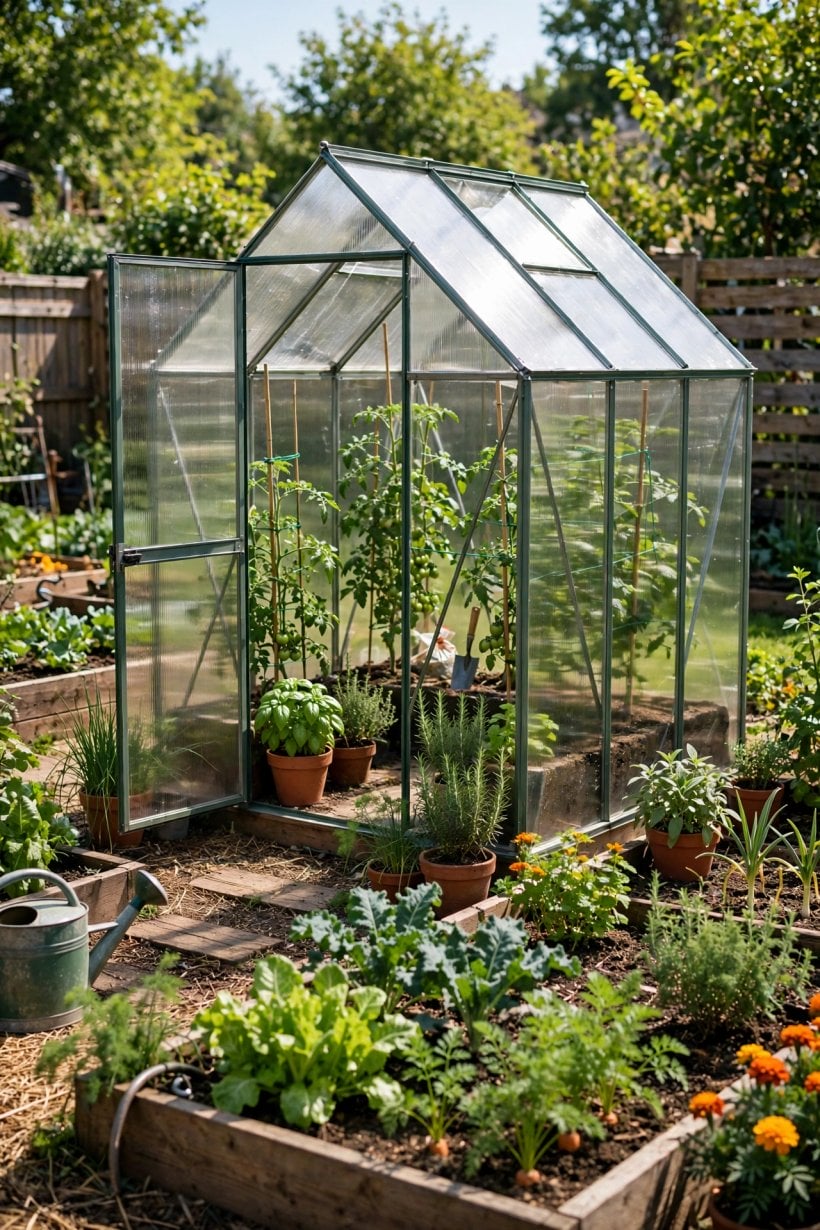
Frame and glazing are the greenhouse’s body: they decide its strength in the storm, its light in the gloom and its bills in the winter. Choose them for the site’s weather and the gardener’s patience, in that order.
12. Aluminium for a Lifetime of Low Care
Powder-coated aluminium frames ask for nothing but a wash, stay true for decades, and their slim sections steal the least light. For most gardeners this is the frame the whole question resolves to.
13. Timber for Beauty and Warmth
A timber frame — cedar above all — gives the greenhouse its classic garden-room beauty and insulates slightly better at the joints. Its price is maintenance: a finish renewed on schedule, forever, gladly.
14. Steel Where the Weather Is Serious
Exposed and upland sites ask for galvanised steel’s strength. Where winter storms are a genuine opponent, the frame’s bracing and fixing schedule matter more than any other line in the catalogue.
15. Glass for the Traditional Light
Toughened horticultural glass gives the clearest light, the crispest view of the plants, and a structure that outlasts its owner. It is heavy, demands a true base, and breaks honestly rather than sagging.
16. Twin-Wall Polycarbonate for Insulation
Polycarbonate’s air gap insulates like a second skin, weighs little, and forgives footballs. It diffuses light kindly for seedlings, though it clouds slowly with the years where glass stays clear.
17. Mix the Glazing: Glass Roof Logic in Reverse
Some houses run glass on the roof for maximum light and polycarbonate low on the walls for safety and insulation. The hybrid is unfashionable to describe and entirely sensible to grow in.
18. Brace for the Snow You Actually Get
Roof pitches and bracing should be chosen for the district’s real snowfall and wind, not the brochure’s photograph. A greenhouse is a roof you garden under; respect it like one.
19. Doors That Admit a Wheelbarrow
Wide or double doors, a level threshold, and a latch that works with full hands: the door is used a thousand times a year, often by someone carrying something awkward. Specify it like a tradesman, not a stylist.
20. Vent the Roof From the Start
Roof vents are not an accessory; a greenhouse without them cooks its contents on the first warm morning. Fit vents generously across the roof’s length — the climate section below explains why they can never be an afterthought.
21. Gutter the Roof Into a Butt
Greenhouse roofs harvest clean rainwater exactly where thirsty plants live. Guttering into a covered butt beside the door is the building repaying its footprint every single week of the season.
22. Anchor It Like a Sail, Because It Is One
A greenhouse presents a sail’s area on a soapbox’s weight. Fix the base down to its foundation with the maker’s full anchoring schedule — the storm that tests it is already on a calendar somewhere.
4. Benches, Shelving and the Working Layout
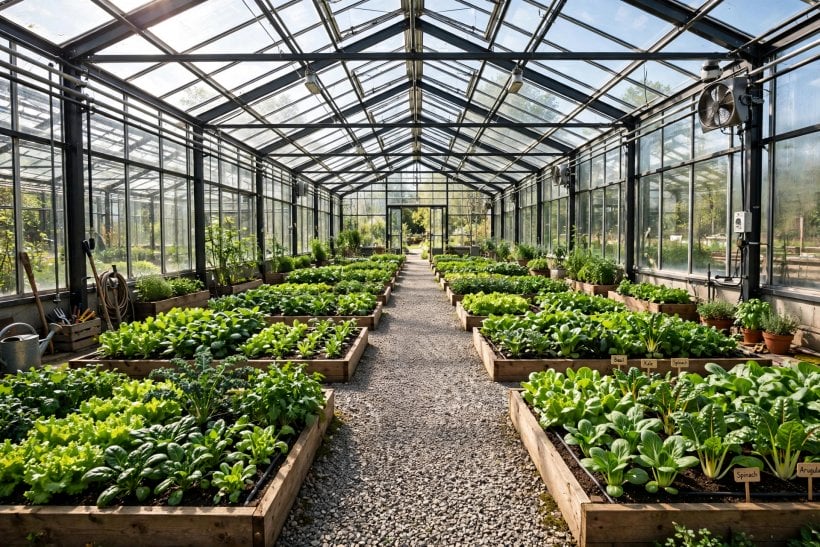
Inside, the greenhouse is a workshop measured in staging. The layout decides how many plants it holds, how kindly it treats the gardener’s back, and whether the centre path stays a path or becomes a shelf.
23. Stage Both Sides, Path Down the Middle
The classic layout — benches along both walls, one straight path — serves every task and wastes nothing. Resist the third bench down the middle until the house is truly full; the path is a tool too.
24. Slatted Benches for Air and Drainage
Slatted staging lets water drain and air circulate under the pots, discouraging the fungal weather that still, solid shelves breed. Aluminium or durable timber slats clean down in minutes.
25. Set Bench Height at the Gardener’s Waist
Pricking out, potting and inspecting happen standing, for hours. Benches at comfortable working height — matched to the main gardener, not the catalogue — are the difference between a pleasure and a posture lesson.
26. Add a Potting Bench With Its Stores Beneath
One dedicated potting station — compost bin below, tools and pots within reach — keeps the messiest job contained and the staging free for growing. Every greenhouse needs one address where soil is allowed.
27. Shelf the North Wall High
The wall that receives least light carries the high shelves: pots, canes, ties, the stores that need no sun. Vertical storage on the shaded side costs the plants nothing.
28. Keep a Gravel or Slabbed Floor
A free-draining floor — slabs on sand, or gravel over a membrane — takes the daily watering without mud, suppresses weeds, and lets spilt compost be swept rather than scraped. Bare soil floors harbour every slug in the parish.
29. Zone by Need: Propagation, Growing-On, Cropping
Three zones in the gardener’s mind — the warm bench for seeds, the staging for growing on, the beds or big pots for cropping — keep the house’s work flowing in one direction like the laundry’s route.
30. Hang Tools on the Door Wall
Ties, scissors, labels, the thermometer: the small tools live on hooks by the door, taken up on entry, returned on exit. A greenhouse whose tools migrate grows disorder faster than tomatoes.
31. Stand Tall Crops in the Ground Beds or the Tallest Pots
Tomatoes, cucumbers and climbing beans want the house’s full height and the deepest root run — ground beds where the design allows, the largest pots where it does not. Height is a resource; spend it on climbers.
32. Borrow the Shed for the Overflow
Compost sacks, spare pots and the winter clutter belong in the shed, not the glasshouse — the pairing our garden shed ideas develop. Every square foot of staging given to storage is a square foot of spring seedlings refused.
33. Keep One Bench Section Clear for the Season’s Work
A permanently clear stretch of bench is the greenhouse’s worktop — for the tray being sown, the plant being divided, the harvest being sorted. Full staging looks productive and works terribly.
5. Watering and Feeding: The Daily Round
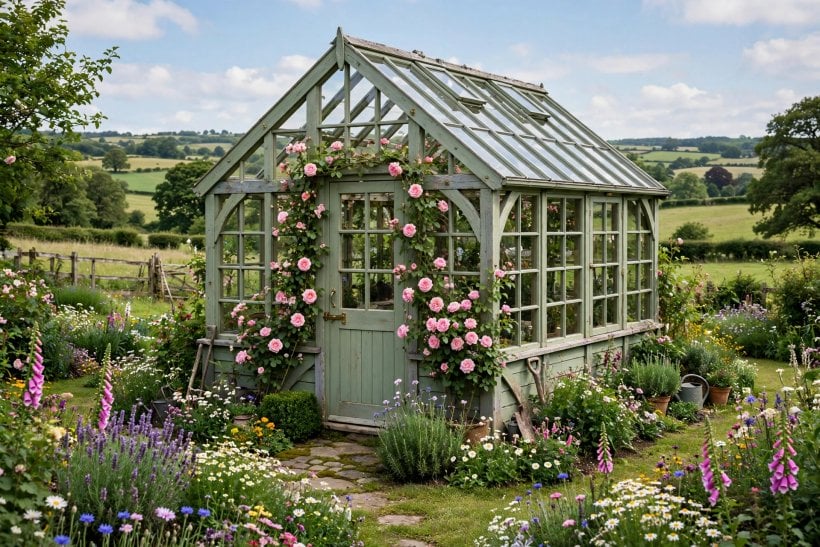
A greenhouse concentrates thirst: plants in pots, under glass, in moving air, drink faster than the same plants outdoors. The watering system is the difference between a daily pleasure and a daily emergency.
34. Water in the Morning, at the Roots
Morning watering at the compost’s surface — not over the leaves — lets foliage dry before night and denies fungus its damp evening. The routine matters more than the equipment; the equipment should serve the routine.
35. Run Drip Lines to the Big Drinkers
Tomatoes, cucumbers and peppers on drip irrigation drink steadily without wetting their leaves, on a timer that forgives holidays. It is the single most liberating system a cropping greenhouse can own.
36. Stand Seedlings on Capillary Matting
Trays on capillary matting take water from below at their own pace — the propagation bench’s quiet autopilot. Combined with a header tank, it keeps seedlings even through a weekend away.
37. Keep the Butt Full and the Can Ready
Rainwater suits greenhouse plants better than the tap’s treated supply, and a full butt beside the door makes watering a one-trip job. The filled can, waiting, is the sign of a house in good order.
38. Feed Little and Often in the Season
Container plants live on what they are given: a weak feed regularly beats a strong feed occasionally. Follow the crop’s stage — growth, then fruit — and let the calendar in section eight set the menu.
39. Group the Thirsty Together
Zone the staging by thirst — the daily drinkers together, the drought-tolerant apart — and the watering round becomes one pass instead of a judgement per pot. Thirst zoning is the watering system’s layout layer.
40. Check With a Finger, Not a Schedule
Compost moisture is read by hand: dry on top can be damp below, and vice versa. The schedule proposes; the finger disposes. Experienced greenhouse gardeners water by touch and are rarely wrong.
41. Mulch the Big Pots and Beds
A mulch over beds and large containers slows evaporation, cools the roots and keeps the compost’s surface from caking. In a glasshouse in July, mulching is watering done in advance.
42. Empty the Saucers in Winter
Standing water under pots in the cold months rots roots and invites every fungus. Winter watering is a morning sip, saucers emptied — the season’s discipline reverses the summer’s generosity.
43. Keep a Holiday Plan Before You Need One
Timers, capillary systems, a neighbour with a key and a written round: holidays are survived by arrangements made in calm, not by hope in August. Build the plan into the systems from the start.
44. Wash Pots and Trays as They Empty
Disease overwinters in dirty pots. A wash station habit — brush, water, air-dry, stack — keeps last year’s problems from being this year’s seedlings’ inheritance.
6. Heat, Ventilation and Shade: Managing the Weather
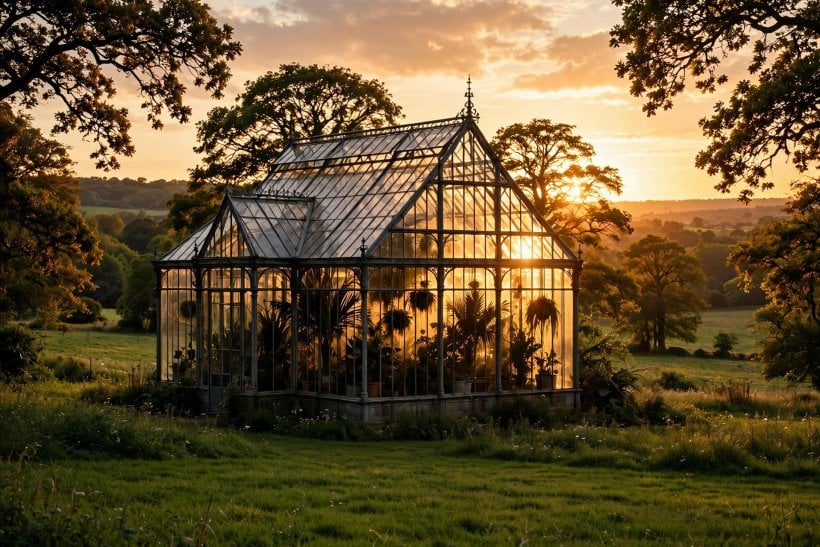
A greenhouse is a climate with an owner. Left alone it freezes by night and cooks by noon; managed with vents, shade and a little heat, it holds the narrow band where plants thrive.
45. Vent Automatically, Without Fail
Automatic vent openers — wax-cylinder, no power needed — are the greenhouse’s most important purchase after the frame. One forgotten morning in May can cook a season; the openers never forget.
46. Add Louvres Low for the Full Air Path
Roof vents let hot air out; low side louvres let cool air in to replace it. The pair creates the through-flow that actually cools; roof vents alone merely stir the heat.
47. Shade Before the Heat Arrives
Shade cloth or shading paint goes on as spring strengthens, not after the first scorched leaf. External shading stops the heat before the glass; internal blinds are its acceptable understudy.
48. Heat Only to the Crop’s Need
Frost-free for overwintering hardy stock; gentle warmth for early propagation. Heating a whole greenhouse to summer temperatures in February is a fuel bill wearing a hobby’s clothes — heat the bench, not the sky.
49. Warm the Propagation Bench Directly
A heated mat or soil-warming cable under the seed trays gives germination its warmth at a fraction of whole-house heating. Seeds need warm roots, not warm air — heat precisely where it works.
50. Insulate With Bubble Film in Winter
Horticultural bubble film clipped inside the glazing cuts night heat loss dramatically for the cold months, at a small cost in light. It is the overwintering house’s winter coat — on in autumn, off in spring.
51. Watch the Thermometer Like a Stock Price
A max-min thermometer, read daily, teaches the house’s true behaviour faster than any book. The gardener who knows their greenhouse’s real nights makes every other decision in this section correctly.
52. Grow Light for the Darkest Weeks
Where winter salads and early seedlings matter, a modest grow-light rig over one bench extends the day usefully — our guide to LED grow lights for plants covers choosing them. Light one bench well rather than the whole house dimly.
53. Fan the Air on Still, Humid Days
A small circulation fan on muggy days moves the air across foliage and denies mildew its still, damp corners. In the greenhouse, moving air is a fungicide that never runs out.
54. Open the Door on Warm Mornings
The door is a vent the size of a sail. On warm days an open door — wedged against slamming — plus the roof vents gives the house its summer breathing and the pollinators their invitation.
55. Let the Bees In When Crops Flower
Beans, tomatoes and fruit under glass need pollinators or a gardener’s vibrating toothbrush. Open vents and door on flowering days, and welcome the workforce the crops were designed for.
7. Growing Through the Seasons: The Calendar the Glass Buys
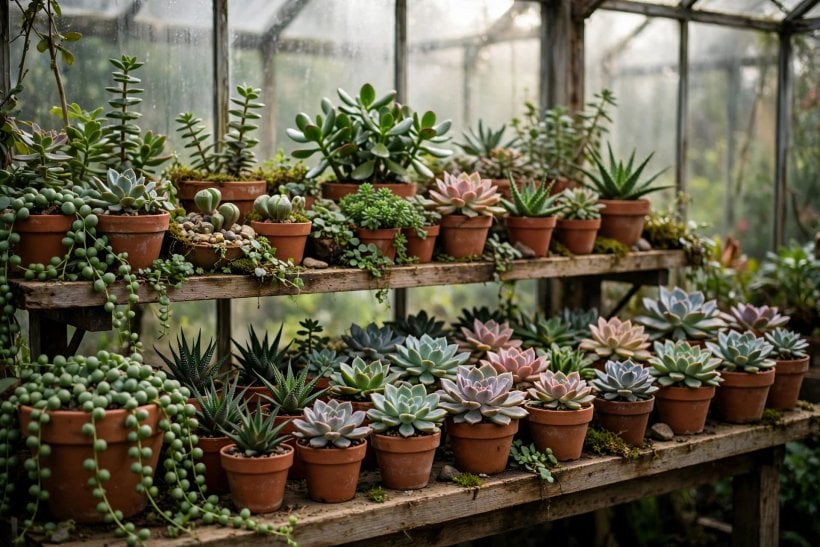
The greenhouse’s real product is time: sowings weeks ahead of the outdoor garden, tender crops carried through winter, and a harvest that starts earlier and ends later than the weather outside allows.
56. Start Spring Underground, Indoors, Under Glass
February and March sowings — tomatoes, peppers, half-hardy flowers — begin on the warm bench while the garden still sleeps. The greenhouse turns spring from an event into a procession.
57. Harden Off in Stages
Plants raised soft under glass must be introduced to the real weather gradually — doors open by day, a cold frame’s shelter by night. A week of hardening is the toll every plant pays to leave.
58. Crop the Summer Under Glass
Tomatoes, cucumbers, peppers and aubergines repay the house’s summer with the crops the outdoor climate grudges — trained up strings and climbing plants‘ supports to the ridge, fed and watered like the athletes they are.
59. Sow Autumn Into the Emptying Space
As summer crops clear, winter salads, spinach and herbs take their ground. The greenhouse that empties in September wastes its best trick — a harvest when the garden outside has stopped.
60. Overwinter the Tender Treasures
Citrus, pelargoniums, the prized fuchsias: frost-free under glass, dry and bright, they wait out the winter in the house’s care. Overwintering well is half stock preservation, half spring’s head start.
61. Force a Little Luxury
Rhubarb under a dark pot, strawberries in pots brought in early, a few bulbs in the cool dark then light: the greenhouse lets the gardener cheat the calendar for small, delicious victories.
62. Rest and Clean the House in Deep Winter
One thorough winter clean — glass washed inside and out, staging scrubbed, corners cleared — resets the house’s light and health for the year. Light through clean glass is the cheapest fertiliser there is.
63. Rotate the Beds Like a Farmer
Ground beds cropped with the same family yearly breed soil sickness. Rotate crops, refresh the soil or grow in bags and big pots — the fixed greenhouse must borrow the field’s oldest wisdom.
64. Keep the Garden’s Ecology Welcome
Frogs in the corner, a hoverfly’s patrol, ladybirds on the beans: the greenhouse within a living garden — the spirit of our off-grid gardens — polices its own pests better than a sterile box ever will.
65. Record What Worked, Every Season
A notebook by the door — sowing dates, varieties, verdicts — turns one year’s luck into next year’s knowledge. The greenhouse rewards the gardener who writes things down more than any other room in the garden.
8. Greenhouses for Small Gardens and Tiny Homes
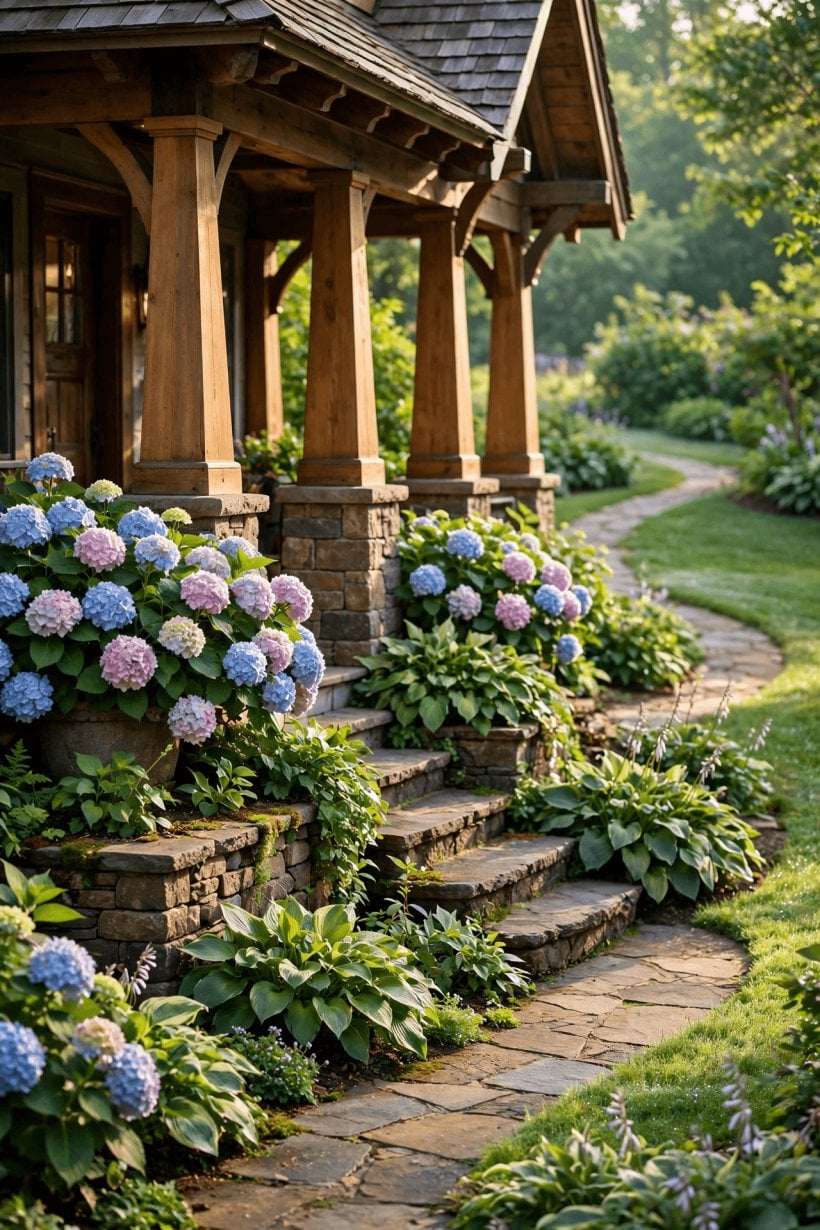
Not every garden can hold a glasshouse, and not every household needs one — but the greenhouse’s functions scale down gracefully: a lean-to, a cold frame, a glass cabinet on the sunniest wall. Tiny-house gardens have refined these miniatures into an art.
66. Lean To Against the Sunny Wall
A lean-to greenhouse borrows the house’s warm wall, its water and its power, and gives tender plants and the household’s herbs a home in half a freestanding house’s footprint — the small garden’s first choice.
67. Share the Glass With the Household
A lean-to or attached glasshouse doubles as the sunroom’s hardworking cousin — plants, a chair, winter light for people too; our sunroom ideas survey the people-first version of the same glass.
68. Miniaturise With a Cold Frame
A well-made cold frame on a sunny patch delivers half the greenhouse’s benefit — hardening off, salad protection, early sowings — in a metre of ground. It is the honest miniature, not a toy.
69. Grow in Containers at the Glass’s Foot
Where no structure is possible, the greenhouse principle survives as practice: pots moved to the sunniest wall, cloches over the tender — the approach our container garden ideas develop for the smallest plots.
70. Choose a Compact House and Grow Upwards
A small freestanding house with tall staging, hanging baskets and climbers to the ridge crops far beyond its footprint. In small greenhouses as in small houses, the volume is the garden — use all of it.
71. Keep the Small House’s Climate Twice as Watched
Small volumes heat and cool twice as fast as large ones. The compact greenhouse needs its automatic vents and its daily thermometer check even more faithfully than its big sibling.
72. Wheel the Tender Plants to the Weather
Pots on castors let a small household chase the sun and dodge the frost with the whole collection in minutes. Mobility is the tiny garden’s substitute for the greenhouse’s controlled climate.
73. Store the Gear in the House’s Shadow
The small greenhouse has no room for stores; a slim box on its shaded north side keeps compost and pots at hand without spending staging. Every outbuilding in a small garden must stack its functions like this.
74. Propagate for the Whole Garden From One Bench
Even a lean-to’s single warm bench can raise every seedling the garden needs. The small greenhouse’s highest calling is not storage of plants but manufacture of them — one bench, well run, supplies all.
75. Let the Glass Earn Its Evenings
A lamp, a chair, the day’s last warmth among the tomato leaves: the small greenhouse that is also a place to sit will be visited, watered and loved twice as faithfully. Usefulness keeps a building; affection maintains it.
9. Checks and Mistakes: Before the Kit Is Ordered
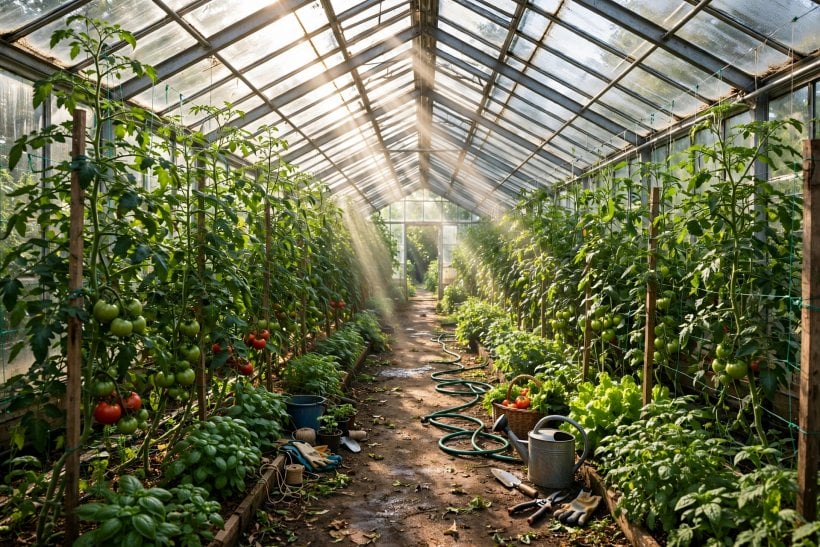
A greenhouse’s expensive mistakes are made before it stands: a site chosen for the view that spends winter in a tree’s shadow; a base laid a few centimetres out of level that makes every door drag for thirty years; vents ordered as an extra and discovered as a necessity in the first May heatwave; and a house bought one size small by a gardener whose ambitions had not yet introduced themselves. Every one was free to check at the catalogue stage.
Run the checks in order: the site observed at midwinter, morning and afternoon, for actual sun; the base specified level and square in writing; ventilation counted in vents and louvres, not adjectives; the door swung in imagination against a carried tray; and the size argued up by one model wherever the site allows. A greenhouse stands for decades and works every week of them — the checking afternoon is the cheapest season it will ever give you.
10. Costs and Pulling It Together
Greenhouse money divides into three honest bands. The structure — frame, glazing and base — takes the first and should take it proudly: it is a building, priced like one, and the difference between a kit that stands thirty years and one that rattles apart in five lives entirely in this band. The systems take the second: automatic vents, watering, heating and shade, each modest alone and together the difference between a glass box and a managed climate. The fit-out — staging, the potting bench, tools and the first season’s pots and compost — is the third band and the easiest to grow gradually.
Pull the order together in this survey’s sequence: site, base, structure, climate systems, benches, water. Resist the catalogue’s invitation to buy the house and the gadgets in one gesture; a well-sited bare house with automatic vents outperforms a gadgeted one in the shade every season of its life. And keep the max-min thermometer’s readings with the sowing notebook — together they are the greenhouse’s memory, and the second year is always better than the first because of them.
Final Considerations
A greenhouse asks for three things: the sunniest site you have, vents that open whether you remember or not, and a gardener who visits daily. Give it those and it repays with the longest season, the earliest tomatoes and the tender plants carried safely through every winter of its life. The glass does not do the gardening — it simply refuses to let the weather set the calendar alone, and that refusal is worth every pane.


0 Comments