

Grey is the hardest-working neutral in the bathroom. It flatters chrome and brass alike, hides the everyday splashes between cleans, and lets light, texture and one or two brave accessories do the talking.
From pale silver metro tiles to deep charcoal stone, these 75 ideas show how a grey tile bathroom can feel calm, bright and anything but dull — in rooms of every size.
1. Grey Tiles at a Glance: Shades, Sizes and What Suits Your Room
Grey is not one colour but a whole family, running from cool blue-greys to warm greiges, and the right branch depends on your light. North-facing rooms usually suit warmer greys that will not turn icy, while sun-filled rooms can carry the cooler tones happily. Use this table to pin down the basics, then work through the ideas section by section.
| Decision | Quick guidance |
|---|---|
| Shade | Pale greys brighten small or dark rooms; mid greys are the forgiving all-rounders; charcoal adds drama best kept to one wall or the floor. |
| Undertone | Blue-greys feel crisp with chrome and white; warm greiges pair naturally with oak, brass and creamy towels. |
| Tile size | Large-format tiles mean fewer grout lines and a calmer feel; small mosaics add grip underfoot in showers and wet zones. |
| Layout | Herringbone, stacked and chevron patterns add movement; a simple grid keeps the focus on fixtures and fittings. |
| Grout | Tonal grout blends for a seamless look; contrasting grout outlines every tile for a graphic, deliberate effect. |
| Pairings | White sanitaryware keeps grey fresh; timber warms it; black fittings sharpen it; plants soften it instantly. |
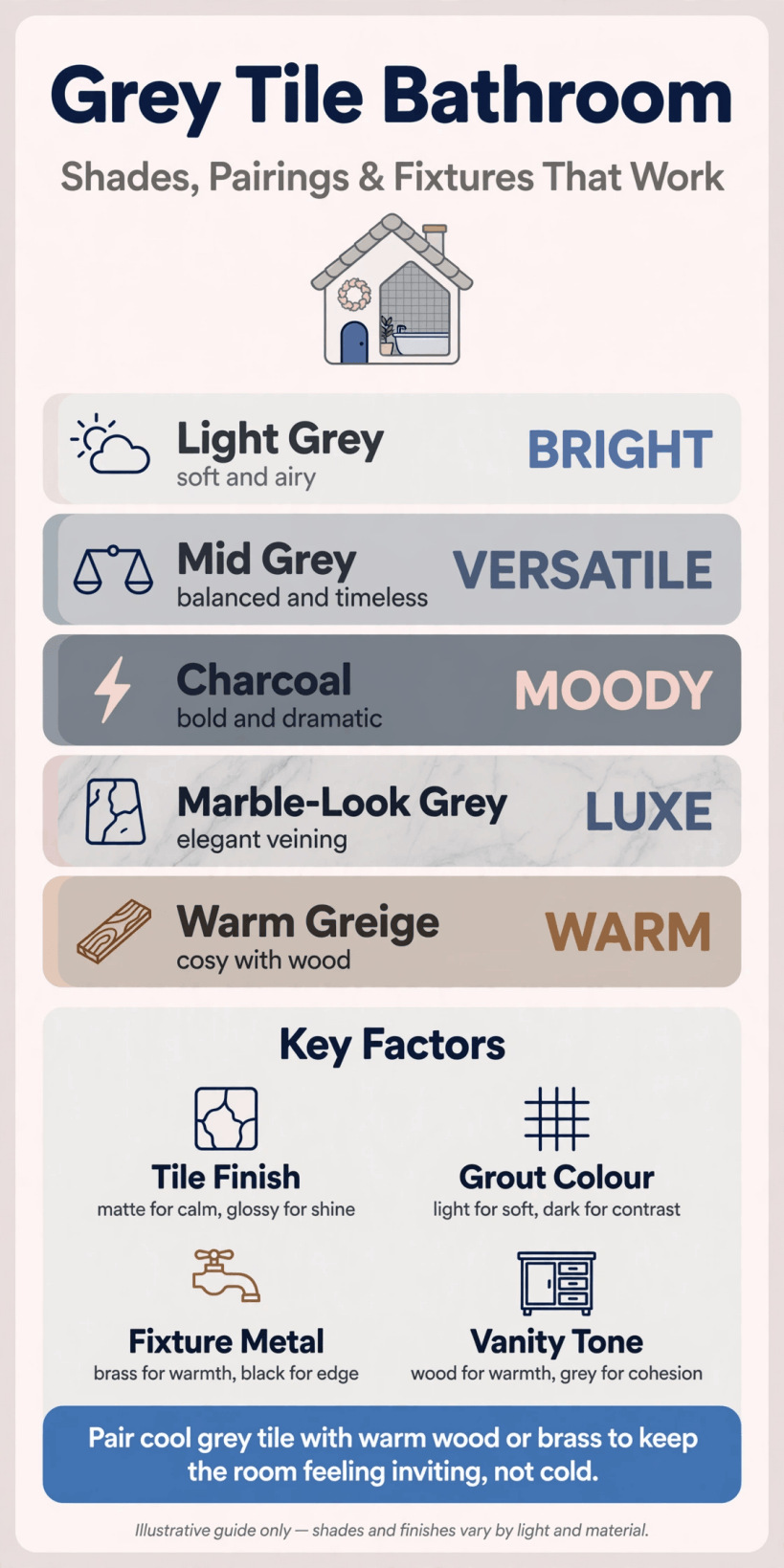
A quick visual guide to grey shades, tile sizes, layouts and grout choices.
Because grey sits quietly behind everything else, it is a particularly kind choice in compact bathrooms where every surface is close to the eye. The planning advice in our guide to tiny house small-space interior design ideas applies perfectly here: choose one calm palette, repeat it with discipline, and let texture rather than clutter create the interest.
One more habit separates the bathrooms that work from the ones that almost work: live with samples first. Lean full-size tiles against the wall, wet them to preview the deeper tone they take on in the shower, and check them under your actual bulbs at night. Grey is honest but it is also a chameleon, and an hour of testing at home beats any amount of squinting under showroom lights. If the budget only stretches to one decision done properly, start with the floor: it is the surface your eye reads first, and it sets the temperature for every other choice in the room.
2. Shade, Tone and Light: Laying the Grey Foundation (Ideas 1–8)
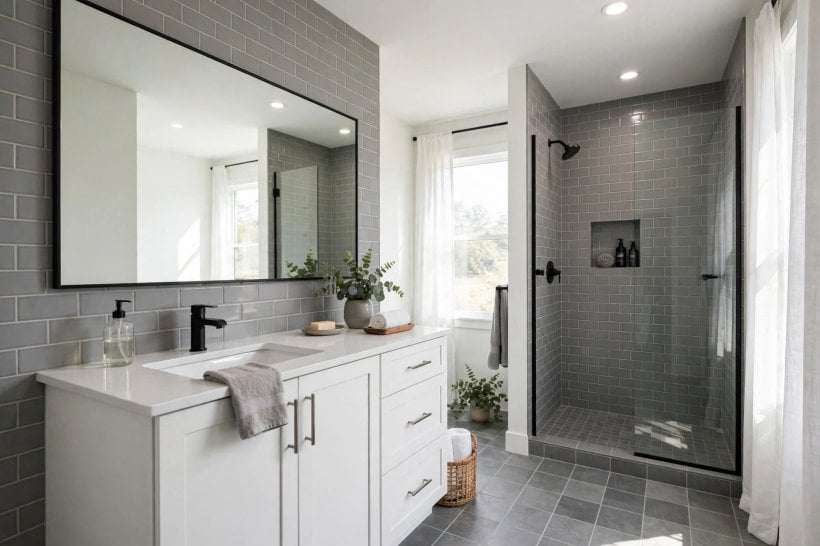
1. Palest silver-grey walls. The lightest branch of the family reflects daylight beautifully and makes small rooms feel noticeably airier. 2. Warm greige tiles. A grey with a beige heart stops north-facing rooms feeling cold and flatters skin tones in the mirror. 3. Blue-grey for crispness. Cool undertones suit chrome fittings and white suites, giving a fresh, hotel-like clarity. 4. Mid-grey as the anchor. The versatile middle hides splashes, suits most lights and lets accessories carry the colour. 5. Charcoal on one wall only. Deep grey behind the vanity or bath adds drama without shrinking the whole room. 6. Two greys, one room. Pair pale walls with a mid-grey floor for gentle structure that never feels stark. 7. Grey that changes with daylight. Test large samples morning and evening; the best grey shifts softly rather than turning blue or green. 8. Gloss to bounce light. A glossy finish on the palest grey doubles the light in windowless bathrooms.
3. Layouts and Tile Patterns With Rhythm (Ideas 9–16)
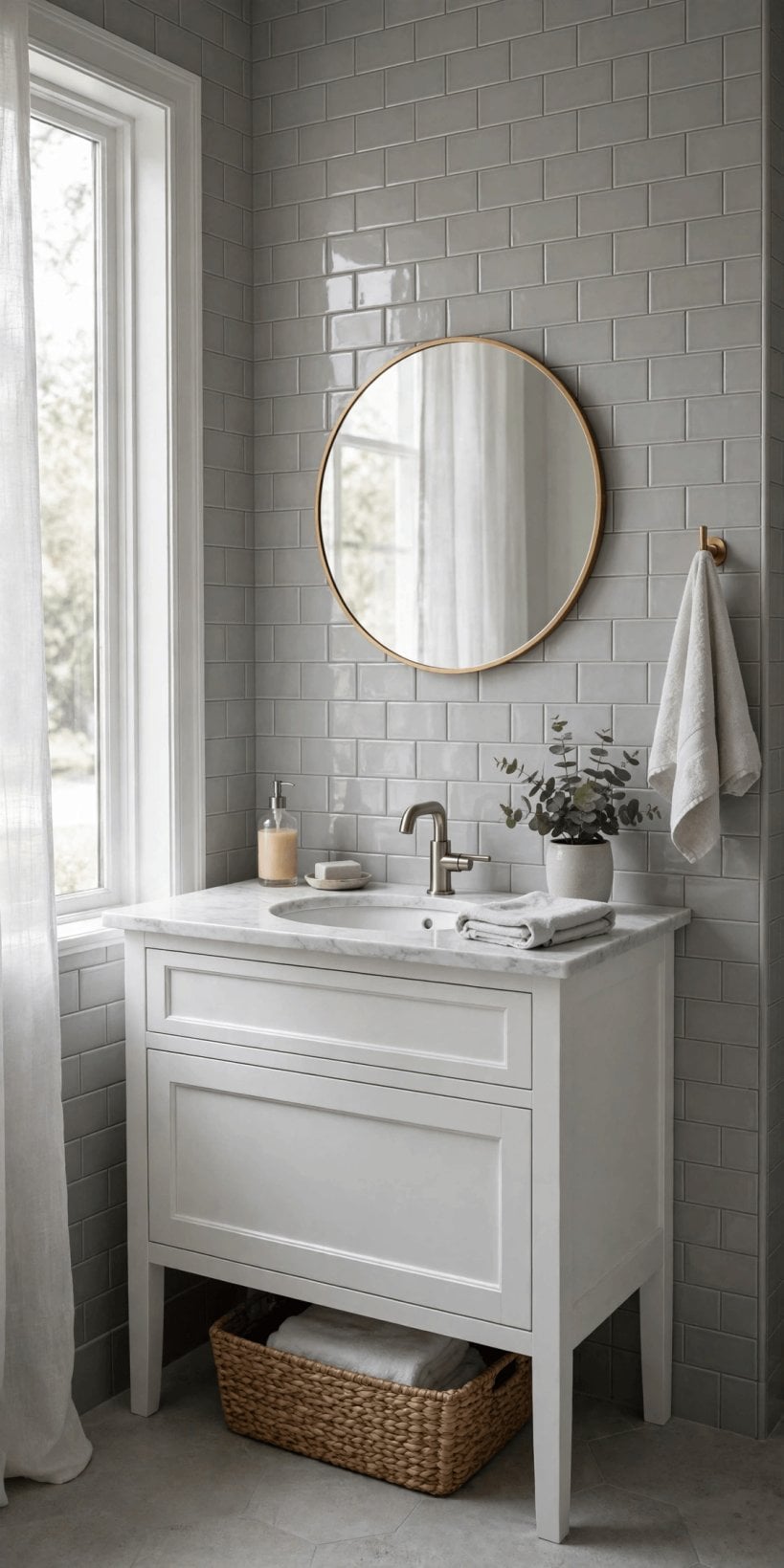
9. Classic herringbone. Grey metro tiles in herringbone turn a plain wall into the room’s artwork. 10. Vertical stacked metros. Running tiles upright draws the eye up and makes low ceilings feel taller. 11. Horizontal stacked for calm. Long straight lines feel modern and restful, especially in large formats. 12. Chevron continuity. A chevron floor flowing up the shower wall reads as one confident gesture. 13. Hexagon floors. Grey hex tiles, large or mosaic, bring soft geometry that suits classic and modern suites. 14. Basketweave mosaics. A traditional pattern in two greys adds vintage texture underfoot. 15. Brick bond with a twist. Offset rows in a mid grey keep things familiar, friendly and easy to lay. 16. Border and field. Frame a plain grey field with a patterned border to define the bath or vanity zone. Pattern confidence grows quickly once you see how wall colours behave beside grey; our guide to tiny house interior paint colors helps you judge the remaining painted walls with the same eye.
4. Vanities and Storage That Float, Stack and Hide (Ideas 17–24)
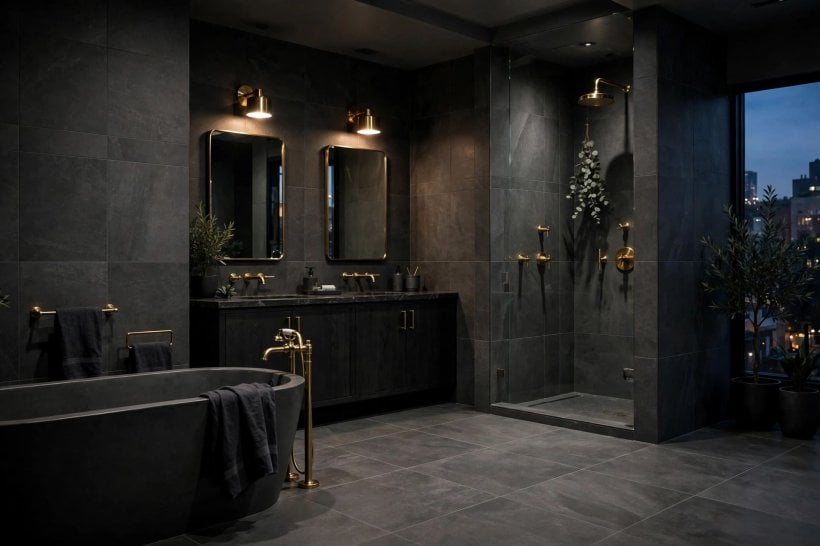
17. Floating oak vanity. Timber warmth against grey tile is the combination that never dates. 18. Grey-on-grey vanity. A vanity painted a shade deeper than the tiles gives a tailored, built-in feel. 19. White vanity, grey backdrop. Crisp white cabinetry keeps mid-grey walls feeling fresh rather than moody. 20. Double drawers over doors. Deep drawers swallow hairdryers and bottles that cupboards merely hide. 21. Mirrored cabinet storage. A wide mirrored cabinet replaces a plain mirror and removes counter clutter in one move. 22. Open shelf beneath. A timber or stone shelf under a wall-hung basin stores rolled towels within sight and reach. 23. Tall slim tower unit. A narrow tower beside the vanity uses vertical space small bathrooms cannot waste. 24. Stone-topped console. A simple console vanity with a grey-veined top echoes the tiles and feels bespoke.
5. Marble-Look, Stone and Concrete Finishes (Ideas 25–32)
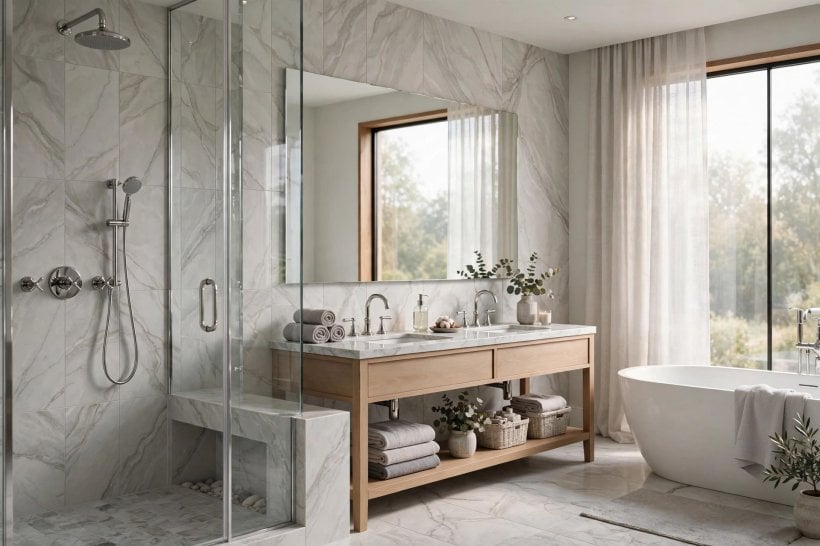
25. Grey-veined marble look. Porcelain that mimics marble gives the luxury pattern without the sealing routine. 26. Real honed stone splash zones. Where budget allows one real material, a honed grey stone splashback rewards every day. 27. Concrete-effect large format. Soft cloudy greys feel architectural and hide water marks gracefully. 28. Terrazzo-look grey. Flecked tiles add life to plain suites and disguise everyday dust beautifully. 29. Slate-effect texture. A riven, slate-look finish brings grip and countryside character to floors. 30. Limestone-look warmth. Pale warm-grey stone effects suit traditional suites and brass fittings. 31. Split-face feature strip. A narrow band of stacked stone texture behind the bath makes a focal point from offcuts. 32. Matching stone-look accessories. Soap dishes and trays in the same grey family keep the scheme seamless. If you love cool palettes generally, the combinations in our look at a blue and white tiny house interior show how grey’s neighbours behave in daylight.
A note on mixing these finishes: the calmest rooms pick one hero texture and let everything else stay smooth. Marble-look walls with a plain floor, or a concrete-effect floor with simple glossy walls, give the eye a single story to follow. When every surface competes with veins, flecks and ridges at once, even beautiful tiles start to feel restless — and grey, above all, is meant to feel restful.
6. Floors, Walls and Wet Zones That Work Together (Ideas 33–40)
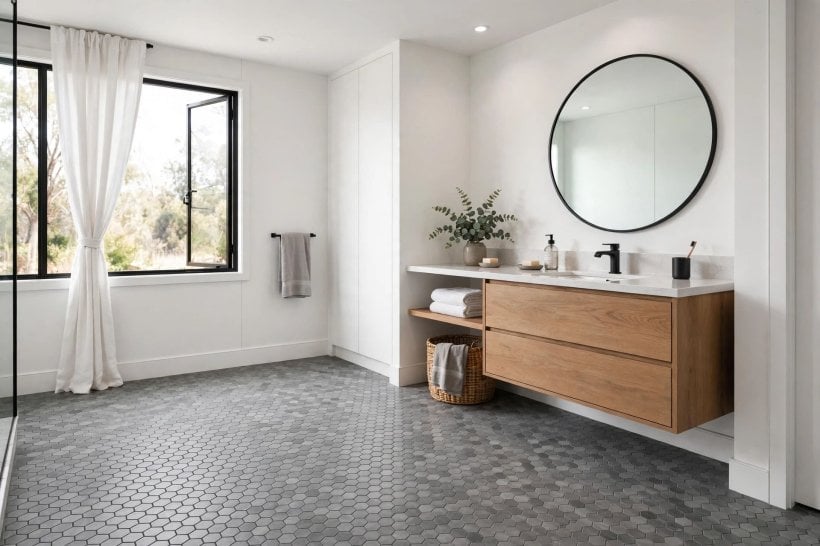
In a grey tile bathroom, the floor usually decides the mood. Continue the same tile from floor to wall and the room feels larger and calmer; change the format but keep the shade and you get definition without friction. 33. Floor-to-wall continuity. One tile everywhere is the simplest route to a serene, spacious feel. 34. Darker floor, paler walls. Grounding the room with a deeper floor hides wear and lifts the walls. 35. Half-height tiling. Tile to waist height, paint above — flexible, economical and easy to refresh. 36. Full-height shower zone. Take tiles to the ceiling inside the shower for a proper wet-room finish. 37. Skirting in tile. A tiled skirting line protects painted walls from mops and splashes. 38. Patterned floor, plain walls. Let a patterned grey floor star while walls stay quiet and pale. 39. Plain floor, patterned walls. The reverse balance suits rooms where the vanity wall deserves the attention. 40. Wet-room tanking beneath. Whatever the look, waterproof the substrate properly — beautiful tiles deserve a dry structure behind them.
7. Showers and Baths Wrapped in Grey (Ideas 41–48)
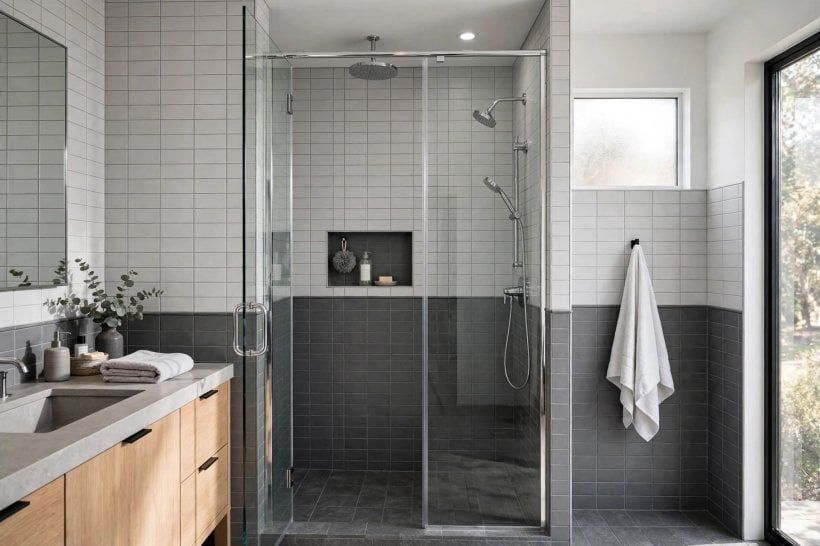
41. Walk-in shower, grey throughout. Large grey tiles and a linear drain give the calmest start to the day. 42. Mosaic shower floor. Small grey mosaics follow the fall to the drain and grip safely underfoot. 43. Tiled shower niche. A recessed shelf in a contrasting grey keeps bottles tidy and the lines clean. 44. Frameless glass on grey. Clear glass lets the tiling be the whole picture in the shower zone. 45. Freestanding bath against charcoal. A white sculptural bath in front of deep grey tiles is endlessly photogenic. 46. Tiled bath panel. Continue floor tiles up the bath panel for a built-in, architectural look. 47. Grey tiles, brass shower fittings. Warm metal against cool tile is the pairing designers reach for repeatedly. 48. Bench seat in matching tile. A tiled shower bench adds comfort and a spa note in larger enclosures. The storage-and-layout thinking behind these wet zones borrows happily from our roundup of tiny house interior design ideas, where every fitting earns its footprint.
8. Small Bathrooms and Space-Saving Fixtures (Ideas 49–56)
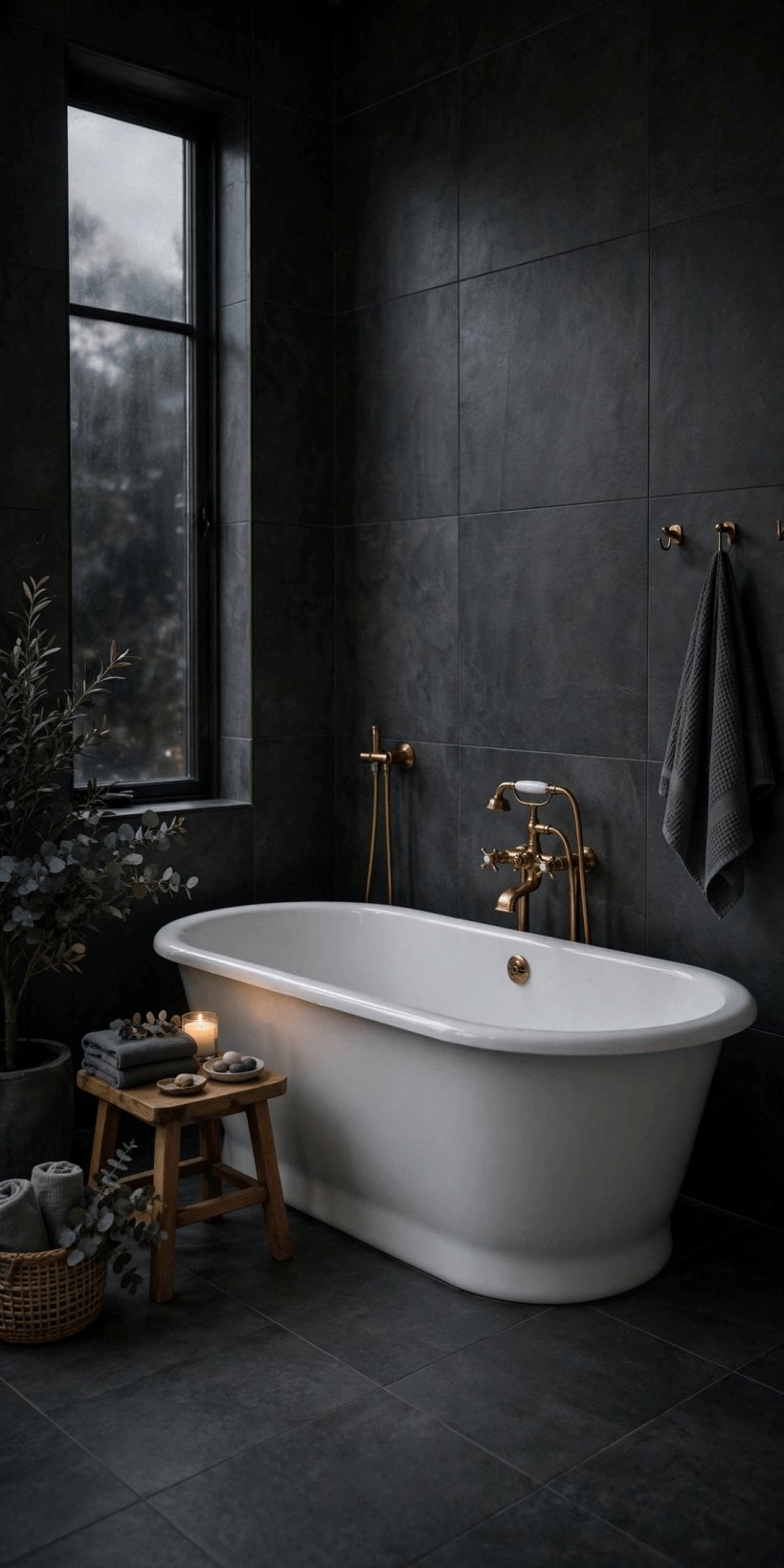
49. Large tiles in tiny rooms. Counter-intuitively, big pale grey tiles make small bathrooms feel bigger by reducing grout clutter. 50. Wall-hung basin and WC. Floating fixtures reveal more floor, and grey floor tiles run uninterrupted beneath. 51. Corner basin. A neat corner basin rescues cloakrooms where a standard vanity will not fit. 52. Short-projection suite. Compact fixtures buy floor space without giving up comfort. 53. Sliding or pocket door. Removing the door swing frees wall space for storage or a larger shower. 54. Recessed mirrored cabinet. Storage sunk into the wall keeps sightlines clean over the basin. 55. Heated towel rail in grey. A grey or anthracite rail continues the palette while warming towels. 56. Continuous floor into the shower. One level, one tile: the classic trick that makes small wet rooms feel twice the size. Clever hidden storage matters as much here as it does in the bedroom ideas in our guide to tiny house closet design ideas — in small homes, the rooms compete for the same precious inches.
9. Grout, Metals and the Finishing Details (Ideas 57–64)
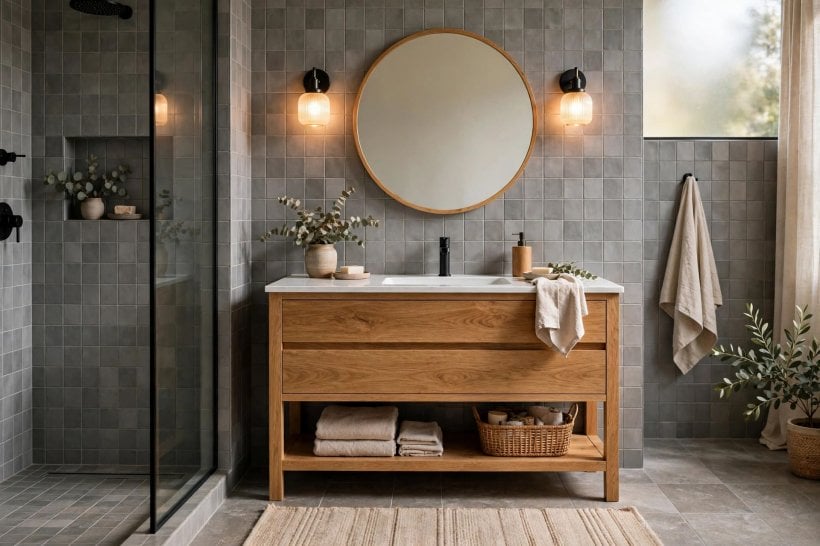
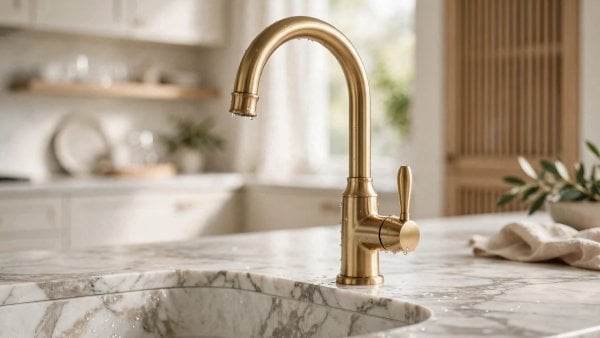
57. Tonal grout for seamless calm. Match grout to tile and the surface reads as one quiet expanse. 58. Contrasting grout for graphics. Pale grout on charcoal tiles (or the reverse) outlines every shape deliberately. 59. Mid-grey grout as the diplomat. It forgives both pale and dark tiles and hides everyday marks kindly. 60. Black fittings throughout. Matt black taps, hinges and handles sharpen grey schemes instantly. 61. Chrome for brightness. Polished chrome keeps pale grey schemes feeling fresh and classic. 62. Brushed brass warmth. Warm metal is grey’s best friend in rooms that risk feeling cool. 63. Matching drain and trim. Colour-matched tile trims and wastes finish the illusion of a built room. 64. Silicone in the right grey. Choose sealant to match grout, not the tube that happens to be open — the lines show.
Maintenance is the quiet partner of every one of these details. Grey grout in a tonal shade shows soap film far less than bright white lines do, and a weekly squeegee over shower glass and tiles keeps limescale from dulling the finish you chose so carefully. Reseal grout in wet zones when water stops beading on it, keep a matching tube of silicone ready for the day a corner joint tires, and your finishing details will look deliberate for years rather than months. Small bathrooms reward this kind of attention most, because every line sits close to the eye.
10. Styling, Light and Living With Grey (Ideas 65–75)
65. Layered lighting. Ceiling light plus mirror lighting stops grey reading flat in the evenings. 66. Warm bulbs over cool. Warm-white light keeps grey tiles welcoming rather than clinical. 67. One plant, always. A fern or trailing plant is the fastest way to soften mineral surfaces. 68. Timber stool or ladder shelf. A small piece of wood warms the whole palette at a glance. 69. Towels in texture, not colour. White or pale grey waffle and ribbed towels add interest without noise. 70. A single colour accent. One brave touch — a stool, a vase, a framed print — lets grey play its supporting role. 71. Big mirror, slim frame. A generous mirror bounces light around grey walls and doubles the sense of space. 72. Artwork with breathing room. A simple print in a pale mount looks gallery-calm against mid grey. 73. Scent and ritual. A candle or reed diffuser in a grey glass vessel keeps the theme without effort. 74. Baskets for the real life. Woven baskets hide the unglamorous essentials that every bathroom accumulates. 75. Refresh seasonally. Swap towels and the plant twice a year and the same grey tiles feel new again. That restraint with accessories echoes the whole-home calm in our collection of tiny house living room ideas: a quiet base, edited often, never cluttered.
Final Considerations
Grey tiles succeed because they ask so little and give so much: a calm background, forgiving maintenance and a palette that welcomes chrome, black, brass and timber alike. Choose your shade in your own light, decide the grout story before the first tile is cut, and keep the layout simple enough that the room feels restful every single day. Sample generously, live with the samples, and let the quietest option win more often than not.
Whether your bathroom ends up pale and bright or deep and dramatic, the same grey family can carry through the rest of a small home for a joined-up feel — the material-continuity thinking in our guide to tiny house kitchen design shows how. And if you are planning the whole compact home rather than one room, browsing tiny house communities in Connecticut is a pleasant way to see small bathrooms specified with exactly this kind of calm confidence.


0 Comments