

A faucet is the hardest-working fitting in the house. It is turned, twisted, splashed and wiped thousands of times a year, and a reliable one simply keeps working through all of it without complaint.
This guide explains what the best faucet brands tend to get right — body materials, cartridges, finishes and spare parts — so you can compare well-known names fairly before you spend anything.
1. Faucet Reliability at a Glance: Quick Questions, Straight Answers
Start with the short version. Reliability is rarely about one clever feature; it is about ordinary engineering done well and a company that still sells the small parts years later. Use these answers as your baseline, then verify the details on the maker’s own current documentation before you buy.
| Question | Short answer |
|---|---|
| What makes a faucet reliable? | A solid metal body, a quality cartridge, a durable finish and spare parts that stay available. Those four matter more than styling trends or extra features. |
| Which body material lasts longest? | Solid brass and stainless steel are the traditional long-life choices. Lighter zinc-alloy bodies cost less, so ask what the body is made of before judging value. |
| Why does the cartridge matter so much? | The cartridge is the working heart that controls flow and mixing. Ceramic disc cartridges are widely used because they resist wear and usually drip far less over time. |
| Are expensive brands always better? | Not automatically. Well-known brands sell several ranges at different levels, so compare the specific model, its materials and its parts support rather than the logo alone. |
| What should I check about a warranty? | Read the current written terms on the maker’s website: what is covered, for how long, and what proof of purchase is needed. Terms vary by brand, range and country. |
| How do I compare two faucets fairly? | Compare the same type and mounting, then list body material, cartridge type, finish process, flow rate and parts availability side by side before looking at style. |
| Does brand matter in a tiny home? | Yes, in a practical way: compact homes need standard fittings and easy-to-find cartridges, because space and patience for repairs are both in short supply. |
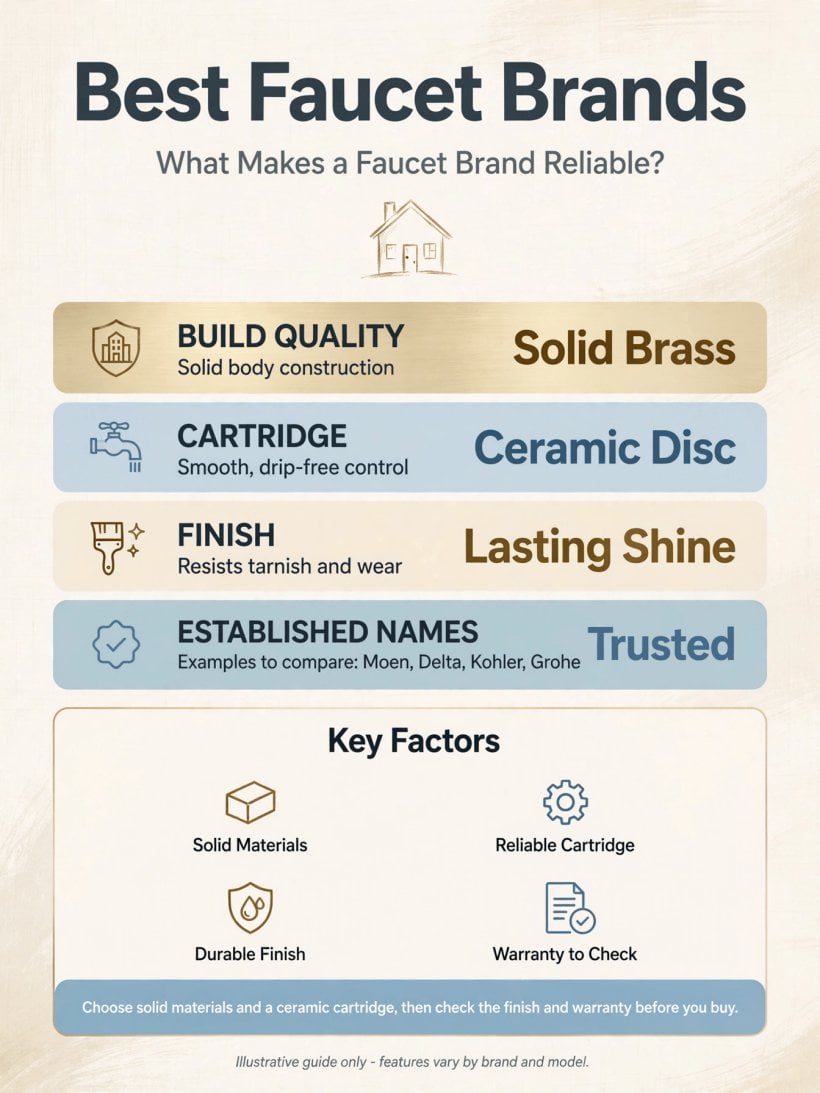
A visual summary of the materials, cartridges, finishes and support checks covered in this guide.
If the faucet is part of a wider refit, plan it alongside the sink, worktop and splashback rather than choosing it in isolation. The layout thinking in our guide to tiny house kitchen design is a good reminder that fittings, storage and work surfaces succeed or fail together as one system.
2. Start With the Body: Brass, Stainless Steel and Alloys
Pick up two faucets and the heavier one is usually telling you something. Traditional bodies are cast from brass, an alloy long used in plumbing because it machines cleanly, resists corrosion in household water and tolerates years of thermal cycling. Stainless steel bodies offer a similarly robust feel and a naturally lead-conscious composition, while some ranges use zinc alloy for lighter, more decorative shapes. None of this is visible once the faucet is installed, which is exactly why it is worth asking about before you buy.
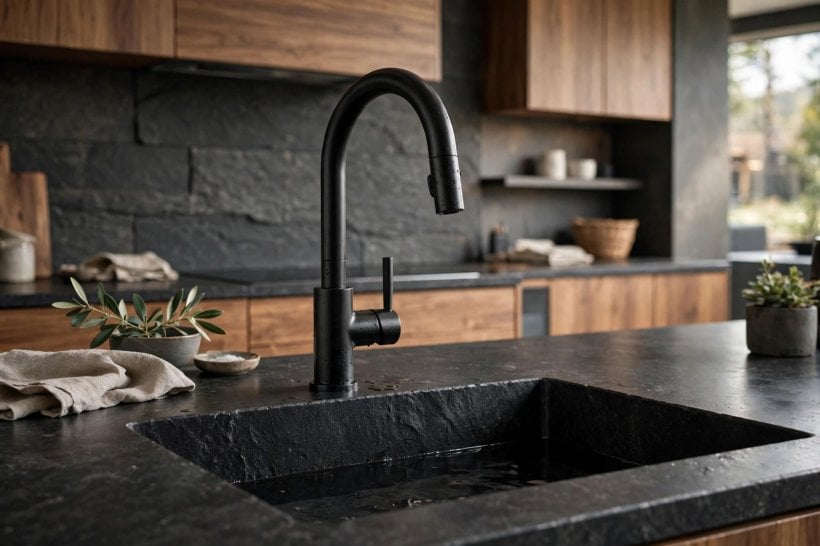
Specifications are your friend here. Reputable makers state the body material in the product literature; if a listing talks endlessly about finish and features but never mentions the body, treat that silence as information. In a small home, where one kitchen faucet may serve cooking, washing and filling duties all day, a solid body is cheap insurance. The space-planning advice in our guide to tiny house small-space interior design ideas makes the same point in another way: in compact rooms, every hard-working item has to earn its place for years, not months.
3. The Cartridge: The Small Part That Decides How a Faucet Ages
Inside every modern faucet, a cartridge does the real work of starting, stopping and mixing the water. Ceramic disc cartridges dominate quality ranges because two hard, smooth discs shear across each other with very little wear, which is why they tend to stay drip-free for a long time and give that light, precise handle feel. Older or simpler designs use rubber washers or compression valves that work perfectly well but need their seals renewed as the years pass.
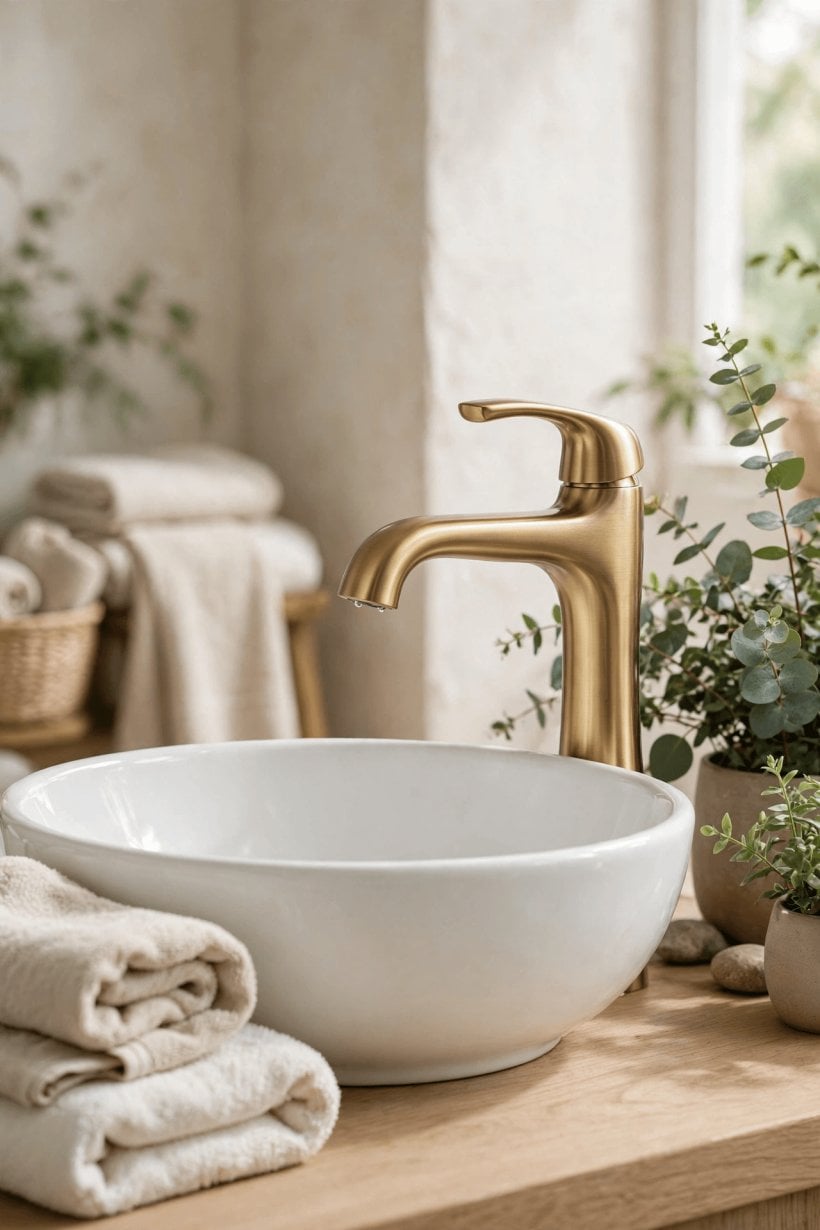
For the buyer, the cartridge question is really a maintenance question. Is the cartridge a standard part you can order by name in five or ten years? Does the maker publish a parts diagram for the model? A faucet whose cartridge is shared across a whole product family is a safer long-term bet than a one-off design, however beautiful. When you compare showrooms or listings, turn the handles slowly: smooth, even resistance with no grating or wobble tells you more about the cartridge and the machining than any brochure claim.
4. Finishes That Survive Daily Wiping and Hard Water
Chrome remains the benchmark finish because it is hard, bright and forgiving to clean. Brushed and matte finishes hide fingerprints and water spots better between wipes, which suits busy kitchens, while darker and warmer tones — bronze, black and brushed gold effects — are usually applied with modern coating processes such as PVD on better ranges, where the colour is bonded at a molecular level rather than simply painted on. Whatever the colour, the process matters more than the name.

Hard water is the real test. Limescale shows quickly on dark finishes and around aerators, so ask how the maker recommends cleaning the finish and which products to avoid; abrasive pads and harsh chemicals void more finishes than water ever does. Coordinate the faucet finish with cabinet handles and appliances in the same way you would coordinate colours using our guide to tiny house interior paint colors: one metal family, repeated calmly, always looks more expensive than a mixture of near-matches.
5. Established Names Worth Comparing: Moen, Delta and Kohler
When shoppers compare the best faucet brands, three American names usually anchor the list. Moen is widely known for a broad catalogue that spans kitchen and bath at many levels, and for replacement cartridges that plumbers commonly keep on hand. Delta Faucet Company built its reputation on washerless designs and now sells everything from straightforward single-handle models to touch-activated kitchen faucets under the same badge, with its Brizo line covering the design-led end. Kohler, long associated with bathroom fixtures generally, offers faucets in a wide spread of styles and finishes alongside its baths and basins.
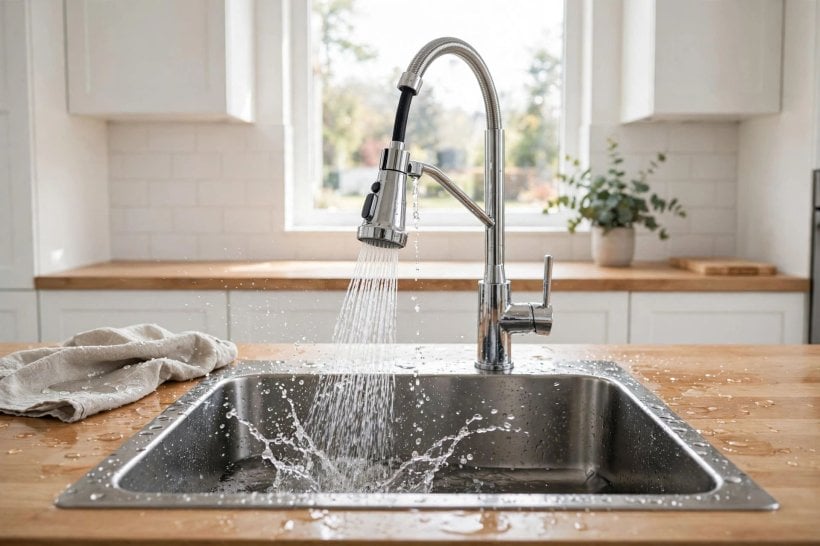
The useful lesson from these three is not that one beats the others; it is that each sells several tiers. An entry-level model and a flagship model from the same brand can differ in body material, cartridge and finish process, so compare model against model, not badge against badge. If you are browsing homes as well as fittings, the listings in our look at tiny houses for sale in Phoenix, AZ show how often these familiar names appear in real kitchens, which is its own kind of field evidence.
6. Design-Led and European Names: Grohe, Hansgrohe, American Standard and Pfister
Grohe and Hansgrohe are the German names most often shortlisted alongside the American three. Grohe is known for in-house cartridge development and a strong presence in both kitchens and showers, while Hansgrohe — whose Axor line covers the designer end — is frequently chosen where a particular silhouette or finish is the priority. American Standard, one of the oldest names in American plumbing, covers a wide range from practical to premium across kitchen and bath. Pfister, formerly Price Pfister, is a familiar sight in North American homes and builder projects, with a catalogue weighted toward accessible, widely stocked models.

Again, the fair comparison is specific. Check what each model is made from, which cartridge family it uses, and whether that cartridge is shared across the maker’s other ranges in your country. European brands sometimes organise their ranges differently by market, and model names can vary between regions, so confirm you are reading documentation for the version actually sold where you live. A smaller brand with excellent local parts support can serve you better than a famous badge whose spares must cross an ocean.
7. Fit, Connections and Water Pressure: The Practical Checks
The most reliable faucet in the world is the wrong faucet if it does not fit your sink or your water system. Count the mounting holes and measure their spacing before anything else: single-hole, centreset and widespread patterns are not interchangeable without adapter plates or a new sink. Check spout height and reach against your actual sink, especially with tall vessels or deep farmhouse bowls, and picture a large pan under the tap before you fall for a dramatic silhouette.
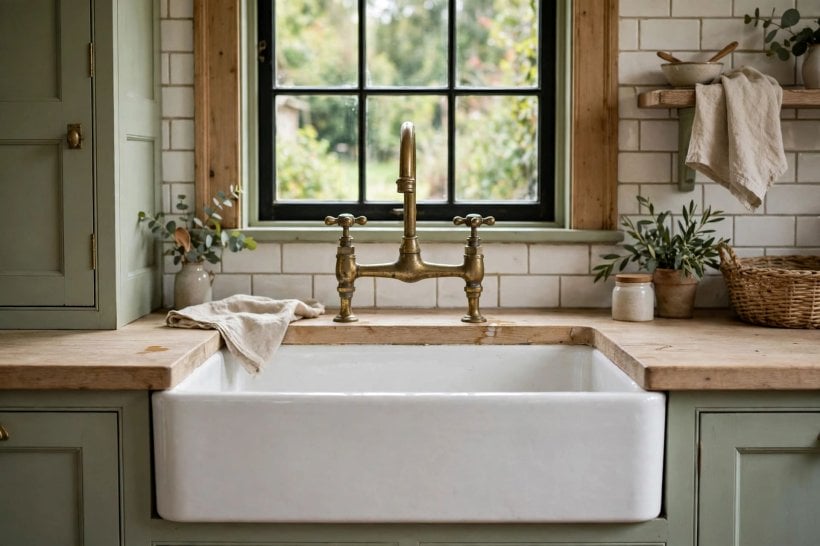
Water pressure matters as well. Some models, particularly certain imports and shower-style fittings, assume pressures your system may not deliver, and the result is a disappointing trickle rather than a brand failure. Makers publish recommended pressure ranges; your plumber or local water provider can tell you what your home runs at. The planning questions in our roundup of tiny house interior design ideas apply here too: measure the real room, respect the real services, and let style follow those facts rather than fight them.
8. Parts, Support and Documentation: Where Brands Really Differ
Ask any plumber what separates faucet brands over a decade and the answer is rarely the styling. It is whether a cartridge, aerator or O-ring can be in their hand this week. Mature brands maintain parts catalogues, exploded diagrams and model-number lookup tools, and their common cartridges sit in merchants’ stockrooms everywhere. When you shop, test this support yourself: search the maker’s site for the model’s parts diagram and see how easy it is to find. That two-minute check predicts your repair experience better than any review score.
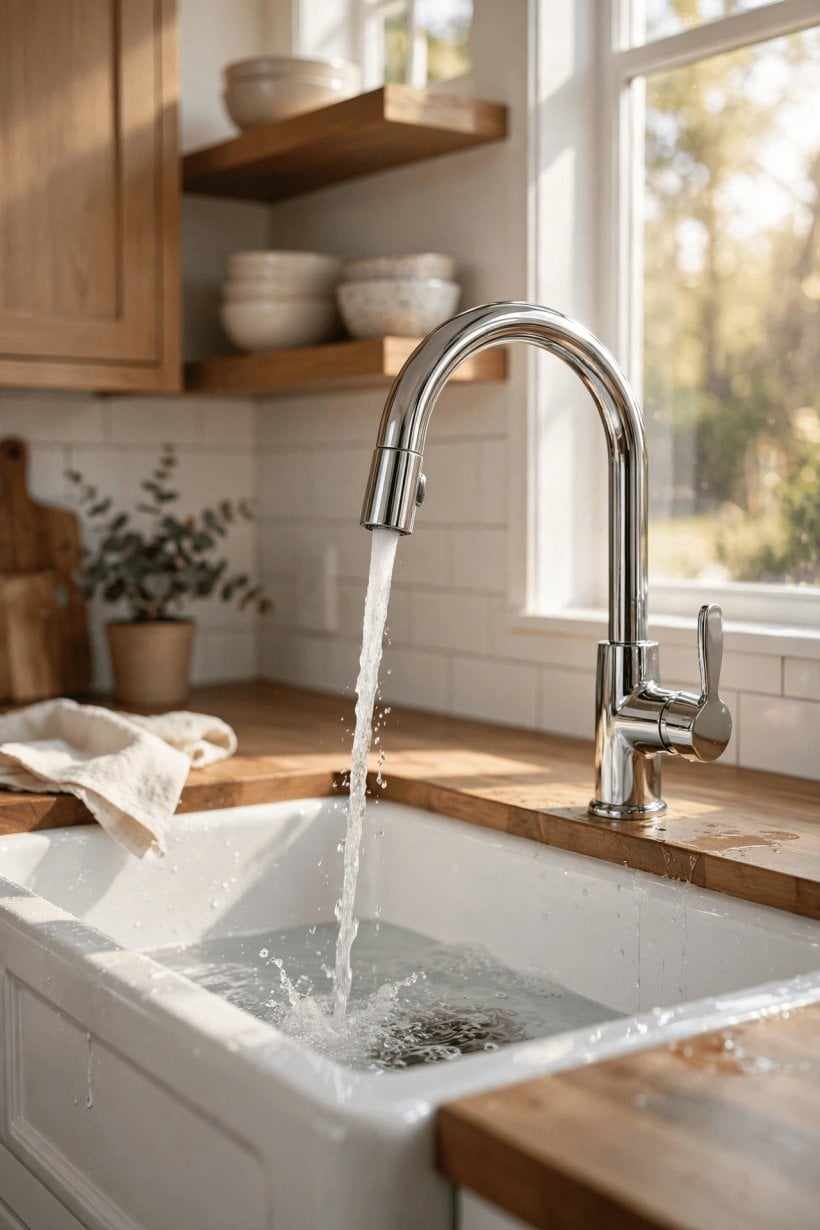
Warranties belong in the same practical folder. Brands publish their own terms, which differ by product line, by what counts as a finish defect versus wear, and by country. Read the current document, keep your proof of purchase with the model number, and photograph the maker’s label on the supply lines or box before installation hides it. A brand that documents clearly and answers its support lines is telling you how it will behave in year eight, which is precisely when you will need it.
9. A Fair Checklist for Comparing Any Two Faucets
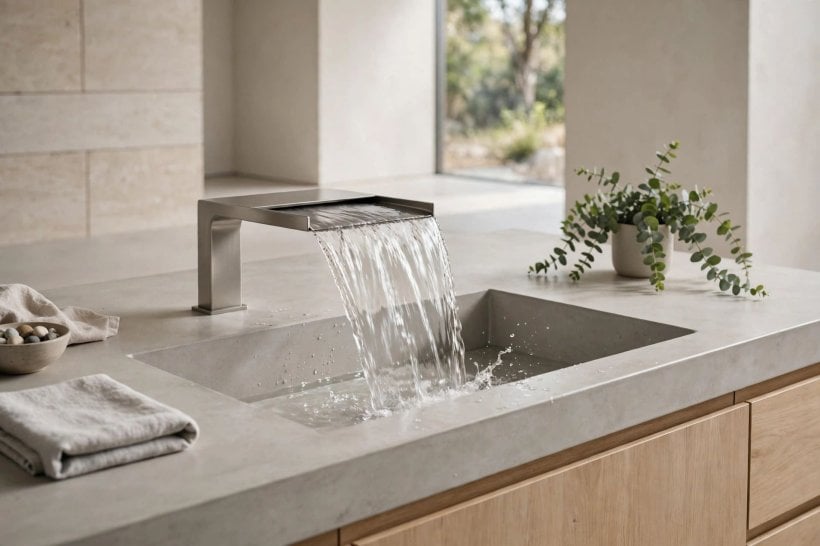
With the gallery of names behind you, here is the checklist that makes comparisons honest. First, confirm you are comparing the same category and mounting: kitchen with kitchen, widespread with widespread. Second, list what you can verify: body material, cartridge type, finish process and flow characteristics, each taken from the maker’s own specification rather than a reseller’s summary. Third, check the support trail: parts diagram found, cartridge searchable by name, current warranty document read. Fourth, handle both in person if you can, working the lever through its full travel.
Only then should style and price enter the conversation, and by that stage the decision is usually obvious. Treat unusually sweeping claims — lifetime anything, maintenance-free everything — as a prompt to read the documentation more closely, not as a reason to stop reading. Be wary of marketplace listings that borrow a famous name for a lookalike product; buy through channels the maker recognises, and keep the box labels. A calm hour spent on this checklist protects a fitting you will touch several times a day for many years, which makes it one of the best-value hours in any renovation.
10. Kitchen and Bathroom Faucets Do Different Jobs
It is tempting to judge every faucet by kitchen standards, but the two rooms ask different things. Kitchen faucets work hardest: higher spouts for pans, pull-down or pull-out sprayers that flex thousands of times, and finishes that meet cutlery, oils and daily wiping. Bathroom faucets live gentler lives but are seen up close, so handle feel, quiet flow and easy-clean shapes matter more, and water-saving aerators make a real difference at basins used for quick washes all day.
Match the brand conversation to the room. A maker whose kitchen range impresses you may have a bathroom range built to a different tier, and the reverse is equally true, so assess each room’s faucet on its own documents and parts trail. Coordinate the finish across the room so the fittings read as one family, echoing the whole-home thinking in our collection of tiny house living room ideas, where repeated materials quietly tie separate spaces together. In small bathrooms especially, a standard, widely stocked model is a gift to your future self.
Final Considerations
Reliable faucets are not a mystery category. They are solid-bodied, honestly finished, built around a proven cartridge and backed by a parts trail you have personally tested before buying. Well-known brands such as Moen, Delta, Kohler, Grohe, Hansgrohe, American Standard and Pfister all publish enough documentation to compare them properly — use it, model by model, and let verified facts outrank reputation and showroom shine. Always check current terms, specifications and local plumbing guidance before ordering, because ranges and rules change.
Buy the faucet you can maintain, from a channel you can return to, and keep its paperwork somewhere sensible. Readers planning a compact home around fittings like these may enjoy browsing tiny house communities in Dallas to see how small kitchens and bathrooms are specified in real projects. Choose calmly, install carefully, and the right faucet will repay you the same way every day: by simply working.



0 Comments