

Small homes ask for a different kind of care. With less space, every surface works harder, every system sits closer to daily life, and a small problem can spread through the whole house in a short time. A leak above a loft bed, a blocked vent behind a kitchen cabinet, or a draught around a single window can affect comfort in every room at once. The answer is not bigger repairs. The answer is a steady rhythm of small checks, spread across the year, so nothing is left long enough to turn into a costly job.
A home maintenance checklist built around the seasons gives that rhythm a shape. Instead of facing one long list in a single weekend, tasks are grouped by the time of year when each one matters most. Spring suits inspection and fresh air. Summer suits cooling and outdoor work. Autumn suits sealing and preparation. Winter suits protection and indoor air. Between the seasons, a short set of monthly habits keeps the basics covered. The guide below follows that pattern, with practical tasks for compact houses, cabins, cottages and tiny homes on wheels or on foundations.

Why Small Homes Need a Different Maintenance Rhythm
In a larger house, a damp corner in a spare room can go unnoticed for months. In a small home, there are no spare rooms. The bathroom shares a wall with the sleeping area, the kitchen sits beside the living space, and the roof covers everything within a few steps. Moisture, heat, cold and smells travel fast across short distances, so early signs deserve attention the moment they appear. A faint musty smell, a soft patch of paint, a window that sticks, or a floorboard that feels springy underfoot are all worth a closer look the same week they are noticed.
Compact homes also have compact systems. A single heater warms the whole place, one small water heater serves every tap, and a short run of pipe carries water from end to end. When one of those systems struggles, the effect is felt everywhere at once. Regular checks keep each system working well within its limits, and they make it easier to spot a slow decline before it becomes a breakdown. A heater that takes longer to warm the room, a tap that runs slower than it used to, or a fan that sounds louder than last season are all signals worth noting.
Monthly Habits That Keep a Small Home Healthy
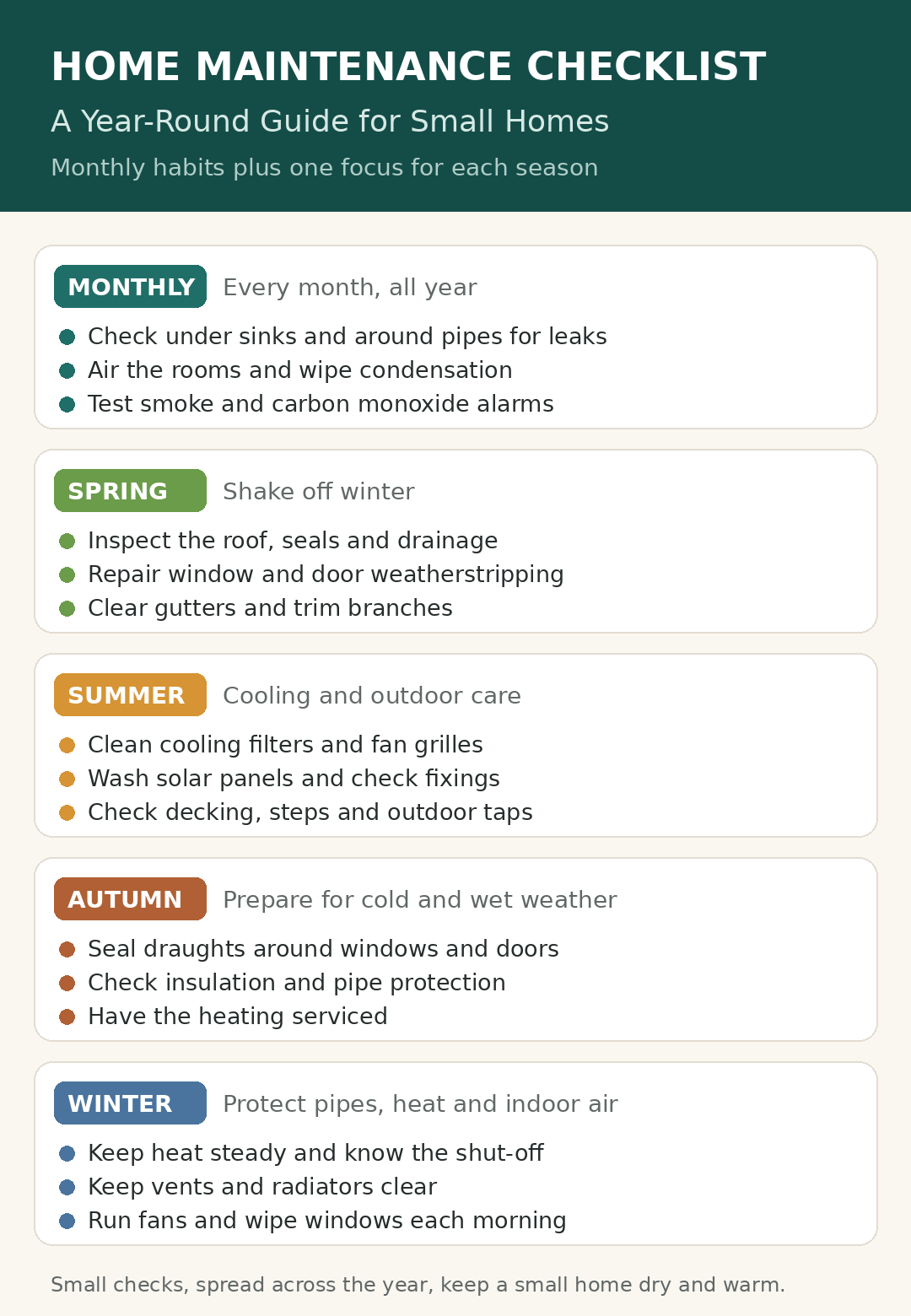
A few short tasks, done every month, prevent most of the trouble that seasonal checks are meant to catch. Start with water. Walk through the home and look under sinks, behind the toilet, around the water heater and beneath any exposed pipe. Watch for drips, damp patches, staining or a faint smell of damp. In a small home, a slow leak can wet a whole wall cavity before it shows on the surface, so a quick look each month is a cheap form of insurance. Run every tap and flush every toilet, including ones in rooms that see little use, so traps stay full and seals stay supple.
Next, check the air. Open windows when the weather allows, run extractor fans during cooking and showering, and wipe condensation from window frames on cold mornings. Damp air in a small space condenses quickly on cool surfaces, and repeated condensation feeds mould growth on frames, sills and the edges of ceilings. A quick wipe and a few minutes of fresh air each day do more than any single product. While the windows are open, check that each one opens, closes and locks smoothly, and that trickle vents are clear of dust.
Spring: Shake Off Winter and Check the Shell
Spring is the season for looking at the outside of the home with fresh eyes. Winter weather works hard on roofs, walls, seals and drainage, and the damage it leaves is easiest to see once the cold has passed. Start at the top. From the ground, look for slipped or cracked roof coverings, damaged flashing around chimneys and vents, and any sagging along the eaves. Binoculars help here, and any work on the roof itself belongs to a qualified roofer. Inside, check the ceilings and the tops of walls for stains that appeared over winter, since a stain often marks the spot where water found a way in.
Move on to walls, windows and doors. Look for cracked sealant around window frames, peeling paint on timber, gaps where cladding meets trim, and soft or swollen sections of wood. Clean out the tracks of sliding doors and windows, and wash the frames so grit does not wear the seals. Check door thresholds and weatherstripping, and replace any strip that is torn, flattened or missing. In a small home, one failed seal around a door can be felt as a draught across the whole living area, so spring is the right time to put it right.
Summer: Cooling, Ventilation and Outdoor Care
Summer puts cooling and ventilation at the top of the list. In a small home, heat builds up fast, especially under a low roof or behind large areas of glass. Check that shading works as intended, whether that means blinds, curtains, external shades or a well-placed tree. Clean the filters and grilles of any cooling equipment, clear dust from fans, and confirm that air moves freely around the units. Keep furniture and stored items away from vents and air inlets, since a blocked vent in a small room can undo the work of the whole system.
Summer is also a good time to care for any solar equipment on the roof. Panels work best when they are clean and unshaded, so a gentle wash and a check for overhanging branches are worthwhile. Look for cracked glass, loose fixings and any wiring that has come free, and leave any electrical work to a qualified person. A clear routine for solar panel maintenance keeps the system reliable through the brightest months. Inside, summer is the right time to deep-clean the kitchen and bathroom, check grout and sealant around showers and sinks, and air out cupboards and storage nooks that stay closed through the colder months.
Autumn: Prepare for Cold and Wet Weather
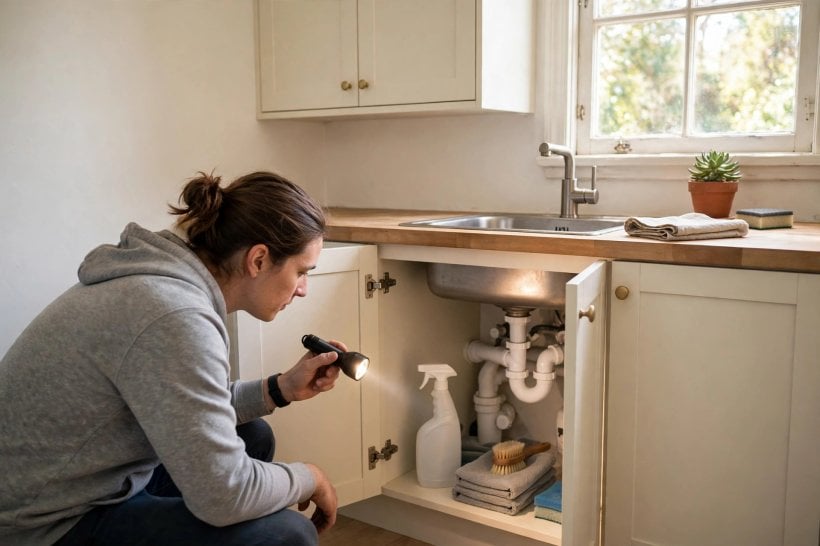
Autumn is the preparation season. The aim is simple: make the home ready for rain, wind and cold before they arrive. Start with the envelope. Check the roof once more, clear the gutters again after the first leaves fall, and confirm that downpipes carry water well away from the base of the home. Where gutters are hard to reach or keep blocking, it can help to look at landscape alternatives to gutters such as rain chains and drainage swales. Check seals around windows and doors, and add or replace weatherstripping where a draught can be felt on a breezy day.
Insulation deserves a close look in autumn. Check the loft or roof space for insulation that has slipped, flattened or become damp, and look for gaps around pipes, vents and light fittings where warm air escapes. In a small home, even a modest gap can matter, because the heated volume is small and the warmth has nowhere to hide. A clear picture of the options helps here, from spray foam to wool-based materials, as set out in the guide to how to insulate a tiny house. For homes on wheels, check the skirting and the insulation around exposed pipes, and make sure the underside of the home is protected from wind.
Winter: Protect Pipes, Heat and Indoor Air
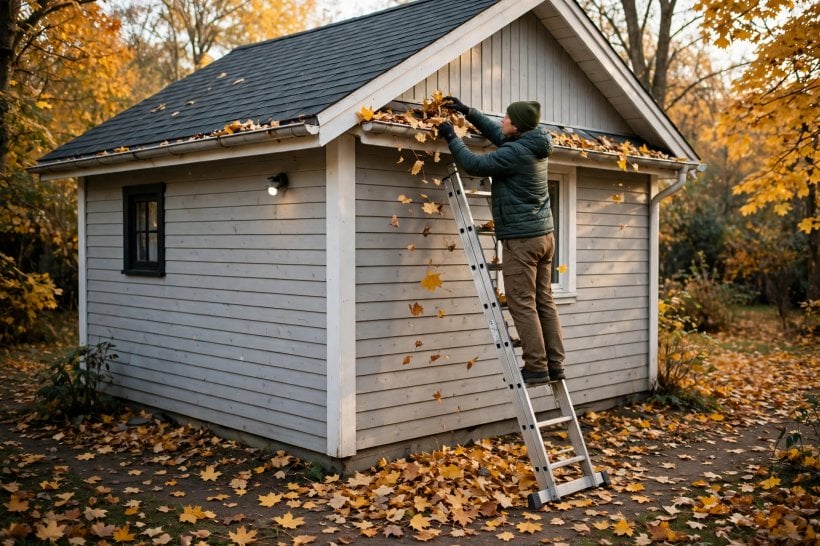
Winter is the season when small homes show their weak points most clearly. Cold finds every gap, and short pipe runs freeze faster than long ones buried deep. Keep the home heated steadily rather than letting it swing between warm and cold, and open cabinet doors on the coldest nights so warm air can reach pipes behind them. Know where the main water shut-off is, and make sure everyone in the home knows it too, so a burst pipe can be stopped in minutes rather than hours. If the home will stand empty for a stretch, arrange for the water system to be drained or protected by a qualified person.
Heating needs attention all winter long. Keep vents and radiators clear, dust them regularly, and listen for new noises from the heater, which can signal that a service is due. For homes that rely on a single heat source, a backup plan matters: extra blankets, a safe secondary heater that meets local safety rules, and a charged phone. The guide to how to heat a tiny house in winter sets out the main options and the trade-offs between them. Never block a vent or flue to keep heat in, since a blocked flue can allow dangerous fumes to build up indoors.
The Roof, Gutters and Exterior in Every Season
The roof and the walls are the first line of defence, and they repay a look in every season rather than once a year. After any storm, check from the ground for missing coverings, bent flashing, fallen branches and debris caught in the valleys of the roof. Inside, a quick look at the ceilings after heavy rain can reveal a leak while it is still small. Keep the roof clear of moss and leaves where it is safe to do so from the ground or with a long-handled tool, and leave any work at height to a professional with the right equipment.
Gutters and downpipes carry water away from the walls and the base of the home, and they block easily in a small home with a short roofline. Check them after leaf fall, after storms and at the start of each season. Look for sagging sections, leaking joints and water spilling over the edge during rain, which is a clear sign of a blockage further along. Check that downpipes discharge well away from the foundations or the supports of a home on wheels, and that the ground slopes away from the home rather than towards it.

Plumbing and Water Systems Through the Year
Plumbing in a small home is short, simple and easy to check, which is a real advantage. The whole system can usually be seen in a single walk-through, from the incoming supply to the furthest tap. Check visible pipes for corrosion, damp joints and drips, and look at the flexi-hoses under sinks and behind appliances, since these are the parts most likely to fail with age. Replace any hose that looks swollen, cracked or frayed. Check the water pressure at the taps, and note any change, since a gradual drop can point to a blockage or a leak somewhere in the run. For the wider picture of how water reaches a small home, see the guide to how tiny houses get water and the plumbing options involved.
The water heater deserves its own regular check. Look for rust, damp or staining around its base, listen for new noises, and check that the temperature and pressure relief valve is free of drips. Have the unit serviced at the interval its maker suggests, and keep the area around it clear. Choosing the right type matters as much as caring for it, and the comparison of tankless versus tank water heaters for tiny houses sets out the differences that affect maintenance. In hard-water areas, scale builds up inside heaters and pipes, so a check for reduced hot-water flow is worth doing each season.
Heating, Cooling and Ventilation Care
Heating and cooling equipment in a small home works hard for its size, and it lasts longer when it is cleaned and checked on schedule. Clean or replace filters at the start of each heating season and each cooling season, and more often if the home is dusty or pets live indoors. Dust the coils, grilles and fan blades that can be reached safely, and keep the area around outdoor units clear of plants, leaves and stored items. A unit that has to fight through dust and clutter uses more energy and wears out sooner.
Ventilation is just as important as heating and cooling, and it is often the part that gets overlooked. A small, well-sealed home can trap moisture and stale air, so fresh air has to be managed deliberately. Check that extractor fans in the kitchen and bathroom actually move air, and clean their covers so dust does not choke them. Keep trickle vents open and clear, and open windows for a short time each day when the weather allows. Where the home has a heat-recovery or energy-recovery ventilator, clean its filters and check its controls as the maker suggests. The guide to tiny house ventilation explains why these systems matter so much for preventing mould in compact spaces.
Safety Checks That Belong on Every Calendar
Safety checks are the one part of home care that should never wait for a season. Smoke alarms and carbon monoxide alarms need a monthly test and fresh batteries the moment they falter. Check the expiry date on each alarm, since the sensing parts wear out over time, and replace any unit that has reached the end of its life. Keep a fire extinguisher where it can be reached quickly, check its pressure gauge and expiry date, and make sure everyone in the home knows how to use it. In a small home, the escape route is short, but it must be kept clear at all times, with no stored boxes or furniture blocking a door or a window that serves as an exit.
Electrical safety follows the same pattern. Look for scorch marks around sockets, plugs that feel loose, cables that are frayed or pinched under furniture, and any socket that feels warm. Do not overload sockets with adaptors, and keep heaters away from curtains, bedding and laundry. Any electrical work beyond changing a bulb belongs to a qualified electrician, and the same applies to gas work, which should only be done by a qualified gas engineer. Keep a torch and a charged phone within easy reach, and keep the main shut-offs for water, gas and electricity marked clearly so they can be found in the dark.
A Simple Rhythm to Keep
The best maintenance plan is the one that actually gets done. A home maintenance checklist works when it fits the life of the household, not when it looks impressive on paper. Start with the monthly habits, add the seasonal tasks as each season arrives, and keep the safety checks running through the whole year. Write the dates on a calendar, keep a short log of what was done, and note anything that needs a professional, so nothing is carried in memory alone.
Small homes reward this kind of steady care. A roof that is checked each season, pipes that are watched each month, and air that is kept fresh each day add up to a home that stays dry, warm and comfortable without drama. The work is never finished, but it is never overwhelming either, as long as it is spread across the year. Begin with the current season, work through its tasks at a calm pace, and let the rhythm carry the home through the next one.




0 Comments