

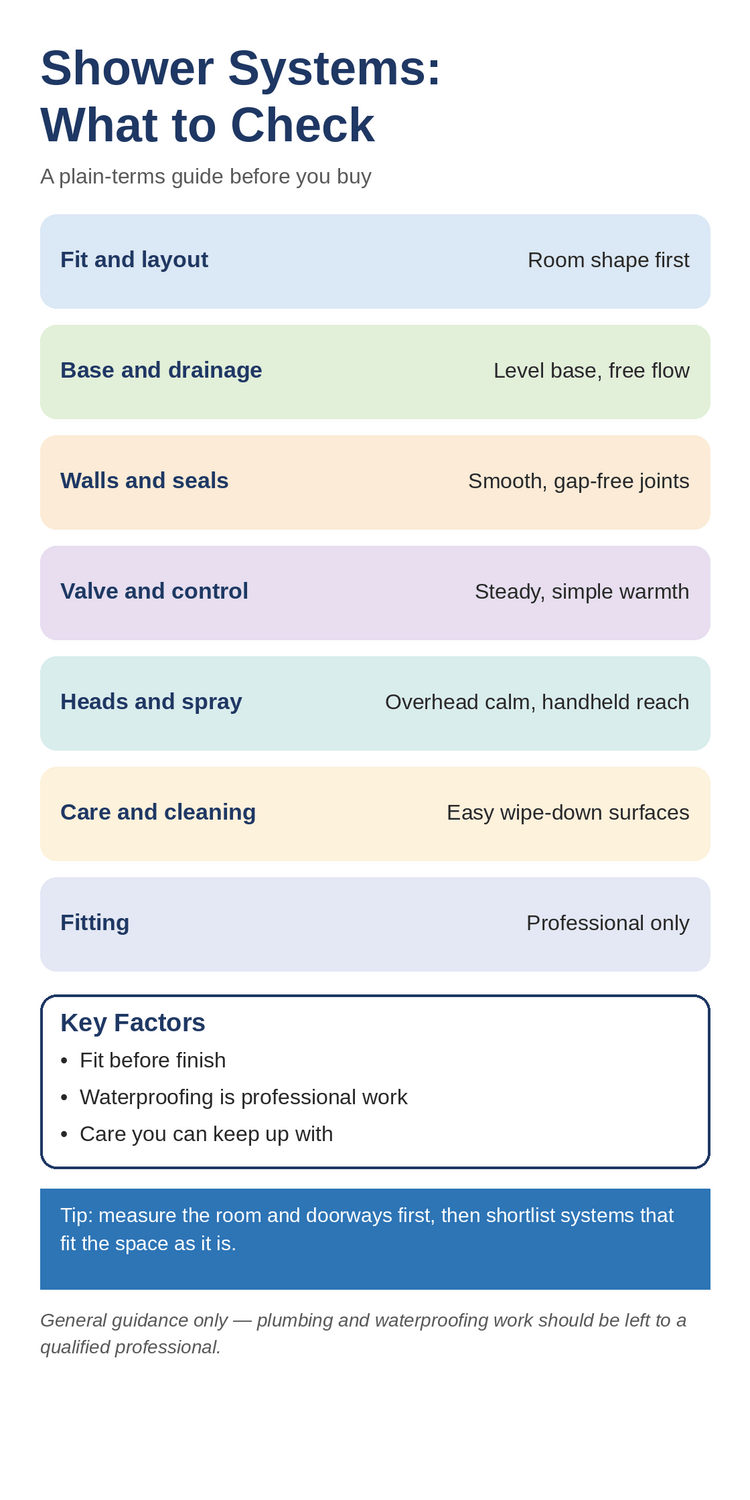
A shower system is really several parts working together: a base, walls, a valve, shower heads, an enclosure and a drain. Each part can suit a room well or fight against it, and the difference usually shows up in daily use rather than on a first look. A calm way to choose is to work through the parts one at a time, checking fit, water handling, controls, care and the help needed for fitting, before settling on any single option.
This guide stays general on purpose. It does not rank makers, score products or declare one system the right answer for every home. Rooms differ in shape, plumbing routes differ, and household needs differ, so the checks below are framed as questions to carry into a showroom or a conversation with a professional, not as verdicts handed down in advance.
1. Start With the Room, Not the Catalogue
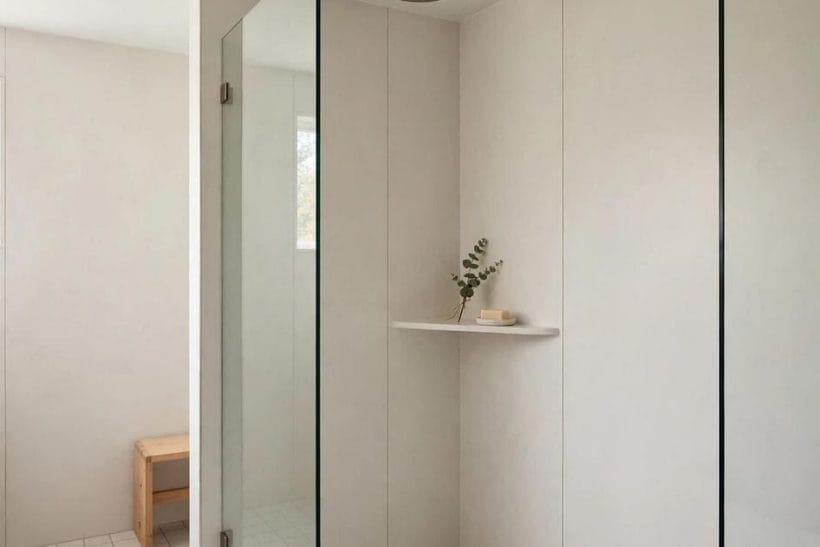
The room sets the limits for everything else. A shower that looks generous in a large display can feel cramped beside a door that swings inward, a window sill that sits low, or a vanity that juts into the walking line. Standing in the actual room and noting where doors open, where a person steps in and out, and where towels and robes will hang gives a truer picture than any display floor can offer.
Shape matters as much as size. A long narrow room suits a different layout from a square room, and a corner position brings different wall and door questions from a position along one straight wall. Sloped ceilings, niches built into the structure and existing window positions all shape what can sit comfortably, and those fixed features are worth noting early, before enthusiasm for a particular form takes over.
Light and air also belong in the first round of checks. A shower tucked into a dark corner can feel closed in even when the floor area is adequate, while a position near a window can feel open but may raise privacy and splash questions. Thinking about daylight, ventilation and privacy together keeps the layout honest, and it helps to compare tiny bathroom ideas with the room at hand rather than with an imagined ideal room.
Finally, consider who will use the shower day after day. A household with small children, older relatives or guests with limited mobility has different reach, step and grip questions from a household of agile adults. Handles, step height, door width and the ease of reaching controls while standing outside the spray all deserve a place on the list, and they are easier to weigh before parts are ordered than after they are fitted.
2. The Base and How Water Leaves
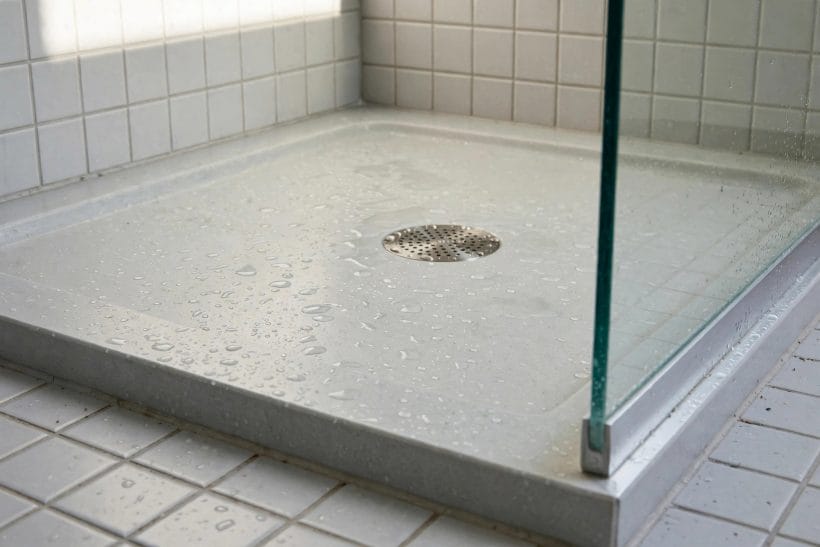
The base is the quiet foundation of the whole system. It must sit level, feel steady underfoot and guide water toward the drain without pooling at edges or corners. A base that rocks, flexes or holds shallow puddles after use will colour every shower that follows, so steadiness and drainage deserve more attention than surface pattern alone.
Drain position shapes the rest of the layout. A central drain, an end drain and a linear drain each suit different base shapes and different approaches to falls in the floor, and the existing waste route in the building may favour one over the others. This is firmly professional territory: moving a waste route or altering falls in a floor involves plumbing and waterproofing knowledge, and a qualified professional should assess what the existing structure allows.
Step height matters for daily comfort and safety. A low step suits many people, but the right height depends on the floor build-up, the drain arrangement and the needs of the household. Rather than chasing the lowest possible step as an abstract goal, check how the step feels in practice, how a person enters and leaves, and whether the threshold keeps water inside the shower zone during a normal shower.
Surface feel underfoot is another practical check. Some surfaces feel smooth and cool, others feel textured and grippy, and the difference matters most when feet are wet and soapy. A surface that feels secure without being harsh to clean strikes a useful balance, and tiny house bathroom designs often show how a small base can still feel calm when the drain, step and surface are considered together.
3. Walls, Panels and Seals
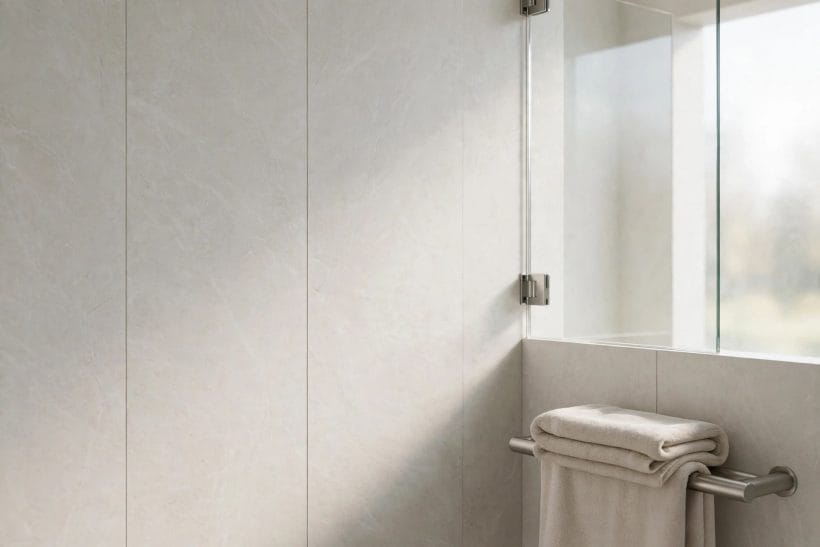
Walls around a shower live in constant contact with water, steam and cleaning, so the wall finish must be chosen for wet conditions rather than for looks alone. Smooth panels, tiled surfaces and slab finishes each behave differently: joints, grout lines and panel seams are the places where water, soap and time do their work, and those junctions deserve close inspection.
Seals are small details with large consequences. Where a wall meets a base, where panels meet each other and where a screen meets a wall, the seal must be continuous, neat and suited to wet use. Gaps, ragged edges or seals that look already stressed in a display are warning signs, because a seal that starts poorly rarely improves once water runs over it daily.
Panel and tile choices also affect cleaning. Large smooth panels have few joints to tend, while small tiles bring many grout lines that need regular attention. Neither approach is wrong in itself; the question is whether the household will keep up with the care that the chosen surface asks for. A beautiful surface that nobody enjoys cleaning slowly stops looking beautiful.
Colour and pattern play a supporting role. Pale finishes can brighten a small room and show water marks sooner, while darker finishes can hide marks but darken the space. Pattern can disguise splashes between cleans but can also dominate a small room. Choosing a finish that suits both the light in the room and the cleaning habits of the household keeps the shower pleasant over time rather than only on the day it is fitted.
4. The Valve and Steady Temperature
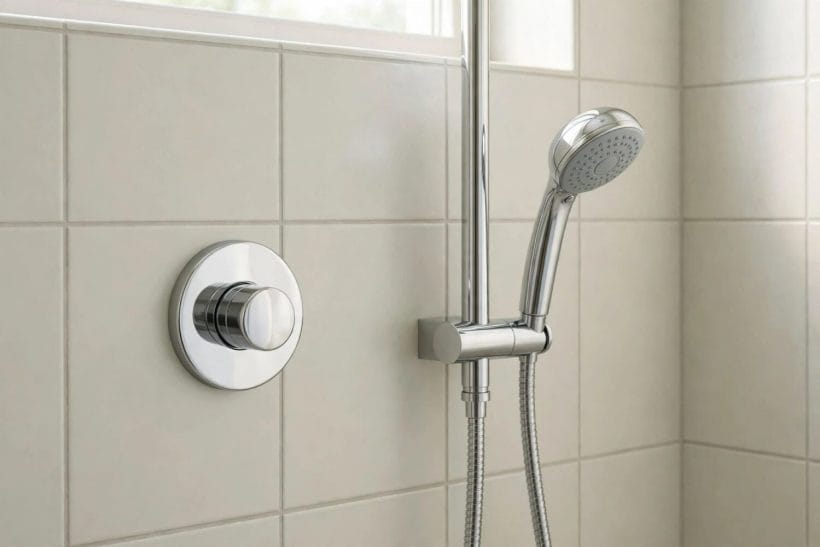
The valve is the control centre of the shower, and it is worth understanding before anything else about water delivery. A simple control that turns, lifts or slides in an intuitive way will serve daily use better than a clever arrangement that needs explaining to every guest. Controls should sit within easy reach from outside the spray, so temperature can be set before stepping fully under the water.
Temperature steadiness matters more than a long list of spray settings. A shower that holds a steady warmth when another tap in the home is opened feels calm and predictable, while one that swings hot and cold demands constant adjustment. Asking how a given valve behaves when household demand changes, and what protection it offers against sudden temperature swings, is a sensible question to put to a supplier or a professional.
Finish and feel deserve a hands-on check. A dial that turns smoothly, a lever that moves without stiffness and a surface that wipes clean without fussing all point to daily ease. Finishes that show every water spot may suit a household that wipes surfaces daily and frustrate one that does not, so finish choice belongs with cleaning habits rather than with looks alone.
Access for future servicing is easy to overlook and hard to retrofit. Valves and pipework hidden behind finished walls may need an access point for maintenance, and asking where that access sits, and how a future repair would be reached, can save disruptive work later. A tidy installation that nobody can service without damage is less tidy than it first appears.

5. Shower Heads and Everyday Reach
Overhead heads, wall-mounted heads and handheld heads each create a different showering experience. An overhead head gives a broad, calm fall of water and suits a relaxed shower, while a wall-mounted head directs water more precisely. A handheld head adds reach for rinsing, washing the enclosure and helping children or pets, and many households find the combination of a fixed head and a handheld head the most flexible arrangement.
Height and angle decide whether a head suits the people who will use it. A head fixed too high can lose warmth and pressure feel before the water arrives, while one fixed too low can force taller users to stoop. Adjustable rails and arms help here, because they let the head move to suit different heights rather than fixing one height for everyone.
Spray character is a matter of taste, but it is worth testing where possible. Some sprays feel soft and broad, others feel focused and brisk, and the same head can feel different under different household water conditions. Where a live test is not possible, reading the maker description in plain terms and asking a supplier how the spray behaves in ordinary use is more useful than guessing from appearance.
Hose length and flexibility matter for handheld heads. A short or stiff hose limits reach and makes rinsing awkward, while a hose that moves freely and stores neatly keeps the handheld head genuinely useful. Checking how the hose hangs, how the head docks and whether the arrangement drips after use rounds out the picture.
6. Enclosures, Doors and Splash Control
An enclosure keeps water where it belongs and shapes how the shower feels to enter. Fully enclosed screens contain splash most effectively, while open walk-in arrangements feel airy but ask more of drainage and floor falls. The right balance depends on the room, the drain and the tolerance of the household for occasional water beyond the shower zone.
Doors deserve the same practical attention as the screen itself. A door that swings into the room needs clear floor space, a sliding door needs a track that stays clean, and a folding door suits tight rooms but adds moving parts. Opening the door in the display, noting how it moves, how it seals when closed and how it feels from inside the shower gives a better guide than dimensions alone.
Glass thickness and treatment affect both feel and care. Heavier glass feels solid and steady, while lighter glass can feel less assured. Coatings that shed water can ease cleaning, but they still need regular care, and no coating removes the need to wipe and dry the screen. Checking how the glass looks after water has run over it, rather than only when dry and polished, is a fairer test.
Seals and hinges on doors and screens take daily wear. Hinges should move smoothly without wobble, seals should meet the base and walls evenly, and any magnetic or mechanical catch should close without force. Small frustrations at the door become daily frustrations, so this hardware deserves a patient check, and tiny house flooring ideas can help when weighing how water beyond the enclosure might meet the wider bathroom floor.
7. Storage That Stays Dry and Reachable
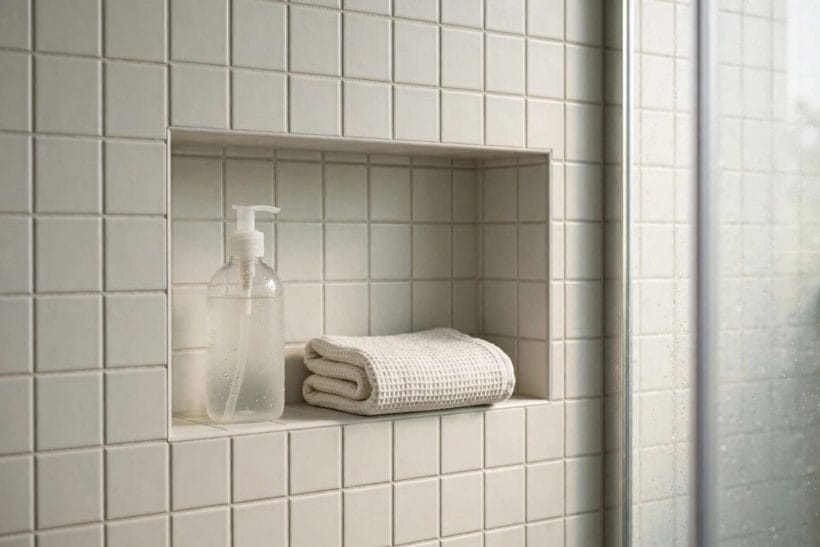
Shampoo, soap and cleaning tools need a home that keeps them within reach without cluttering the shower. Recessed niches built into the wall keep bottles out of the spray line and off the floor, while shelves and corner caddies add storage without structural work. Each option suits a different wall and a different household, and the choice is worth making deliberately rather than as an afterthought.
Position matters as much as the storage type. A niche placed at a comfortable height, away from the direct fall of water, stays useful and dry enough between uses, while a shelf placed where bottles are constantly drenched becomes a chore. Reaching for a bottle should not mean stepping across a wet base or stretching past the spray, and checking reach from the usual standing position is a simple, revealing test.
Drainage from the storage itself is a small detail that prevents a familiar annoyance. A niche or shelf that holds a shallow pool after every shower will breed residue and need constant wiping, while one that sheds water and dries between uses stays pleasant with little effort. A slight slope and an open front help, and both are worth confirming rather than assuming.
Outside the shower, a dry place for towels and robes completes the routine. A rail or hook within easy reach of the door, but clear of splash, lets a person dry off without dripping across the room. Planning towel storage alongside shower storage, rather than after the enclosure is chosen, keeps the whole routine smooth, and tiny house interiors often show how a small room can hold both without crowding the walking line.
8. Cleaning and Care Over Time
Every shower surface asks for some care, and the honest question is how much care the household will actually give. Glass screens need wiping to stay clear, grout lines need attention to stay fresh, and metal finishes need gentle cleaning to keep their appearance. A system whose care routine matches the household routine will look good for years, while one that demands more care than anyone gives will slowly disappoint.
Maker guidance is the safest starting point for cleaning. Different finishes respond differently to cleaning products, and a product that suits one surface can dull another. Following the maker advice for each part, and keeping that advice somewhere it can be found later, avoids guesswork and protects finishes. No homemade mixture is needed for ordinary care, and strong or abrasive approaches should be avoided unless the maker guidance clearly supports them.
Seals and drains need their own place in the routine. Seals benefit from a regular wipe and a visual check for gaps or wear, while drains benefit from clearing hair and debris before slow drainage becomes a problem. These small habits take little time and prevent the larger jobs that follow neglect, and they are worth building into the weekly rhythm of the home.
Spare parts and long-term support also belong in the care picture. Seals, hoses and small fittings wear over time in every system, and knowing whether replacements are available, and how they are fitted, helps a household plan rather than panic when wear appears. Asking about spares before buying is a quiet form of foresight that pays off years later.

9. Fitting, Waterproofing and Professional Help
Fitting a shower system is professional work wherever plumbing, waterproofing or structural changes are involved. Water finds every weakness, and a weakness hidden behind a finished wall can cause damage far beyond the bathroom before it is noticed. A qualified professional should assess the existing plumbing and waste routes, the condition of the walls and floor, and the waterproofing the room needs.
Waterproofing deserves particular respect. Membranes, tanking and sealed junctions work as a system, and a gap at any junction can undermine the rest. This is not work to improvise or to learn on the job in a home that must stay dry, and any plan that involves altering walls, floors or drainage should be discussed with a professional before parts are ordered or surfaces are removed.
Sequencing also matters. Plumbing and waterproofing come before final finishes, and finishes come before fittings are dressed and sealed. A clear order of work, agreed with the professional in advance, avoids the costly pattern of finishing a surface only to open it again for a pipe or a drain. Asking about the order of work, and about what will be checked at each stage, is a reasonable part of planning.
Paperwork completes the professional picture. Keeping the maker guidance, any guarantee documents and the contact details of the installer in one place makes future servicing straightforward. A short written note of what was fitted, where access points sit and what care each part needs will help any future professional, and contemporary home design ideas can offer a broader view of how a well-planned bathroom sits within the wider home.
10. Questions to Ask Before You Decide
A short list of questions can turn a showroom visit into a useful comparison. Asking how the base drains, how the valve holds temperature when other taps run, how the seals are reached for care and how the system is serviced later covers the parts that matter most in daily use. Answers given in plain terms, without jargon or evasion, are themselves a useful signal about the supplier.
It also helps to ask what is included and what is not. Some systems arrive as a complete set of matched parts, while others combine parts from different ranges that must work together. Knowing whether the base, walls, valve, heads, enclosure and drain are designed as one set, or assembled from separate parts, clarifies both compatibility and future spares.
Lead times and delivery deserve a question too, even though they do not affect how the shower feels. A system that cannot arrive when the professional is booked can delay a whole project, and a delayed project can tempt rushed decisions. Confirming availability before fixing dates keeps the schedule calm and the choices deliberate.
Finally, ask about the room itself with the professional rather than only about the product. A professional who has seen the room, the plumbing routes and the floor build-up can advise whether a favoured system suits that room or whether a different arrangement would serve better. Product enthusiasm is no substitute for room-specific advice, and tiny house designs show how often the room, rather than the catalogue, has the final say.
Final Considerations
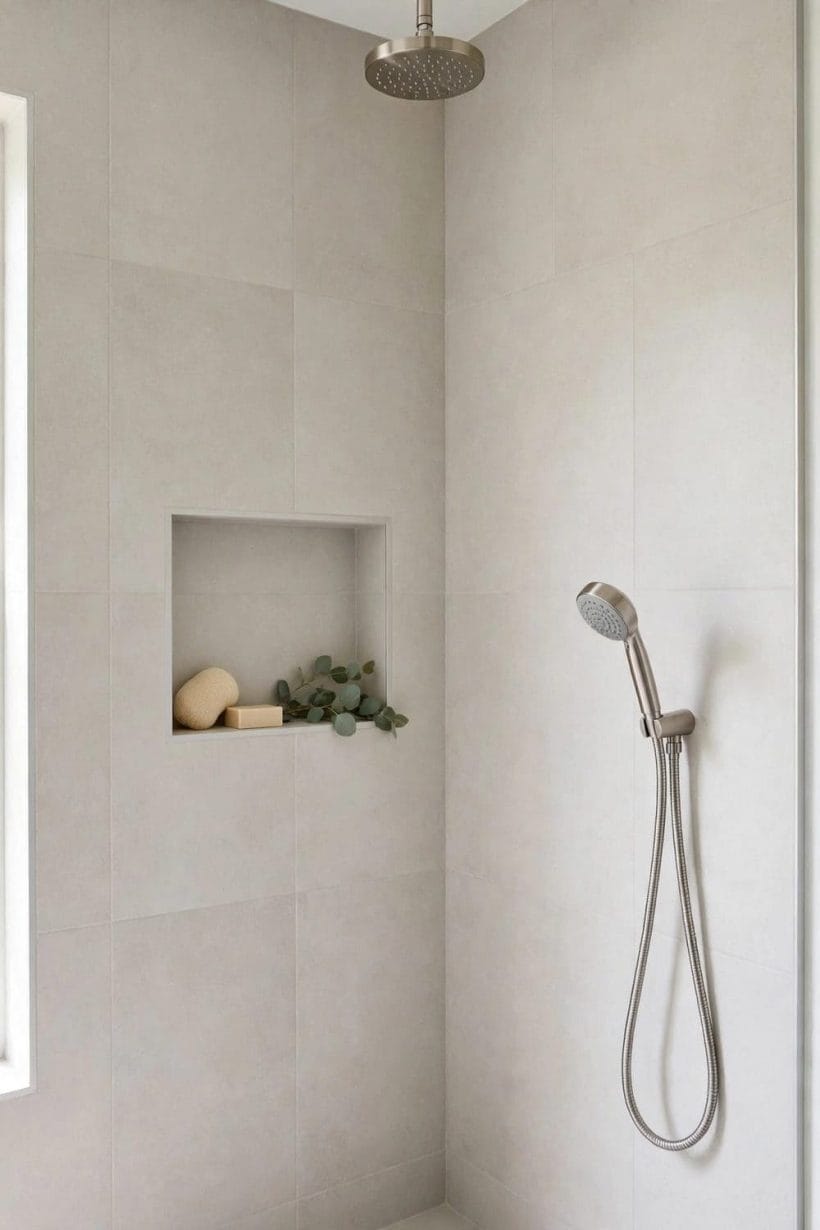
A good shower system is rarely the most elaborate option or the one with the longest feature list. It is the set of parts that fits the room, drains cleanly, holds a steady temperature, opens and closes without fuss, and asks for care the household can actually give. Those qualities are checked by standing in the room, handling the controls, opening the doors and asking plain questions, not by comparing claims at a distance.
Professional help belongs at the centre of the plan wherever water, waste and waterproofing are involved. A qualified professional brings knowledge of the existing structure, the plumbing routes and the sealing the room needs, and that knowledge protects both the bathroom and the rooms around it. Keeping that help involved from the early checks through to final sealing is the single most reliable way to end up with a shower that stays pleasant year after year.
Take time with the decision, compare systems against the same list of checks, and keep notes on what each option offers for fit, drainage, controls, care and servicing. A shower chosen this way may not be the most exciting purchase in a home project, but it will be one of the most used, and a calm, well-checked choice will repay the care every single day. For wall finishes around the shower zone, tiny house wall decor offers further ideas that sit comfortably beside the practical checks in this guide.





0 Comments