
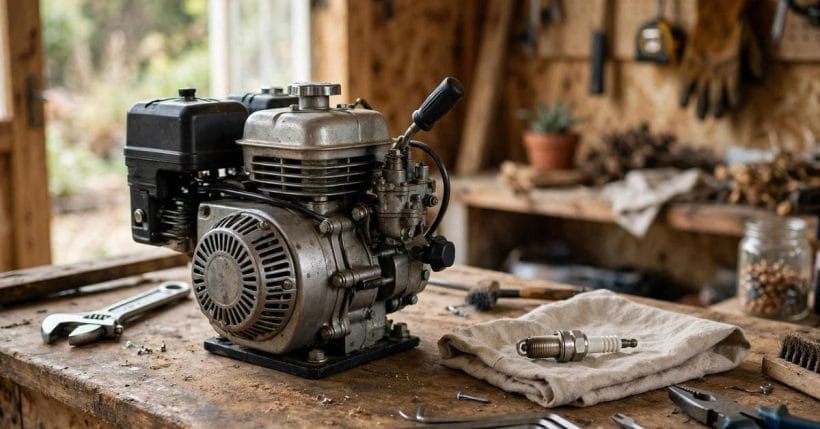
A mower that refuses to start on a bright morning can turn a simple garden job into a puzzle, and the spark plug is often the part owners hear about first, whether or not it is the real cause of the trouble. Plugs look alike to an untrained eye, the wording on packets and manuals can feel dense, and well-meaning advice from neighbours often mixes one machine with another. These small-engine spark plug checks are written to clear that fog in plain language, so you can notice what matters, describe it clearly to a professional, and avoid guessing your way into a bigger problem.
This guide stays general on purpose. It names no maker, quotes no part code, and offers no verdict about any particular machine, because the right detail always comes from the manual that belongs to your own machine. Nothing here asks you to open an engine, change a part, or put right a fault yourself. Engine work belongs with a qualified professional, and anything that looks damaged or behaves oddly is a reason to stop and seek professional help rather than to carry on.
1. Why Spark Plugs Confuse So Many Owners
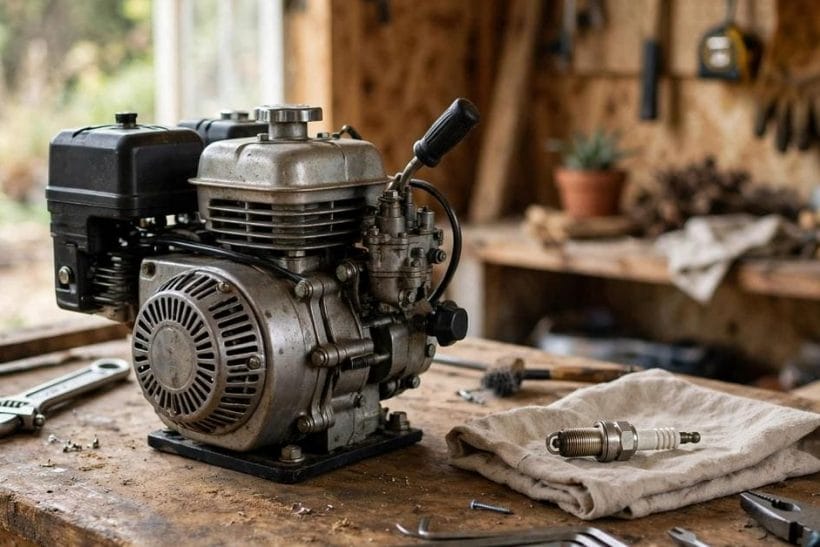
Confusion usually starts with similarity. Plugs share a familiar shape, a pale ceramic top and a threaded metal body, so two plugs can look interchangeable while belonging to entirely different machines. Packets add to the muddle with codes and abbreviations that mean little without the manual beside them, and a plug that suits a neighbour’s mower may have nothing to do with your own. The honest response to that confusion is not to guess from appearance, but to slow down and let the manual for your own machine settle the question. A small home often keeps its garden gear close to its living space, and the same careful thinking that shapes tiny house building design applies here too: every item earns its place by fitting the home it serves, and a part earns its place by fitting the machine it was made for.
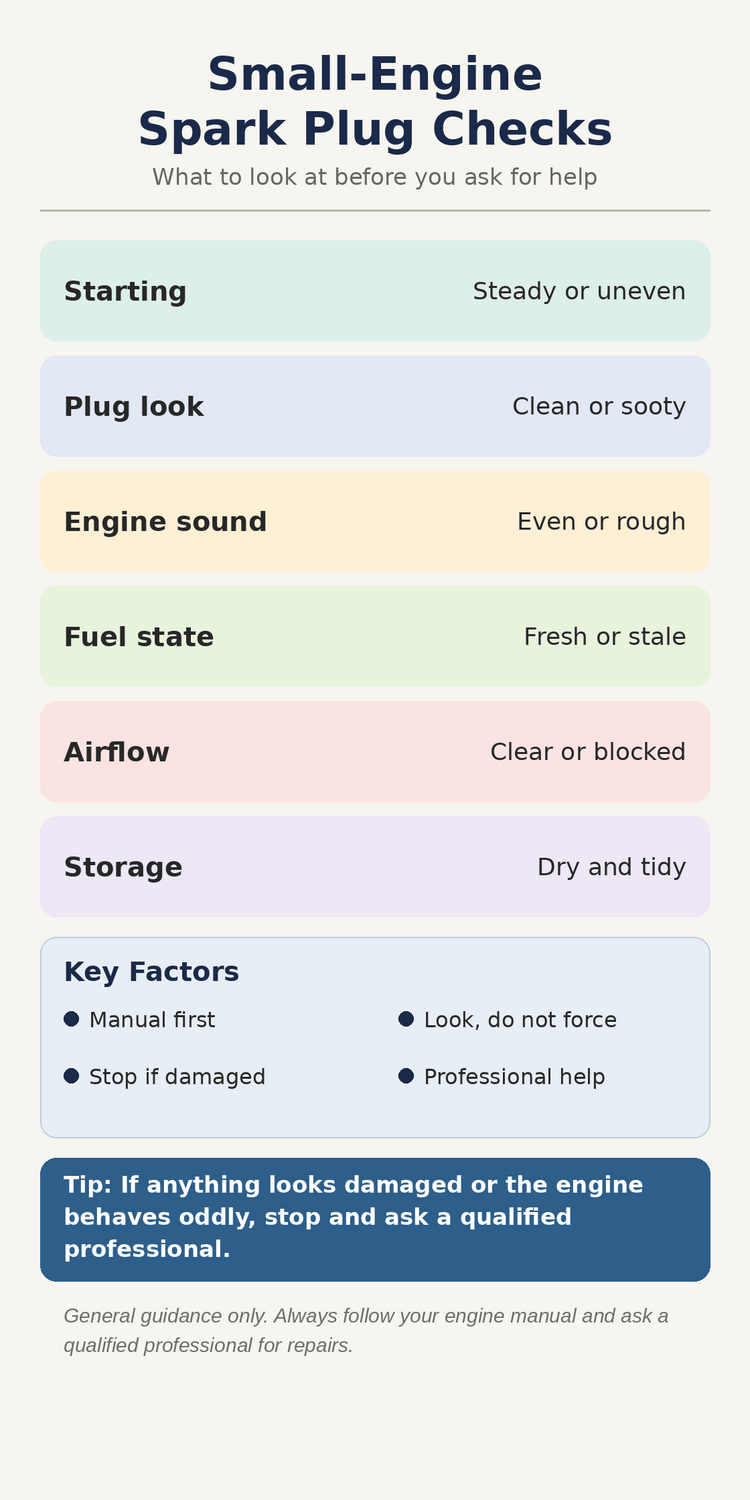
Confusion also grows when advice travels without its context. A tip that helped one owner in one season, on one machine, can mislead another owner entirely, because machines differ in age, use and care. Notes taken for your own machine matter far more than general claims heard elsewhere, and a short written note about what you noticed, and when you noticed it, helps a professional far more than a vague memory. Keep the guide in this spirit: observe, note, and ask, rather than deciding on your own what a part needs.
2. What a Plug Looks Like in General Terms
In general terms, a spark plug is a small, sturdy part with a pale ceramic upper section and a metal lower section that carries a thread. At one end sits a small tip where the spark forms, and the whole part is built to live inside an engine through heat, vibration and long spells of rest. When a professional shows you a plug, or describes one, the words you are most likely to hear concern its general appearance: whether it looks clean and dry, darkened, sooty, or oily. Those words describe condition, not a diagnosis, and the same appearance can have more than one cause, which is why appearance alone never settles what should happen next.
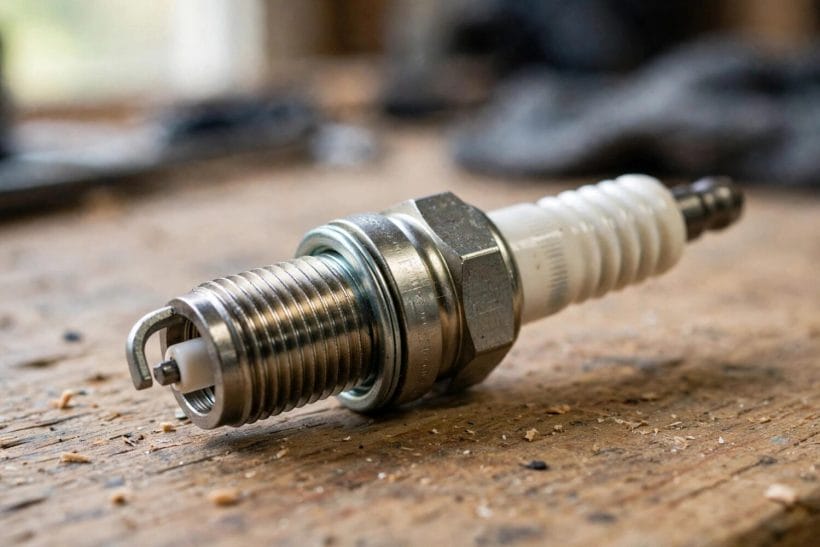
It helps to know what a plug is not. It is not a part to judge by shine alone, and a clean-looking plug does not prove that an engine is healthy, just as a darkened plug does not prove that the plug itself is at fault. Fuel, airflow, age and storage all leave their mark on how a plug looks, so a professional reads appearance alongside starting behaviour, sound and history. Your role as an owner is simpler and safer: notice change, keep notes, and pass a clear description to someone qualified to interpret it.
The materials themselves explain why plugs look the way they do. Ceramic handles heat while staying electrically separate from the metal body, and metal carries the strength and the thread that holds the part in place. Through seasons of heat, vibration and rest, those materials slowly show their age, and a professional learns to read that slow change the way a gardener learns to read soil or leaf. For an owner, the lesson is gentler: a plug is a working part with a working life, not a decoration, and its appearance is a chapter in a longer story that only a qualified reader can finish.
3. The Manual Comes First, Always
Every machine leaves its maker with a manual, and that manual is the final word on what belongs in your engine, how often attention is due, and what warning signs mean for that particular machine. Keep it where you can find it without a hunt, alongside the other household papers, and treat it as the first place to look whenever a question arises. The same tidy-paper habit that supports tiny house storage ideas serves a garden machine well: a manual kept safe is a question answered quickly, while a manual lost to a damp shed is a question left to guesswork.
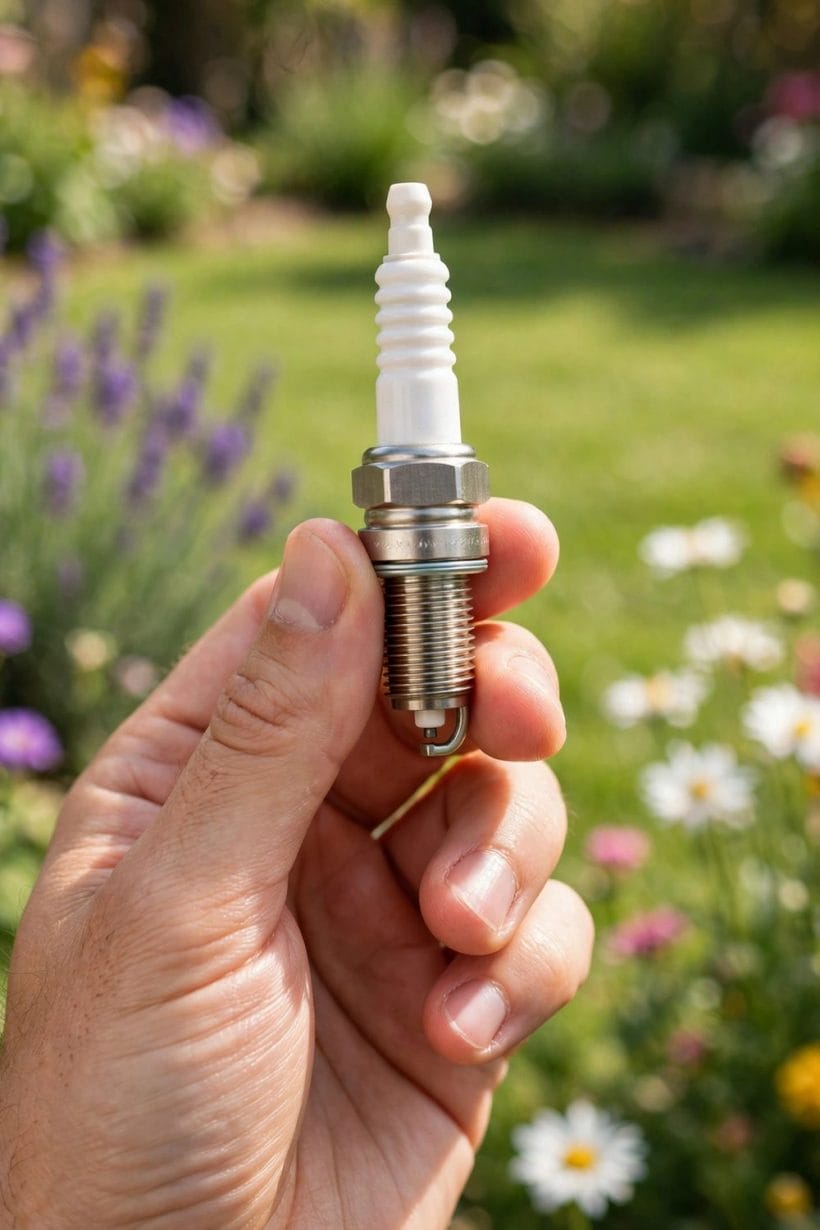
If the manual is missing, do not fill the missing manual with a guess or with details borrowed from another machine. Ask the supplier or a qualified professional to identify the correct manual for your machine, using the machine’s own labels and markings as the reference. Labels on the machine itself can help a professional point you to the right document, and a photograph of those labels, kept with your notes, makes that conversation easier. Until the right manual is in hand, the safest course is to describe the problem and wait for qualified advice.
4. Notice How Starting Behaves
Starting behaviour is the easiest thing for an owner to observe, and it is often the most useful thing to describe to a professional. A machine that starts promptly and settles into a steady rhythm tells a different story from one that needs repeated attempts, starts and then stops, or only behaves after a long rest. Note the pattern rather than a single incident: whether the trouble appears after storage, after rain, after a long spell of work, or for no clear reason at all. Patterns help a professional narrow the possibilities, while a single vague memory rarely does.
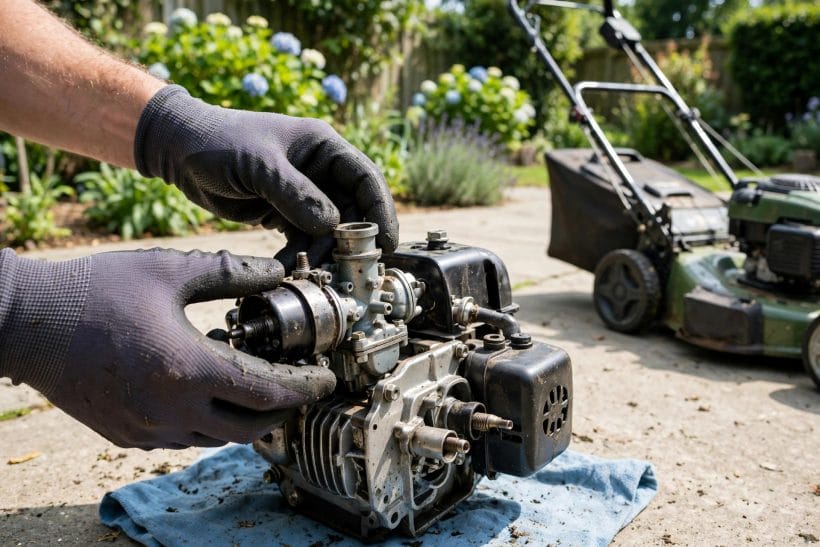
Season and setting matter to these notes. A machine kept for garden work lives a different life from one used rarely, and the rhythm of garden seasons shapes how often it runs and how long it rests between jobs. Gardeners planning their outdoor work often browse backyard landscaping ideas for the space around the machine, and that same seasonal thinking helps here: note when the machine last ran well, how long it rested, and what changed since. A clear, dated note beats a confident guess every time.
5. The Shed and Storage Around the Machine
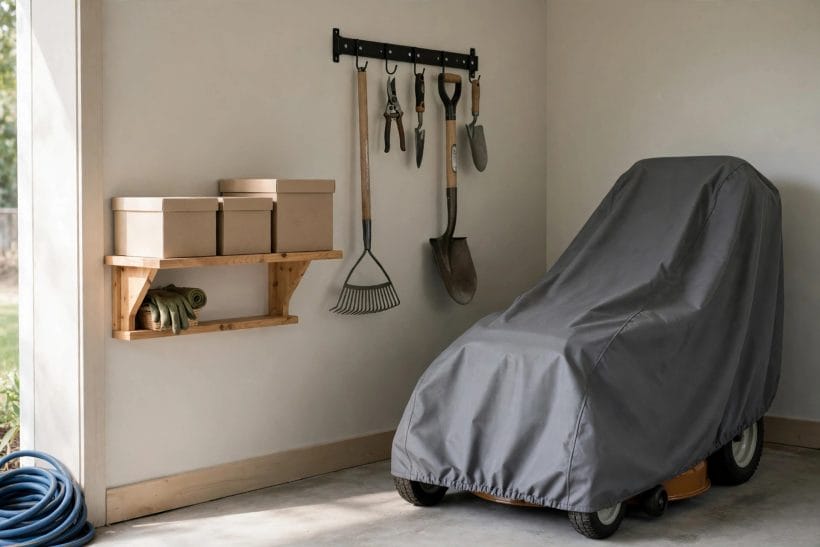
Where a machine rests between jobs shapes how it behaves when it is needed again. A dry, tidy shed with air moving gently around the machine is kinder to every part than a damp corner where moisture settles and dust gathers. Keep the machine covered where a cover is provided, keep the floor beneath it dry, and leave enough space around it that you can look at it properly without shifting piles of other gear. Storage is not a glamorous subject, but it is one of the few areas where an owner’s habits genuinely protect a machine.
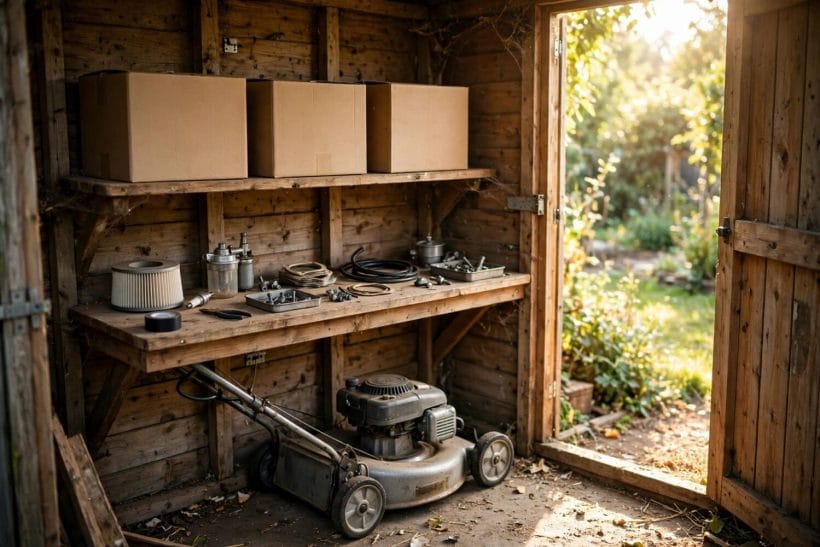
Good shed habits also make professional help easier. When a machine is stored tidily, a professional can reach it, look at it and move it without a struggle, and you can find the manual, the notes and the machine’s labels without delay. Readers looking for shed inspiration often turn to garden shed ideas, and the lesson carries over: a shed that is pleasant to enter is a shed where small jobs get noticed early, before they grow into larger ones. Damp, clutter and darkness hide change; light, air and order reveal it.
6. Fuel Freshness and the Habits That Protect It
Fuel ages, and aged fuel is a common source of starting trouble in machines that rest for long spells. A machine that ran well before a long rest and then struggles afterwards may simply be telling you that time has passed, and that observation alone is useful to note for a professional. Keep fuel habits simple and consistent: use fresh fuel, keep containers closed and tidy, and note when fuel was bought and when the machine last ran. Small habits of this kind remove one variable from a puzzle that already has several.
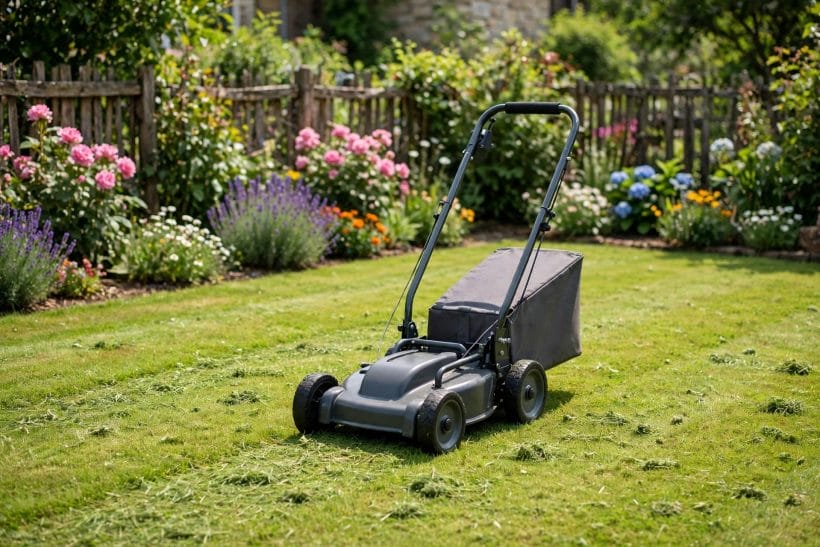
Never mix products, never use a container that once held something else, and never store fuel where children or pets can reach it. If fuel smells unusual, looks cloudy, or has sat far longer than you can remember, say so plainly to a professional rather than trying to solve it yourself. Fuel handling is one of those areas where caution is free and carelessness can do a great deal of harm, so the rule stays simple: observe, note, and ask.
A short fuel note in your book removes guesswork from every later conversation. Record when fuel was bought, when the machine last ran well, and how long it then rested, in plain words and plain dates kept in a notebook rather than in memory. When a professional asks about fuel, that note answers in seconds, and when nothing is wrong, the note simply sits quietly as proof of steady habits. Fuel is easy to overlook precisely because it is ordinary, and ordinary things deserve notes just as much as dramatic ones do.
7. Airflow and the Outside of the Machine
The outside of a machine tells a story of its own, and it is a story any owner can read safely. Look at the machine as a whole: is it clean or caked in dust and clippings, are its outer vents clear or blocked by debris, does anything look cracked, loose or out of place? A machine choked by garden debris cannot breathe as it should, and a quick visual look after each job, clearing loose material from the outside only, keeps that simple problem from hiding a deeper one. In a compact home, where garden gear shares space with daily life, that outside look also keeps the machine pleasant to live alongside, much as thoughtful planning keeps a small living room pleasant to live in.
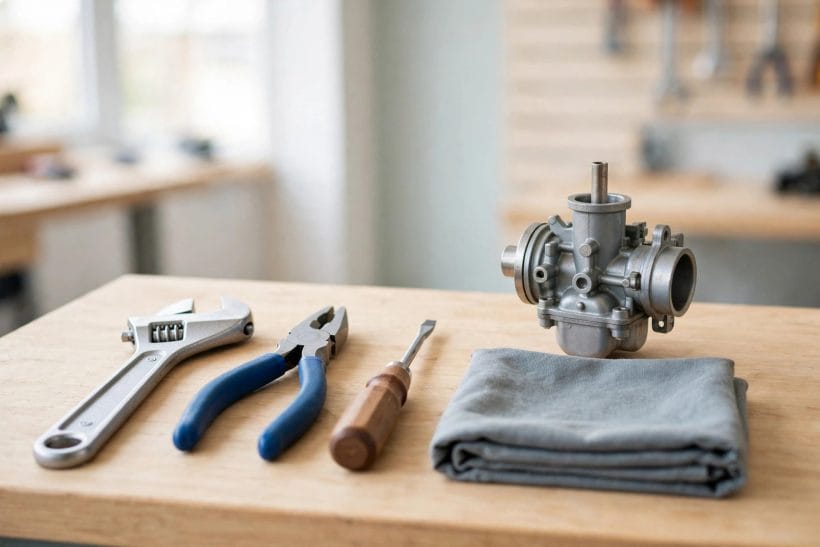
Keep the boundary clear: the outside is yours to look at and tidy, while the inside belongs to a qualified professional. Do not open housings, loosen fasteners, or probe inner parts to satisfy curiosity, because a well-meant look inside can disturb something that was working fine. A tidy bench, a folded cloth and tools put back in their place after a job are not mere neatness; they are the visible sign of an owner who respects the line between observing and interfering.
8. Damp, Dust and the Seasons of Rest
Machines rest through seasons, and rest itself can change them. Damp air leaves moisture where it is least wanted, dust settles into every crevice, and long idleness can make a first start of the season feel like a test of patience. Before a long rest, give the machine a calm once-over from the outside, note its condition in your book, and settle it in its dry, tidy place. After a rest, look again before expecting it to work, and compare what you see with your earlier note. Change, noticed early, is a gift to the professional who will interpret it.

Small homes feel these seasonal rhythms keenly, because every stored item competes for the same limited space, and a machine tucked behind winter gear can be forgotten until the day it is needed. The same space pressure shapes a tiny bedroom, where order is what keeps a small room workable, and the same principle rescues a shed: a place for everything, everything visible, and nothing left to damp and dust. When storage is orderly, a seasonal look takes moments; when it is not, even finding the machine becomes a chore.
9. Questions to Ask a Professional
A good conversation with a professional starts with a clear description, not a conclusion. Describe what the machine does rather than what you believe is wrong with it: how starting behaves, how the engine sounds, when the trouble began, how long the machine rested, and what the fuel and storage situation has been. Mention anything you noticed on the outside, and anything that changed since the machine last ran well. Professionals work from descriptions like these, and a careful owner who describes well often receives faster, more accurate help than one who arrives with a firm theory.
Ask, too, about the habits that suit your own machine and your own pattern of use. How often should it be looked at by someone qualified, what signs should prompt a visit rather than another attempt at starting, and what notes are most useful to keep between visits? A professional who knows your machine and your garden can tailor that advice in a way no general guide can, and this guide is happy to hand over to that conversation. General guidance points the way; qualified advice finishes the job.
After a visit, keep the professional’s notes with the manual, in the same safe place, so the next conversation starts from knowledge rather than from scratch. If behaviour changes again, add a fresh dated note beside the older ones, so the pattern over time stays visible. Owners sometimes feel shy about describing a machine problem in plain, non-technical words, but plain words are exactly what a professional needs, because they describe what happened rather than dressing it in borrowed language. Clarity is a courtesy to the person helping you, and it is a habit that improves with every visit.
10. A Calm Routine Through the Seasons
Tie these habits together into a calm routine that follows the seasons rather than fighting them. At the start of a working season, look at the machine from the outside, note its condition, and confirm that the manual and your notes are to hand. Through the season, note starting behaviour and sound as a matter of course, the way you would note weather or garden growth. At the end of the season, settle the machine into its dry place with a final note, so the next season begins with knowledge rather than surprise.
Household routines in a compact home work the same way: small, repeated habits, kept in their place, prevent large, sudden chores. The rhythm of a tiny laundry room, where little jobs done often keep the space usable, is a fair picture of good machine care. Nothing here demands hurry or strength, only attention, and attention given steadily through the seasons is the most reliable care an owner can offer.
Final Considerations
These small-engine spark plug checks come down to a short set of habits: trust the manual over memory, notice starting and sound, look at the outside of the machine, keep fuel fresh and storage dry, and describe what you see clearly to a qualified professional. Confusion fades when a problem is broken into observations, and observations are something every owner can offer without touching a single inner part. A machine cared for in this calm, observant way is easier to live with, easier to describe, and easier for a professional to help.
If anything in this guide leaves you unsure, let that uncertainty be the signal to ask rather than to act. Stop when something looks damaged or behaves oddly, keep your notes and manual together, and give a qualified professional a clear, honest description of what you noticed. That restraint is not a lack of skill; it is the skill itself, and it keeps both owner and machine safe for many seasons to come.




0 Comments