

A postage-stamp plot is not a problem to solve — it is a puzzle to enjoy. With the right layout, a few hard-working plants and some clever styling, even the tiniest yard can feel generous.
Here are 75 ideas for small gardens of every shape, grouped from groundwork to finishing touches so you can steal one or rebuild the whole plot.
1. Layout Foundations: Plan the Bones First
Every successful tiny plot starts with bones: where you walk, sit and look. Sketch your ideas on paper first — the free planners in our round-up of tiny house building design ideas work just as well for testing garden layouts at a small scale.
| At a Glance | Best Move | Why It Works |
|---|---|---|
| Best first step | Measure and map sun and shade | Stops you planting in the wrong place |
| Best space trick | Diagonal or curved layout | Makes a short plot feel longer |
| Best for renters | Pots and movable raised beds | Everything can leave with you |
| Best splurge | One quality focal tree or bench | Anchors the whole design |
| Best free win | Dividing the plot into two zones | One garden suddenly feels like two |
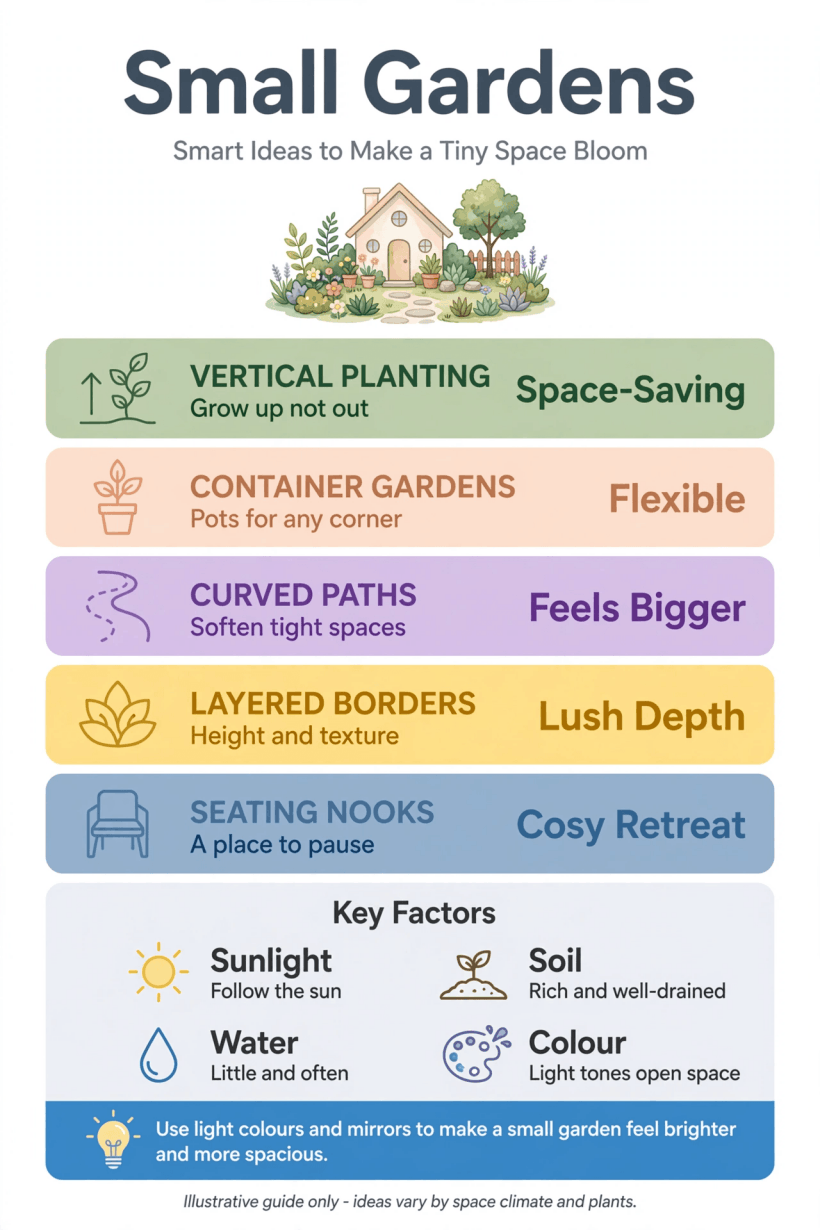
The five layout foundations in this section — measure first, divide the space, then let paths and focal points do the heavy lifting.
1. Measure and Map Before You Buy Anything
Measure the plot properly, note fences and doors, then watch where sun and shade fall across a full day. This simple map stops impulse buys and tells you which corners suit seating, herbs or shade-loving plants.
2. Divide the Plot Into Two Mini Zones
A low hedge, a trellis panel or even a row of tall pots across the middle makes one small space feel like two gardens. Hidden corners invite exploring, and the eye reads journeys as size.
3. Run the Path on a Diagonal
A diagonal path is the longest line you can draw in a rectangle, so the plot instantly feels bigger. Angle paving or stepping stones corner to corner and plant generously into the triangles it creates.
4. Choose One Clear Focal Point
Give the eye somewhere to land: a small tree, a bench, a birdbath or a handsome pot at the far end. One strong focal point organises everything else and stops a tiny plot feeling like clutter.
5. Keep the Centre Open
Push planting to the edges and keep the middle clear as lawn, gravel or decking. An open centre reads as breathing room, gives children and dogs space to play, and makes borders look deeper by contrast.
6. Borrow the View Beyond the Fence
If a neighbour’s tree or a distant rooftop is attractive, frame it rather than fencing it out. Borrowed scenery extends your garden for free, while a trellis top or pleached screen hides anything you would rather not see.
7. Plan Seating Before Planting
Decide where you will actually sit — morning coffee spot, evening sun trap — and design around those chairs. A garden planned around real habits gets used daily instead of admired twice a year.
8. Sketch Three Layouts, Then Sleep on Them
Draw three quick options: formal and straight, soft and curved, and a mix. Living with each sketch for a day reveals which one suits your light, your budget and the way you move through the space.
2. Paths, Edging and Ground Surfaces
Surfaces decide how a compact plot feels underfoot and how much time you spend maintaining it. Choose one main material, repeat it, and let edging keep everything crisp.
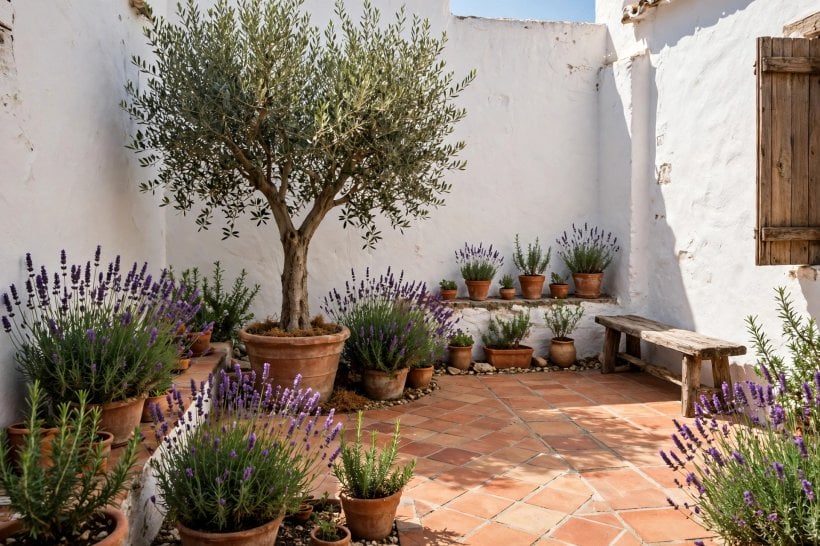
9. Lay a Winding Stepping-Stone Path
Stepping stones that curve gently through planting slow the walk and make a short garden feel like a journey. Set them at a comfortable stride and let low plants spill softly over the edges.
10. Use Pale Gravel to Brighten Shade
Pale gravel reflects light into gloomy corners, drains freely and costs little to lay over a membrane. It also gives a satisfying crunch that makes even a tiny courtyard feel like a designed destination.
11. Edge Beds With Brick or Steel
A crisp edge is the cheapest way to look intentional. A single row of bricks or a slim steel strip keeps gravel out of borders, lawns tidy and the whole design reading as cared for.
12. Mix Two Surfaces, Never Five
Limit the palette to two ground materials — say decking plus gravel, or paving plus lawn. Repetition calms a small space, while a patchwork of leftovers makes it feel smaller and busier than it is.
13. Widen the Path Where You Pause
Let the path bulge slightly beside a bench, the back door or a favourite plant. These small widenings become natural pause points and stop narrow gardens feeling like corridors you only pass through.
14. Add a Checkerboard of Slabs and Green
Alternate paving slabs with low thyme, chamomile or moss squares for a playful courtyard pattern. You get solid footing, scent underfoot and a design feature that photographs beautifully from an upstairs window.
15. Keep One Step-Free Route
Make sure at least one route from door to seating is level and trip-free for wheelbarrows, prams and older knees. Gentle practicality keeps the garden welcoming for everyone who uses it.
3. Planting That Earns Its Space
In a compact plot every plant should work twice: flower and foliage, spring and autumn, beauty and wildlife. Choose generous, long-season performers over one-week wonders.
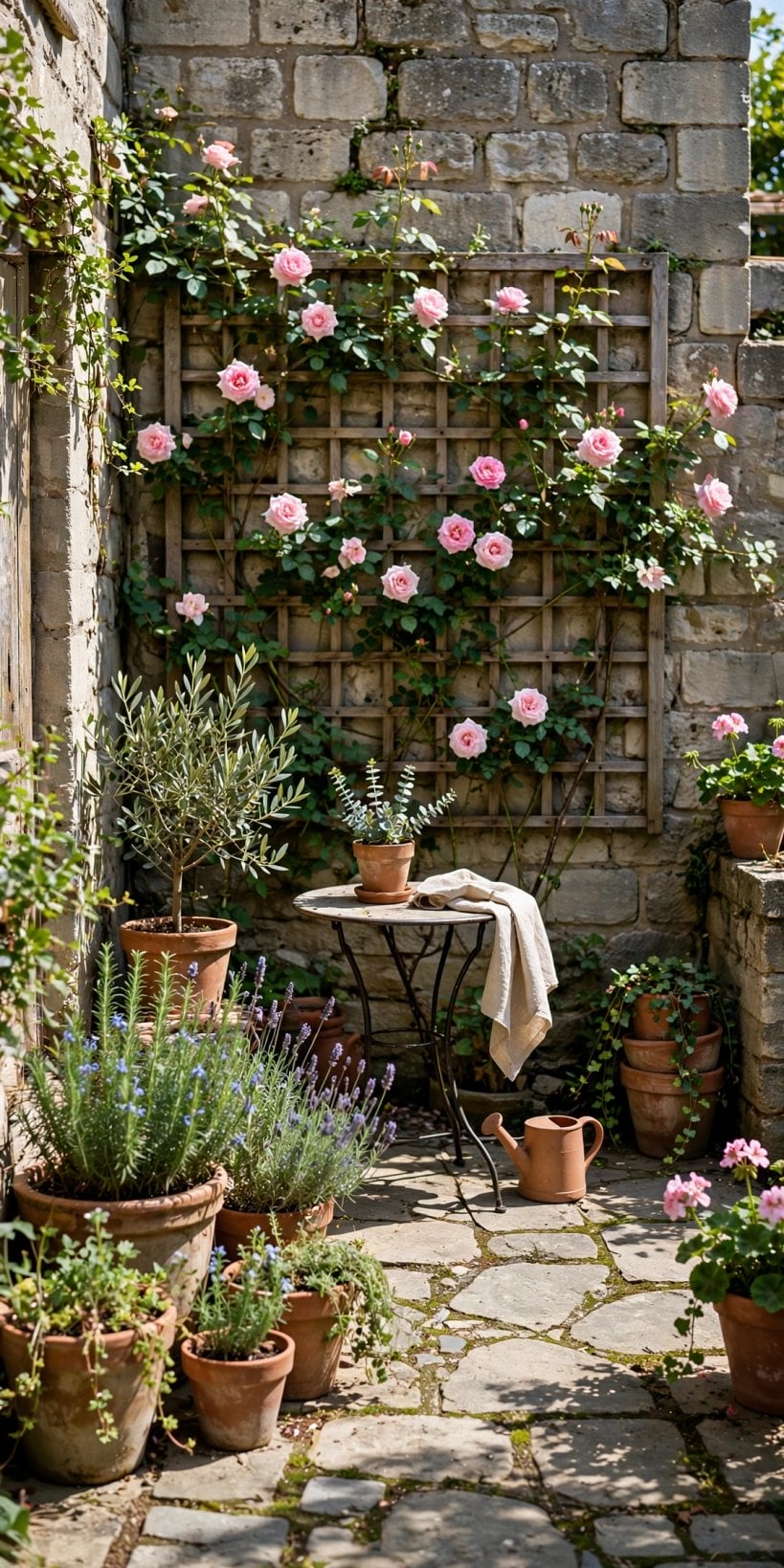
16. Plant in Drifts, Not Dots
Groups of three, five or seven of the same plant read as a designed drift and calm the eye. Single specimens dotted about look restless and make a small border feel like a plant jumble sale.
17. Layer Heights Like a Theatre
Tall plants at the back, medium in the middle, low carpeters at the front — the oldest rule in planting, and in narrow borders it creates depth the plot does not really have.
18. Pick Plants With Two Seasons of Interest
Favour plants that flower, then berry, colour or hold handsome seedheads into winter. When every square foot must justify itself, a plant with one brief moment is a luxury few tiny plots can afford.
19. Grow One Small Tree, Chosen Carefully
A single multi-stem or compact tree gives height, shade, blossom and a home for birds without swallowing the plot. Check the eventual size with your local nursery and plant it where its canopy will not fight the house.
20. Repeat a Signature Colour
Repeat one flower colour — white, purple or apricot — through the whole garden. Repetition ties separate beds together and tricks the eye into reading the space as one calm, larger design.
21. Add Evergreen Structure for Winter
A backbone of box, yew or evergreen shrubs keeps the garden furnished when perennials die back. Even two or three evergreen shapes near the seating area stop winter feeling like an empty waiting room.
22. Squeeze in a Herbs-Only Corner
Herbs forgive small spaces, smell wonderful when brushed past and earn their keep in the kitchen. Tuck them beside the door or path where you will actually pick them, in the sunniest pocket you have.
23. Underplant With Spring Bulbs
Bulbs take almost no room and flower before perennials wake up. Layer them under shrubs and through borders so the garden starts the year with colour while the main planting is still stretching.
4. Pots, Containers and Raised Beds
Containers are the renter’s best friend and the designer’s secret weapon: movable colour, instant height and planting where roots cannot go. Sketch your pot layout with the tools in our guide to design your tiny house online — the same planners work for patios.
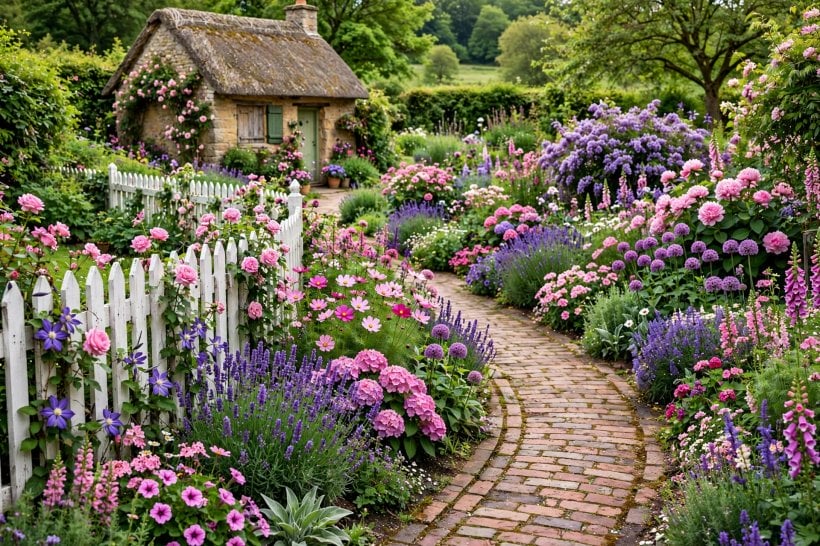
24. Group Pots in Odd-Numbered Clusters
Clusters of three or five pots look generous; lonely single pots look lost. Vary the heights, keep the material consistent and tuck the cluster where it softens a corner or flanks a door.
25. Go Big With Two Pots, Not Small With Ten
Two large containers hold more soil, dry out slower and look calmer than a crowd of small ones. Fill them with a small shrub plus trailing plants for a season-long display in one move.
26. Build One Raised Bed for Vegetables
A single raised bed at waist-friendly height grows salads, herbs and cut-and-come-again crops in a square metre or two. It also gives a small plot a satisfying sense of purpose and harvest.
27. Use Window Boxes on Railings and Sills
Railings and sills are free planting space at eye level. Window boxes of trailing geraniums, herbs or strawberries lift colour off the ground and leave precious floor area for chairs and feet.
28. Plant a Pot With Layers Like a Border
Treat a big pot like a miniature border: one upright thriller, mounding fillers around it and a trailer over the edge. The classic recipe works at every scale and guarantees a finished look.
29. Choose Self-Watering Pots for Sunny Spots
Sun-baked containers can dry out in a day. Pots with a built-in reservoir forgive a missed watering, keep plants steadier and are worth it beside seating areas you use on hot weekends.
30. Line Up Matching Pots Along the Path
A rhythm of identical pots marching along a path or flanking steps creates instant formality. Keep the planting simple — box balls, grasses or lavender — so the repetition, not variety, makes the impact.
31. Hide Ugly Pots Inside Pretty Baskets
Slip plain nursery pots into woven baskets, crates or metal buckets for instant styling. You keep cheap, practical inner pots while the outside matches your scheme, and swapping seasonal plants takes seconds.
5. Vertical Gardens and Green Walls
When floor space runs out, grow upwards. Walls, fences and trellis offer planting area many times the size of the ground below — just check local rules for fences and structures first, as our guide on where you can build a tiny house explains for outdoor projects generally.
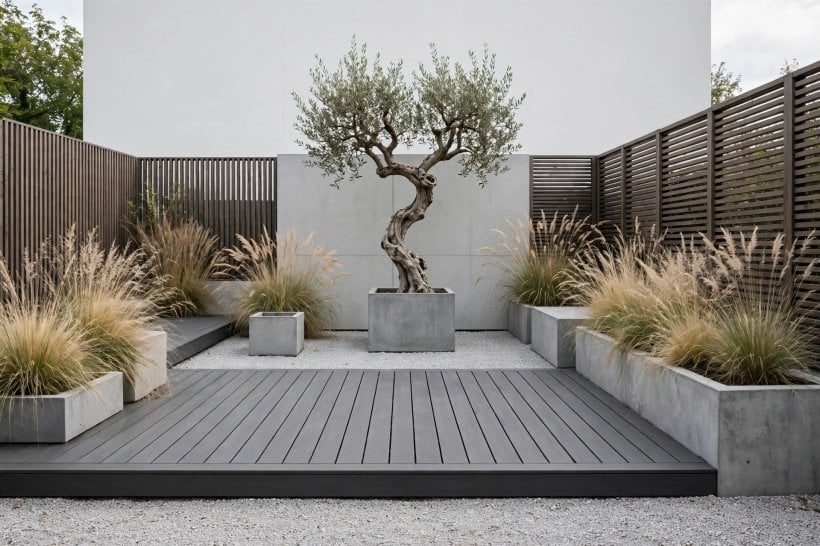
32. Cover One Fence Panel With a Climber
One well-fed climber can green an entire fence panel in a couple of seasons. Train it on wires or trellis held slightly off the wood so air circulates and panels stay easy to maintain.
33. Hang a Pocket Planter on the Wall
Fabric pocket planters turn a blank wall into a herb or salad tapestry for very little money. Hang them at reachable height near the kitchen door and water from the top pocket down.
34. Build a Trellis Screen for Privacy
A slim trellis panel planted with jasmine or clematis screens overlooking windows without stealing light. It divides zones, adds scent at head height and makes a tiny plot feel secluded rather than overlooked.
35. Espalier a Fruit Tree Flat Against a Wall
Training a fruit tree flat against a sunny wall gives blossom, fruit and architecture in a hand’s breadth of soil. It is an old kitchen-garden trick that suits narrow modern plots perfectly.
36. Stack Planters Into a Green Tower
Stacked or tiered planters grow strawberries, herbs or flowers in a column. One square of ground becomes four levels of planting, and the tower itself becomes a cheerful focal point near the door.
37. Add Shelves for a Pot Collection
A weatherproof shelf or ladder against a wall displays a collection of small pots at several heights. Group by colour or leaf shape, and rotate whatever is flowering to the eye-level shelf.
38. Grow Beans and Peas Up a Wigwam
A simple wigwam of canes in a bed or big pot grows edible flowers and pods while taking almost no ground. Children love harvesting from a living tent, and the structure looks good all summer.
39. Soften Corners With Tall Grasses
Tall ornamental grasses in corner pots blur hard angles and add movement and sound. They screen without blocking light, need little water once settled and keep waving long after flowers finish.
6. Colour, Texture and Seasonal Layers
Colour is the cheapest transformation there is. A tight palette, repeated textures and something in flower every month will make a compact plot feel planned rather than planted-by-accident.
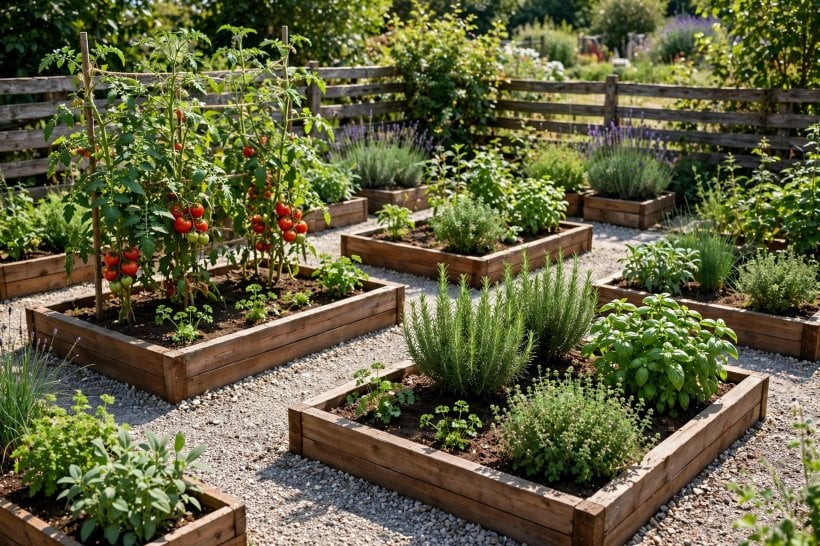
40. Limit Flowers to Three Colours
Three flower colours plus green is plenty in a small space. A limited palette looks deliberate and restful, and it makes choosing new plants at the nursery wonderfully simple: if it clashes, it stays.
41. Use Foliage as the Main Event
Leaves last far longer than flowers. Mix glossy, feathery, silver and bold foliage so beds look rich for months, then let short flower seasons land like celebrations on top of the green.
42. Plant for Every Month, Lightly
List the months and make sure something performs in each: bulbs, blossom, roses, grasses, berries, bark. A small plot cannot hide a dull month, so spread the interest thinly but across the whole year.
43. Paint the Fence a Deep Colour
Dark fence paint makes boundaries recede and green foliage glow against it. It is a weekend project that instantly modernises a tired plot and makes pale flowers and furniture look more expensive.
44. Repeat One Texture Three Times
Echo a texture — feathery grasses, round box shapes or spiky leaves — in three places. The repetition stitches separate corners into one design and gives the eye a rhythm to follow around the space.
45. Add White Flowers for Evening
White and pale flowers keep glowing after dusk when dark colours disappear. Plant them near seating and paths so the garden stays visible and fragrant through long summer evenings outdoors.
46. Let One Plant Steal the Show Each Season
Instead of everything peaking at once, nominate a star per season: tulips, then a rose, then dahlias, then berries. A rotating headline act keeps a small garden interesting all year round.
47. Mulch Bare Soil for a Finished Look
A layer of mulch or fine bark hides bare soil, holds moisture and makes planting look instantly established. It also cuts weeding dramatically — the single best time-saver a busy gardener can buy.
7. Seating, Shade and Cosy Corners
A garden you cannot sit in is just a view. Borrow the indoor-outdoor thinking from our tiny house interior design ideas and treat the seating corner like an outdoor room with walls of green.
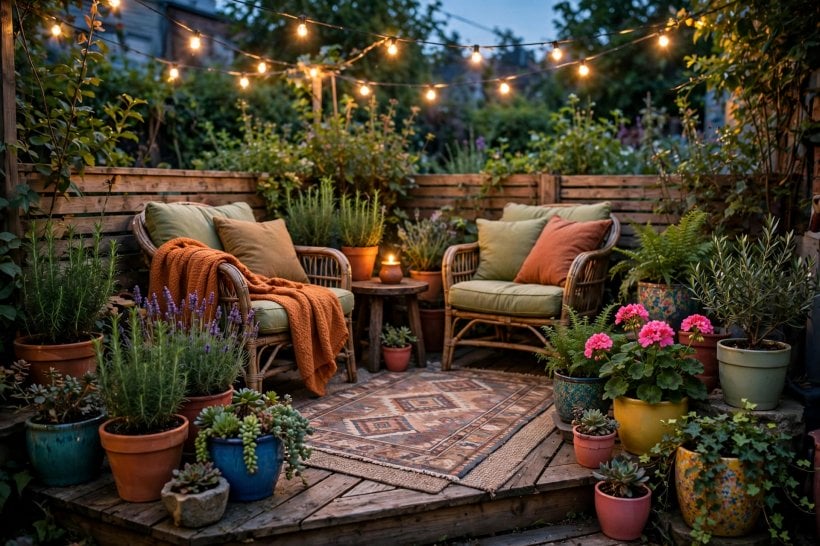
48. Fit a Built-In Corner Bench
A built-in L-shaped bench uses corner space chairs waste, seats more people and can hide storage underneath. Add outdoor cushions and the corner becomes the most requested seat in the house.
49. Choose Folding Furniture for Flexibility
Folding chairs and a small table appear for breakfast and vanish for yoga, parties or a paddling pool. Flexible furniture keeps a tiny plot multi-purpose instead of permanently parked.
50. Hang a Sail or Umbrella for Shade
A simple shade sail or tilting umbrella makes a sun-trap seat usable at midday. Anchor fixings securely, check any local guidance for permanent structures, and enjoy lunch outdoors far more often.
51. Add an Outdoor Rug Under the Chairs
A weatherproof rug defines the seating zone like a room, softens hard paving and adds colour without a single plant. Choose a pattern that hides the odd leaf and muddy paw print gracefully.
52. Build a Pergola Corner, However Small
Even a two-post pergola corner gives height, shade and a frame for climbers and lights. It turns a flat sitting spot into a destination and photographs like a garden three times the size.
53. Tuck a Reading Chair Into the Greenest Corner
One comfortable chair surrounded by planting is a private retreat in four square feet. Face it into the garden rather than the house and it becomes a genuine escape, not just extra seating.
54. Keep a Small Table Within Arm’s Reach
Every seat needs a surface for a mug, book or glass. A tiny side table, wall shelf or wide bench arm saves the wobbling-on-the-grass routine and makes lingering outdoors much easier.
55. Screen the Seating From the Street
A planted screen, slatted panel or tall grass pot between you and the world changes everything. Privacy is mostly psychological: break the sightline at sitting height and the corner feels peacefully yours.
8. Water, Wildlife and Sensory Touches
Sound, scent and visiting wildlife make a garden feel alive far beyond its size. Small features, kindly chosen, bring the whole plot to life.
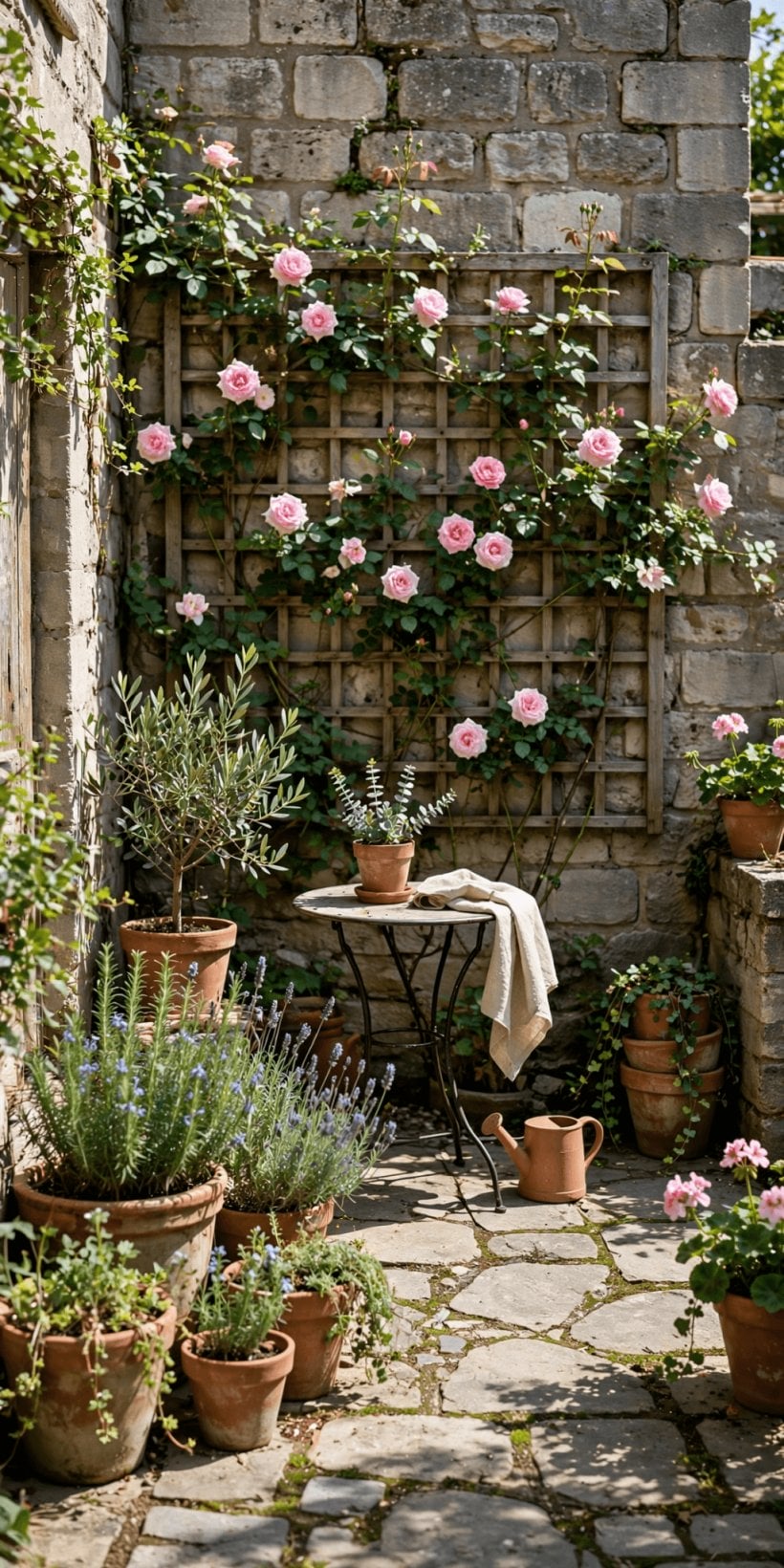
56. Add a Tiny Bubbling Water Bowl
A small solar fountain in a handsome bowl adds movement and a gentle burble that masks traffic noise. Birds will drink and bathe in it, giving you wildlife entertainment inches from your chair.
57. Plant Night-Scented Flowers by the Seat
Jasmine, night stocks or scented tobacco near seating release perfume as the air cools. Scent is invisible square footage: it makes an evening garden feel twice as rich as it looks.
58. Leave a Wild Corner on Purpose
One untidy square of long grass, a log pile or leaf heap shelters insects, frogs and hedgehogs. Framed by neat edges elsewhere, it reads as a deliberate wildlife patch rather than neglect.
59. Hang a Feeder Where You Can Watch It
Place a bird feeder in view of your favourite seat or kitchen window. Daily bird visits become part of the household routine, and choosing feeder positions is a lovely job for visiting grandchildren.
60. Grow Rustling, Touch-Friendly Plants by the Path
Position grasses that swish, lamb’s-ear leaves that beg to be stroked and scented herbs along the path edge. A garden you experience with hands and ears, not just eyes, feels bigger and kinder.
61. Sink a Shallow Dish for Bees and Birds
A shallow dish with pebbles and fresh water helps bees and birds on hot days. Refresh it often, keep it near planting, and you will be surprised how quickly regular visitors find it.
62. Choose Flowers Pollinators Actually Love
Simple, open flowers feed bees far better than fancy doubles they cannot enter. A succession of lavender, scabious and herbs keeps wings busy from spring to autumn in very little room.
9. Lighting, Storage and Practical Magic
The finishing layer is practical: light to extend the evening, storage that disappears, and watering that takes minutes. Style the details using the same eye as our tiny house decorating ideas.
63. String Warm Festoon Lights Overhead
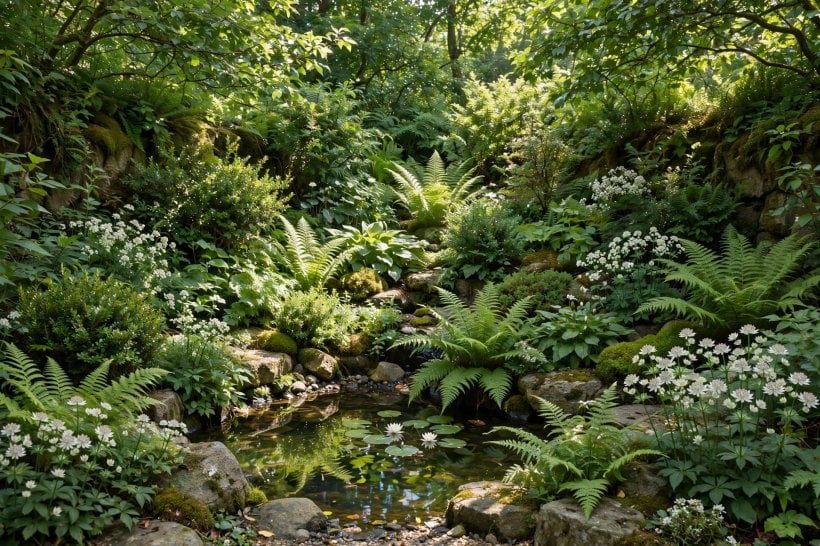
A swag of warm festoon lights turns any seating corner festive in minutes. Hang them securely, keep fittings rated for outdoor use, and check with an electrician before adding any fixed outdoor socket.
64. Mark the Path With Solar Stakes
Solar stake lights along the path guide feet after dark and need no wiring. Space them unevenly for a natural feel and bring the batteries in for winter to keep them cheerful.
65. Hide Storage Inside a Bench Box
A storage bench swallows cushions, tools and toys while providing extra seats. In a compact plot, furniture that stores things earns double value and keeps the space looking calm between uses.
66. Mount Tool Hooks on the Fence
Hooks and a narrow shelf on the fence keep everyday tools off the ground and in sight. A tidy tool station takes ten centimetres of depth and saves the shed-shuffle every weekend.
67. Fit a Simple Drip Line for Pots
A basic drip irrigation line on a timer waters pots evenly while you are away. It uses less water than a hose, targets roots instead of leaves and ends holiday-watering anxiety for good.
68. Keep a Compost Caddy, However Tiny
Even a slim compost caddy or worm bin turns peelings into free soil food. Tuck it behind a screen of planting and the garden’s waste loop closes neatly inside its own fences.
69. Coil the Hose on a Pretty Reel
A wall-mounted reel keeps the hose coiled, kink-free and off the path. It is a five-minute upgrade that removes the single most trip-hazardy, untidy object in most small plots.
10. Small-Space Styling Finishes
Finally, the stylist’s layer — the objects and habits that make visitors say the garden feels designed. Think of it as the outdoor cousin of the finishes in our home interior design ideas for tiny houses.
70. Hang a Mirror to Double the Green
An outdoor mirror on a shaded wall reflects planting and light, famously doubling a tiny courtyard. Angle it to catch foliage, never direct sun or your own seating, and fix it very securely.
71. Display One Piece of Garden Art
A single sculpture, lantern or handsome watering can displayed like art gives the garden a personality. One considered piece beats a scatter of ornaments every time in a space this size.
72. Coordinate Pot and Cushion Colours
Matching outdoor cushions to your pot glazes or fence paint pulls the whole scheme together. Two shared colours across hard and soft elements is the fastest styling win in this entire list.
73. Keep a Seasonal Swap Box
Store off-season cushions, lights and ornaments in one lidded box. Swapping a few pieces each season refreshes the garden’s look without buying more or cluttering the space you worked to clear.
74. Photograph the Garden Monthly
A monthly photo from the same spot shows what is working, what is outgrowing its space and where gaps appear. It is the easiest design diary there is — and very motivating in winter.
75. Edit Ruthlessly Every Spring
Each spring, remove one thing: the pot that never thrives, the ornament you stopped seeing, the chair nobody chooses. Small spaces stay lovely by subtraction as much as by addition — protect the calm.
Final Considerations
Small gardens reward attention more than money. A clear layout, plants that earn their place, one comfortable seat and a few sensory pleasures will outperform a crowded, expensive plot every time. Start with the bones, borrow height and light wherever you can, and let the space grow simpler and better each season.
Work in the order this guide follows — plan, surfaces, planting, then the pretty layer — and photograph as you go. Within a year your small garden will not feel like a compromise at all. It will feel like the room you choose first, the one with the sky for a ceiling — much like the retreats in our A-frame tiny house interior ideas, proof that small, done well, beats big and bland.


0 Comments