
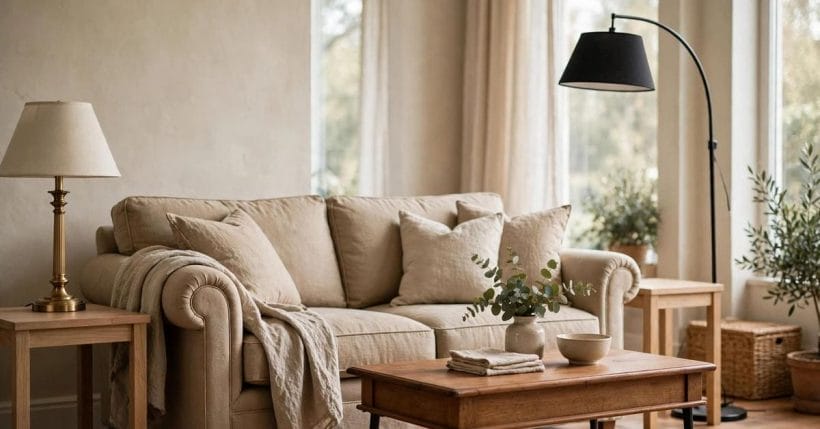
Transitional style is the calm middle ground between traditional comfort and modern clarity. It keeps the warmth, curves and familiar shapes that make a home feel welcoming, and pairs them with the clean lines, plain surfaces and breathing room that keep a home feeling current. Nothing about it shouts, and nothing about it feels like a museum piece either. The result is a home that looks settled rather than staged, and that can absorb new pieces over time without falling apart visually.
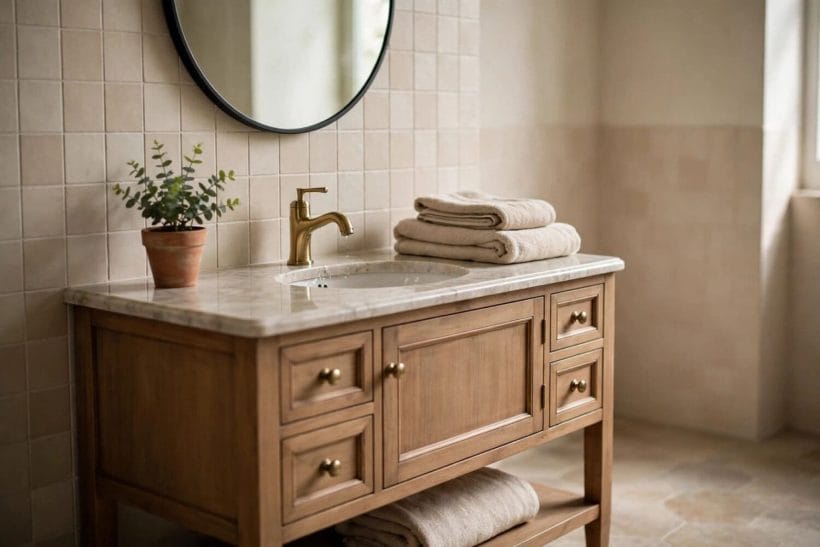
This guide stays with that general idea only: the principles that hold transitional style together wherever it is used. The room-specific versions of the style are covered elsewhere, and they own their own rooms: transitional dining room ideas, transitional bathroom ideas and transitional living room ideas. Nothing here re-teaches those rooms. What follows is how to recognise the style, how to build it piece by piece, and how to keep the balance when a room starts to drift too far toward either side.
The easiest way to think about transitional style is as editing rather than decorating. Traditional style on its own can grow heavy with ornament, dark finishes and pattern on pattern. Modern style on its own can grow cold when every surface is hard, every line is sharp and nothing softens the room. Transitional style borrows the best of each and leaves the extremes behind: classic shapes with simpler detailing, modern lines with warmer materials, and a palette that ties the two together so the eye rests instead of darting around.
1. Start With the Balance, Not One Side
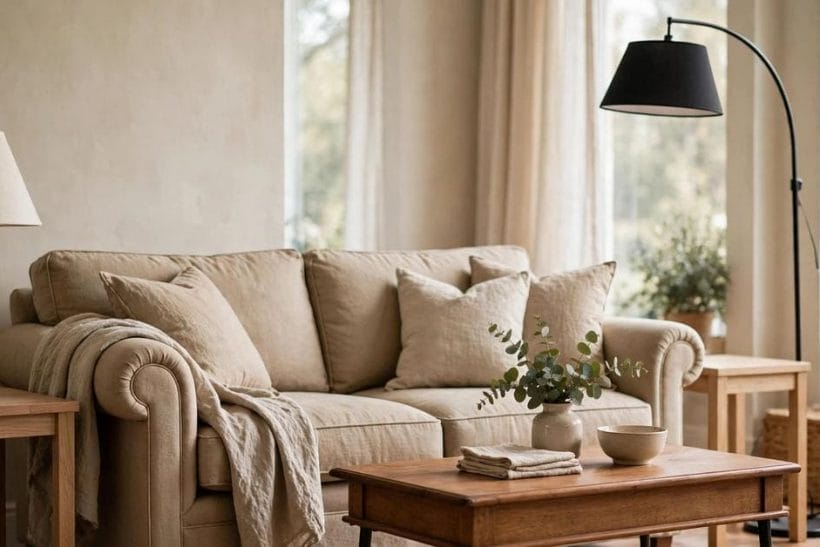
Every transitional room begins with a decision about balance, and that decision is easier to make before anything is bought. Look at the largest pieces in the room first, because they set the tone that everything else must answer to. If the seating is deeply traditional, with rolled arms, turned legs and heavy carving, the tables, lighting and storage around it need to be simpler to keep the room from feeling formal and closed in. If the largest pieces are starkly modern, with slim legs and flat fronts, the room needs softer shapes, warmer textures and at least one classic silhouette to keep it from feeling bare.
Balance does not mean splitting a room exactly in half, with one traditional piece for every modern one. That kind of counting produces a room that looks assembled from two different homes. A better aim is a feeling: the room should read as one place, with neither tradition nor modernity obviously winning. Sometimes that means a classic sofa paired with plain modern tables. Sometimes it means modern seating softened by a traditional rug, a curved lamp or a wood table with a visible grain. The test is simple. Stand back and ask whether any single piece demands all the attention, or whether the room settles into a single, calm impression.
It also helps to decide what the room is for before choosing its style ingredients. A room used every day for relaxing needs comfortable seating, forgiving fabrics and surfaces that can take daily life. A room used mainly for gathering needs clear circulation, seating that faces inward, and lighting that can shift from bright daytime use to a softer evening mood. When the use is clear, the balance follows more naturally, because comfort and practicality point toward the traditional side while simplicity and open space point toward the modern side, and the room finds its middle on its own.
2. Choose Silhouettes That Soften Both Traditions
Silhouette is the outline a piece of furniture makes against the wall, and it is the fastest way to read transitional style. Traditional silhouettes tend to curve: rolled arms, rounded backs, cabriole legs, arched tops. Modern silhouettes tend to run straight: square arms, low profiles, tapered legs, flat panels. Transitional silhouettes sit between the two, keeping a hint of the curve while dropping the fuss. A sofa might keep a gently rolled arm but lose the fringe, the nailhead trim and the heavy skirt. A chair might keep a curved back but stand on simple, straight legs.
Choosing softer silhouettes matters because it stops the two sides from fighting. A heavily carved traditional piece next to a razor-sharp modern piece creates a clash that no palette can fully smooth over. But when both pieces share a similar softness of outline, even quite different designs can sit together comfortably. The eye reads the shared curve or the shared simplicity first, and the differences in period become a quiet detail rather than a contradiction.
When shopping or rearranging, compare silhouettes before comparing finishes or colours. Hold the outlines in mind: does this chair echo the curve of that sofa, even loosely? Does this table repeat the straight, calm line of that storage piece? If the outlines rhyme, the room will usually hold together. If they do not, no amount of matching colour will rescue the pairing, and the room will feel like a collection of unrelated pieces rather than a single style.
3. Build a Warm Neutral Palette First
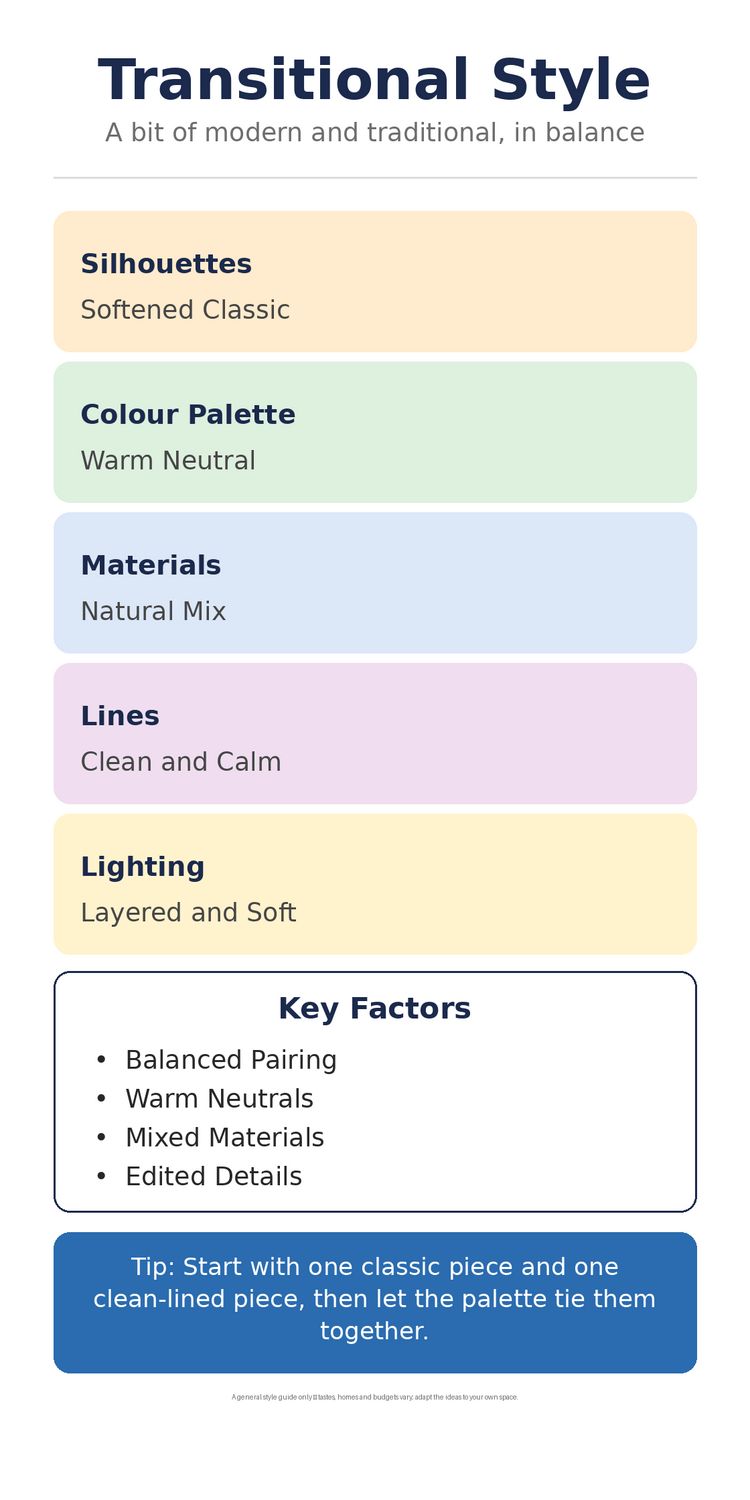
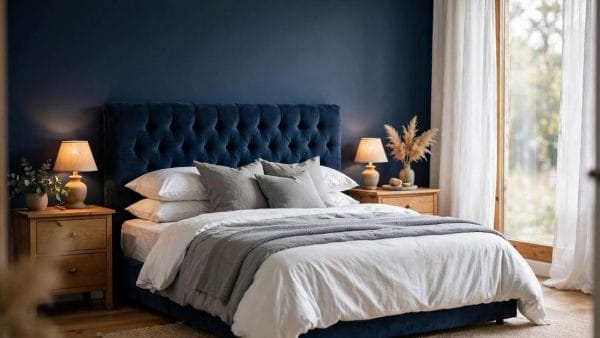
Colour is what makes transitional style feel calm, and the palette is almost always built on warm neutrals. Cream, warm white, taupe, greige and soft grey form the base, with warm wood tones doing much of the work that colour does in bolder styles. These neutrals matter because they give traditional and modern pieces a shared ground. A classic wood table and a modern metal lamp can look like strangers in a room full of strong colour, but on a warm neutral ground they read as two expressions of the same quiet taste.
The palette works best when it is layered rather than flat. One neutral alone, repeated on every wall, sofa and rug, can make a room feel washed out and dull. Layering means using several nearby neutrals at different depths: a lighter wall, a mid-tone sofa, a deeper rug or throw, and wood tones that add warmth without adding a new colour family. Small notes of a muted accent, such as sage, dusty blue or soft terracotta, can sit on top of that base, but they should stay muted and limited, so the room keeps its calm rather than turning into a colour story.
Light changes how any neutral reads, so test the palette in the room itself rather than trusting a small sample alone. A warm white that looks creamy in a shop can turn grey in a north-facing room, and a taupe that looks soft in daylight can turn pink under warm evening lamps. Paint a generous patch, live with it through a day and an evening, and check it against the wood tones and fabrics already in the room. The right neutral is the one that makes everything else look better, not the one that looks best on its own.
4. Mix Materials Without Creating Clutter
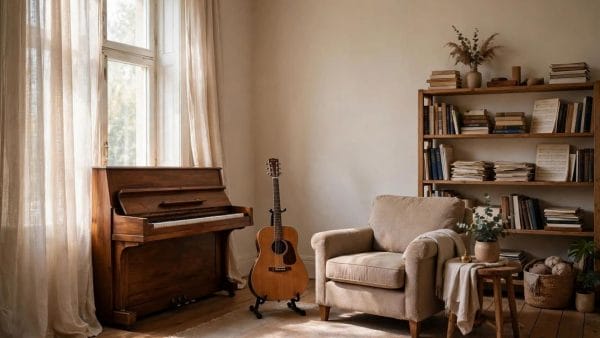
Materials carry much of transitional style’s warmth. Wood is the anchor, usually in a warm, natural finish rather than a dark, glossy one, and it appears in tables, frames, floors and storage. Around it sit natural textiles such as linen, cotton, wool and woven fibres, which soften hard surfaces and give the room something to touch. Metal appears too, but in a restrained way: brushed finishes, simple shapes, and a single metal family repeated quietly rather than a mix of competing shines.
The skill lies in mixing without multiplying. A room with wood, linen, wool, stone, glass, brass, chrome and blackened metal all at once stops reading as transitional and starts reading as a showroom. Choose a small set of materials and repeat them. If warm wood and brushed brass are the pairing, let them recur in the table, the lamp and the frame, and let other pieces stay quiet. Repetition is what turns a mix into a style; variety without repetition is just assortment.
Texture matters as much as material. A smooth wood table next to a nubby linen sofa and a soft wool throw gives the eye and the hand something to move between, even when the colours stay close together. That textural range is what keeps a neutral room from feeling flat. It also explains why transitional rooms often feel comfortable on first entering: the materials invite touch, and the room reads as lived in rather than looked at.
5. Pair Furniture Across the Divide
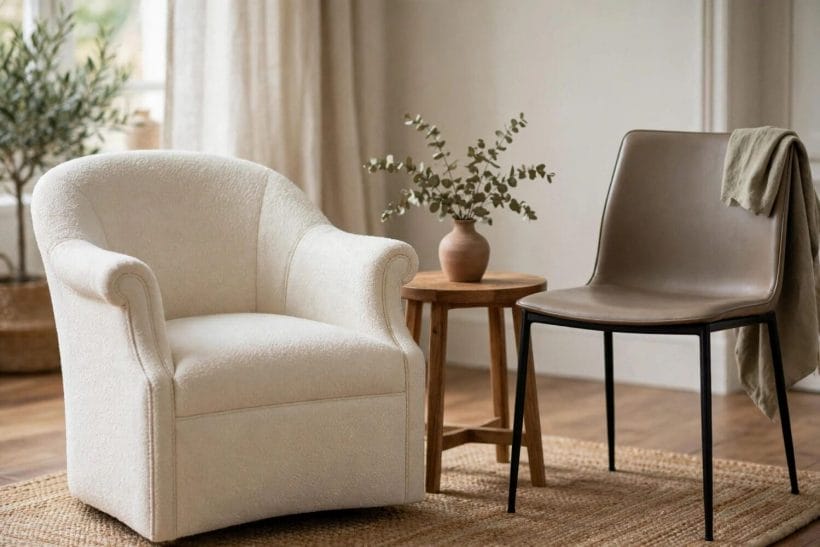
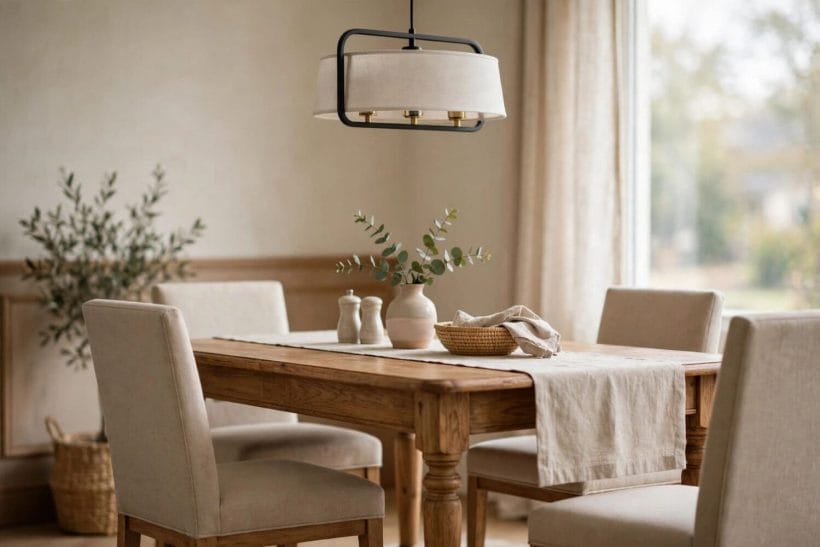
Furniture pairing is where transitional style is made or broken, and the rule is to pair across the divide rather than within one camp. A classic sofa earns a modern coffee table. A modern sideboard earns a traditional lamp. A traditional dining table, used only as a passing example of the principle, earns simpler chairs. Each pairing lets one side soften the other, and the room gains a tension that feels interesting rather than uneasy.
Scale is the quiet partner of pairing. Pieces that are wildly different in height, depth or visual weight will fight even when their styles are compatible. A low, slim modern table can disappear beside a deep, high-backed traditional sofa, and a tall, heavy traditional cabinet can overwhelm a low modern seating group. Check heights and depths as carefully as styles, and leave enough space around each piece for it to be seen. Transitional rooms breathe, and crowding destroys that breathing room faster than any style mismatch.
Arrangement helps the pairing read clearly. Group seating so that pieces face each other or share a focal point, rather than lining everything against the walls. Let a modern piece and a classic piece share the same grouping, so the pairing is visible in one glance, instead of placing all the traditional pieces at one end of a room and all the modern pieces at the other. When the mix happens inside each grouping, the whole room feels transitional; when it happens only between zones, the room feels divided. The same thinking shapes seating in a modest room, as the guidance on small living room ideas shows in its own setting, where scale and grouping matter even more.
6. Keep Architectural Details Quiet and Classic
The bones of a room, its trim, panelling, doors and windows, set the frame for transitional style, and the aim is quiet classicism. Simple crown moulding, a plain panelled door, a straightforward window frame and a modest fireplace surround all suit the style, because they carry a traditional feeling without ornate carving. When those bones are already ornate, the furniture and finishes around them should be simpler to compensate. When the bones are starkly plain, a little classic detailing in the furniture can restore warmth.
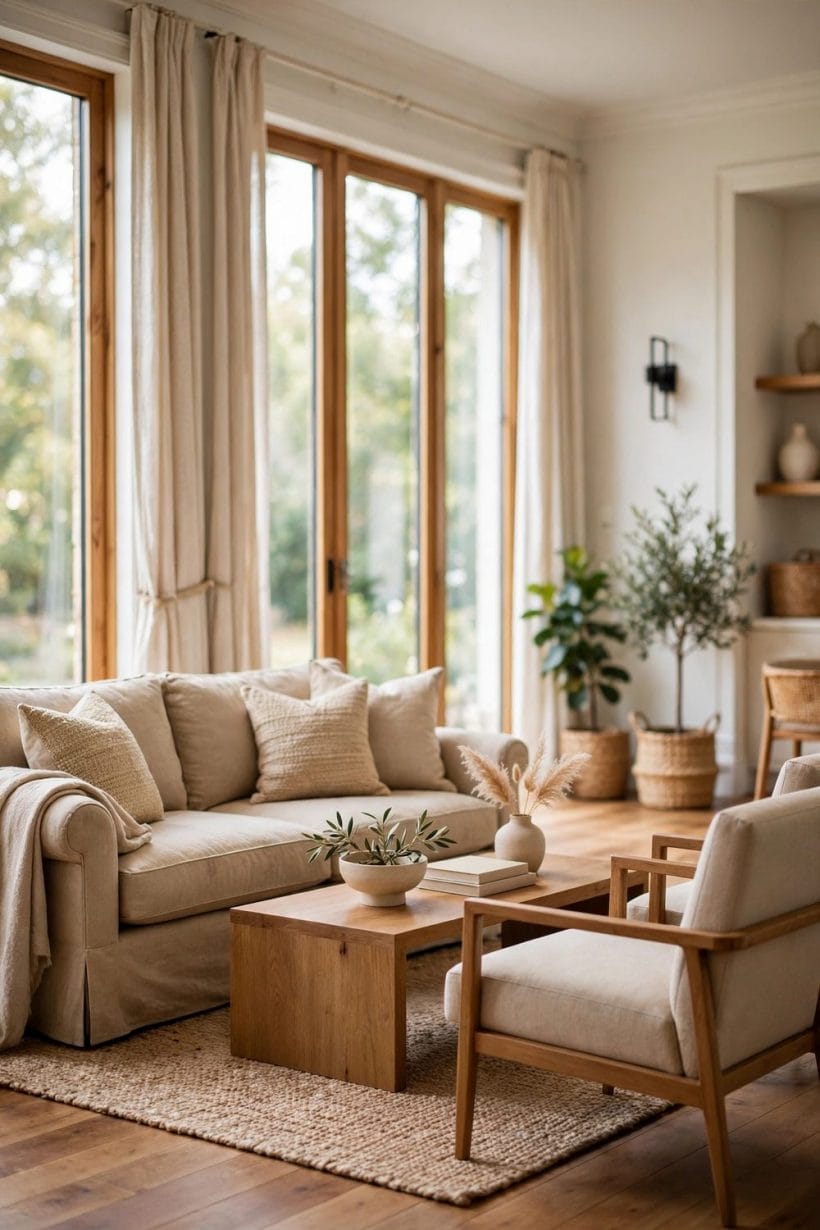
Windows deserve particular attention, because they control both light and softness. Linen curtains, hung high and allowed to fall in simple folds, soften a modern window without adding the weight of heavy drapes. Plain blinds or simple shades suit the same purpose in a room that needs a cleaner line. What matters is that the window treatment matches the room’s middle ground: neither fussy nor bare, and in a fabric or finish already present elsewhere in the room.
Floors follow the same logic. Warm wood, in a natural or lightly toned finish, is the most forgiving transitional floor, because it suits both classic furniture and modern lines. Rugs then add softness and define groupings, ideally in a muted pattern or a plain weave that does not compete with the furniture. A rug that is too bold or too busy can pull a transitional room toward one style or the other, so the safest rugs are the ones that feel like a background: warm, textured and calm.
7. Layer Light for Day and Evening
Lighting in a transitional room is layered, because no single source can serve both the clarity of daytime and the softness of evening. Daylight does the main work during the day, through windows left as open as privacy allows, with light fabrics that diffuse rather than block the sun. In the evening, the room shifts to a combination of sources: a central fixture for general light, lamps for pools of warmth, and perhaps a small accent light for a picture or a shelf.
The fixtures themselves should follow the same middle ground as the furniture. A classic lamp shape with a plain shade, a modern pendant in a warm metal, or a simple chandelier with clean lines all fit, provided they do not shout. What to avoid is a fixture that belongs entirely to one extreme: a heavily crystal-dressed traditional chandelier in an otherwise calm room, or a stark industrial fitting that makes every soft surface look out of place. The fixture should light the room, not become the room’s subject.
Warmth of light matters as much as the fixture. A warm, soft light flatters wood, linen and skin alike, and it keeps the neutral palette looking warm rather than grey. Where a room must serve practical tasks, such as reading or working at a table, a brighter task light can sit alongside the softer general light, switched separately so the room can move between moods. That flexibility is part of the style: transitional rooms adapt through the day instead of being fixed in one look.
8. Use Textiles to Soften Clean Lines
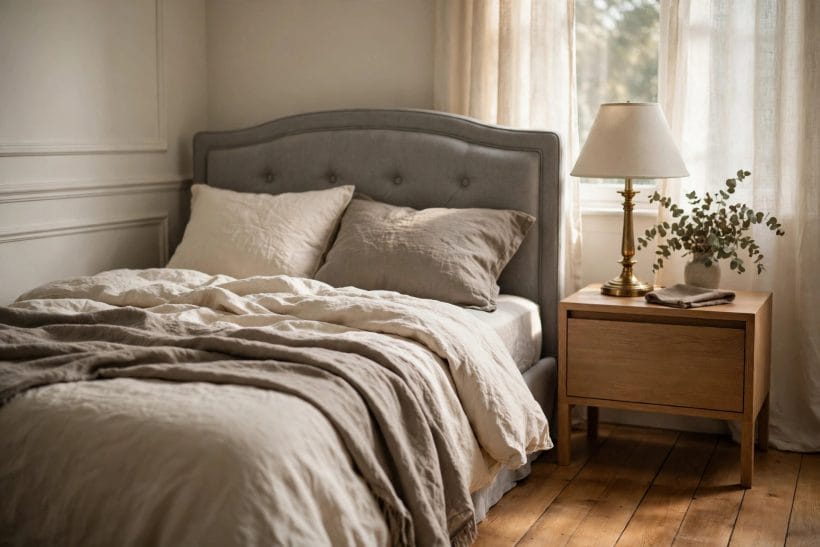
Textiles are the soft layer that stops transitional style from feeling hard. Cushions, throws, curtains and rugs introduce the curves and softness that modern lines remove, and they do it without changing any furniture. A modern chair with a soft linen cushion, a clean-lined sofa with a wool throw, or a plain bed with layered bedding all gain a traditional warmth from textiles alone, while keeping their modern clarity underneath.
Pattern in textiles should stay restrained. Small-scale geometrics, quiet stripes, subtle botanicals and plain weaves all suit the style, because they add interest without demanding attention. Large, bold patterns pull a room toward a single style statement, which is the opposite of the transitional aim. When pattern is used, it helps to keep it to one or two pieces in a grouping, with the rest of the textiles plain, so the pattern reads as an accent rather than a theme.
Colour in textiles follows the palette rule: muted accents over a neutral base, repeated in small doses. A cushion colour echoed in a throw, a curtain trim or a piece of art ties a grouping together without needing to match exactly. Exact matching, in fact, can make a room feel stiff, while a family of nearby tones feels collected over time. That collected feeling is the heart of transitional style: nothing looks bought all at once, and everything looks as though it belongs.
9. Edit Displays and Let Pieces Breathe
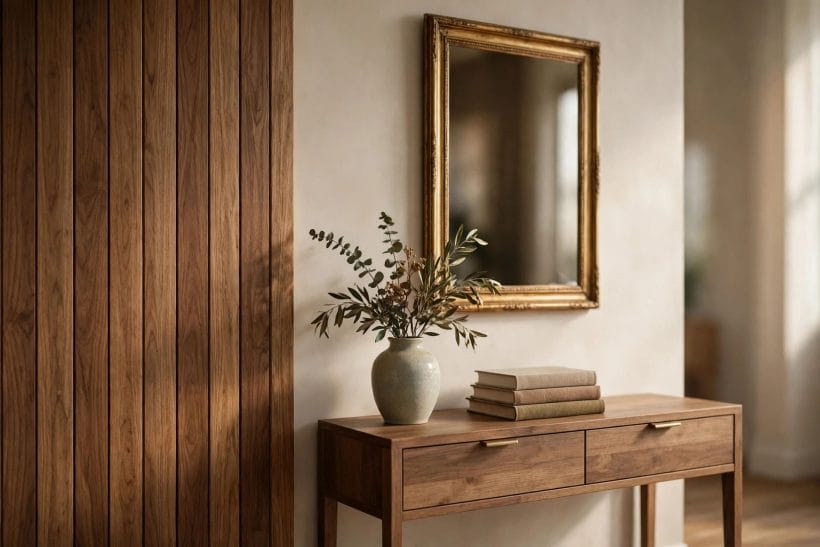
Editing is the discipline that keeps a transitional room calm. Traditional rooms often display generously, with collections, ornaments and layered objects on every surface. Modern rooms often display almost nothing. Transitional rooms sit between: a few chosen objects, given space, rather than many objects competing for attention. A single vase, a stack of books and a small bowl on a table say more about taste than a crowded surface ever can.
Art follows the same rule. Frames can be classic or simple, but the art itself should be given wall space to breathe, hung at a height that relates to the furniture below it rather than floating high on an empty wall. A large, calm piece often serves a transitional room better than a gallery wall of many small, busy pieces, because it anchors the room without adding visual noise. Where a collection genuinely matters to the household, grouping it tightly in one place, as a single display, keeps the rest of the room calm.
Editing also means being willing to remove pieces. A room that has drifted too traditional usually needs something taken away: a heavy ornament, a fussy cushion, a dark accessory. A room that has drifted too modern usually needs something soft added, not something removed. The habit of stepping back, looking at the room as a whole, and adjusting by one piece at a time is more useful than any shopping trip, and it keeps the style honest over years rather than weeks.
10. Carry the Style Through a Smaller Home
Transitional style suits a smaller home particularly well, because its calm palette and edited approach make limited space feel larger without stripping it of warmth. The principles do not change at a smaller scale, but their application gets stricter: fewer pieces, each one earning its place; a tighter palette, so the eye is not stopped at every threshold; and furniture that does more than one job quietly, such as storage that looks like a sideboard or seating that can move between groupings.
Carrying the style through the whole home, rather than confining it to one room, is what makes it feel like a style instead of a single-room scheme. The palette should travel, with the same warm neutrals and wood tones appearing in different rooms in different proportions. A kitchen, for example, can carry the same warm wood and plain cabinet fronts without becoming a separate style statement, and the guidance on kitchen ideas shows how a practical room keeps that calm, plain character. The point is continuity: walking from room to room should feel like moving through one home, not through a series of unrelated sets.
Smaller homes also reward consistency in the details. The same metal finish on handles, lamps and frames, the same curtain fabric in two rooms, or the same rug tone repeated in a hallway all stitch a home together. That repetition costs nothing extra, because it comes from choosing once and reusing the choice, but it pays back every day in a home that feels coherent. The broader question of how interiors hold together at a small scale is also the subject of tiny house interiors, where the same discipline of palette, scale and editing decides whether a compact home feels calm or cramped.
Final Considerations
Transitional style rewards patience. It is rarely achieved in a single purchase, because its balance comes from living with pieces, noticing which side a room is drifting toward, and adjusting gently. A room that starts too traditional can be calmed with a plainer table or a lighter textile. A room that starts too modern can be warmed with a curved chair or a wood surface. Small adjustments, made one at a time, usually do more than a wholesale change.
It also rewards honesty about how a home is actually used. A style that looks perfect but cannot survive daily life will not last, and a room that is comfortable but visually chaotic will not rest the eye. Transitional style works because it refuses to choose between those two goods: it keeps comfort and clarity together, and it lets a home change gradually as needs change. New pieces can join, old favourites can stay, and the room absorbs both without losing its character.
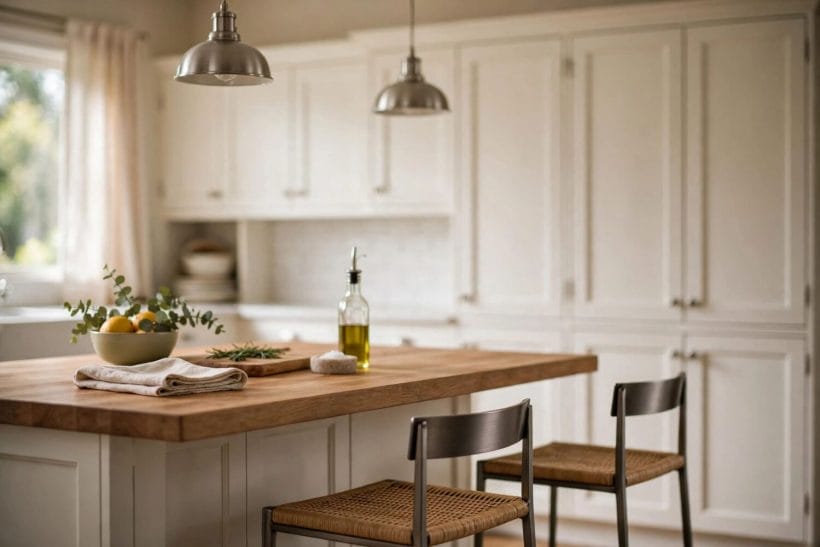
Before starting, it helps to walk through the home with a short checklist in mind: the balance of the largest pieces, the warmth of the palette, the repetition of materials, the softness of the textiles, and the amount of empty space left around each grouping. A structured planning aid, such as the building a tiny house checklist, illustrates the same habit of checking the big decisions before the small ones, even though its subject is a different kind of project. The habit transfers: decide the balance first, then let the details follow.
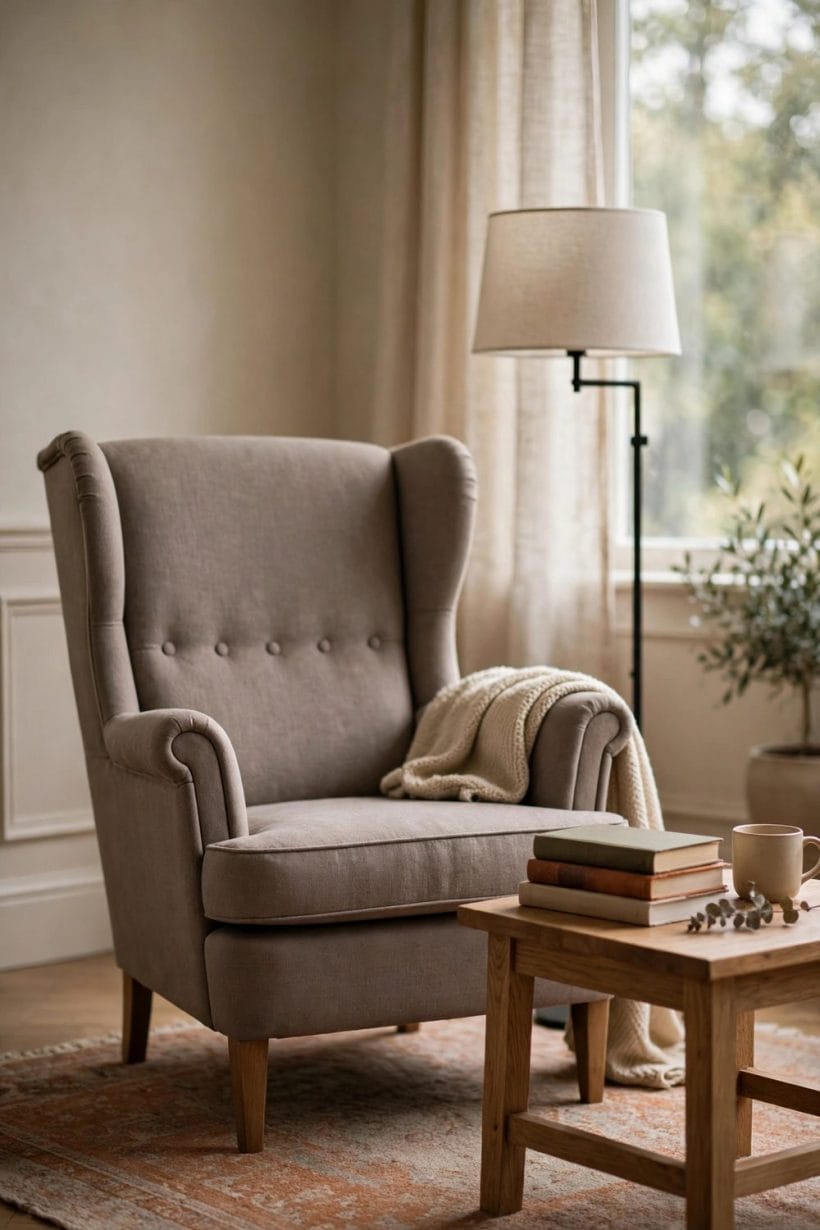
In the end, transitional style is less a set of rules than a way of seeing: classic warmth, modern clarity, and enough restraint to let the two live together. Get the palette warm, the silhouettes soft, the materials repeated and the displays edited, and the room will usually find its own middle ground. Keep that middle ground, adjust it gently over time, and the style will keep serving the home long after any single trend has passed.

0 Comments