

Every furniture brand promises quality; far fewer tell you how to verify it. This guide to birch lane furniture skips the marketing language and works through what you can actually check before ordering: materials, joinery, comfort, delivery terms and return conditions.
Read the quick answers first, then the deeper checks. The brand suits some homes very well — the honest question is whether it suits yours.
1. Birch Lane at a Glance: Quick Answers Before You Buy
These are the questions buyers ask first. Each answer pairs a short reply with the specific check that turns a guess into a decision, because the details on any single listing matter more than the brand name above it.
| Question | Short Answer | What to Check |
|---|---|---|
| What is it? | Wayfair’s traditional and farmhouse-style furniture brand | Whether that classic styling matches your rooms |
| Is it solid wood? | It depends on the individual piece | The materials line on each listing, word by word |
| Is the quality good? | Varies by product, like most large ranges | Joinery, weight and recent owner reviews |
| What does it cost? | Mid-market positioning as a rule of thumb | Compare per item, not per brand, against similar builds |
| How does delivery work? | Options differ by item and basket | Thresholds, room-of-choice terms and assembly inclusions |
| What about returns? | Returns exist; conditions vary | The current window, condition rules and who pays shipping |
| Who is it best for? | Lovers of classic, warm, lived-in rooms | Your tolerance for assembly and flat-pack compromises |
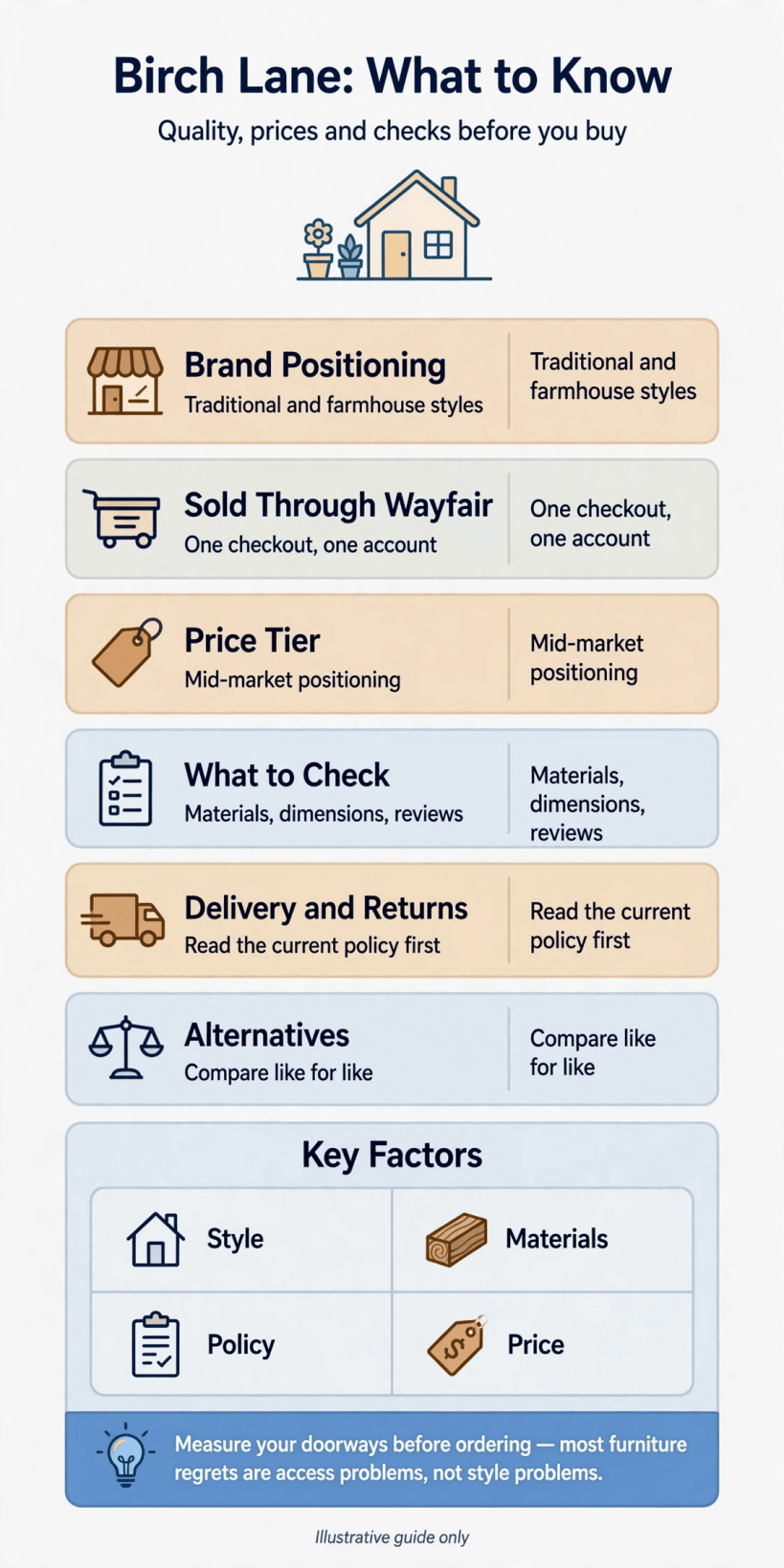
The quick answers at a glance: a traditional Wayfair brand whose value depends on checking each piece’s materials, build and delivery terms.
2. What the Brand Is — and What It Is Not
The brand is one of the in-house labels sold through Wayfair, and its identity is its styling: traditional silhouettes, farmhouse warmth, turned legs, panelled fronts, painted and natural wood finishes, and upholstery in quiet, family-friendly fabrics. Think less showroom-gloss and more inherited-furniture character — rooms that look gathered over time rather than installed in a weekend. If your taste runs to shaker kitchens, spindle-back chairs and slipcovered sofas, the catalogue is aimed squarely at you.
Just as important is what the label is not. It is not a single workshop or a handmade maker, and it is not a luxury line with heirloom joinery at heirloom prices. A brand label covering hundreds of products means output from many factories to shared design briefs, which is exactly why piece-by-piece checking beats brand-level trust. It is also not ultra-modern: minimalists hunting for sculptural, contemporary pieces will find the traditional detailing — beading, bun feet, distressed finishes — works against the look they want.
Use the brand, then, as a styling shortcut rather than a quality guarantee: a way to find the traditional and modern farmhouse look in one place, with each item then judged on its own listing. The styling itself sits comfortably alongside the natural materials and simple lines explored in tiny barn house interior schemes, and it furnishes the seating-first layouts in tiny house living room ideas without fighting their proportions.

3. Quality Signals You Can Check Before Ordering
Online furniture asks you to judge build quality from photographs and text, so learn the signals that separate a well-made piece from a well-photographed one. Start with weight: listings that state a product weight are giving you real information, because solid materials and substantial frames weigh more than hollow substitutes of the same size. A dining chair’s weight, a dresser’s weight, a bed frame’s weight — compare like with like across brands and the heavier, honestly described piece usually carries the better build.
Next, read the materials and construction lines before the styling copy. Listings for better-built pieces name their joints, their frame materials and their drawer construction plainly; vague listings hide behind lifestyle adjectives. Photograph order helps too: detail shots of corners, backs and undersides suggest a seller confident in the parts you cannot style. Zoom into edges and seams rather than the staged whole-room image.
Finally, treat finish consistency as a signal. Check that the colour in the product photographs matches the colour in reviewers’ home photographs, and note whether multiple finishes of the same piece exist — a range confident in its finishing usually offers and documents variants clearly. None of these signals alone proves quality, but three or four together give you a defensible reason to order — and their absence is a defensible reason to walk away.
4. Materials: Wood, Veneer, Upholstery and Finishes
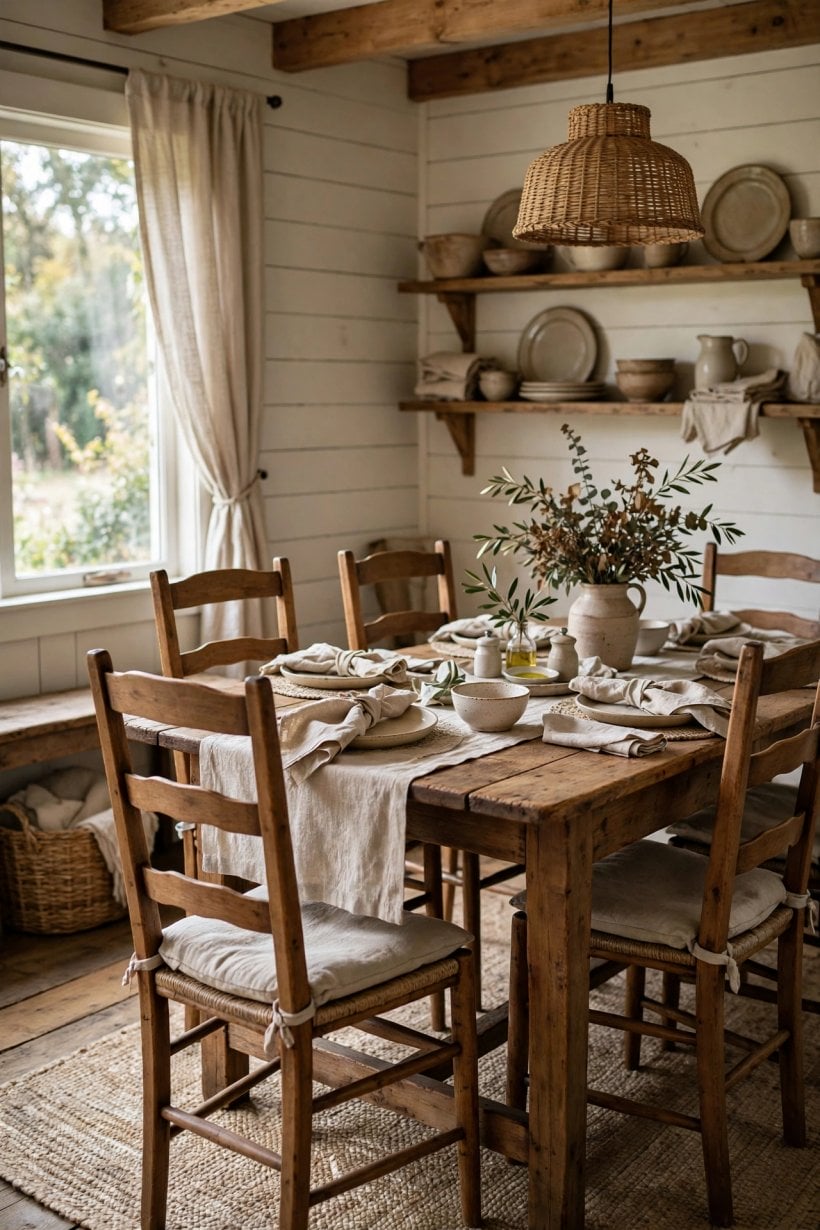
Materials decide how a piece ages, so read each listing’s materials section like a contract. On wooden furniture the key distinction is between solid wood, wood veneer over a stable core, and fully manufactured boards with a printed finish. Solid wood can be sanded and refinished over decades; veneer offers consistent grain and stability at a lower cost but tolerates only careful, light refinishing; printed finishes can look convincing in photographs yet chip to reveal pale board underneath. Whatever the listing claims, check the edges and the underside descriptions — that is where material shortcuts show first.
Upholstery deserves the same scrutiny. Note the fabric type, whether covers remove for washing, and how the listing describes the fill: layered foam and pocket constructions generally hold shape longer than a single block of low-density foam, while loose feather-blend cushions feel luxurious but need regular plumping to look tailored. On painted pieces, ask how the finish is applied and cured, and whether touch-up is possible — the testing mindset from tiny house interior paint colours applies here too, since a colour that reads warm cream on screen can land cold white in your light.
None of this means one material is always right. A veneered sideboard in a busy hallway may out-perform a solid piece that warps; a performance fabric on a family sofa beats a delicate natural weave. The goal is not the most expensive material — it is knowing exactly which material you are paying for.
5. Joinery and Construction Details That Matter
Joinery is where furniture either earns a long life or plans an early one. On drawers, look for dovetail or box joints and smooth-running glides, and be wary of drawers stapled at the corners with no stated construction at all — they loosen under a year of daily use. On chairs and tables, mortise-and-tenon joints, corner blocks and real stretchers between legs signal a frame built to resist the sideways forces that wobble furniture to death.
Beds concentrate stress at the corners and along the side rails, so check how rails attach to the head and foot boards, whether the slat system is stated, and whether a centre support leg exists on larger sizes. A stated slat count and spacing tells you the maker thought about mattress support; silence suggests you should ask before ordering. On case goods — dressers, sideboards, bookcases — look for a finished back panel rather than exposed board, levelers on the feet, and anti-tip hardware included for tall pieces.
Assembly intersects with joinery in ways listings underplay. Pieces that arrive mostly built tend to hold their structure better than pieces bolted entirely from flat panels, and cam-lock fasteners deserve special caution on anything that will be moved or loaded heavily. Where assembly is required, look for metal inserts rather than screws driven straight into board, and pre-fitted hardware over bags of generic fittings. Ten minutes reading the construction notes is the cheapest insurance in the whole purchase.
6. Comfort and Upholstery: Sofas, Chairs and Beds
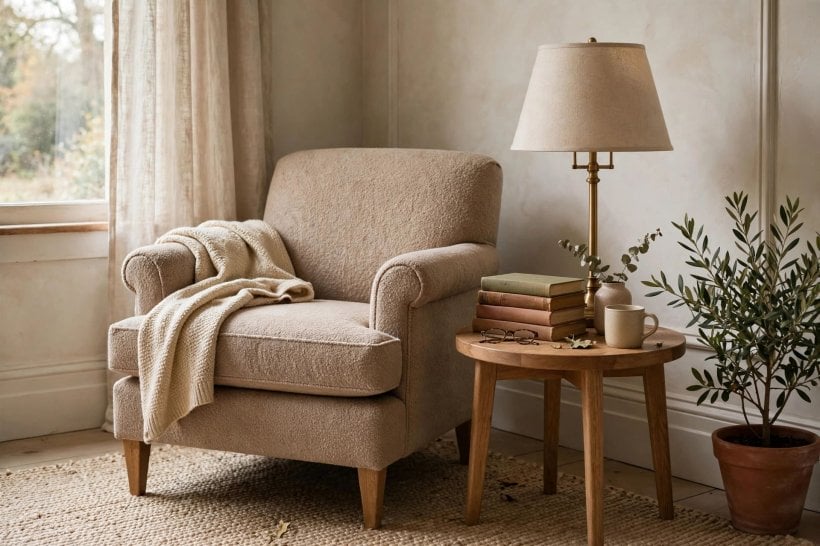
Comfort cannot be photographed, which makes seating the riskiest category to buy unseen — and the one where homework pays most. For sofas, work through the dimensions before the aesthetics: seat depth decides whether you sit upright or lounge, seat height decides how easily you stand, and the internal length decides whether a tall person can stretch out. Compare these numbers to a sofa you already find comfortable rather than judging them in the abstract.
Cushion construction shapes comfort over time. Reversible cushions double their even wear; stated fill layers tell you whether the seat will soften gracefully or slump early. Check whether replacement covers exist and whether the fabric suits your household — households with dogs, children or enthusiastic red-wine habits should weigh cleanability against texture every time. Accent chairs deserve a seat-height check against your dining table or desk intentions, since a beautiful chair at the wrong height becomes sculpture instead of seating.
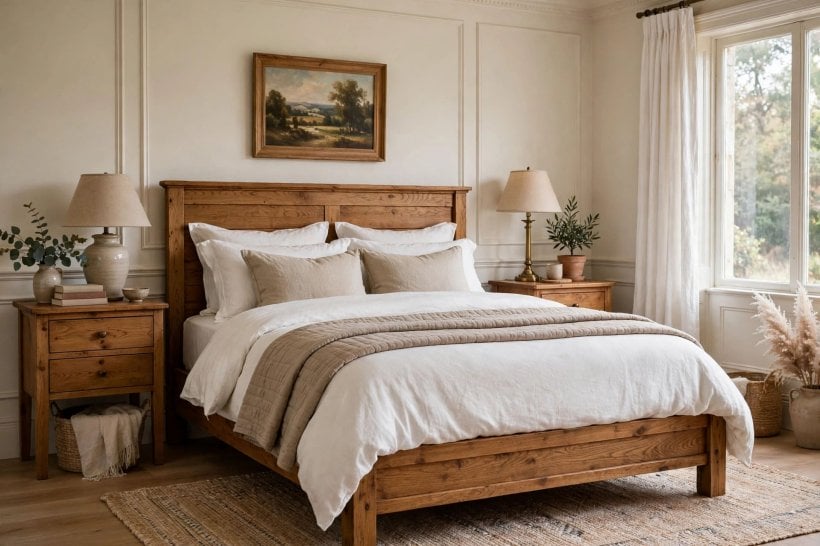
Beds add their own comfort maths: headboard height against your pillows and reading habits, rail height against your mattress depth, and clearance beneath if storage matters. The measurement discipline in tiny house bedroom ideas — plan around the sleeper, not the furniture showroom — protects any bedroom purchase. Where the listing offers them, read the one-star and three-star reviews for comfort specifics: they complain in useful detail about exactly the firmness, depth and height questions you are asking.
7. Prices and Value: How to Judge Without Guesswork
The honest way to judge this brand’s prices is per-piece and against the build, never against a headline sale percentage. Online furniture pricing leans on permanent-feeling promotions, so anchor instead on what a piece is made of: a solid-wood table with stated joinery justifies more than a board-built lookalike at any discount, and an upholstered piece’s value sits in frame and fill, not in the strikethrough beside its price.
Build a fair comparison by matching three things across retailers: stated materials, overall dimensions and weight. Two sideboards that match on all three are genuinely competing; if one is markedly cheaper while matching on paper, that is a finding worth investigating rather than an automatic bargain. Factor in the full ticket too — delivery charges, assembly costs, and the price of returning a large item if it disappoints can move the true cost of one piece well past another’s.
Seasonal sales patterns exist across online furniture, so patience is a pricing strategy: a considered piece watched over some weeks often costs less than an impulse purchase made during a countdown timer. But let suitability outrank savings. The cheapest chair is the one bought once, in the right size and build — and value, properly understood, is cost divided by years of uncomplaining use, which is a number your checks in the earlier sections mostly decide.
8. Delivery, Assembly and What to Confirm First
More furniture purchases go wrong on delivery day than on any other, so confirm the logistics before paying. Establish which delivery tier applies to your item: threshold drop-off, room-of-choice placement and white-glove service with packaging removal are different products with different prices, and listings do not always make the default obvious. Note the stated delivery window as an estimate rather than a promise, and if a piece matters for a fixed date — a guest room before guests — order with slack or choose a different piece.
Measure for the delivery, not just for the room. Door widths, stair turns, lift dimensions and hallway corners decide whether your sofa lives in your home or in the carrier’s problem file. Most listings state boxed dimensions somewhere; measure your tightest point against the box, not against the assembled furniture, and keep screenshots of both sets of numbers.
Assembly terms deserve the same care. Confirm whether assembly is included, available as an add-on or entirely yours, and skim the instruction manual if the listing links one — the page count and hardware quality tell you plenty. Keep packaging until you are sure the piece is right, because returns of large furniture without their boxes range from awkward to impossible. A calm ten minutes on these confirmations is the difference between furniture arriving as an event and arriving as a problem.
9. Returns, Reviews and Red Flags
Read the returns terms for your specific item before ordering, not after a disappointment. Large furniture returns hinge on details that vary: the length of the window, whether the piece must be unused and unassembled, who arranges and pays for return shipping, and whether return is even offered on clearance or oversized pieces. Screenshot the terms as they stand on the day you order; policies are the seller’s to update, and your protection is what the page said when you paid.
Reviews are your second inspection — treat them like one. Weight recent reviews over old ones, since production batches change, and read for repeated themes rather than single dramas: one report of a wobble is an anecdote, five are a pattern. Owner photographs reveal finish colours, fabric texture and scale against real rooms more honestly than styled photography. Look specifically for comments on delivery condition, assembly difficulty and how problems were resolved; a brand’s behaviour when things go wrong is the truest quality signal available to you.
Red flags worth acting on: a listing with no stated materials, dimensions that differ between the description and the specification table, stock photographs reused across suspiciously different prices, and question sections where buyers’ construction queries go unanswered. Any one flag suggests care; three together suggest choosing another piece. The range is wide enough that walking away from one listing rarely means walking away from the look.
10. Who It Suits, Alternatives and a Pre-Buy Checklist
The brand suits households that love traditional warmth, buy room by room, and are willing to read listings closely in exchange for the look at mid-market money. It suits growing families who value cleanable fabrics and replaceable pieces over precious ones, and it suits renovators furnishing whole rooms in one coherent style — the same practical spirit that drives the set-ups in home coffee bar design ideas for a tiny house, where charm has to survive daily use.
It suits less well if you want heirloom construction, ultra-contemporary lines, or furniture you never have to think about again. Alternatives worth comparing: local makers and second-hand solid-wood pieces for longevity, other large online ranges for contemporary styling, and higher-priced traditional retailers for joinery you can inspect in person. A desk from the range, checked the same way, can also serve the compact work corners in tiny house home office ideas, and its wardrobes benefit from the planning in tiny house closet design ideas.
Your pre-buy checklist, in order: confirm the piece’s style fits your room; read the materials line word by word; check joinery and weight signals; verify every dimension against your space and doorway; read recent reviews for patterns; note delivery tier, assembly terms and return conditions in writing; then compare the full ticket against one honest alternative. A piece that passes all seven checks has earned its place — order it with a clear head.
Final Considerations
Is it worth it? For the right piece, bought with open eyes, yes: the styling is coherent, the range is broad, and the mid-market positioning holds up when the build checks pass. For a piece bought on a photograph and a countdown timer, no brand at any price is worth it — the checks in this guide are what flip the answer.
Buy the piece, not the label; keep your screenshots; and let your room, not a sale banner, set the pace. That patience serves every furnishing decision, from one armchair to the whole-home layering in modern tiny house interior ideas.


0 Comments