

Buying art from your sofa is easy, fast and tempting, but a print that looks rich on screen can arrive faded, flimsy or the wrong size entirely.
This guide walks through calm, practical checks for sellers, print quality, sizing, delivery and returns, so the piece you finally hang is the piece you pictured.
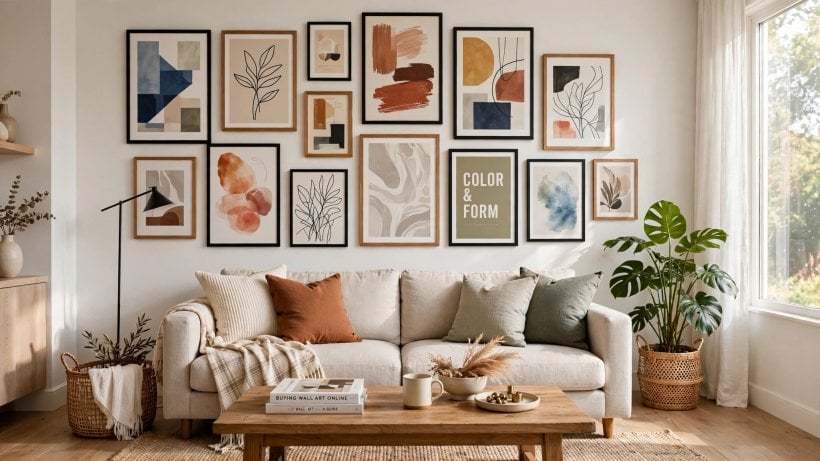
1. Buying Wall Art Online at a Glance
Most disappointing art orders are not scams. They are ordinary mismatches: a rushed listing, a misunderstood size, a thin paper stock or a returns policy nobody read. The checks below take minutes, and they prevent nearly all of those disappointments before money changes hands.
| Question | Short answer |
|---|---|
| Is it safe to buy wall art online? | Generally yes, when the seller is identifiable, reviews are detailed and payment is protected. |
| What should I check first? | The seller: a real contact route, a clear returns policy and honest, specific product descriptions. |
| Which quality signs matter most? | Named paper or canvas type, printing method, ink type and close-up photographs of the actual surface. |
| How do I get the size right? | Measure the wall, tape out the outline at home, and read whether the listed size includes a frame or border. |
| What if it arrives damaged? | Photograph the packaging before opening fully, keep everything, and contact the seller promptly with the evidence. |
| How should I pay? | Through the site’s normal checkout with a payment method that offers buyer protection, never by an unusual off-site route. |
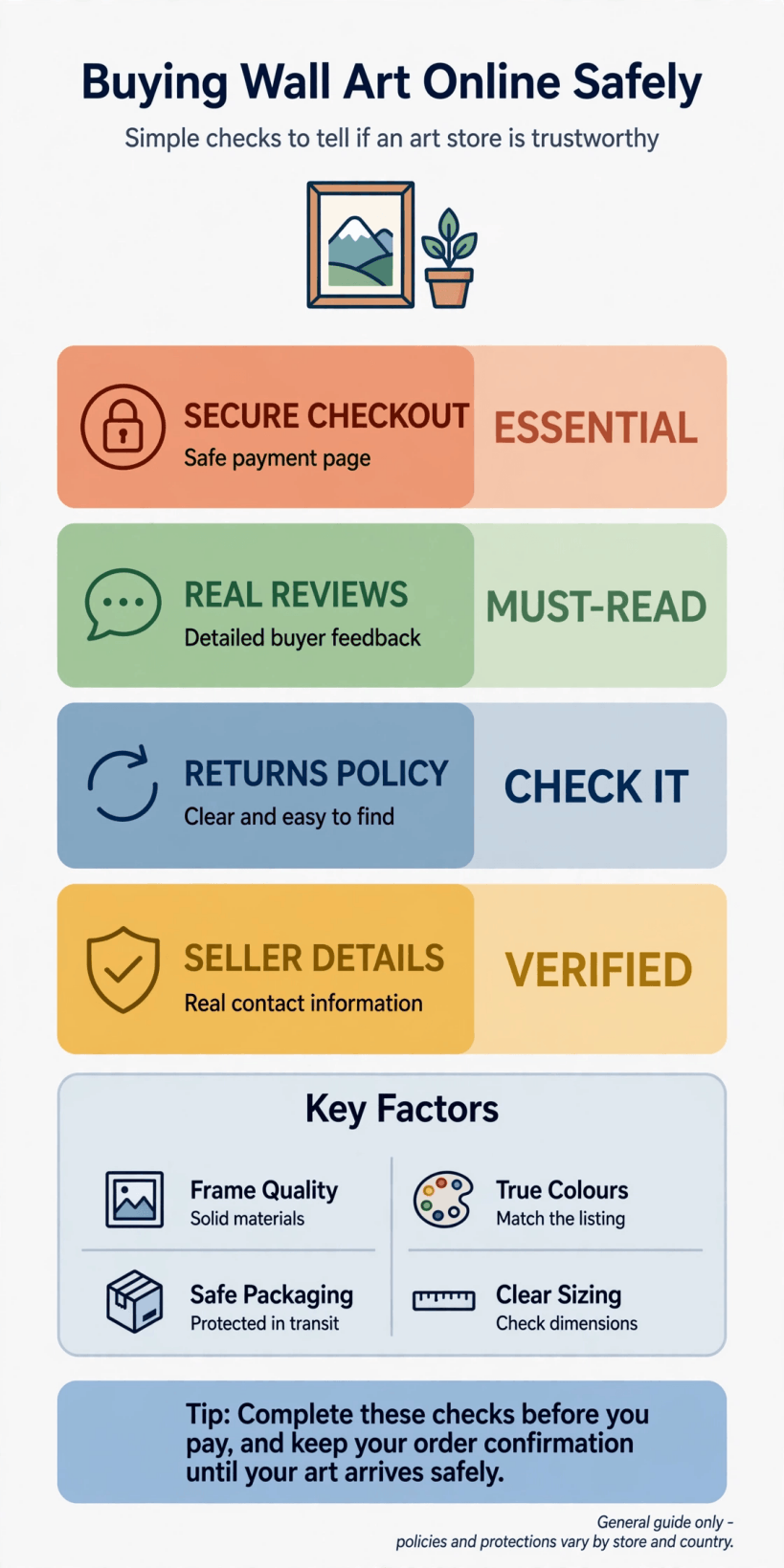
The essential safety checks at a glance: verify the seller, read the print details, measure your wall, protect your payment and keep the returns route open.
2. Start With the Seller, Not the Picture
Every art purchase begins with a picture designed to make you fall in love, so discipline yourself to look at the seller first. A trustworthy seller has a name, a history and a way to be contacted that goes beyond a single web form. Look for a physical or postal address, a working email route and clear answers about who prints, packs and posts the work. Sellers who hide all of that are asking you to carry every risk in the transaction.
Shoppers often type a blunt question such as “is allposters safe” into a search box before ordering, and the honest answer is that safety is something you verify seller by seller rather than assume from a logo. Read reviews with a filter: detailed comments about paper weight, packaging and how a problem was handled are worth far more than a row of one-line five-star ratings. A seller who replies to criticism calmly and fixes mistakes in public is showing you exactly how your own problem would be treated.
Finally, check how long the shop has been trading and whether its catalogue looks curated or scraped together overnight. If you are decorating a compact room, browsing tiny house interior design ideas first can also help you decide what style of piece you actually need, so you judge sellers against a plan instead of an impulse.
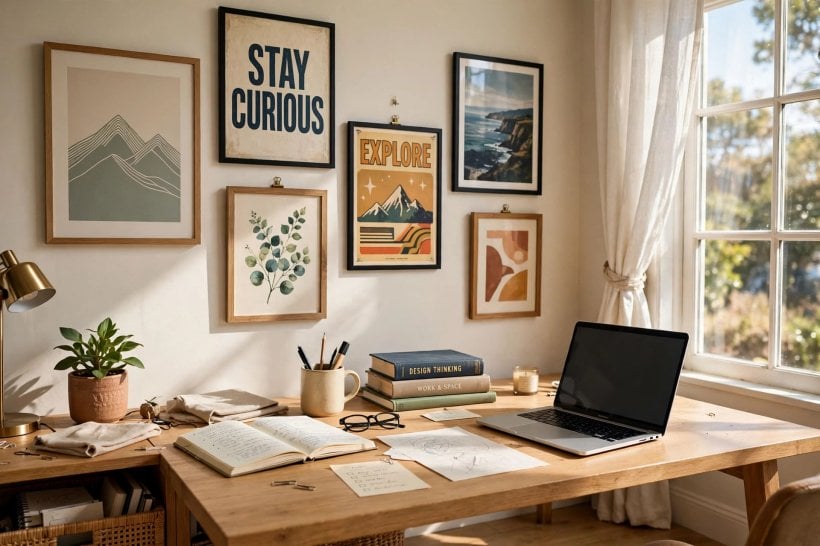
3. Read a Listing Like an Inspector
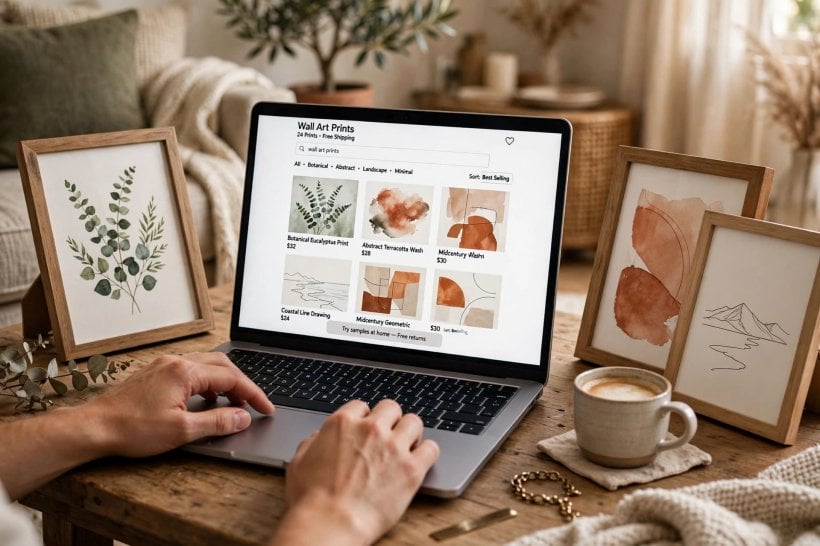
A good listing answers questions before you ask them. It states the exact dimensions, the material, the printing method, whether a frame is included, and what the colours may look like under different light. Vague listings lean on adjectives: stunning, premium, gallery quality. Specific listings lean on facts, and facts are what protect you when the parcel is opened on your kitchen table.
Study the photographs properly. Zoom in on corners, edges and surface texture, and be suspicious when every image is a lifestyle mock-up of the artwork floating in a perfect room. Mock-ups are useful for scale, but at least one image should show the real printed object, ideally with a close view of detail and a shot of the back or edge. If the same artwork appears at wildly different prices across many shops with identical wording, you are probably looking at copied listings rather than original sellers.
Check the small print of the listing too: production time before dispatch, whether the piece is printed to order, and where it ships from. A print made to order overseas is not a problem in itself, but it changes delivery times, return costs and your rights if something goes wrong, so it should never come as a surprise.
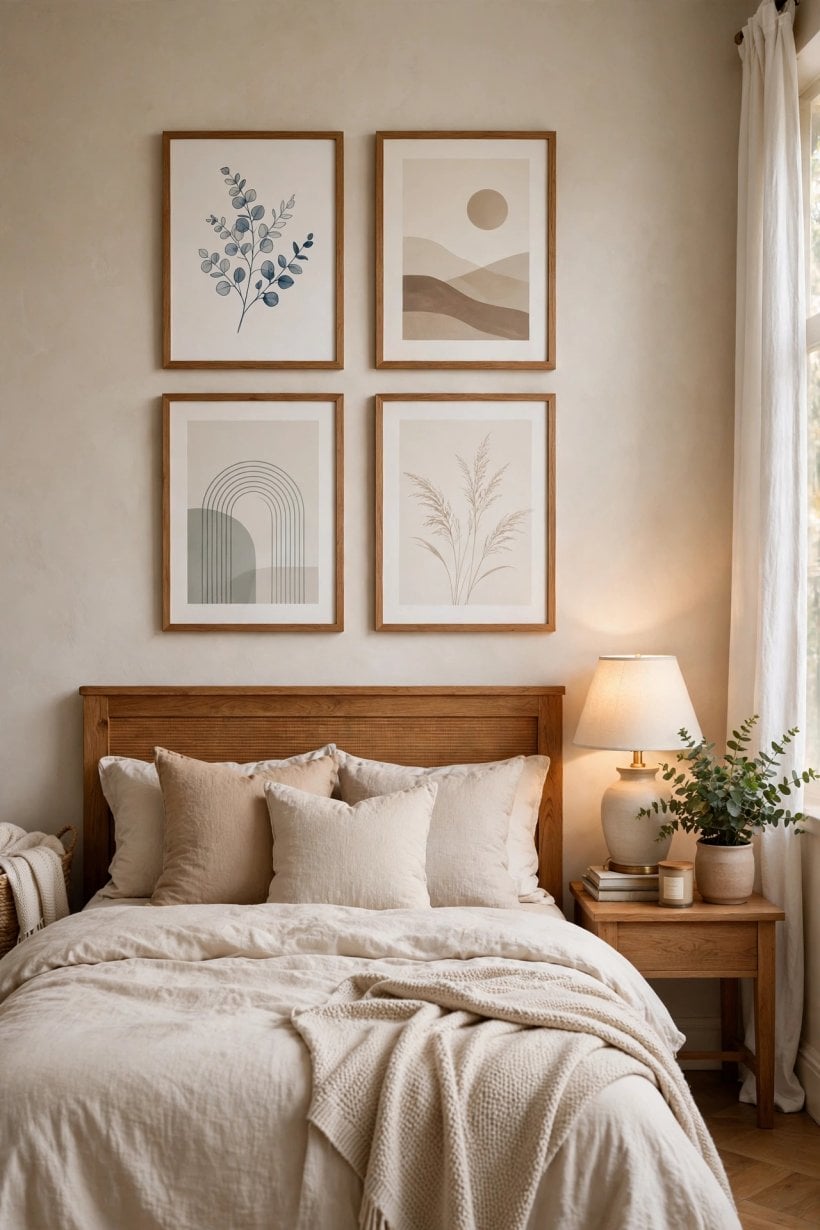
4. Print Quality Signals That Actually Matter
Print quality is mostly decided by three things: the source file, the printer and inks, and the material receiving them. You cannot inspect any of these in person, so you read for signals. A seller who mentions high-resolution source artwork, careful colour calibration and fade-resistant pigment inks is describing a process. A seller who mentions none of these, at any price, is asking you to hope.
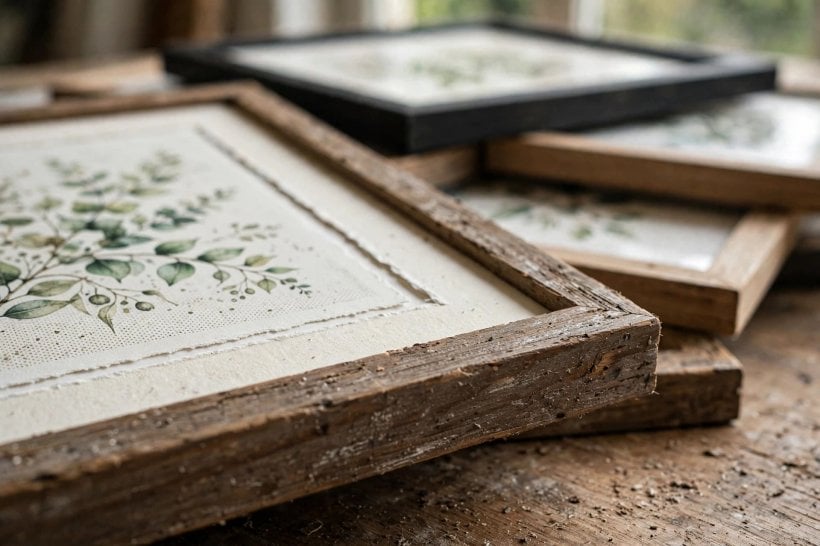
Paper and canvas descriptions should name a weight or type rather than simply saying thick or premium. Heavier matte papers tend to feel substantial and reduce glare, canvas should sound textured rather than plasticky, and metal or acrylic pieces should describe their mounting clearly. None of these guarantees a beautiful result, but together they show a seller who handles physical materials every day and expects to be judged on them.
Colour honesty is another quiet signal. Screens glow and walls do not, so a responsible listing warns that colours may shift slightly in print. If your room follows a defined palette, the disciplined colour thinking in modern interior design ideas can help you choose tones that forgive small shifts instead of fighting them.
5. Paper, Canvas, Metal and Framing Choices
Each material suits a different room and a different level of care. Paper prints are usually the most affordable and the most flexible, because you can frame, reframe and rotate them easily, but they need glass or acrylic protection in steamy or sunlit rooms. Canvas feels warm and needs no glass, which makes it forgiving in family spaces, though its surface can scuff if it is knocked often.
Metal and acrylic prints give a sharp, contemporary finish and wipe clean easily, which suits kitchens and hallways, but they are heavier, cost more to ship and show reflections in bright rooms. Wood panels sit somewhere in between, with a softer, more crafted feel. There is no best material, only the material that matches your light, your walls and how often the room gets bumped by real life.
Framing deserves its own decision. Buying framed costs more but arrives ready to hang, with the mount, backing and fixings chosen to suit the piece. Buying unframed is cheaper and lets you match frames you already own, but budget honestly for framing afterwards, because a good frame can cost as much as the print inside it.
6. Get the Size and Scale Right
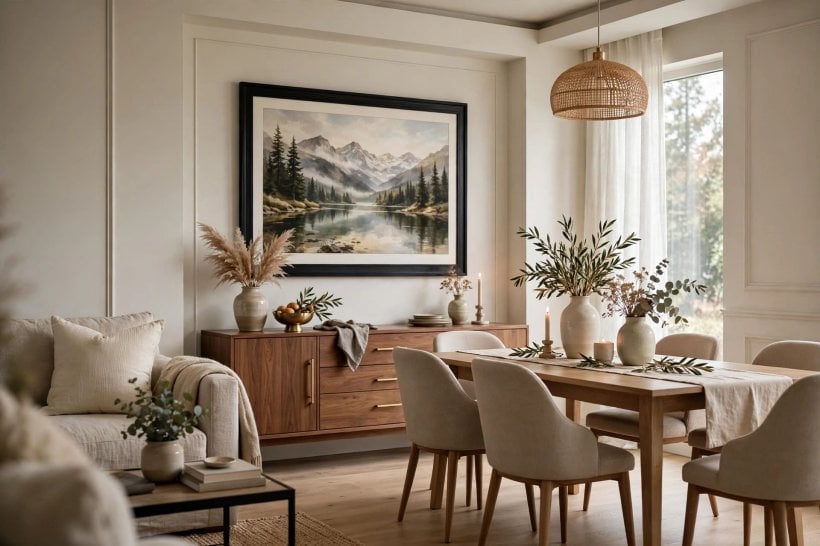
More art is returned for size than for any other reason, and nearly all of it is avoidable with a tape measure and ten minutes. Measure the wall space, not just the wall: the sofa back, the sideboard or the bed head sets the real width your artwork should relate to. A common, reliable approach is to choose a piece, or a grouped set, that spans a comfortable portion of the furniture below it rather than floating small and lost above it.
Before ordering, tape the outline of the listed size onto the wall with painter’s tape and live with it for a day. Check it from the doorway, from seated eye level and in evening light. This simple rehearsal catches the classic mistake of ordering a print that sounded large in centimetres and looks like a postage stamp in the room, a problem that small home interior design ideas return to again and again.
Read the size description forensically. Does it include the frame, a white border or a mount? Is a rolled print’s size the paper or the image? The same caution applies in bedrooms, where the proportion lessons in small bedroom interior design ideas show how a well-scaled piece above a bed can calm a whole room.
7. Colour on Screen Versus Colour on Your Wall
Your screen is a light source and your wall is not, so every print will look a little calmer in real life than it did in the listing. Bright, saturated images lose the most in translation, while soft, tonal artwork changes least. Expect that shift and you will usually be pleased; expect an exact match to a glowing screen and even a good print can feel like a let-down.
Where a seller offers a small test print or a sample service, use it for any large or expensive piece. A small sample shows you the paper, the texture and the true colours under your own lighting for very little money, and it turns a gamble into a decision. If no sample exists, order the smallest size first when you are testing a new seller, then scale up once the quality in your hands has earned your trust.
Think about the wall colour behind the art as well. A white mount can lift a dark image off a dark wall, while a borderless canvas on a pale wall may need stronger tones to hold its own. Evening and daylight will argue with each other in every room; choose artwork you enjoy in both, not just in the flattering photograph.
8. Delivery, Packaging and What Arrives Damaged
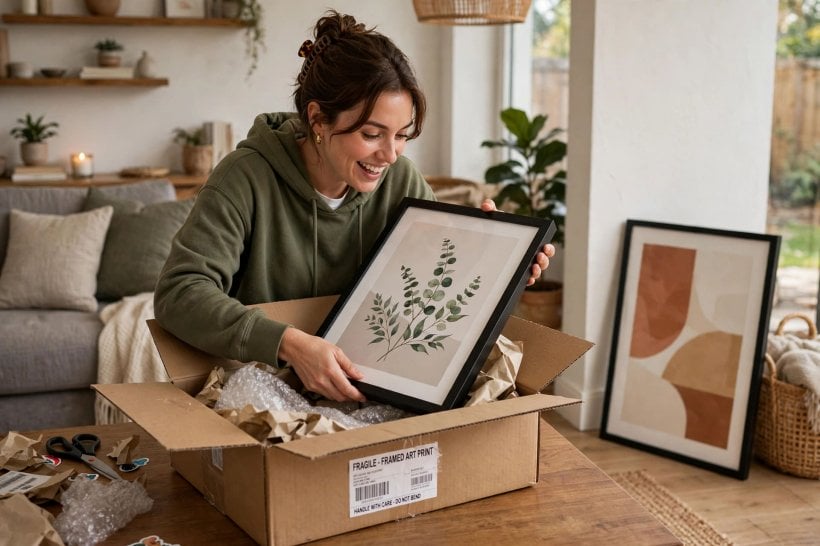
Delivery is where good prints go to die, so ask how your piece will travel before you pay. Flat prints should be sandwiched with rigid board, rolled prints should come in a sturdy tube with protected ends, and framed pieces should have corner protection and a box that cannot flex. A seller who describes packaging in detail has usually learned from breakage; a seller who says nothing may be learning on your order.
When the parcel arrives, resist the urge to tear it open. Photograph the outside first, including any crushed corner or torn wrapping, then open it carefully and photograph the contents as you find them. If something is damaged, those photographs, taken in sequence, are the strongest possible support for a replacement or refund claim, and they cost you nothing but a minute of patience.
Report problems promptly and politely, in writing, through the seller’s normal channel. Most reputable sellers replace transit damage quickly because it is a normal cost of their business. Keep all packaging until the matter is closed, since a seller or courier may ask for it, and never throw away a damaged frame before the claim is settled.
9. Returns, Refunds and Keeping Your Options Open
Read the returns policy before the artwork, not after the disappointment. You are looking for four things: how long you have, who pays return postage, whether personalised or made-to-order pieces are excluded, and how refunds are issued. Made-to-order exclusions are common and often fair, but they must be stated clearly before purchase, not discovered afterwards in an email argument.
Unpack carefully enough that you could repack. Keep tubes, boards, sleeves and paperwork together in a corner for the first couple of weeks, the way careful planners keep options open when they design their own tiny house plans and layouts instead of committing to the first sketch. If you hang a piece to judge it, use removable hooks at first where you can, so the decision stays reversible while you live with it.
If a return becomes a dispute, stay factual and keep everything in one written thread: order number, dates, photographs and what you are asking for. Calm, documented requests are resolved far more often than emotional ones, and your payment provider can usually see the same evidence if the seller stops responding.
10. Pay Securely and Keep Records
Pay inside the seller’s normal checkout, through a route that gives you buyer protection, such as a major card or a recognised payment service. Be wary of any request to move the conversation elsewhere and pay by an unusual method, a discount for paying friends and family, or a checkout page whose address looks subtly wrong. Legitimate sellers want the protection of normal payment systems just as much as you do.
Keep the whole paper trail in one folder: the order confirmation, the listing description saved or screenshotted, delivery tracking and your messages with the seller. Records turn a vague memory of what was promised into a clear comparison with what arrived, whether you are claiming for damage or simply reordering a matching piece later. The same habit serves you well on bigger projects, as anyone who has worked through how to build your own tiny house will tell you.
Finally, set a sensible budget shape: the print, the frame if needed, delivery and a small allowance for hooks and fixings. Art bought calmly, with the whole cost counted in advance, is art you can enjoy without a flicker of regret every time you walk past it.
Final Considerations
Buying wall art online is safe enough when you treat it as a small, methodical purchase rather than a leap of faith: verify the seller, read the listing for facts, respect size and colour, protect your payment and keep the returns route open. None of these steps takes long, and together they filter out nearly every bad experience buyers report.
Start modestly with a new seller, learn how their prints look in your own light, and build from there, much as careful decorating on a budget rewards patience in how to make a tiny house for cheap. The right piece, honestly bought and properly sized, will quietly improve a room every single day, which is the whole point of putting art on a wall.




0 Comments