

Every year, the same question lands in kitchens a few days before the big meal: the turkey is going into a convection oven, the recipe was written for a still oven, and nobody can agree whether the bird should roast covered or uncovered. Both camps have a point, and the honest answer is that covering is a tool with a job — not a rule.
This short guide stays deliberately light. It explains what the fan changes, what a lid or foil tent actually does, when each choice earns its place, and how to keep the whole thing safe in general terms. It gives no temperatures and no timings as instruction: those belong to your oven’s manual and to standard food-safety guidance, and they differ by bird, oven and altitude in ways a general guide should not flatten into false precision.
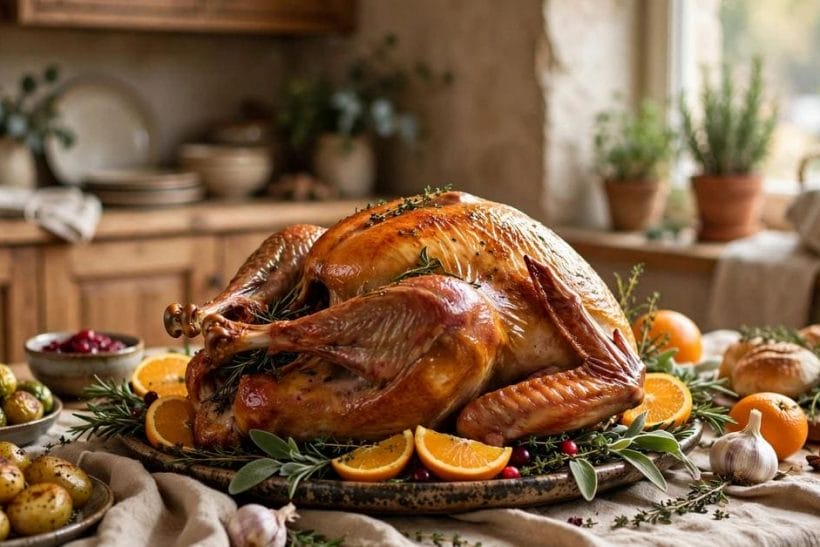
1. Convection Roast Turkey at a Glance
Scope first. This article owns one narrow question — covered or uncovered, in a convection oven — and answers it from the cooking itself rather than from habit. The kitchen around the question is covered elsewhere on the site: the canon in kitchen ideas, small-space appliance planning in compact kitchen appliances for tiny houses, the neighbouring appliance checks in the microwave buying guide and how to choose a blender, the after-dinner companion in how to choose dishwasher detergent, and the checking method this site uses everywhere in the furniture quality check guide. Here, everything serves the bird.
The one-sentence version: uncovered roasting browns and crisps, covering protects and steams, and most experienced cooks use both — covered while the bird is vulnerable, uncovered while it finishes. The sections below unpack why.
| Choice | What it does | When it earns its place |
|---|---|---|
| Uncovered throughout | Moving air reaches the skin the whole time | When deep browning matters most and the bird is watched |
| Covered throughout | Steam and shelter soften the cooking | When tenderness matters more than crisp skin |
| Covered, then uncovered | Protection first, browning last | The common middle path for a large bird |
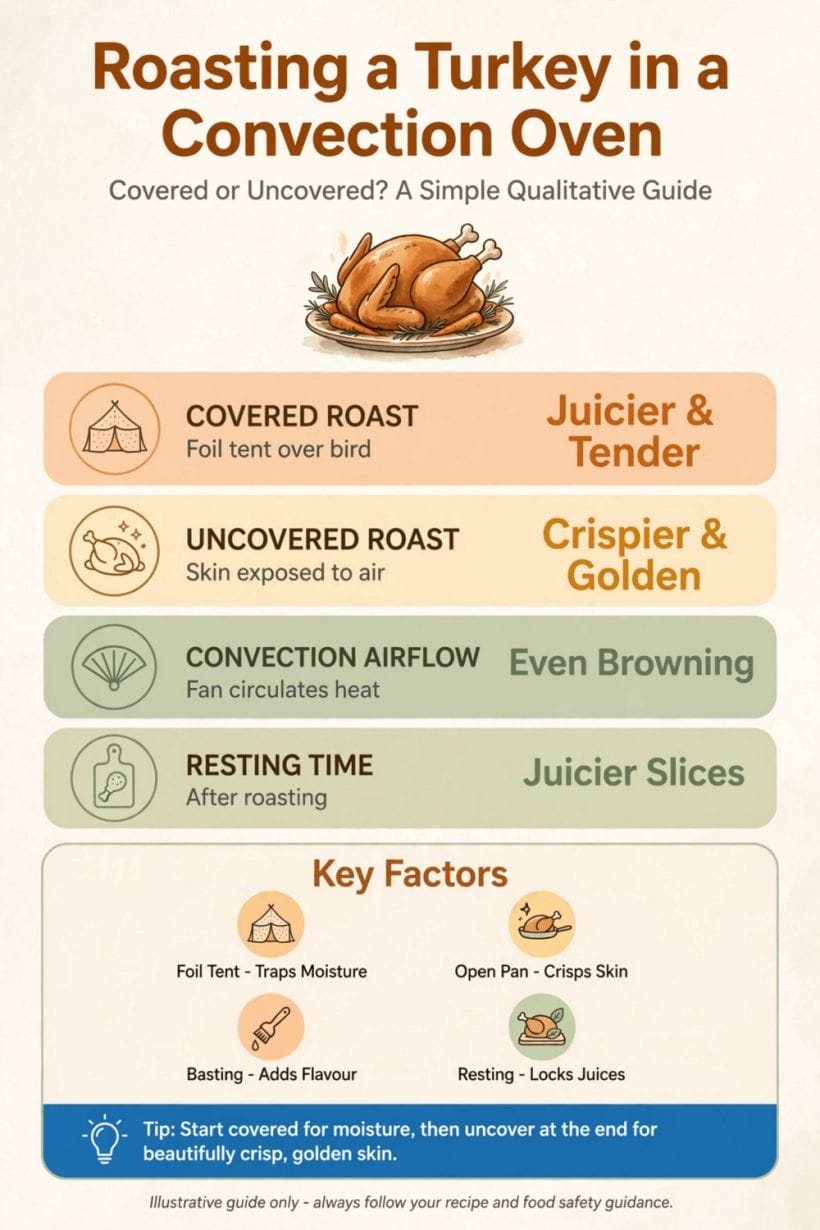
2. What Convection Roast Actually Does

A conventional oven heats still air, and the food sits inside a cushion of cooler air that clings to its surface. A convection oven adds a fan that keeps the air moving, stripping that cushion away so heat reaches the surface steadily and evenly. Everything else in this guide follows from that one difference.
1. Moving air cooks the surface faster than the centre
The skin and the outer layer of meat feel the fan’s full effect, while the deep centre of a large bird warms at its own unhurried pace no matter what the air is doing. That gap — fast surface, slow centre — is the whole covered-or-uncovered problem in one sentence: the outside can race ahead of the inside.
2. Even heat means fewer forgiving cool spots
In a still oven, a pale patch can hide in a cool corner while another part browns. The fan largely removes those hiding places, which is a gift for even cooking and a warning for delicate skin: every part of the surface is being cooked at full attention, all the time.
3. Browning starts earlier and runs deeper
Dry, moving heat is exactly what browning reactions want, so a convection bird colours sooner than a still-oven bird of the same size. Colour arriving early is not doneness arriving early — it is simply the surface getting ahead, which is why covering exists as a counterweight.
3. The Case for Covering
A cover — a roasting-pan lid, or foil tented loosely over the bird — changes the microclimate around the turkey. Heat still arrives, but the direct blast of moving air does not, and moisture leaving the meat lingers instead of being swept away.
4. A cover shields the breast while the legs catch up
The breast is lean and finishes ahead of the dark meat; it is also the part that dries out when overcooked. Shielding it for the first part of the roast lets the slower legs and thighs come along without the breast paying for the wait.
5. Trapped moisture keeps the surface supple
Under a cover, the air around the bird stays humid, and the skin stays soft rather than setting early into a shell. For a very large bird facing a long roast, that suppleness is protection against the surface drying before the centre is anywhere near ready.
6. A cover tames an over-eager oven
Some convection ovens run fierce, and some birds are simply smaller than the recipe imagined. When browning is arriving far too early, a loose foil tent is the gentlest correction available — it slows the surface without touching the oven settings at all.
4. The Case for Leaving It Uncovered
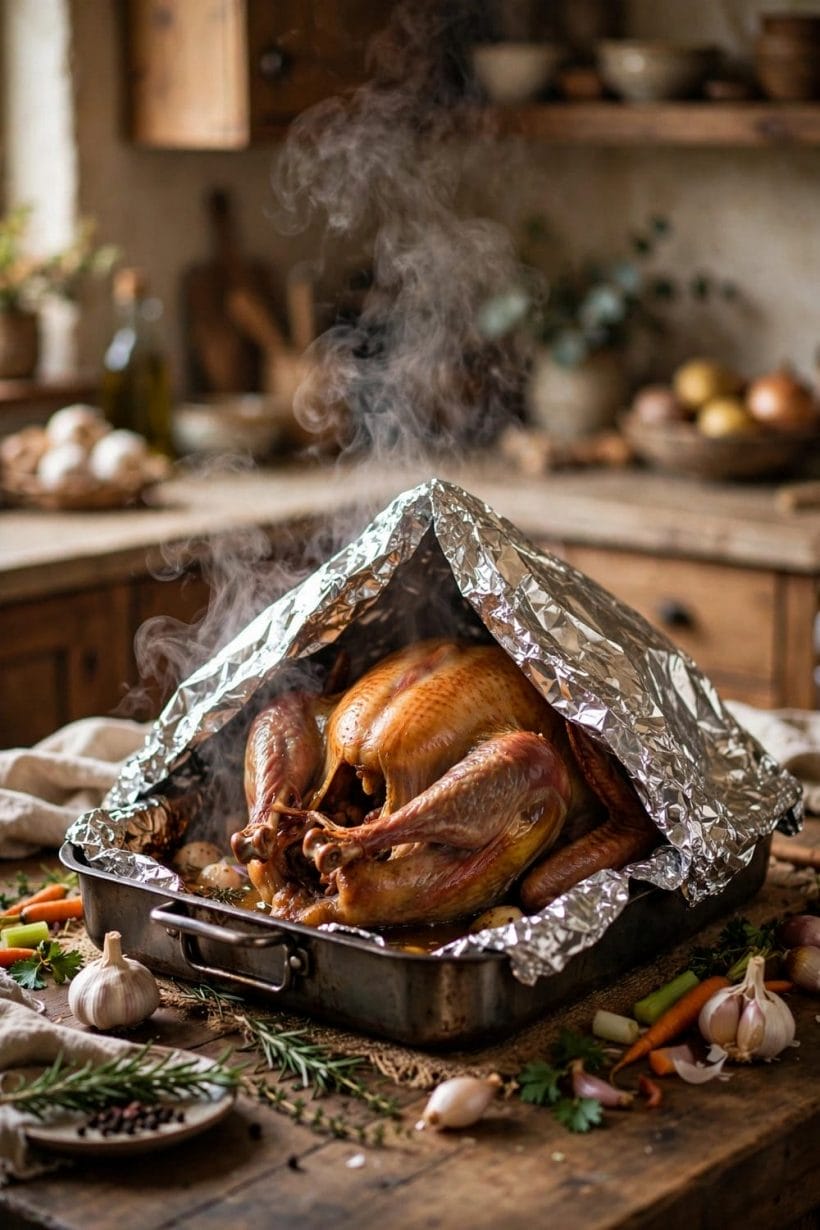
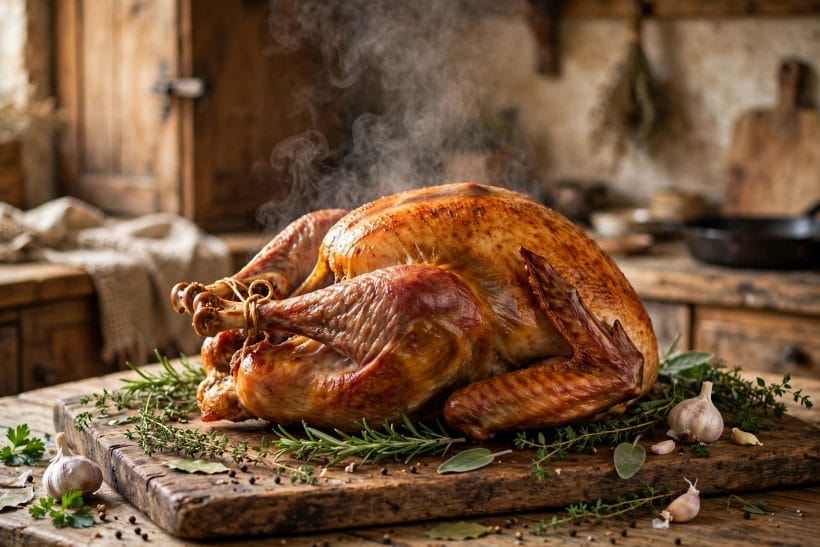
Uncovered roasting is the fan doing the job it was installed to do. Nothing stands between the moving air and the skin, and the results are the ones most people picture when they picture a roast turkey.
7. Crisp skin only happens in dry, moving air
Skin crisps when its surface dries and then fries gently in the bird’s own fat. Steam is the enemy of that process, so any period under a cover is a period in which crisping is paused. If crisp skin is the point of the meal, the bird must spend its finishing time uncovered.
8. Juices reduce instead of pooling
Uncovered, the pan juices concentrate as they cook, and the bird bastes in something increasingly flavourful rather than increasingly watery. Covered, those same juices dilute into a steamy bath — pleasant for braising, less so for a roast.
9. You can see what is happening
An uncovered bird reports on itself: colour deepening here, a wing tip darkening there. That visibility is a genuine cooking tool, because most mid-roast corrections — a foil shield on one part, a turn of the pan where the oven allows it — start with noticing.
5. The Middle Path Most Cooks Land On
Ask cooks who roast in convection every year and a pattern emerges: the bird starts covered and finishes uncovered. The sequence is not indecision — it assigns each phase of the roast to the tool that handles it best.
10. Covered while the bird is vulnerable
Early on, the centre is cold, the surface is pale, and the breast is at its most exposed relative to the legs. A cover during this phase costs nothing in browning — there is little browning yet to lose — and buys even, gentle progress.
11. Uncovered while the bird finishes
Late in the roast the centre is nearly there and the surface needs its turn. Off comes the cover, and the fan does in the final stretch what it does best: dries, browns and crisps the skin while the inside completes.
12. Small shields beat a full cover late on
Sometimes only one part is racing — usually the breast or the wing tips. A small piece of foil laid over just that part protects it while the rest of the bird keeps browning, which is a finer instrument than covering the whole pan again.
6. Pan, Rack and Bird Position
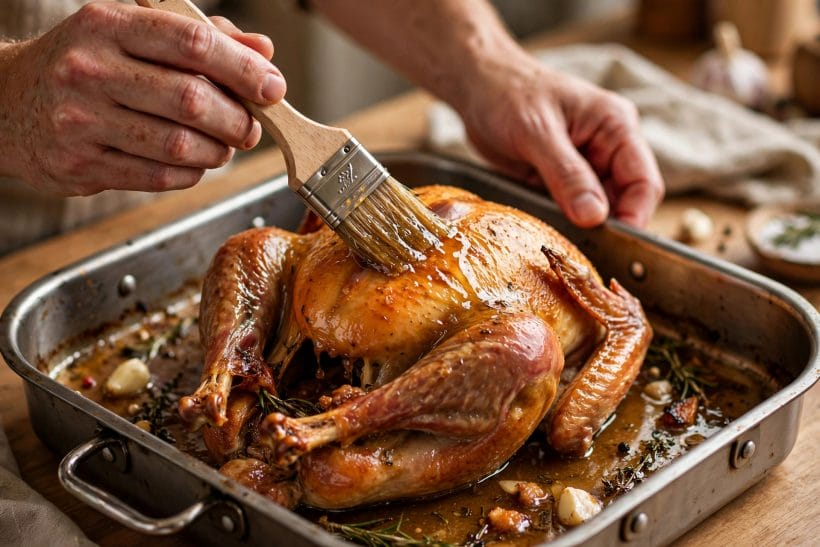
Covered or uncovered, the bird’s furniture matters. The fan can only work with the air paths it is given, and a turkey sealed against the pan floor cooks unevenly no matter how the cover question is answered.
13. A rack lets the air underneath
Raising the bird on a rack lets moving air reach its underside, so the bottom cooks instead of stewing in its own juices against hot metal. In a convection oven, where airflow is the entire mechanism, that gap under the bird is worth more than any other single adjustment.
14. The pan should not wall the bird in
Deep, tight pans block the fan’s path and recreate still-oven conditions along the bird’s lower half. A pan with room around the turkey — and sides no higher than they need to be — keeps the whole bird inside the moving air it was promised.
15. Trussing is about shape, not ritual
Tucking the wings and tying the legs is really about presenting a compact, even shape to the air: no thin parts sticking out to scorch, no cavities channelling heat oddly. Done loosely and simply, it helps either method; done tightly and fussily, it mostly helps the cook feel busy.
7. Resting, Carving and the Juices
16. The roast is not over when the oven opens
A large bird continues to settle after it leaves the heat, and its juices — which the cooking drove toward the centre — redistribute as it rests. Carving immediately spills that work onto the board. Every reliable guide to roasting, convection or otherwise, treats the rest as part of the cooking, and so should you.
17. Tent during the rest, whatever you roasted under
Here the cover question returns in miniature: a loose tent of foil over the resting bird simply keeps it warm without trapping enough steam to soften the skin you worked for. Roasted covered or uncovered, rest it tented.
18. Pan juices are the sauce’s head start
The juices left behind carry the roast’s concentrated flavour. Uncovered roasting will have reduced them further; covered roasting leaves more, milder liquid. Either way, they are the foundation of the gravy, and skimming and simmering them is cooking, not cleanup.
8. Food Safety, in General Terms
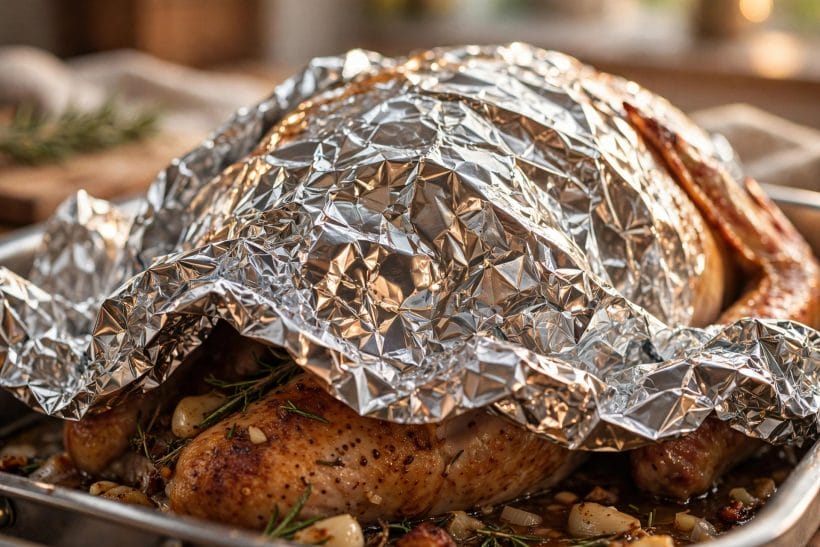
This guide deliberately gives no temperatures and no timings, because safe figures depend on the bird, the oven and the guidance in force where you cook — and a number copied from the wrong context is worse than no number at all. What can be said generally, and what standard food-safety guidance consistently says, is this.
19. A thermometer, not the clock or the colour, decides doneness
Browned skin can sit over an undercooked centre, especially in convection, where the surface races ahead. Standard guidance is to check the thickest parts of the bird with a food thermometer and to cook to the safe temperature that your national food-safety authority and your oven’s manufacturer specify.
20. Thaw fully, and thaw safely
A partially frozen centre defeats any roasting method, covered or not. Food-safety guidance describes thawing in the refrigerator, in cold water changed regularly, or by the other approved methods it sets out — never simply left out on the counter — and the timings it gives scale with the bird’s size.
21. Leftovers are a food-safety topic too
The meal’s end has its own general rules, consistently stated in standard guidance: refrigerate leftovers promptly rather than leaving them out, store them shallow so they chill evenly, and reheat them thoroughly. The roast deserves the same care after the table as before it.
9. Adapting a Family Recipe to Convection
22. Change one variable at a time
Most family recipes assume a still oven. Oven manufacturers’ own conversion guidance generally adjusts the temperature, the time, or both for fan cooking — follow your manual’s conversion advice rather than folklore, and keep the recipe’s structure, including its covering instructions, intact for the first attempt so you can taste what the fan alone changed.
23. Translate the recipe’s covering cues, not its words
When an old recipe says “cover if browning too fast”, it is describing a condition, not a schedule — and in convection that condition arrives earlier. Watch for the condition itself rather than the recipe’s implied timing, and shield when the bird, not the page, asks for it.
24. Write down what you did
The cooks who answer this question confidently in later years are the ones who noted, once, what they actually did: covered or not, when the cover moved, how the bird looked. A line in the recipe’s margin turns next year’s debate into a lookup.
10. Questions Cooks Ask Every Year
25. Does covering make the turkey cook faster?
A lid can nudge the pace by keeping heat and steam close, but the effect is modest and the trade is real: whatever a cover adds in speed it takes away in browning. Choose the cover for protection, not for the clock.
26. Can I start uncovered and cover later?
You can, and it is the right rescue when a bird browns too eagerly early on. It gives up the gentle covered start, so it is a correction rather than a plan — the planned version runs the phases the other way around.
27. What about stuffing the bird?
Standard food-safety guidance treats stuffing cooked inside the bird with particular care, because the stuffing must reach a safe temperature in the slowest-heating place in the whole arrangement, and it gives specific advice on the point. Many cooks now roast the stuffing separately for both safety and texture; either way, follow the guidance’s terms rather than tradition’s.


Final Considerations
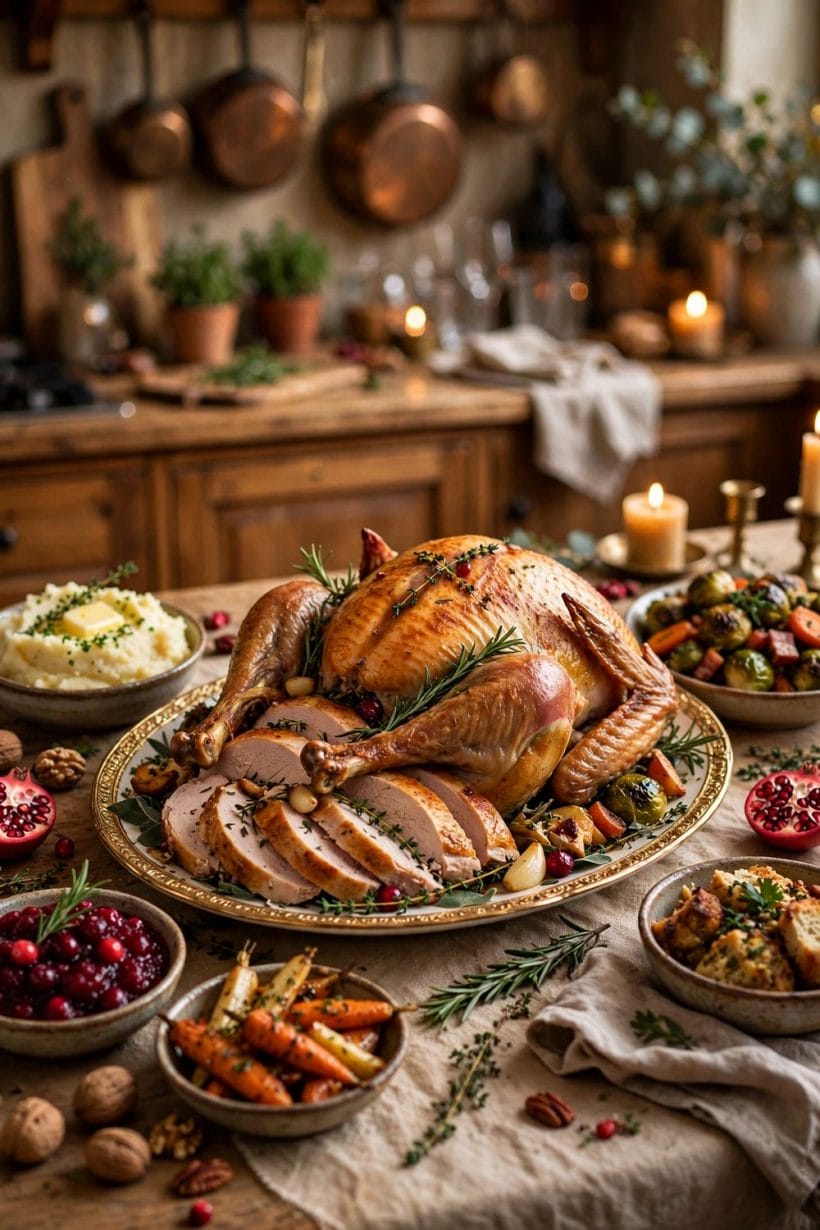
Covered or uncovered is not a loyalty test. Covering protects a vulnerable bird and shields a racing breast; uncovering browns, crisps and concentrates. Convection, with its surface that runs ahead of its centre, simply makes the choice matter more — and makes the middle path, covered first and uncovered to finish, the answer most kitchens settle on. Keep the safety questions with the thermometer and the official guidance where they belong, watch the bird rather than the argument, and write down what worked. Next year, you will be the one answering the question.




0 Comments