

A standard dishwasher asks you to fill it before it earns a run. Drawer models flip that logic: wash a little, wash often, and keep the bench clear as you cook.
This guide compares the two drawer layouts honestly — where each one shines, where each frustrates, and who should pick which in a small or off-grid kitchen.
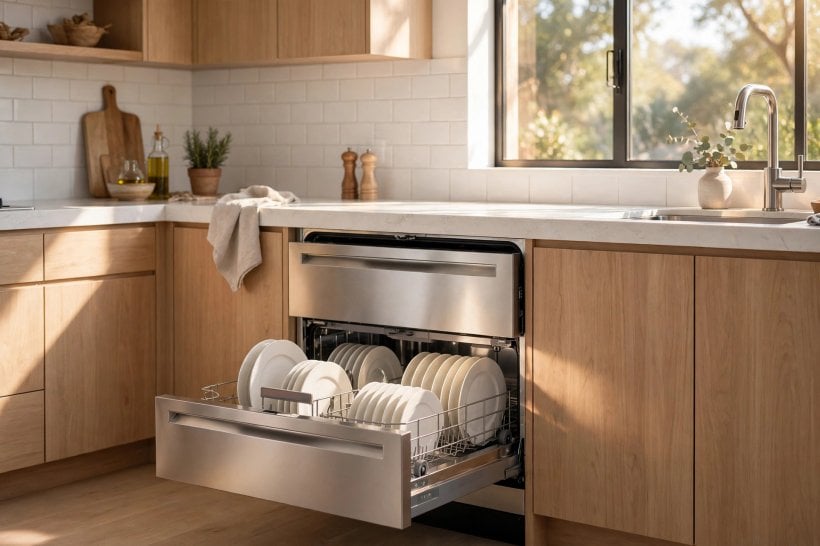
1. At a Glance: The Two Layouts Head to Head
| Aspect | Two stacked drawers | One tall drawer |
|---|---|---|
| How it loads | Two separate drawers, each its own wash zone | One deep drawer that takes the whole load at once |
| Best-sized loads | Small, frequent loads; different items in each drawer | Full family loads, big pans and baking trays |
| Flexibility | Run one drawer, both together, or stagger them | Simpler rhythm: fill it, run it, empty it |
| Ergonomics | Top drawer sits at an easy, no-bend height | Deep drawer means reaching down for the back corners |
| Small-kitchen fit | Excellent where every cupboard decision is fought over | Good, but the deep cavity asks for committed space |
| Off-grid habits | Little-and-often washing suits limited water and power | Fewer, larger runs suit batching chores to sunny hours |
| Watch out for | Two sets of seals, racks and moving parts to live with | Tall items fit, but small items can feel lost in the depth |
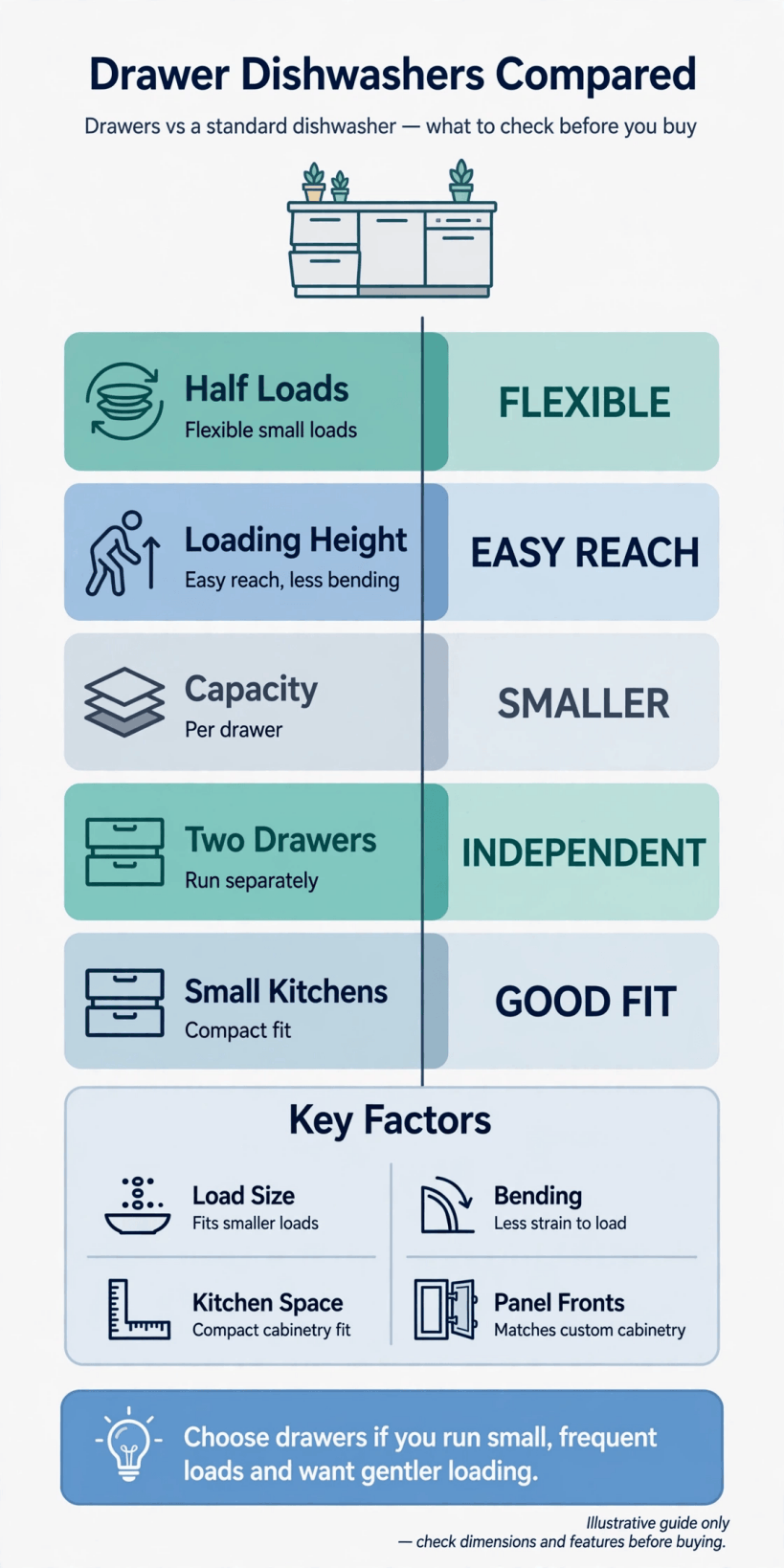
A head-to-head summary of the two drawer layouts — how they load, where they shine, and the compromises each one asks you to accept.
Neither layout is the clever one and the compromise; they are two honest answers to the same question, which is how a household actually produces dirty dishes. Singles, couples and grazers make small loads all day. Families and keen cooks make fewer, bigger ones. Work out which household you are before you fall for either format, because the daily rhythm matters far more than the showroom impression. If your wider kitchen is still being planned, the layout thinking in tiny house kitchen design is a useful companion: in compact kitchens, appliance choices are really decisions about movement, storage and how a room feels at its busiest hour.
2. Layout One: Two Independent Drawers
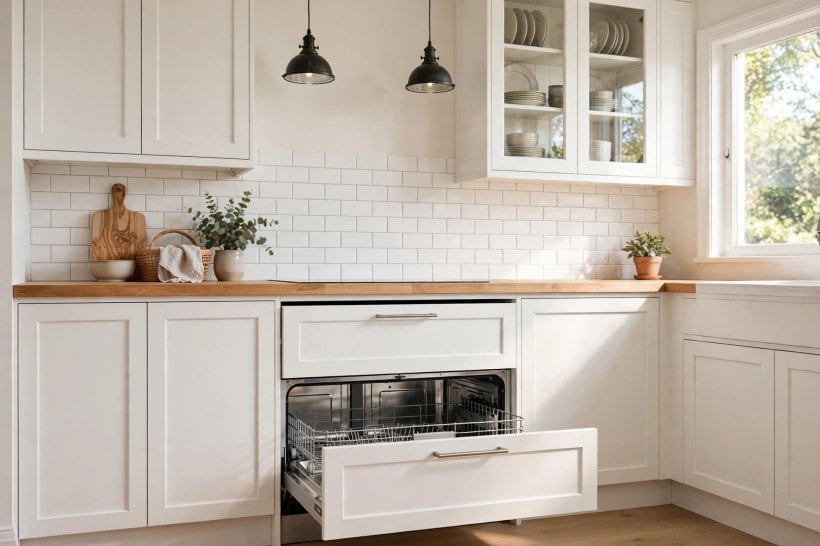
The two-drawer layout is the format at its most flexible. Each drawer washes on its own, so breakfast things can be running while tonight’s prep bowls wait in the other drawer, and a delicate load never has to share a cycle with a roasting pan that needs a sterner wash. For households that cook in waves, entertain in bursts, or simply hate the sight of a sink full of waiting dishes, a double drawer dishwasher turns dishwashing from a batch chore into a background habit.
There are quieter benefits too. The top drawer lives at bench height, which makes loading and unloading noticeably kinder on backs, and a genuine pleasure for anyone who finds deep bending difficult. In a small kitchen the drawers also behave like good cupboards: they open into the room only as far as a drawer ever does, never swinging a wide door across a narrow walkway. That matters in the tight galley layouts explored in kitchen tiny house small space design, where a conventional dishwasher door can block the whole working zone while it is open.
The honest cons: you are maintaining two of everything — two seals to keep clean, two racks to learn, two cycles to think about — and neither drawer alone swallows the biggest oven trays. Households that regularly produce one enormous evening load may find the splitting more fiddly than helpful.
3. Layout Two: One Tall, Deep Drawer
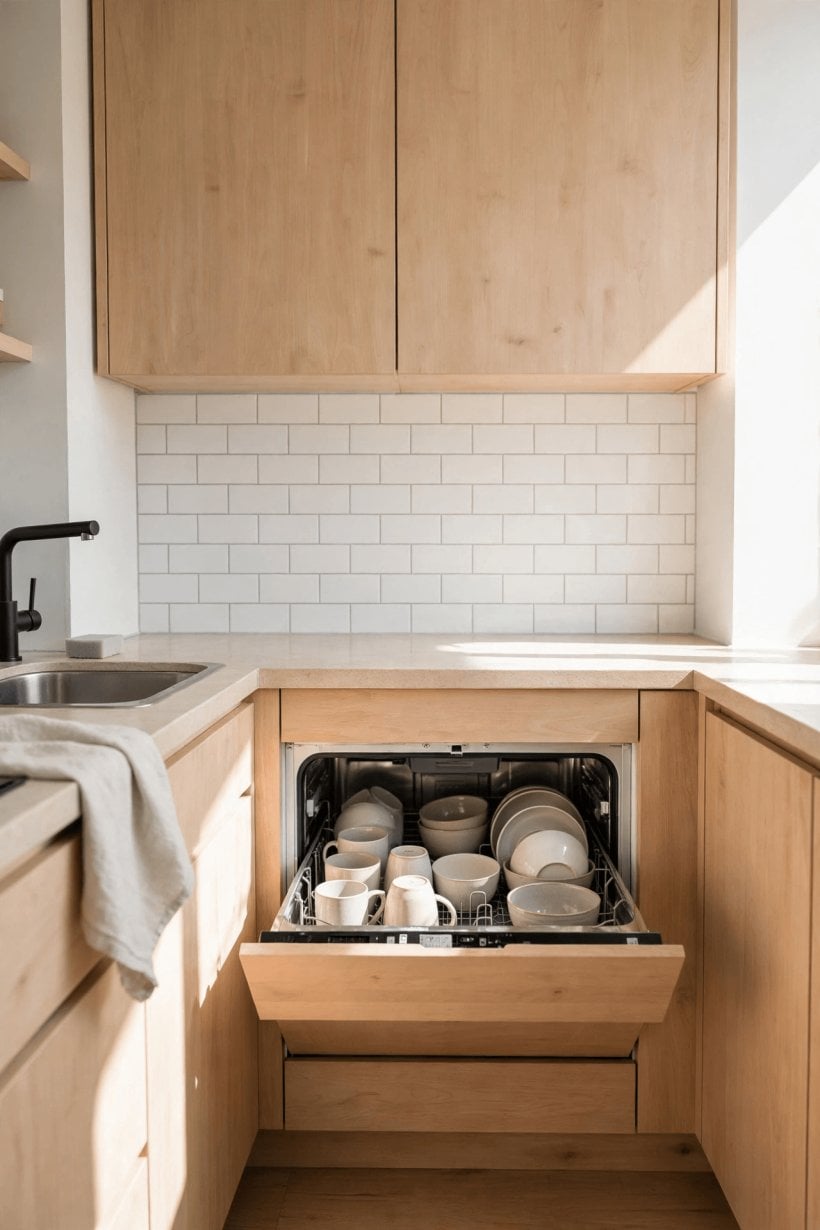
The single tall drawer takes the opposite bet: one generous cavity, one simple routine. It suits the way many families actually live — everything accumulates through the day, the drawer fills by evening, and one proper run sorts it all. Tall items that defeat shallower formats, stockpots, oven shelves and big serving platters, stand a far better chance in here, and there is only one seal, one rack system and one set of habits to learn.
Loading is the trade. A deep drawer asks you to reach down and in, and the back corners are the last to fill and the first to be forgotten, so loading well becomes a small skill: heavy pans low and angled, glasses corralled where they cannot wander, cutlery spread rather than nested. Households upgrading from a conventional machine often adapt quickly, because the rhythm is familiar, just delivered in a drawer rather than behind a drop-down door.
Choose this layout if your loads are big and predictable, if simplicity appeals more than flexibility, or if the second drawer of a stacked pair would honestly spend its life as expensive storage for the good glasses. One well-used drawer beats two half-used ones, every single week.
4. Loading, Racking and Odd-Shaped Items
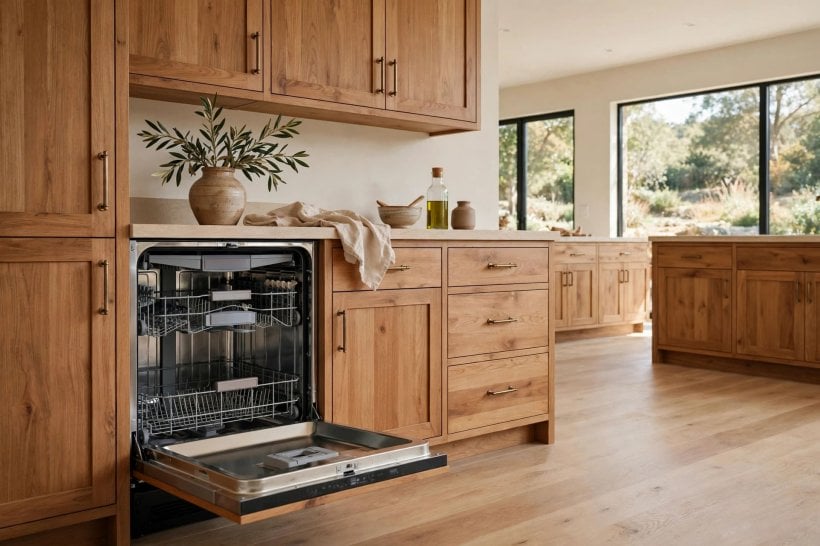
Whichever layout you pick, drawer loading rewards a lighter touch than door loading. Items sit in a shallower, more visible space, so you can see at a glance what is washed, what is waiting, and what has been optimistically hidden at the back. Flexible racking, folding tines and adjustable shelves where fitted make a real difference with modern kitchen clutter: stemware after a dinner party, tall bottles, awkward utensils and the eternal problem of the big mixing bowl.
Test any drawer with your own worst items before you commit, ideally literally, in a showroom with your largest plate, your tallest glass and your favourite pan in hand. Diameter and height limits are where drawer formats earn their critics, because a plate that fits a conventional rack at an angle may stand too tall in a shallow drawer. Kitchens in open-plan homes also ask more of loading manners, since the machine sits in full view of the living space, a theme running through modern interior design ideas for tiny houses: everything on show has to look calm even mid-chore.
Day to day, most owners settle into a pattern within a fortnight: a home position for every regular item, a strategy for guests’ extras, and peace with the one or two oversized pieces that will always be washed by hand.
5. Water, Power and Off-Grid Realities
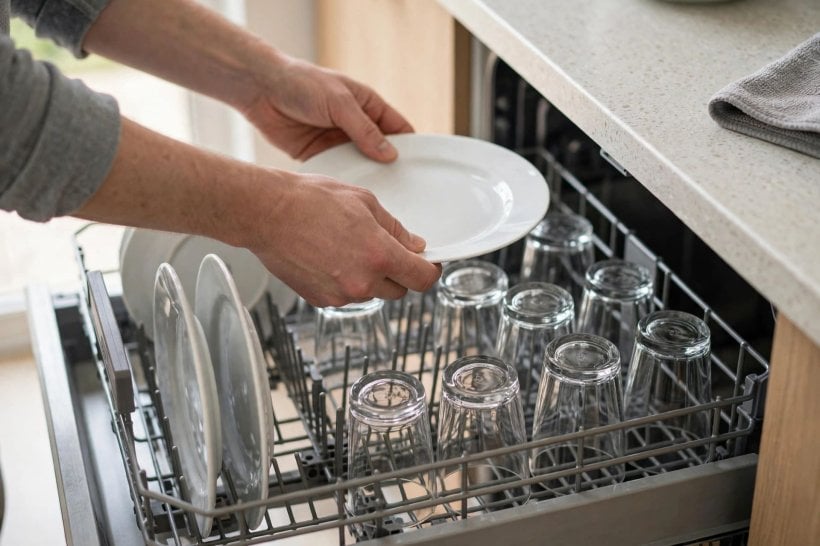
Off-grid and tiny-home households think about dishwashing differently, because every litre is tanked, pumped or caught, and every wash happens inside an energy budget. This is where the two-drawer habit can shine: washing a genuinely small load in one drawer, when the dishes exist, tends to suit a household that cannot leave dirty plates accumulating while it waits to justify a full-size run. Little and often also spreads demand across the day instead of concentrating it into one long evening cycle.
The tall single drawer makes the opposite case, and it is a fair one. Bigger, less frequent washes can be timed to the sunniest, most power-rich part of the day, and one deep drawer is a simple thing to fill properly, because a dishwasher of any format runs most sensibly when it is honestly full rather than rattling around half-empty. Neither argument wins in the abstract; your tank size, your solar rhythm and your household’s dish production decide it, which is exactly the kind of whole-system thinking that how to build your own tiny house encourages from the very first sketch.
Practical tip either way: scrape, do not pre-rinse under a running tap. Pre-rinsing quietly spends the water and energy the machine was supposed to save, whatever its shape.
6. Noise, Vibration and Open-Plan Living
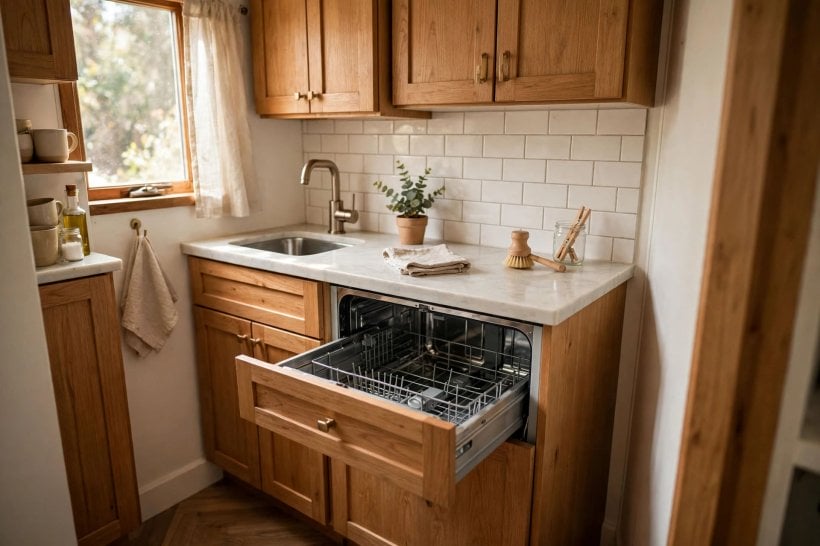
In a compact or open-plan home, the dishwasher is never really in another room. It hums behind the sofa, clicks through its cycle during films, and hosts its own small percussion section of cutlery. Drawer formats have a natural advantage in feel here: the wash happens inside a closed, cupboard-like box at bench height, and everyday loading and unloading involves no wide door hanging open and dripping onto the floor while someone tries to step around it.
Between the two layouts, the differences are subtle and mostly about rhythm. Two drawers mean shorter individual runs can be staggered, so noise arrives in smaller doses, and a drawer can be paused and topped up as the evening produces more dishes. One tall drawer concentrates its work into fewer, longer sessions, which some households prefer: set it going after dinner, and the kitchen is quiet again by the time the house settles. Either way, soft-close behaviour, solid installation and level cabinetry matter more to peace and quiet than any brochure claim, a point familiar to anyone who has planned a combined kitchen-living space using modern living room interior design ideas for tiny houses.
If your home is one room deep, run any dishwasher while you are awake and elsewhere in the house at first, and learn its sounds before trusting it overnight.
7. The Two Names Behind Most Drawer Kitchens
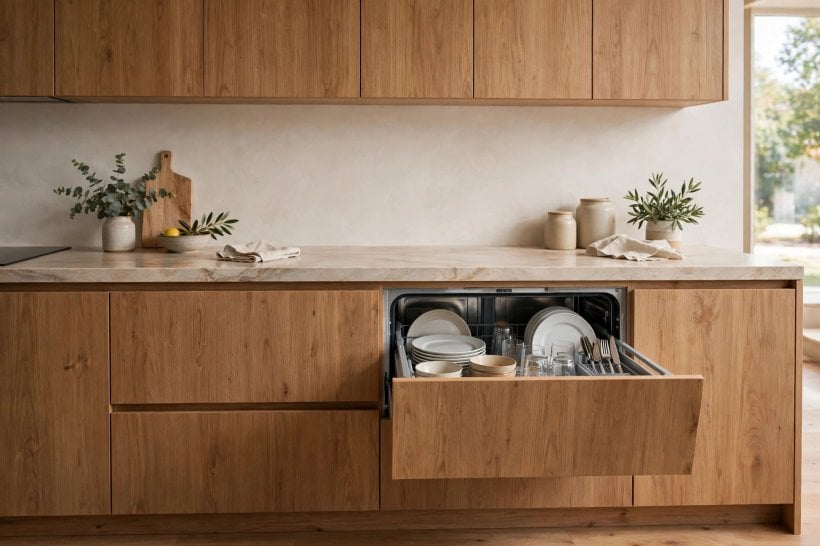
Most conversations about drawer dishwashing eventually become a conversation about two names, and it is worth being clear-eyed about what each represents. Fisher & Paykel is the long-standing specialist here: the company pioneered the drawer format and has spent decades refining kitchens around it, so its ranges treat the drawer as the main event rather than an experiment, with layouts, racking and cabinetry thinking that all start from the drawer outwards. Buyers who want the format in its most considered, mature form tend to start there.
Bosch arrives from the opposite direction: a giant of the conventional dishwasher world, with a reputation built on full-size, drop-down-door machines, broad ranges and wide service networks. For some households that mainstream weight is exactly the reassurance they want — a familiar name, familiar engineering culture, and parts and support that feel easy to reach in their region. Neither reputation should be taken on faith alone, because service quality is local everywhere: ask neighbours, local repairers and recent buyers in your own area which name gets fixed fastest near you, and weigh that answer heavily.
Treat the brands as philosophies as much as products — the drawer specialist versus the mainstream heavyweight — and the rest of this comparison falls into place around your choice.
8. Installation, Plumbing and Cabinetry
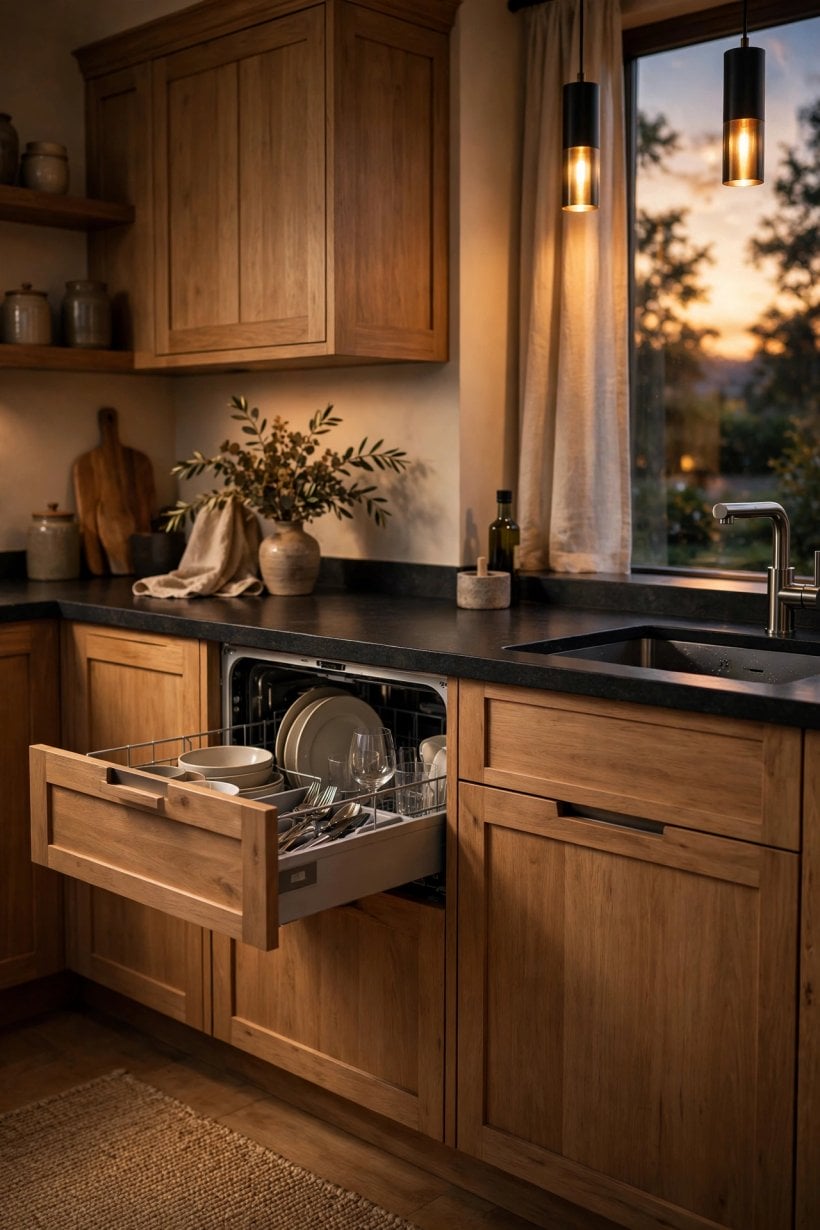
A drawer dishwasher installs more like a piece of cabinetry than a freestanding appliance. The unit slides into a prepared cavity and behaves, once fitted, exactly like the drawer it resembles, which means the cabinet work has to be honest: level, square and firmly fixed, because a drawer full of water and crockery is heavy, and any twist in the cabinet shows up as a drawer that runs roughly or a seal that never quite sits happily.
Services are conventional in spirit — water in, waste out, power behind — but access matters more than usual, because a drawer machine is serviced from the front and the connections live in the space behind or beneath it. Leave the access your installer asks for, keep the waste run simple, and think about where a future repairer will stand. The same advice runs through any small wet-area project, as bathroom interior design ideas for tiny houses show for the room next door: in compact homes, the fitting you cannot reach is the fitting that will eventually annoy you.
If you are retrofitting into existing cabinets, measure the cavity twice and expect surprises in older joinery. A professional measure-up is money well spent before anything is ordered.
9. Running Costs and Day-to-Day Living
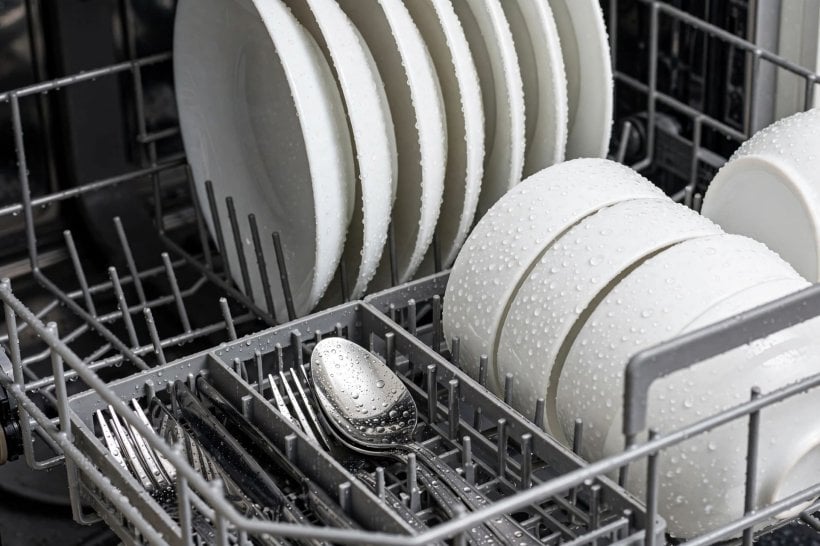
Running costs follow habits more than hardware. Detergent, rinse aid and energy are spent per cycle, so the household that runs many tiny loads in any machine will spend more than the household that washes full loads calmly — one reason the two-drawer format suits disciplined little-and-often users, while the tall drawer rewards patient batchers. Two drawers also means two seals to wipe, two filters to keep on top of, and, over a long life, more individual parts in play; the single drawer keeps maintenance to one of everything.
Day to day, owners praise the same small things: no door to trip over in a narrow kitchen, dishes put away at bench height, a top drawer that doubles as peaceful storage for the things used daily, and benches that stay clear because the machine accepts dishes continuously instead of in one evening ceremony. Holiday homes and part-time off-grid places feel this most, where a small load after a weekend should be quick and unceremonious — the same relaxed, practical spirit celebrated in beachy interior design ideas for tiny houses.
Budget honestly for the whole picture: the appliance, the cabinetry work, installation, and the odd replacement rack or seal across the years, rather than comparing ticket prices alone.
10. The Verdict: Who Should Pick Which
Pick two independent drawers if your household cooks and snacks in waves, if you entertain often, if bench-height loading would genuinely help your back, or if you live off-grid with small, steady dish production and limited water to spend. Pick the single tall drawer if your loads are large and predictable, if stockpots and oven trays are weekly regulars, or if you simply prefer one machine, one routine and one of everything to maintain. In both cases, the best double drawer dishwasher is the one whose rhythm matches how your household actually lives, not how a showroom imagines it might.
On names, let your priorities arbitrate. If the drawer format itself is the whole point and you want it from the maker that has specialised in it for decades, the specialist case for Fisher & Paykel is strong. If a vast mainstream range, conventional engineering pedigree and the widest possible service footprint matter more to you, the case for Bosch will feel familiar and safe. Then check local support for whichever you favour, because the best appliance is always the one your town can fix.
Still torn? Choose by your worst week, not your best one: the layout that copes with Christmas, guests and a broken routine is the layout you will still like in five years.
Final Considerations
Drawer dishwashers ask you to trade one big, familiar routine for smaller, kinder ones, and for small, off-grid and open-plan homes that trade is often well worth making. Decide your layout by your loads, your maker by your priorities and your local support, fit it carefully into honest cabinetry, and the result is a kitchen that stays calm at exactly the hour it used to get chaotic.


0 Comments