

A fireplace earns its place when it warms the room, anchors the seating and still leaves space to move, store wood and enjoy everyday life. These fireplace design ideas photos gather practical surrounds, mantels and styling choices that suit compact homes as well as larger living spaces, without turning a simple upgrade into a complicated rebuild.
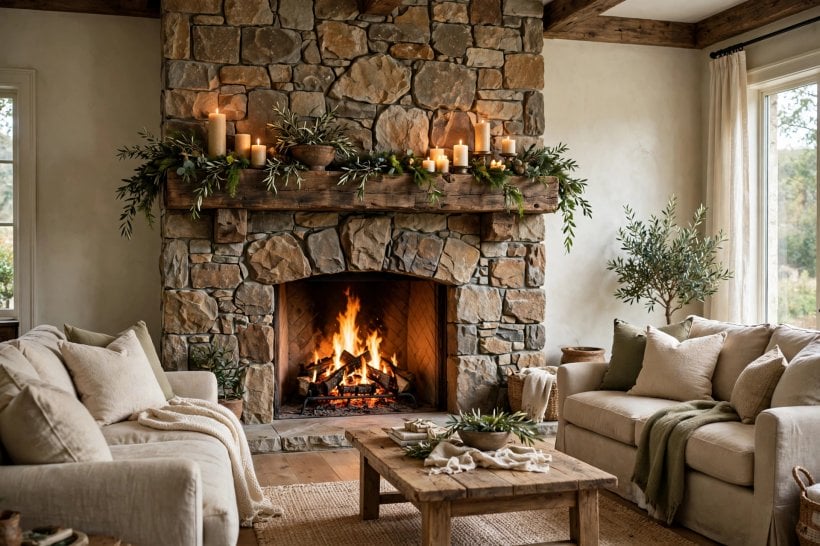
1. Plan the Focal Point First
Start by deciding what the fireplace should do in the room. Is it the main source of extra warmth on cold evenings, a visual centre for a seating group, or a quiet backdrop for books, art and television? That answer shapes the surround size, the depth of the hearth and how much wall you give to storage. Measure the chimney breast or wall, the distance to sofas and chairs, and the clearance needed for doors, curtains and walkways. Sketch the elevation to scale, even roughly, so a tall surround does not overwhelm a low ceiling and a small firebox does not disappear on a wide wall.
| Choice | Best For | Watch Out For |
|---|---|---|
| Stone surround | Texture and a timeless feel | Weight and careful fixing |
| Brick surround | Warm, relaxed character | Mortar colour changes the look |
| Timber mantel | Soft contrast on plaster or tile | Safe distance from heat |
| Marble or stone slab | Clean, formal rooms | Staining and sealing needs |
| Tile surround | Colour and pattern in small spaces | Grout care and heat rating |
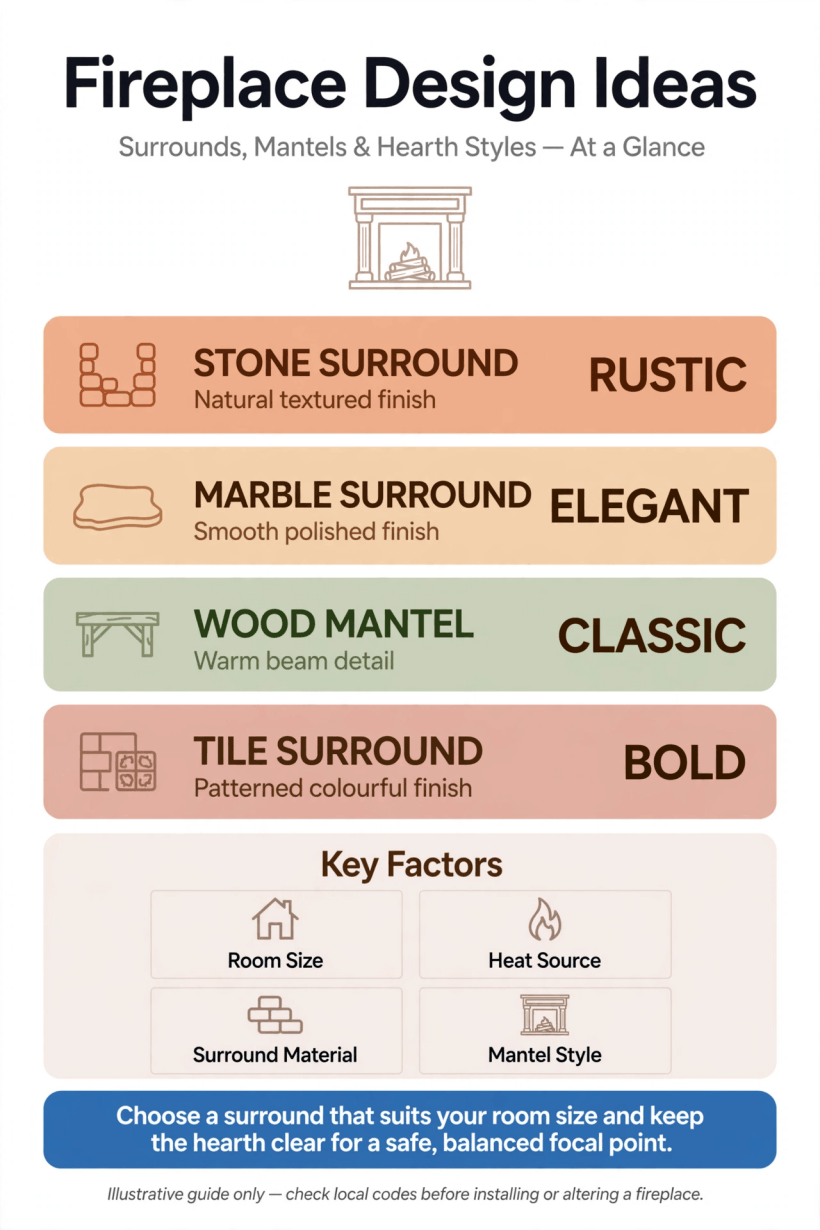
A quick comparison of surround materials, mantel choices and styling points to check before you commit.
Good planning also means checking how the room is used in other seasons. In summer the hearth can hold a plant, a basket or a stack of books, so avoid a layout that only works in winter. If you are refreshing a whole room, browse modern interior design ideas for tiny houses for layout habits that keep a strong focal point from crowding circulation. Keep the fire, the seating and the main light source in balance, and leave breathing room around the surround so the materials, rather than clutter, do the talking.
2. Stone Surrounds That Add Texture
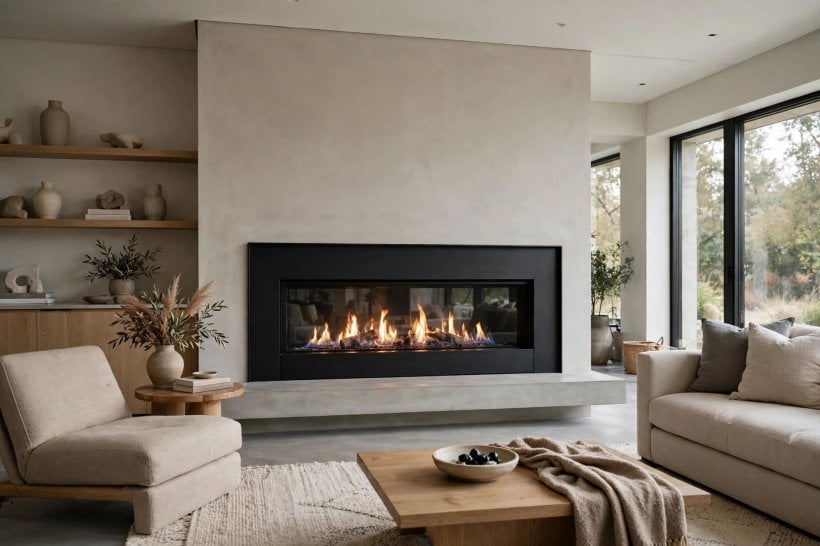
Stone brings natural variation that painted plaster cannot match. Limestone feels pale and calm, sandstone adds warmth, slate reads darker and more contemporary, and rough rubble stone suits cottages and cabins. The key is proportion: large slabs look best on a broad breast, while narrower stacked pieces can make a small fireplace feel taller without adding bulk. Choose a hearth stone that can handle ash, sparks and the occasional dropped log, and agree the finish in daylight, because honed, riven and polished surfaces change colour as light moves across the room.
Think about the joints as part of the design. Recessed pale mortar softens a rustic wall, while tight joints give a cleaner, more architectural result. If real stone is too heavy or costly for the structure, stone slips applied to a suitable board can give a similar face with less depth, provided the installer follows the maker guidance for heat areas. Pair stone with simple furniture and one or two strong textiles rather than many small ornaments. For seating layouts that keep the hearth comfortable, see these living room ideas for a tiny house, where every chair placement has to earn its space.
3. Brick Surrounds With Relaxed Character
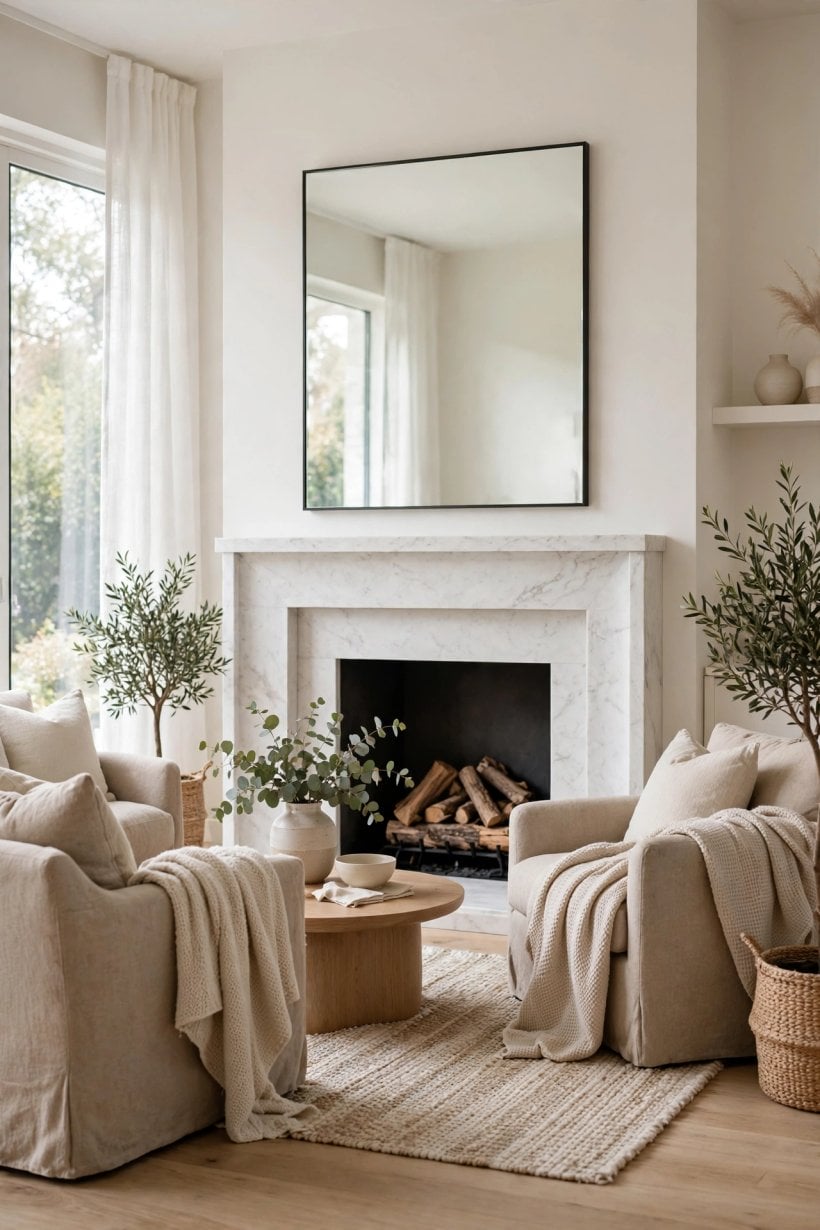
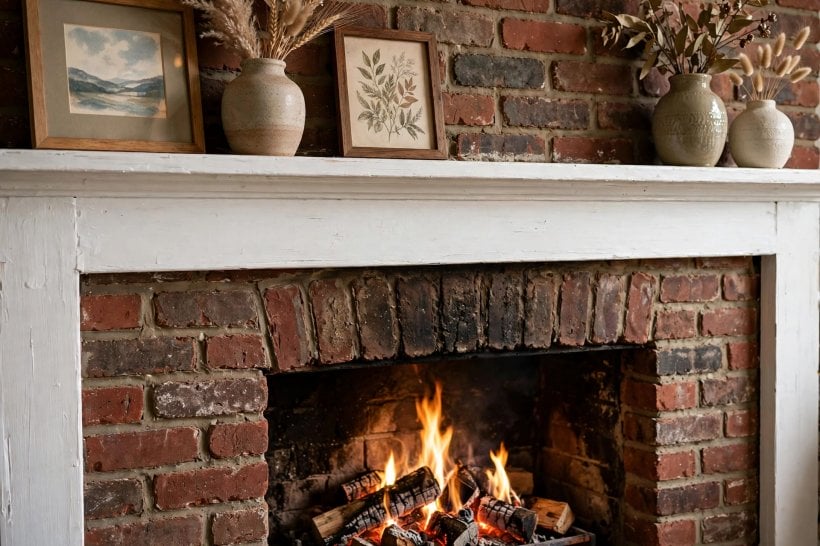
Brick is forgiving, familiar and easy to live with. Exposed original brick can be cleaned gently and left as found, celebrating small colour differences and the history of the house. New brick slips or a freshly built surround can repeat brickwork elsewhere in the room, such as a kitchen splashback or an arched niche, creating a quiet link between spaces. Painting brick is another route: a soft white or warm neutral brightens a dark alcove, while a deep tone makes the fire opening feel more dramatic, though paint is harder to reverse, so test a hidden patch first.
Mortar deserves as much attention as the brick itself. A light mortar freshens reclaimed brick, a mid tone keeps things mellow, and a darker joint can look surprisingly modern. Consider how the firebox opening is framed: a steel trim, a simple stone lintel or a timber beam each changes the mood. Keep alcoves on either side useful with log storage, closed cupboards or open shelves for books. Avoid storing anything heat-sensitive close to the opening, and leave a clear zone in front of the hearth for safe tending. Brick works especially well when the rest of the palette stays restrained, letting texture provide the interest.
4. Timber Mantels and Warm Beams
A timber mantel softens masonry and gives you a natural place for art, a mirror, candles placed well away from flames, or a simple clock. Oak feels classic, reclaimed beams add knots and saw marks, and a smooth painted shelf suits a more minimal room. Scale matters: a beam that is too thin can look lost, while an oversized chunk may dominate a modest fireplace. Line the underside and ends up carefully, agree how the timber will be fixed, and always respect safe clearances from the fire opening, using professional advice for any structural or flue work.
Finish changes both colour and care. Clear oil keeps the grain visible and is easy to refresh, wax gives a softer sheen, and paint can tie the mantel to skirting or shelving. If you love the look of wood but the position is too close to heat, a non-combustible beam effect product designed for fireplace use may be a safer alternative; check its rating rather than guessing. Style the top in odd-numbered groups, leave empty space at the ends, and repeat one material from elsewhere in the room. Readers planning a coordinated scheme may enjoy these modern living room ideas for tiny houses for simple, uncluttered styling.
5. Marble, Slate and Polished Slabs
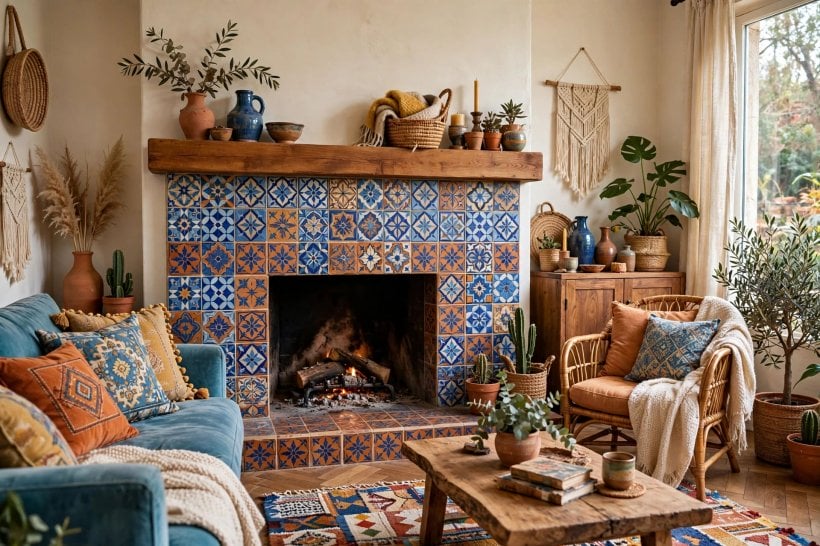
For a cleaner, more formal look, a slab surround in marble, slate, granite or a heat-suitable engineered stone gives crisp lines and a smooth face that reflects a little light. Pale marble with gentle veining suits traditional rooms and can be echoed in a hearth, a side table top or bathroom finishes for a joined-up feel. Dark slate or granite is practical around the opening, hides soot marks better and pairs well with black metal fire tools and a simple grate. Ask about sealing, cleaning products and heat behaviour before ordering, because natural materials vary.
Slab designs live or die by their edges and joints. A simple square edge feels modern, a small bevel softens the line, and a traditional moulded leg suits period homes. Keep the reveal around the firebox neat and consistent, and decide whether the hearth sits flush with the floor or raised as a low plinth, which can also help define the seating zone. Because slabs are visually quiet, introduce warmth through upholstery, a wool rug placed at a safe distance, and timber or brass accents. Avoid busy patterns competing on the same wall; one strong material, well detailed, is usually enough.
6. Tile Surrounds for Colour and Pattern
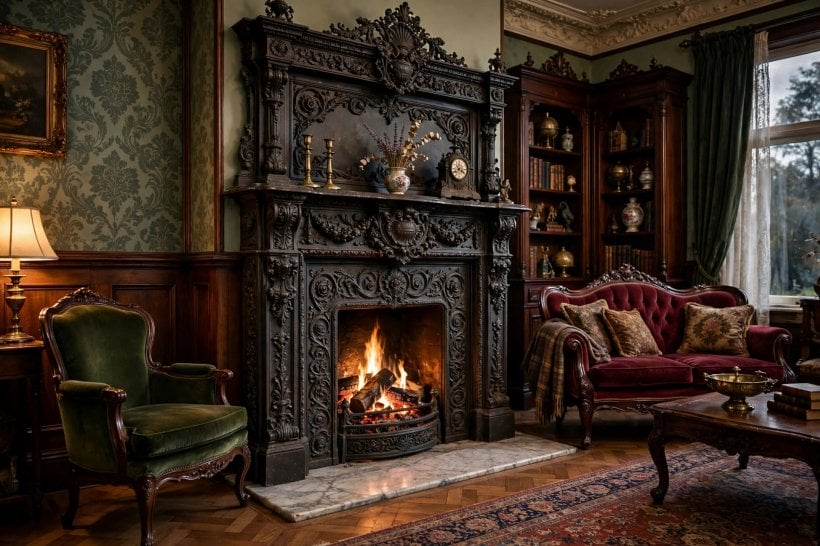
Tile is the easiest way to bring colour to a fireplace without repainting the whole room. Glossy handmade-look tiles bounce firelight, matt tiles feel calmer, and small mosaics can follow a curved or narrow surround where large slabs would need many cuts. Classic metro tiles, soft zellige-style squares, slender kit-kat tiles and patterned encaustic-look designs all work, as long as the tile and adhesive are suitable for the heat in that position. Lay the pattern out on the floor first, agree where cuts will fall, and choose a grout colour that either blends quietly or outlines each tile on purpose.
Tile also helps in small homes because the surround can stay slim. A tiled face with a narrow shelf uses little depth, leaves more floor for seating and is easy to wipe clean. Repeat a single colour from the tile in cushions or a throw, rather than matching everything exactly. If the fireplace sits in a bedroom or studio, look at small bedroom ideas for tiny houses for ways to keep one bold feature while the rest of the room stays restful. Order spare tiles from the same batch for future repairs.
7. Compact Fireplaces for Small Rooms
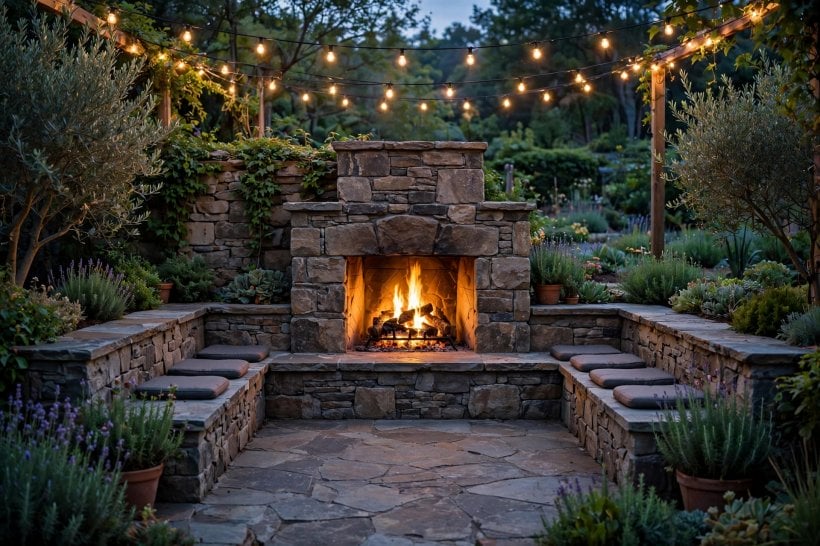
Small rooms need a fireplace that gives warmth and character without stealing the floor. A raised firebox can free the area below for log storage or a basket, a corner model can use an awkward angle, and a slim surround keeps walkways clear. Electric and bioethanol options, where suitable and correctly installed, can suit homes without a working chimney, but always follow the maker instructions for ventilation, fuel storage and clearances. In a compact scheme, choose one surround material and keep the mantel styling light, so the fire feels generous even when the footprint is modest.
Built-in joinery around a small fireplace makes every centimetre count. Low cupboards can hide board games and blankets, open niches can hold books, and a continuous hearth-level bench can double as extra seating for guests, provided it stays outside required safe distances. Light colours on the surround will help a tight room feel airy, while a darker firebox interior keeps the focus on the flames. For a softer coastal mood in a small space, these beachy interior ideas for tiny houses show how pale finishes and natural textures can stop a feature wall feeling heavy.
8. Seating, Rugs and Cosy Styling
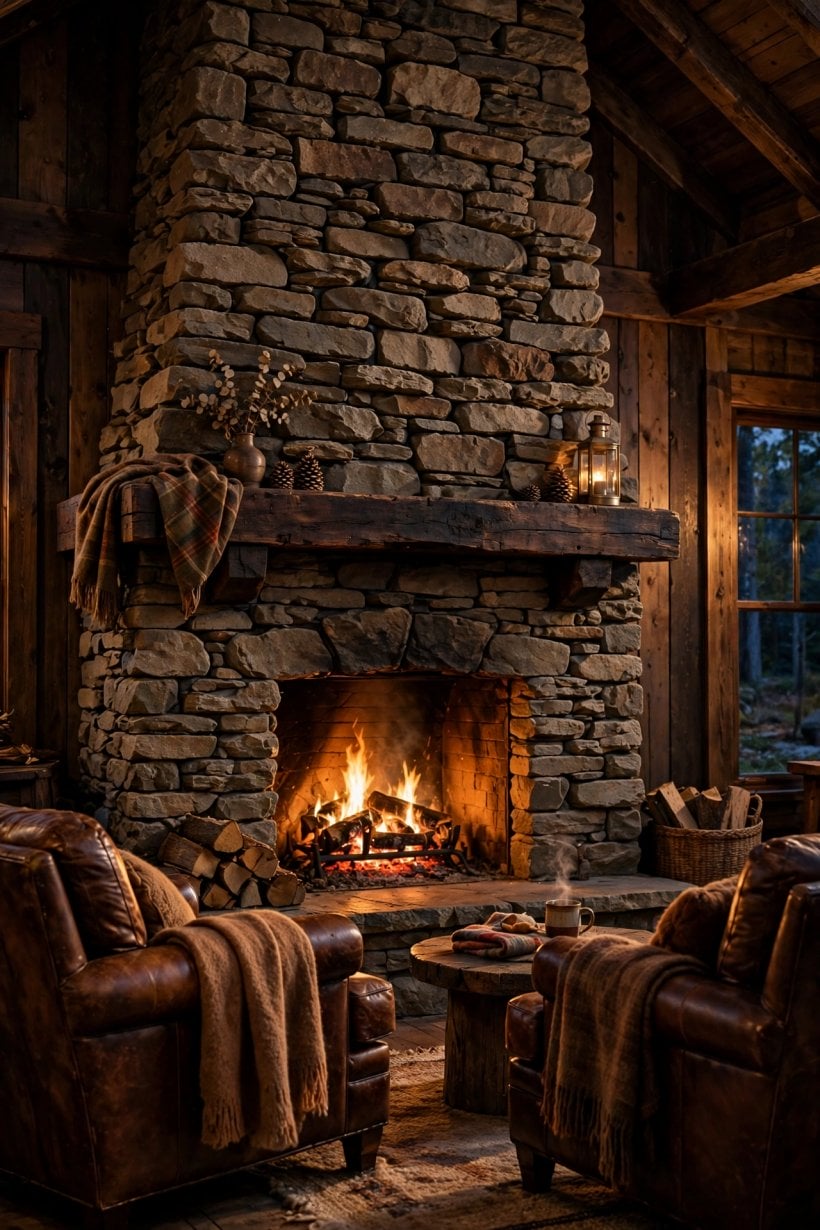
The cosiest fireplaces are planned from the chairs inward. Place the main seats close enough to feel the warmth but far enough to stay comfortable and safe, angled slightly toward each other so conversation works when the fire is not lit. A pair of small armchairs often beats one oversized sofa in a narrow room, and a movable footstool can serve as a perch, a book rest or a tray table. Layer lighting at low level with a table lamp or wall light, so evenings feel warm even before the fire is going, and keep a clear route for bringing in logs.
Textiles do the softening. A washable throw, cushions in two or three related tones and curtains that do not drift toward the hearth all add comfort without fuss. Keep the mantel edit tight: one larger piece of art or a mirror, a small stack of books and something natural such as a branch or a plant positioned safely away from heat. Fire tools, a guard where needed and a sturdy log basket are part of the styling too, so choose finishes that match the room. If your fireplace is below stairs or in a lower-ground room, these basement interior ideas for a tiny house offer useful low-light styling lessons.
9. Alcoves, Shelving and Display Around the Fire
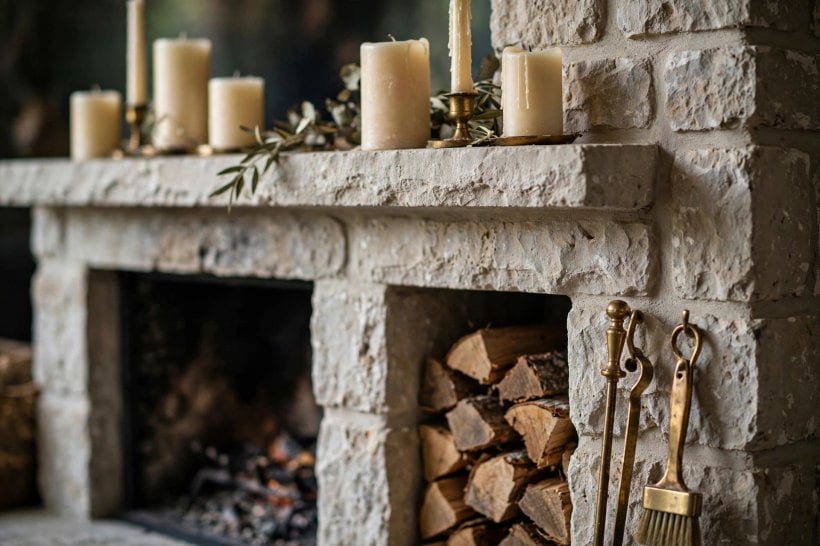
Alcoves either side of a chimney breast are a gift. Fitted shelves turn them into a library, a music corner or a display for pottery and framed prints, while closed cabinets below hide the less pretty essentials. Keep shelf heights varied enough for tall books and vases, add a small light if the alcove is deep, and paint the back a shade deeper than the walls for depth. If the room has a period feel, simple mouldings can echo the mantel; in a modern room, flat fronts and hidden handles keep attention on the fire and the objects you love most.
Balance is more important than symmetry. Matching alcoves can hold different things and still feel calm if the overall weight of colour and height is similar on both sides. Leave some shelves partly empty, group objects by tone, and repeat one accent, such as black metal or warm wood, across the two sides. Log storage can be beautiful too: a neat rectangular niche or a tall narrow basket reads as part of the architecture. For a different take on strong, simple forms around a focal point, explore this mid-century modern tiny house, where clean lines and warm timber work together without clutter.
10. Care, Safety and Finishing Touches
A beautiful fireplace still has to be safe and easy to look after. Have chimneys and flues inspected and swept as advised for your fuel type, fit and test suitable alarms, and use a guard when children, pets or a busy room make one sensible. Keep soft furnishings, paper and decorations at safe distances, store fuel tidily, and learn the correct way to light, refuel and let your particular fire cool before removing ash. If anything about the flue, ventilation or a cracked surround worries you, pause and get qualified help rather than styling over a problem.
Day-to-day care is simpler when finishes are chosen honestly. Stone and brick may need gentle brushing and occasional resealing in some cases, tile and grout benefit from prompt wiping, marble should be protected from soot and acidic cleaners, and timber should be checked for drying or movement. Photograph the finished fireplace in daylight and firelight, live with it for a week, then adjust the mantel objects and seating once. Small finishing touches, such as matching fire tools, a good brush, a heat-safe hearth rug where appropriate and a basket that fits its alcove exactly, make the whole scheme feel considered rather than decorated at the last minute.
Final Considerations
Choose the surround for the room you actually have: its size, light, period details and how your household relaxes. Let one material lead, keep the mantel edit restrained, plan seating and storage together, and never let styling compromise safe clearances or proper maintenance. A fireplace that is measured carefully, built with suitable materials and styled with a few loved objects will feel welcoming in every season, whether it is lit on a cold night or simply holding the room together on a bright morning.

0 Comments