

Well-placed pillars frame an entrance, support gates, carry lighting and give a plain drive a finished edge. These driveway column ideas focus on layouts, materials and proportions that work for narrow plots and wide frontages alike, while keeping access, visibility and everyday parking simple.
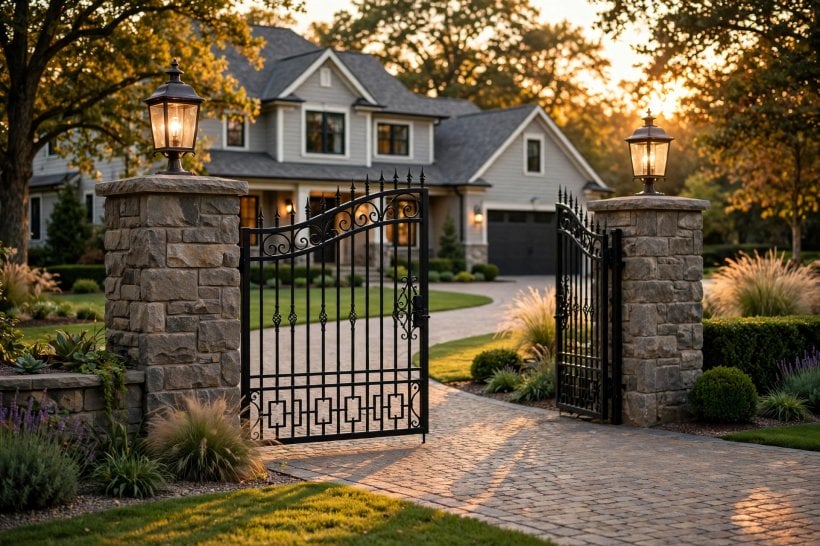
1. Plan the Entrance Layout First
Begin with movement, not decoration. Plot where cars enter, turn and park, where pedestrians walk to the front door, and where bins, deliveries and visitors need to pass. Pillars placed too close to the opening can make a comfortable drive feel tight, especially for larger vehicles, while pillars set too far apart can look lost and leave a gate span too wide to feel sturdy. Measure the opening, the drive width and the distance back from the road or pavement, and check any local rules, visibility requirements and services buried near the entrance before digging.
| Pillar Style | Best For | Watch Out For |
|---|---|---|
| Brick | Matching a brick house | Colour match and coping choice |
| Stone | Traditional and rural homes | Weight, footing and cost |
| Rendered block | Clean modern entrances | Regular repainting and marks |
| Timber posts | Relaxed, natural schemes | Rot protection and movement |
| Metal posts | Slim, contemporary gates | Finish quality and fixing |
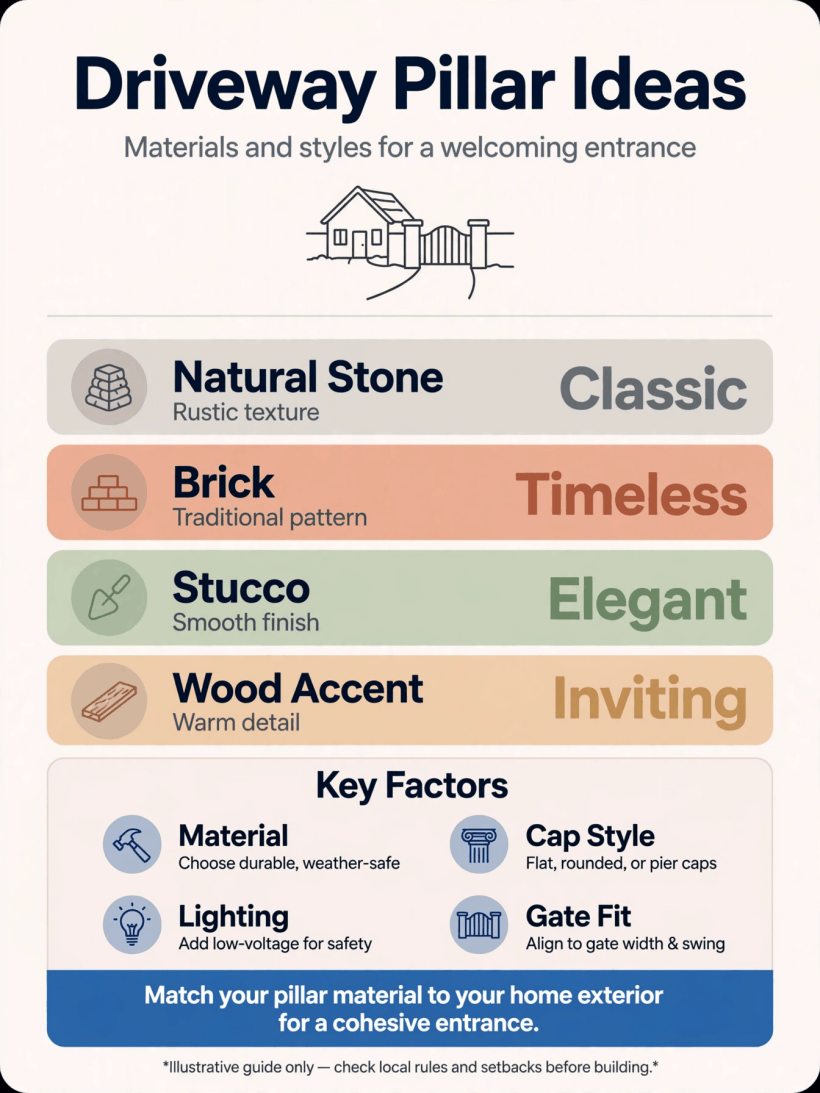
A quick comparison of pillar materials, caps and layout points to settle before work begins.
Decide early whether the pillars are purely decorative markers, structural supports for hinged gates, or hosts for lights, an intercom and a house number. Each added job changes the internal build, because cables, gate hinges and fixings are far easier to plan before the pillar is finished. If you are also rethinking the front of a compact home, browse modern interior design ideas for tiny houses for the same discipline indoors: measure first, keep circulation clear, and let one strong feature lead the scheme.
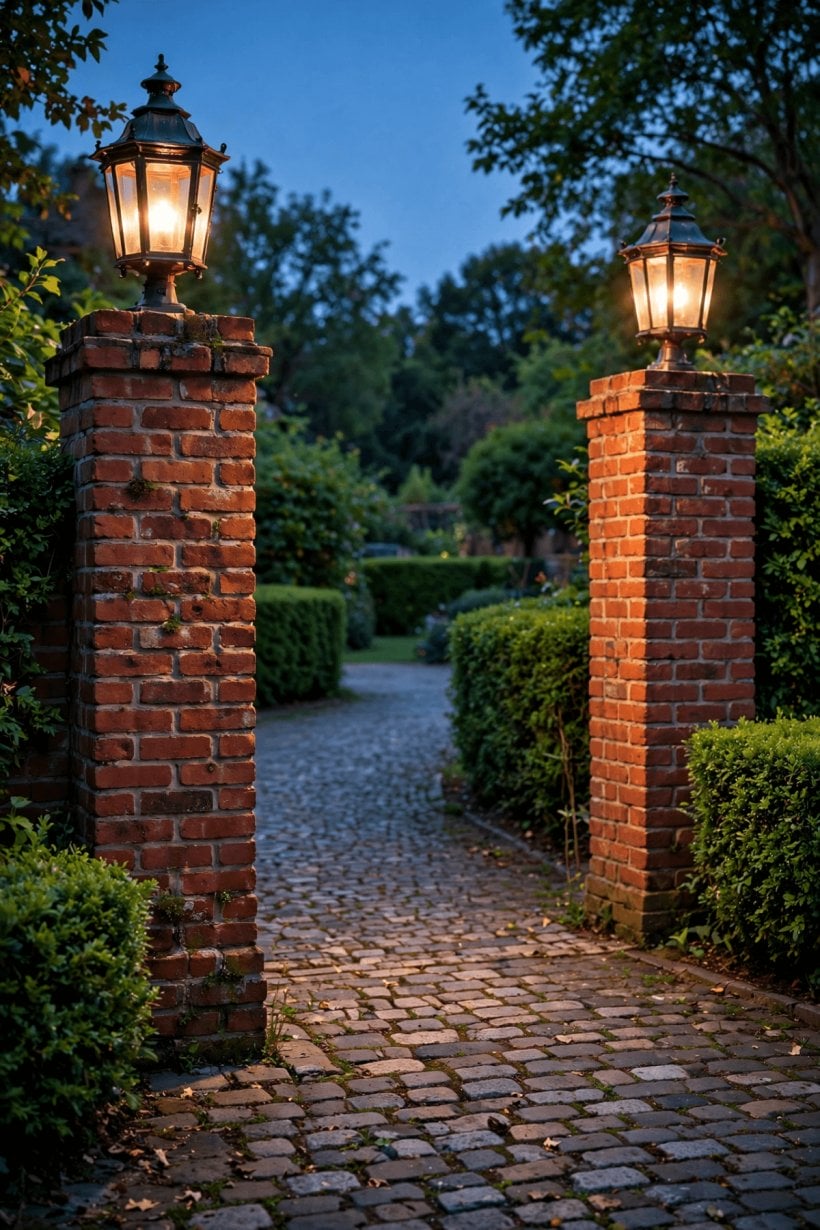
2. Brick Pillars That Match the House
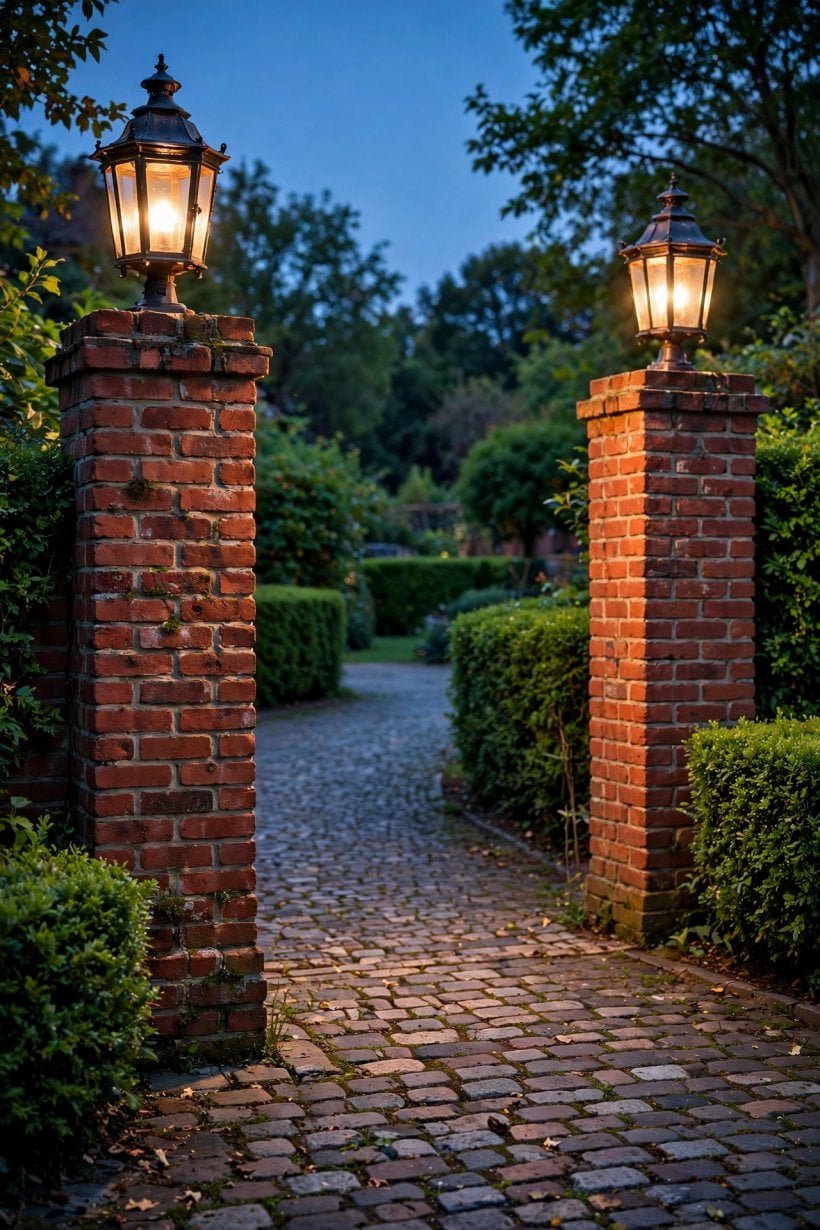
Brick is the natural choice when the house itself is brick, because the entrance can borrow the same colour family and feel like part of the original build. A close match is ideal, but a deliberate contrast can work too, such as a darker engineering brick base with a softer main brick above. Sample panels matter: bricks look different in bright sun and shade, and mortar can shift the whole tone from warm to grey. Lay a few courses beside the house wall in daylight before committing to a full pallet.
Details lift brickwork from plain to finished. A row of bricks on edge, a slightly projecting course near the top, or a contrasting cap course adds shadow and definition without decoration for its own sake. Keep the pillar width in proportion to its height and to the gate; a tall, thin stack can look unstable even when it is built correctly. Pointing should be neat and weather-appropriate, and any piers supporting heavy gates need proper foundations and, where required, reinforcement designed for the load. Ask a builder about movement joints and drainage so water is shed rather than trapped in the top courses.
3. Stone Pillars for a Timeless Entrance
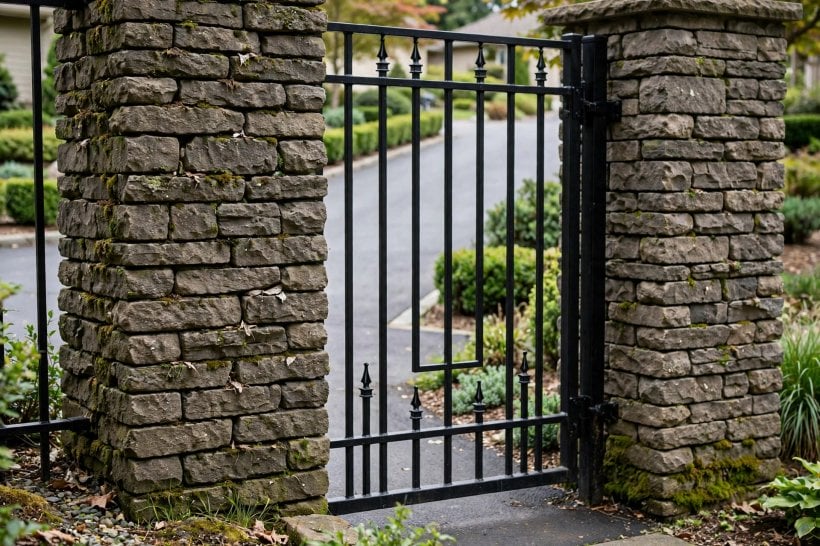
Stone pillars suit country lanes, period homes and houses already using stone in walls or landscaping. Dressed stone gives crisp, formal lines, coursed rubble feels softer and more rural, and reclaimed pieces can bring instant character. Because stone varies, agree the mix of sizes and tones before building starts, and keep the largest, squarest pieces for corners where they read best. Stone is heavy, so foundations, lifting and the time needed for careful laying all belong in the early plan rather than as surprises later.
A stone pillar looks best when the cap continues the same language. A solid stone coping with a gentle fall sheds rain and gives a satisfying weight to the top, while a simple slab can suit a more modern take. Avoid mixing too many stone types in one entrance; repeat the main stone in a low wall, an edging or a step to tie the drive together. Lighting set into or onto stone should be planned so cables are hidden and fittings sit straight. For a softer overall frontage, pair stone with planting that stays clear of sight lines and does not drop leaves across the whole drive.
4. Rendered and Painted Pillars for a Clean Look
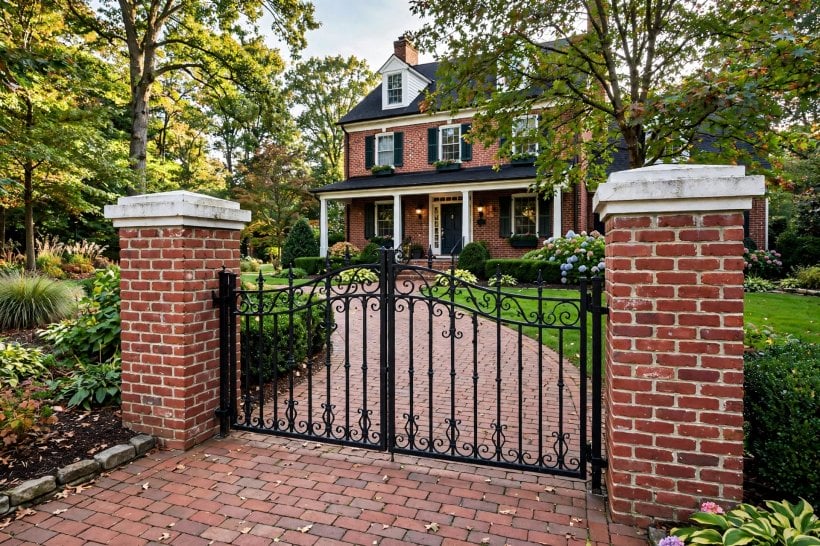
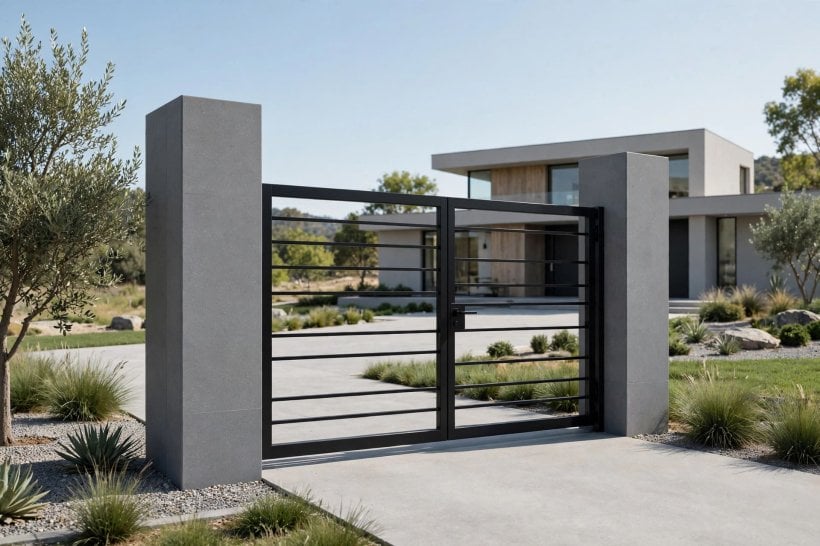
Rendered block pillars are a flexible route to a smooth, modern entrance. Blockwork is straightforward to build accurately, and render gives a flat face that can be painted to match the house, contrast with a dark gate, or sit quietly behind planting. Pale colours feel fresh and make an entrance look wider, mid tones hide splashes better, and very dark pillars can look striking with metal gates and simple lighting. Whatever the colour, the finish needs a coping that throws water clear of the face, or streaks will spoil the clean effect.
Maintenance is part of the bargain. Rendered pillars near a busy drive will pick up tyre spray, mud and the occasional scuff, so choose an exterior paint system suited to the render and keep a small amount aside for touch-ups. Hairline cracking should be investigated rather than simply painted over, as it can point to movement or water getting in. A slightly recessed plinth or a tougher material at the base can protect the most vulnerable zone. If you like calm, uncluttered schemes, these modern living room ideas for tiny houses apply the same lesson outside: simple surfaces work when proportions and finishes are right.
5. Caps, Copings and Finials That Finish the Top
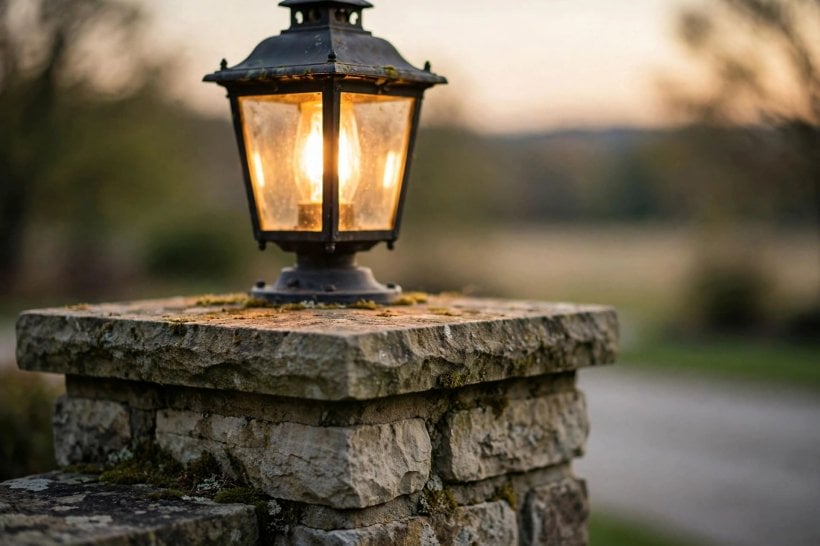
The top of a pillar is where weather and looks meet. A cap should overhang slightly, include a way for water to drip clear, and slope enough to shed rain instead of letting it pool and soak in. Flat slabs suit contemporary entrances, pyramid or apex caps feel traditional, and a ball or simple finial can add ceremony to a formal drive. Scale the cap to the pillar: too small looks mean, too large can look top-heavy and may catch wind-blown gates or passing vehicles if it projects into the opening.
Material choice for the cap matters as much as shape. Stone and cast stone are popular for their weight and crisp edges, concrete copings are widely available in standard sizes, and metal caps can echo a gate or railing. Check how the cap will be fixed and bedded, and whether a damp-proof detail is included to stop moisture rising or falling into the pillar core. If a light will sit on top, settle the exact fitting before the cap is drilled or cast, and make sure the finished height keeps the light effective without shining straight into drivers eyes. A well-chosen cap quietly protects the investment below it.
6. Gates, Hinges and Automation Readiness
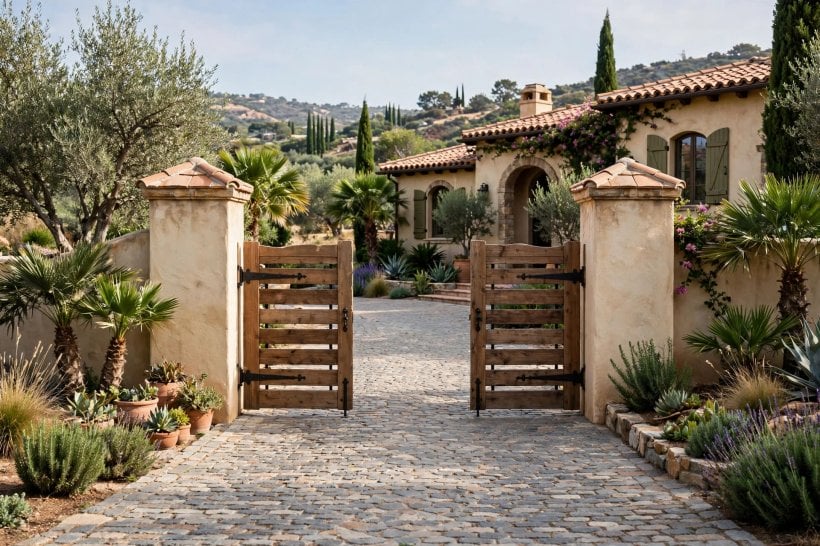
If pillars will carry gates, they are working structures, not garden ornaments. Hinge loads, wind pressure on a closed gate and the weight of timber or metal leaves all push and pull on the pillar, so the build needs suitable foundations, core strength and fixings, designed with the gate supplier involved early. Decide whether gates open inward, outward or slide, and confirm the swing does not block parking, paths or the road. Leave room for posts, stops and safety features, and think about how a pedestrian passes when the main gates are shut.
Automation is easiest when it is planned, even if it is fitted later. Ducts for power and controls, space for equipment and a sensible position for safety sensors can all be allowed for while the ground is open. Manual gates benefit from the same foresight: good hinges, a reliable latch and handles at a comfortable height make daily use pleasant. Keep a clear maintenance path so hinges can be oiled and fixings checked. For homes where the drive leads straight to a compact entrance hall, living room ideas for a tiny house show how a well-planned threshold can make a small arrival feel generous.
7. Lighting, Numbers and Smart Details
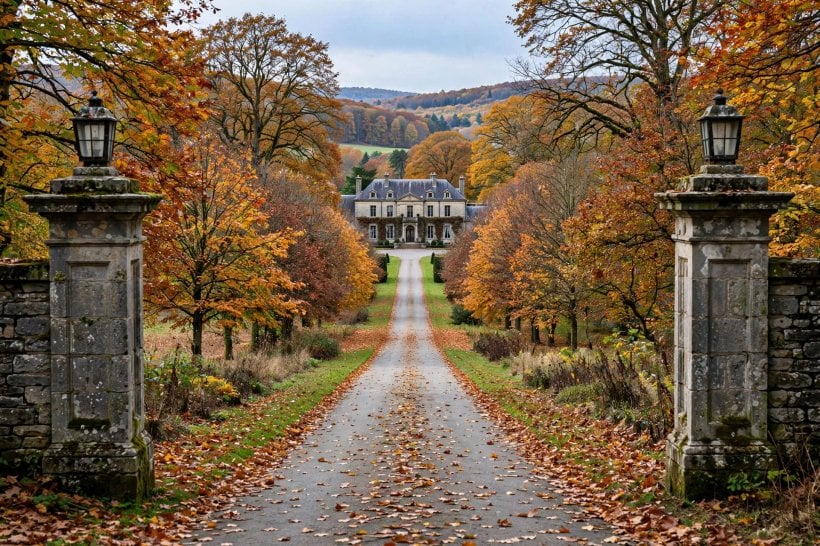
A light on or between pillars helps visitors find the entrance, makes the gate easier to use after dark and adds a welcoming glow, provided it is not so bright that it dazzles. Choose fittings rated for outdoor use, position them to light the opening and house number rather than the road, and consider a timer, sensor or smart control so lights are on when needed. Warm light usually flatters brick and stone, while cooler light can suit grey render and black metal. Plan cable routes before surfaces are finished, and use a qualified electrician for mains work.
House numbers and name plates deserve the same care as the pillars themselves. Large, clear characters in a contrasting finish are easier for deliveries and emergency services to read, and a plate fixed straight at a sensible height looks instantly more professional. Intercoms, parcel boxes and key safes can sometimes be integrated into a pillar, but only if the build allows weatherproof housings and future access for repairs. Avoid cluttering both pillars with competing gadgets; keep one side as the information side. Small details, done once and done neatly, are what make an entrance feel considered every single day.
8. Colours That Work With Gates and Planting
Colour links the pillars to everything around them: the house walls, the gate, the drive surface, fences and planting. A safe approach is to repeat one existing tone, such as the house brick or window colour, then let the gate provide the contrast. Black gates with pale pillars feel classic, timber gates with stone pillars feel warm, and a single colour for pillars and gate can look calm and modern. Test paint colours outside on a board and view them in morning and evening light, against the actual drive surface, before deciding.
Planting softens hard entrance lines, but it should frame rather than hide the pillars. Low, tidy planting at the base, a pair of simple pots or a clipped shrub can add life without blocking lights, numbers or gate swing. Choose plants that will not quickly outgrow the space, drop slippery leaves across the drive or push roots against foundations. Evergreen structure helps an entrance look good in winter, when pillars are most visible. If you enjoy gentle, natural colour palettes, these beachy interior ideas for tiny houses use the same soft, layered approach that works so well at a relaxed front entrance.
9. Costs, Quotes and Where Money Is Well Spent
Costs vary widely with size, material, foundations, gate weight, lighting and ground conditions, so treat any single figure with caution and compare like-for-like written quotes. A quote should spell out excavation and footing depth, pillar construction, coping, pointing or render finish, cable ducts, making good of the drive surface and disposal of spoil. The cheapest quote can become expensive if these items are missing. As a general framing, simple block-and-render pillars usually sit at the lower end, brick in the middle, and carefully built natural stone or gate-carrying pillars with automation at the higher end.
Spend first on what cannot be seen: foundations, structure and drainage. A beautiful cap on a weak pillar is money wasted, while sound footings let you upgrade gates or lights later. Keep a contingency for hidden problems such as soft ground or unmapped services, and agree stage payments rather than paying everything up front. Ask how long curing and finishing will take so the drive is not blocked longer than expected. For budgeting habits that apply across a small home project, see these basement interior ideas for a tiny house, where sequencing and moisture checks matter as much as finishes.
10. Building, Checks and Long-Term Care
Good pillars start below ground. The builder should set out the opening accurately, dig to suitable ground, and keep the pillars plumb and level with each other as the work rises, checking heights and cap levels across the pair rather than one at a time. Protect fresh work from heavy rain and frost as advised, allow mortar or render to cure properly before hanging gates, and keep vehicles well clear until the structure is ready. Photograph cable ducts and foundations before they are covered; those pictures are gold when you later fit lights or automation.
Once finished, a short yearly check keeps pillars looking smart. Look for cracked pointing, loose caps, render damage, rust marks from fixings and any lean or movement, and deal with small issues before water gets in. Wash splashes off painted finishes, keep planting trimmed back from lights and numbers, and oil gate hinges as recommended. If a vehicle clips a pillar, check for hidden damage rather than only cosmetic marks. Well-built entrance pillars need little attention, but the little they need, done promptly, protects the whole entrance for years.
Final Considerations
Choose pillars that fit the opening, the house and the way your household actually arrives home. Put structure, visibility and gate movement before decoration, pick a material you can maintain, and finish the top properly so weather works with you, not against you. Whether you build in brick, stone, render or timber, a pair of well-proportioned pillars with a good cap, clear number and warm light will make the plainest drive feel like a proper entrance.

0 Comments