
Stone walls softened by climbing roses. Shutters the colour of a summer sky. A french country house wins its charm slowly, through dozens of small, well-judged details rather than one grand gesture, and almost all of them can be borrowed.
These 75 ideas break the look down into facades, roofs, colours and gardens, so you can steal one element this season and add another next year.
The Look as a Whole: What Makes It Feel French
Strip the style back and three qualities repeat everywhere: natural materials that weather gracefully, proportions that feel generous but never grand, and colour borrowed from the landscape around the house — lavender fields, limestone, olive leaves, wheat and dusty blue skies. A french country house rarely looks newly finished; it looks settled, as if the garden and the walls have been having the same conversation for decades. That settled feeling, not any single feature, is what you are really copying.
Start by looking at your own home honestly. Note its roof pitch, its wall material and the direction of its best light, then choose the ideas below that flatter what already exists. Authenticity in this style comes from restraint: two or three repeated materials, one shutter colour used consistently, and planting that suits your actual soil and climate rather than a photograph. If you are shaping the grounds too, these tiny house landscaping ideas translate surprisingly well to larger plots.
| Element | At a Glance |
|---|---|
| Walls | Stone, lime render or warm brick, left matte and slightly imperfect |
| Roof | Steep pitch with clay tiles, slate or weathered shingles, plus a chimney that shows |
| Colour | Soft whites and stone tones outside; dusty blue, sage and lavender accents |
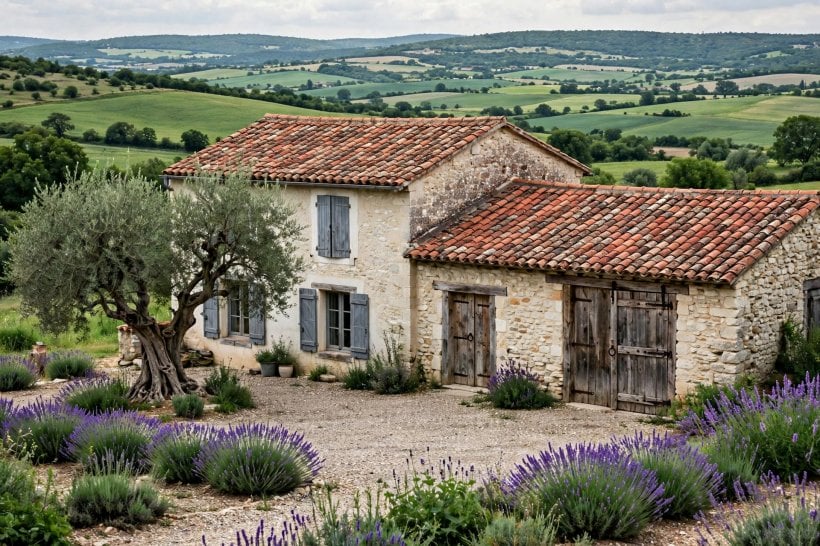
| Windows | Tall, paired and shuttered, with small panes rather than single sheets of glass |
| Garden | Gravel, lavender, roses, olives or lookalikes, and a place to sit in the shade |
| Best first step | Pick one shutter colour and one wall finish, then repeat them without exception |
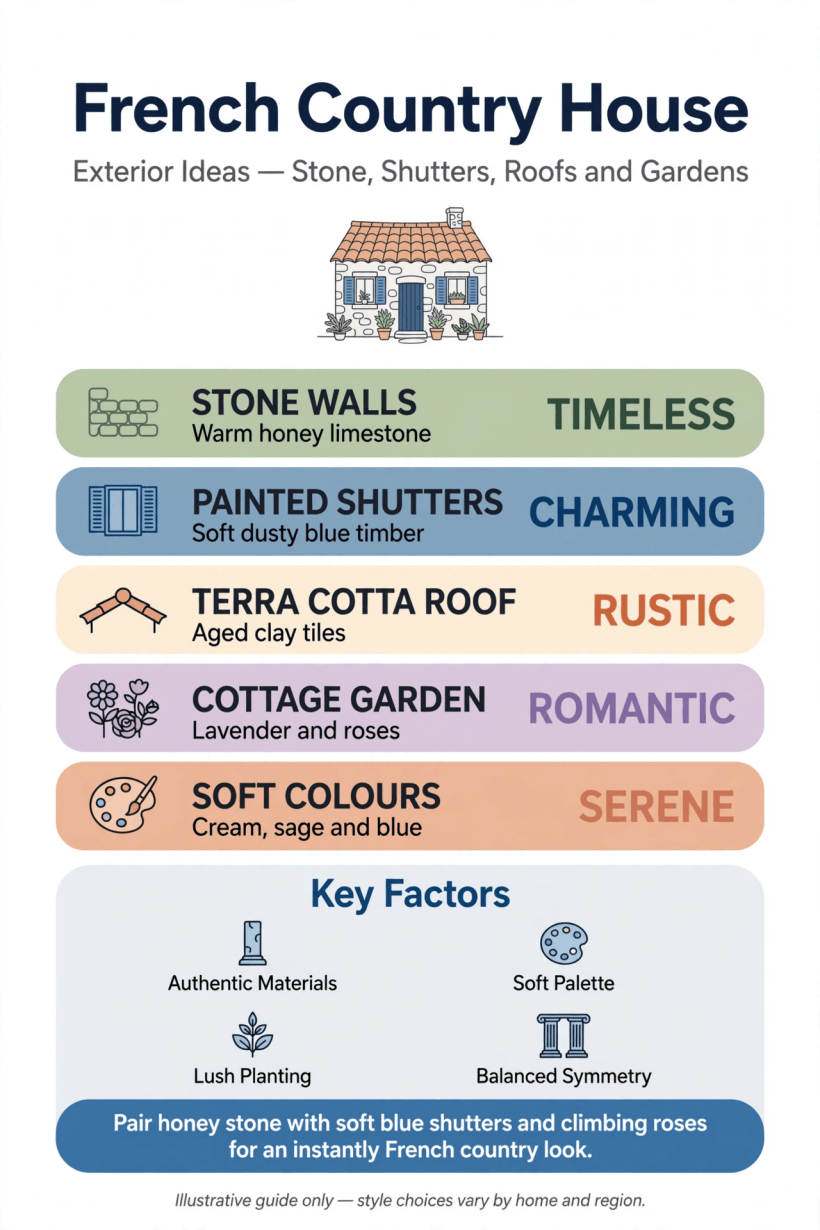
A visual checklist of the facades, roofs, colours and garden details that build the look, layer by layer.
Work from the biggest surfaces inwards. Walls and roof set the character from the street; shutters, doors and ironwork refine it; and the garden finishes the picture by softening every hard edge. The sections below follow that order, so you can stop wherever your budget pauses and still end up with a coherent result rather than a collection of unrelated pretty things.
Facades and Wall Finishes
The facade does most of the talking. These ideas focus on honest materials, gentle texture and the slightly irregular finish that makes a wall feel hand-made rather than machine-perfect.
1. Limewashed walls. A breathable limewash over brick or render gives that chalky, sun-bleached finish, with subtle movement in the colour that flat modern paint rarely achieves.
2. Exposed stone, partially rendered. Leaving stone bare around corners and openings while rendering the rest is a classic rural compromise that shows off masonry without overwhelming the elevation.
3. Warm-toned render. If stone is not an option, a render tinted with sand, ochre or pale terracotta warms a plain facade far more kindly than bright white.
4. Timber lintels. chunky wooden lintels above windows and doors add the hand-built note that provincial farm buildings wear so well, especially left unpainted to silver gently.
5. Slightly irregular pointing. Mortar joints that are not laser-straight suit older-style walls; the charm of the look lives in small imperfections rather than crisp perfection.
6. Climbing plants on wires. Train a rose, jasmine or grapevine across discreet wires so greenery softens the facade without roots prising at the mortar joints.
7. A rendered plinth. A slightly darker band at the base of the walls grounds the building visually and hides the splash marks that rain leaves on pale finishes.
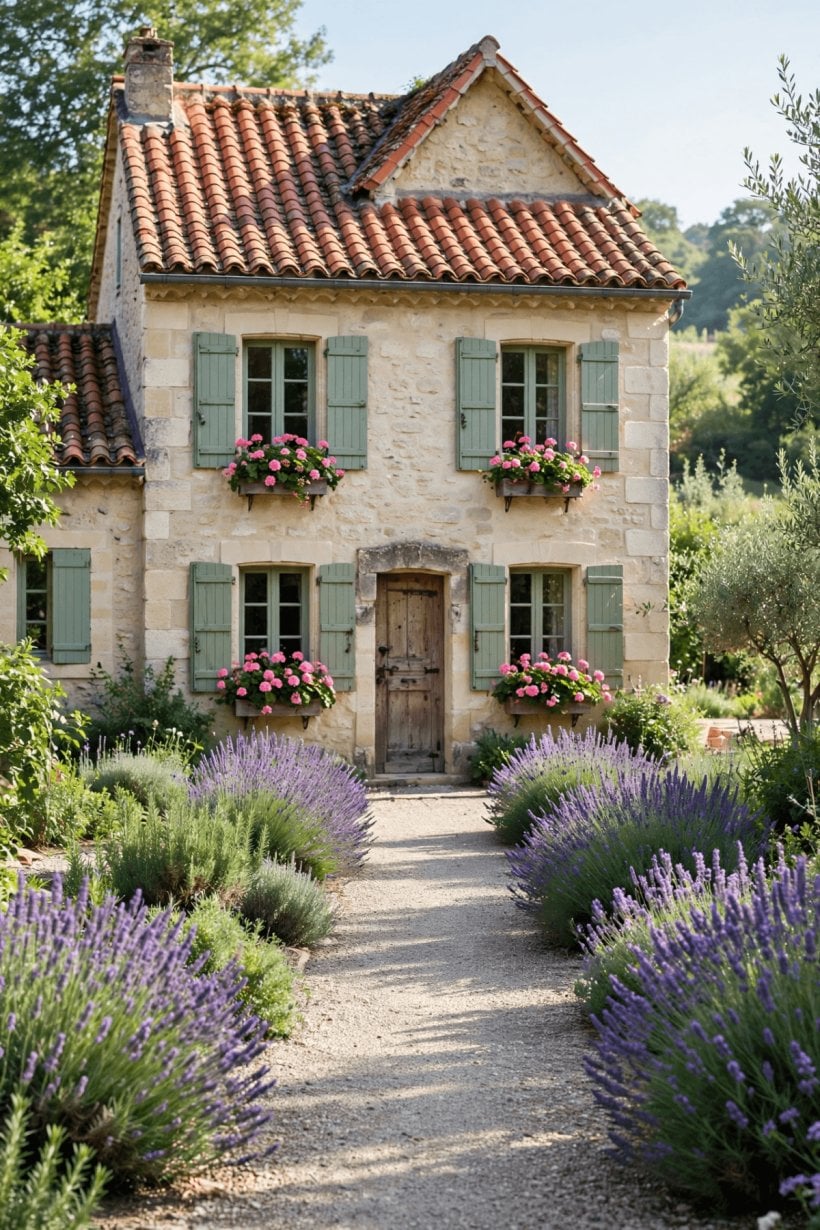
8. Mixed masonry. Combining stone with a little brick or tile in repairs and extensions mirrors how real farm buildings evolved over generations of patching.
Roofs, Dormers and Chimneys
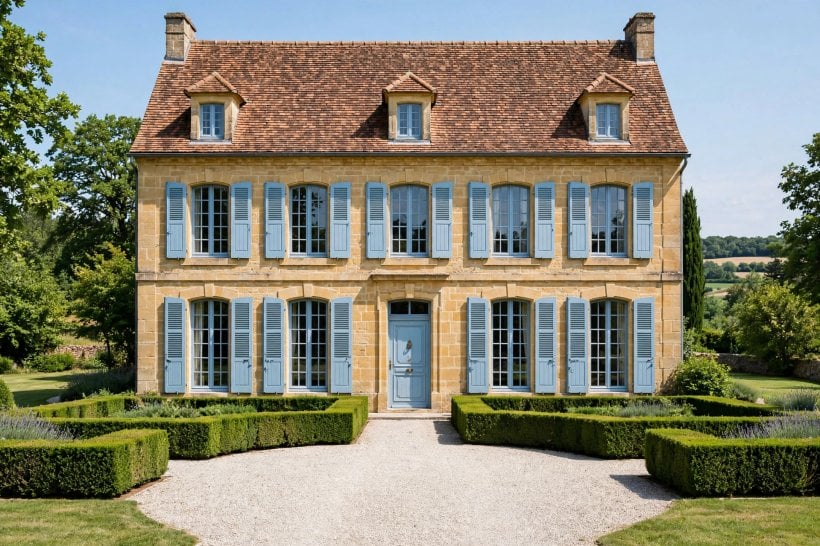
Roofs carry the silhouette, so their pitch, material and details matter from a long way off — the same silhouette thinking behind these tiny house building design ideas, simply at a different scale.
9. Steep, simple pitches. A strong, uncomplicated roof slope reads instantly as rural French; keep hips and valleys few so the shape stays calm from the street.
10. Clay tiles in mixed tones. Barrel or flat clay tiles in varied terracotta shades give the mottled, sun-cooked surface that uniform new tiles take decades to earn.
11. Weathered shingles as an alternative. Where clay tile is impractical, timber or composite shingles in driftwood greys and browns can suggest the same age and softness.
12. Eyebrow dormers. A gentle wave in the roofline over an upper window adds storybook softness and brings light into attic rooms without a boxy dormer.
13. Paired cottage dormers. Two small, matching dormers with tiny shutters look deliberate and balanced, echoing the paired windows on the floors below them.
14. A chimney that shows. Stone or rendered chimneys with a simple clay pot are part of the outline; hiding or shrinking them weakens the whole composition.
15. Deep eaves with exposed rafters. Visible rafter tails under generous eaves cast the shifting shadow lines that make plain walls interesting through the day.
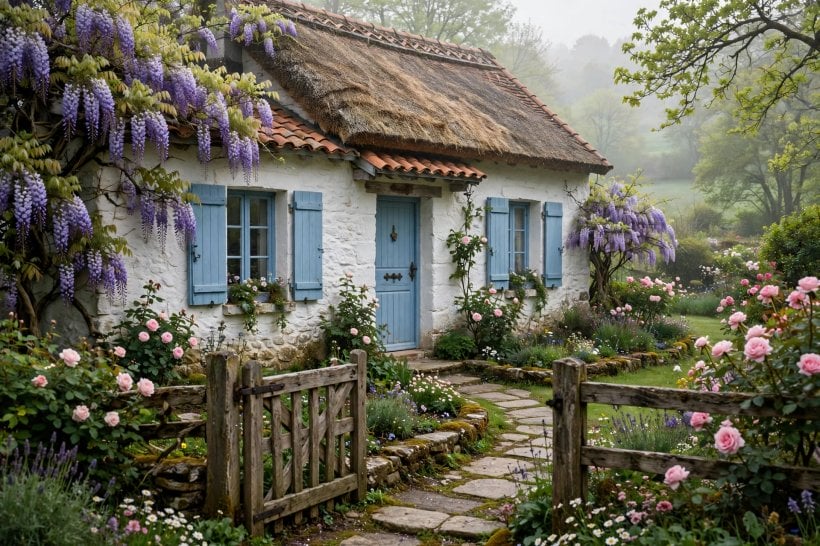
16. Moss tolerated, damage not. A whisper of moss on a north slope suits the aesthetic, but lift and replace cracked tiles promptly so romance never becomes a leak.
Windows, Shutters and Doors
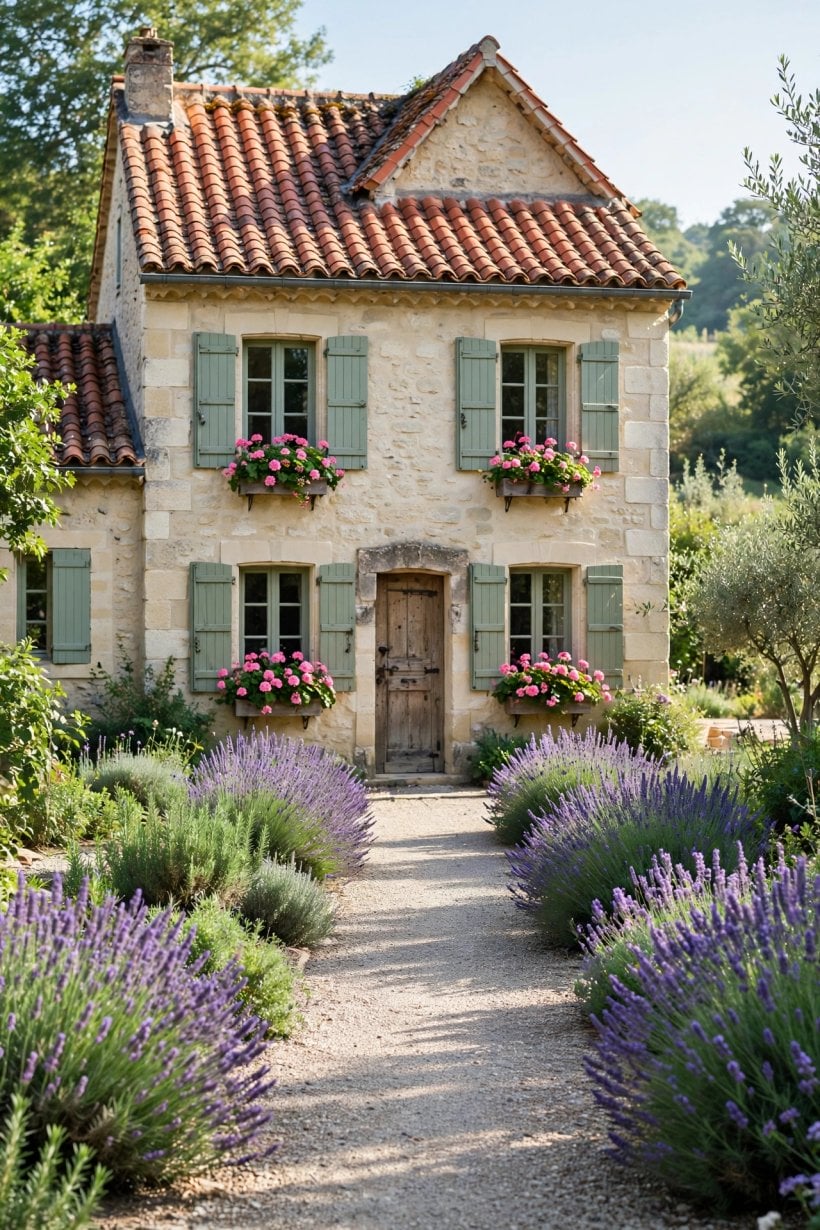
Openings are where the style smiles. Tall proportions, real shutters and a confident door colour carry the effect even on a very ordinary house underneath.
17. Tall, narrow windows. Vertical proportions feel instantly more French than wide picture windows; where frames are being replaced anyway, choose height over width every time.
18. Small panes and glazing bars. Divided lights break reflections into a gentle sparkle and suit both cottage and farmhouse elevations far better than single glass sheets.
19. Working board shutters. Solid timber shutters that actually close, hung on visible iron hinges, bring authenticity that screwed-on decorative panels can never quite fake.
20. Louvred shutters for hot rooms. Slatted upper sections let air move on summer nights while still shading the glass, a practical detail borrowed from southern farmhouses.
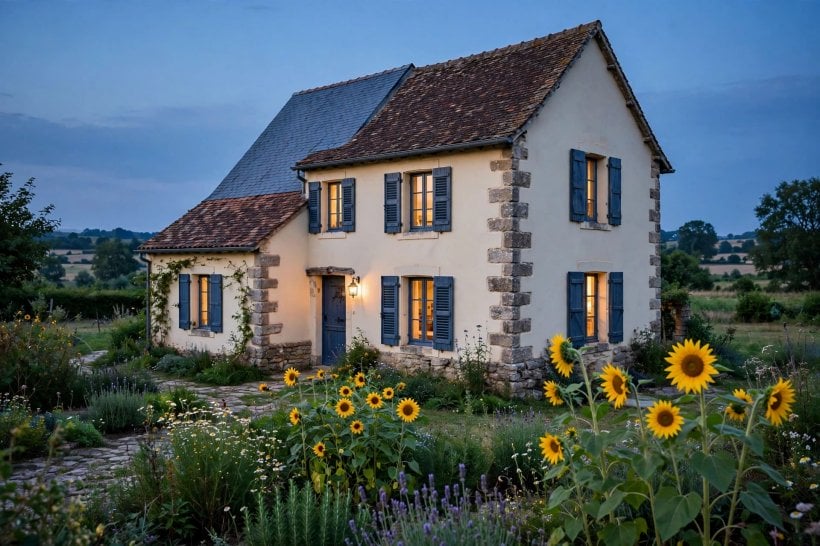
21. One shutter colour, everywhere. Repeat a single shade — dusty blue, sage, lavender-grey — on every opening; consistency is what turns paint into a design signature.
22. Arched or segmental door heads. A shallow arch over the front door softens the entrance and pairs beautifully with a lantern and a worn stone step.
23. A door with presence. Solid timber, iron studs or a spearhead handle give the entrance weight; a stable-style split door adds working-farm charm where it suits.
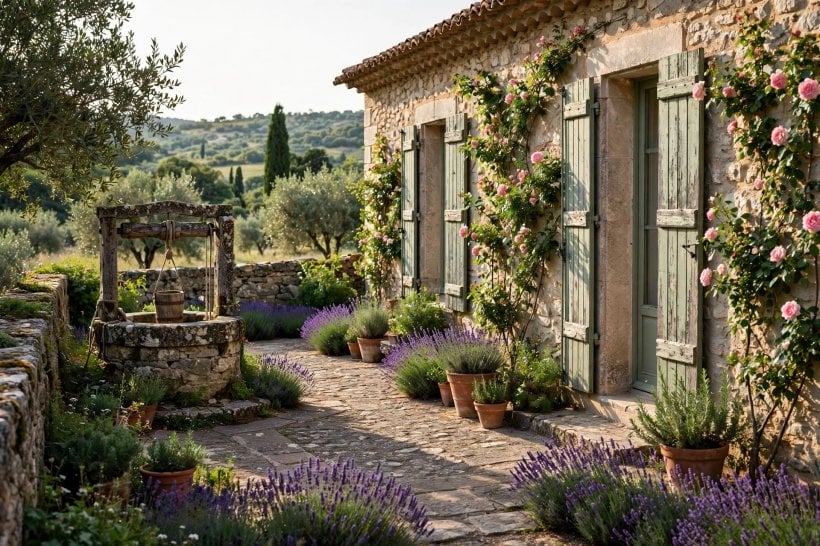
24. Window boxes in season. Geraniums, trailing herbs or winter pansies in simple timber or iron boxes connect the windows to the garden in one easy gesture.
Colour Palettes That Feel Sun-Worn
Colour in this style is always a little faded, as if the sun has had a quiet word with it. Test shades beside the tiny house interior paint colours you already love, and judge them outdoors at noon and dusk before deciding.
25. Limestone and chalk walls. Warm off-whites with a hint of sand form the safest base, flattering stone, timber and greenery without ever looking stark or clinical.
26. Dusty blue accents. The classic shutter blue — greyed, never royal — pairs with limestone walls and terracotta roofs in the combination most people picture first.
27. Sage and olive greens. Muted greens blur the line between house and garden, suiting shutters, doors and garden furniture on leafy or rural plots.
28. Lavender-grey for shade sides. On north-facing walls, a grey with a violet breath keeps shaded elevations interesting instead of merely cold and flat.
29. Terracotta and clay trims. Pots, roof tiles and a painted bench in baked-earth tones warm up pale schemes and echo the colours of tiled roofs.
30. Ochre and wheat yellows. Used sparingly on a door or render band, golden ochre recalls harvest fields and Provençal village walls in strong summer light.
31. Charcoal, used like eyeliner. A touch of near-black on ironwork, lanterns and window frames sharpens soft colours and stops the palette drifting into pastel fussiness.
32. Faded, never matching. Let painted pieces weather at their own pace; identical fresh paint on every item looks staged, while gentle variation looks lived-in.
Porches, Terraces and Courtyards
Outdoor rooms are not extras in this style; they are where the house spends its summer. Borrow freely from tiny house decorating ideas for styling these spaces once the structure is set.
33. A gravel courtyard. Loose gravel over a firm base gives the unmistakable crunch underfoot, drains freely and softens the geometry of walls and parked cars alike.
34. Pergola with vines. A simple timber pergola carrying a grapevine or wisteria creates dappled shade for long lunches and cools the rooms behind it.
35. A lean-to veranda. Even a narrow roofed strip along the sunny wall creates the sheltered threshold where boots, baskets and morning coffee naturally gather.
36. Stone or terracotta terrace tiles. Large, matte tiles in earthy tones extend interior colours outdoors and stay cooler underfoot than dark slabs in high summer.
37. An outdoor fireplace or bread oven shape. Where local rules allow, a simple rendered hearth shape anchors a terrace; even unlit, it gives the garden a hearth-like focal point.
38. Shutters as garden screens. Retired shutters hinged together make movable screens for bins, bikes or a sheltered herb corner, keeping the style consistent outdoors.
39. A bench by the door. A weathered bench with cushions and a hook rail above it turns the entrance into a pause point rather than a corridor.
40. Lanterns instead of floodlights. Warm lantern-style fittings at doors and along paths keep evenings golden; harsh white security lighting undoes the mood in seconds.
Gardens, Paths and Planting
The garden should look abundant but never fussy — more orchard and kitchen garden than show border. These planting ideas suit most climates with sensible substitutions.
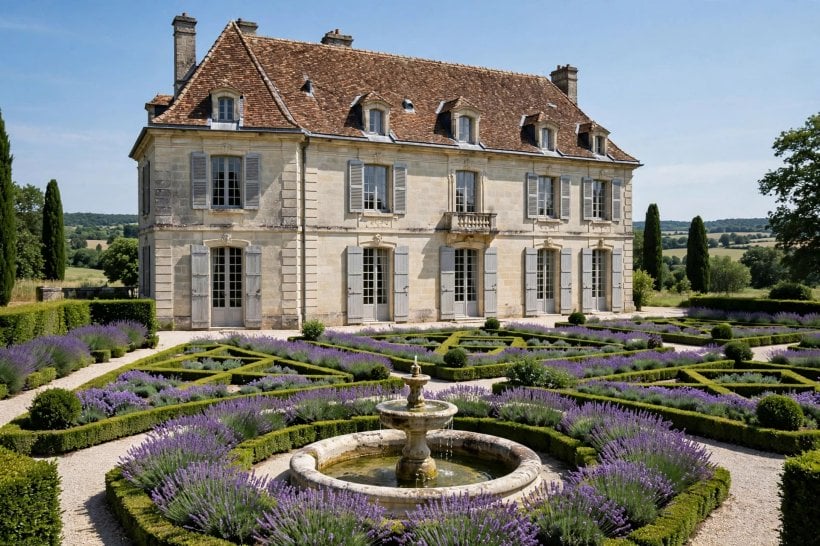
41. Lavender along the path. A loose lavender hedge edging the front path releases scent as visitors brush past and defines the route without a fence.
42. Roses that ramble. One generous climbing rose over the door or along a fence does more for the picture than a dozen neatly pruned hybrid teas.
43. A small potager corner. Herbs, salad leaves and a few tomato vines in tidy beds near the kitchen door bring the working kitchen-garden spirit home.
44. Olive lookalikes for cold climates. Where olives sulk, silvery substitutes such as Russian olive relatives, lavender shrubs or grey-leafed perennials give the same Mediterranean shimmer.
45. Fruit trees trained flat. Espaliered apples or pears against a sunny wall save space, decorate the masonry and turn a boundary into a harvest.
46. Gravel paths with stone edging. Informal paths edged with local stone or old brick wander better than straight concrete and suit the relaxed geometry of the style.
47. A simple fountain or stone trough. The sound of a small water feature cools a courtyard psychologically on hot days; an old trough with a tap achieves it simply.
48. Wild corners allowed. Leaving one patch of longer grass and self-seeded flowers keeps the garden honest and feeds pollinators between the tidier beds.
Interior Echoes: Bringing the Style Indoors
The prettiest exteriors deserve interiors that continue the sentence. Take cues from this tiny barn house interior ideas tour, which shares the same love of beams, limewash and worn timber.
49. Limewashed interior walls. Carrying the chalky finish indoors unifies inside and out, and its soft texture flatters both antique and plain modern furniture.
50. Beams left honest. Exposed ceiling beams in natural or lightly limed timber give rooms their structure; painting them glossy white usually flattens the effect.
51. A farmhouse table that seats everyone. One long, scrubbed-top table is the social engine of the style; benches on one side keep it feeling relaxed and farmhouse-true.
52. Linen, ticking and grain-sack stripes. Natural fabrics in faded stripes and checks layer the textiles; avoid shiny finishes, which fight the matte mood of the rooms.
53. Open kitchen shelving. Stacked stoneware, glass jars and copper pans on open shelves replace wall cabinets and give the kitchen its gathered, working character.
54. Stone or brick around the hearth. A simple surround in the same material as the facade ties the living room back to the architecture of the house itself.
55. Painted furniture, mixed woods. A painted armoire beside an old pine chest is the correct mixture; matching suites of furniture belong to a different style entirely.
56. Baskets everywhere. Log baskets, market baskets and bread baskets corral clutter beautifully and add the woven texture these rooms rely on.
Details: Ironwork, Lighting and Hardware
Small metal and ceramic details are the jewellery of the style. Chosen consistently, they make even simple buildings look considered from the kerb.
57. Hand-forged-look ironwork. Hinges, latches and curtain poles with a hammered, matte black finish look right on shutters, doors and garden gates alike.
58. A bell or knocker with character. One characterful piece of door furniture gives callers something to remember and costs little compared with its daily visibility.
59. Enamel house numbers. Classic white-on-blue or black-on-cream enamel plaques are a tiny purchase that signals the whole aesthetic before the door opens.
60. Terracotta and zinc planters. Weathered terracotta pots and dull zinc buckets suit the palette far better than glossy coloured plastic ever will.
61. Lantern pendants indoors. Repeating the outdoor lantern shape inside — over the table or in the hall — quietly links the two worlds.
62. Wooden peg rails. A simple peg rail by the door or in the kitchen holds hats, aprons and baskets in the unstudied way the style loves.
63. Rope and timber stair details. Where stairs allow, a rope handrail or chunky newel keeps upper floors consistent with the rustic mood below.
64. Ceramic and wooden knobs. Swapping standard cupboard knobs for painted ceramic or turned wood is an afternoon job with an outsized effect.
65. A weather vane or finial. One silhouette on the roofline — a cockerel, an arrow, a simple ball — finishes the outline the way a full stop ends a sentence.
Adapting the Style to Other Regions and Budgets
You do not need a Provençal postcode or a farmhouse budget to use these ideas well. Adaptation is about choosing the transferable principles — natural texture, faded colour, planted softness — and applying them honestly to your own house.
66. Suburban semi, French accents. Shutters in one dusty colour, window boxes and a gravel front garden transform an ordinary facade without touching its structure at all.
67. Brick house, limewash trial. Test limewash or mineral paint on the least-seen elevation first; on brick it can deliver the soft, chalky look in a single weekend.
68. Rental-friendly versions. Freestanding pergolas, pots of lavender and removable window boxes bring the mood to homes where permanent changes are not allowed.
69. Prioritise the front path. If money is tight, spend it where every visitor walks: path, door colour, lantern and two generous pots beat scattered small purchases.
70. Buy once in natural materials. Timber, stone and metal cost more up front but weather into the look, while plastic imitations usually weather out of it. Readers comparing routes into a home of their own may enjoy this tiny houses for sale and rent buyer’s guide.
71. Source secondhand. Shutters, benches, pots and lanterns are plentiful secondhand, and pre-worn pieces skip the awkward brand-new phase entirely.
72. Mock it up digitally first. Before committing to colours, try them on a photo of your own facade; tools that let you design your tiny house online work just as well for testing a full-size elevation.
73. Respect the neighbours’ palette. The style sits happily beside most houses, but echoing one local material — brick tone, roof colour — keeps your home courteous in its street.
74. Check before you climb. Anything involving roofs, render systems or structural openings deserves professional advice and, where required, local permission; charm should never outrun safety.
75. Let it evolve. Add one layer per season — shutters this spring, planting next — and the house will gather the settled, unhurried character that defines the style.
Final Considerations
The heart of this look is not a shopping list but a temperament: natural materials, faded colour, useful beauty and a garden that is allowed to lean in. Choose fewer, better elements, repeat them with discipline, and let weather and time do part of the decorating for you. A home treated this way rarely dates, because it was never chasing fashion in the first place.
Start where the impact is greatest for the effort involved — usually the front door colour, one set of shutters and the path planting — and live with each change before adding the next. That patience is, in the end, the most French detail of all.


0 Comments