

When the wildfires swept through Los Angeles, Melissa Rivers lost her home to the flames. What she chose to do next is why this story matters: instead of retreating into private grief, she spoke up — for her neighbours, for her city, and for everyone facing the same loss. Her message was simple, and it carried: take care of one another.
Melissa Rivers Calls for Unity in LA: At a Glance
Melissa Rivers calls for unity in LA in the most direct way a person in her position can: by living her own loss in public and pointing, again and again, at the people around her. The television personality lost her home in the wildfires that swept through Los Angeles. Her response, shared on social media and in conversation with CNN’s John Vause, was not a complaint but an instruction — “take care of one another” — backed by a family mantra about walking through hard times and a clear-eyed gratitude for the insurance and resources she knows are not given to everyone. This report walks through what she lost, what she said, what she saved, and why her message of solidarity has resonated with so many of her fellow residents in the aftermath.
| Facet | What Happened | The Detail That Matters |
|---|---|---|
| The Loss | Her home was lost to the flames | One of many residents facing the same aftermath |
| The Message | She spoke out on social media | “Take care of one another” |
| The Mantra | A family quote, shared in conversation with CNN | “When you find yourself in hell, keep walking” |
| The Stance | She chose to move forward rather than dwell on her loss | “Right now it’s just about going forward” |
| The Saved | Cherished mementos rescued before evacuating | Her mother’s Emmy award and a photograph of her father |
| The Gratitude | Thanks for adequate insurance and resources | A reminder that preparation and support systems matter |
| The Call | Unity and compassion among neighbours | The spirit she believes will pave the way for recovery |
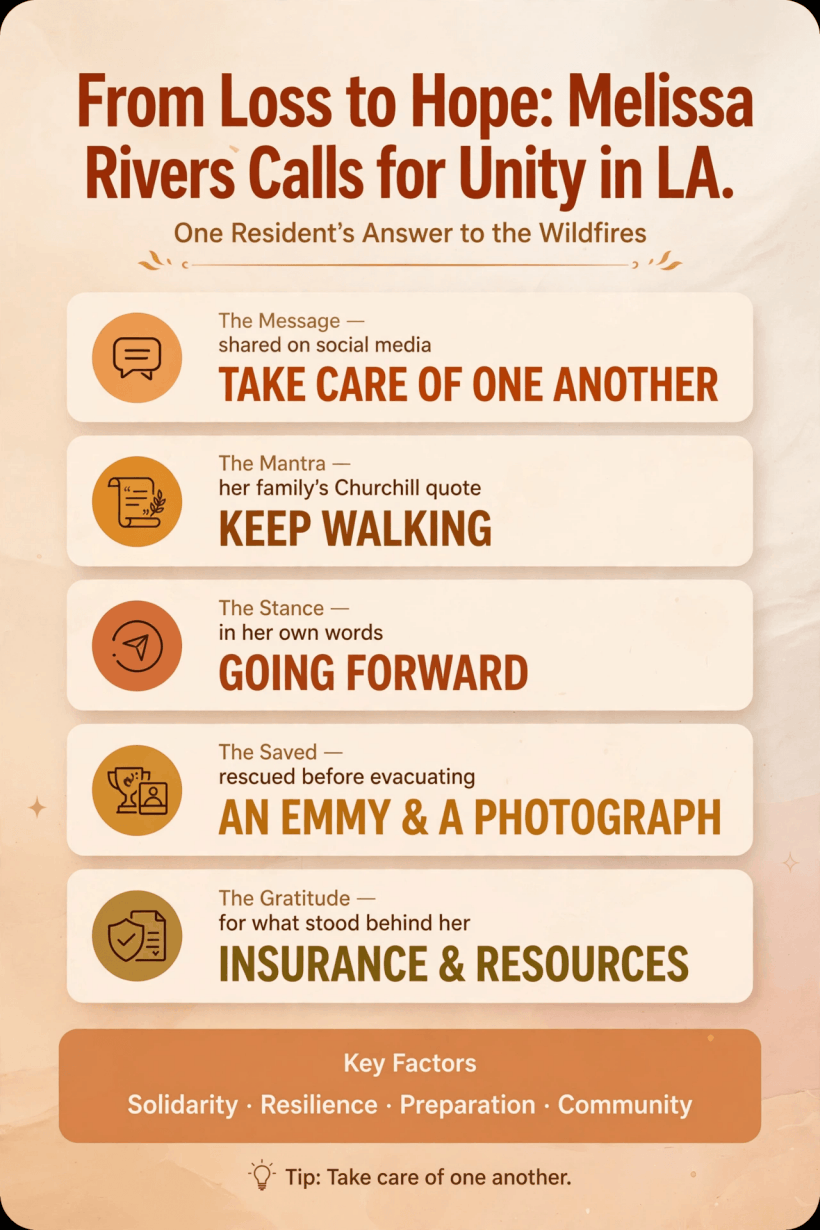
Her response at a glance: a home lost, the words she reached for, the keepsakes she saved — and a call for neighbours to carry one another through the recovery.
1. The Loss: A Home Taken by the Flames
Start with the fact everything else in this story stands on: in the wake of the devastating wildfires that swept through Los Angeles, Melissa Rivers lost her home to the flames. She is one resident among many facing that same aftermath, and the original reporting of her story never lets that context go — her loss is personal, and it is also shared, street by street, by a city full of people doing the same arithmetic of what is gone.
A home is never only a building. It is the setting of ordinary life: the rooms where routines happen without thinking, the shelves where a family’s history sits in physical form, the address that organises everything from mail to memory. Losing one is therefore not a single loss but a layered one — shelter, possessions and the backdrop of daily life taken in the same event. That is the emotional toll the story names, and it is the ground her response grew out of. She did not speak as an observer of the disaster. She spoke as someone inside it, which is precisely why what she said next landed the way it did with the residents who heard it.
2. “Take Care of One Another”: The Message She Shared
Rivers took to social media to remind residents of the importance of solidarity during such trying times. Her urging was short enough to fit in a breath: “Take care of one another.” Around that sentence she built the emphasis her message kept returning to — the need to support those most affected by the disaster. Not sympathy in the abstract, and not commentary from a distance, but care directed at the people carrying the heaviest part of the loss.
There is a reason a message like that travels. In the middle of a disaster, the information people need most is rarely complicated; it is orientation. Who needs help? Where does my help do the most good? A public voice that answers those questions plainly — look after each other, starting with the worst-hit — gives a scattered, frightened community a single shared instruction it can act on immediately. Rivers used the reach she has as a television personality to deliver exactly that. Her call for community support has resonated with many, the reporting notes, and the resonance is easy to understand: she was not describing the unity she wanted to see. She was asking for it, by name, while standing in the same loss as the people she was asking.
3. Keep Walking: The Family Mantra She Carried With Her
Rivers, daughter of the iconic comedian Joan Rivers, shared her personal journey with CNN’s John Vause. In that conversation she reached for something her family had relied on long before this disaster: a powerful Winston Churchill quote her family often turned to — “When you find yourself in hell, keep walking.” It was not a line she found for the occasion. By her own account, it is part of how her family faces hard chapters, and she carried it into this one the way people carry anything inherited: without having to think about whether it applies.
Family sayings work that way in most households. They are compressed experience — a whole philosophy of endurance reduced to a sentence short enough to remember when thinking clearly is hardest. The mantra resonates deeply with her current situation, as she faces the aftermath of losing her home: it does not promise that the situation will improve, explain why it happened, or skip over how bad it is. It simply prescribes the next action. Keep walking. For a person deciding, day by day, what rebuilding even means, an instruction that small and that clear is not a platitude. It is a tool — and in her telling, it is a family heirloom as real as anything she owns.
4. “Right Now It’s Just About Going Forward”

The mantra has a companion sentence, and it is her own. Despite the emotional toll, Rivers has prioritised moving forward rather than dwelling on her loss. “Right now it’s just about going forward,” she stated — a sentence the reporting pairs with a determination to rebuild and recover. The two quotes, the inherited one and the personal one, say the same thing at different altitudes: the Churchill line is the philosophy; hers is the schedule. Going forward is what keeping walking looks like on an ordinary Tuesday.
There is discipline in that framing, and it is worth being precise about what it is not. Moving forward is not the denial of grief — the story is explicit about the emotional toll, and nothing in her account pretends the loss is small. It is a decision about where attention goes. Dwelling asks the past to change; going forward asks the present to move. Recovery, in her account of it, is built from that second question repeated daily: the next call, the next form, the next night’s arrangement, the next step toward a home again. It is an unsentimental stance, and it matches the tone of everything else she said — practical, unsparing about the facts, and stubbornly pointed at what happens next.
5. Gratitude, Insurance and the Value of Being Prepared
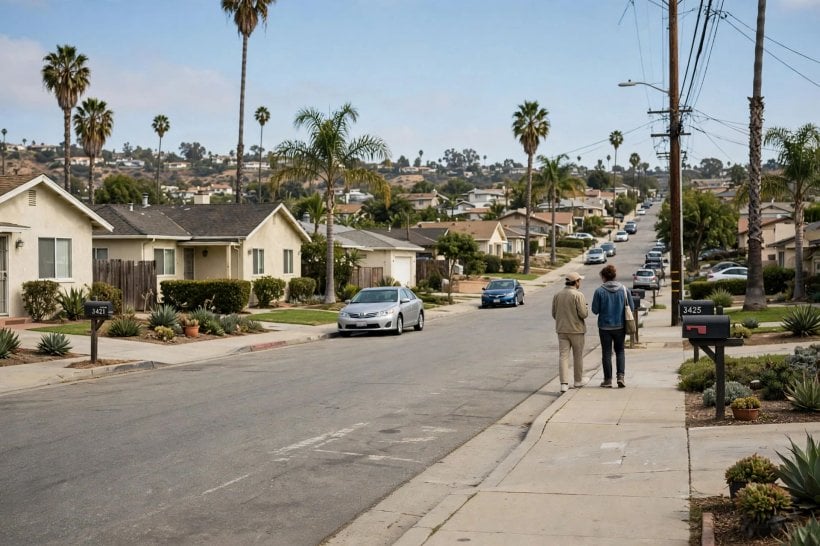
Amidst the chaos, Rivers expressed gratitude for having adequate insurance and resources to help her through this challenging period. It is a striking thing for a person who has just lost her home to say, and she appears to know exactly why it matters that she said it: her perspective highlights a crucial aspect of disaster recovery — the importance of preparation and support systems. Gratitude, in her framing, is not a mood. It is an inventory. She named the specific things standing between her and a far worse version of the same event, and she named them publicly, where people without them could hear the difference acknowledged.
That acknowledgment is the honest core of this part of her story. Insurance and resources do not prevent a disaster; they decide what kind of aftermath a household faces — a hard one, or a hard one compounded by having nothing to rebuild with. Her gratitude therefore doubles as a quiet case for preparation made before it is needed: cover arranged in calm times, support systems built before the emergency, so that if the worst arrives it meets something other than empty hands. Readers thinking through the practical side of that preparation can start with our tiny house insurance guide on how cover differs for homes on wheels and on foundations, and with our Orange County buyer’s guide, where California buying decisions — including wildfire insurance — are walked through in detail.
6. What She Saved: An Emmy Award and a Photograph

In a moment of reflection, Rivers recounted her efforts to save cherished family mementos before evacuating. Among the items rescued were her mother’s Emmy award and a treasured photograph of her father. Of everything in a home filled with a lifetime of things, those are what she reached for — and the choice needs no explanation to anyone who has ever stood in a doorway deciding what cannot be replaced. Furniture can be reordered. A parent’s award, earned across a career, and a photograph of a father: those exist exactly once.
The reporting frames the rescued items as more than souvenirs. These artifacts, now symbols of resilience, represent not only personal history but also the enduring legacy of her family in the entertainment industry. That double meaning is what makes this detail the emotional centre of her story. The Emmy is a professional monument and a daughter’s keepsake at the same time; the photograph is an image and a presence. Saving them was an act of triage, but it was also a statement of continuity — the family’s past carried out of the fire by hand, so that the family’s story would not be among the things the fire got to end. What she saved is, in miniature, what her whole message asks Los Angeles to do: hold on to what matters most, together, and carry it forward.
7. When Disaster Does Not Fall Evenly
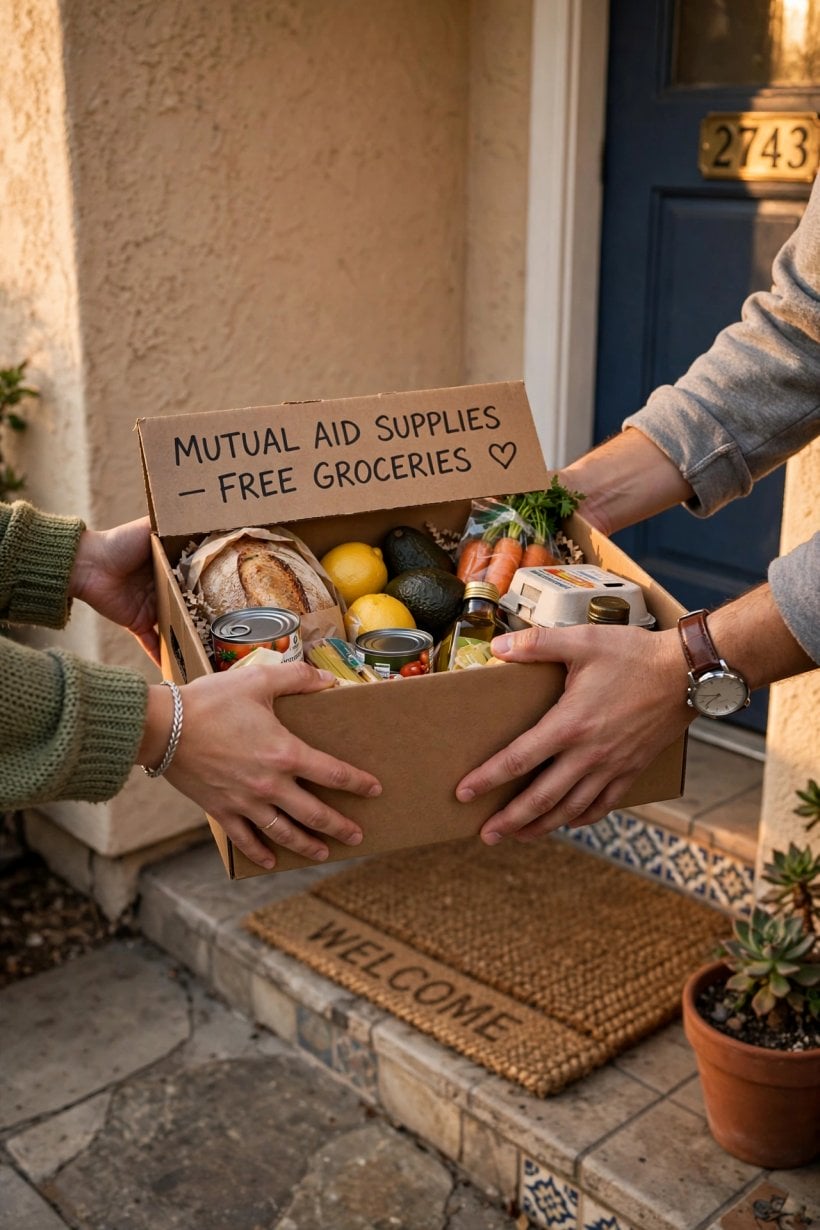
Woven through Rivers’ gratitude is a recognition the reporting states plainly: while many are left to grapple with the aftermath of such tragedies, her acknowledgment of her fortunate circumstances serves as a reminder of the varying impacts of such events on individuals and families. The same fire is not the same disaster for everyone. One household faces it with insurance, savings and a support system already in place; another faces it with none of those. The flames are shared. The falls are not.
That unevenness is exactly why her headline instruction — support those most affected — is phrased the way it is. “Most affected” is doing quiet work in the sentence: it asks people with resources to grade their help by need rather than by proximity or convenience, and it asks a community to understand recovery as a shared project with unequal starting lines. Preparation and support systems, the themes she kept naming, are the two things that decide where a family starts that project. For readers asking what helping looks like in practice rather than in principle, our guide to helping wildfire survivors walks through the rebuilding effort and the ways to contribute to it — the practical companion to the principle she stated.
8. Why Her Voice Resonates
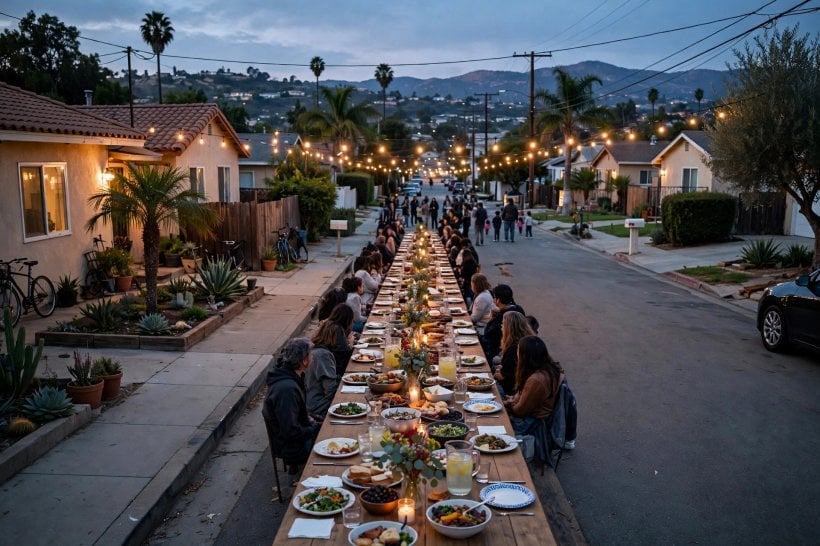
From the first paragraph of the reporting, Rivers is described as having emerged as a poignant voice of resilience and community spirit. Voices earn that description in a crisis for a specific reason: they say the thing the moment requires, in words plain enough to repeat. Hers required no ornament. Take care of one another. Keep walking. It is just about going forward. Three sentences, each short enough to be remembered by a person who is too tired, too displaced or too grief-struck to hold anything longer — and each one pointed outward, at other people, rather than inward at her own loss.
There is also the matter of who was speaking. A television personality has a platform whether she uses it or not; the choice is only ever about what it gets used for. Rivers used hers to amplify solidarity at the moment she had the most personal reason to ask for sympathy instead. In a world often divided — the reporting’s phrase — a message like that functions as a compelling reminder of the strength found in togetherness, precisely because it costs the speaker something to give. She was not a commentator on the disaster. She was one of its stories, choosing to make her chapter about the people around her. That is why the call has travelled further than her own street.
9. The Mark on the City, and the Way Back
The wildfires have left an indelible mark on the Los Angeles landscape — that is the reporting’s assessment, and it is deliberately double-edged. A landscape can be marked: streets altered, views changed, the physical memory of what stood where. But the same passage of her story insists the mark is not the ending. It is the spirit of unity and compassion among neighbours, she argues by example, that will ultimately pave the way for recovery. The landscape carries the scar; the people carry the repair. One is what the fire did. The other is what the city does back.
Her story sits inside a much wider one that is still being written across the region — including the arguments about how the disaster was handled, covered in our report on the utility CEO’s response to the controversy over the Eaton Fire, and the longer questions about where and how communities should rebuild, explored in our analysis of where to move to survive climate change. Rivers’ contribution to that wider story is deliberately narrower and more human than policy or blame: while the large questions are argued out, neighbours can already be looking after one another. Recovery does not have to wait for the arguments to finish.
10. From Loss to Hope: Lending a Hand
As Rivers navigates this difficult chapter, her call for community support resonates with many — and the closing movement of her story is an urging aimed at everyone reading it: to lend a hand to those in need, especially during the darkest of times. Note the timing in that phrase. Not when recovery is organised, not when it is convenient, not when the need has become tidy — during the darkest of times, which is to say now, while the loss is still unrepaired and the way forward is still mostly mantra. Her whole account is structured to make that ask reasonable: she has shown her own hand — the gratitude, the keepsakes, the determination — and then asked her neighbours to show theirs.
That is the arc the title of her story promises: from loss to hope, with unity as the road between them. Hope, in her version, is not a feeling that arrives when circumstances improve. It is a practice other people perform for one another — care given, support lent, a community deciding that no household walks through its hardest chapter alone. Readers thinking about their own next chapter after loss, down to the practical question of where a rebuilt home can stand, can continue with our guide to buying land for a tiny house. The final word belongs to her framework rather than to any summary of it: keep walking — and take care of one another on the way.
Final Considerations
Melissa Rivers calls for unity in LA from the least abstract position imaginable: inside the loss itself. She lost her home to the flames, saved her mother’s Emmy and a photograph of her father on her way out, and answered the disaster with gratitude for her insurance and resources, a family mantra about walking through hell, and one plain instruction for everyone else — take care of one another. Nothing in her account minimises what the wildfires took from Los Angeles, and nothing in it treats recovery as someone else’s job. That combination is the story: resilience as a personal discipline, and solidarity as the public one. The way back, in her telling, is walked together.



1 Comment