
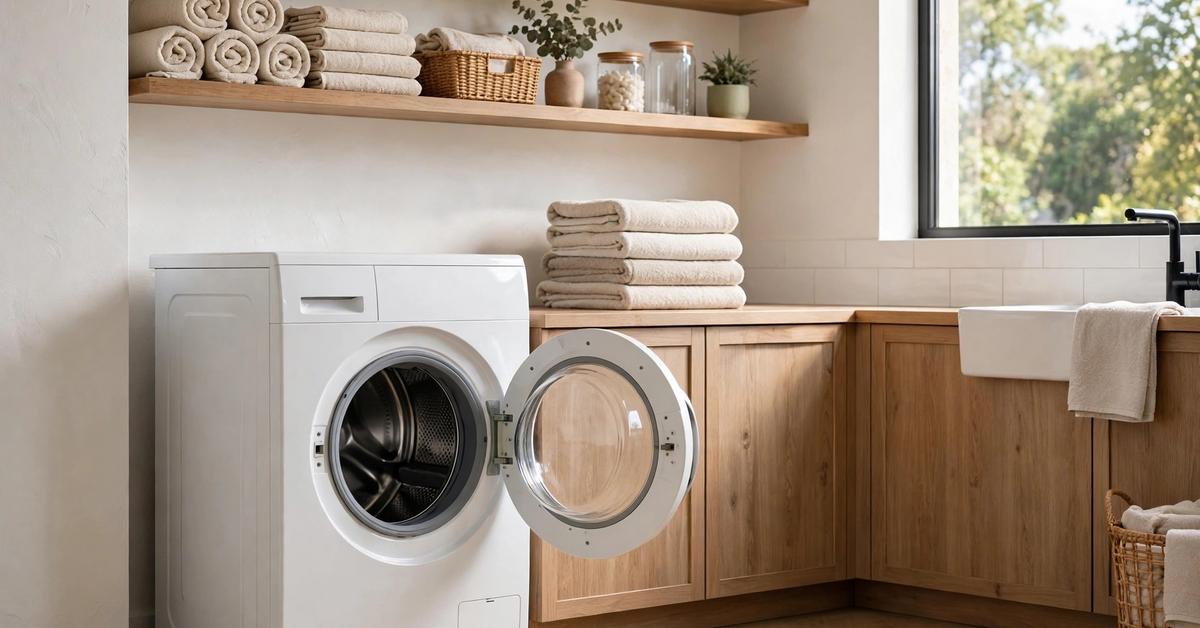
A new washer should make laundry easier, not become a weekly wrestling match with a door that will not open, a cycle that never suits your clothes, or a machine that shakes the whole room.
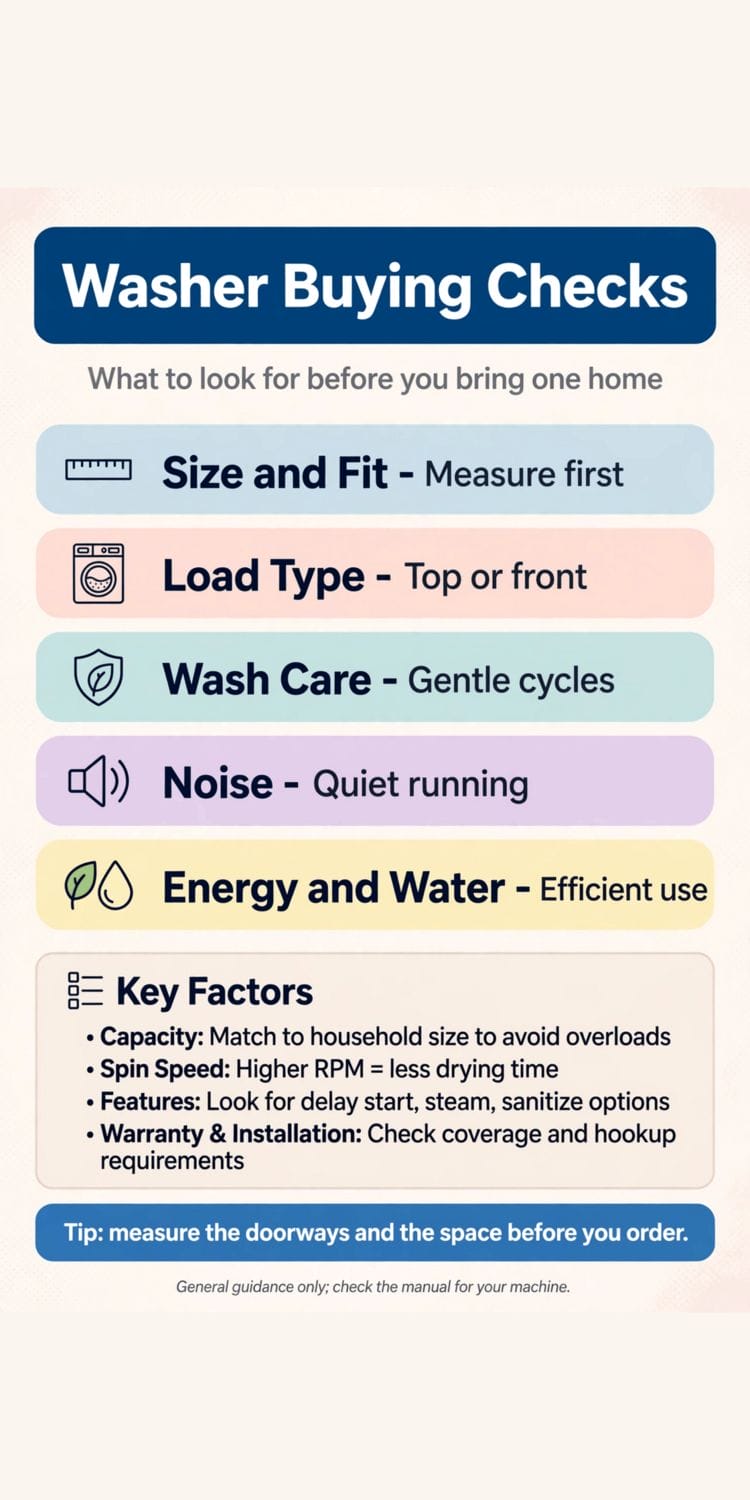
This guide walks through ten washer buying checks to make before you buy, from measuring the space to reading the warranty, so the machine you bring home fits your home and your habits.
1. Measure the Space, the Doorways and the Delivery Route
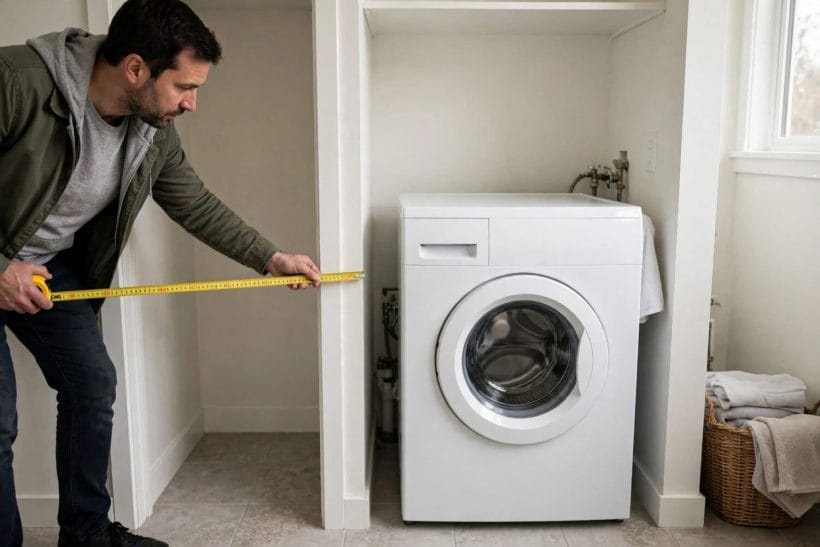
Start with a tape measure, not a showroom visit. Measure the width, depth and height of the space where the washer will stand, and leave room for the door to open fully, for hoses behind the machine, and for air to move around it. A machine that fits the alcove but leaves no room to open its door or pull it out for care will frustrate you every wash day.
Then walk the delivery route. Measure every doorway, hallway turn and stairwell the machine must pass through, and check whether doors can be taken off their hinges if the way is tight. Note any steps, narrow corners or low ceilings along the way. Delivery teams can only bring in what fits through your home, and a machine that cannot reach the laundry room helps no one.
Also think about the floor. A washer needs a firm, level surface, and a floor that flexes or slopes can add noise and movement. If the laundry sits on an upper floor, consider how vibration travels through the house, and whether the room below will hear every spin. Measuring first costs nothing and prevents the most common buying regret of all: a machine that does not fit the home it was bought for.
| Check | What to look at | A reassuring sign |
|---|---|---|
| Space and route | Alcove, doorways, delivery path | Machine reaches the room and the door opens fully |
| Load type | Top or front loading | Loading style suits your reach and habits |
| Capacity | Household washing habits | Usual loads fit without overfilling |
| Wash care | Clothes you actually own | Cycles suit delicates, bedding and everyday loads |
| Noise | Where the machine will live | Running sound suits nearby rooms |
| Energy and water | Efficiency information | Use understood in general terms |
| Controls | Cycles and settings | Everyday wash easy to choose |
| Hook-ups | Water, drainage and power | Connections suit a professional fitting |
| Delivery terms | Delivery, fitting and removal | Terms clear before ordering |
| Warranty and care | Cover, manual and routine | Care routine you can keep up |
2. Choose the Load Type: Top or Front
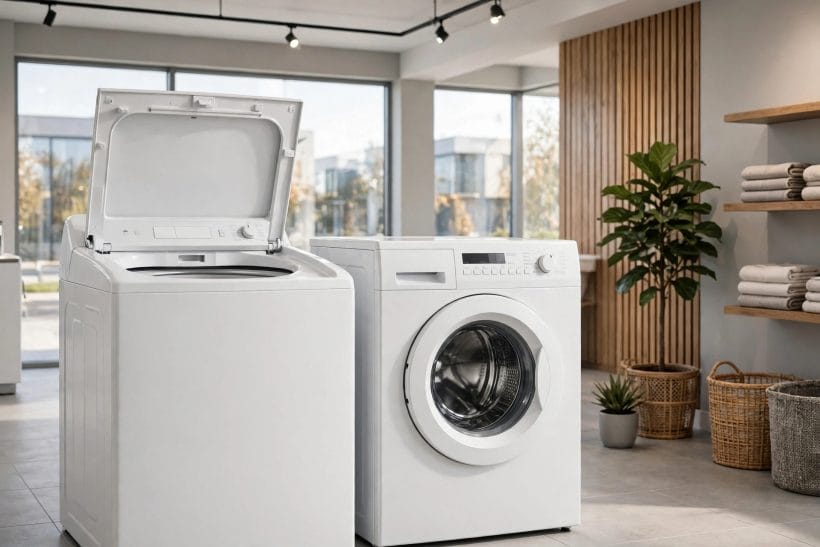
Washers generally load from the top or the front, and the difference matters more in daily use than it does on a specification sheet. A top-loading machine opens from above, so you stand to load it, and you can usually add a forgotten item mid-cycle. A front-loading machine opens from the front, so you bend or sit to load it, and it often sits neatly under a counter or beside a dryer.
Think about your body and your room. If bending is difficult, a top loader or a front loader raised on a sturdy base may be kinder to use. If the laundry room is tight, check which way each door swings and whether it blocks a walkway, a cupboard or another appliance when open. The best load type is the one that fits your room and your reach, not the one that looks most modern in the shop.
Also consider how you sort and move laundry. Some people like to tip a basket straight down into a top loader, while others prefer sliding clothes into a front loader at counter height. If you plan the laundry room around the machine, our tiny laundry room ideas may help you see how a washer sits within a small space.
3. Match Capacity to Your Household’s Washing Habits
Capacity is about your real washing, not the largest drum you can afford. Think about how often you wash, how many people the machine serves, and what a typical load looks like in your home. A household that washes small, frequent loads has different needs from one that saves laundry for a few large weekly washes, and a machine chosen for the wrong pattern will either run half empty or be stuffed beyond comfort.
Bulky items deserve special thought. Bedding, towels and heavy outer layers take up far more room than everyday clothes, and they need space to move in the wash. If your home regularly washes large bedding items, check that the drum and the cycles suit them, and ask how the machine handles a full, heavy load. A drum that copes with shirts may still struggle with a thick, soaking blanket.
Resist the urge to buy the biggest machine by default. An oversized drum can tempt you into running small loads in a large space, which wastes water and energy over time, while an undersized drum forces you into extra cycles. If a dryer will stand beside the washer, our guide to choosing a gas dryer covers fit, venting and safe fitting for the pair.
4. Think About Wash Care for the Clothes You Actually Own
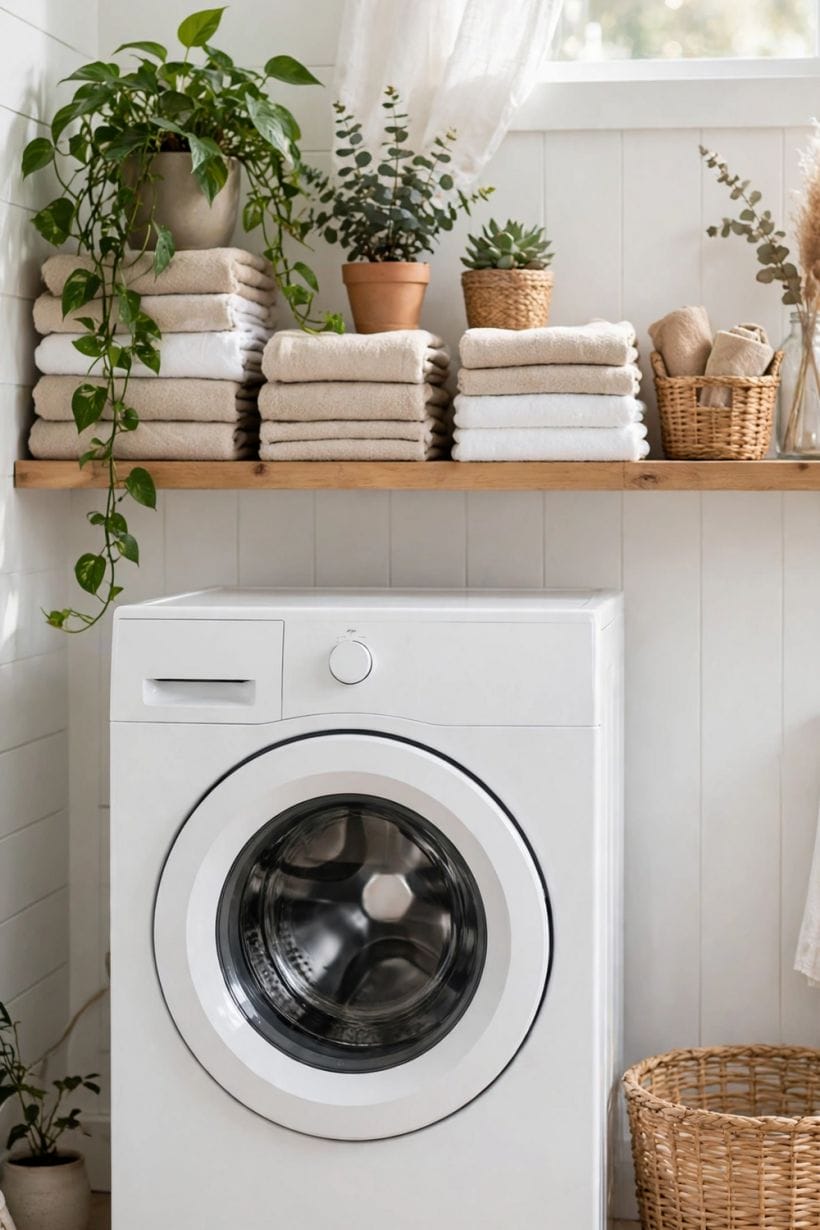
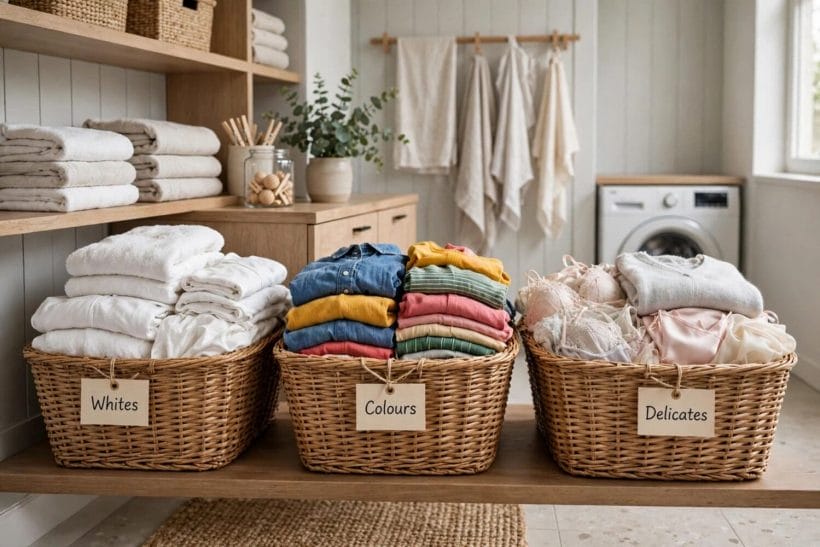
Before comparing machines, look in your own wardrobe and laundry basket. Do you wash a lot of delicates, work clothes, sportswear, baby clothes or heavy bedding? Each kind of load asks something different of a washer, and the cycles that matter are the ones your clothes need, not the longest list on a display panel. A machine with a gentle cycle you use weekly is worth more than a dozen cycles you never touch.
Pay attention to how cycles are described. Look for settings that handle delicate fabrics gently, settings for heavily soiled everyday clothes, and a way to rinse thoroughly when skin sensitivity or detergent residue is a concern. If you wash woollens or silks, check whether the machine offers a genuinely gentle option and whether the manual gives guidance for those fabrics, rather than assuming every cycle suits everything.
Also think about temperature and spin in general terms. Hotter washes suit some loads and damage others, and a faster spin leaves clothes drier but can crease or stress delicate items. Keeping the machine clean matters for wash care too; our washer cleaning cycle guide explains what a cleaning cycle does and what to know before running one.
5. Check Noise and Vibration for Where the Machine Will Live
A washer that sounds fine in a noisy showroom can sound very different in a quiet home at night. Think about where the machine will stand and which rooms share its wall or floor. A laundry beside a bedroom, a nursery or a home office needs a quieter machine than one in a detached utility room, and spin cycles are usually the noisiest part of the wash.
Ask about noise in general terms, and listen if you can hear a machine running before you buy. Vibration matters as much as sound: a machine that shakes can walk across the floor, rattle nearby items and wear its own fittings over time. A firm, level floor and correct levelling help greatly, but the machine’s own balance and build still set the baseline for how calmly it runs.
Consider your washing hours too. If you mainly wash in the evening, a quieter machine with a delay option may suit your household better than a louder one, since you can run it when noise matters least. Bedding and towels add weight and movement, so think about noise for your heaviest loads, not just a light test load; our bedding buying checks may help you weigh what those bulky loads ask of a machine.
6. Look at Energy and Water Use in General Terms
Running costs build up quietly over a machine’s life, so energy and water use deserve a check before you buy. Look at the efficiency information supplied with the machine and compare models in broad terms, rather than chasing a single figure. A machine that uses less water and power per wash will usually cost less to run, but only if it also washes well enough that you do not need to run loads twice.
Think about how your habits affect those figures. Short, frequent cycles, half-empty drums and very hot washes all change what a machine actually uses in your home, whatever its published information suggests. Choosing a capacity that matches your loads and cycles that suit your clothes does as much for efficiency as the machine’s own design, and it keeps laundry day simpler too.
Be wary of efficiency claims that rest on one ideal cycle. Ask what the machine uses across the cycles you will really run, and whether eco settings lengthen wash times in a way that suits your routine. A machine that fits your habits and runs efficiently on your everyday cycle is a better buy than one that is efficient only on a setting you never choose.
7. Read the Controls and Cycles Before You Buy
You will live with the controls every wash day, so they should feel clear rather than clever. Look at the dial or panel and ask whether you can find an everyday wash quickly, without the manual. If the most common cycle hides behind menus or tiny labels, daily laundry becomes a small chore before the wash even starts.
Check how easy it is to change the basics: temperature, spin and soil level, and whether the machine remembers a favourite setting. Some households want a simple dial and a start button, while others like a display that shows time remaining and cycle progress. Neither approach is better in itself; the right one is the one every person who does laundry in your home can use without confusion.
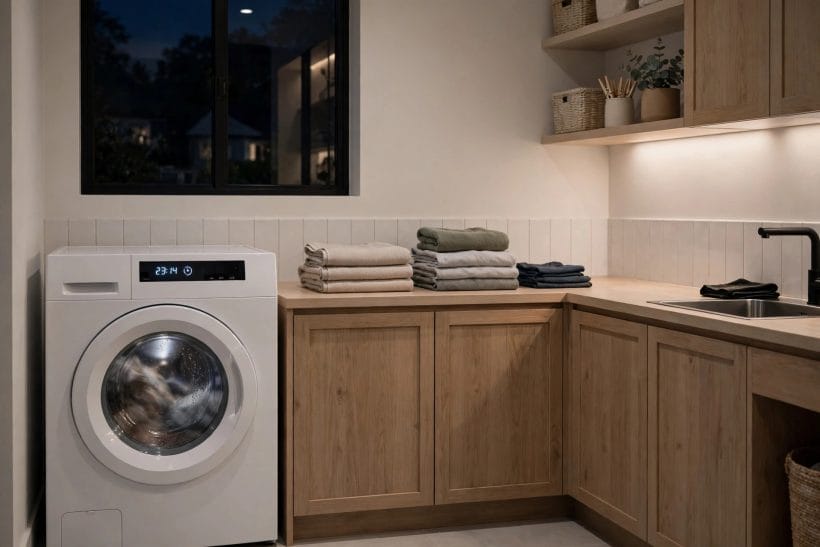
Also look at practical details: whether the display is readable in dim light, whether buttons respond with gloves or damp hands, and whether a child lock or safety feature matters in your home. A machine that is easy to use gets used properly, which protects your clothes and keeps wash results consistent from week to week.
8. Plan the Hook-Ups: Water, Drainage and Power
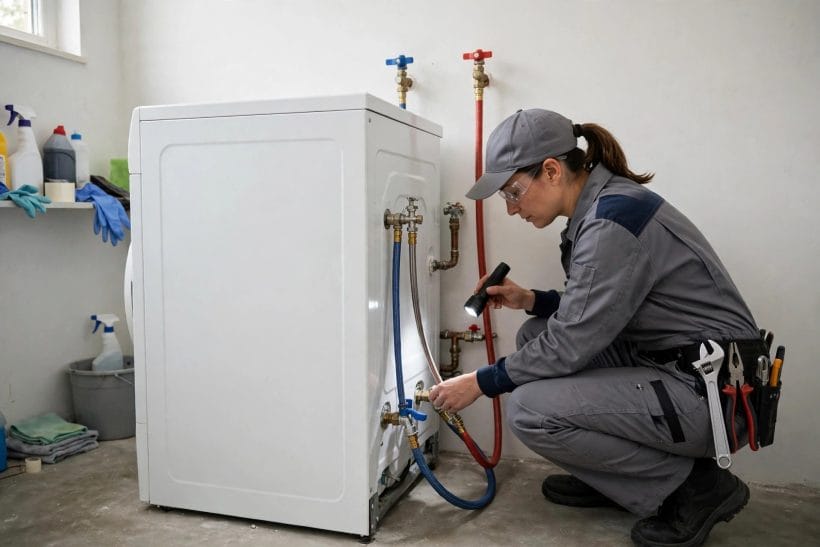
A washer needs water in, water out and power, and all three must suit the machine and the room. Check what kind of water supply, drainage and electrical connection the machine requires, and compare that with what your laundry room already has. If anything does not match, plan for professional work rather than improvising a connection, since water and electricity together leave no room for guesswork.
Plumbing and electrical installation work is professional-only. A qualified installer can check the supply, fit hoses and connections correctly, confirm drainage, and make sure the machine sits level and stable. They can also spot problems a buyer might miss, such as a tired valve, a drain that cannot cope, or a socket that needs attention before a new machine is connected.
Before installation day, clear the route and the space, and keep the manual and any supplied hoses where the installer can find them. Ask what to check after fitting: that the machine fills and drains properly, that no connection drips, and that it runs a short cycle without excess movement. Good fitting at the start prevents leaks, noise and damage later, and it is worth far more than a hurried connection. Fit and installation questions come up for other household purchases too; our window buying checks cover frames, fit and professional installation in the same spirit.
9. Check Delivery, Installation and Removal Terms
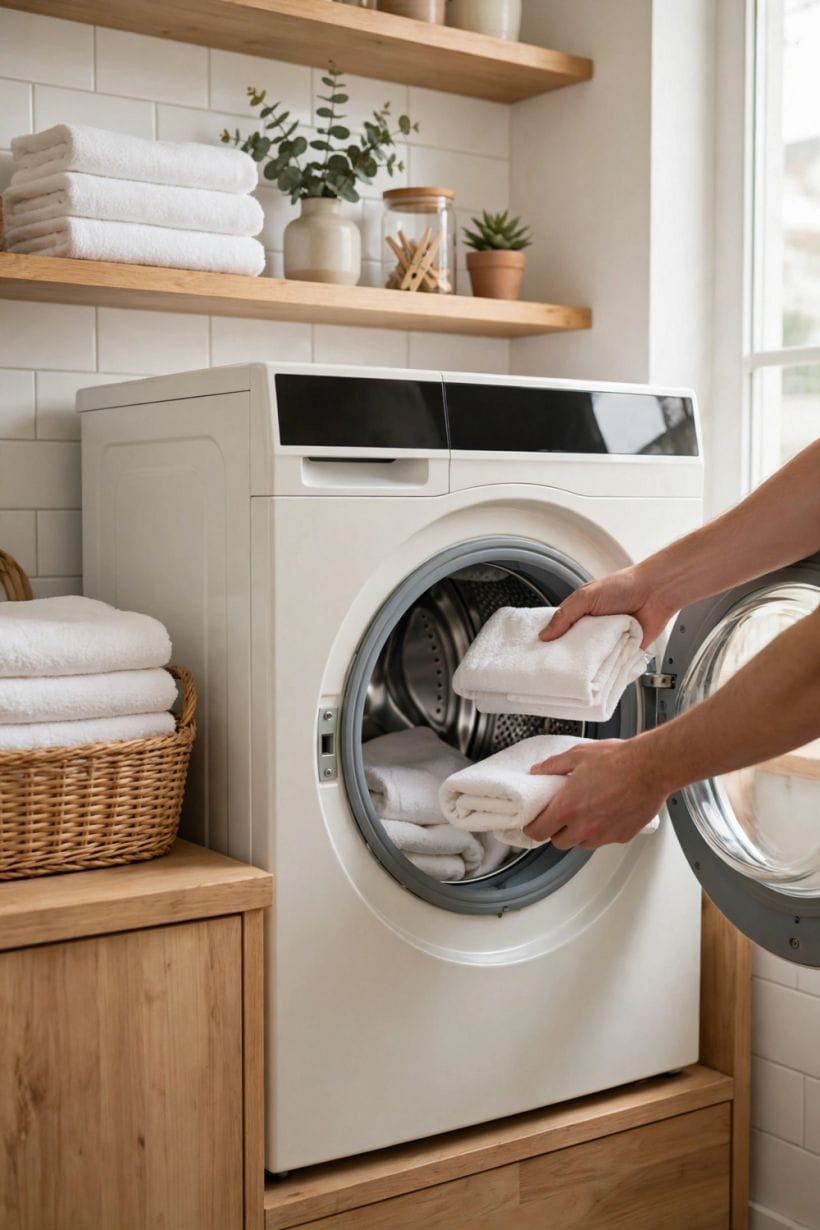
The price of a machine is rarely the whole story, so read the delivery and installation terms before ordering. Find out whether delivery includes carrying the machine to the laundry room or only to the door, whether installation is included or arranged separately, and whether the old machine will be taken away. Each of these can change the effort and the total cost of the purchase.
Check the timing too. Confirm the delivery window, what happens if you are out, and how delays or damage are handled. Inspect the machine on arrival, while the delivery team is still there if possible, and note any dent, scratch or missing part straight away. A quick check at the door saves a long argument later, and it gives you a clear record if anything needs sorting out.
Also confirm what happens to packaging and to your old machine. Some services remove both, others leave them with you, and a few charge separately for removal. Knowing the full picture before you order means no surprises on delivery day, and it lets you compare offers fairly, since a cheaper machine with costly delivery and no removal may end up dearer than a fuller service.
Keep the delivery note and any fitting record with your household papers. If a fault appears in the early weeks, those notes show when the machine arrived, who fitted it, and what was checked on the day. A clear paper trail makes any later conversation with the seller or installer far simpler, and it costs nothing more than a folder or an envelope kept near your other appliance records.
10. Read the Warranty, the Manual and the Care Routine
Finally, read the warranty before you need it. Check how long cover lasts, what it includes, and what it excludes, and whether fitting by a professional is a condition of cover. Note how to raise a claim and what records you should keep, such as the purchase receipt and the installation note. A warranty you understand is useful; one you discover only after a fault is a gamble.
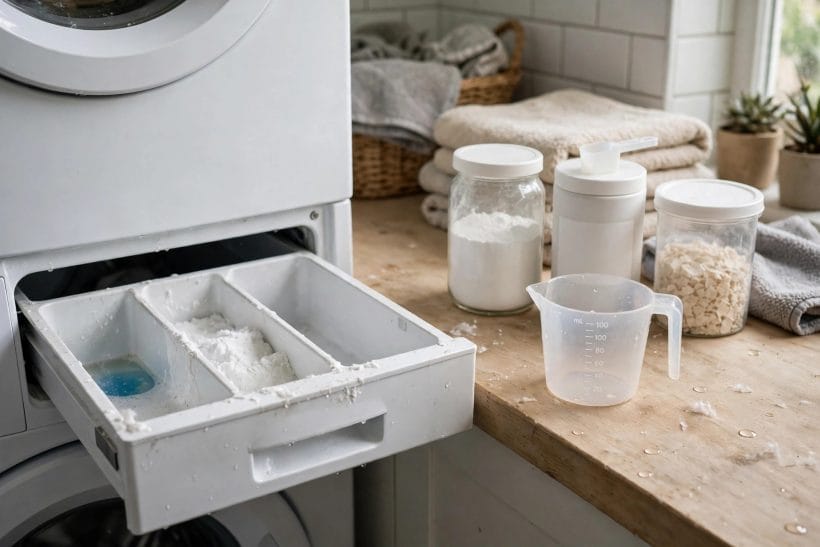
Skim the manual too, at least for the care routine. Most machines ask for simple, regular care: wiping seals, leaving the door ajar to dry, cleaning the filter and the detergent drawer, and running a cleaning cycle from time to time. If that routine looks like something you will actually keep up, the machine will serve you better and last longer. If it looks like a burden, say so honestly before buying.
Keep the manual and the purchase records somewhere you can find them, and note the model details in your household file. When a question comes up months later, whether about a cycle, a noise or a care step, having the manual to hand turns a worry into a quick check. A machine bought with its care routine in mind is a machine you are prepared to look after.
Final Considerations
Buying a washer well is less about finding a perfect machine and more about matching a machine to your home and your habits. Measure the space and the delivery route, choose a load type that suits your reach, match capacity to your real washing, and check wash care, noise, energy and water use in general terms. Read the controls, plan professional hook-ups, confirm delivery terms, and understand the warranty and care routine before you order.
None of these checks can promise a perfect machine; every home and every household washes differently, and even careful buyers learn things only after the first few loads. What the checks do offer is fewer avoidable surprises: a machine that fits through the door, stands level, suits your clothes, and runs at a noise your household can live with. That is a solid foundation for years of laundry days.
If you are comparing other household purchases with the same careful approach, our furniture buying checks and our space heater buying checks apply the same habit — check fit, use and terms before you buy — to very different rooms of the home.




0 Comments