

A new washer is a decade-long housemate, so the smartest buying move is a calm checklist, not a quick click. This guide walks you through exactly what to verify, in plain English.
Use it as your maytag mvwp575gw review worksheet: work through each check, confirm answers on the manufacturer’s or retailer’s current listing, and only then decide if this is your machine.
1. Before You Shortlist: The Quick Q-and-A Table
Start here. Most washer regrets come from five unasked questions about size, capacity, hookups, warranty and who the machine really suits. Skim this table first, then read the sections that match your household. If you are furnishing a compact home, the laundry thinking in tiny house kitchen design ideas pairs well with this guide, and the space-planning in tiny house bedroom ideas helps if your laundry corner shares a tight floor plan, because small homes make every appliance choice feel bigger.
| Question | What to check | Where to confirm |
|---|---|---|
| Will it fit my space? | Machine width, depth and height, plus door swing and walking room | Measure your space, then compare with the dimensions on the manufacturer or retailer listing |
| Will it fit my laundry? | Your biggest regular load: bedding, towels or workwear | Compare your typical load with the capacity guidance in the manufacturer’s materials |
| How does it wash? | The type of wash action and how it treats bulky or delicate items | Read the manufacturer’s description of the wash system and ask the retailer questions |
| Can my home run it? | Water hookups, drainage, electrical supply and floor strength | Check your laundry area carefully and ask an installer if anything is unclear |
| What cover do I get? | Warranty length, what parts are included and who services the machine locally | Read the warranty document from the manufacturer and ask the retailer about local service |
| What will it cost to run? | Water and energy use for your wash habits | Look for official efficiency information on the listing and compare with your current machine |
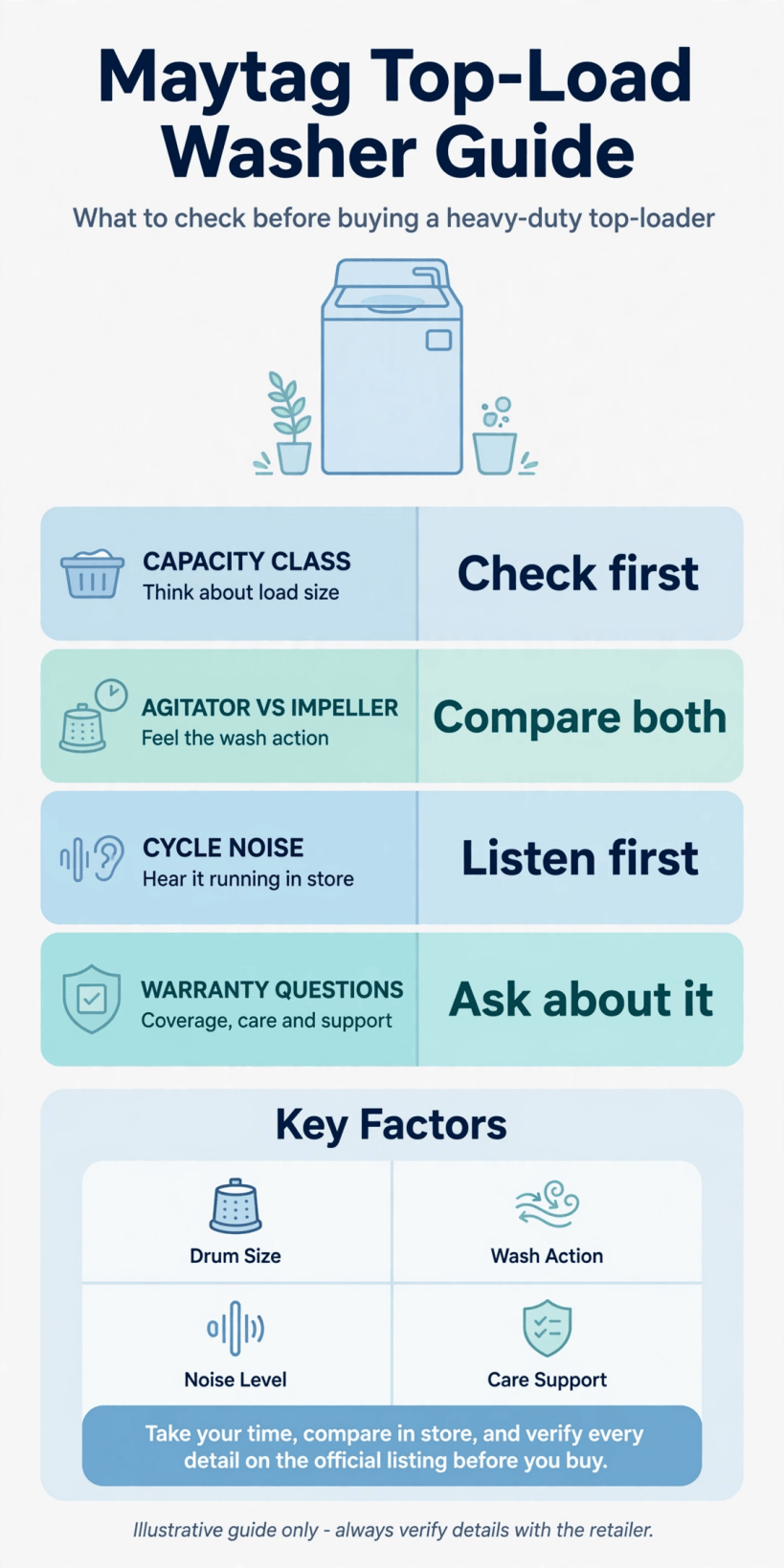
At a glance: the six questions worth answering before any washer earns a place in your home, from fit and capacity to warranty and running costs.
2. Capacity and Load Size: Will It Fit Your Week?
Capacity is the check most people rush and most regret. Do not shop by household size alone; shop by your largest regular load. A couple who wash a king duvet every week needs different room from a family of five doing small daily loads of school clothes, and both patterns are perfectly reasonable starting points for judging any machine.
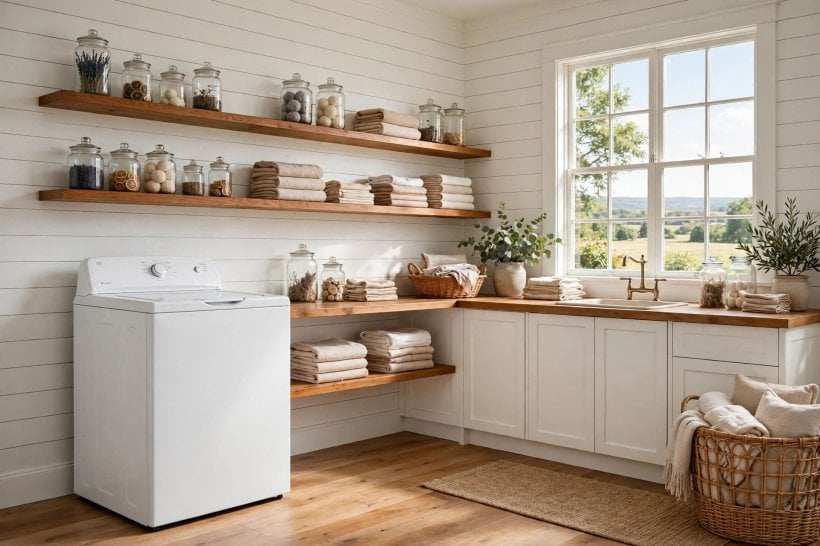
- Weigh your biggest load. Gather the bulkiest wash you do regularly, weigh it or note its volume, and compare it with the manufacturer’s capacity guidance rather than guessing from marketing photos.
- Think in loads per week. Count how many loads your household truly runs. A machine that suits three big weekend loads may feel very different if you wash small loads daily.
- Leave room to move. Clothes need space to tumble and rinse. Check the manufacturer’s loading guidance so you are not tempted to pack every wash to the brim.
- Consider bedding honestly. If thick blankets or a duvet are part of your routine, confirm with the retailer whether this model is a sensible match for items that size.
- Plan for growth. A new baby, a lodger or a sportier hobby can change laundry fast. Choose capacity for the household you expect over the machine’s life.
3. Wash Action and Load Care
How a washer moves clothes matters as much as how much it holds. Different wash actions suit different fabrics and soil levels, so read the manufacturer’s own description of how this model washes, and think about your real wardrobe: heavy workwear, gym kit, delicates, or a bit of everything across one busy week.
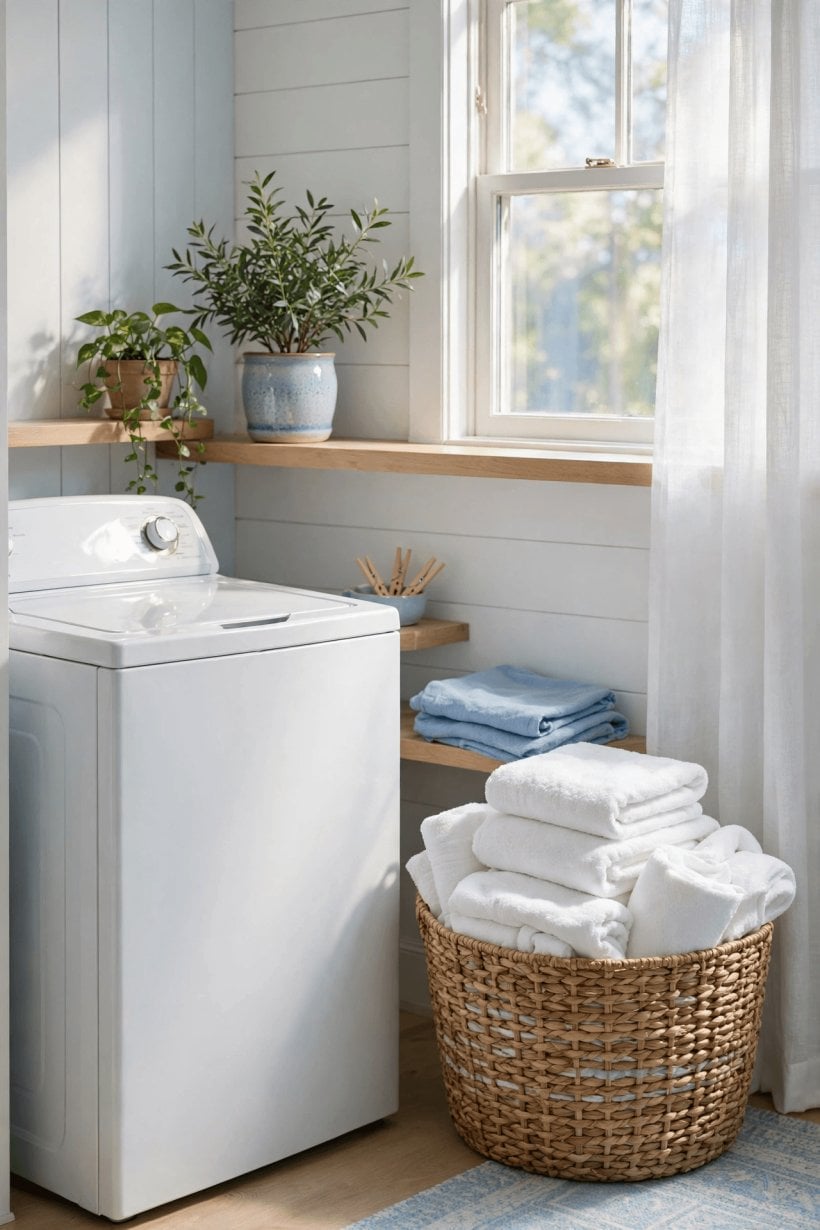
- Match action to wardrobe. If your loads lean sturdy, ask how the wash action handles heavy items; if they lean delicate, ask what gentler options exist on the control panel.
- Check soil-level choices. Look for ways to adjust the wash for lightly worn clothes versus genuinely muddy loads, so you are not over-washing everything you own.
- Ask about bulky-item behaviour. Towels and bedding can unbalance a drum. Ask the retailer what the machine does to keep big loads washing evenly.
- Read the care-label angle. Your clothes’ labels are the real specification sheet. Choose settings that respect the fabrics you actually own and wear most.
- Noise and vibration. If the washer lives near bedrooms, ask about noise during spin and whether an anti-vibration approach is part of the design; check retailer descriptions.
4. Cycles, Options and Controls
A long cycle list looks impressive, but what matters is whether the handful of cycles you will actually use are present, clear and easy to select with wet hands. Read the manufacturer’s cycle descriptions, imagine your five most common loads, and check each one has an obvious home on the dial or panel.
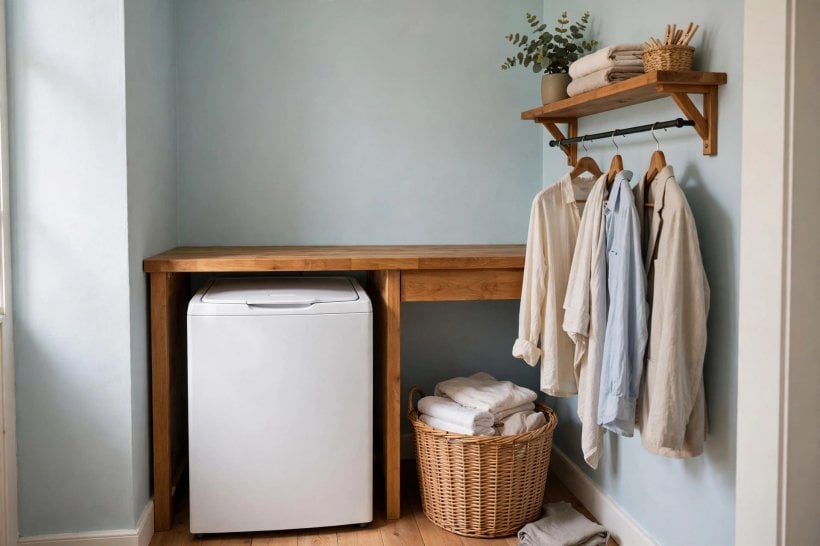
- Map your five loads. Everyday mixed, whites, towels and bedding, delicates, and a quick refresh: confirm each maps to a clearly described cycle before you buy.
- Temperature choices. Check the range of wash temperatures offered and whether cold washing is supported for suitable loads, which many households prefer for colours.
- Rinse and spin options. Extra rinse choices can help households sensitive to detergent residue; ask how rinses and spin speeds can be adjusted for different fabrics.
- Controls you can read. If you can, see the machine in a showroom. Knobs and labels should make sense at a glance, without a manual in your hand.
- End-of-cycle signals. A clear signal saves forgotten damp loads. Ask whether the machine alerts you when a wash finishes and whether it can be quieted.
5. Size, Doors and Laundry-Room Fit
Even a perfect washer is the wrong washer if it will not pass the hallway or leaves no room to load it. Measure twice: the space, the route in, and the clearance in front for baskets and open lids or doors. Compact-home readers browsing tiny houses for sale and rent will know how unforgiving small utility spaces can be.
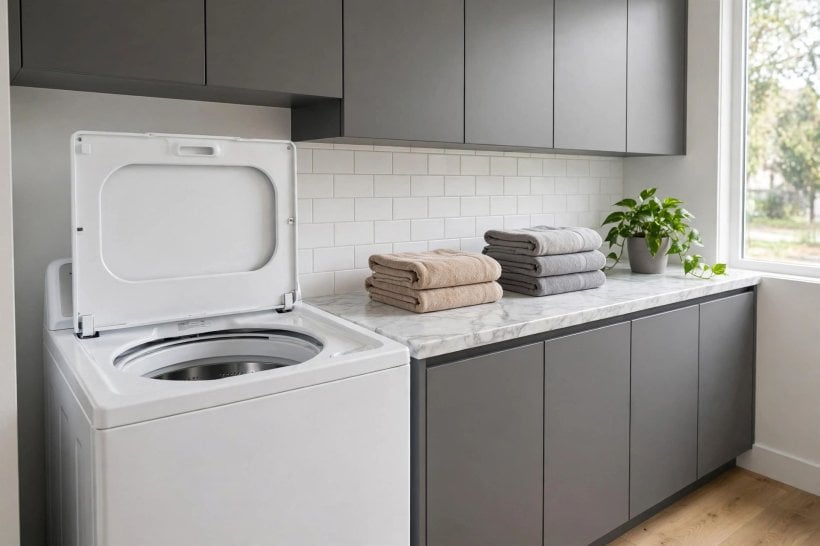
- Measure the niche. Record width, depth and height of the exact spot, then compare with the manufacturer’s stated dimensions, leaving the clearance the maker recommends.
- Walk the delivery route. Check doorways, corners and stairs the machine must pass. Note tight turns and ask the retailer what their delivery team needs.
- Mind the lid or door swing. Confirm you can open the machine fully under shelves or counters, and load it without crouching into awkward angles every wash day.
- Leave hose room. Machines need space behind for hoses and drainage. Ask the retailer how much rear clearance the installation guidance suggests.
- Check the floor. A level, sturdy floor matters for smooth spinning. If your floor flexes or slopes, ask an installer about options before delivery day arrives.
6. Water, Energy and Everyday Running
Running costs are quiet but relentless, paid on every wash for years. Without inventing numbers, the sensible approach is to read the official efficiency information attached to the current listing, compare it with the machine you own now, and think about how your wash temperature and load-size habits will shape real bills at home.
- Read the official labels. Look for recognised efficiency labels or figures on the manufacturer or retailer listing, and ask the retailer to explain anything unclear.
- Wash full, not overfull. Sensible load sizes clean better and use each drum of water well; follow the loading guidance rather than cramming in one more towel.
- Match temperature to soil. Heavily soiled loads may need warmth; lightly worn clothes often do not. Using the right setting is the easiest saving most homes can make.
- Maintain the machine. Ask about cleaning routines the manufacturer recommends, such as wiping seals and running a maintenance wash, to keep performance steady over time.
- Think total cost of ownership. Price is only part of the story; delivery, installation, hoses and running costs all count. Ask the retailer for a full, itemised picture.
7. Installation: Hookups, Levelling and the First Wash
Installation day decides whether a good machine feels good. Before you order, check your water supply valves, drainage arrangement and electrical outlet position against what the manufacturer’s installation guide describes, and decide whether you will install it yourself or book the retailer’s service. Households planning compact utility corners, like those browsing cheap tiny houses for sale under $50k, should be extra careful here.
- Inspect your valves. Make sure existing taps turn freely and are reachable. If they are corroded or hidden, sort that with a plumber before the machine arrives.
- Plan drainage. Confirm whether you drain into a standpipe or a sink, and check the manufacturer’s guidance on hose height and securing so nothing can slip loose.
- Budget for new hoses. Many guides recommend fresh hoses with a new machine. Ask the retailer what is included and what you should have ready on the day.
- Level is everything. An unlevel washer walks and thumps. Follow the maker’s levelling steps carefully, or let the installation team handle it and test a spin before they leave.
- Run a first empty wash. A short empty cycle checks for leaks, clears manufacturing residue and lets you learn the sounds your new machine normally makes.
8. Delivery, Hauling and What Happens on the Day
Delivery is where many purchases wobble: the old machine will not fit out, the new one will not fit in, or haul-away was never actually booked. Sort the logistics in writing before you pay, covering access, stairs, packaging removal and what happens if the route turns out to be tighter than anyone expected on the day.
- Confirm what delivery includes. Ask whether the price covers bringing the machine into the room, or only to your door, and what each additional service costs.
- Book haul-away explicitly. If the old washer is leaving, make sure removal is on the order, and check its route out of the house is clear and measured too.
- Photograph the route. Pictures of tight halls and corners help the retailer advise honestly about access before a failed delivery wastes everyone’s day.
- Prepare the space. Empty the old machine, clear the floor, and keep pets and trip hazards out of the way so the swap is quick and safe.
- Inspect before signing. Check panels and the drum for transit damage while the team is present, and keep all paperwork, including anything about transit bolts or fittings.
9. Warranty and After-Sales Questions
Warranty wording varies, so read the actual document rather than a headline. Ask what is covered, for how long, which parts differ, what counts as wear and tear, and who physically comes to your home if something goes wrong. Readers comparing homes in tiny houses for sale in Memphis, TN will appreciate that local service networks matter as much as national promises.
- Ask what is covered. Parts, labour and call-outs can each have different terms. Ask the retailer to walk you through the current warranty document line by line.
- Check different cover lengths. Some components may carry longer cover than others. Confirm the specifics in writing from the manufacturer rather than relying on a sales summary.
- Register the machine. If registration is offered or required for full cover, do it as soon as the washer is installed and keep the confirmation somewhere safe.
- Ask about local engineers. A warranty is only as good as the help that can reach you. Ask who services the brand in your area and typical response arrangements.
- Keep the paperwork file. Receipt, warranty document, installation notes and the manual together make any future claim or question far simpler to resolve.
10. Who It Suits — and Who Should Look Elsewhere
No washer suits everyone, and a balanced shortlist starts with your habits, not a brand name. This model is worth a serious look if your checks above come back positive: the size fits, the capacity matches your biggest regular load, the wash action suits your wardrobe, and the warranty and local service answers feel reassuring rather than vague.
- A good fit if: you measured carefully, your hookups match the installation guidance, and the cycle list covers your five everyday loads without workarounds or guesswork.
- A good fit if: you prefer straightforward controls you can understand at a glance, and you value clear warranty answers from the retailer before money changes hands.
- Look elsewhere if: your space or route fails the tape-measure test; no feature list can rescue a machine that physically does not fit your home.
- Look elsewhere if: your laundry is mostly specialist fabrics needing programmes you cannot find clearly described in the manufacturer’s materials for this model.
- Look elsewhere if: delivery, installation or haul-away terms stay fuzzy after you ask; clear logistics are part of the product you are buying.
Homes with flexible laundry corners — the kind you will see across home interior design ideas for tiny houses — often succeed with careful measuring rather than bigger machines. Whatever you choose, let your checklist, not a countdown timer on a sales page, make the final call.
Final Considerations
Treat this maytag mvwp575gw review as a worksheet, not a verdict. The right answer depends on your space, your loads and your local service picture, and all three are things you can verify before spending anything: measure the niche and the route, weigh your biggest regular load, read the manufacturer’s current descriptions and warranty document, and get delivery terms in writing from the retailer.
If every check comes back clean, buy with confidence and install carefully: level the machine, run a first empty wash, and keep the paperwork file together. If a check fails, that is useful information too — it simply means this model is not your machine, and the same checklist will serve you well on the next candidate on your list.




0 Comments