
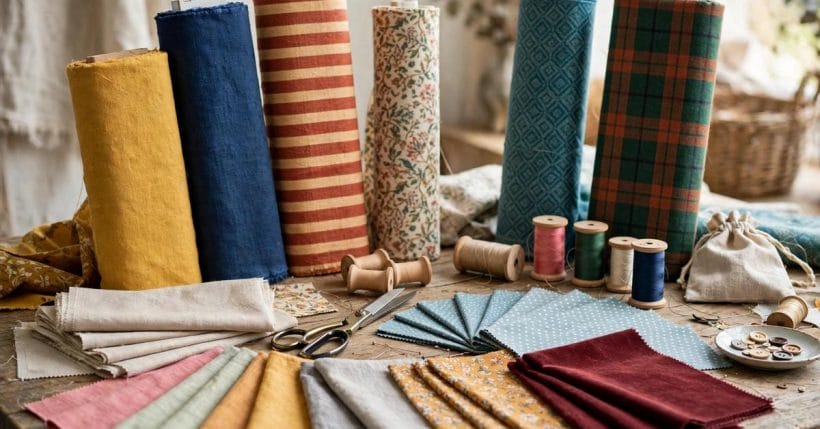
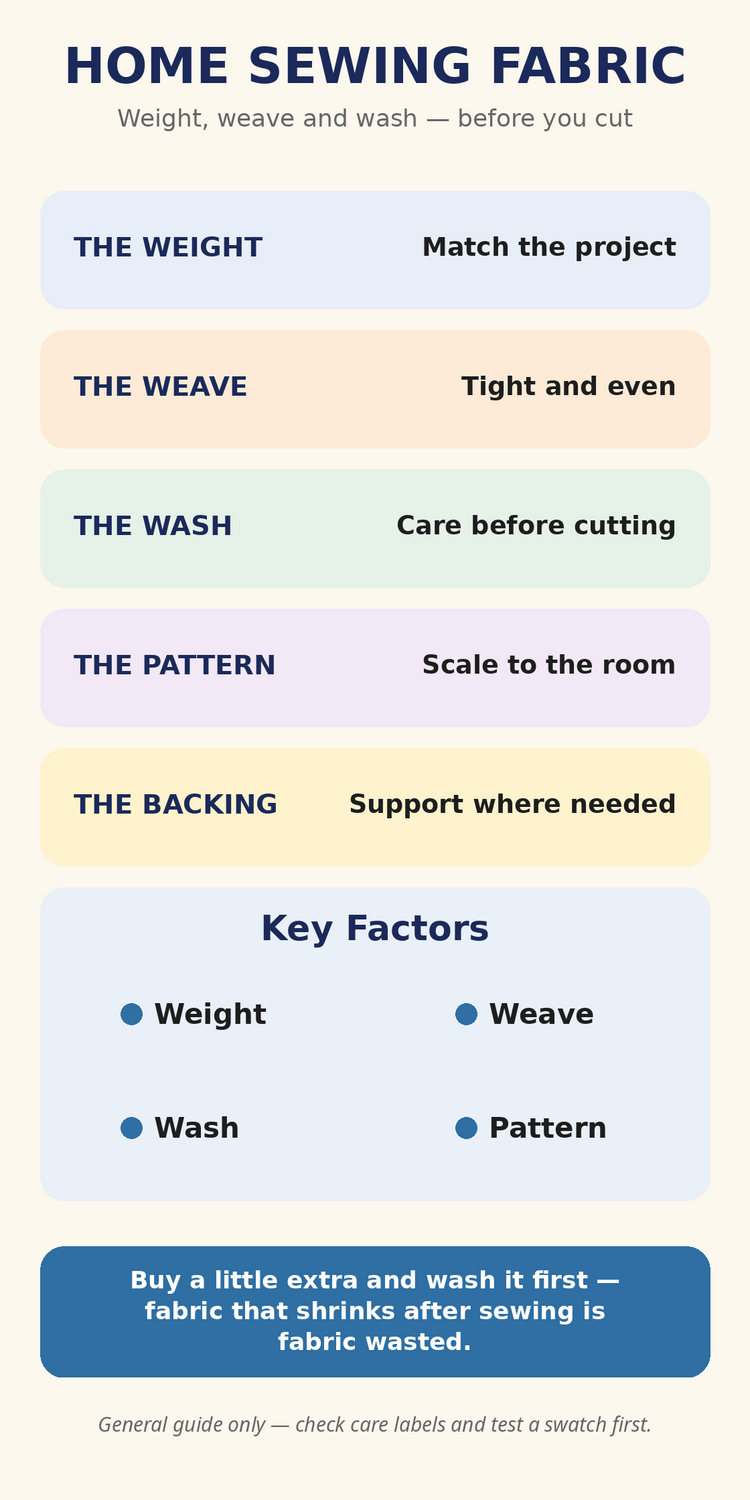
Fabric is where a home project succeeds or fails, and the choice happens long before the first cut. Weight, weave, wash and pattern decide whether a cushion holds its shape, a curtain hangs well and an upholstery job lasts.
This guide covers choosing fabric for home projects — cushions, curtains, throws and light upholstery — in general terms, with the checks that matter and the mistakes that waste good cloth.
1. Start From The Project, Not The Pattern
The prettiest fabric in the shop is the wrong fabric if it does not suit the job. A cushion needs a cloth that holds shape and resists wear; a curtain needs one that drapes; a throw needs softness; a dining chair seat needs toughness. Pattern comes after purpose, not before it.
Before shopping, write down the job in plain terms: what the item is, where it will live, how often it will be used and washed, and whether it faces sunlight. Those four answers narrow the field faster than any amount of browsing, and they prevent the classic error of falling for a delicate cloth that will live on a sunny, much-sat window seat.
Bring measurements and a photo of the room. Fabric looks different under shop lighting than at home, and a photo keeps the room’s colours honest while you choose.
Shopping with a plan beats shopping with a mood. Take swatches of the room’s existing fabrics, a photo of the space, and the measurements for the project, and ask for cuttings of anything you are seriously considering. Most sellers will cut a small swatch, and that swatch, lived with at home for a day, prevents more mistakes than any amount of in-shop deliberation. Note the fabric’s name, width and care guidance on the swatch itself, because a month later the swatch without its details is just a pretty scrap.
2. Weight: The First Thing To Get Right
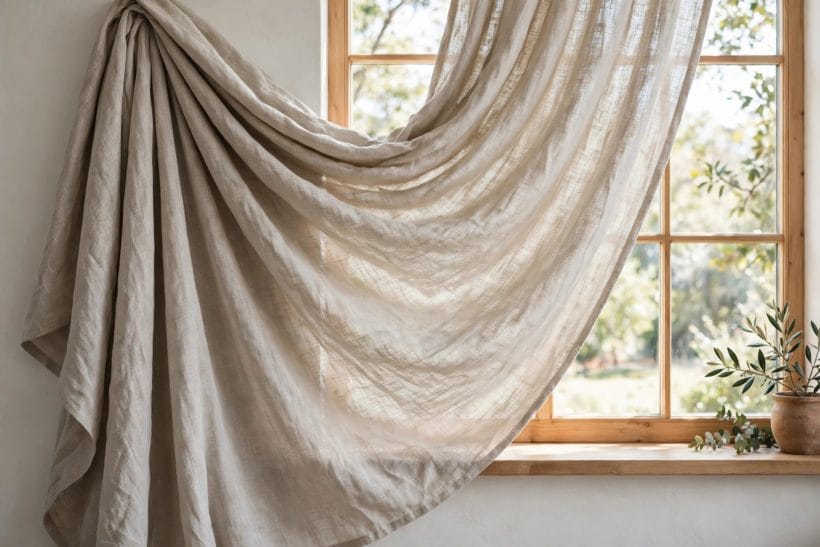
Fabric weight decides drape, durability and ease of sewing. Light cloths float and gather beautifully but will not hold a cushion’s shape; heavy cloths hold structure but will not drape as a curtain and can strain a home machine.
Handle the cloth before buying: let it fall over your hand and see how it moves. A curtain fabric should fall in soft folds; a cushion fabric should spring back when pressed; an upholstery fabric should feel dense and resist creasing when crushed in the hand.
Ask what the cloth is generally used for, and check that its weight suits your machine and your skill level. Very heavy or very slippery cloths demand experience and sometimes specialised feet or needles; a first project deserves a forgiving middle weight.
3. Weave And Fibre: What The Cloth Is Made Of
Weave and fibre decide how a fabric behaves over time. Tight, even weaves wear better and fray less than loose ones; natural fibres breathe and drape beautifully but may crease and shrink; synthetics resist creasing and fading but can feel less soft and may not press as crisply.
Check the weave by holding the cloth to the light: gaps, slubs and uneven threads show up clearly, and a cloth that looks uneven now will look more uneven after washing. Check the fibre content on the bolt end or label, and think about the item’s life — a cushion that gets daily use wants a tougher fibre mix than a decorative runner that rarely moves.
Blends often give the best of both worlds for home projects: the feel of a natural fibre with the resilience of a synthetic. There is no single right fibre for every project, only a right match between fibre, weave and job.
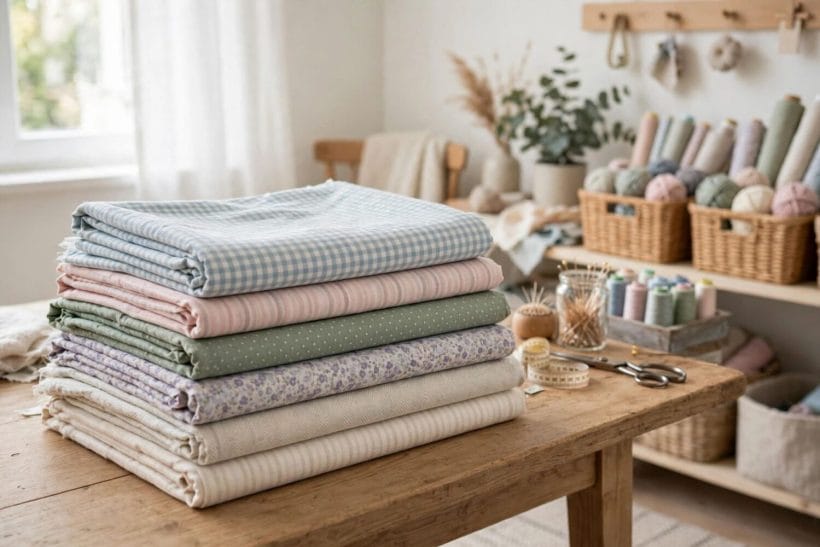
Pressing before cutting deserves its own emphasis, because grain matters. Fabric has a straight grain along the selvedge and a cross grain across it, and patterns are designed to sit on those grains. A creased or skewed length cut without pressing can drift off-grain, and a garment cut off-grain twists after washing. Press the length, check that the selvedges line up, and let the fabric relax flat before pinning the pattern down. Ten unhurried minutes here saves hours of correction later.
4. Wash Before You Cut: The Rule That Saves Projects
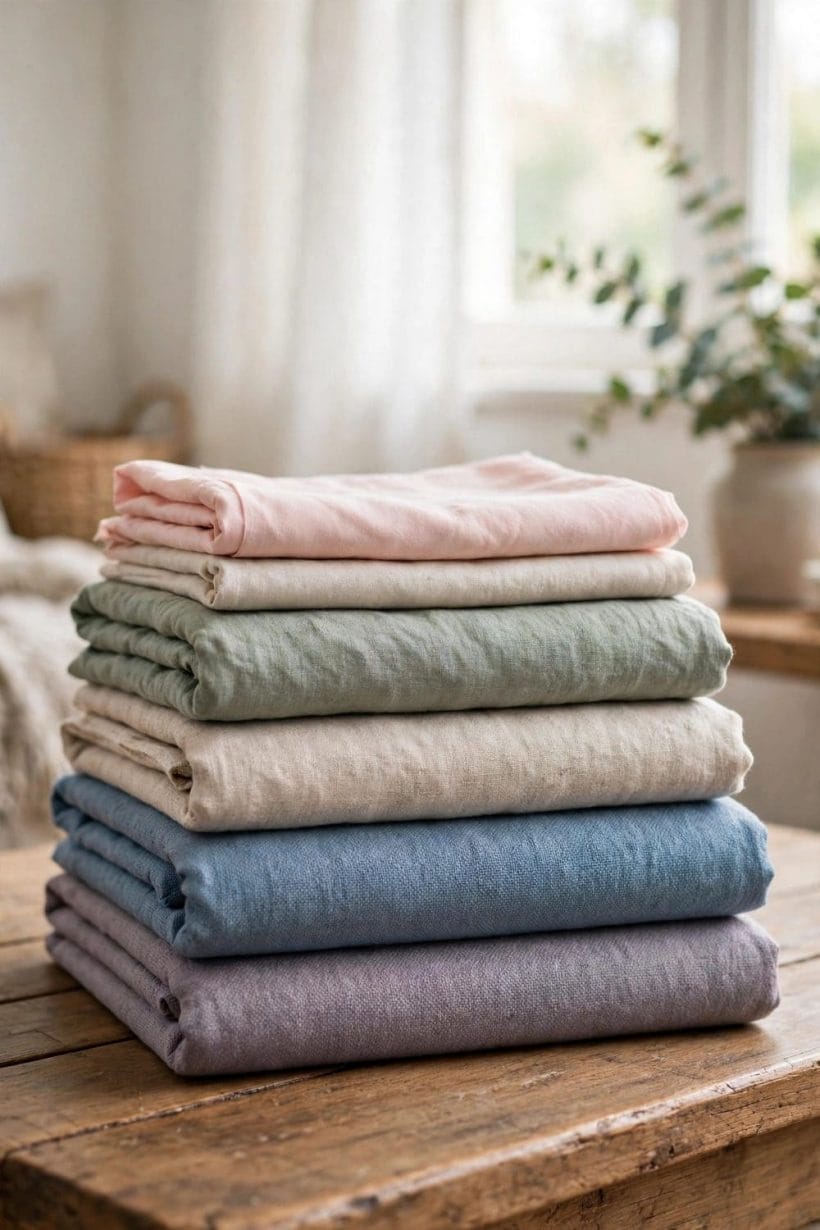
Most fabrics change when first washed: they shrink, soften, and sometimes shift colour. Cutting before washing bakes those changes into the finished item, where they show up as puckered seams, a cushion that no longer fits its pad, or a curtain that suddenly hangs short.
Wash and dry new fabric the way the finished item will be treated, then press it before cutting. If the item will never be washed — a purely decorative panel, say — this step can be skipped, but for anything washable it is essential.
Test colourfastness on a small piece first, especially with strong colours and dark tones. A quick soak in cool water shows whether dye will run, and it is far better to learn that from a scrap than from a finished cushion in a load of pale laundry.
5. Pattern Scale: Match The Print To The Room
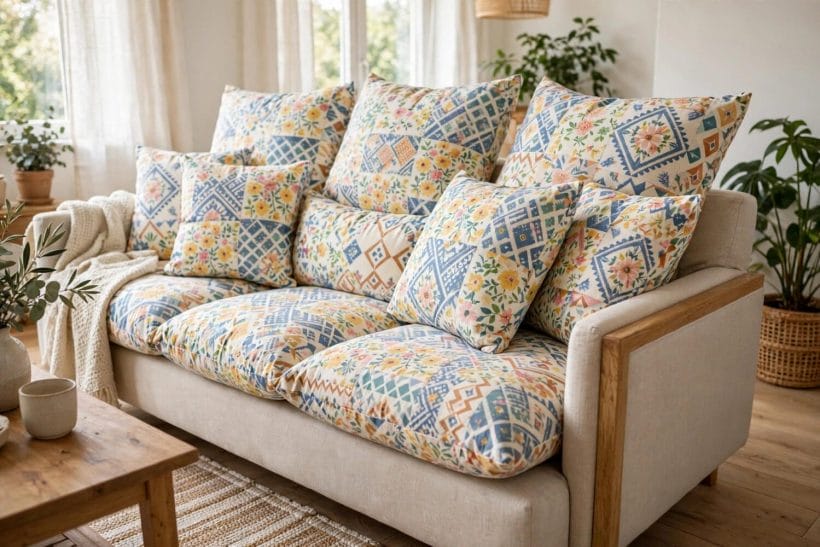
Pattern scale is the difference between a fabric that sings in a room and one that shouts. Large, bold prints suit large pieces and rooms that can carry them; small, fine prints suit small items and busy rooms; a print that fights the room’s existing patterns will tire the eye quickly.
Hold the fabric at the distance it will be seen from: a cushion print is viewed from a metre away, a curtain from across the room. A pattern that looks perfect in the hand can look muddy from the sofa, and a pattern that looks plain up close can read beautifully at distance.
Consider pattern matching where pieces join. Stripes, checks and large motifs need extra fabric to match across seams, and that extra amount should be bought at the start, not discovered halfway through cutting.
Directional prints and nap need a special note, because they change how much fabric to buy. Velvet, corduroy and one-way prints must all run the same direction across every piece, or the finished item will show patches of light and dark where pieces were cut opposite ways. That means laying the pattern in one direction only, which uses more cloth than a non-directional layout. Buy with that in mind, and check the direction twice before the first cut, since a wrongly cut directional piece cannot be turned around.
6. Colour: Light, Room And Existing Pieces
Colour choice is personal, but light is objective. The same fabric reads differently in a north-facing room, a sunny bay and under evening lamps, so check swatches in the room itself, in daylight and at night, before committing to metres of cloth.
Take a swatch home whenever possible, even a small cutting, and live with it for a day or two against the sofa, the wall and the rug. Colours that looked right in the shop have a habit of changing their minds at home, and a swatch is cheap insurance.
Think in terms of the room’s palette, not the fabric alone: a cushion fabric should relate to something already in the room — a rug tone, a curtain colour, a piece of art — so the new item joins the room instead of interrupting it.
7. Backing, Lining And Support
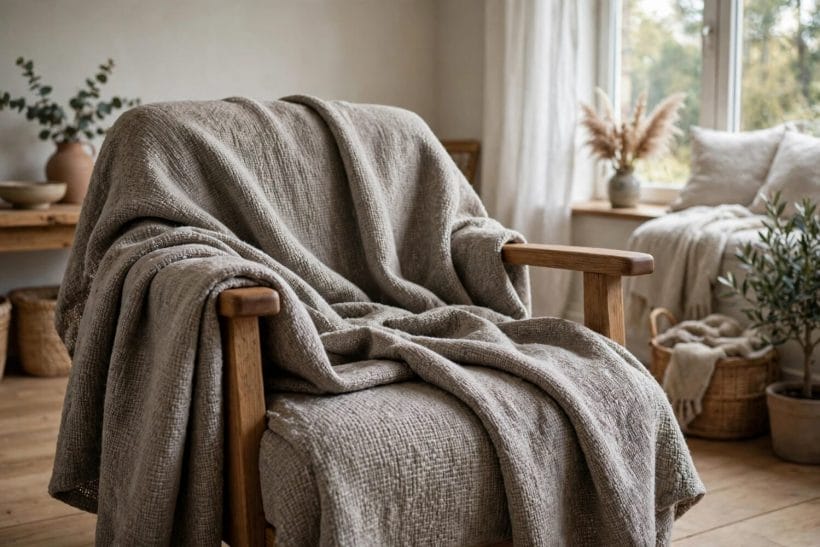
Many home fabrics need a partner: a lining for curtains, a backing for cushions, an interlining for structure. The partner fabric changes how the main cloth behaves, so it deserves as much thought as the face fabric.
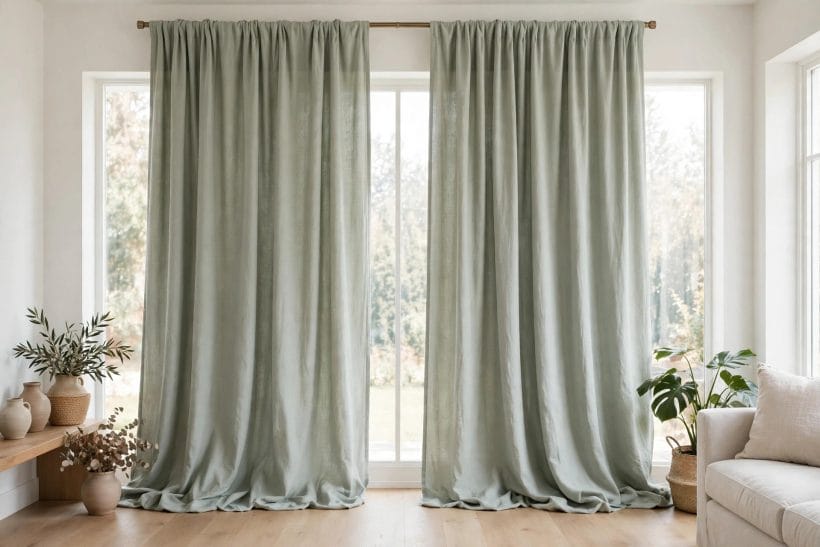
Curtains generally need lining to hang well, protect the face fabric from sun, and give a tidy appearance from outside. Cushions benefit from a plain backing cloth that saves the good fabric for the face. Light cloths used for upholstery may need a firmer backing to hold shape.
Choose linings and backings that wash and wear compatibly with the face fabric. A lining that shrinks differently from its face will pucker the finished item, so wash both together before cutting, just as you would the main cloth.
Remnants and end-of-bolt pieces deserve a look, especially for small projects. A cushion, a runner or a child’s item often needs far less than a full bolt, and a remnant at a lower price can be exactly right — provided it is the same cloth, in good condition, and enough for the job including pattern matching. Check remnants carefully for fading, especially at folded edges that faced the light, and for marks or flaws that the full bolt would not have shown. A bargain remnant with a flaw in the middle is no bargain.
8. How Much To Buy: Measure Twice, Buy Once
Running short mid-project is the most common fabric frustration, and it is usually avoidable. Measure the finished item, add seam allowances and pattern-matching extra, and add a margin for mistakes — especially on a first attempt at a new pattern.
Buy all of the fabric for one project at the same time, from the same bolt if possible. Dye lots vary between batches, and a second purchase weeks later can arrive a shade different from the first, which shows up across a seam.
Keep a little extra even when the maths looks exact. A spare piece covers a miscut, a future repair or a matching small item, and it costs far less than a second trip for a fabric that has sold out.
9. Upholstery Weight: When Home Sewing Gets Serious
Light upholstery — a dining chair seat, a stool pad, a headboard panel — sits at the edge of home sewing, and fabric choice matters more there than anywhere else, because the cloth takes real wear.
Look for density and tightness of weave first, and check the cloth’s general suitability for upholstery use with the seller. A furnishing fabric will say so; a dress fabric pressed into chair service will wear through quickly and no amount of good sewing will save it.
Be honest about the machine and the job: thick, multi-layer upholstery work can strain a basic home machine. Starting with a single seat pad teaches the skills — pattern, cutting, fitting, stapling or stitching — before tackling a whole chair.
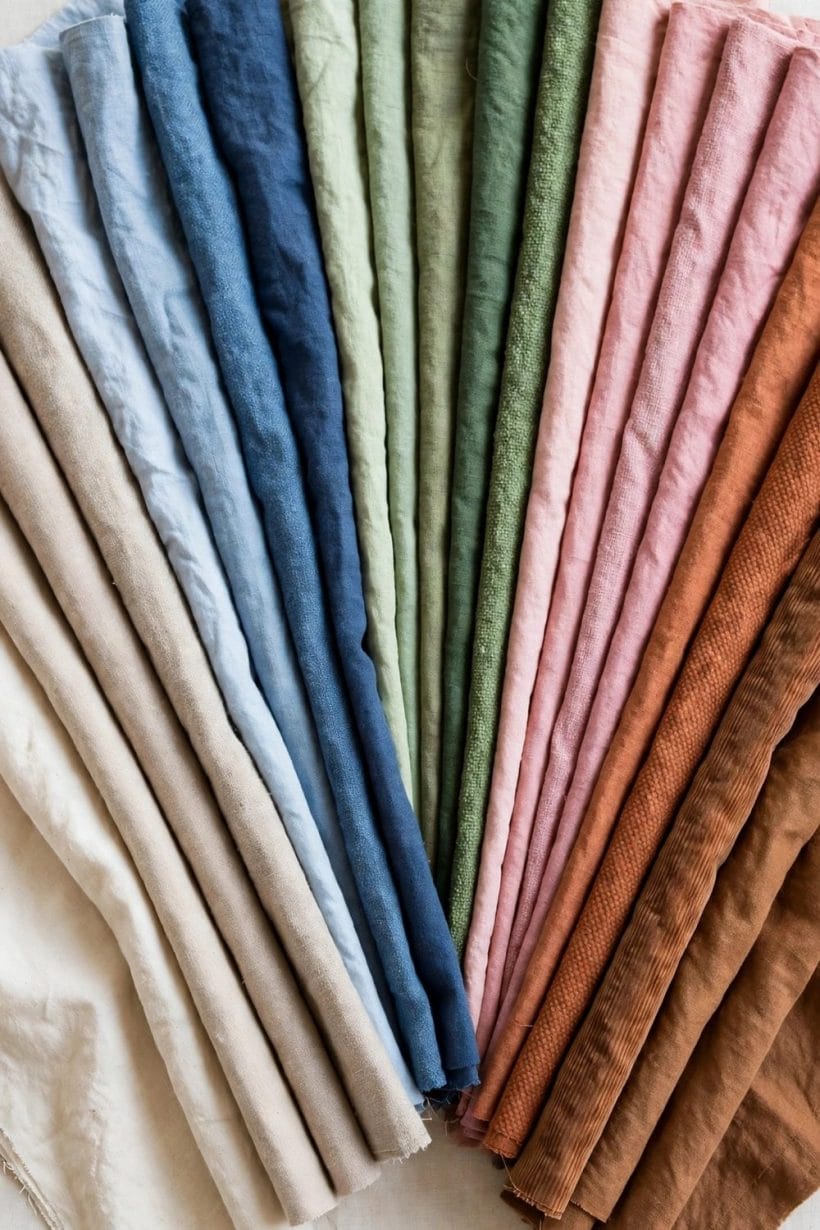
Label everything in the stash, and future-you will be grateful. A tag on each folded length noting fibre, width, amount remaining and care guidance turns a shelf of mystery cloth into a usable library, and it stops the familiar waste of buying a fabric you already own. Photographing the stash, shelf by shelf, gives a quick reference when shopping, so a new purchase can be checked against what is already at home before money changes hands.
10. Storing And Caring For Fabric At Home
Fabric bought but not yet used deserves proper storage: folded, out of direct sunlight, away from damp, and labelled with what it is and how much there is. Sunlight fades folded edges unevenly, damp spots cloth, and an unlabelled stack becomes a mystery within months.
Store by project where possible, keeping the main cloth, lining and trimmings for one item together. A project bag or a labelled shelf section means the next sewing session starts with everything to hand.
Care for finished items according to the fabric’s own guidance, and keep a scrap of each project fabric for future repairs. A small offcut tucked away with the item’s notes is the difference between an invisible mend and a visible patch.
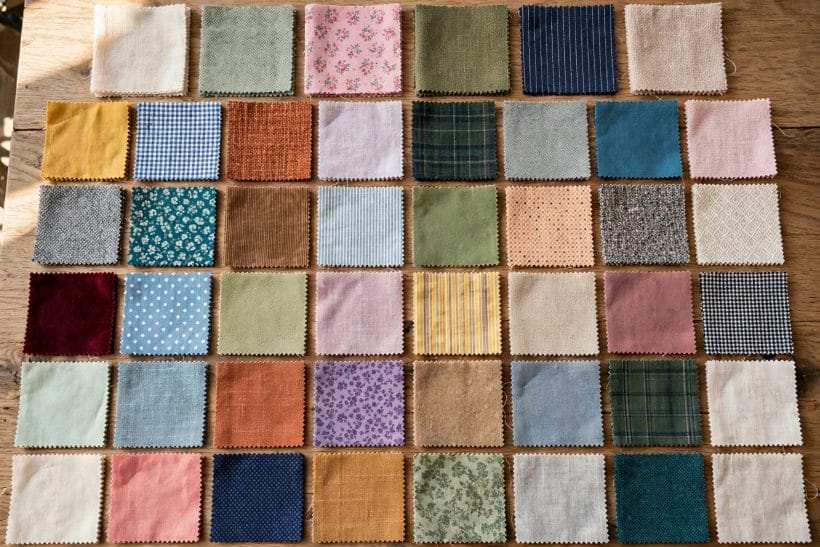
Before committing metres of a new fabric to a big project, test it small. A pouch, a napkin or a single cushion cover in the new cloth reveals how it sews, presses, washes and wears, and any surprise — a weave that frays badly, a colour that runs, a weight that disappoints — shows up on a small scale where it costs little. Makers who test first rarely regret a big purchase; makers who skip the test sometimes regret a whole roomful of curtains.
One last habit repays itself quickly: keep the receipt or a note of where each fabric came from, especially for a fabric you love. A favourite cloth used up mid-project, or a curtain fabric that needs a matching cushion a year later, is only re-buyable if you know what it was and where it came from. A small envelope of receipts and labels, kept with the stash, turns a frustrating hunt into a five-minute reorder — and it records, over time, which sellers and cloths earned a second visit.
Final Considerations
Choosing fabric for home projects comes down to a short list of honest checks: the right weight for the job, a tight even weave, a wash before cutting, a pattern scaled to the room, a colour checked at home, and enough cloth bought at once. Get those right and the sewing itself becomes the easy part.
Start small — a cushion, a runner, a single seat pad — and let each project teach you the next fabric lesson. The stash that grows from real projects, labelled and stored well, is worth far more than a cupboard of beautiful cloth with no plan.
For more home ideas, see bookcase ideas, she shed ideas, craftsman living room ideas, daybed room ideas, tiny house designs and interior design ideas.




0 Comments