

Not every kitchen has mains power to spare, and not every cook wants electronics standing between them and the flame. Premier gas ranges have built their following in exactly those kitchens — compact, freestanding and famously simple, with battery-ignition models that light without household electricity.
This guide covers the range line in general terms, the sizes and ignition types to check, and the questions any honest set of premier gas range reviews should answer before the card comes out.
1. Premier Gas Ranges at a Glance
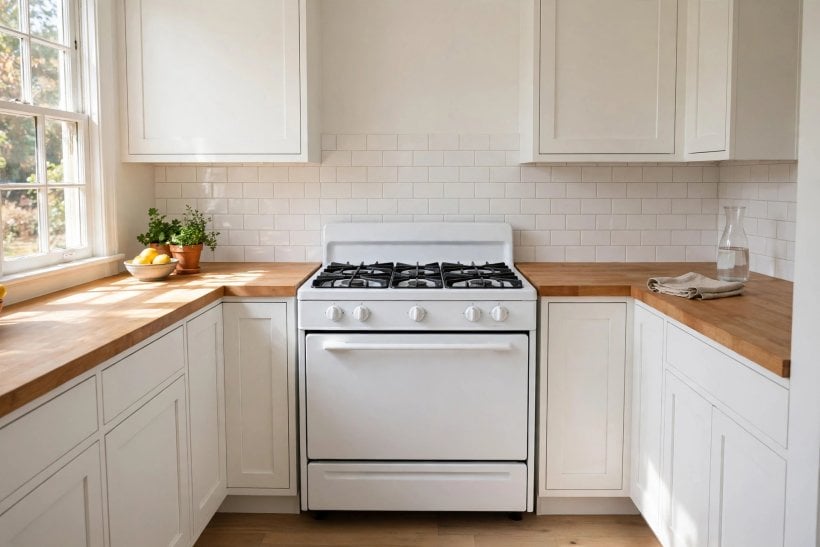
The entity is a range of freestanding gas cookers from Premier, an American maker whose catalogue concentrates on the sizes and situations the big brands underserve: apartment and compact kitchens, smaller widths than the standard slot, and ignition options that suit homes with limited or no mains electricity. Where mainstream ranges compete on electronics — displays, timers, connected features — this line competes on simplicity and fit. Its attributes are therefore practical rather than glamorous: width and capacity, ignition type, burner and grate construction, oven arrangement, and the parts-and-service trail behind a budget appliance. Judge it on those, and the reviews make sense.
| What is Premier known for? | Freestanding gas ranges in compact and apartment sizes, straightforward controls, and battery-ignition models that can light burners and oven without a mains connection — a longstanding niche in off-grid, cabin and rental kitchens. |
| Who are they aimed at? | Landlords furnishing small units, homeowners with narrow range openings, cabin and off-grid households, and cooks who want gas cooking without electronic complexity. |
| What should I check first? | Three things before all others: the exact width and depth of your opening, the position and type of your gas connection, and which ignition type the model uses. Those three decide whether a given range can live in your kitchen at all. |
| Are they full-featured ranges? | No — deliberately. Expect honest burners, an oven and a broiler rather than convection fans, self-cleaning cycles or digital controls. The simplicity is the product; buy it for that, not despite it. |
| What is the most common disappointment? | Ordering by headline width alone, then discovering the oven is smaller than the old one, or that a battery-ignition model was wanted where an electric one was ordered. The checks in this guide exist to prevent exactly that. |
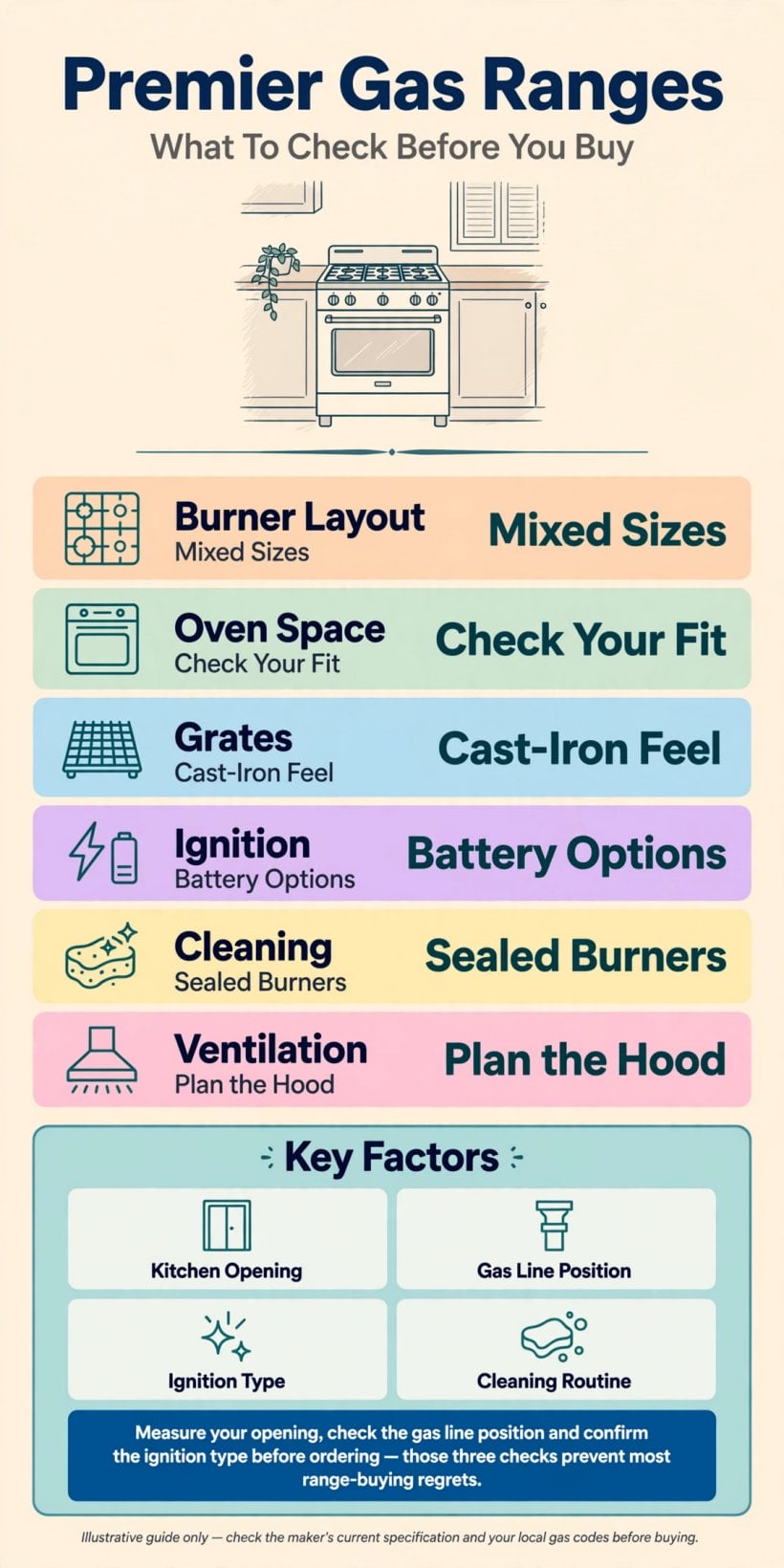
At a glance: compact freestanding gas ranges with simple controls and an off-grid-friendly ignition option — fit, ignition and parts are the checks that matter.
2. The Line in General Terms
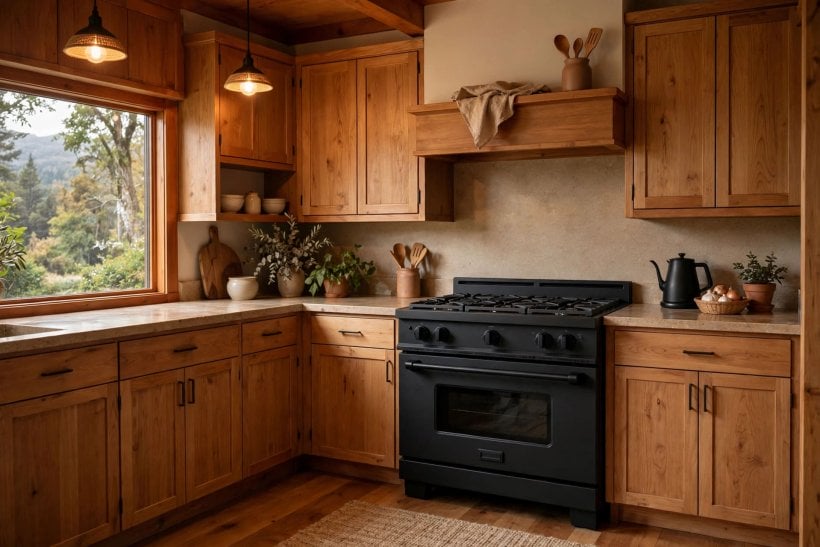
Premier’s catalogue is built around the freestanding format: a single unit carrying hob, oven and usually a broiler, finished on its sides so it can stand at the end of a run as happily as between cabinets. The emphasis falls on smaller footprints than the standard domestic slot — the sizes apartments, older houses, cabins and compact kitchens were actually built with — alongside conventional sizes for ordinary replacements. Across the line the design language is conservative: enamelled surfaces, knob controls, and an absence of touchscreens that dates about as slowly as a cooker can.
Simplicity as a Specification
It is easy to read a short feature list as a deficiency. For this line it is a position: fewer electronic boards means fewer things to fail, cheaper repairs when something does, and a cooker that a landlord, a cabin owner or an off-grid household can keep running for years with basic parts. The compact-appliance thinking in this guide to compact kitchen appliances for tiny houses makes the same argument across the whole small kitchen: in a tight space, appliances earn their place by fitting and lasting, not by dazzling.
Finishes and Formats
Expect the traditional finishes — white, black and stainless-look options appear across ranges of this type — and format variations such as a lift-up hob top for cleaning access on some models, or a drop-down broiler below the oven. Treat every such detail as model-specific: confirm it for the exact unit you are ordering rather than assuming the catalogue shares it, because at this end of the market, features vary more between models than the shared badge suggests.
3. Ignition: Electric Versus Battery — the Signature Choice
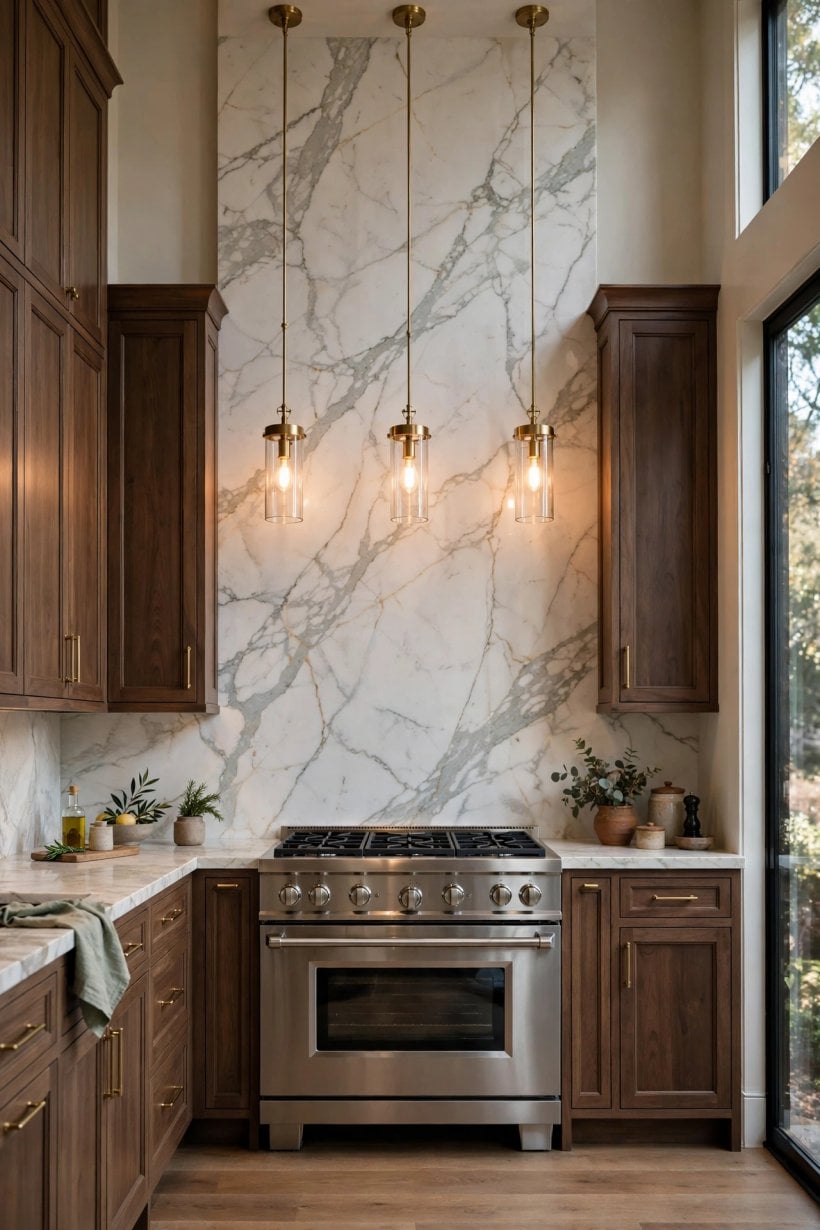
If one attribute defines this line’s following, it is ignition. Most gas ranges light their burners with an electric spark system that needs a mains supply; in a power cut, the hob may still be lit with a match on many designs, but the oven typically cannot be used. Battery-ignition models replace the mains spark with a battery-powered one, so the whole cooker — oven included — works with no household electricity at all.
Who Battery Ignition Serves
The answer writes itself for cabins, off-grid homes, solar households watching every load, and areas where outages are routine: the cooker simply keeps cooking. The daily reality of running a kitchen without grid power is covered in this guide to how to live off grid in a tiny house, and ignition is exactly the sort of small specification that decides whether a gas range belongs in such a home — gas itself arrives in a bottle or tank, independent of the grid, so a cooker that also lights independently completes the system. The supporting picture of services in such homes is in this overview of tiny house utilities: power, water and sewage.
Checks Before You Choose
Confirm which ignition the exact model carries — the two types can look identical in a photograph. Ask how the battery is housed and changed, keep spares, and remember that electric-ignition models still suit most homes better if the cooker will live on the grid, where match-free oven lighting is a daily convenience. Neither is superior; they serve different houses.
4. Burners and Grates: What to Check on Top
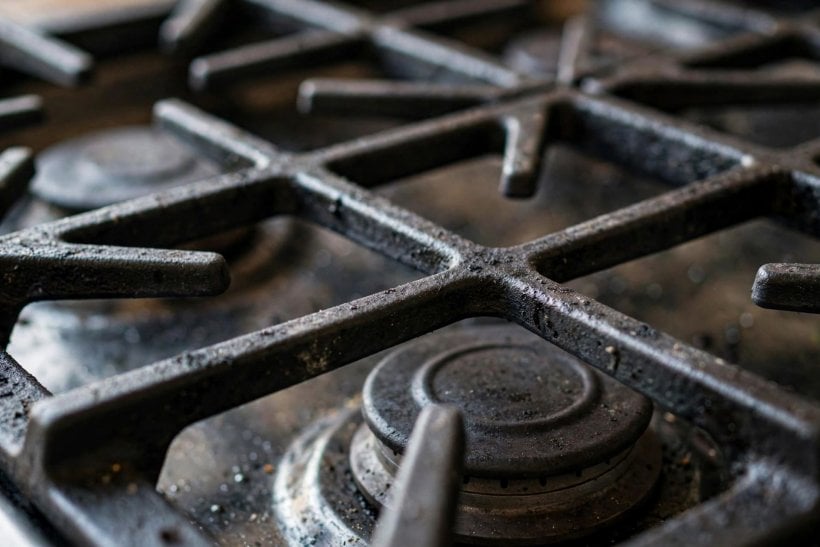
The hob is where a range is judged three times a day. On compact cookers the burner layout is necessarily tighter than on a wide range, so the checks are about usable space rather than headline power: can two of your real pans sit side by side without crowding, is there a small burner genuinely suited to a low simmer, and do the grates form a stable, reasonably continuous surface for sliding a pot across?
Burner Types and Grates
Sealed burners — where the burner sits in a dished, wipeable hob surface — contain spills and clean faster; open designs on some simpler models are easier to strip down completely. Neither is a quality verdict; they are different cleaning philosophies, and honest reviews say which a model uses. Grates on ranges of this class are typically enamelled steel or cast iron in feel and construction, in individual or paired sections: lift them in the showroom if you can, because grate weight and stability are what your hands will judge every day. Avoid quoting burner power figures from memory or marketing — on any model you shortlist, read the rated outputs in the maker’s own specification and compare like with like.
5. Size and Fit in Compact Kitchens
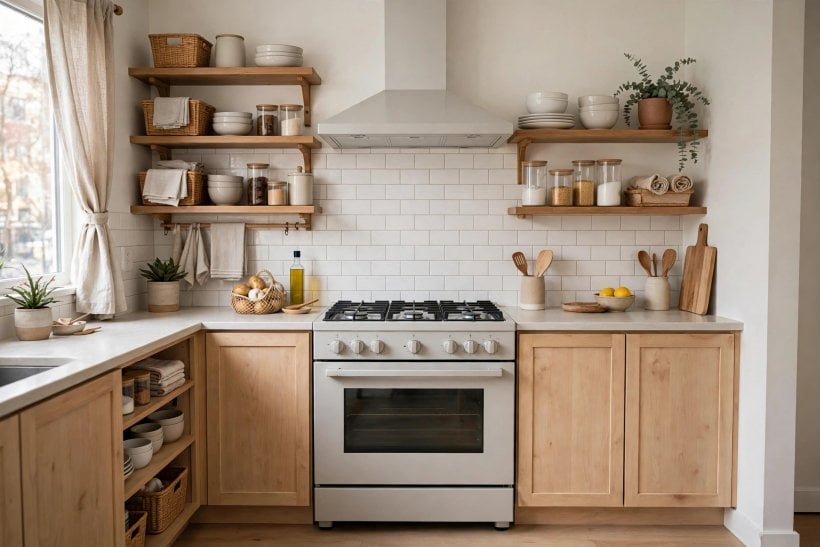
This line exists because openings vary, so measure like a pessimist. Width is the headline, but depth decides whether the range stands flush with your worktops, and height — usually adjustable within a small range by the feet — decides whether the hob lands level with the counters beside it, which matters every time a pan slides sideways. Measure the opening at its narrowest point, including any skirting or pipework that steals space, and measure the route in as well: a range that fits the kitchen but not the hallway is a doorstep ornament.
Oven Capacity, Honestly
Compact ranges carry compact ovens. Judge by what you cook: the family roasting tin, the baking trays you actually own, the height between shelves with a tall dish on the lower one. Take your largest tray’s measurements to the showroom or check them against the maker’s stated internal dimensions for the exact model. The small-kitchen layouts in these tiny house kitchen designs show the broader principle: in compact kitchens every appliance dimension is a planning decision, and the cooker is the least forgiving of them.
6. Oven, Broiler and Everyday Cooking
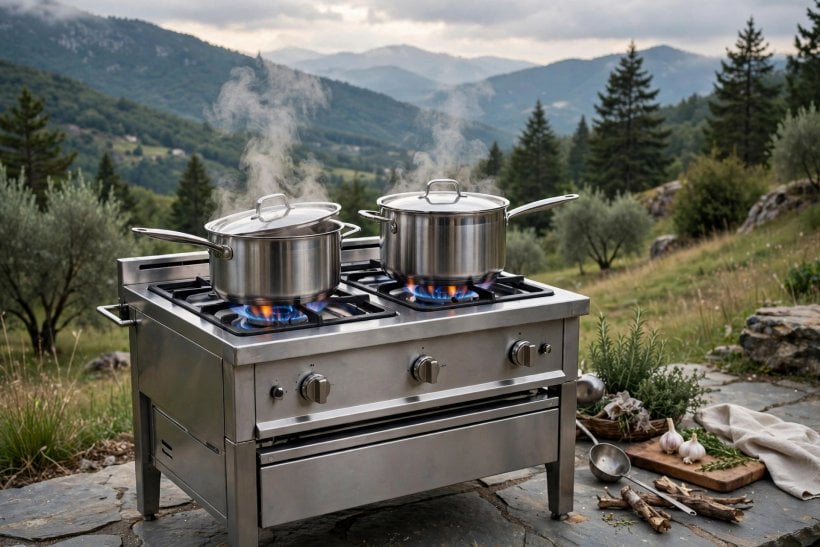
Expect a conventional gas oven: a single cavity heated from below, with a thermostat knob rather than a digital programmer, and a broiler arrangement that varies by model — inside the oven on some, in a drop-down compartment beneath it on others. Conventional gas heat is moist heat, kind to roasts and casseroles, and its quirks are known quantities: the base runs hottest, so tray rotation is part of baking, and a simple oven thermometer is the honest cook’s calibration tool whatever the dial claims.
Everyday Checks That Matter More Than Features
How low does the smallest burner honestly simmer without going out? Does the oven light easily and hold its flame when a door slams? Are the knobs legible, grippable with wet hands, and sensibly placed away from the heat’s path? A week of cooking answers these better than any feature list, which is why reviews from owners in similar kitchens — apartments, cabins, rentals — are worth more for this line than laboratory comparisons against premium ranges it never pretended to be.
7. Ventilation and the Gas Connection
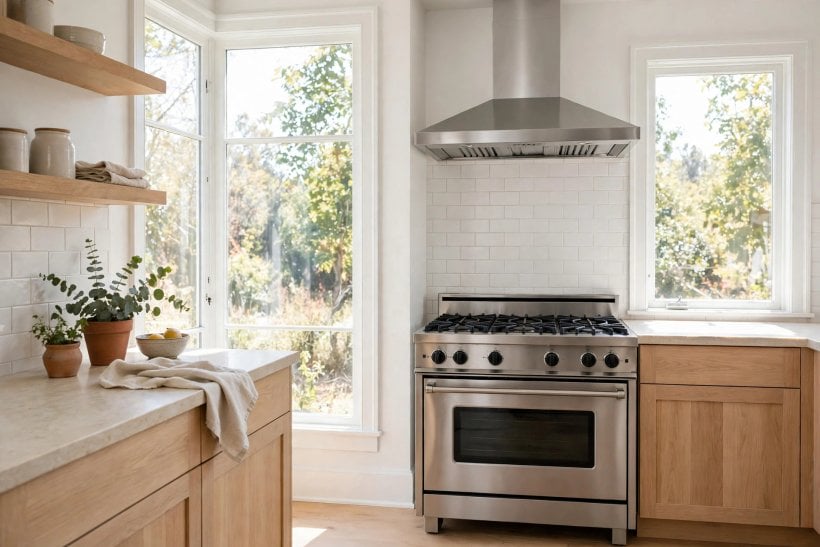
Gas cooking produces heat, moisture and combustion gases, and every kitchen that hosts it needs a plan for all three: an extractor that actually vents outside where possible, or at minimum openable windows and a cooker used with ventilation in mind. In small and tightly sealed modern kitchens this matters more, not less — the design guidance in this guide to kitchen design for tiny houses and small spaces treats ventilation as a first-order decision for exactly this reason.
The Connection Itself
Gas work is licensed work in most places, for good reason: the connection, its shut-off valve, the flexible connector’s condition and the appliance’s setup for your gas type — natural gas or bottled LPG, which use different settings and sometimes different parts — all belong to a qualified fitter, not a confident homeowner. Confirm your gas type before ordering, because a range specified for one is not simply plugged into the other. A carbon monoxide alarm in a home with gas appliances is inexpensive, standard advice everywhere; fit one and test it like a smoke alarm. None of this is Premier-specific — it is the entry ticket for cooking on gas at all.
8. Cleaning and Day-to-Day Care
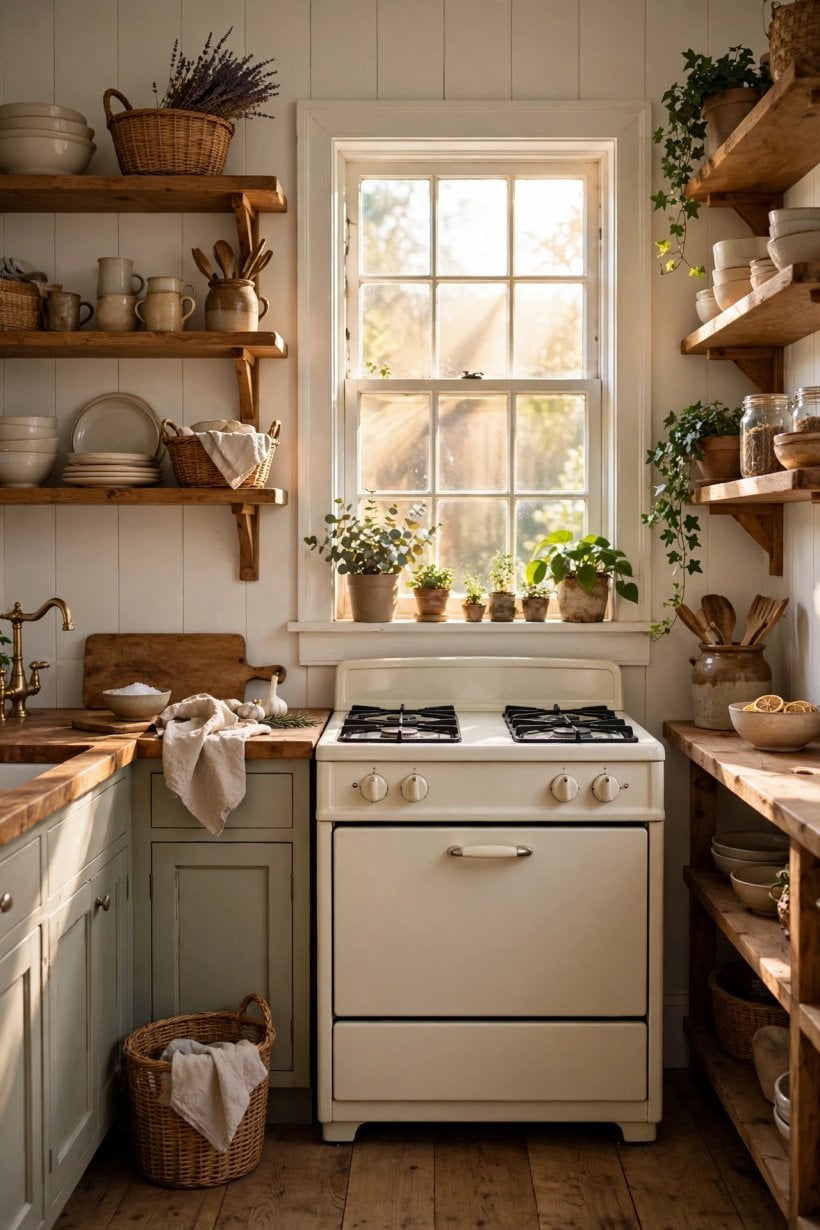
Simple ranges clean simply, which is the point. Enamelled hob surfaces wipe down; grates and burner caps lift off for the sink; the oven, lacking a self-cleaning cycle at this level, wants the old discipline of wiping spills before they bake on through a second and third firing. A lift-up hob top, where a model offers one, turns the below-burner clean from a excavation into a wipe. None of this is glamorous, and all of it is why these cookers survive rental service: there is very little on them that a tenant can break expensively.
Keeping the Flame Honest
Burner flames should burn blue and even; a lazy yellow or lopsided flame usually means a blocked port or a cap seated crooked, both fixable with a brush and patience once the cooker is cold. Keep the ignition contacts clean and dry, and on battery models, treat a weakening spark as a battery message before it becomes a service call. Annual attention from a gas fitter — combined with any other appliance service — keeps a simple range in its long, uneventful prime.
9. Warranty, Parts and Service Checks
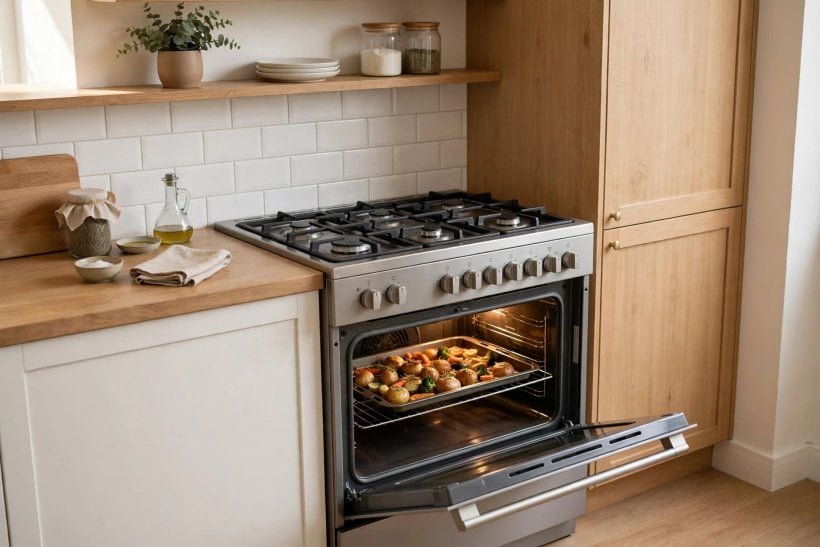
Budget appliances live or die by their parts trail. Before buying, confirm the warranty’s actual terms for the exact model — its length, what it covers, and who performs the service in your area — and ask the retailer the two questions that predict ownership happiness: are wear parts (knobs, grates, burner caps, ignition modules, oven thermostats) listed and orderable, and is there a service agent within a sane distance? A simple range with available parts is a twenty-year appliance; an exotic one with none is a countdown.
Buying Sight-Unseen: Extra Checks for Online Orders
Compact ranges are often ordered online, delivered to the kerb and signed for in a hurry — which is exactly how the wrong ignition type or a dented side panel becomes your problem. Before ordering, confirm the delivered dimensions and weight against your doorway and stair turns, and agree who takes the packaging and the old appliance away. On delivery, photograph the range from all sides before signing anything, check the rating plate against the model you ordered, and keep the packaging until the fitter has connected and tested it: a cooker that has never been installed is returnable, while one that has been plumbed in is a negotiation. These are five-minute checks, and on a sight-unseen purchase they are the entire difference between a bargain and a saga.
Documentation to Keep
Register the purchase if the maker offers it, and file the manual, the model and serial numbers (photograph the rating plate), the gas fitter’s commissioning paperwork and the receipt. On a battery-ignition model, note the battery type in the manual’s margin the day it arrives. If the range will serve a rental, that file is also your compliance trail — another unglamorous place where this line’s simplicity quietly pays.
10. Who Should Pick Premier — and Who Should Look Elsewhere
Pick a Premier gas range if your opening is narrower than standard, if your kitchen is an apartment, cabin or compact small-home kitchen, if your power supply is a battery bank rather than a grid — the battery-ignition models exist for you — or if you are furnishing a rental and value repairability over features. Pick it, too, if you simply prefer knobs to menus: there are more of you than the market admits, and this line is one of the few still built on that preference. The compact-kitchen planning in this guide to tiny house kitchen design and the breadth of these kitchen ideas will help place it well once chosen.
Look elsewhere if you bake competitively and want fan-assisted evenness, if you need a self-cleaning oven or a sealed, flush induction-style surface, or if your cooking is built around large stockpots and wide woks that need the elbow room of a full-width professional-style range. None of that is a criticism of this line — it is a description of its borders. Inside them, a Premier is an honest tool at an honest position in the market, and the buyers who choose it with the checks in this guide done are rarely the ones writing angry reviews.
Final Considerations
Premier’s proposition is fit and simplicity, and it should be bought on exactly those terms. Measure the opening and the route to it, confirm the gas type and the ignition type, check the oven against your own trays, and verify the parts trail — four checks, none of them glamorous, all of them decisive. Do that, and the range that arrives is the range the favourable reviews were describing.
Skip the checks, and no brand at any price would have saved the purchase. With compact and off-grid kitchens, the specification sheet that matters is your own kitchen’s — the cooker just has to match it.


0 Comments