

A small box can change a whole corner, softening a bare patio, lifting colour up to a windowsill and giving fresh herbs a home just steps from the kitchen door.
These planter box ideas bring together 75 practical ways to choose materials, plant with confidence and style simply, so even the tiniest garden feels planned, generous and easy to care for.
1. Start With the Right Box in the Right Place
Before you buy a single plant, look honestly at the spot you have. Note how many hours of direct sun it receives, whether wind funnels through, and how you will reach it with a watering can. A deep box in shade suits leafy greens and ferns, while a shallow, sun-baked trough suits thyme, rosemary and other tough Mediterranean herbs. Measure first, then choose a container that leaves room to walk, open doors and sit comfortably nearby.
Good planter box ideas always begin with drainage, soil depth and weight. A filled box is far heavier than an empty one, so balconies and decks need extra care and a check with the building owner or local guidance where you are unsure. Keep the table below beside you as you plan, then work through the sections that follow, from timeless timber to clever small-space styling.
| At a Glance | What to Know |
|---|---|
| Best for small spaces | Slim railing boxes, tiered stands and long, narrow troughs along a wall or fence line. |
| Most forgiving materials | Thick timber, quality metal and frost-proof stone-effect finishes that cope with changing weather. |
| Easiest plants to start | Herbs, salad leaves, trailing petunias, geraniums, heuchera and compact grasses. |
| Biggest mistake | No drainage holes, tired soil and planting thirsty and drought-loving plants together. |
| Simple care rhythm | Check moisture with a fingertip, feed in the growing season and refresh the top layer of compost each spring. |
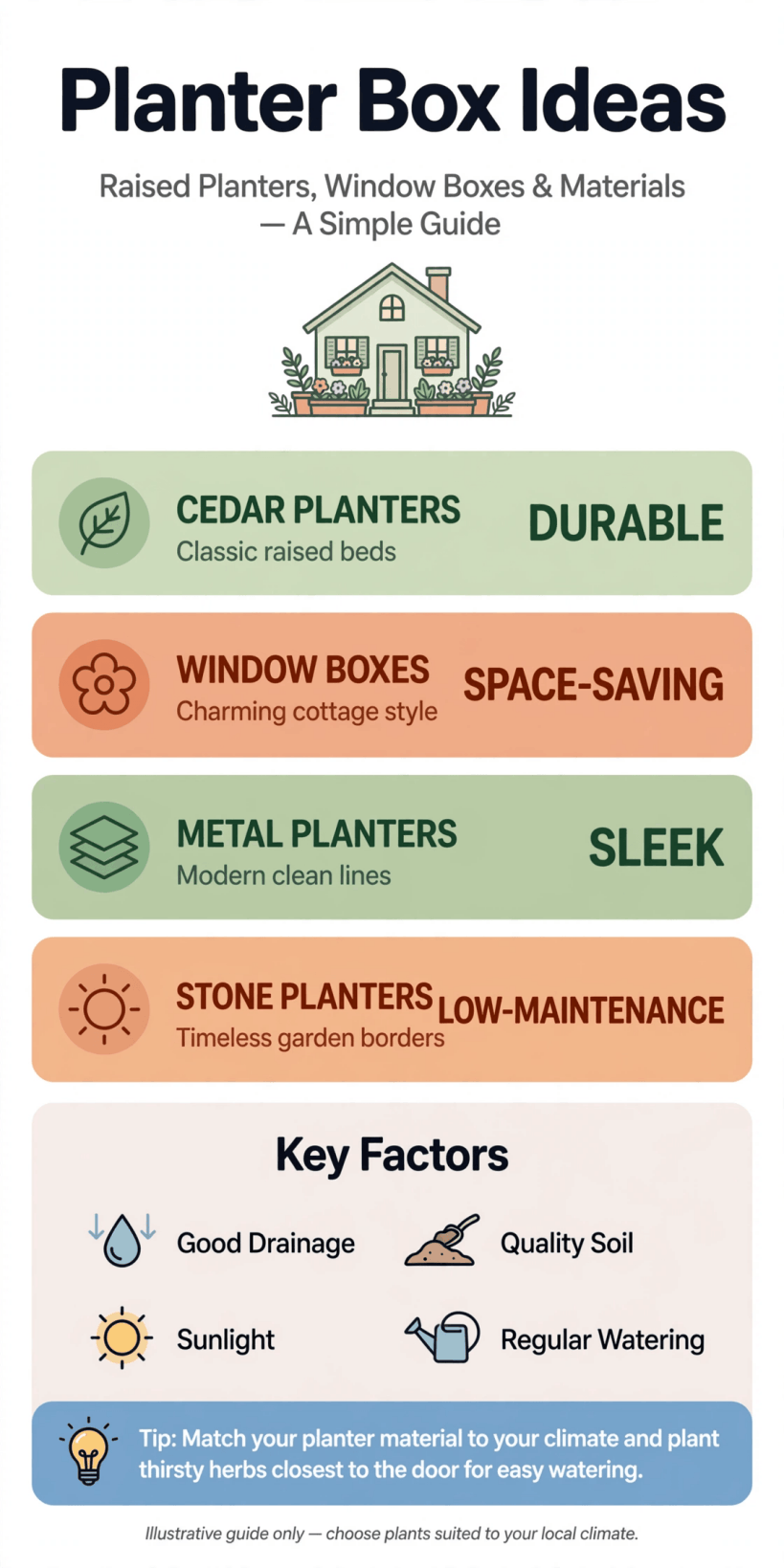
A quick visual guide to choosing, planting and styling a box for patios, balconies, windows and garden edges.
2. Timeless Materials That Suit Almost Any Garden
Material sets the mood before a plant goes in. Timber warms a cottage corner, metal sharpens a modern terrace and stone settles a box into a country garden. If you are planning the wider plot at the same time, our guide to tiny house landscaping ideas shows how planting, paths and seating can work together in a compact space.
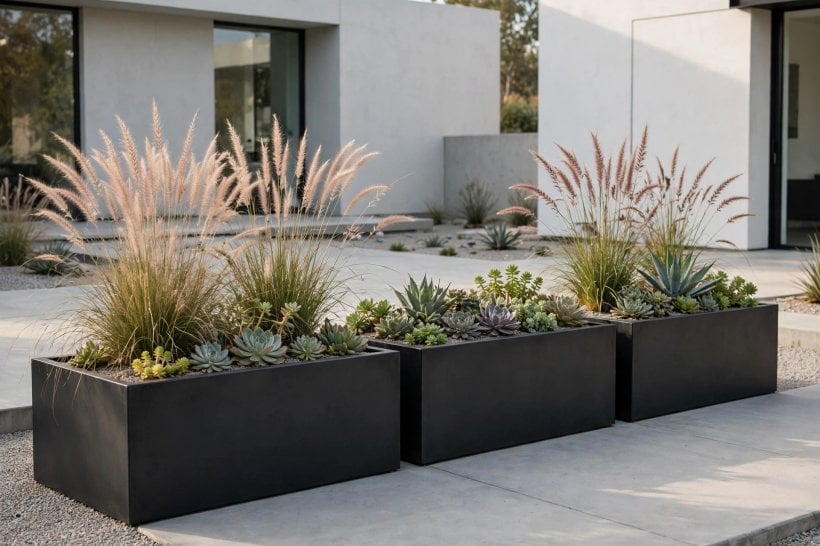
- Classic cedar trough. Choose naturally warm timber for a box that weathers gracefully, suits herbs and flowers alike, and can be cut to fit an awkward corner neatly.
- Painted pine window box. A coat of exterior paint turns simple pine into a cheerful feature, especially in white, sage or deep green beneath a cottage window.
- Galvanised metal planter. Ridged metal brings a relaxed, farmyard feel, reflects light gently and pairs beautifully with soft grasses, lavender and trailing verbena.
- Stone-effect rectangle. A stone-look finish gives the calm weight of masonry without the heavy lifting, grounding a doorway or the end of a short path.
- Terracotta long box. Warm clay tones suit Mediterranean planting, although porous walls dry out quickly, so water a little more often in hot, windy weeks.
- Black metal modern trough. A crisp dark outline makes green foliage look richer and works well against pale walls, gravel and light-coloured paving.
- Reclaimed timber box. Old boards with visible grain add instant character, provided you line the inside and check the wood is clean and free from harmful treatments.
- Woven-look basket planter. A basket-style outer softens hard landscaping on a balcony or porch, hiding a plain inner pot while keeping the whole arrangement light.
- Concrete-look cube. A simple cube in a pale concrete finish anchors a single statement plant, such as an olive-style shrub or a neat ornamental grass.
3. Shapes and Sizes for Awkward Corners
Not every garden offers a neat rectangle of empty ground. Corners, steps, narrow side returns and tiny balconies all need boxes that fit the space rather than fight it. Measure twice, leave breathing room around each plant, and remember that one well-proportioned box usually looks calmer than several small pots competing for attention.
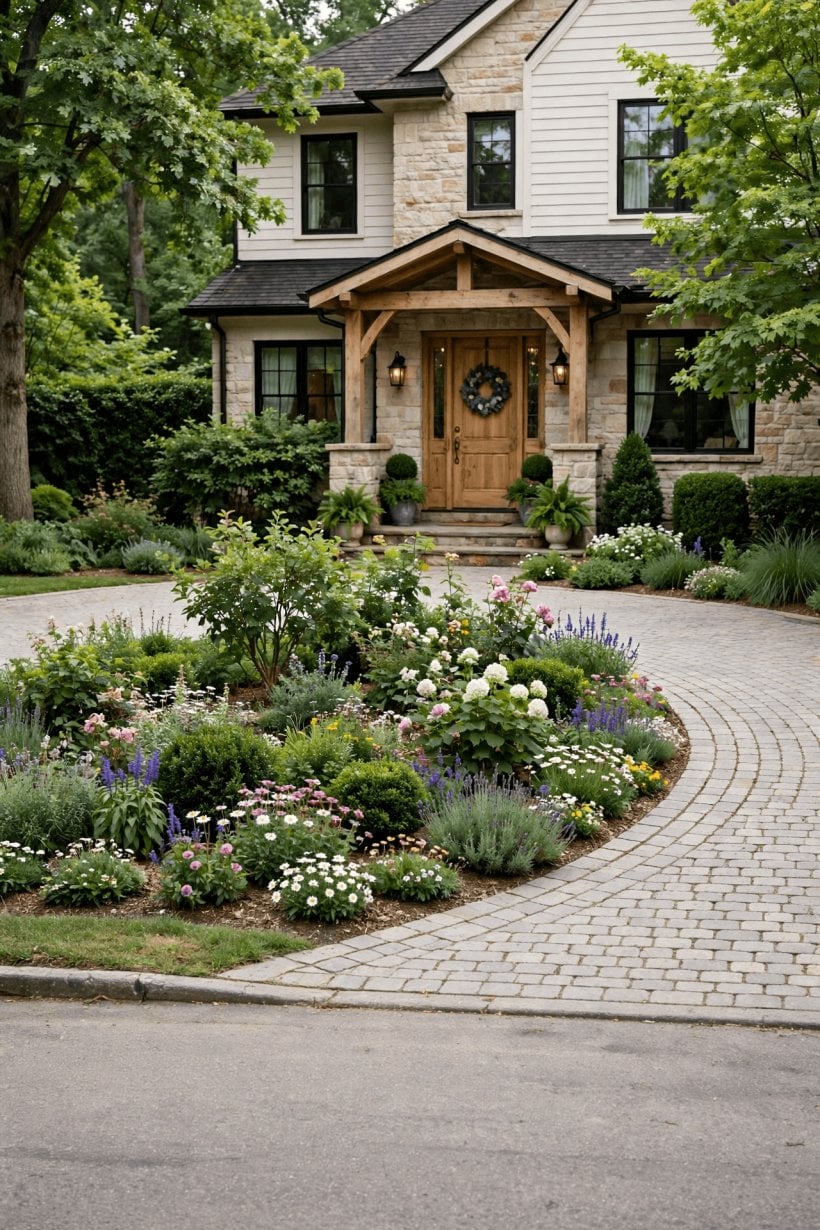
- Corner quarter box. A quarter-round or angled box tucks into a forgotten corner, turning dead space beside a gate or bench into a soft mound of planting.
- Slim side-return trough. A long, narrow box makes use of the strip beside a house wall, ideal for climbers, herbs or a row of spring bulbs.
- Step-by-step boxes. Small matching boxes on alternate steps guide visitors upward and let you change the display with the seasons without replanting everything.
- Low wide trough. A broad, low profile suits a patio edge where tall planting would block the view, keeping colour at ankle height and sightlines open.
- Tall statement planter. Height adds privacy and drama in a small yard, especially planted with a small tree, tall grass or a standard-shaped shrub.
- Tiered three-level stand. Stepped levels lift trailing plants into the light, make watering easier and create a full display on a very small footprint.
- Railing-hung box. A secure railing box frees up floor space on a balcony, bringing flowers to eye level and softening the view from indoors.
- Rolling box on castors. Wheels let you chase the sun, shelter tender plants in a storm and rearrange the terrace when guests come to visit.
- Hexagonal cluster. Grouped six-sided boxes form a honeycomb feature that can grow one module at a time as your budget and confidence increase.
4. Planting Combinations That Always Look Good
The easiest planting recipe is a thriller, a filler and a spiller: something tall, something bushy and something that trails. Repeat colours rather than using every shade at once, and think about leaves as much as flowers. Our overview of tiny house and small-space interior design uses the same repeat-and-restraint idea indoors, and it works just as well outside.
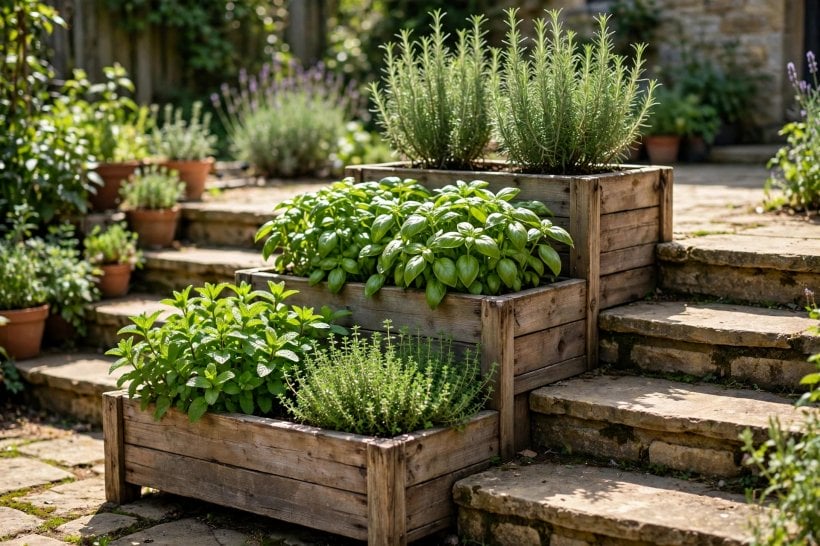
- Herb and flower mix. Combine chives, sage and thyme with a few edible flowers for a box that looks generous and earns its place near the kitchen.
- White and green calm. White blooms with silver and deep green foliage create a restful scheme that glows in evening light and suits shady corners.
- Sunset colour wash. Coral, apricot and soft red flowers layered together feel warm and welcoming, especially against grey paving or a dark fence.
- Grass and daisy pairing. Feathery grasses soften simple daisy-like flowers, adding movement every time a breeze passes through the garden or across the balcony.
- Spring bulb layering. Plant bulbs at different depths among winter foliage so colour arrives in waves, from early crocus through tulips to late alliums.
- Trailing edge softness. Let ivy, trailing lobelia or creeping thyme spill over the rim to hide a plain box and blur the line between container and garden.
- Single-plant statement. One plant repeated along a box, such as lavender or box-like shrubs, looks confident, tidy and surprisingly luxurious in a small space.
- Leafy shade mix. Hostas, ferns and heuchera bring texture to a north-facing spot where flowers struggle, proving shade can look lush rather than empty.
- Pollinator-friendly pick. Open, simple flowers with herbs and lavender give bees and butterflies a feeding stop, adding life and gentle movement to your display.
5. Boxes for Patios, Decks and Entertaining Spaces
Outdoor seating deserves planting that frames rather than crowds it. Keep boxes low around chairs, taller behind benches, and leave clear routes for trays, children and dogs. Scent matters here too, because a box beside a seat is experienced up close, in the evening, when fragrance from leaves and flowers carries best.
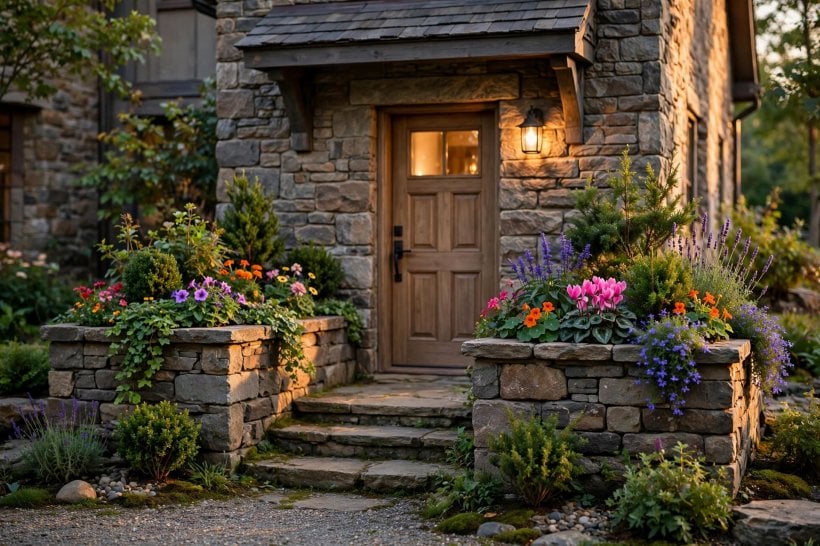
- Bench-back border box. A long box behind a bench creates a green backdrop for conversation and hides an uninspiring fence or wall at sitting height.
- Fire-pit friendly planting. Keep foliage well back from any heat source and choose sturdy, non-flammable edging materials, checking local guidance for outdoor fires first.
- Evening scent box. Night-scented flowers and brushed herbs release fragrance after dark, making a small terrace feel like a destination rather than a thoroughfare.
- Privacy screen planter. Tall boxes with grasses or slender shrubs soften sightlines from neighbours without building a permanent wall or losing precious light.
- Matching pair for a doorway. Two identical boxes either side of a door bring instant order, working with almost any house style and any seasonal planting.
- Low table-centre trough. A shallow trough on an outdoor table holds herbs or succulents without blocking faces, conversation or the view across the garden.
- Pool and deck edge box. Choose tough, tidy plants that will not drop constant debris, and keep containers secure so they cannot tip in gusty weather.
- Shaded dining corner box. Ferns and pale flowers brighten a cool dining spot, keeping the table area feeling fresh even on the hottest afternoons.
6. Colour, Paint and Finishes That Refresh Old Boxes
A tired box rarely needs replacing; it usually needs cleaning, sanding and a new finish. Colour can tie containers to your door, fence or furniture so the whole garden feels considered. For palette confidence, browse our guide to tiny house interior paint colors and borrow the same calm combinations for timber and metal outside.
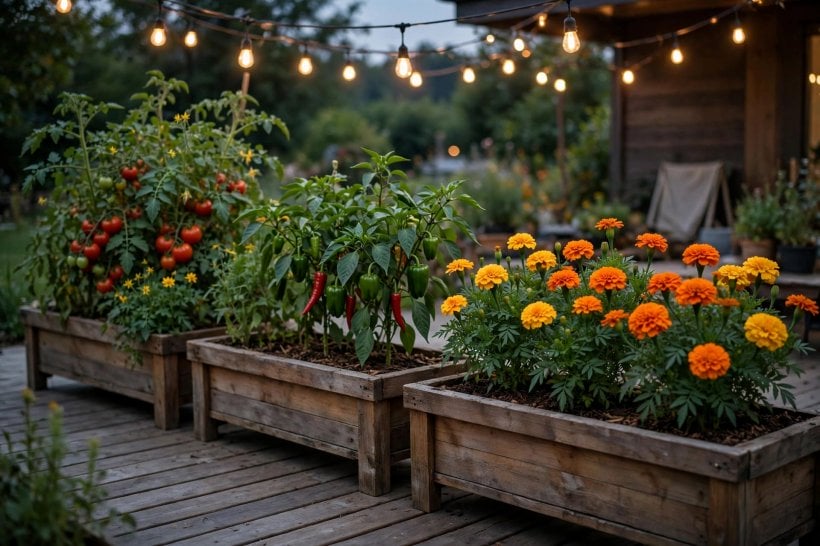
- Sage green timber. Soft green disappears gently into planting, making flowers the star while still looking smarter than bare, weathered wood.
- Charcoal and brass pairing. Dark boxes with warm metal details feel smart and modern, especially repeated along a path or beneath tall windows.
- Whitewash coastal finish. A thin white wash keeps wood grain visible and suits seaside-style planting with grasses, daisies and silvery foliage.
- Two-tone rim detail. Painting only the top edge in a contrasting shade gives a plain box a tailored finish for very little extra effort.
- Natural oil on hardwood. Oil deepens timber colour and helps it cope outdoors, while keeping the relaxed, natural look that suits country gardens.
- Bold front-door match. Repeating your door colour on a box or two creates a deliberate welcome and helps a small front garden feel designed.
- Distressed vintage finish. Lightly sanded paint over timber gives a lived-in charm that forgives knocks and suits cottage planting and old brick walls.
- Clear-sealed metal. A protective clear coat slows rust on decorative metal while preserving its character, which matters on pieces you want to keep for years.
7. Kitchen Gardens in a Box
You do not need an allotment to grow something delicious. A sunny box near the door will keep herbs, salads and a few vegetables within easy reach, and harvesting little and often keeps plants productive. The layout thinking in our kitchen design ideas for tiny houses and small spaces applies outdoors too: keep daily essentials closest and group tools where you actually use them.
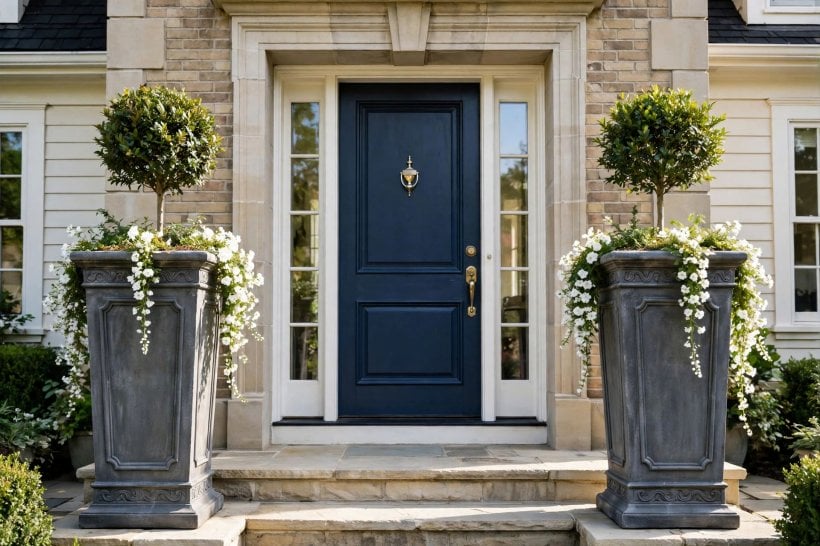
- Everyday herb trough. Parsley, chives, mint in its own pot and thyme together cover most meals, and they recover quickly after regular picking.
- Cut-and-come-again salads. Loose-leaf salads sown little and often give weeks of picking from one box, far fresher than anything that travels to a shop.
- Tomato and basil pairing. A compact tomato with basil at its feet uses vertical and ground space well, provided both get sun and steady watering.
- Chilli window box. Chillies love a warm, sheltered sill and reward you with colour as well as heat, ripening gradually through late summer.
- Strawberries over the edge. Plants around the rim let fruit hang clear of damp soil, making picking easy and keeping slugs slightly less interested.
- Roots in a deep box. Carrots and radishes suit a deep, stone-free fill, and radishes mature fast enough to keep impatient gardeners encouraged.
- Tea and garnish garden. Mint, lemon balm and edible flowers in one box give you drinks, desserts and salads a lift with almost no effort.
- Succession sowing strip. Divide a long box into short rows and sow a new row every few weeks so something is always ready to harvest.
8. Small Balconies and Tiny Terraces
On a balcony, every centimetre counts and weight matters, so choose lighter materials, secure every container and check any building rules before fixing anything to a railing. Vertical planting, slim shapes and folding furniture leave room to actually enjoy the space rather than simply admire it from the doorway.
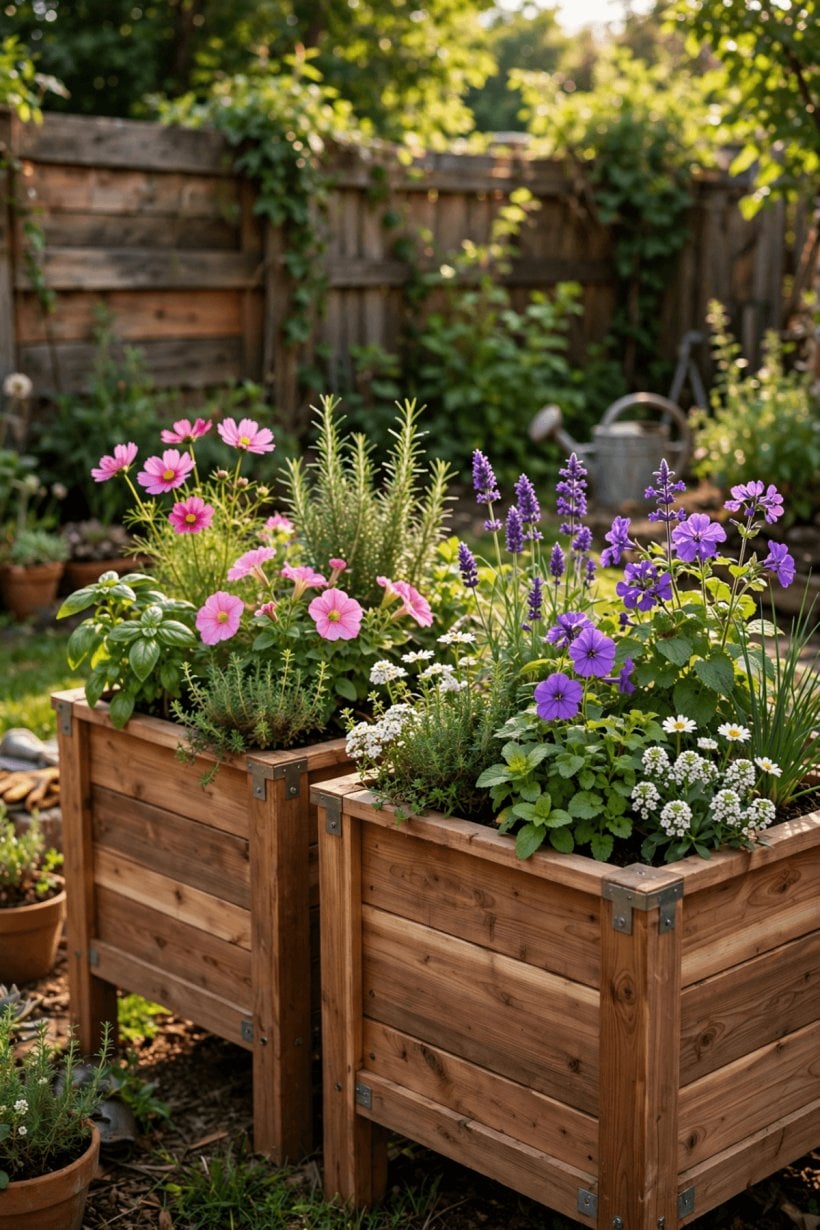
- Balcony railing herb rail. A secure row of small herbs along the rail keeps flavour at hand height and leaves the floor free for a chair.
- Corner tower of pots. Stacked or stepped containers in one corner create height and abundance while the rest of the balcony stays open and usable.
- Window-ledge flower line. A single neat box outside the window brings colour into the room behind it, doubling the pleasure of every plant.
- Privacy planting on a budget. Tall grasses in two slim boxes soften an overlooked balcony without heavy structures, and they move gently rather than blocking light.
- Fold-away garden. Boxes on a folding stand can be moved for cleaning, guests or building work, which suits renters and shared spaces.
- Self-watering balcony box. A reservoir design forgives a busy week or a short holiday, keeping moisture steadier for thirsty flowers and herbs.
- Night-light planting. Pale flowers and silvery leaves catch evening light beautifully, extending how long a tiny terrace feels alive each day.
- One-colour balcony scheme. Repeating a single flower colour across slim boxes makes a small space feel calm, generous and deliberately styled.
9. Indoor and Porch Boxes for Year-Round Green
Boxes are not only for the garden. A porch, conservatory or bright hallway can hold herbs, foliage and seasonal colour through the coldest months. The styling restraint in our living room interior design ideas for tiny houses works here too: fewer, larger arrangements usually look better than many small ones.
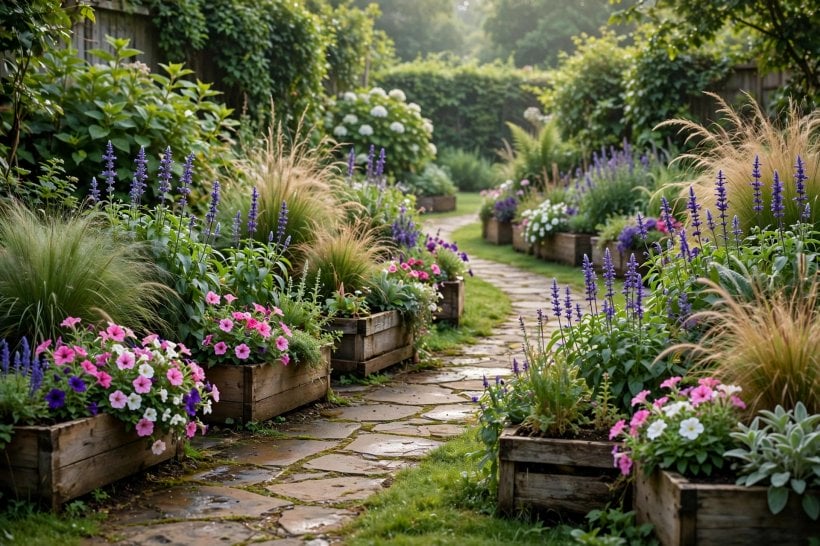
- Porch welcome box. Seasonal planting by the door, refreshed a few times a year, keeps arrivals cheerful even when the main garden rests.
- Hallway foliage trough. Tough foliage plants in a slim box soften a plain hallway, provided they receive enough light and an occasional dusting.
- Kitchen sill herb line. Small pots inside a shallow tray look like one tidy garden and move easily when you clean or open the window.
- Conservatory citrus corner. A bright, frost-free corner suits potted citrus-style planting, bringing glossy leaves and fragrance to a seating spot indoors.
- Bathroom humidity lovers. Ferns and other moisture-loving foliage enjoy bathroom air, but always check light levels and keep soil from staying soggy.
- Stair-landing feature box. One handsome container on a landing turns a passing space into a small moment of green, safely away from foot traffic.
- Seasonal bulb bowl indoors. Forced spring bulbs in a low box bring early colour inside, then can move outdoors once flowering finishes.
- Reading-nook greenery. A leafy box beside a favourite chair softens light, adds privacy and makes a small corner feel like a retreat.
10. Care, Soil and Rules That Keep Boxes Thriving
Most container problems come from water, tired soil or the wrong plant in the wrong place, and all three are fixable. Before adding structures, fixing boxes to walls or placing large planters near boundaries, check with your city or county and, for shared buildings, your building management. Guidance varies by place, and a quick check is far easier than moving a heavy, planted box later. The community-first thinking in our piece on Colorado tiny house communities is a good reminder to plan with neighbours in mind.
- Drainage before decoration. Always confirm holes are open, raise boxes slightly on feet and empty saucers after heavy rain so roots never sit in water.
- Fresh compost each season. Top up or refresh the growing mix regularly, because nutrients wash out of containers far faster than from open garden soil.
- Fingertip watering check. Push a finger into the compost before watering; if it feels moist below the surface, wait, because overwatering harms more plants than thirst.
- Feed little and often. A gentle, regular feed during the growing season keeps flowers coming, while a single heavy dose can stress roots.
- Deadhead for more flowers. Removing faded blooms every few days redirects energy into new buds and keeps the whole box looking cared for.
- Rotate for even growth. Turning a box a quarter turn each week stops plants leaning toward the light and keeps the display balanced.
- Winter protection wrap. In cold spells, group boxes together, wrap vulnerable containers and move tender plants to the most sheltered spot you have.
- Clean and store kindly. Empty, wash and dry spare boxes before storing them, so they last longer and start the next season free from pests and disease.
Final Considerations
Start with one box in the spot you see most often, plant it generously and learn its rhythm of water and light before adding more. The best displays in this collection share the same habits: honest materials, plants matched to the site, colours repeated rather than scattered, and a few minutes of care each week. Whether your space is a country patio, a city balcony or a tiny plot beside a compact home, the principles stay the same, and our round-up of home interior design ideas for tiny houses shows how that same calm, layered approach transforms the rooms indoors as well.
Take photographs through the seasons, note what thrived and what sulked, and change one thing at a time. A garden built box by box is forgiving, affordable and deeply personal, and within a year you will have a display that fits your home, your climate and the way you actually live.


0 Comments