

Pale stone, deep window reveals and a roofline that sits calmly in its landscape — few homes make a first impression quite like one built from warm, natural stone.
This limestone modern house collection brings together 75 facade, colour and styling ideas, from grand entrances to compact cottages, so you can borrow the details that suit your plot, your climate and your budget.
1. Why Stone Endures, and What to Plan First
Stone has been trusted for centuries because it ages gracefully, shrugs off weather and gives even a simple shape a sense of permanence. Colour varies naturally from creamy white through warm buff to soft grey, and that variation is part of the charm. Before choosing a style, think about orientation, local planning guidance and how the stone will be sourced and laid, because those decisions shape cost and character more than any decorative detail.
A well-planned limestone modern house balances the weight of masonry with generous glass, simple landscaping and restrained colours, so the facade never feels heavy. Always check with your city or county on planning, conservation and material rules before work begins, especially in historic areas, and talk to local professionals about what suits your site. Use the table below as a starting point, then explore the facades, colours and details that follow.
| At a Glance | What to Know |
|---|---|
| Best for | Homes that need lasting kerb appeal, natural texture and a calm, grounded presence. |
| Typical colours | Cream, warm buff, honey, soft grey and weathered silver tones that deepen gently with age. |
| Works well with | Dark metal windows, timber doors, slate or standing-seam roofs and simple green landscaping. |
| Watch out for | Weight, drainage, correct mortar choices and local rules in protected or historic settings. |
| Simple care rhythm | Gentle inspection each year, prompt attention to mortar and planting kept clear of the walls. |
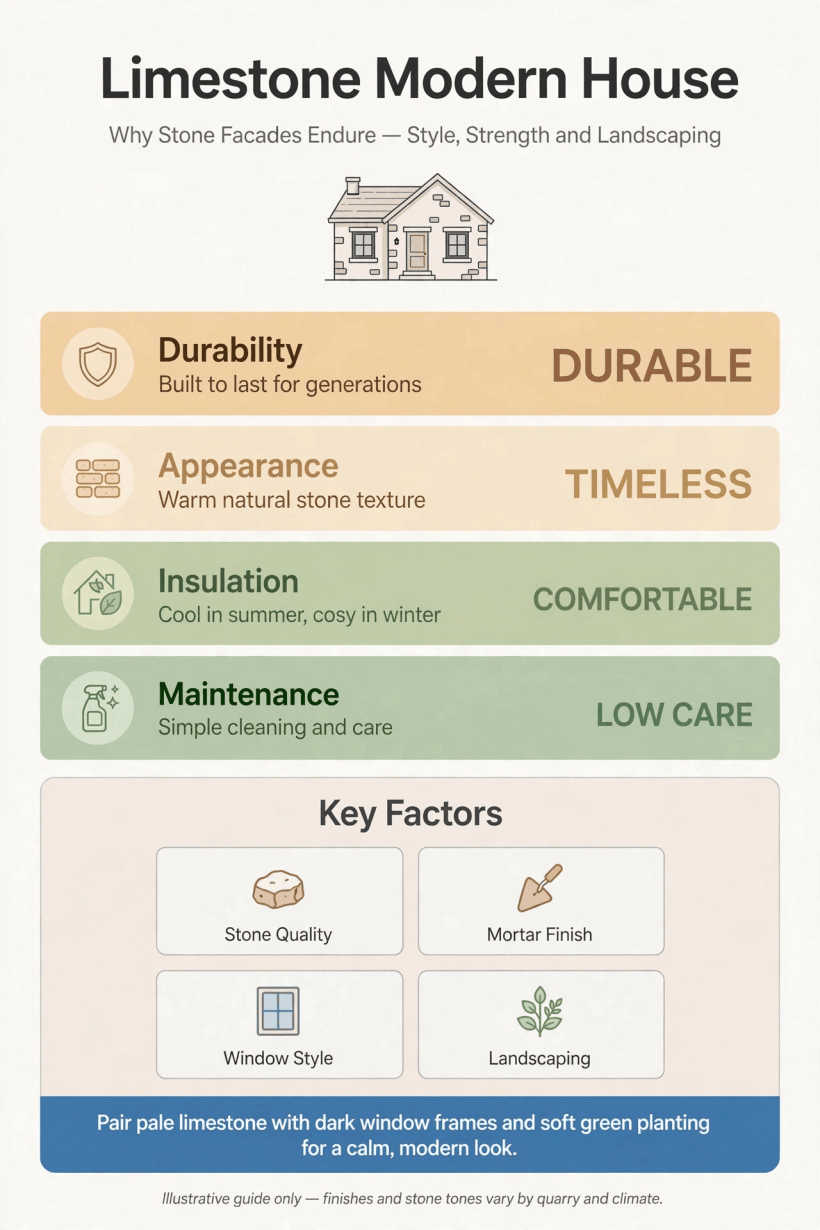
A quick visual guide to stone colours, facade details and pairings for a timeless exterior.
2. Facades That Let the Stone Speak
The most successful stone facades keep shapes simple and let texture do the talking. Large, calm wall planes, well-proportioned openings and a restrained roofline will outlast passing trends. If you are shaping the grounds alongside the house, our guide to tiny house landscaping ideas shows how low planting and clean paths can frame a facade without hiding it.
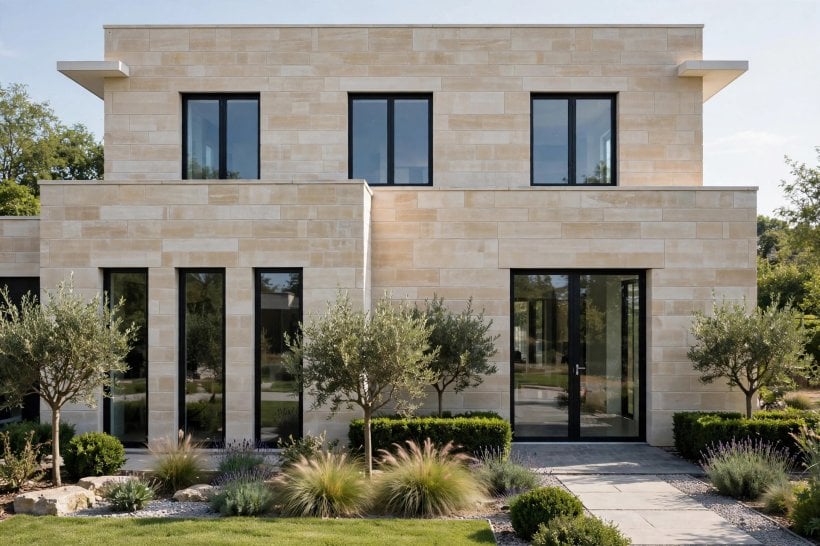
- Smooth ashlar frontage. Evenly cut blocks with fine joints create a formal, elegant face that suits symmetrical designs and a centred entrance.
- Rustic coursed stone. Slightly varied block heights bring a relaxed, country character, softening large walls and suiting informal gardens beautifully.
- Stone and glass pairing. A generous glazed section set into solid masonry balances weight with light, a hallmark of contemporary stone homes.
- Full-height gable in stone. Carrying the stone up into a gable gives height and presence, especially when the roof material stays quiet and simple.
- Stone ground floor, rendered upper. Mixing stone below with a smooth finish above lightens the building and can help manage the budget sensibly.
- Random rubble character. Irregular stones laid with care give a cottage-like warmth that feels rooted in older rural building traditions.
- Thin stone slips for renovations. A real stone facing applied to an existing wall can refresh a tired exterior where full masonry is not practical.
- Stone-clad modern cube. Crisp, flat-roofed forms wrapped in pale stone prove the material works just as well in ultra-modern designs.
- Curved stone wall feature. A gentle curve at an entrance or garden wall shows craftsmanship and softens an otherwise straight, formal plan.
3. Entrances and Porches With Presence
An entrance should feel inevitable, as if the house naturally leads you to the door. Stone gives you weight and shelter to work with, but proportion matters more than ornament. Keep the path, lighting and planting in step with the doorway so arriving home feels calm in every season.
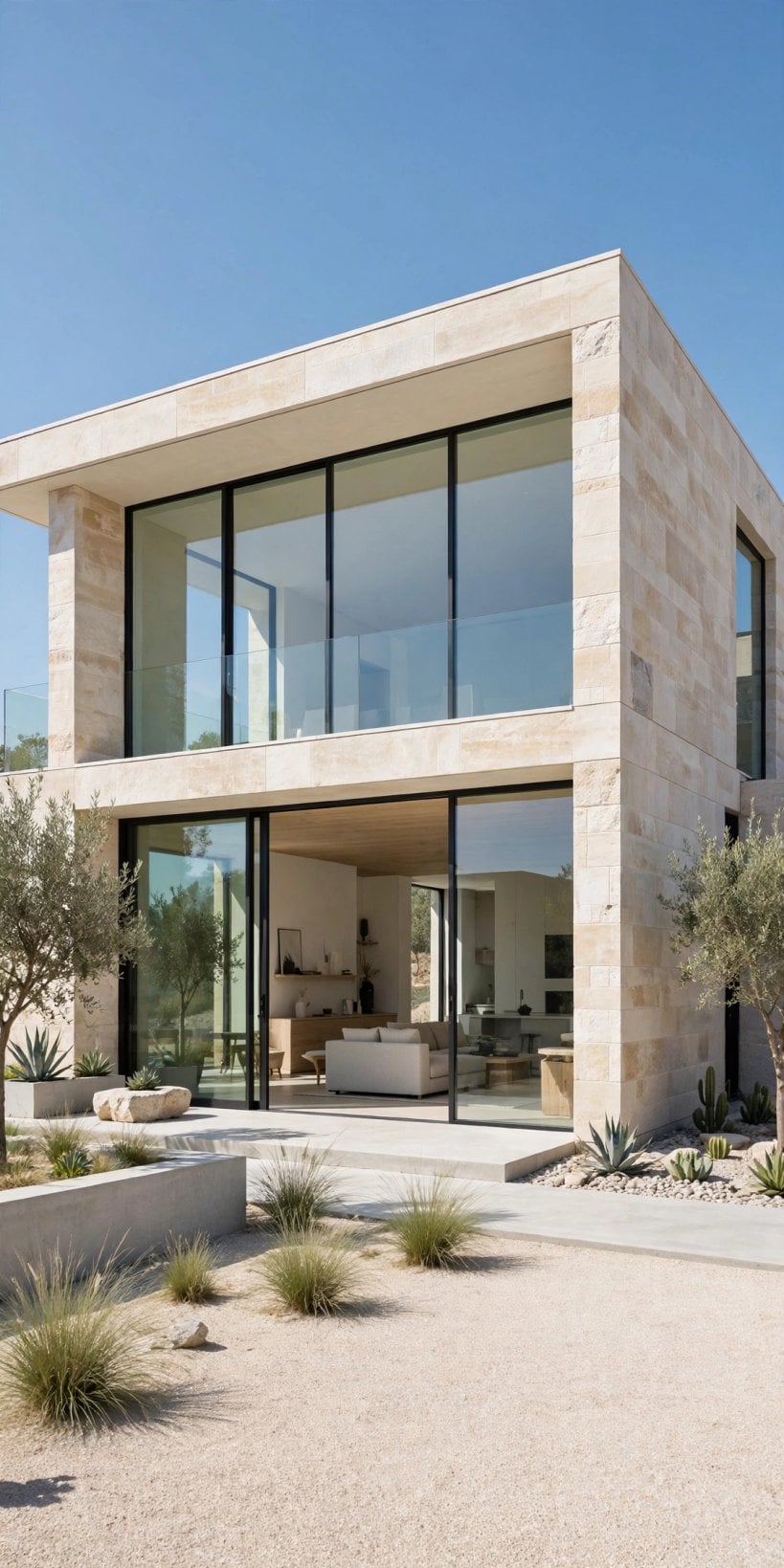
- Recessed stone doorway. Deep reveals create shadow, shelter and a sense of arrival, while protecting the door itself from driving rain.
- Arched entrance opening. A soft arch echoes traditional stone building and pairs beautifully with a simple timber or glazed door.
- Stone porch with a pitched canopy. A small roofed porch adds practical shelter and breaks up a tall facade at exactly human height.
- Twin stone pillars. Low pillars flanking the path or porch steps give structure without the formality of a full portico.
- Oversized timber door contrast. Warm wood against cool stone is a timeless pairing, especially with simple black hardware and a clear finish.
- Glazed door with sidelights. Glass beside the door borrows light for the hallway while the stone surround keeps the entrance grounded.
- Stone steps with iron rail. Broad, shallow steps feel generous and safe, and a slender dark rail adds definition without visual clutter.
- Lantern lighting pair. Two wall lanterns frame the door, guide visitors after dark and highlight the texture of the stone at night.
- Covered loggia entrance. A deeper covered area doubles as a place to sit, shelter deliveries and enjoy the garden in light rain.
4. Windows, Shutters and Dark Accents
Windows decide whether a stone house feels traditional or contemporary. Tall, slim openings with dark frames read modern, while smaller panes and pale frames lean classic. The same calm approach to proportion in our overview of tiny house and small-space interior design applies outside: repeat a few good decisions and resist adding more.
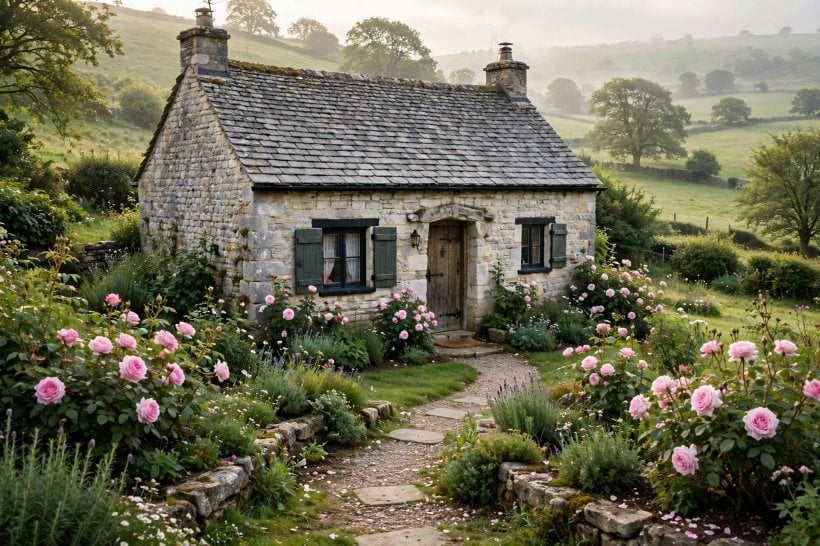
- Black-framed picture windows. Dark frames sharpen pale stone and turn each opening into a deliberate picture of the garden beyond.
- Traditional sash proportions. Vertically divided sashes suit period-style stone homes and keep a tall facade feeling balanced and familiar.
- Floor-to-ceiling rear glazing. Keep the street face formal and open the back with full-height glass for light, views and garden living.
- Stone lintels left visible. A simple stone beam above each window celebrates the material and gives every opening a crafted finish.
- Timber shutters in soft colours. Painted shutters add charm and shade, working best in muted greens, blues or warm greys against the stone.
- Corner window surprise. Glazing that turns a corner feels unmistakably modern and floods a living space with wide, panoramic light.
- Small square loft windows. Tiny openings high in a gable add rhythm and serve bathrooms or stairs without weakening the stone mass.
- Bronze-toned frames. Warm metallic frames sit between black and timber in mood, suiting honey-coloured stone particularly well.
- Window boxes in dark metal. Simple planted boxes soften hard lines at ground level and echo dark frames for a joined-up look.
5. Roofs That Complete the Silhouette
A roof should look as if it grew from the walls. Stone is visually heavy, so the covering above it needs enough presence to hold its own, in colour if not in weight. Consider how the silhouette reads from the street and from the garden before settling on a shape.
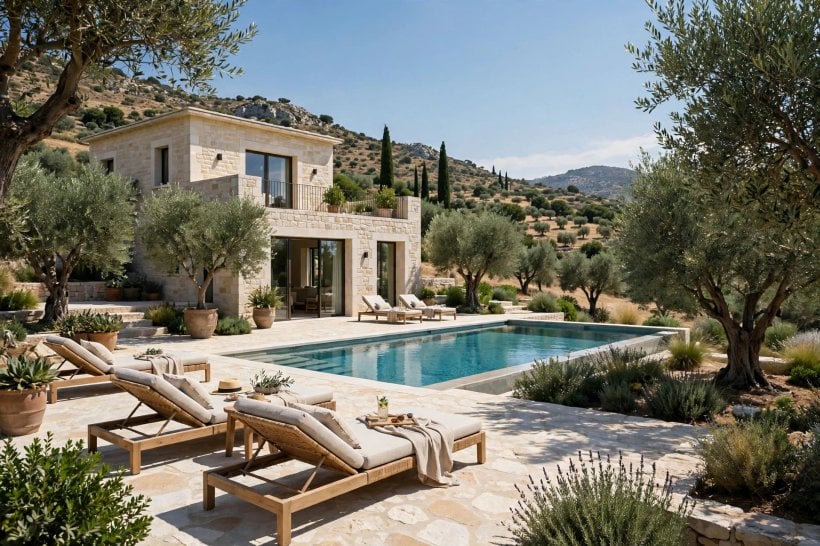
- Natural slate classic. Blue-grey slate is the traditional partner for pale stone, giving a crisp, enduring finish in most climates.
- Standing-seam metal roof. Clean metal lines suit contemporary stone homes and shed heavy rain efficiently with minimal detailing.
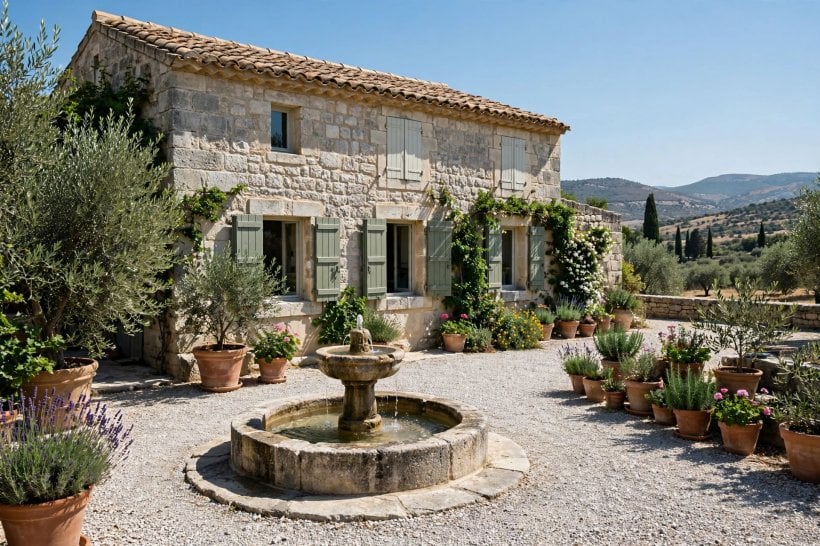
- Clay tile warmth. Weathered clay tones add Mediterranean warmth, working best where local styles and planning guidance support them.
- Low-pitch hidden roof. A parapet or low slope keeps attention on the stonework for a calm, gallery-like modern exterior.
- Steep cottage pitch. A taller pitch gives loft space, sheds weather quickly and suits storybook stone cottages in rural settings.
- Dormers with stone cheeks. Small dormers faced in matching stone look built-in rather than added, and they light upstairs rooms gently.
- Green roof over an extension. A planted roof softens a modern addition, helps it sit in the landscape and contrasts softly with stone.
- Dark gutters and downpipes. Matching drainage to window frames tidies the whole facade, a small detail with an outsized effect.
6. Colours and Pairings Around the Stone
Stone already brings colour, so everything else should support rather than compete. Doors, frames, fences and planting work best in a small, repeated palette. For more palette confidence, explore our guide to tiny house interior paint colors and borrow its calm combinations for painted elements outside.
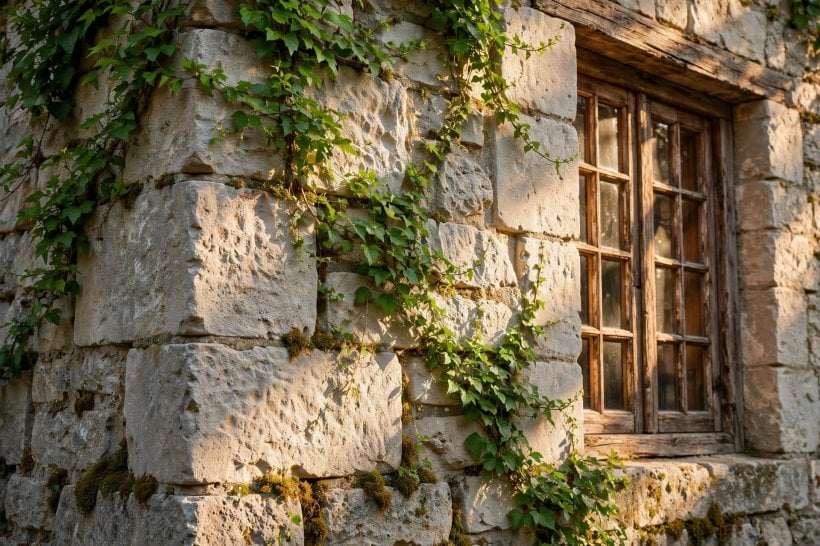
- Cream stone with black trim. The sharpest classic contrast, giving a formal, photographic quality that suits both town and country homes.
- Honey stone with deep green. Rich green doors and gates warm up golden stone and echo surrounding trees and hedges beautifully.
- Grey stone with white frames. A cool, coastal palette that feels fresh and bright, especially with gravel and silvery planting nearby.
- Buff stone with warm grey paintwork. A soft, tonal scheme where fences and doors whisper rather than shout, letting texture carry the design.
- Stone with natural oak. Untreated or lightly finished oak weathers to silver and sits comfortably against almost any stone colour.
- Stone and terracotta accents. Clay pots, tiles and warm lighting add Mediterranean notes without repainting a single wall.
- Monochrome stone scheme. Using one stone tone for house, walls and steps creates a serene, sculptural effect in a modern garden.
- Stone with navy detailing. Deep blue doors and metalwork add quiet confidence and pair well with cream or pale grey stone.
7. Gardens, Walls and Outdoor Rooms
A stone house deserves a garden that shares its materials. Repeating the stone in low walls, steps and edging ties house and landscape into one composition, while soft planting stops the whole scene feeling hard. Keep the areas nearest the walls simple and maintainable, as the practical layout thinking in our kitchen design ideas for tiny houses and small spaces reminds us indoors: daily-use spaces should be the easiest to reach.
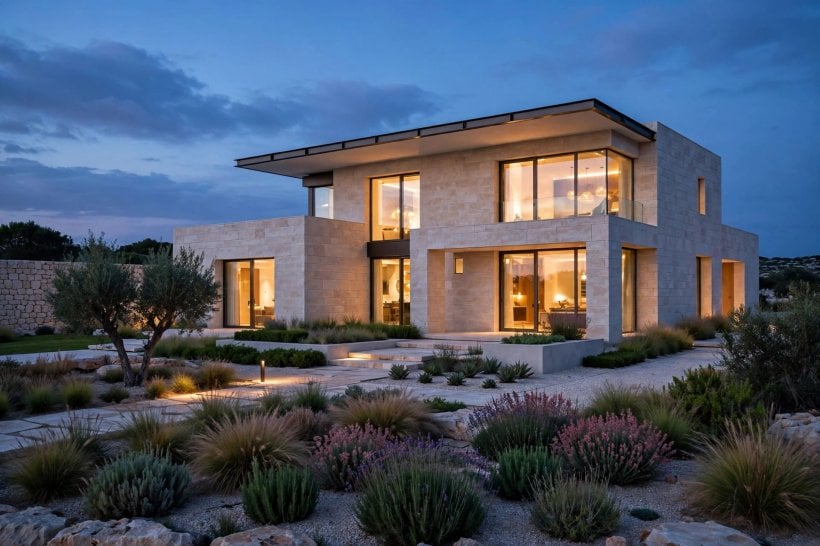
- Matching stone garden walls. Low walls in the same material make terraces and borders feel like part of the original building.
- Gravel forecourt simplicity. Pale gravel echoes the stone, drains freely and keeps the approach to a rural home relaxed and practical.
- Climbing roses on stone. A trained rose softens a tall wall like nothing else, provided ties and pruning keep growth tidy.
- Lavender edging along paths. A ribbon of lavender brings scent, bees and a soft haze of colour against pale paths and walls.
- Stone terrace for dining. Large stone slabs under an outdoor table continue the house material into the garden for a seamless feel.
- Evergreen structure planting. Clipped spheres and cones hold the design in winter when flowers rest, echoing the permanence of stone.
- Dry stone boundary wall. A traditional dry-laid wall suits rural plots and provides shelter for insects and small wildlife.
- Courtyard with a single tree. One well-chosen tree in a stone courtyard gives shade, scale and a living centrepiece through the seasons.
8. Compact, Tiny and Budget-Conscious Stone Homes
Stone is not only for large houses. A small footprint can carry the material beautifully, and using it on one elevation or in combination with other finishes keeps projects realistic. Compact living and stone character pair naturally, as our living room interior design ideas for tiny houses show inside, where texture replaces ornament.
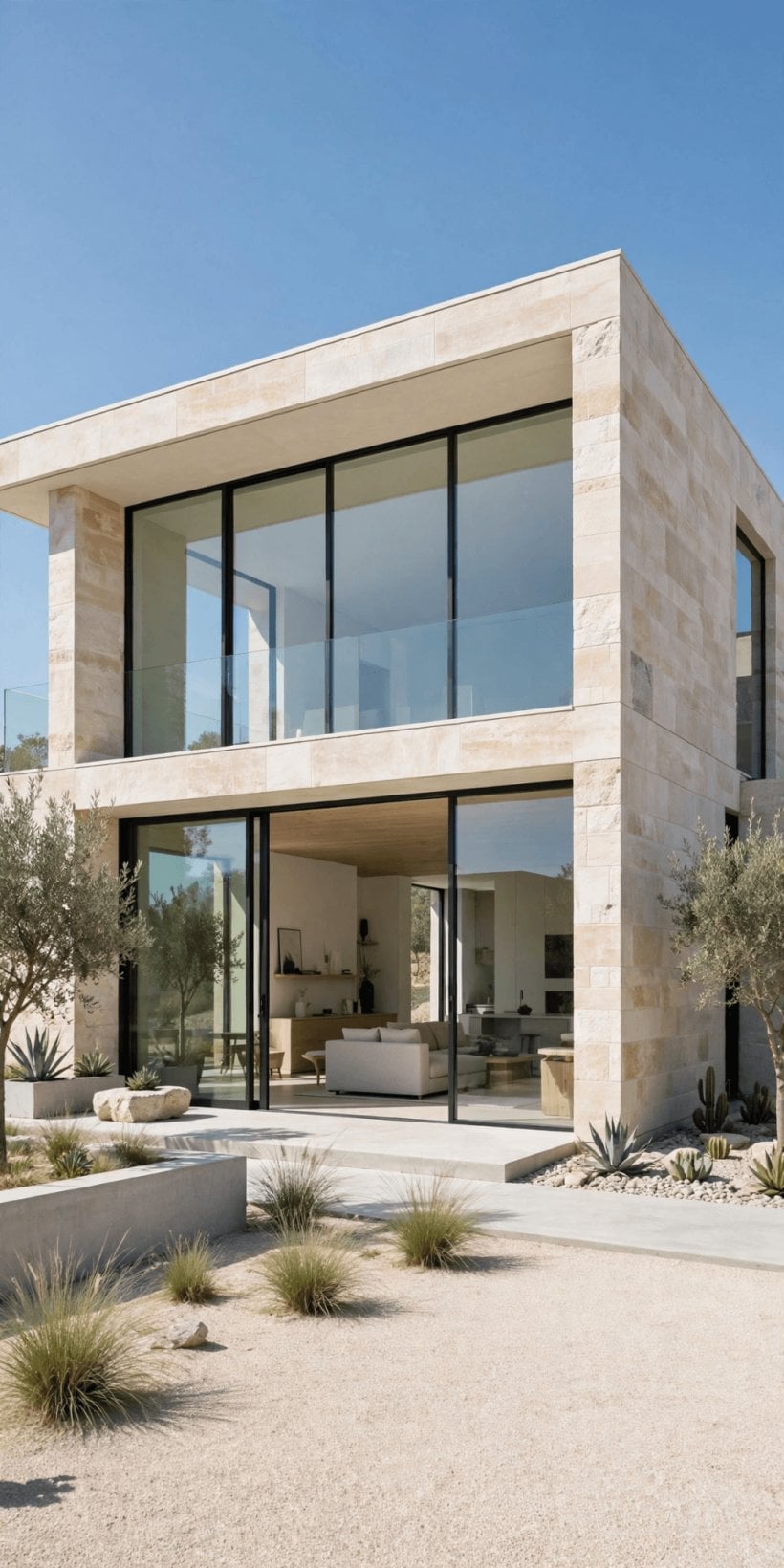
- Stone-fronted small cottage. A simple rectangular cottage in stone needs almost no decoration; proportion and a good door do the work.
- Single-elevation stone feature. Facing only the front in stone slips gives the look where it matters most, easing cost and construction.
- Stone gable on a timber home. One stone end wall adds character and a sense of permanence to an otherwise lightweight building.
- Converted stone outbuilding. An old barn or store given new windows and a warm interior makes a characterful small home or studio.
- Stone base for a modern cabin. A low stone plinth grounds a timber cabin, lifts it from damp ground and blends it into the site.
- Narrow townhouse in stone. On a tight urban plot, pale stone brings light and dignity, especially with tall windows and a simple door.
- Stone-clad garden room. A small studio faced in stone becomes a quiet garden focal point as well as a useful extra room.
- Reclaimed stone accents. Using salvaged stone for lintels, steps and a porch keeps the character where budgets cannot stretch to full walls.
9. Extensions and Modern Additions
Adding to a stone building asks for confidence: either match carefully or contrast cleanly, because timid in-between designs rarely satisfy. Glass links, simple volumes and honest materials usually age best beside old masonry.
- Glass link connection. A glazed corridor joins old and new while keeping the original stone wall visible and untouched.
- Contemporary stone extension. Matching stone with modern detailing respects the original house while giving crisp new living space.
- Timber-clad contrast addition. Warm vertical timber beside pale stone creates a clear, attractive distinction between eras of the building.
- Single-storey rear wing. Extending at the back preserves the historic street face while transforming how the house lives day to day.
- Stone garage in matching style. A garage or carport using the same stone and roof keeps outbuildings from spoiling the main composition.
- Terrace carved into the slope. On a hillside plot, stone retaining walls create level outdoor rooms that feel part of the architecture.
- Conservatory in stone and glass. A low stone base with glazing above echoes the house and gives a light-filled room for plants and coffee.
- Annexe with its own stone porch. Giving a small annexe a proper entrance in matching materials makes it feel like a home, not an afterthought.
10. Care, Weathering and Checking the Rules
Stone rewards gentle, informed care. Use breathable, appropriate products, avoid harsh cleaning that damages the surface, and take advice before repointing, because the wrong mortar can harm soft stone. Planning, conservation, listed-building and neighbourhood rules vary widely, so check with your city or county and, where relevant, heritage guidance before changing a facade. The community-minded approach in our piece on Colorado tiny house communities is a useful reminder that exteriors affect neighbours too.
- Annual mortar inspection. A yearly walk-around to spot cracked joints early prevents water damage that is far harder to fix later.
- Gentle cleaning only. Soft brushes and low-pressure water protect the stone face; aggressive blasting can open the surface to decay.
- Keep planting off the walls. A small gap between shrubs and masonry lets air circulate and keeps damp from lingering against the stone.
- Clear gutters promptly. Overflowing water stains and soaks stone, so clean gutters and check downpipes before the wettest months.
- Match repairs to the original. Replacement stone and mortar should echo the existing colour and texture so repairs settle in quietly.
- Watch drainage at the base. Ground should fall away from walls, and gravel trenches can help keep the base of the wall drier.
- Record the stone source. Keeping notes and a few spare pieces makes future repairs far easier to match and less disruptive.
- Ask before you alter. A quick check with local planning or conservation officers before facade changes can save costly reversals later.
Final Considerations
Choose stone for the long term and design for the life you actually lead: simple shapes, honest materials, colours that support the masonry and planting that softens without hiding. Whether you are planning a grand facade, a compact cottage or a sensitive extension, the ideas above share one principle — let the material be the decoration. Our round-up of home interior design ideas for tiny houses carries the same thinking indoors, where natural texture and restraint make small rooms feel generous.
Walk your plot at different times of day, photograph the light on the walls you imagine, and gather samples before committing. A home in stone is built slowly and enjoyed for decades, and the care you take at the planning stage will show in every arrival home.

0 Comments