

A staircase is the hardest-working structure in a house, and its railing is the part you touch every single day. This guide gathers seventy-five staircase railing ideas and organises them into ten practical sections: materials, styles, safety and the finishing details that make a flight feel designed rather than merely built. Whether you are planning a new stair, replacing a tired balustrade or refreshing a handrail with paint and patience, the same sequence applies: choose the material for the life it will lead, pick a style that suits the house, then sweat the details.
1. At a Glance: Railing Materials Compared
Most railings are built from a short list of materials, and each brings its own look, maintenance rhythm and cost character. Use this table as a first filter, then read the sections that follow for the design and safety thinking behind each choice.
| Material | Look and Feel | Practical Notes |
|---|---|---|
| Timber | Warm, traditional to contemporary | Can be painted, stained, repaired and reshaped by a good carpenter |
| Wrought iron and steel | Slim, strong, decorative or industrial | Excellent for slender balusters and open, airy designs |
| Glass | Light, minimal, almost invisible | Keeps views and daylight open; needs regular cleaning to look its best |
| Cable and rod | Crisp, horizontal, modern | Low visual weight; tension and fixings need professional care |
| Mixed materials | Timber rail over metal or glass | Combines a warm grip with a light, open guard below |
| Turned and carved spindles | Period character and craft detail | Suits traditional homes; replacement pieces can be matched by turners |
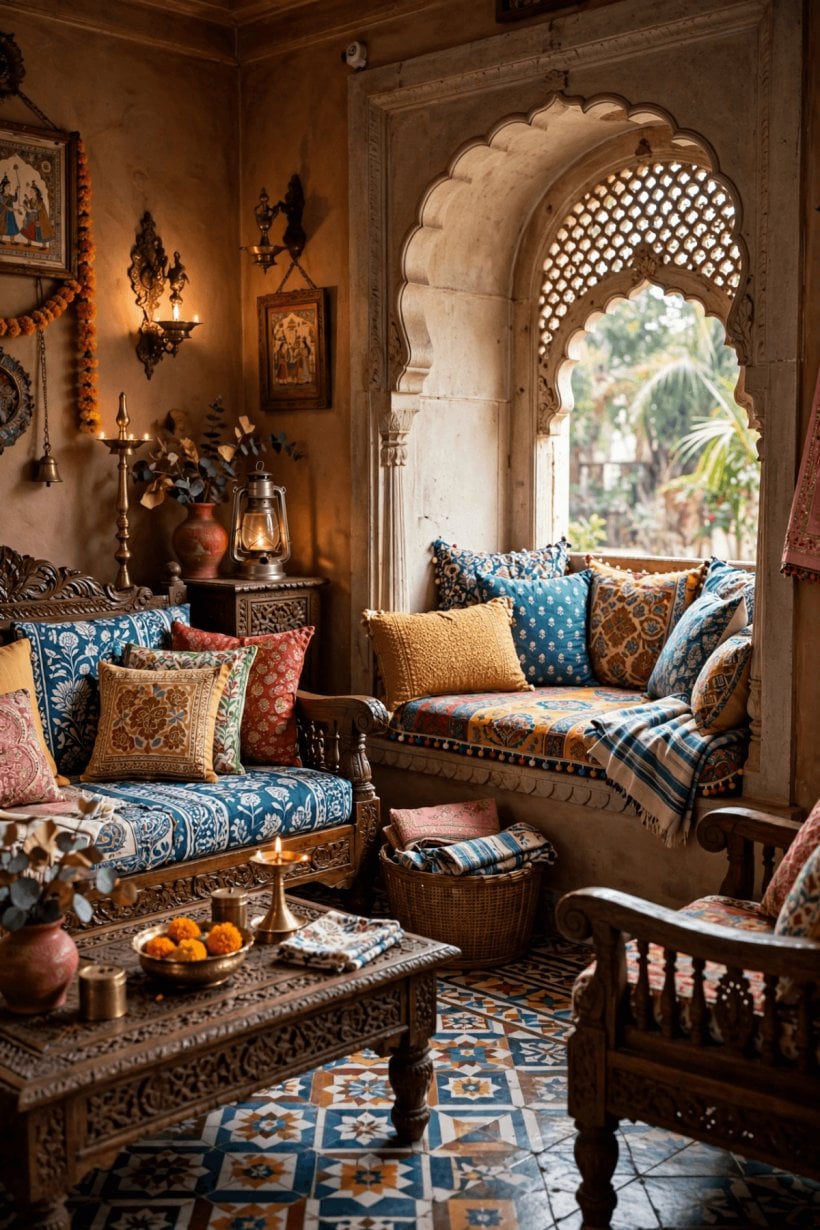
Railing materials at a glance: timber, iron and steel, glass, cable and mixed designs, matched to the look and upkeep you want.
Notice that the handrail and the guard below it can be chosen separately. Many of the most successful designs pair a generous timber handrail, warm and grippable, with a guard of slim metal, glass or cable that lets light through. That two-part thinking runs through every section below, and it is borrowed from craft traditions everywhere; the honest joinery in our tour of a tiny barn house interior makes the same point in another material language: build the parts you touch from what feels good, and let the rest be light.
2. Timber Railings: Warmth You Can Hold
Timber remains the default choice for good reason. A wooden handrail is warm to the touch in winter, kind to hands of every age, and endlessly adaptable: the same staircase can wear a chunky square rail for a contemporary look, a softened oval profile for a family home, or a polished, dark-stained rail with turned newels for period character. Painted balusters with a stained rail, the classic two-tone treatment, keeps a hall light while giving the hand something rich to hold, and it hides scuffs where they actually happen, at hand height and below.
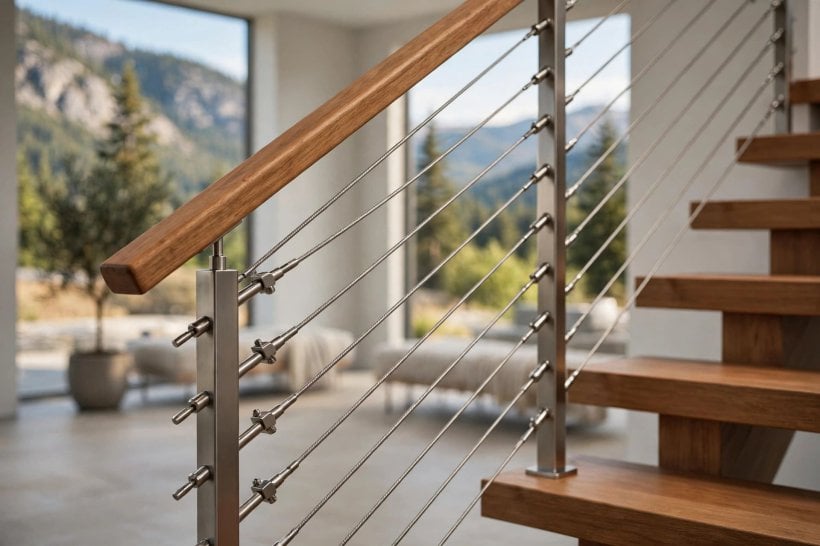
Choose timber with its working life in mind. Dense hardwoods take knocks gracefully on newel posts and rail ends, while painted softwood balusters are economical to replace if one is damaged. Timber also forgives: a dented rail can be steamed, filled and refinished in place, which is more than can be said for most manufactured systems. The measure-twice, build-it-properly ethos in how to build your own tiny house applies to stair joinery exactly: a staircase is fitted once and used ten thousand times, so the fitting deserves the patience.
Profile is where timber quietly outperforms every rival. A rail can be shaped to the hand that uses it: softly rounded for small hands and older grips, broader and flatter where people lean as they climb, eased at the corners so it never feels like furniture you are falling against. Ask to hold sample profiles before the rail is made. Ten seconds with a sample in your fist tells you more than a catalogue photograph ever will, and the right profile will be thanked silently on every climb for decades.
3. Iron and Steel: Slim Strength and Pattern
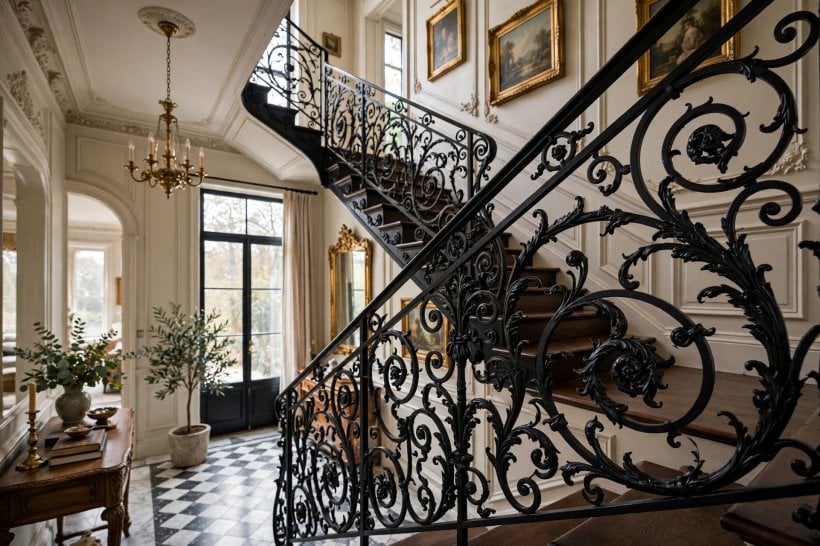
Metal balusters do what timber cannot: they guard a stair while taking up almost no visual space. Plain vertical bars in blackened steel give a calm, contemporary rhythm; hammered or twisted iron suits older houses and country styles; and a single decorative panel or a run of alternating plain and ornamented balusters adds pattern without fuss. Because metal is strong in thin sections, it is the natural partner for open-riser stairs and for narrow halls where a bulky balustrade would crowd the passage.
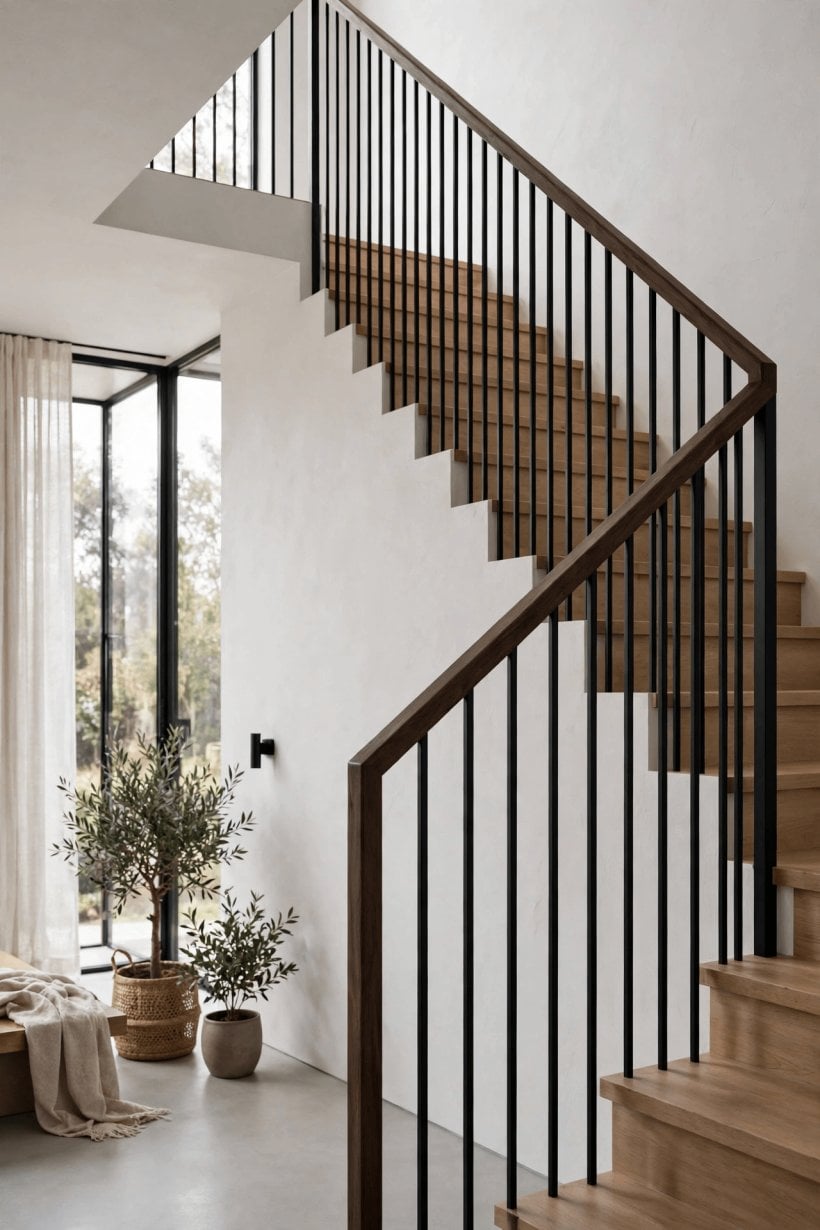
Finish decides how metal ages in a home. Powder-coated steel in a soft black, bronze or the wall colour itself keeps the look quiet and the upkeep to a dust and an occasional wipe. Bare or lacquered metals develop character but ask for more care, particularly on the handrail if it is metal too, since hands will polish a path along it. Whichever finish you choose, have the whole run made and finished as one commission where possible; matching a powder coat or a patina years later is far harder than matching paint.
4. Glass Balustrades: Keeping Light and Views Open
Glass is the railing you choose when the staircase itself, or the space around it, is the feature. A glazed guard lets daylight travel between floors, keeps a double-height hall feeling like one room, and shows off beautiful treads, whether stone, timber or carpet, without interruption. Panels can be framed in slim metal channels, clamped with small fittings for a lighter look, or paired with a timber handrail on top to restore warmth and give the hand a clear, comfortable line to follow.
Be honest about upkeep before choosing glass. In a busy household it will show fingerprints, pet noses and the dust that settles on its top edge and channels, and it looks its best with regular, gentle cleaning. Frosted, fluted or partially screened panels are the pragmatic middle path: they keep the light while forgiving the smudges. In compact homes the payoff is largest, because a glazed stair borrows space from the rooms around it, much as the open, light-sharing layouts in our guide to tiny house living room ideas make small footprints live larger than they measure.
5. Cable and Rod Systems: Crisp Horizontal Lines
Horizontal cable and rod railings bring a nautical, engineered crispness to a stair. Stainless cables or slim rods run through posts at even spacings, guarded by a substantial top rail, and the whole assembly reads as a set of fine lines rather than a solid barrier. The look suits contemporary houses, coastal homes and anywhere a deck or balcony railing outside can repeat the language indoors, tying the stair to the architecture of the whole house.
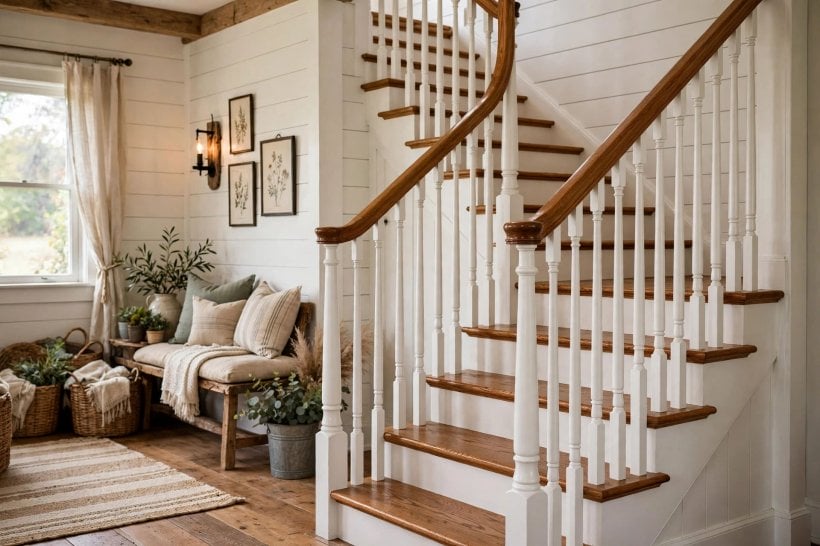
These systems are less forgiving of casual installation than they look. Cables must be evenly tensioned, posts must resist the combined pull without flexing, and end fittings need to be accessible for occasional re-tensioning as the building settles into its seasons. Treat the system as a piece of engineering to be specified and fitted by people who install it regularly, not as a weekend improvisation, and it will stay taut, quiet and true for years. Choose a top rail with real substance, because visually and physically it is doing half the work.
Landings are where cable systems earn their keep. Run the same lines around a landing or mezzanine edge and the levels of the house start to converse with each other; break the system at every turn with a different material and the conversation stops. If the stair is open to a room below, stand downstairs and look up before the design is finalised, because horizontal lines read completely differently from beneath, and that underside view is the one guests will actually live with.
6. Mixed Materials: The Best of Two Worlds
Many beloved staircases refuse to pick a single material. A timber handrail over black steel balusters; oak treads, a white painted string and one glass panel at the turn; iron balusters gathered into panels between chunky timber newels: mixing lets each material do the job it is best at. The hand gets warmth and grip, the guard gets slenderness or transparency, and the budget gets spent where hands and eyes actually notice, on the rail and the newel caps, rather than uniformly everywhere.
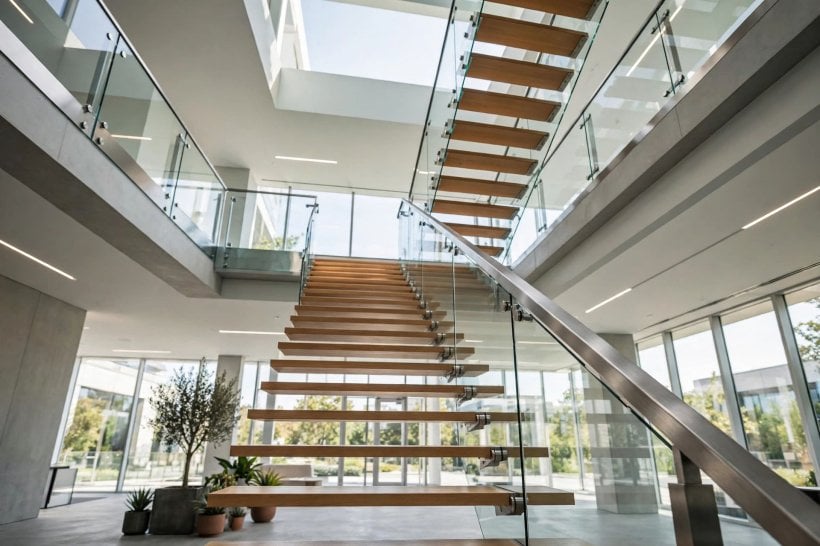
The discipline in mixing is repetition. Pick two materials, three at the very most, and let each appear more than once so the combination reads as a decision rather than a compromise. Echo the metal of the balusters in a light fitting or door handle, and the timber of the rail in a bench or picture frames in the hall. The confident, limited palette in our look at a colorful tiny house interior teaches the same lesson in bolder language: a few notes, repeated calmly, beat a chorus of one-offs every time.
7. Styles from Traditional to Contemporary
Style is the sum of profiles and proportions. Traditional stairs favour turned or barley-twist balusters, a volute curling at the foot of the rail, panelled newels with ball or cap finials, and a handrail with a moulded profile that feels tailored to the palm. Contemporary stairs strip the same elements back: square balusters or none visible at all, a rail that runs in one clean line, shadow gaps instead of mouldings, and landings treated as part of the sculpture. Neither is better; each belongs to its house, and the awkward staircases are usually the ones dressed in a style fighting the architecture around them.
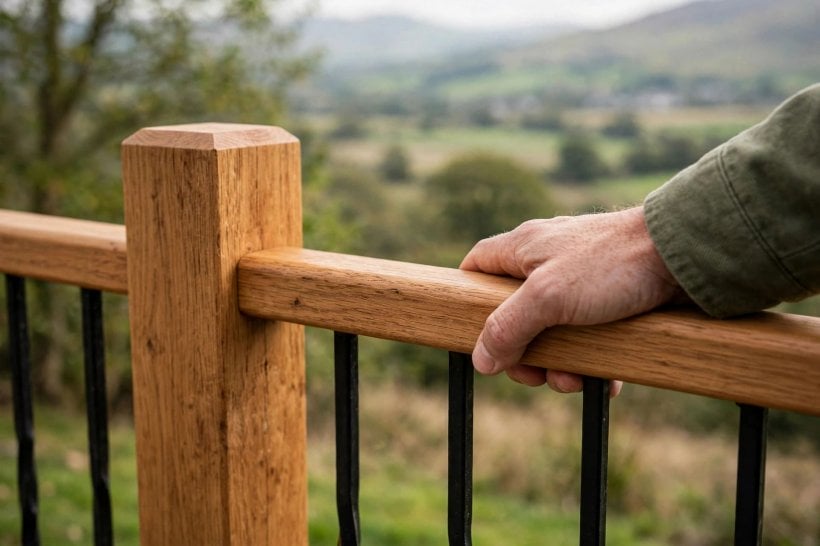
Transitional designs, the broad middle where most homes happily live, borrow a turned newel and pair it with plain balusters, or keep a classic rail profile and simplify everything below it. When you renovate, let the house vote: keep and restore sound original balustrades wherever they exist, because they are usually better made than their replacements and carry the home’s history in their wear. The coherence-first approach in our guide to bedroom interior design for tiny houses argues the same for interiors generally: design decisions that respect what is already there age the most gracefully.
8. Safety and Comfort: The Details That Matter Daily
A railing has one non-negotiable job: it must be there, solid and grippable, the moment a foot slips or a child lunges. Comfort and safety live in details. The handrail should be a shape a hand can close around, continuous through turns and landings so it never abandons you mid-flight, and mounted at a consistent height your household’s hands learn by heart. Balusters and panels must be fixed so no part flexes, rattles or works loose, and the guard should have no foothold-like horizontal elements where adventurous small climbers are a factor in your home.
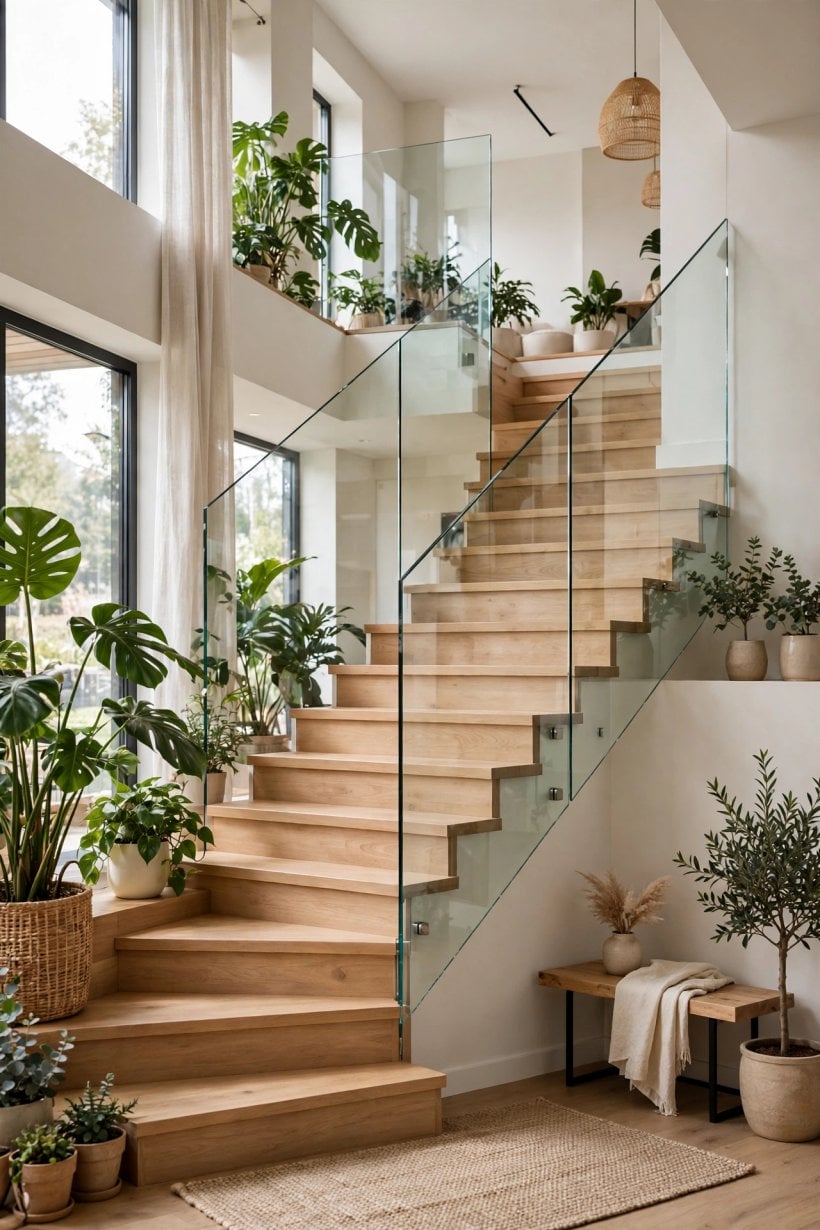
Building codes set the legal requirements for heights, spacings and loads, and they differ between places and change over time, so treat this guide as design thinking, not as a specification: have any new or altered balustrade designed and checked by a qualified professional working to your local code. Light the stair properly, because the safest railing cannot help someone who cannot see the treads, and keep the flight itself clear of the shoes, post and toys that turn a good staircase into an obstacle course. Small, deliberate details like these are what the finishing touches in our notes on tiny house bedroom decor keep rewarding in every other room of the house.
9. Newels, Landings and Finishing Details
Newel posts are the punctuation marks of a staircase. A well-proportioned newel at the foot announces the stair, anchors the rail where forces are greatest, and carries the design’s character in miniature: turned and capped in a traditional hall, a single oak block in a contemporary one, or a slim steel post where the whole balustrade is metal. Do not undersize them; a stair with generous newels and a modest balustrade looks intentional, while the reverse looks mean, however much was spent on the spindles.
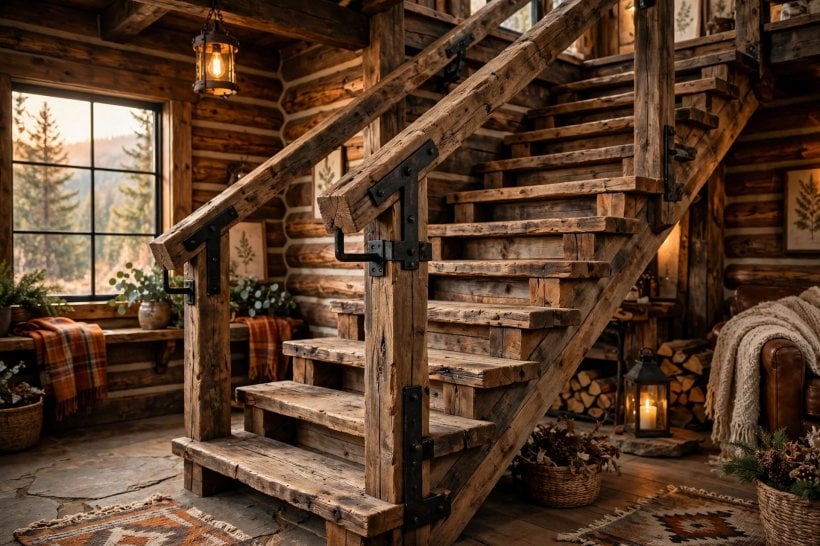
Landings deserve the same design attention as the flight. Continue the balustrade around the landing opening with the same rhythm of balusters, align the landing rail height with the stair rail so the hand travels without a step up or down, and consider what the landing guard overlooks: it is a gallery edge, and a runner, a picture or a small chair placed for it turns circulation space into a moment in the house. Finish with the small things: end caps that close the rail cleanly at walls, rosettes where rails meet posts, and felt-quiet fixings, so the stair feels as solid as it looks.
Lighting belongs in this finishing pass too. A low light washing the treads, a small lamp on the landing, or a window whose daylight the balustrade was designed not to block: each makes the stair safer and more beautiful at once. Plan the lighting with the railing rather than after it, because slim balusters, glass and polished rails all play with light differently, and the staircase you switch on at dusk should feel like the same design you admired at noon.
10. Care, Repair and Refreshing an Older Railing
Most railings do not need replacing; they need attention. A wobbly handrail is usually a fixing problem, not a death sentence, and a carpenter can often re-secure rails, replace a damaged baluster or two, and re-glue joints in a day. Painted balustrades refresh beautifully: wash, sand, fill, and repaint in a hard-wearing finish, keeping the handrail stained or polished if it is sound, and a dated staircase can look deliberate again for the price of paint and a weekend. Timber rails benefit from an occasional feed of wax or oil where hands have dried them.
Work through a simple rhythm of care. Tighten what loosens before it wears its fixings oval, touch up chips on painted newels before moisture gets in, dust glass and cable systems so their lightness survives, and check outdoor-adjacent stairs, porch and deck railings in the same family, each spring. When you do replace parts, save one original baluster and a note of profiles and finishes in a safe place; matching a staircase railing years later is easy with a sample and miserable from memory. Cared for this way, a good railing quietly serves three generations of hands without ever asking to be the centre of attention.
Final Considerations
Choose the material for the life it will lead, the style for the house it lives in, and the details for the hands that will use it daily. Spend on the handrail and newels, keep the guard honest and well fixed, have safety-critical work checked against your local code by a professional, and maintain the whole in small, regular passes. Do that, and your staircase becomes what it should be: the most touched, least worried-about piece of architecture in the home.


0 Comments