

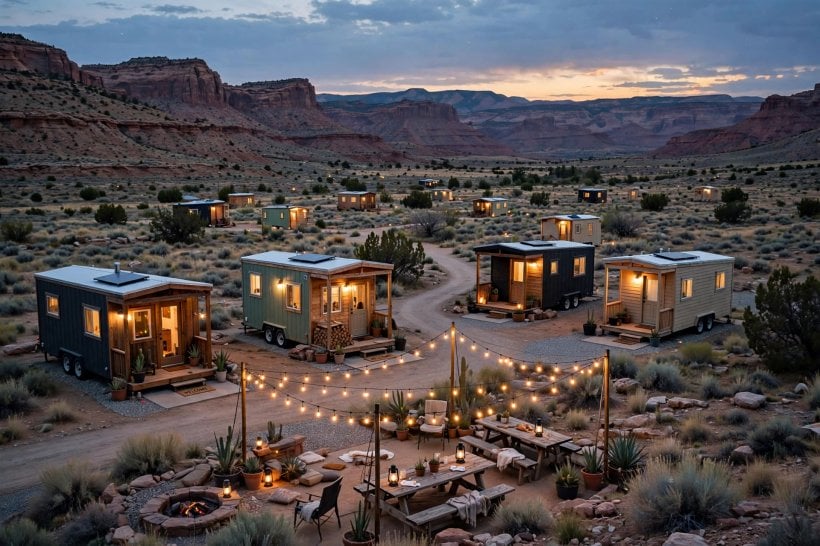
Red rock at sunset, a gravel lane, and a row of small homes with porches facing the desert — that picture pulls many people toward Utah. The harder part is legal ground, water, and winter. This guide walks through how communities work, what they typically cost, and how to join one without guessing.
1. At a Glance: Utah Communities, Land and Law in Brief
Start with the ground, not the house. In Utah, where a tiny home may legally sit depends on the city or county, the zoning of the parcel, and whether the home is on wheels or on a foundation. One community may be a zoned village of foundation homes, another a private ranch with leased pads, and another an RV-oriented park that accepts tiny houses on wheels under park rules. The summary below frames the attributes to check before the detailed sections.
| Attribute | What to expect | What to verify |
|---|---|---|
| Setting | High desert, mountain valley, or land near a larger town | Elevation, access roads, and distance to services |
| Legal route | Accessory dwelling unit, RV park, or zoned tiny-home development | Current city or county rules for that exact parcel |
| Utilities | Full hookups on some sites, partial or off-grid systems on others | Water source, sewer or septic, and electrical service size |
| Climate | Hot, dry summers and genuinely cold winters in most areas | Insulation, heating capacity, and freeze protection |
| Joining | Application, house and site rules, and sometimes a waitlist | Fees, lease terms, and what happens if you sell the home |
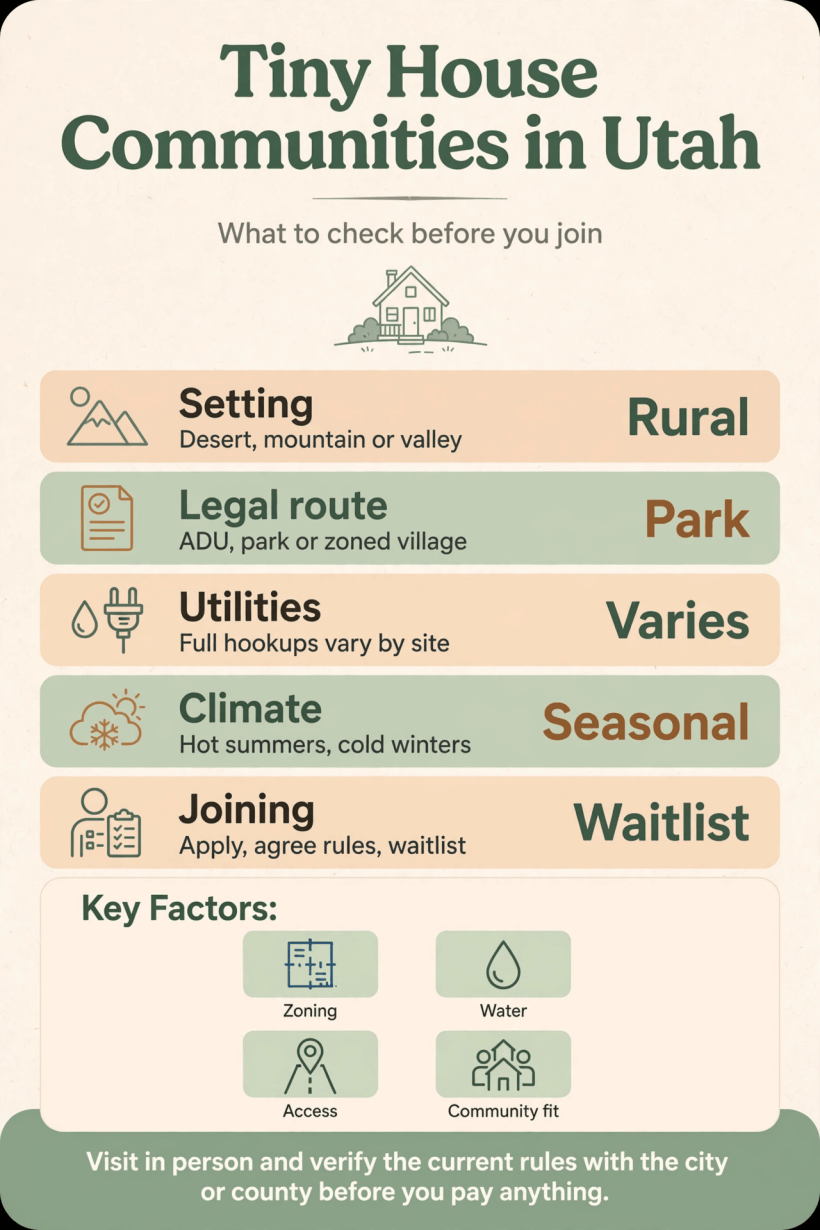
A one-page summary of the checks that matter most — setting, legal route, utilities, climate, and the joining process — before you commit to any Utah site.
2. Community Types: Ranch Land, Tiny Villages and RV-Friendly Parks
Utah does not have one single community model, and the differences shape daily life more than the scenery does. Ranch-style communities sit on larger rural parcels. Lots tend to be more spacious, gardens and small outbuildings are more plausible, and the trade-off is distance: groceries, fuel, and medical care may be a real drive away. Rules often focus on keeping the land orderly rather than on architectural detail.
Purpose-built tiny villages are the most structured option. Homes may be on foundations or on wheels, lots are usually defined and landscaped, and shared amenities — a common building, laundry, gardens, or walking paths — are part of the design. Expect clearer design standards, quiet hours, and guest rules. In exchange, you gain the most predictable legal footing, because the development itself was planned for small homes.
RV-friendly parks are often the fastest route in. A tiny house on wheels is treated much like a recreational vehicle, with a pad, hookups, and a monthly site agreement. The caution is permanence: park rules, local ordinances, or length-of-stay limits may not support indefinite full-time living, even when the park itself is welcoming. Before choosing between these models, compare them honestly using a guide to the key differences between tiny house communities and RV parks, because cost, tenure, and rules diverge sharply.
3. Where to Look: Southern Utah, the Moab Area and the Wasatch Front
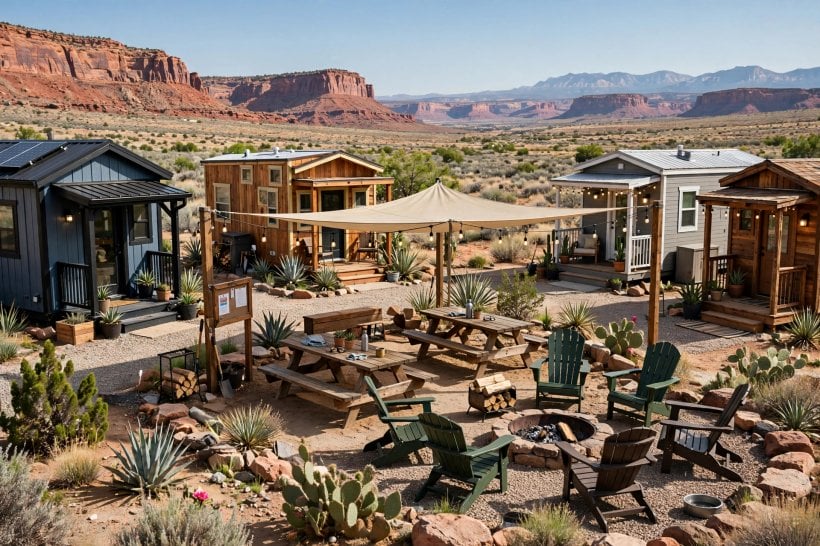
Geography decides climate, work, and community character. Southern Utah offers the classic red-rock landscape, mild winters at lower elevations, and intense summer heat. Communities and private land options in this region appeal to people who want desert trails on their doorstep and who plan carefully for shade, cooling, and water. Summer temperatures make air conditioning or strong passive cooling a practical necessity, not a luxury.
The Moab area draws outdoor workers and travellers, so demand for any legal site can be strong and seasonal. Housing pressure in recreation towns means waitlists and higher site costs are common patterns; anyone searching there should expect competition and should confirm whether a site allows year-round residence or only seasonal stays.
Along the Wasatch Front, including the Salt Lake City area, the pattern changes. Land is more urban, so the realistic route is often an accessory dwelling unit on an existing residential lot, or a space in a managed park within commuting distance of work. Winters are colder and snowier than in the southern desert, and services, healthcare, and employment are far closer. Readers comparing regions will find that tiny house communities in Utah divide less by scenery than by this urban-versus-rural split: decide first whether you need a job commute and city services, or land and quiet, and your search area narrows quickly. For a broader picture of how community models work nationally, see this overview of tiny home communities and how they are organised.

4. Legal Routes: ADUs, RV Parks and Zoned Communities
Three legal routes cover most situations, and each has a different authority to satisfy. The accessory dwelling unit route places a small home on a lot with an existing primary house. Cities set their own conditions — lot size, owner occupancy, parking, and utility connections may all apply — and those conditions change over time, so a rule you read about last year may not be the rule today.
The RV park route depends on both park permission and local ordinance. A park may welcome a tiny house on wheels while the county limits how long a recreational vehicle may be occupied on that site. Ask for the park’s classification and the applicable occupancy rules in writing. The zoned community route is the most durable: the development was approved for small dwellings, so your task is to meet community standards rather than to argue for an exception.
Whatever the route, verify directly with the planning or zoning office for the exact address before you buy land, sign a lease, or move a home. A short, polite call with a parcel number resolves questions that months of online reading cannot. This step-by-step approach to talking to officials about zoning laws for tiny houses shows how to prepare for that conversation, what to ask, and how to document the answers.
5. Costs in Typical Ranges: Lot Rent, Land and Hookups
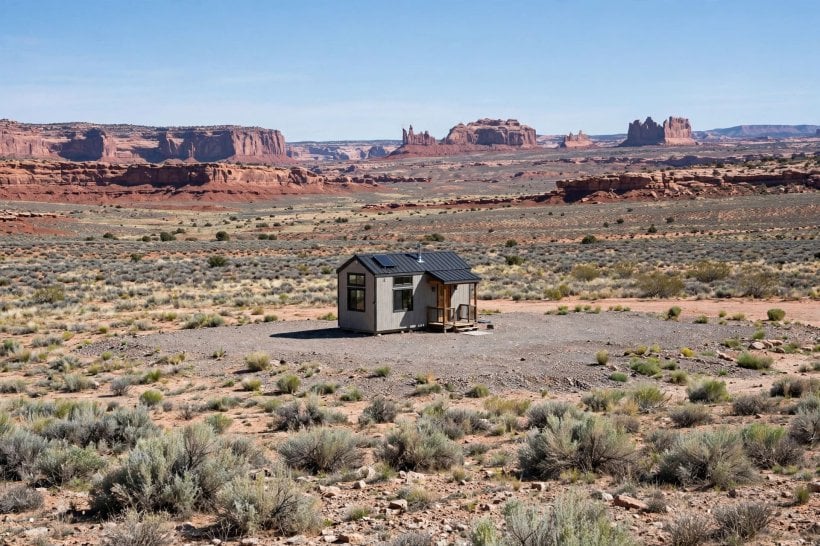
Costs vary widely by region and by what the site includes, so treat every figure as a typical range to budget against — never as a quote. Lot or pad rent in a managed community is commonly the largest recurring cost; as a broad pattern, rural sites tend to sit at the lower end of the range and sites near recreation towns or the Wasatch Front at the higher end. Ask whether water, sewer, trash, and electricity are included or metered separately, because two sites with similar rent can differ a lot once utilities are added.
Buying land shifts the cost rather than removing it. The purchase price is only the start: a driveway or pad, a well or water connection, septic or sewer connection, and electrical service can together rival the price of a modest parcel. Hookup and move-in costs — transport, levelling, skirting, and utility connections — are routinely underestimated, so hold a contingency rather than spending to the last dollar. Joining fees or deposits may also apply in organised communities. If you are planning the community side of this equation yourself one day, this breakdown of how to start your own tiny house community explains where development money actually goes, which helps you judge whether a community’s fees are reasonable.
6. Utilities and Climate: Desert Heat, Winter Cold and Water
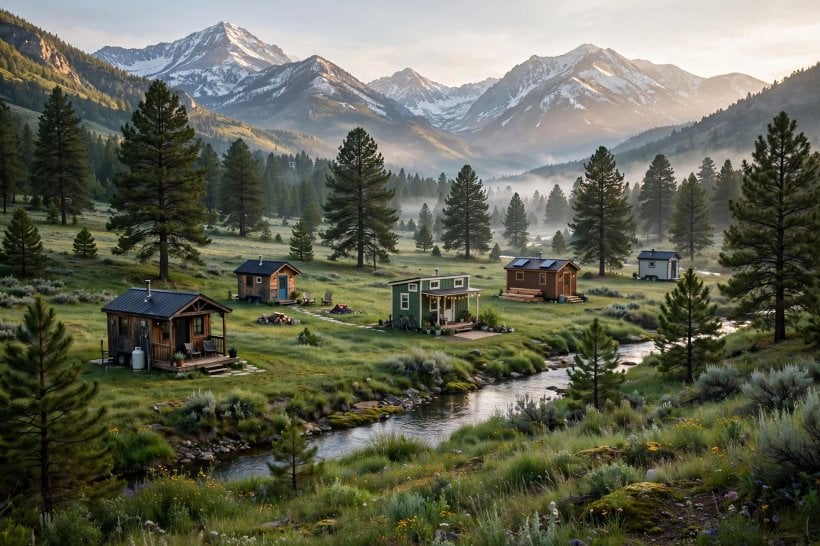
Utah tests a tiny home at both ends of the thermometer. In the southern desert, summer heat demands shade, reflective roofing or strong insulation, and reliable cooling; a home that is comfortable in April can be punishing in July. At higher elevations and along the Wasatch Front, winter brings freezing temperatures and snow, so plumbing needs freeze protection — insulated and heat-traced lines, a skirted base, and a plan for frozen hoses are standard practice, not extras.
Water deserves special attention. Much of Utah is arid, and a community’s water may come from a municipal system, a shared well, or hauled storage. Ask where the water comes from, whether use is metered or capped, and what happens in a drought year. Gardens and evaporative cooling can be restricted in dry areas. Sewage arrangements matter just as much: a full sewer connection is simple, while septic systems impose rules about chemicals and water volume, and some rural sites rely on holding tanks or composting toilets. Confirm the electrical service size as well — a small service may not support electric heating, cooling, and cooking at once, which is a design constraint on the home itself.
7. How to Join: Application, House Rules and Waitlists
Joining is usually a sequence, not a single signature. A typical path looks like this:
- Enquire and visit. Ask about current and upcoming availability, then visit in person if you possibly can.
- Confirm your home qualifies. Size, age, construction type, and whether it is on wheels or a foundation may all be screened.
- Apply. Expect an application, identification, and sometimes references or a background check, as with any rental housing.
- Read the rules before paying. Pets, vehicles, outdoor storage, guests, quiet hours, and home-sale rules should all be in writing.
- Join the waitlist if needed. Desirable communities fill quickly; ask how the list is ordered and how long people typically wait, without treating any estimate as a promise.
- Sign and schedule the move. Confirm transport access, pad dimensions, and hookup timing before booking a mover.
Older readers follow the same path with extra emphasis on healthcare distance and single-level living; this guide to tiny house communities for seniors and small-living retirement options covers those priorities in depth. Keep copies of everything you sign, and get verbal promises added to the written agreement — if it is not written, it is not agreed.
8. Living There Day to Day: Community Life and Amenities
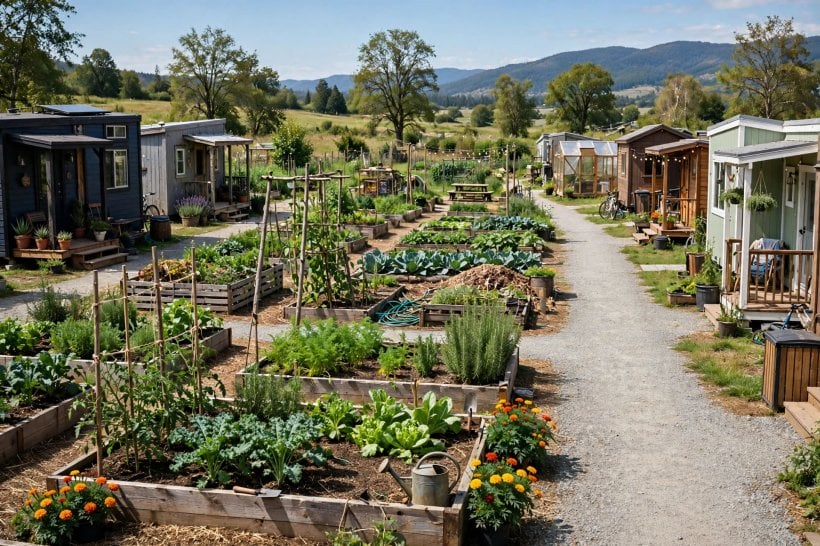
Daily life is where a community proves itself. Shared amenities — a common house, laundry room, workshop, gardens, or trail access — extend a small home’s living space, but only if they are maintained and genuinely available. Ask who maintains them, whether they cost extra, and how busy they get. Social life varies just as much: some communities run shared meals, work days, and events, while others are simply quiet neighbourhoods of small homes where neighbours wave and keep to themselves. Neither is better; the right fit is the one that matches how you actually want to live.
Practical details accumulate. Where do guests park? Can you receive parcels and a grocery delivery? Is there space for a second vehicle, a trailer, or outdoor gear? How is snow cleared, and who repairs a shared water line in January? Well-run, legally established places tend to have written answers, which is one reason successful, legal tiny house villages are worth studying even if you settle somewhere else — they show what good governance and clear rules look like from the resident’s side.

9. Questions to Ask Before You Commit
Bring this list to every visit and call. A community that answers clearly is telling you something good about itself.
- What is the legal basis for living here full-time, and which authority approved it?
- Is my home — its size, age, and type — accepted, and can I get that acceptance in writing?
- What does the monthly cost include, and which utilities are metered or extra?
- What are the lease terms, notice periods, and rules if I sell my home?
- Where does the water come from, and are there use limits in dry years?
- What are the rules on pets, guests, vehicles, storage, and noise?
- How are amenities maintained, and who pays for major repairs?
- What is the waitlist position, realistically, and is any deposit refundable?
Comparing states while you decide is sensible, too — the joining process and legal routes described for tiny house communities in Florida show how different another state’s market can be, which sharpens the questions you ask in Utah.
10. Common Mistakes When Choosing a Utah Community
Most bad outcomes follow a few repeatable errors. Assuming legality from an advertisement is the biggest: a site marketed to tiny homes is not automatically a legal full-time residence, so verify with the city or county yourself. Visiting only in mild weather hides the two hard seasons — come in summer heat or winter cold if you can, or at least ask residents how the home and the roads cope. Ignoring water is a desert-specific trap; a cheap lot without a reliable water arrangement is not cheap. Skipping the written rules leads to surprises about pets, resale, and guests that no conversation can undo later. Finally, budgeting only for rent forgets transport, hookups, skirting, and the first winter’s heating — the move-in costs that arrive all at once.
Final Considerations
The best tiny house communities in Utah reward people who choose with their eyes open. Decide your region by work, climate, and services; pick a community type whose rules you can happily live inside; verify the legal route for the exact parcel; and budget for water, utilities, and the move itself, not just the monthly site cost. Do that, and the red-rock picture that drew you here becomes a home that works in July heat and January cold alike — which is the only version of small living worth joining.


0 Comments