

You can build the perfect tiny house and still have nowhere legal to park it. That single problem — not the build — is where most tiny living dreams stall. The good news: dedicated villages, tiny-friendly RV parks and off-grid homesteads now operate in every state, and the locator below maps more than 50 of them.
1. At a Glance: What the Locator Covers
Tiny home communities are the organized answer to the parking problem: places created or adapted specifically so a tiny house on wheels (THOW) can stay legally, with the zoning, hookups and paperwork already figured out. The National Tiny Home Locator below maps 50+ verified communities across all 50 states and sorts them into the three types that cover almost every way of living tiny in America. One community is listed for every state, monthly costs in the directory run from $200 to $800+, and every pin carries the rules, costs and amenities for its location — so the table below is the whole landscape on one screen.
| Community Type | In the Directory | What It Offers | Monthly Cost Framing |
|---|---|---|---|
| Dedicated Tiny House Villages | 22 communities | Purpose-built for tiny homes: full hookups (water, electric, sewer), community centers and shared spaces, legal zoning compliance, like-minded neighbors | Mid-range to premium, inside the $400–$800+ span |
| RV Parks (Tiny-Friendly) | 15 communities | Standard RV hookups, more affordable rates, flexible short- and long-term stays, less strict aesthetic requirements | More affordable — typically the $400–$600 mid-range |
| Off-Grid Homesteads | 13 communities | Land-sharing for self-sufficient homes: solar power, composting toilets, rural and wilderness settings, maximum freedom and privacy | The lowest costs in the directory — $200–$400/mo |
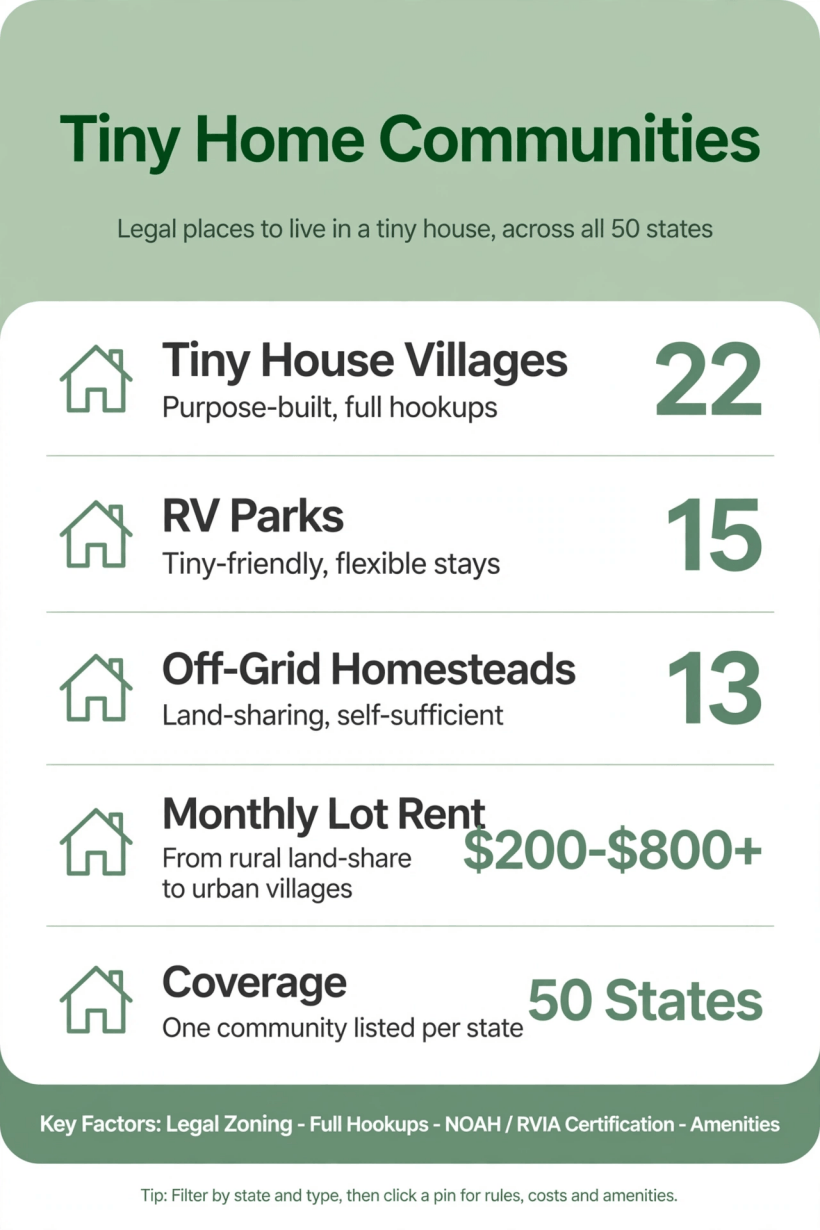
The directory at a glance: 22 villages, 15 RV parks and 13 off-grid homesteads — one community in every state, with lot rents from $200 to $800+ a month.
2. What Tiny House Communities Are — and Why They Exist
A tiny house solves the housing problem and immediately creates a land problem. Most zoning codes were written for conventional houses on foundations, so a small home on wheels often falls between categories: too house-like for casual RV parking, too RV-like for a residential lot. Owners end up moving every few weeks, parking informally on a friend’s land, or giving up on the lifestyle altogether — not because the house failed, but because the map had nowhere legal to put it. The original guide below puts it plainly: one of the biggest challenges facing the tiny house movement is finding legal, welcoming places that embrace alternative living.
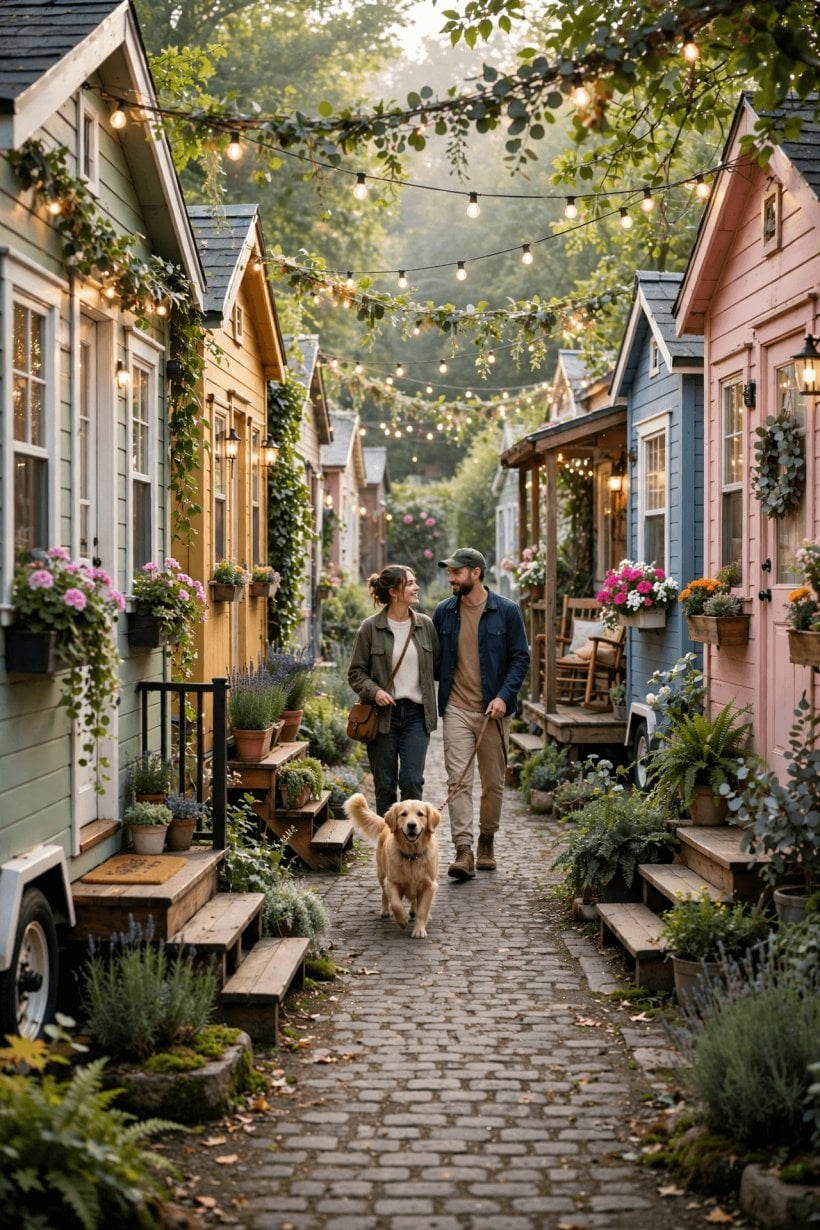
That is the gap tiny home communities exist to close. A community is any place that has done the legal and practical work in advance — secured the zoning position, installed the hookups, set the rules — so that a tiny house can arrive and simply stay. Some are purpose-built villages designed around tiny homes from day one. Others are RV parks that have opened their gates to well-kept THOWs, or rural landowners sharing space with self-sufficient off-gridders. What unites all three is certainty: you know before you arrive that your home is allowed to be there. If you are still at the earlier stage of the journey, our guide to where to park a tiny house walks through every parking option, legal and otherwise.
3. The Three Types: Villages, RV Parks and Off-Grid Homesteads
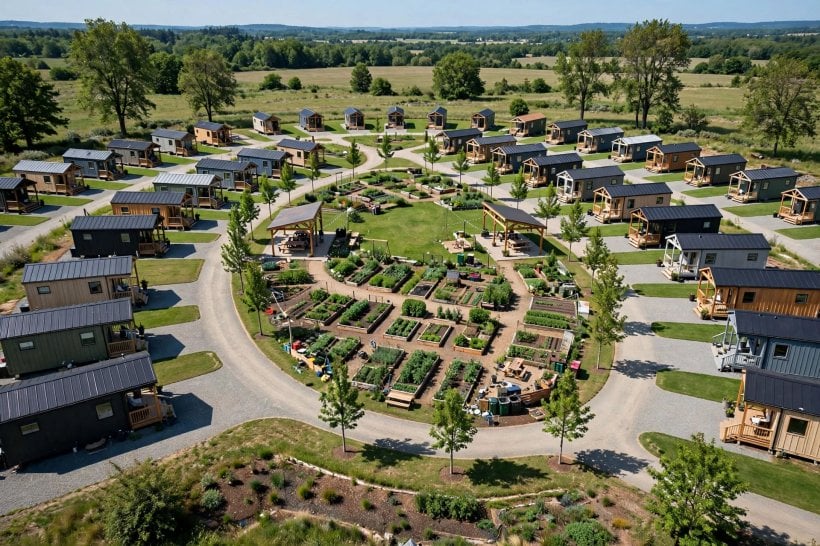
Dedicated tiny house villages are the fullest expression of the idea. They are purpose-built for tiny homes, and the directory’s examples show the range: Village Farm in Austin, Texas is a working agrihood at $650/mo; Acony Bell in Mills River, North Carolina lists at $550/mo; LuxTiny Community in Lakeside, Arizona — described in its listing as one of the premier legal tiny house communities in the White Mountains — comes in at $450/mo. Villages typically offer community centers and shared spaces, full hookups, zoning compliance handled for you, and neighbors who chose the same lifestyle. The trade-off is structure: expect design guidelines, aesthetic standards and community rules.
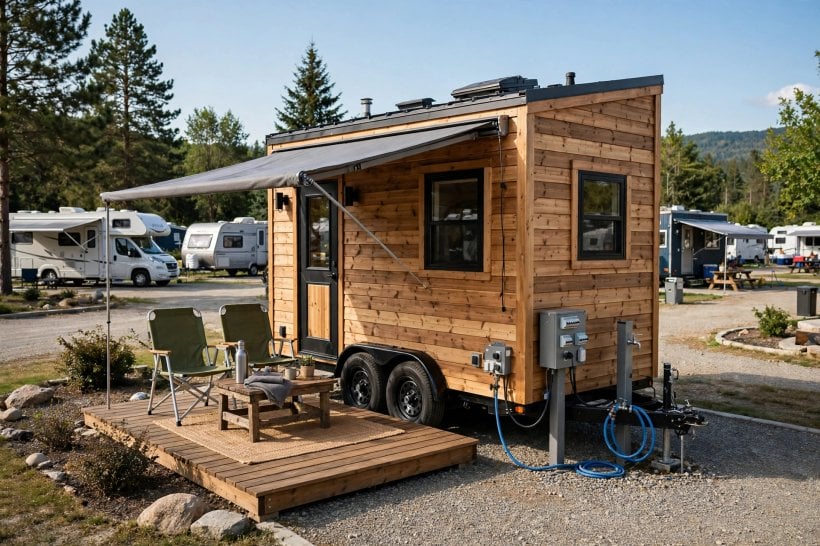
RV parks are the pragmatic middle path. Traditional parks increasingly welcome aesthetic tiny houses on wheels, offering standard RV hookups, more affordable rates and flexible short- or long-term stays with less strict aesthetic requirements. Peak View Park in Woodland Park, Colorado ($500/mo, near Pikes Peak) is the directory’s mountain example. The full head-to-head is in our comparison of tiny house communities vs RV parks, and our roundup of tiny house-friendly RV parks explains what to ask before booking. Off-grid homesteads sit at the other end of the spectrum: land-sharing arrangements built around solar power and composting toilets, the lowest monthly costs in the directory, and maximum freedom and privacy in rural or wilderness settings — Frontier Off-Grid in Fairbanks, Alaska and Appalachian Off-Grid in West Virginia both list at $200/mo.
4. Using the Map: State Filters, Type Filters and Pins
The locator is built for the way people actually search. Start with the state dropdown — the directory covers all 50 states — because location usually decides everything else: your job, your climate tolerance, your budget. Then narrow by community type using the filter buttons (All, Villages, RV Parks, Off-Grid) to see only the style of living you are actually considering. The map groups its pins by region — West, Central, East, South, plus Alaska and Hawaii — which makes it easy to spot clusters: the Southeast and Mountain states, for example, hold a dense run of villages, while homesteads spread across the rural interior.
Each pin then opens the detail that matters. Clicking a location reveals its zoning rules and requirements, its monthly cost, its amenities and features, its certification requirements (NOAH or RVIA), and a direct link to find it on Google Maps. That combination — rules plus cost plus amenities in one click — is what turns a pretty map into a decision tool. A village that looks perfect at $450/mo is only perfect if your house meets its certification rules and its hookups match your setup, and the pin tells you all of that before you ever make contact.
5. Zoning, Certification and Staying Legal
Legality is the thread that runs through every listing, and it starts with how your house is certified. RVIA (Recreational Vehicle Industry Association) certification treats your tiny house as an RV; NOAH (National Organization of Alternative Housing) certification is specific to tiny houses. Many communities require one or both, and individual listings state which — Ozark Tiny Village in Arkansas, for instance, lists “NOAH cert preferred,” while the San Diego ADU Parking network requires homes to meet strict California ADU codes and registration. Checking your certification against a community’s rules is the single most important step before applying anywhere.
Zoning classifications explain why the three community types exist at all. RV parks are the easiest entry point, with fewer restrictions. Residential zoning often requires a foundation and minimum square footage — the two things a THOW by definition does not have. Agricultural land sometimes allows “temporary” structures, and unincorporated areas carry fewer regulations but also fewer services. States vary enormously: the guide below names Oregon, Colorado, North Carolina, Texas and California as the most tiny-friendly states, Tennessee, Georgia, Arizona and Montana as emerging markets, and some northeastern states with strict building codes as challenging. For the deeper playbook, see our guide to zoning laws for tiny houses and the land-and-placement walkthrough in where can I build a tiny house.
6. Monthly Costs: From $200 Land-Shares to $800+ Urban Villages
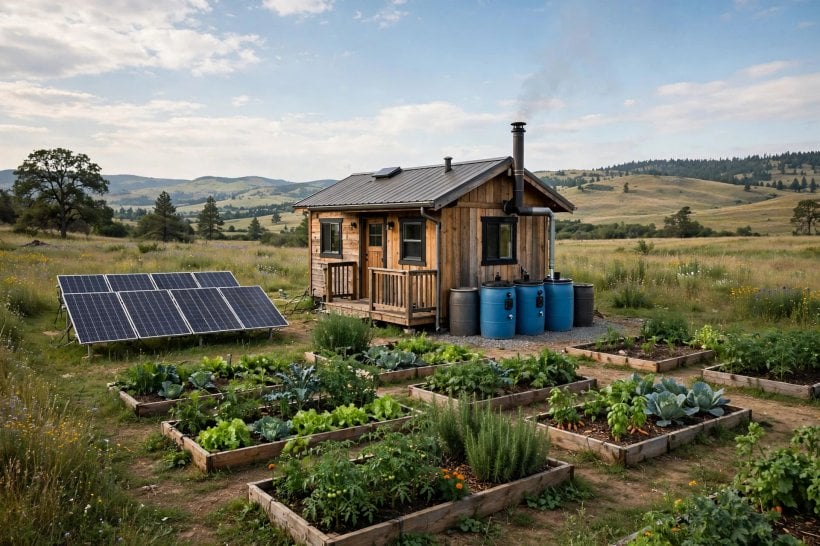
The directory’s costs sort into the three bands the guide below sets out. Budget-friendly options run $200–400/mo — mostly off-grid homesteads and rural land-sharing, in states the guide names such as Alaska, West Virginia, Kansas and Mississippi. The mid-range, $400–600/mo, covers most RV parks and villages in suburban locations, with Colorado, North Carolina, Ohio and Oregon named as typical mid-range states. Premium communities run $600–800+/mo: urban-adjacent locations and high-amenity villages in states like California, Washington, Florida and Hawaii. The FAQ’s summary matches the spread: most communities fall between $400 and $600 a month.
Individual listings show how the bands play out in practice. At the top of the range sit the San Diego ADU Parking network at $800+/mo and the Big Island Eco-Village in Hilo, Hawaii at $800/mo — premium prices for urban access and unmatched settings. Orlando Lakefront, the flagship waterfront community in Florida, lists at $700/mo, and Mt. Hood Tiny Village in Oregon at $650/mo. At the other end, the two $200/mo homesteads in Alaska and West Virginia show what land-sharing can cost when you bring your own solar and systems. Use the bands to set expectations, then use the pins to price the specific states you are mapping out.

7. Features and Amenities Worth Paying For
Two communities at the same price can offer very different lives, which is why the guide’s evaluation checklist matters more than the headline rent. Legal compliance comes first — proper zoning and permits are the entire point of choosing a community over informal parking. Utilities come next: full hookups (water, electric, sewer) versus off-grid capability is a lifestyle decision as much as a technical one, and it should match the house you actually built. Then weigh the community itself: shared spaces and like-minded neighbors are the reason many people choose a village over a solitary lot.
The remaining checklist items are personal but decisive. Location — proximity to work, healthcare and everyday amenities — determines whether a cheap rural lot is a bargain or an isolation trap. Aesthetics and design guidelines protect the community’s look (and your welcome in it) but constrain what you can build and park. Flexibility matters too: month-to-month terms suit travelers, long-term leases suit settlers. Pet-friendly policies are non-negotiable if you have animals, some parks apply seasonal limits to stays, and reliable internet is essential for remote workers — a beautiful homestead with no signal is a career problem disguised as a bargain.
8. Regional Highlights: Where Each Style of Community Thrives
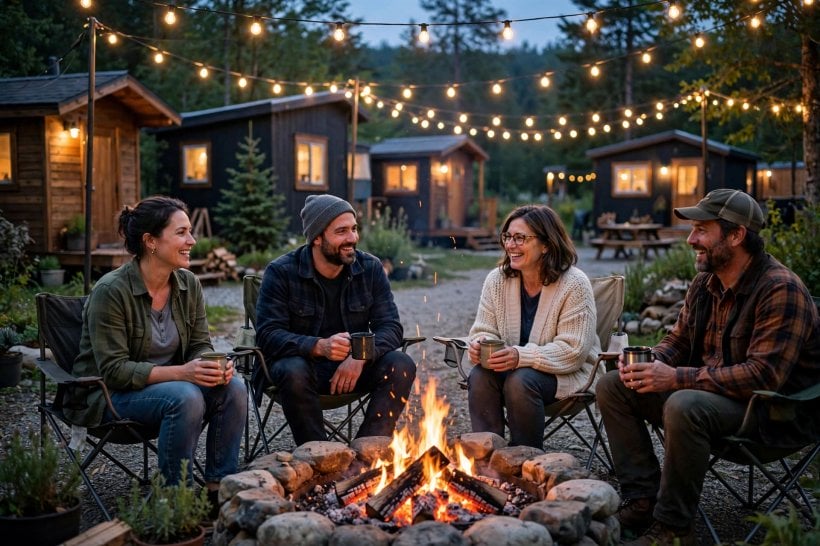
The West Coast (California, Oregon, Washington) pairs progressive tiny house laws and beautiful natural settings with higher costs and strong communities; California’s ADU laws have even created urban backyard parking networks like San Diego’s. The Mountain States (Colorado, Montana, Idaho, Wyoming) offer stunning views and outdoor recreation with growing acceptance and a mix of affordable and premium options — but winterization is essential, and listings like Peak View Park state it outright: the house must be winterized, with a heated hose, for year-round living. Big Sky Tiny in Bozeman, Montana ($700/mo) and Yellowstone Edge in Jackson, Wyoming ($500/mo) anchor the region in the directory.
The Southeast (North Carolina, Tennessee, Georgia, Florida) combines mild winters, affordable land and a strong community culture — Acony Bell and the wider Asheville area make North Carolina a genuine hub, which our state guide to tiny house communities in North Carolina explores in depth, while Florida adds year-round warmth with hurricane-resistant building requirements at places like Orlando Lakefront. The Midwest (Ohio, Michigan, Wisconsin, Minnesota) is the affordable, family-friendly option: four-season living, agricultural land opportunities, and mid-priced listings like Cedar Springs in Ohio and Midwest Tiny Living in Illinois, both at $450/mo.
9. How to Evaluate a Community Before You Commit
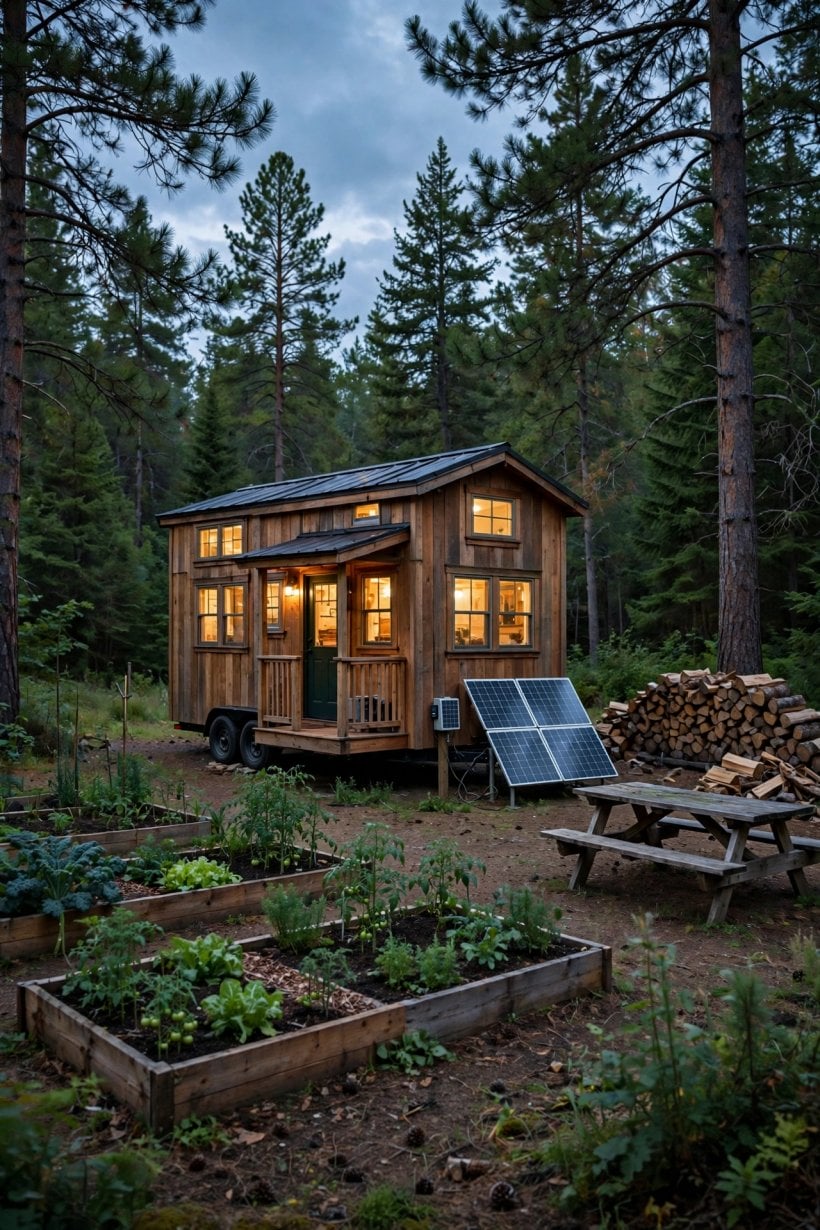
The guide’s getting-started sequence doubles as an evaluation method. Work the map first: explore all 50 states, filter by your priorities — state, type and budget — and click pins for rules, costs and amenities. Then take each serious candidate off the map: search for it on Google Maps to see the real setting, the road in, and what surrounds it. A pin tells you the price and the rules; satellite view tells you whether “wooded haven” means a forest or a parking lot with trees at the fence line.
Next, contact communities directly and ask about availability — directories show what exists, not what is open, and popular villages fill. Ask the certification question explicitly, confirm the stay limits (long-term is common, but some RV parks are seasonal), and clarify what the monthly figure includes. Finally, visit in person and tour before committing. Walk the site at the times you would actually live there, talk to residents about noise, management and winters, and check the hookups against your own house. A community is a landlord, a neighborhood and a legal status in one package — all three deserve inspection.
10. Common Mistakes When Choosing a Community
The most expensive mistake is choosing on price or scenery alone and discovering the rules afterward: arriving with an uncertified house at a community that requires NOAH or RVIA certification, or signing for a premium urban village when your budget assumed mid-range costs. The second is ignoring stay limits — assuming every listing allows long-term parking when some RV parks cap seasons. The third is skipping the winter question in cold states: mountain communities require winterization for year-round living, and a house that cannot handle a Colorado winter has not found a home, just a summer spot.
The quieter mistakes are about fit. Overlooking internet access when you work remotely. Forgetting pet policies when you travel with animals. Assuming off-grid freedom means no rules, when homesteads have their own requirements — Frontier Off-Grid in Alaska, for example, requires compost toilets and the ability to survive winter. And the final mistake is never starting the search at all because no community exists in your exact town: with listings in all 50 states — and people who have gone further and built the place they could not find, as our guide to how to start your own tiny house community shows — the realistic question is which community fits, not whether one exists.
Final Considerations
The tiny house itself was never the hard part — the land underneath it is. Tiny house villages, tiny-friendly RV parks and off-grid homesteads have turned that problem into a searchable map: 50+ verified, legal options, one in every state, from $200/mo land-shares to $800+ urban villages, each with its rules, costs and amenities a click away. Match the type to your lifestyle, your certification to the community’s rules, and your budget to the right cost band — then visit before you commit. The locator below is where that search starts.
National Tiny Home Locator
Everything above leads to the tool below. Filter the map by state, narrow it by community type, and click any pin to see that community’s zoning rules, monthly cost, amenities and certification requirements — then take your shortlist off the page: find each one on Google Maps, contact the community directly about availability, and tour in person before you move your home.
If you’ve been searching for “tiny house community near me” or wondering where you can legally live in your tiny home on wheels, you’re not alone. One of the biggest challenges facing the tiny house movement is finding legal, welcoming communities that embrace alternative living.
National Tiny Home Locator
Find legal parking & communities across all 50 states.
Interactive Map
Showing All LocationsDirectory
0 FoundDiscover legal tiny house communities across all 50 states with our interactive National Tiny Home Locator. Whether you’re searching for tiny home communities in Colorado, California, Texas, or anywhere in the US, our comprehensive map helps you find the perfect spot to park your THOW (Tiny House on Wheels). Filter by state, community type, and amenities to locate tiny house villages, RV parks accepting tiny homes, and off-grid homesteads near you.
Read also: 50 Curated Modern Tiny House Designs You’ll Love
Our National Tiny Home Locator solves this problem by mapping out 50+ verified tiny house communities, RV parks, and off-grid homesteads across all 50 states. This interactive tool helps you discover:
- 🏘️ Dedicated tiny house villages with full amenities
- 🚐 RV parks that welcome tiny homes on wheels
- 🌲 Off-grid homesteads for sustainable living
- 📍 Legal parking spots in your desired state
- 💰 Monthly costs ranging from 200-800+
How to Use the National Tiny Home Locator
1. Filter by State
Use the dropdown menu to search for tiny house communities in specific states. Popular searches include:
- Tiny house community Colorado (Mountain living)
- Tiny home communities California (Progressive ADU laws)
- Tiny house villages Texas (Affordable options)
- Florida tiny house communities (Year-round warmth)
- Oregon tiny home parks (Pacific Northwest beauty)
2. Filter by Community Type
Choose from three main categories:
🏘️ Dedicated Tiny House Villages
Purpose-built communities designed specifically for tiny homes. These often feature:
- Community centers and shared spaces
- Full hookups (water, electric, sewer)
- Legal zoning compliance
- Like-minded neighbors
- Examples: Acony Bell (NC), Village Farm (TX), LuxTiny Community (AZ)
🚐 RV Parks (Tiny-Friendly)
Traditional RV parks that welcome aesthetic tiny houses on wheels:
- Standard RV hookups
- More affordable options
- Flexible short/long-term stays
- Less strict aesthetic requirements
🌲 Off-Grid Homesteads
Land-sharing arrangements for self-sufficient tiny homes:
- Solar power and composting toilets
- Lowest monthly costs ($200-400)
- Maximum freedom and privacy
- Rural/wilderness settings
3. Click Pins for Details
Each location pin reveals:
- ✅ Zoning rules and requirements
- 💵 Monthly costs
- 🏷️ Amenities and features
- 📍 Direct Google Maps link
- 📋 Certification requirements (NOAH/RVIA)
Top Tiny House Communities by State
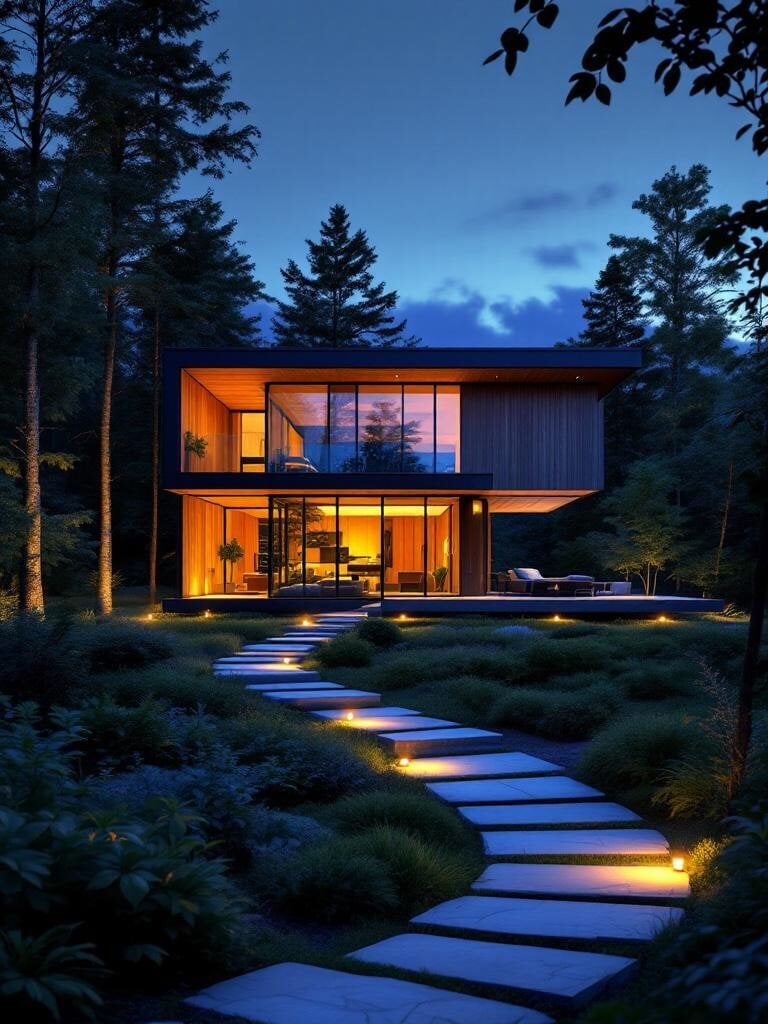
Best Tiny House Communities in Colorado
Colorado has embraced the tiny house movement with mountain communities offering stunning views:
- Peak View Park (Woodland Park): $500/mo near Pikes Peak
- Progressive zoning in cities like Durango and Walsenburg
- Winterization required for year-round living
California Tiny Home Communities
California's new ADU (Accessory Dwelling Unit) laws have opened doors:
- San Diego ADU Parking Network: Urban backyard parking ($800+/mo)
- Legal pathways through progressive housing codes
- High costs but unmatched weather and amenities
Read also: 37 Monster House Designs That Are Seriously Spooky
Texas Tiny House Villages
Everything's bigger in Texas—including tiny house opportunities:
- Village Farm Austin: Premier agrihood with working farm ($650/mo)
- Relaxed rural zoning in many counties
- Affordable land and lower costs
Florida Tiny House Communities
Year-round living without harsh winters:
- Orlando Lakefront: Flagship waterfront community ($700+/mo)
- Popular retirement destination for tiny living
- Hurricane-resistant building requirements
Understanding Tiny House Zoning Laws
Not all locations are created equal. Before moving your tiny home, understand these key legal considerations:
RVIA vs. NOAH Certification
- RVIA (Recreational Vehicle Industry Association): Treats your tiny house as an RV
- NOAH (National Organization of Alternative Housing): Tiny-house-specific certification
- Many communities require one or both
Zoning Classifications
- RV Parks: Easiest entry point, fewer restrictions
- Residential Zoning: Often requires foundation and minimum square footage
- Agricultural Land: Sometimes allows “temporary” structures
- Unincorporated Areas: Fewer regulations but fewer services
State-by-State Variations
- Most Tiny-Friendly States: Oregon, Colorado, North Carolina, Texas, California
- Emerging Markets: Tennessee, Georgia, Arizona, Montana
- Challenging States: Some northeastern states with strict building codes
Monthly Costs: What to Expect
Our locator shows real monthly costs across the country:
Budget-Friendly ($200-400/mo)
- Off-grid homesteads
- Rural land-sharing
- States: Alaska, West Virginia, Kansas, Mississippi
Read: 20 Inviting Scandi Cottages That Feel Like Home
Mid-Range ($400-600/mo)
- Most RV parks and villages
- Suburban locations
- States: Colorado, North Carolina, Ohio, Oregon
Premium ($600-800+/mo)
- Urban-adjacent communities
- High-amenity villages
- States: California, Washington, Florida, Hawaii
Features to Look For
When evaluating tiny house communities, prioritize:
✅ Legal Compliance: Proper zoning and permits

✅ Utilities: Full hookups vs. off-grid capabilities

✅ Community: Shared spaces and like-minded neighbors

✅ Location: Proximity to work, healthcare, amenities

✅ Aesthetics: Design guidelines and property maintenance

✅ Flexibility: Month-to-month vs. long-term leases

✅ Pet-Friendly: If you have furry companions

✅ Internet: Essential for remote workers
Regional Highlights
West Coast (CA, OR, WA)
- Progressive tiny house laws
- Beautiful natural settings
- Higher costs but strong communities
- ADU opportunities in urban areas
Read: 44 Lavish Tiny Houses Revolutionizing Compact Living
Mountain States (CO, MT, ID, WY)
- Stunning views and outdoor recreation
- Winterization essential
- Growing tiny house acceptance
- Mix of affordable and premium options
Southeast (NC, TN, GA, FL)
- Mild winters, hot summers
- Emerging tiny house hubs
- Affordable land
- Strong community culture
Midwest (OH, MI, WI, MN)
- Affordable options
- Four-season living
- Family-friendly communities
- Agricultural land opportunities
Getting Started: Your Tiny House Journey
Ready to find your perfect tiny house community?
- Use the Interactive Map Above to explore all 50 states
- Filter by Your Priorities: State, type, and budget
- Click Pins for Details: Rules, costs, and amenities
- Search on Google Maps: Visit communities virtually
- Contact Communities Directly: Ask about availability
- Visit in Person: Tour before committing
Frequently Asked Questions
Q: Can I legally live in a tiny house?

A: Yes, but location matters. Our locator shows verified legal options in all 50 states.
Q: Do I need special certification?

A: Most communities require RVIA or NOAH certification. Check individual listings.
Q: What's the average monthly cost?

A: Ranges from 200 (off-grid) to 800+ (urban/premium). Most fall between $400-600.
Q: Can I stay long-term?

A: Most communities offer long-term parking. Some RV parks have seasonal limits.
Q: Are tiny houses allowed in RV parks?

A: Many RV parks now welcome tiny homes, especially if RVIA-certified and aesthetically pleasing.
Read: 20 Genius Dome Cabins You’ll Want to Escape To in Nature
Conclusion
The tiny house movement is thriving, with legal communities now available in every single state. Whether you're seeking a tiny house community in Colorado's mountains, California's progressive cities, Texas's affordable land, or anywhere in between, our National Tiny Home Locator connects you with verified, legal options.
Start exploring the interactive map above to find tiny home communities near you. Your dream of simplified, intentional living is closer than you think.


4 Comments