

A traditional room never shouts. It layers good furniture, calm colour and soft light until the whole space feels settled, generous and easy to live in.
These 75 ideas for a traditional bedroom cover layouts, beds, colour, storage and styling, whether you are refreshing one corner or planning a whole room.
1. At a Glance: Traditional Bedroom Basics
Traditional style rests on symmetry, proportion and materials that age gracefully. Start with the bed as the room’s anchor, build balanced arrangements around it, and let textiles and lighting soften the formality. If you want to see how the same principles compress into smaller spaces, our tiny house bedroom ideas are a useful companion read.
| Question | Short Answer |
|---|---|
| What defines the style? | Symmetry, classic furniture shapes, layered textiles and a calm, coordinated palette. |
| Where should you start? | With the bed’s position and size; almost every other decision follows from it. |
| How many patterns work? | Usually two or three, sharing colours and differing in scale, with plain fabrics between them. |
| What drives cost? | The bed, mattress, storage furniture and window treatments, in roughly that order. |
| What should you check first? | Room measurements, door and wardrobe swings, socket positions and where morning light falls. |
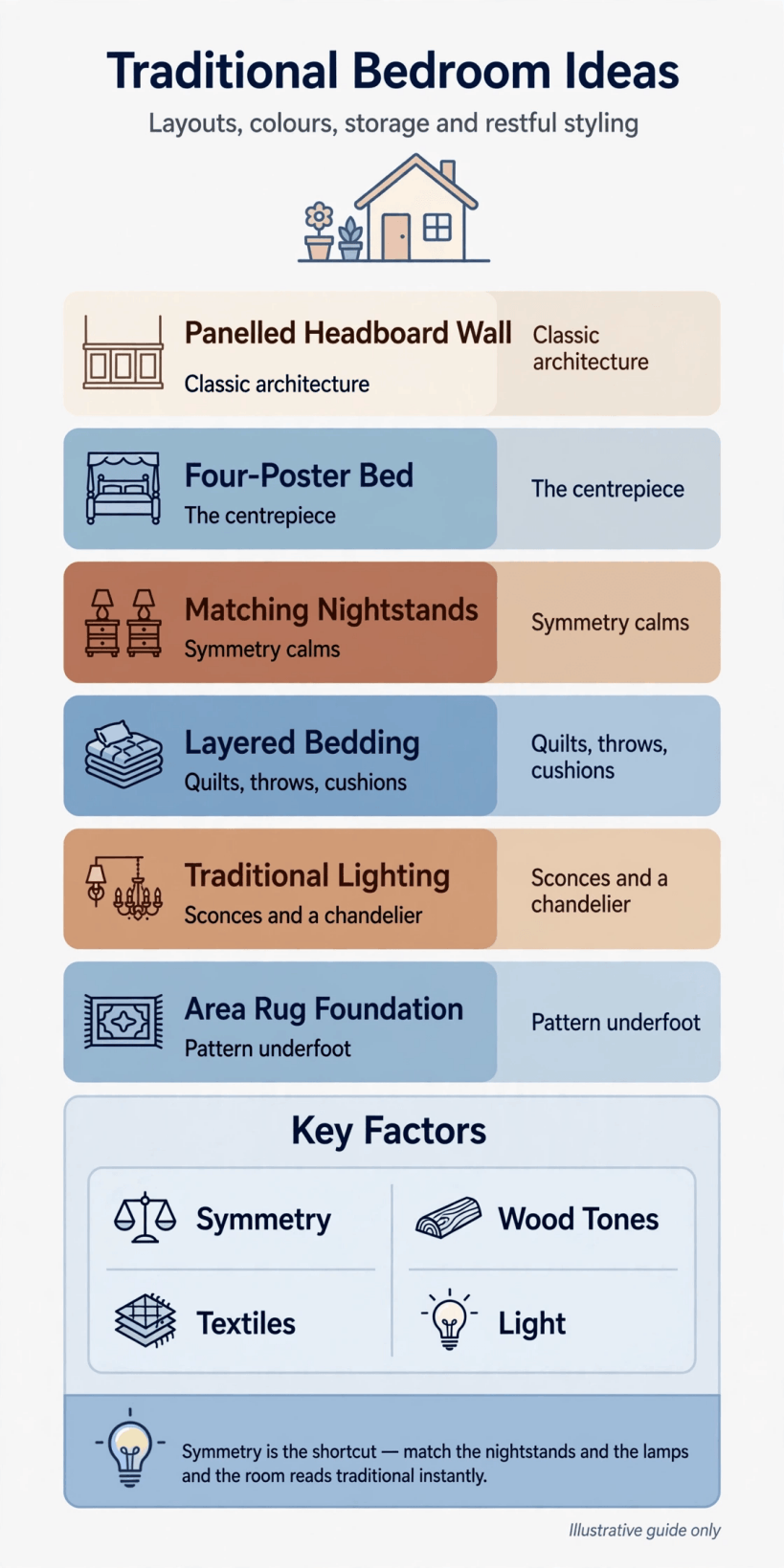
A visual summary of the layout, colour and layering decisions that give a classic bedroom its calm, finished feel.
Sleep comes first in every decision that follows. A beautiful room that echoes with early light, a bed that is awkward to make, or storage that forces daily clutter into view will not feel restful for long. Test the practical basics, blackout, ventilation, reading light and a place for a glass of water, alongside the prettier choices, and the room will reward you nightly.
2. Layout Ideas Built Around the Bed
Layout in a classic scheme is mostly about balance: the bed centred on a wall or window axis, equal space and light on both sides where possible, and furniture arranged so the room feels composed from the doorway.
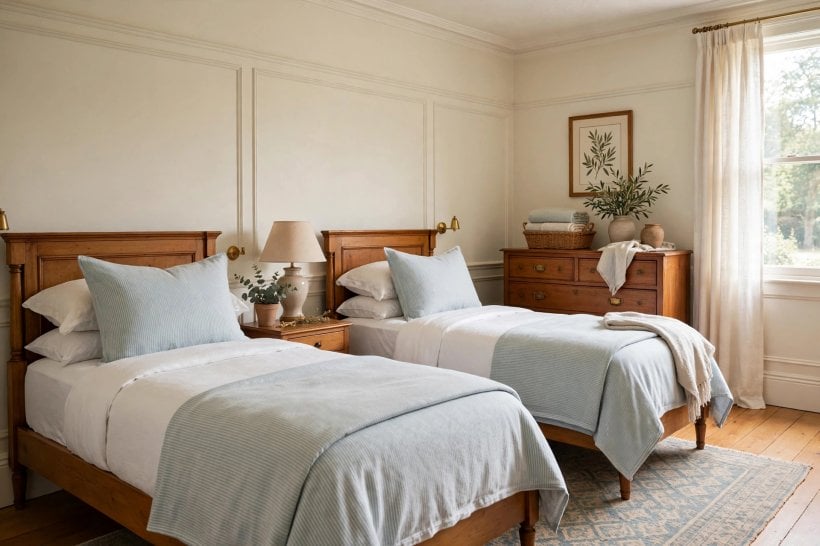
1. Bed centred on the main wall. The classic arrangement, giving both sleepers equal access and the room instant symmetry.
2. Matching bedside tables. A pair at the same height keeps the composition calm and storage fair.
3. A bench at the foot. Useful for dressing, spare blankets and books, and it finishes the bed’s silhouette beautifully.
4. Dresser opposite the bed. Balances the room’s weight and gives a surface for a mirror, tray and morning essentials.
5. A reading chair in the corner. One good chair, a small table and a lamp create a quiet second zone.
6. Wardrobes flanking a window. Built-in or freestanding storage either side of a window frames the view and saves wall space.
7. Bed under the window. Works in awkward rooms if the headboard is low and curtains are planned around it.
8. Space to make the bed. Leave honest room on both sides; a bed you cannot walk around is a daily irritation.
9. A rug anchoring the layout. Size the rug so front legs of bedside furniture sit on it and the bed feels grounded.
10. Clear path to the door. Keep the route from bed to door and bathroom free of furniture corners and clutter.
3. Beds, Headboards and Furniture Shapes
Furniture carries the traditional look more than any accessory. Choose shapes with gentle curves, turned or tapered legs and honest materials, and let one piece, usually the bed, be the room’s statement while others support it quietly. Our look at modern tiny house bedroom design shows how much the bed’s proportions matter in any scheme.

11. Upholstered headboard. Soft, tall and comfortable to read against; choose a fabric that can be cleaned or recovered.
12. Wooden frame with panelled headboard. Warm and architectural, it suits painted or papered walls behind it.
13. Four-poster, kept simple. A slim poster frame adds height and ceremony without heavy drapes in modern homes.
14. Sleigh bed. Curved head and foot boards bring a gentle, enveloping shape to larger rooms.
15. Metal frame in a soft finish. A nod to cottage tradition that keeps a small room feeling light.
16. Bedside drawers over open tables. Drawers hide the bedside reality of cables, books and remedies far better.
17. A proper dressing table. A dedicated place to sit and prepare makes the room feel generous and unhurried.
18. Chest of drawers, not too tall. A wide, mid-height chest gives a display surface and keeps the room’s lines calm.
19. Coordinated, not matched, furniture. Shared wood tone or shape language beats a rigid suite bought all at once.
20. One antique or vintage piece. A single older item gives a new scheme the history traditional rooms are loved for.
4. Colour Palettes That Stay Calm for Years
Traditional palettes favour depth over brightness: soft neutrals, heritage-inspired blues and greens, warm creams and the occasional rich accent kept to cushions, a chair or art. Judge colours at night as well as by day, and use our guide to tiny house interior paint colours for testing discipline that works in any room.
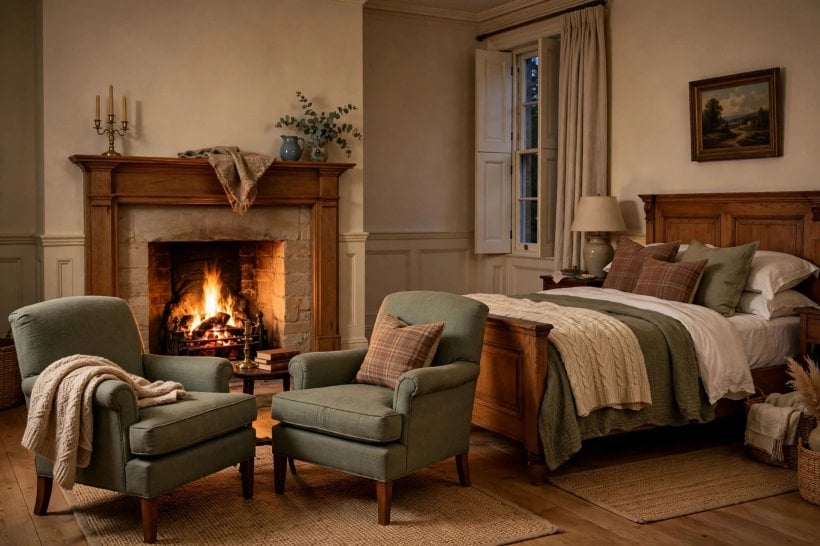
21. Cream and warm white. The safest base, letting wood, brass and textiles supply the interest.
22. Soft blue and white. Serene and classic, especially with natural wood and woven textures nearby.
23. Sage and stone. Muted green with grey neutrals feels restful and pairs beautifully with oak tones.
24. Dusty rose accents. A little faded pink in cushions or art warms a neutral scheme without dating it.
25. Navy as the anchor. Deep blue on a headboard wall or bedding gives paler rooms welcome gravity.
26. Burgundy in small doses. Rich red belongs in throws, books and art, not on every surface.
27. Two-tone walls. A slightly deeper colour below picture-rail height grounds tall rooms elegantly.
28. Painted furniture colour. One painted piece, a wardrobe or chest, can carry the palette into the furniture.
29. Ceiling kept light. A soft ceiling colour preserves the airy feeling traditional rooms need at night.
30. Test with bedding, not swatches alone. Your largest colour area is the bed; judge wall colour against it directly.
5. Bedding and Textiles: The Layered Look
Layering is where a traditional scheme becomes a feeling: smooth sheets, a quilt or coverlet, a folded throw and pillows arranged with restraint. The detail ideas in our tiny house bedroom decor guide translate surprisingly well to a full-size classic room.

31. Crisp white base bedding. A white foundation makes every added colour and pattern look intentional.
32. A quilt folded at the foot. Adds pattern and a spare layer for cooler nights in one move.
33. Two sleeping pillows, two cushions. Enough for the look, not so many that bedtime becomes a excavation.
34. A throw in the accent colour. The easiest seasonal update the room will ever get.
35. Pattern mixing by scale. Pair a large floral or stripe with a small check or dot in shared colours.
36. Natural fibres where you can. Cotton and linen breathe, soften with washing and suit the style’s honesty.
37. A bed skirt or valance. Hides under-bed storage and gives heavy frames a finished base.
38. Curtains fuller than the window. Generous fabric width is the difference between adequate and luxurious.
39. A cushion rotation by season. Lighter covers for summer, deeper tones for winter, stored in one labelled box.
40. Texture over more colour. When in doubt, add weave, quilting or embroidery rather than a new hue.
6. Storage That Keeps the Room Serene
Restful rooms hide their working parts. Plan storage for clothes, spare bedding, books and the small clutter of real life, and borrow the frequency-based thinking from our tiny house closet design ideas: daily things closest, occasional things higher or deeper.

41. Wardrobe with internal order. Rails, shelves and one drawer bank arranged around how you actually dress.
42. Under-bed boxes, labelled. Perfect for spare bedding and off-season clothes if they are dust-proof and honest.
43. A linen press or blanket box. A traditional piece that earns its footprint at the foot of the bed.
44. Bedside drawer discipline. One drawer for reading, one for essentials, nothing for miscellaneous regret.
45. Hooks behind the door. Robes and tomorrow’s outfit off the chair, which should be for sitting.
46. A tray for daily smalls. Watch, jewellery and glasses land on one tray, not across the dresser.
47. Closed storage for technology. Chargers and devices in a drawer or box transform bedtime calm.
48. Seasonal rotation shelf. One high shelf or top-of-wardrobe zone for what this season does not need.
49. A laundry solution in the room. A lidded basket in a considered spot beats clothes on a chair every time.
50. Guest-ready spare set. Towels and spare bedding stored together make hosting calm rather than frantic.
7. Windows, Lighting and Restful Details
Light control is a traditional room’s quiet superpower: blackout where you need it, softness where you do not, and warm lamplight for the last hour of the day. Layer window treatments and lighting the way you layer bedding.

51. Curtains plus blackout lining. Classic looks with modern sleep, especially on east-facing windows.
52. Sheers for daytime privacy. Soft filtered light keeps the room gentle for dressing and resting.
53. Matching bedside lamps. A pair at reading height is both practical and the room’s symmetry anchor.
54. Warm light temperature. Choose bulbs that flatter skin and wood in the evening, not office-bright white.
55. A dimmer or low lamp for night. One very low light source for night waking without full wakefulness.
56. Wall lights to free the tables. In small rooms, sconces give lamp light without the footprint.
57. A mirror placed for light. Opposite or beside a window, it doubles daylight and eases dressing.
58. Window seat, if the bay allows. Cushions and a throw turn a wide bay into the room’s favourite morning spot.
8. Small Traditional Bedrooms and Guest Rooms
Small rooms suit this style better than most people expect, because its tools, symmetry, layers and closed storage, are exactly what compact spaces need. Scale furniture honestly and let colour and textiles do the grand gestures, as the compact rooms in our colourful tiny house interior ideas demonstrate.
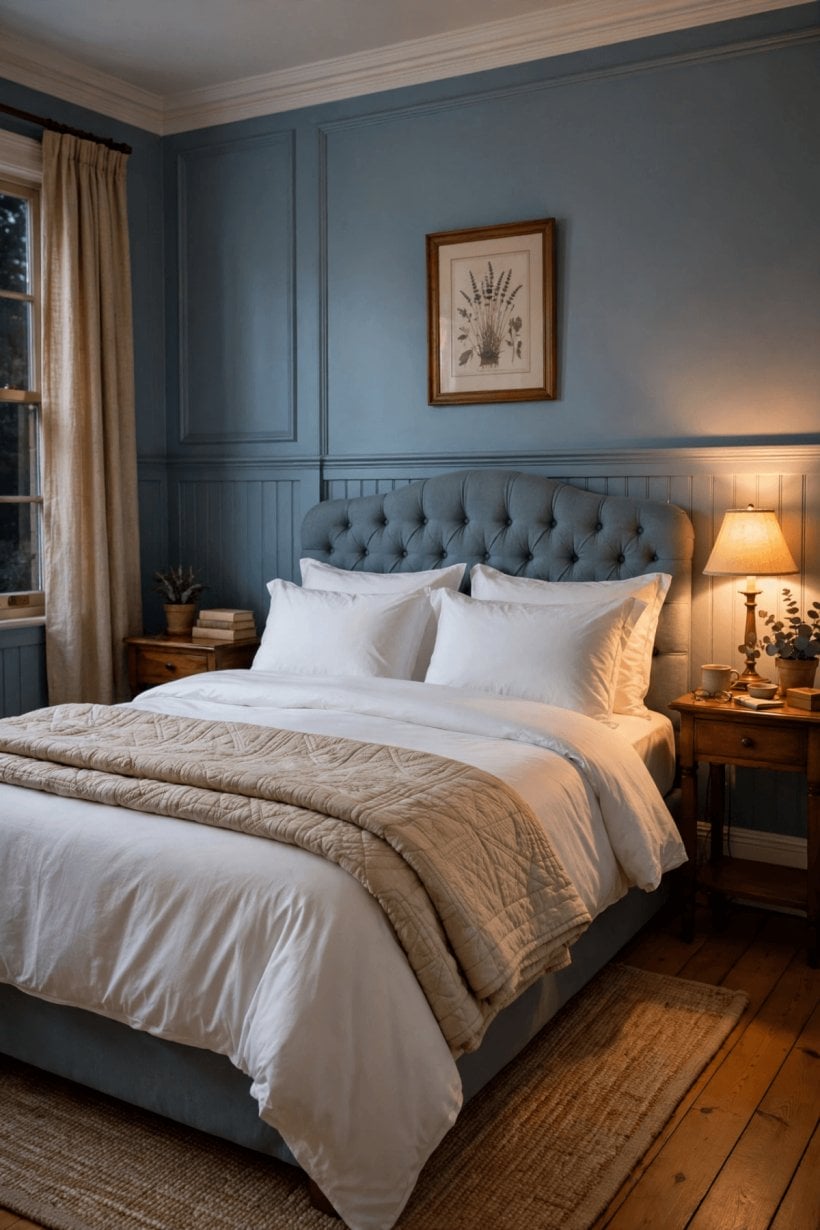
59. A smaller bed, honestly sized. A bed that fits with bedside space beats a giant bed wedged wall to wall.
60. Wall-hung bedside shelves. Lamp and book space without legs crowding a tight floor.
61. One wardrobe, well planned. A single storage wall outperforms several small pieces competing for walls.
62. Pale walls, deeper bedding. Keep the shell light and let the bed carry the traditional richness.
63. Guest room with a daybed feel. Bolsters and a coverlet let a guest bed sit gracefully as a sofa by day.
64. A folding luggage stand or bench. Guests get a surface that is not the bed, and it stores flat afterwards.
65. Spare hooks and a small rail. Visiting clothes need a home, or they will live on your reading chair.
66. The five-minute guest reset. Spare set stored in the room, surfaces cleared, lamp working: that is the whole system.
9. Finishing Touches That Make It Feel Loved
The last layer is personal: pictures with meaning, books you actually read, a plant that thrives in the light you have, and objects with a story rather than a theme. Edit this layer twice a year and the room will stay fresh without redecorating.
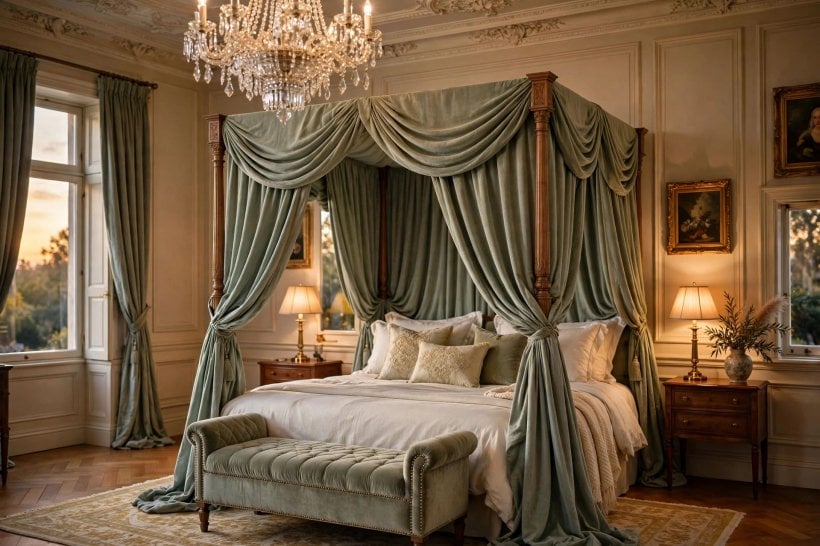
67. Art above the bed, secured well. One calm, generous piece or a balanced pair, hung at a restful height.
68. A small gallery on the dresser wall. Family or landscape images grouped tightly feel collected, not scattered.
69. Books as part of the room. A short stack on each bedside says this room is lived in and loved.
70. A plant that suits the light. One healthy plant beats three struggling ones; choose for your actual window.
71. A carafe and glass on a tray. A small hotel kindness to yourself and your guests.
72. Scent kept subtle. Linen spray or a small candle used safely and never left unattended.
73. A clock that is not a phone. A quiet bedside clock supports the healthiest bedroom habit of all.
74. Fresh flowers, occasionally. Even a supermarket bunch, split into two small vases, lifts the whole scheme.
75. The evening reset. Two minutes: cushions straight, tray tidied, clothes away, and tomorrow starts in a calm room.
10. Costs, Care and Practical Checks
Spend where the room touches you: mattress, pillows, bedding and the bed frame itself deserve the largest share, because you will feel their quality nightly. Storage furniture comes next, then window treatments, then decoration. A traditional scheme can be built gradually and second-hand furniture often suits it better than new, provided you check joints, drawers and woodworm or damage honestly before buying, and factor in cleaning or repairs.
Care keeps the calm. Wash and rotate bedding sets so they wear evenly, air the room daily if you can, and follow care labels on quilts and curtains rather than guessing. Check mattress guidance for turning or rotating, keep direct sun off delicate fabrics where possible, and touch up painted furniture before chips spread. If you are choosing a home with this kind of room in mind, our guide to tiny houses for sale and rent is a helpful reminder to judge bedrooms by light, storage and quiet, not just by floor area.
Final Considerations
A traditional bedroom succeeds when it feels inevitable: the bed inviting, the colours quiet, everything within reach and nothing shouting for attention. Build it in layers, start with sleep, add storage that hides real life kindly, and finish with objects you love. Do that, and you will have a room that does not date, because rest never goes out of style.


0 Comments