
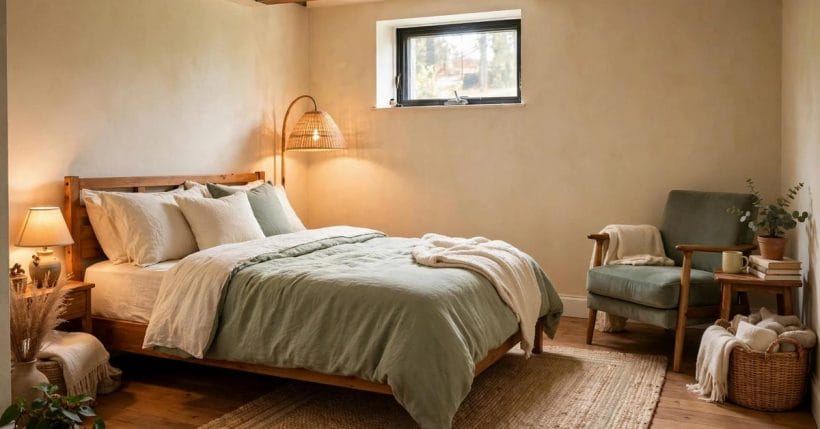
A basement bedroom has a particular charm. It sits apart from the busy rooms above, it stays quiet through the day, and on a warm evening it holds a cool, settled calm that upper rooms can lose. Done well, it becomes a genuine retreat: a place for deep sleep, slow mornings and guests who feel properly looked after. Done carelessly, it can feel dim, close and hard to relax in, which is why the order of decisions matters so much in a room below ground level.
This guide works through those decisions in the order that serves the room best. It begins with the things that cannot be styled around — daylight, fresh air, dryness and a safe way out — and only then moves to layout, colour, storage and the softer choices that make a bedroom restful. Throughout, the line between decorating and building work is kept clear. Anything structural, anything to do with keeping water out, and anything electrical belongs to a qualified professional, and the guide says so wherever that line appears. Local building and safety rules for sleeping rooms vary, so check the rules that apply where you live before treating any below-ground room as a bedroom.
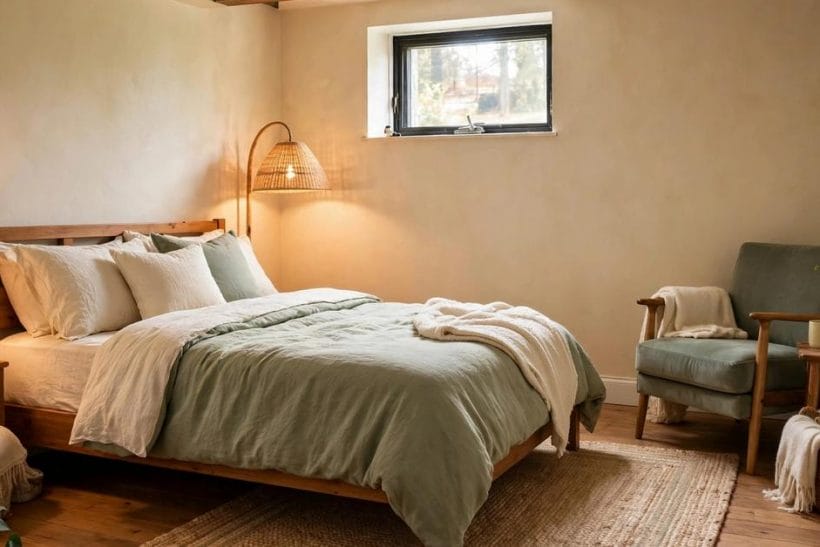
Think of the room as a whole before buying anything for it. Stand in the doorway and notice where the light falls, where the air moves, which wall feels driest and calmest, and how someone would leave the room quickly if they needed to. Those observations shape every choice that follows, from where the bed goes to which colours will actually lift the space. A basement bedroom rewards patience: get the bones right first, and the styling becomes the easy part.
1. Start With Light, Air and a Safe Way Out
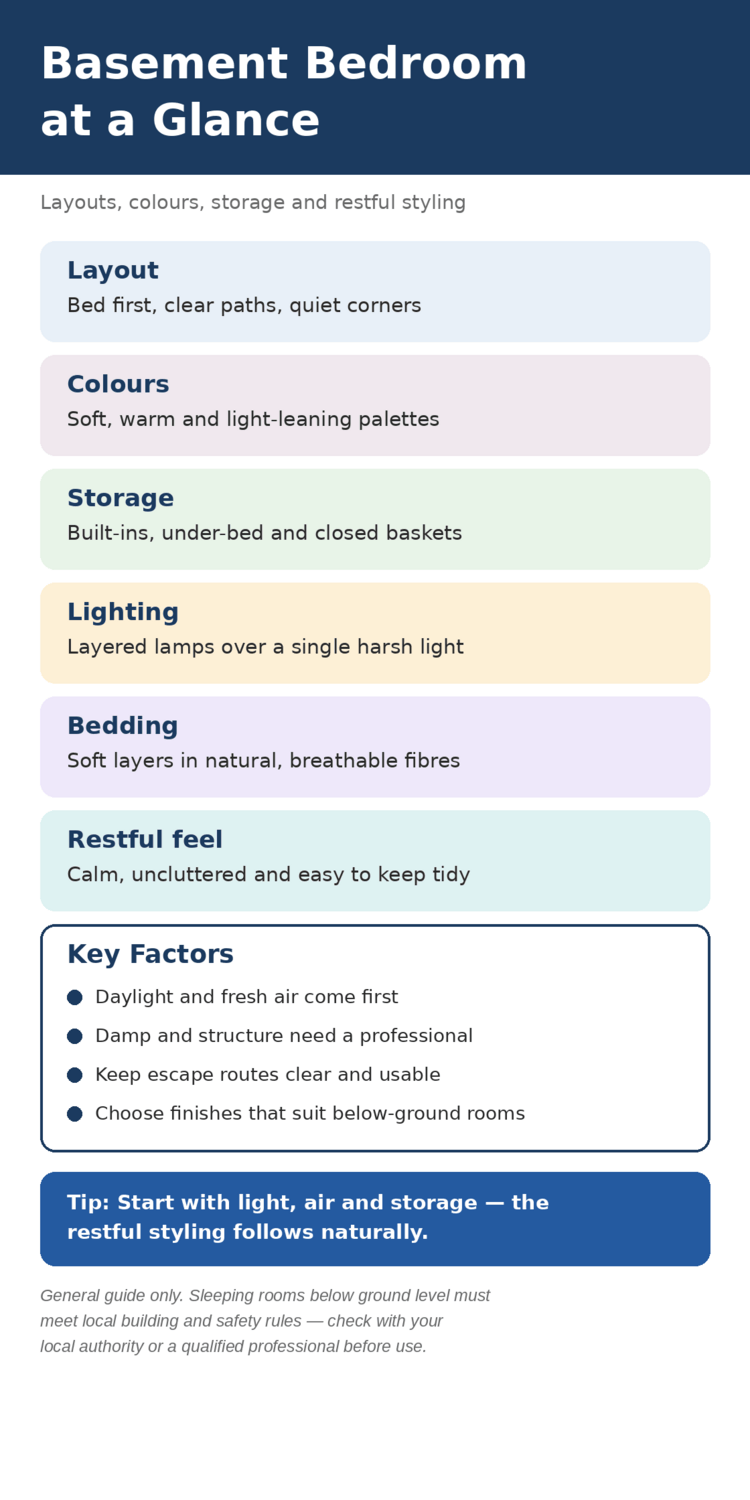
No amount of pretty bedding rescues a bedroom that feels airless or unsafe, so the first section of any basement bedroom plan belongs to light, air and escape. Daylight in a basement usually arrives through small, high windows, and it deserves to be protected rather than covered. Keep window areas clear of tall furniture, choose window dressings that can be drawn fully aside during the day, and let whatever daylight exists reach as far into the room as possible. Pale walls and a light ceiling finish help that daylight travel, and a mirror placed where it catches the window can spread brightness without adding a single lamp.
Fresh air matters just as much for sleep. A room that cannot be aired will smell stale no matter how beautiful it looks, and bedding in a still room soon feels heavy. If windows open, use them as part of a daily habit. If ventilation is limited, that is a question for a professional, not a styling problem to be solved with scented candles. The same applies to damp: a musty smell, staining or soft plaster is a signal to stop decorating and call someone qualified to find the cause. Covering damp with paint or panelling only hides a problem that will return, and in a sleeping room it is not a risk worth taking.
Above all, a basement bedroom needs a safe way out that stays clear at all times. Keep the route from the bed to the door unobstructed, avoid storing boxes or furniture in the path, and make sure anyone sleeping in the room knows the way out in the dark. Local rules for sleeping rooms below ground level exist precisely because escape from a lower floor takes longer, so check what applies in your area and treat anything structural, such as altering a window opening or adding an exit, as professional work from start to finish.
2. Choose a Layout That Lets the Bed Breathe
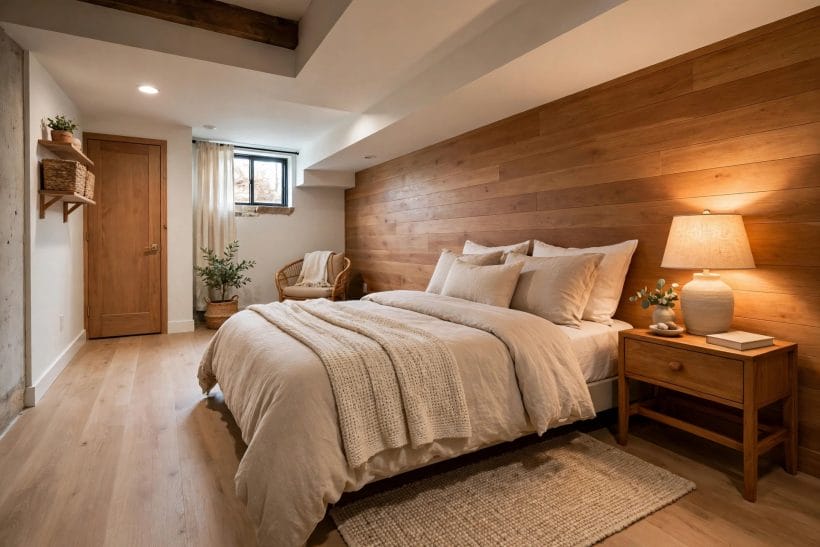
The bed is the anchor of the room, and its position decides whether the whole layout works. In most basement bedrooms the calmest arrangement places the bed against the longest uninterrupted wall, with space to walk around it comfortably and a clear path to the door. That simple move leaves the rest of the room free for storage, a chair or a small desk, instead of forcing everything to squeeze around a bed that blocks the natural route through the space.
Low ceilings and awkward corners are part of basement character, and the layout should work with them rather than fight them. Place the head of the bed where the ceiling feels highest, so sitting up in bed never means ducking a beam or a sloping section. Tuck lower furniture, such as chests or baskets, beneath slopes and into corners where head height matters less. A room planned this way feels larger than its measurements suggest, because nothing in it asks the person using it to bend, sidestep or apologise for the architecture.
If the room must serve more than one purpose, give each purpose its own zone rather than letting uses blur together. A reading chair and a small shelf can claim one corner, a desk can claim another, and the bed keeps the quietest, darkest part of the room for sleep. Related ideas for small sleeping spaces are gathered in our tiny bedroom ideas, where compact layouts show how much a clear zone can do. The test of any layout is simple: can two people move around the room without shuffling, and can the bed be made without moving furniture first? If the answer is yes, the layout is doing its job.
3. Colours That Lift a Below-Ground Room
Colour does more work in a basement bedroom than in almost any other room, because it must compensate for limited daylight. Warm whites, soft creams and pale greys are the most forgiving starting points: they reflect what light exists, they keep the room feeling open, and they forgive the shadows that low ceilings create. A single pale colour carried across walls and ceiling also blurs the join between wall and ceiling, which makes a low room feel a little taller and calmer to the eye.
That does not mean the room must be colourless. A soft sage green, a dusty blue or a warm clay tone on one wall, or carried through bedding and cushions, gives the room character without darkening it. The trick is to keep deeper colours as accents rather than the main event, and to repeat the accent in small touches — a throw, a cushion, a piece of art — so the room feels considered rather than patched together. In a basement, one confident accent usually reads better than several competing ones.
Wood tones warm the whole scheme. A wooden bed frame, a woven basket or a timber shelf adds the natural texture that pale walls alone can lack, and it stops the room feeling clinical. If you are weighing a particular palette, our tiny house bedroom ideas show how small rooms use colour and timber together. Whatever palette you choose, test it in the room itself at different times of day, because a colour that glows under a shop light can turn flat under basement lamps. Paint a generous test patch, live with it for a few evenings, and only then commit.
4. Layer the Lighting for Rest
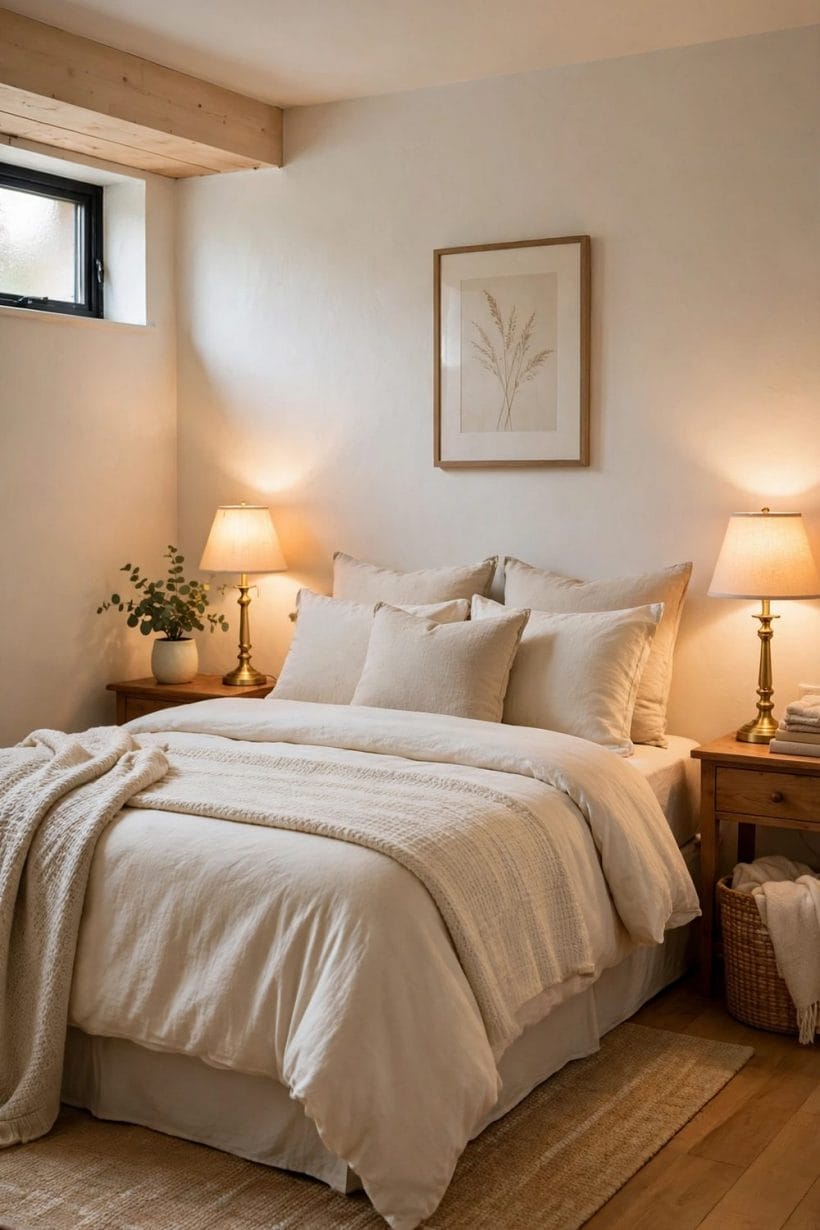
Basement bedrooms fail most often on lighting. A single bright ceiling light flattens the room, throws hard shadows and makes evening wind-down almost impossible. Layered lighting is the answer: a gentle general light for getting dressed and tidying, a warm bedside lamp for reading, and perhaps a small lamp in a corner that glows softly in the evening. Each layer has its own job, and together they let the room shift from practical in the morning to restful at night.
Warm-toned bulbs suit a bedroom far better than cold, bluish light, which can make a below-ground room feel like a workspace. Bedside lamps with fabric shades soften the glow further, and a dimmer on the main light, fitted by a qualified electrician, gives the room a whole range of moods from one switch. Keep cables tidy and lamps stable, especially near the bed, and never run temporary wiring as a permanent solution. Anything beyond changing a bulb or placing a plug-in lamp is electrical work, and it belongs to a professional.
Windows deserve a lighting thought too. In the evening, an uncovered basement window becomes a dark rectangle that can make the room feel exposed, so dressings that close fully at night matter for comfort and privacy. A sheer layer for daytime privacy plus a heavier curtain or blind for night gives the room both daylight and enclosure. The goal is a room that feels bright enough to wake up in and dark enough to sleep in, and layered light is how a basement bedroom achieves both.
5. Storage That Keeps the Room Calm
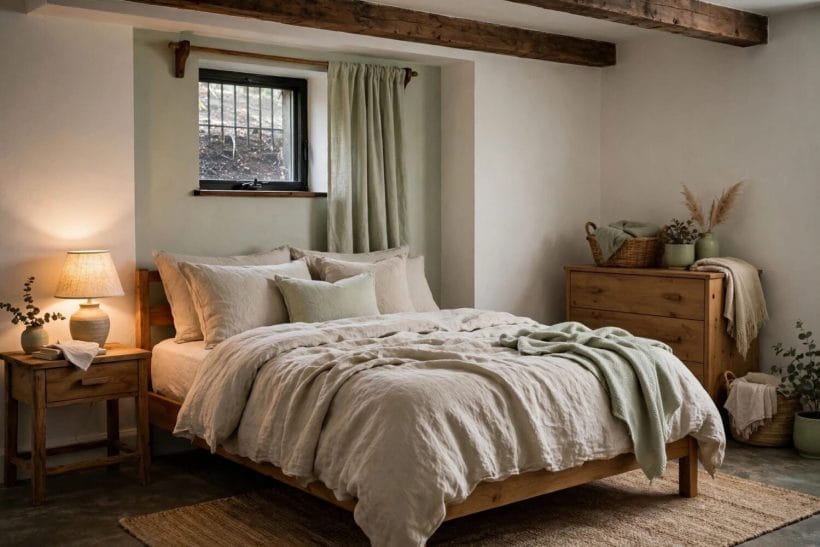
A calm bedroom is mostly a bedroom where everything has a home. Basements collect clutter easily, because they sit near the rest of the house storage, and a bedroom that doubles as an overflow cupboard will never feel restful. The first storage decision is therefore a discipline: only bedroom things live in the bedroom. Out-of-season boxes, tools and household spares belong elsewhere, however convenient the basement location seems.
Built-in wardrobes suit basement bedrooms beautifully, because they use awkward walls and alcoves that freestanding furniture cannot. Where built-ins are not possible, a tall wardrobe, a chest of drawers and under-bed drawers cover most needs without crowding the floor. Closed storage beats open shelves for the bulk of belongings in a below-ground room, since it protects clothes from dust and keeps the visual noise down. Open shelves work best for a few chosen things — books, a plant, a favourite object — rather than for everything you own.
Baskets and boxes earn their place for the small things that otherwise scatter: chargers, spare bedding, seasonal accessories. Label them, keep them closed, and review them when the seasons change so they do not quietly fill with things nobody needs. For broader inspiration on making limited space work harder, see our tiny house storage ideas. The reward for good storage is immediate: a room that takes moments to tidy, a bed that is easy to make, and a mind that settles faster at night because the eye has nothing unfinished to snag on.
6. Bedding and Texture for Better Sleep
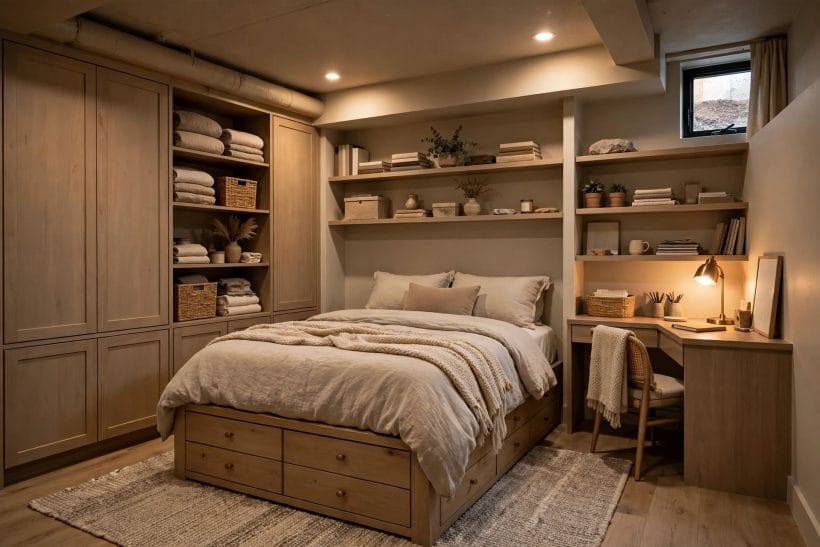
Bedding is where a basement bedroom earns its reputation as a retreat. Natural fibres breathe better through the night, which matters in a room where air movement may be limited, so linen, cotton and wool deserve first consideration for sheets, duvets and throws. Layers are more useful than a single heavy covering: a light duvet, a flat sheet and a folded throw let a sleeper adjust through the night without waking fully, and they let the bed change with the seasons by adding or removing one layer at a time.
Texture does quiet work beyond the bed itself. A woven rug beside the bed warms cold floors for bare feet in the morning, a knitted throw softens a chair, and a fabric headboard or a row of cushions stops the room feeling hard and echoing. Keep the palette of these textures close to the wall colour, with one accent repeated, and the room will feel layered rather than busy. Too many competing patterns in a small below-ground room can feel restless, which is the opposite of what a bedroom should do.
Practical care matters as much as looks. Choose bedding that can be laundered easily and aired when the weather allows, and keep a spare set within reach so the bed never waits days for a change. Pillows deserve the same attention as the duvet: the right support for the way you sleep does more for rest than any decorative cushion. A basement bedroom that smells fresh, feels soft and looks uncluttered is already doing most of what a good bedroom should do, before a single decorative object enters the picture.
7. Furnishing a Small Basement Bedroom
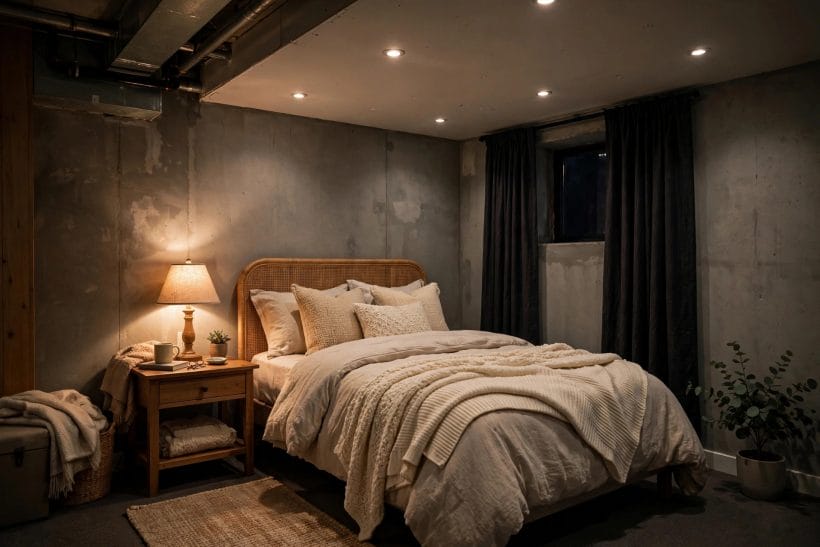
Small basement bedrooms punish oversized furniture. A bed frame that fills the wall, a wardrobe that blocks the window and a desk that nobody uses will shrink the room faster than any architectural quirk. Choose pieces that fit the room rather than the showroom: a bed frame without a bulky footboard, bedside tables that hold a lamp and a book and nothing more, and a chair that can be moved easily rather than a heavy armchair that anchors a corner forever.
Multi-purpose pieces earn their place in a small room. A chest at the foot of the bed stores spare bedding and offers a seat for getting dressed. A wall-mounted shelf replaces a bedside table where floor space is tight. A folding desk serves occasional work without permanently claiming a wall. Each piece should answer a simple question: what does it do every day? If the honest answer is that it mostly holds other things, it is probably costing more space than it gives back.
Leave some breathing room deliberately. An empty stretch of wall, a clear corner or an uncluttered windowsill makes a small room feel generous, because the eye has somewhere to rest. This restraint is a theme across small-room design, and our basement interior design ideas for tiny houses show how below-ground and compact rooms keep that balance. Furnish for the life you actually live in the room — sleeping, reading, dressing — and let anything else wait until the room proves it has space to spare.
8. Making a Guest Bedroom Feel Welcome
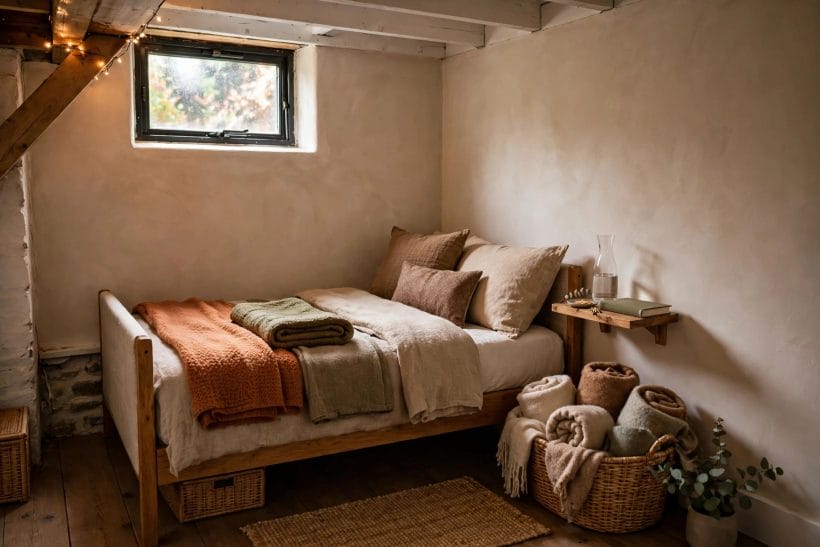
A basement guest bedroom succeeds on thoughtfulness. Guests arriving below ground level may worry, fairly or not, about darkness, chill or feeling cut off from the house, so the room should answer those worries before they are spoken. A clear explanation of how the lights work, where the bathroom is and how to leave the room at night removes the small anxieties that keep guests awake. A written note by the bed, with the house Wi-Fi details and anything else a guest might need, is a kindness that costs nothing.
Small comforts matter more than grand gestures. Fresh towels folded where they can be found, a carafe of water and a glass, a phone charger, a spare blanket within reach and a little empty drawer space all tell a guest they were expected. Keep the room aired and the bedding freshly laundered, and check the room yourself the night before a guest arrives: lie on the bed, look at the ceiling, notice the draughts and the noises. Whatever you notice, your guest will notice too, and most of it can be fixed in minutes.
Privacy completes the welcome. A door that closes properly, dressings that shut fully at night and a room that is not used as a thoroughfare to somewhere else all give guests the feeling of having a space of their own. If the basement also holds a bathroom, our tiny bathroom ideas offer ways to make a compact bathroom feel considered rather than cramped. A guest who sleeps well in a basement bedroom will remember the warmth of the welcome, not the fact that the room sat below ground level.
9. A Quiet Corner for Reading and Winding Down
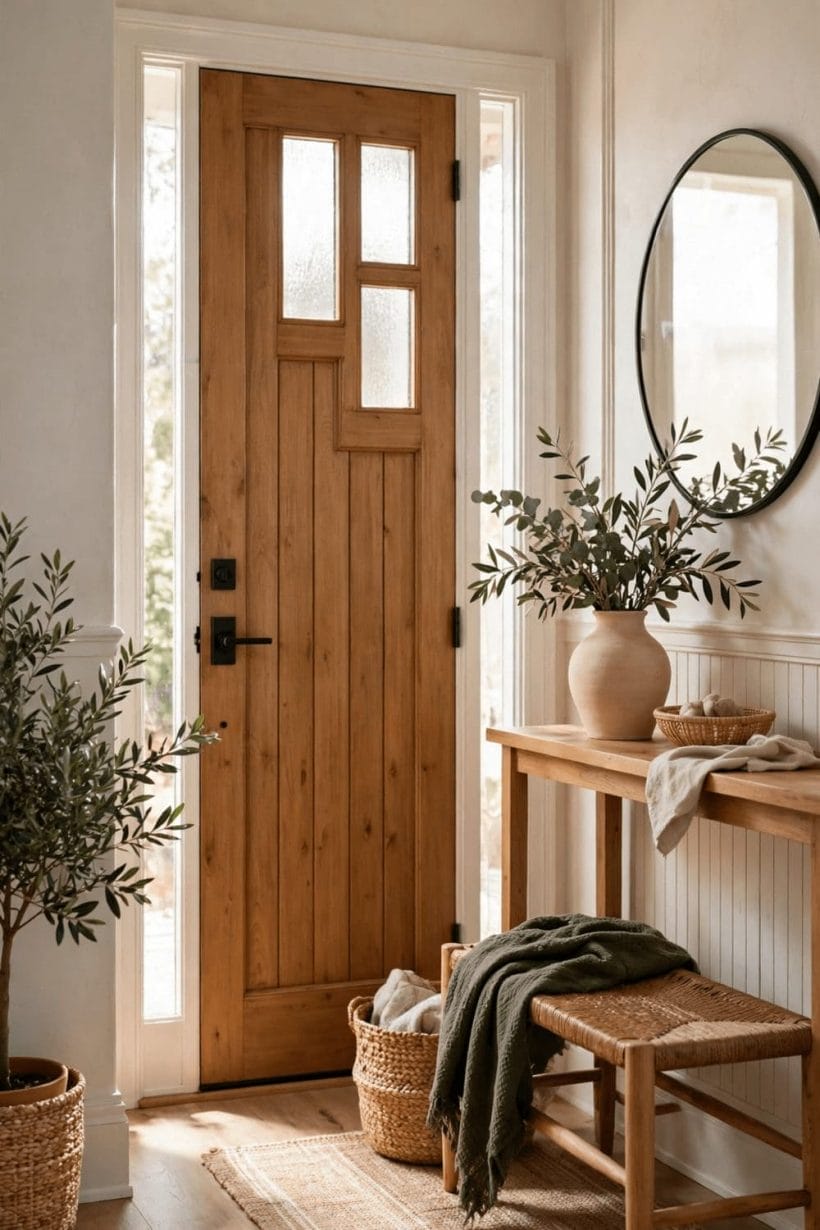
Every bedroom benefits from a place that is not the bed. A quiet corner with a comfortable chair, a good lamp and a small shelf turns a basement bedroom from a room for sleeping into a room for unwinding, and it gives restless evenings somewhere gentle to go. The corner does not need much space: a chair that fits the body, a light that falls over a book rather than into the eyes, and a surface for a cup of tea are the whole recipe.
Basements are naturally quiet, which is an advantage worth designing around. Thick walls and distance from the street muffle the sounds that disturb sleep upstairs, so a reading corner in a basement can feel genuinely secluded. Protect that quiet by keeping the corner away from noisy appliances and pipes where possible, and by adding soft furnishings that absorb sound rather than bounce it around. A rug, curtains and upholstered pieces all soften a room acoustically as well as visually.
Use the corner as part of a wind-down routine. Screens stay out of the bedroom where possible, and the last part of the evening belongs to a book, a stretch or simply sitting quietly before bed. The corner makes that routine easy, because it gives the evening a destination other than the bed itself. For a Scandinavian-inspired take on calm, uncluttered corners, see our Scandinavian tiny house interior ideas. A basement bedroom with a place to slow down is a room that helps its owner sleep, rather than one that merely contains a bed.
10. Finishes That Suit Below-Ground Living
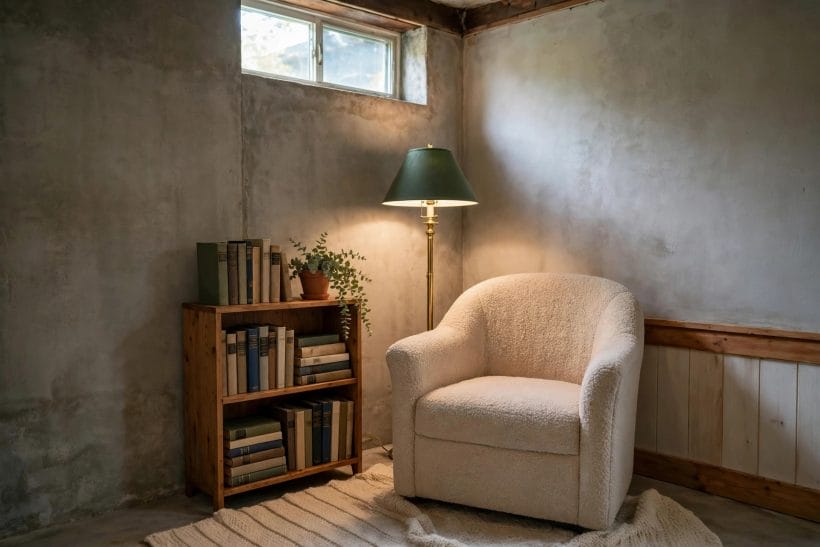
Finishes in a below-ground room live a harder life than finishes upstairs, so they should be chosen for the conditions, not just for looks. Floors need to tolerate coolness and occasional dampness in the air, walls need finishes that can be cleaned and maintained, and anything fitted should be removable or repairable without major work. Ask suppliers and professionals about suitability for below-ground use before committing, and be wary of any finish that promises to seal a damp problem away. Sealing is building work, and it needs a professional diagnosis first.
Ceilings deserve attention in basements, where pipes, beams and ducting often cross overhead. A painted finish that leaves access to services is more practical than a sealed ceiling that must be broken open for maintenance, and it can look intentional when painted in a single calm colour with beams picked out in a complementary tone. If head height is tight, keep ceiling treatments flat and simple rather than adding layers that lower the room further. The ceiling should disappear from notice, not demand it.
Finally, keep the room maintainable. Choose finishes you can clean with ordinary care, avoid materials that trap dust in a room with limited air movement, and inspect the room through the seasons for any change in smell, staining or feel. Early attention to a small change is always easier than repair after a long silence. A basement bedroom finished for its real conditions will look good for longer and ask less of its owner, which is the quiet definition of a successful room. If the basement also serves as a leisure space, our tiny house home theater ideas show how a second below-ground room can be finished to suit its own use without borrowing the bedroom’s calm.
Final Considerations
A good basement bedroom is built in layers, in the right order. Safety and dryness come first, and they are professional matters: check local rules, keep escape routes clear, and call a qualified person for anything structural, waterproofing or electrical. Layout follows, with the bed on the calmest wall and clear paths around it. Colour lifts the room, layered light makes it restful, and storage keeps it calm. Bedding, texture and a quiet corner then turn a well-planned room into a retreat.
Resist the urge to finish everything at once. Live in the room for a little while, notice where the light falls in different seasons, and adjust one thing at a time. The best basement bedrooms grow into themselves: a chair moved a little closer to the lamp, a rug added where feet land in the morning, a curtain changed when the evenings draw in. Start with the bones, keep the professional line clear, and let the room become, slowly and surely, one of the most restful places in the house.


0 Comments