

The sofa is at the door, the crew is waiting, and one question runs through every homeowner’s mind: are you supposed to tip, and if so, how much? Furniture delivery sits in a grey area of tipping etiquette, not quite a restaurant meal and not quite a tradesperson’s visit. This guide explains what is customary, what is genuinely appreciated, and how to decide calmly before the truck arrives.
Getting the new piece settled is only half the job, of course. If you are planning where it will live, our tiny house living room ideas can help you arrange the room before delivery day.
1. Tipping Furniture Delivery at a Glance
Start here for the short answers. Tipping a furniture delivery crew is customary and appreciated, but it is not an obligation written into the price of your sofa, and no reputable crew should make you feel it is. The amount is best judged by the work involved rather than the price of the furniture: a quick doorstep drop-off and a two-person carry up several flights with assembly are very different jobs. Cash handed directly to each person is the traditional method, because it reaches the people who did the carrying. The table below answers the questions people ask most, and the rest of this guide explains the reasoning behind each one so you can adapt it to your own delivery.
| Question | Short answer |
|---|---|
| Is a tip expected? | It is customary and appreciated, especially for in-home delivery, but it is a thank-you, not a formal charge. |
| Who should receive it? | Each member of the delivery crew, handed to them individually where you can. |
| How much is customary? | A modest amount per person for a straightforward drop-off, rising to a more generous amount for heavy, awkward or assembled deliveries. |
| Cash or card? | Cash is simplest and most direct; some retailers let you add a tip, but cash guarantees the crew receives it. |
| Does the delivery fee replace a tip? | No. A delivery fee pays for transport and logistics; it is not normally shared with the crew as a gratuity. |
| What if the delivery goes badly? | You are not obliged to tip for careless service; raise problems with the retailer instead, and judge the crew separately from the company. |
| Are drinks and snacks a substitute? | They are a kind extra, and welcome on a long job, but they are a complement to a tip rather than a replacement for one. |
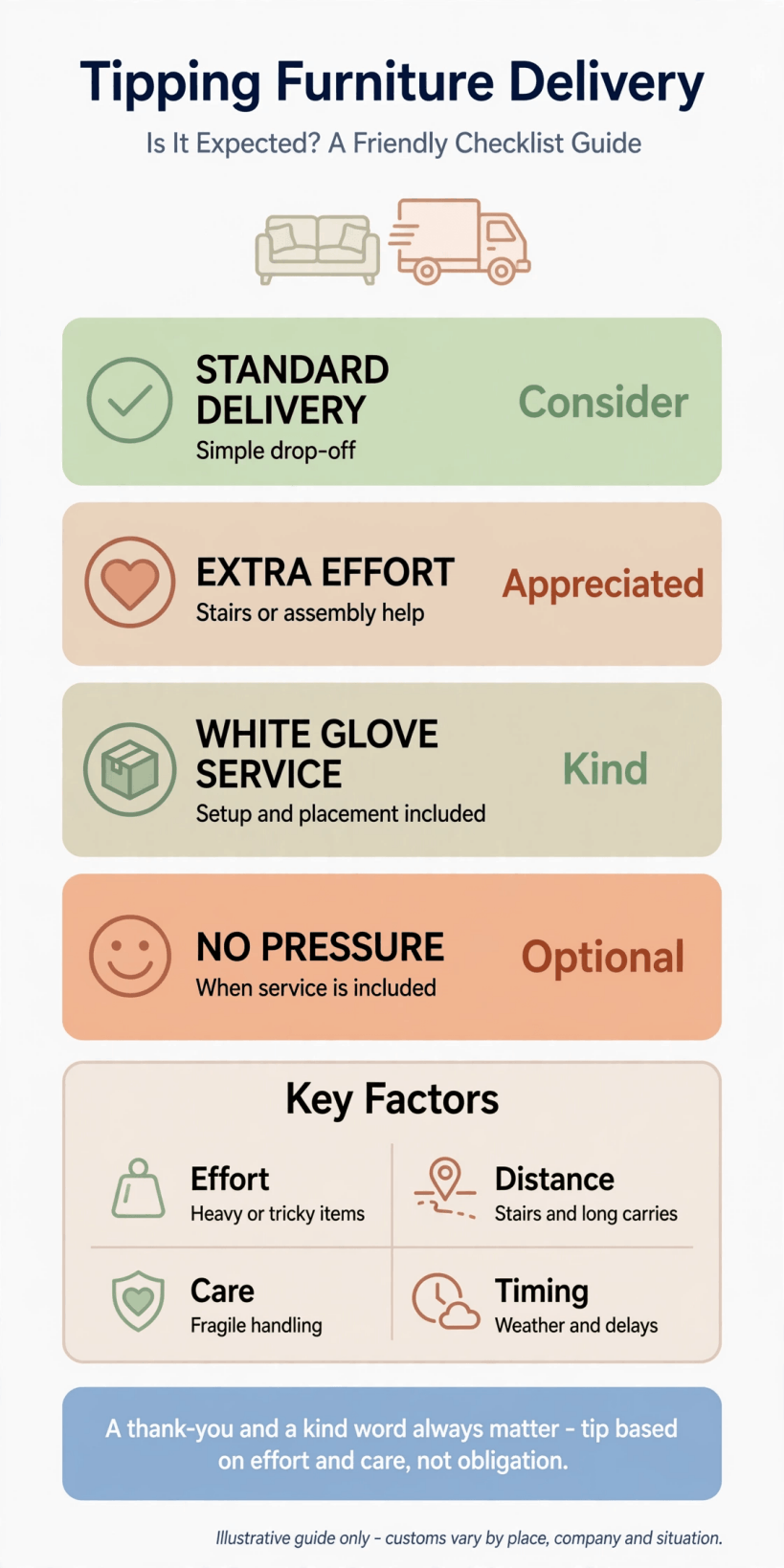
At a glance: a tip for furniture delivery is customary, judged by the work involved, and best handed in cash to each member of the crew.
2. Is a Tip Expected, or Just Appreciated?
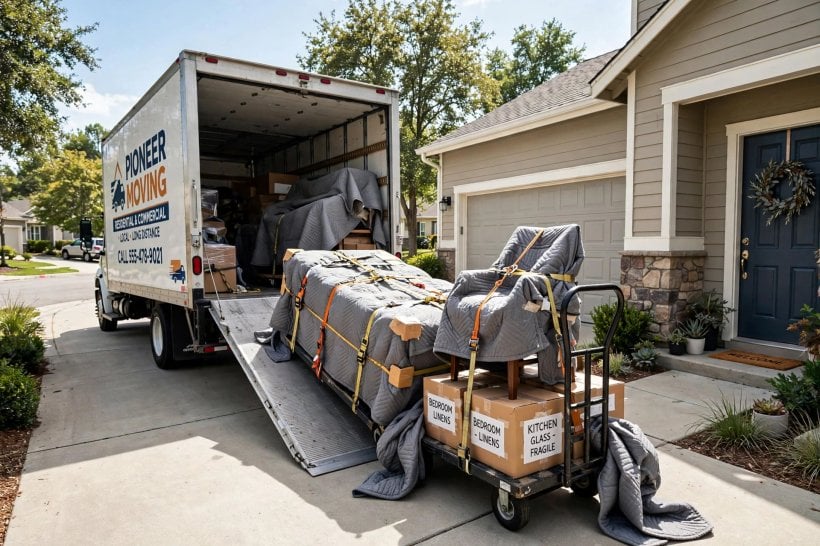
The honest answer is that a tip sits between expected and appreciated, closer to appreciated. Delivery crews are generally paid an hourly wage or salary by their employer, unlike some service roles where tips form a core part of income, so a delivery without a tip is not the social misstep it would be in a restaurant. At the same time, tipping for furniture delivery is a well-established custom in many households, and crews notice and remember it, particularly on difficult jobs.
Context shapes the expectation. A courier leaving a boxed chair at the door, without entering your home, is at the low end: few people tip for that, and a friendly thank-you suffices. A two-person team that carries a wardrobe upstairs, navigates it around a tight landing and positions it in the room is at the other end, where a tip is very much the norm. White-glove services, where the crew assembles the piece and removes packaging, sit in the same territory.
Regional and cultural habits vary too, and there is no single rule that travels everywhere. The safest approach is to decide your own standard before the delivery, based on the effort you expect, so you are not making an awkward calculation on the doorstep while the crew waits. Deciding in advance also means you can have cash ready, which removes most of the stress from the whole question.
If money is tight, remember that a smaller tip offered warmly is better than none, and that courtesy costs nothing: a clear path, a patient welcome and a genuine thank-you all register with people who spend their day being treated as invisible in other people’s hallways.
3. How Much Is Customary? A Calm Way to Decide
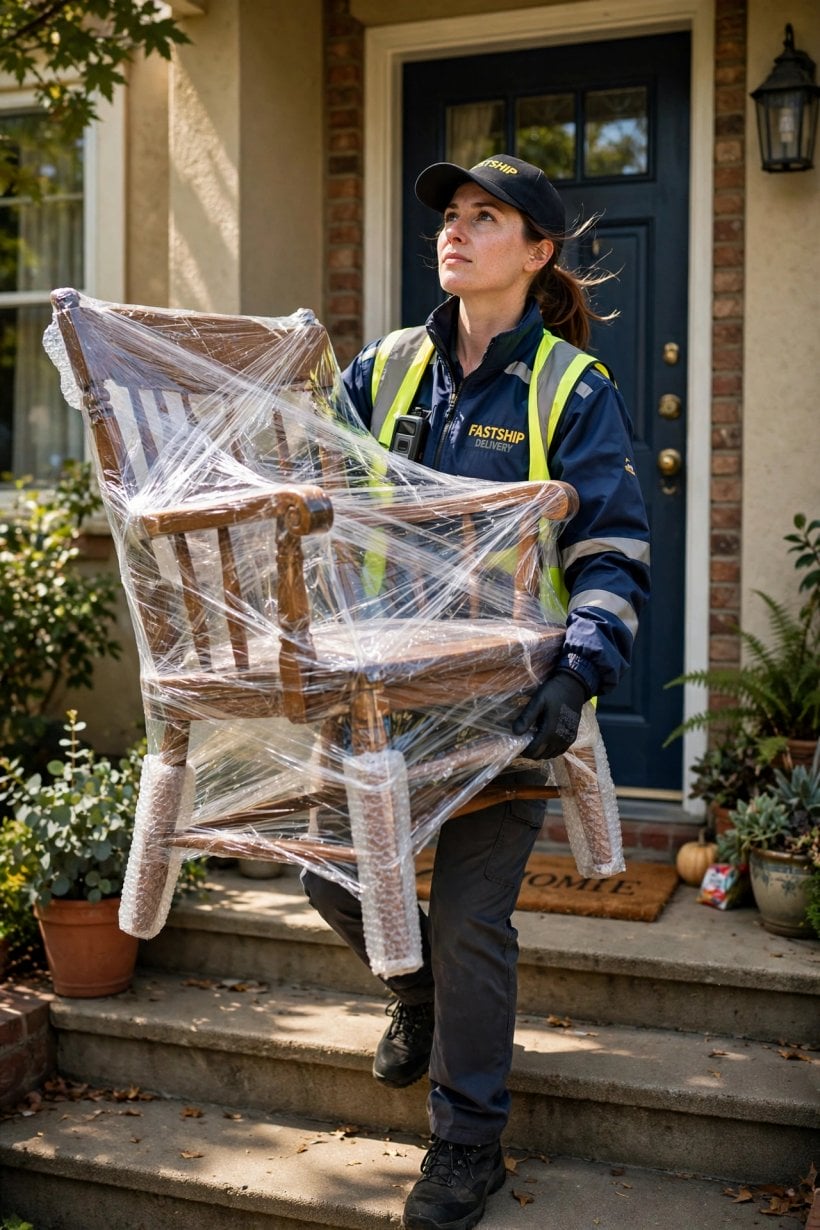
Rather than a fixed price list, think in bands. At the lower band is a modest token per person, appropriate when the job is quick and simple: one item, ground floor, straight in through a wide door. The middle band, a standard, comfortable amount per person, fits most ordinary deliveries, a couple of pieces, some manoeuvring, perhaps one flight of stairs. The upper band is a generous amount per person, reserved for the deliveries you will talk about afterwards: very heavy pieces, several flights, difficult access, assembly, or a crew that went noticeably beyond the brief.
Judge by effort, not by the price tag of the furniture. An inexpensive flat-pack wardrobe that arrives in six heavy boxes and takes two people an hour to assemble represents more labour than an expensive but light side table carried in one hand. Basing the tip on the work keeps it fair in both directions and stops the uncomfortable feeling that you are paying a percentage of your shopping bill for a few minutes of carrying.
Per person matters more than the total. If three people worked on your delivery, each of them should receive something; a single note handed to the senior person with a vague instruction to share it does not always travel as intended. Prepare separate amounts in advance, one per expected crew member, and add one spare in case an extra pair of hands appears on the day.
Finally, treat online arguments about exact figures with suspicion. Customs differ by place and by household, and the crew will not be comparing your tip against a chart. A reasonable amount, given promptly and pleasantly, is the whole of the etiquette; nobody reasonable expects more than that.
4. When a Larger Tip Makes Sense
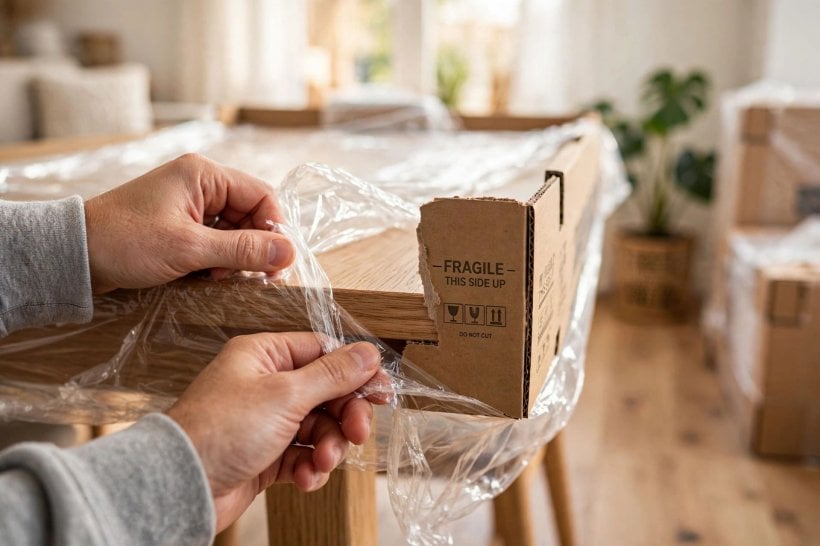
Some deliveries earn a larger tip on any reading, and it helps to recognise them in advance so the amount does not feel improvised. Stairs are the classic factor: carrying solid furniture up one flight is work; carrying it up several, especially with turns, is a genuine physical feat that also risks the crew’s backs and your banisters. Awkward access counts the same way, narrow hallways, tight doorways, low ceilings and long carries from the street all multiply the effort behind what looks like a simple arrival.
Assembly is another clear step up. If the crew builds the bed, fits the table legs and levels the wardrobe, they have done a second job beyond delivering, and a tip that reflects both halves is appropriate. The same applies when the crew removes packaging and old furniture as part of the service, or waits patiently while you decide between two positions for a piece and then moves it again without complaint.
Weather and timing deserve a mention. A crew that delivers carefully in pouring rain, protects your floors without being asked and keeps good humour in a heatwave has given you more than the contract required. Likewise, deliveries squeezed into awkward hours, early starts, evenings, or the last drop of a long day, are good candidates for generosity if the service stayed cheerful and careful.
Think of the larger tip as payment for difficulty and attitude combined. Either one alone justifies the middle band; both together are what the top band exists for. If you are preparing a room for a heavy piece, our tiny house bedroom ideas show how to plan the layout so the crew places it once, correctly.
5. When a Standard Tip Is Enough
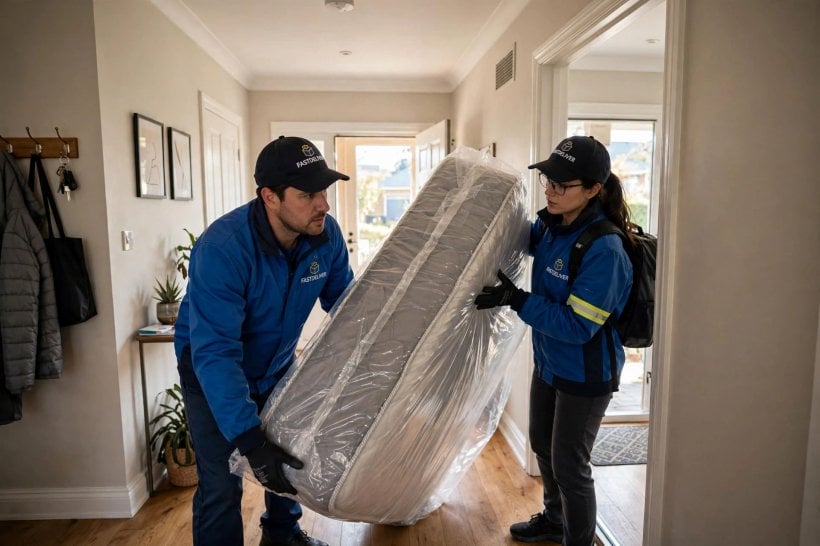
Most deliveries are ordinary, and an ordinary tip is exactly right for them. If the crew arrives within the promised window, brings the items into the room of choice, does the job efficiently and leaves without drama, the standard middle-band amount per person closes the transaction with goodwill on both sides. There is no etiquette prize for over-tipping a routine job, and crews do not expect it.
A standard tip is also enough when the service was included at a premium level by the retailer. Some furniture companies build white-glove delivery into a higher price, with assembly and packaging removal already covered; the crew is still tipped, because tipping is about the people, but the generous end of the scale is less necessary when nothing about the job was unusual or difficult.
Do not let guilt inflate the amount. Marketing and social media both encourage the feeling that every transaction needs a premium gratuity, but tipping well means tipping appropriately: fair for the work, sustainable for your own budget, and consistent enough that you can do the same next time without resentment. A habit you can keep is worth more than a one-off gesture that makes the next delivery feel like a burden.
One more case deserves clarity: a delivery that is merely a doorstep drop. If the item was left at the door, as arranged, with no carrying into the home, a tip is optional rather than standard. A signature, a thank-you and perhaps an offer of a cold drink on a hot day covers the etiquette completely.
6. Cash, Card or App: How to Hand It Over
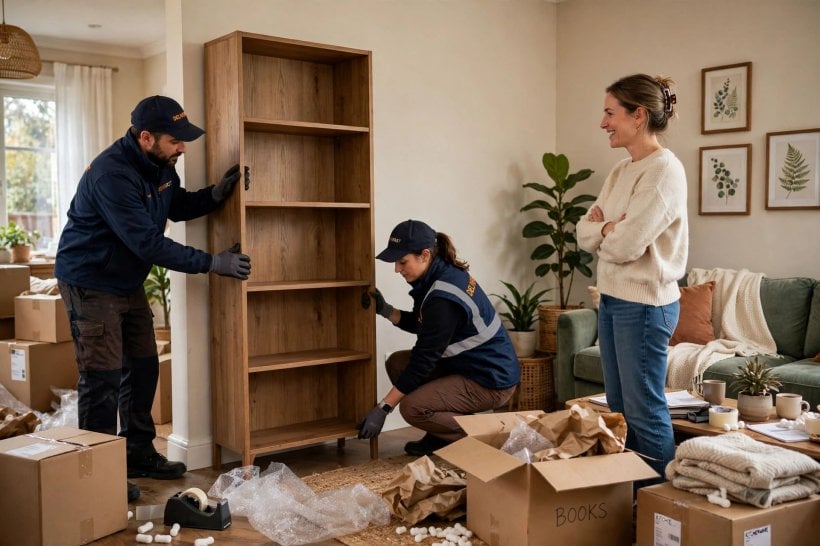
Cash remains the gold standard for delivery tips, for simple reasons. It goes directly to the person who did the work, it is received on the day, and it involves no fees, accounts or uncertainty about how a company distributes pooled gratuities. Prepare it before the delivery window opens, in separate amounts per person, in notes you can hand over without fumbling for change. Small denominations matter: being unable to break a large note is the most common reason an intended tip never happens.
Some retailers offer the option to add a tip when you pay, or through a link afterwards. That is convenient, and better than nothing, but ask yourself whether you can be sure how and when it reaches the crew; policies vary and are rarely visible at checkout. If you use an in-app or card tip, you can still add a small cash amount on the day for exceptional effort without double-tipping absurdly, simply judge the total.
The handover itself should be brief and warm. As the job finishes, thank each person, hand them their amount directly, and mention anything specific they did well: the careful turn on the stairs, the level wardrobe, the protected floor. Specific thanks lands as sincerely as the money, and it tells the company, if feedback is collected later, that the crew earned it.
Never make a tip feel conditional in the moment. Announcing an amount in advance to motivate care, or withholding it theatrically over a small mishap, turns a thank-you into a transaction nobody enjoys. Decide, give, and move on. If the room they delivered into is being styled with the same thoughtful spirit, our look at colourful tiny house interiors is full of ideas that work at any budget.
7. Delivery Fees, Stairs Charges and Assembly: What Is Already Paid For

Confusion about what you have already paid for is the biggest source of tipping anxiety, so it is worth unpicking. A delivery fee charged by the retailer pays for the van, fuel, routing, insurance and the crew’s wages for making the journey. It is a business cost passed to you, not a gratuity, and it is not normally divided among the crew as a bonus. Knowing this stops the common mistake of assuming the fee makes a tip unnecessary by design.
Extra charges have their own logic. Retailers sometimes charge more for delivery above a certain floor, for assembly, or for removing an old item. Those charges buy the service itself; they compensate the company for time and disposal costs. They do not change the etiquette of tipping the individuals, though they can inform your judgement: a delivery that already included paid assembly by the book is a standard job, while assembly done cheerfully beyond what was booked is a reason to be generous.
Reading your order confirmation before delivery day is the practical step. It tells you what the crew has been instructed to do: threshold drop, room of choice, assembly, packaging removal. Knowing the booked scope lets you spot, and reward, anything beyond it, and prevents the awkward moment of asking for extras the crew is not scheduled to perform.
If a crew asks for an additional cash payment for a service you believe you booked, pause rather than argue. Check the confirmation, and if in doubt, phone the retailer while the crew waits. A tip is a gift by definition; a demanded fee is a customer-service issue, and keeping the two ideas separate protects both you and honest crews.
8. Special Cases: Difficult Access, Bad Weather and Extra Help
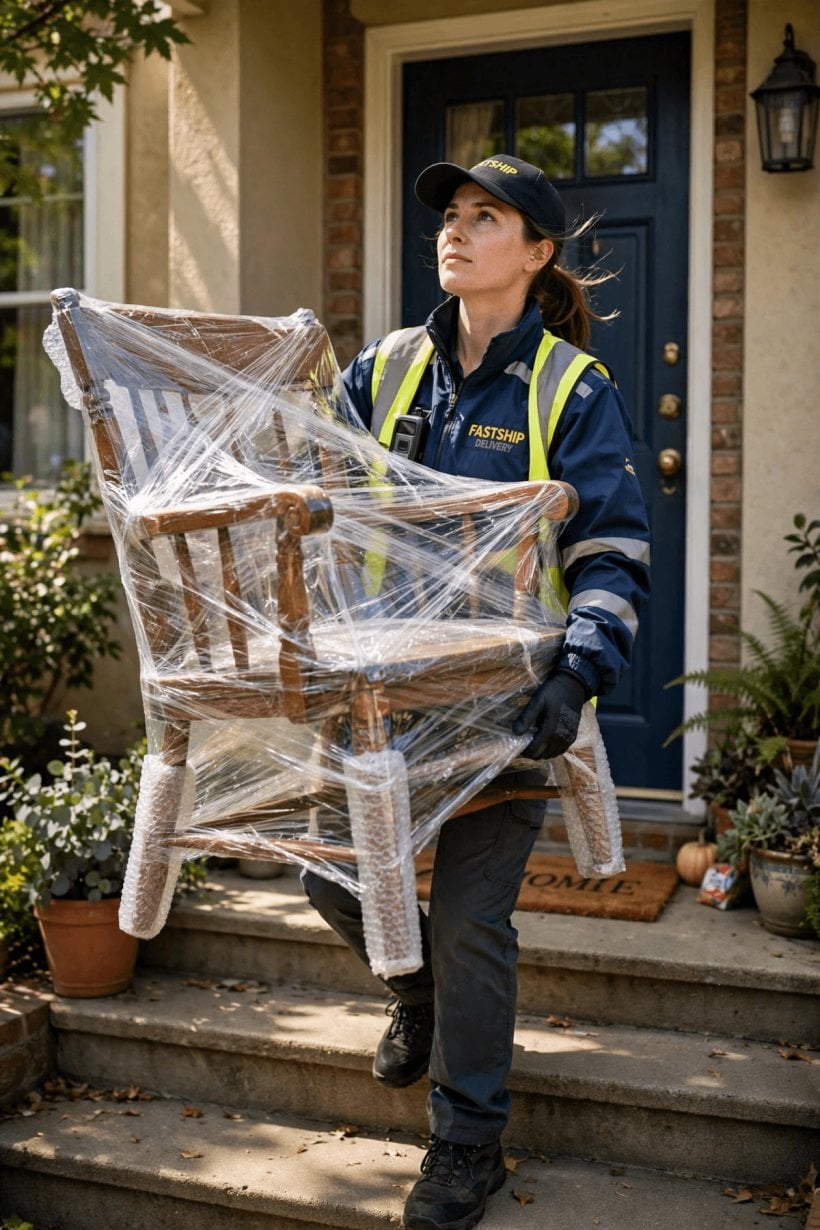
Some deliveries leave the script entirely, and etiquette has to improvise. Difficult access is the most common: the sofa that only fits through a window, the wardrobe that must be partly dismantled, the long carry across a gravel drive because the van cannot approach. When a crew solves a problem like that with patience and ingenuity, a generous tip is the natural response, and this is also where hot drinks, patience and clear communication from you genuinely help.
Weather changes jobs too. Carrying upholstered furniture in heavy rain or extreme heat is miserable and risky work, and crews who protect your pieces and floors anyway have earned recognition. The same is true when you are the one who complicates things, a room not ready, a doorway narrower than you described, a last-minute change of room. Owning your part of the difficulty, and tipping accordingly, is simply fair.
Extra help beyond furniture is another special case: the crew member who helps you shift an existing piece so the new one fits, or takes away extra packaging from an earlier purchase. None of that is owed to you, and a tip that acknowledges it keeps goodwill flowing in both directions. If your access involves garden paths and gates, preparing them the day before, using lessons from our tiny house landscaping ideas, makes the crew’s job safer and faster.
Finally, consider repeat relationships. If the same local firm delivers to you regularly, consistent, fair tipping builds the kind of rapport that gets remembered when you need a favour, a tighter window or extra care with a fragile piece. Generosity spread steadily beats a single grand gesture.
9. What If Something Goes Wrong With the Delivery?

Occasionally a delivery disappoints: a scratched table, a late arrival, a piece that will not fit where the measurements promised it would. The first principle is to separate the crew from the company. Damage caused in a warehouse or by poor packing is not the fault of the people at your door, and punishing them for it helps nobody. If the crew themselves handled things carelessly, that is different, and reducing or withholding a tip is a legitimate response.
Handle problems in the right order. Inspect pieces before signing where you can, note any damage on the delivery paperwork or app rather than only mentioning it aloud, and photograph problems while the crew is present so there is a shared record. Then contact the retailer promptly to arrange repair, replacement or collection. The tip decision can wait until you see how the crew behaves in the awkward moment: a team that helps you document damage and secures a damaged item safely has behaved well, whatever went wrong earlier in the chain.
Refused or returned items are their own case. If a piece goes back because it is faulty, the crew still made the journey and did the carrying, and a modest tip remains a fair recognition of that labour. If the return is because you changed your mind at the door after a long carry upstairs, generosity is even more appropriate, since the work was done at your request.
What you should not do is use the tip as a bargaining tool in a dispute, offering it in exchange for the crew bending rules, taking away items they are not authorised to take, or misreporting damage. Crews who accept such arrangements risk their jobs, and asking puts both sides in an unfair position. Keep feedback honest, tips voluntary and disputes with the company where they belong.
10. Preparing Your Home So the Crew Can Do Their Best Work
The easiest way to have a delivery worth tipping is to make a good delivery possible. Start with the route: walk the path from the street to the destination room and remove everything you would not want to carry a sofa past. Move shoes, toys, rugs that slip and fragile ornaments, prop doors open or remove them if hinges allow, and measure the tightest doorway against the item’s dimensions before the day, not during it.
Prepare the destination room as well. Clear the exact footprint where the piece will stand, move existing furniture out of the swing space, and have a plan B position in mind if the first choice does not work. Protect floors if you wish, but tell the crew what you have laid down; most professional teams bring their own blankets and will appreciate knowing about a delicate surface in advance. Pets and small children are safest in another room with the door closed, for everyone’s sake.
Communication completes the preparation. Keep your phone audible during the delivery window, pass on parking or access quirks when the crew calls ahead, and be ready to make small decisions quickly, which side a chaise should face, whether packaging should be taken or left. Every minute a crew spends waiting in a hallway is a minute their schedule, and the next customer’s window, slips.
None of this is about earning a smaller tip bill. A prepared home gets a faster, safer, better delivery, and it signals respect for the people doing heavy work in your space. That respect, plus a fair tip, is the whole etiquette in one sentence. For the same prepare-properly mindset applied to a bigger project, see how to build your own tiny house, where the planning lessons are identical in spirit.
Final Considerations
So, is tipping furniture delivery expected? It is customary, appreciated and, for anything beyond a doorstep drop, the gracious default, but it remains a thank-you rather than a tax. Decide your amount by the work involved, keep it per person, hand it over in cash with specific thanks, and adjust upward for difficulty, assembly and cheerfulness under pressure. That formula covers almost every delivery you will ever receive.
Prepare the cash, the route and the room before the truck arrives, and the awkward doorstep calculation disappears. What is left is the pleasant part: welcoming a new piece of furniture into your home and sending the people who carried it there away feeling recognised. For a finishing touch once the crew has gone, our tiny house bathroom ideas and other room guides can help the rest of the home live up to the new arrival.




0 Comments