

Ask at a timber counter for luan and you will usually be handed a thin, light plywood panel with a warm reddish face. It is one of the most reached-for sheet materials for lining, backing and light interior work, yet its name causes endless confusion. This guide explains plainly what it is, where it earns its keep, and the checks to make before you pay for a sheet.
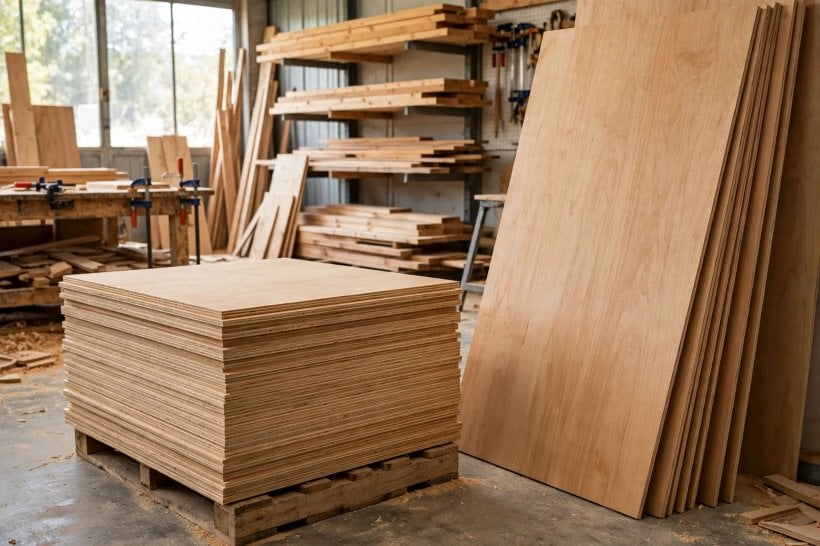
1. Lauan at a Glance
Most questions about this material have short answers. Here they are in one place, with the detail filled in through the sections that follow.
| What is it, exactly? | It is a lightweight plywood made with face veneers from tropical hardwoods in the meranti group. The name is a trade name rather than a single species, and the same material is also sold as lauan and as Philippine mahogany, although it is not a true mahogany. |
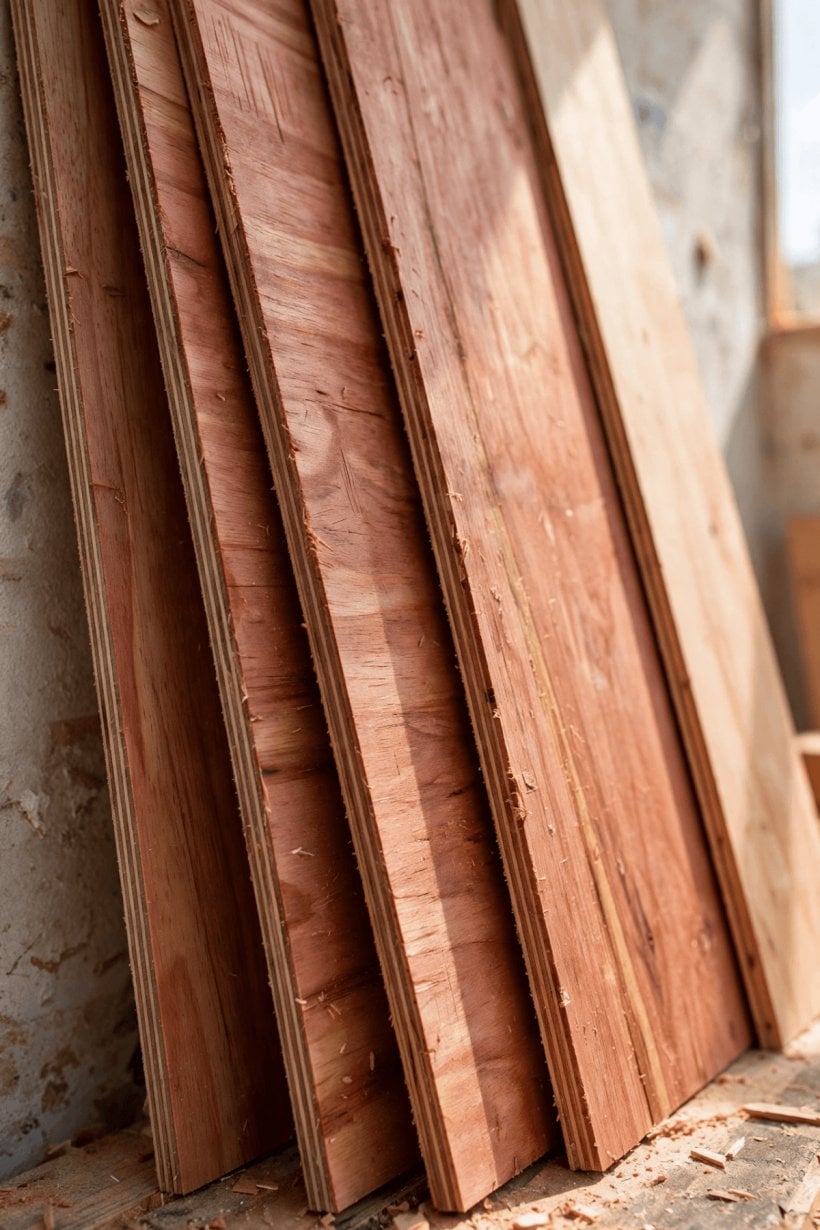
| What does it look like? | Usually a pale pink to reddish-brown face with a fairly straight, open grain and a smooth finish. Colour varies from sheet to sheet, and cheaper sheets often show filled patches where knots or defects in the veneer have been repaired. |
| What is it used for? | Door skins, cabinet backs, drawer bottoms, wall and ceiling linings, caravan and boat cabin interiors, craft work and, historically, underlayment beneath sheet flooring. It is a skin and lining material, not a structural board. |
| Is it strong? | Strong enough for the light jobs it is sold for, especially when fixed over a frame or onto a solid backing. It is not made to span gaps, carry floors or hold heavy fixings on its own, and thin sheets flex noticeably. |
| Can it get wet? | Treat it as an indoor material. An occasional wiped-up splash does no harm, but repeated wetting, steam and outdoor weather break down the glue lines and lift the face veneer. Standard sheets should not be used outside or in persistently damp rooms without great care. |
| Is it expensive? | Generally it sits among the cheaper sheet materials, which is part of its appeal. Better-faced sheets cost more than patched utility ones, and availability varies by region, so prices at your own merchant are the only ones that count. |
| What should I check before buying? | Look at both faces, sight along the sheet for flatness, check the edges for gaps in the core, and confirm what the sheet is actually made from, because the name alone does not guarantee the timber species or the glue type. |
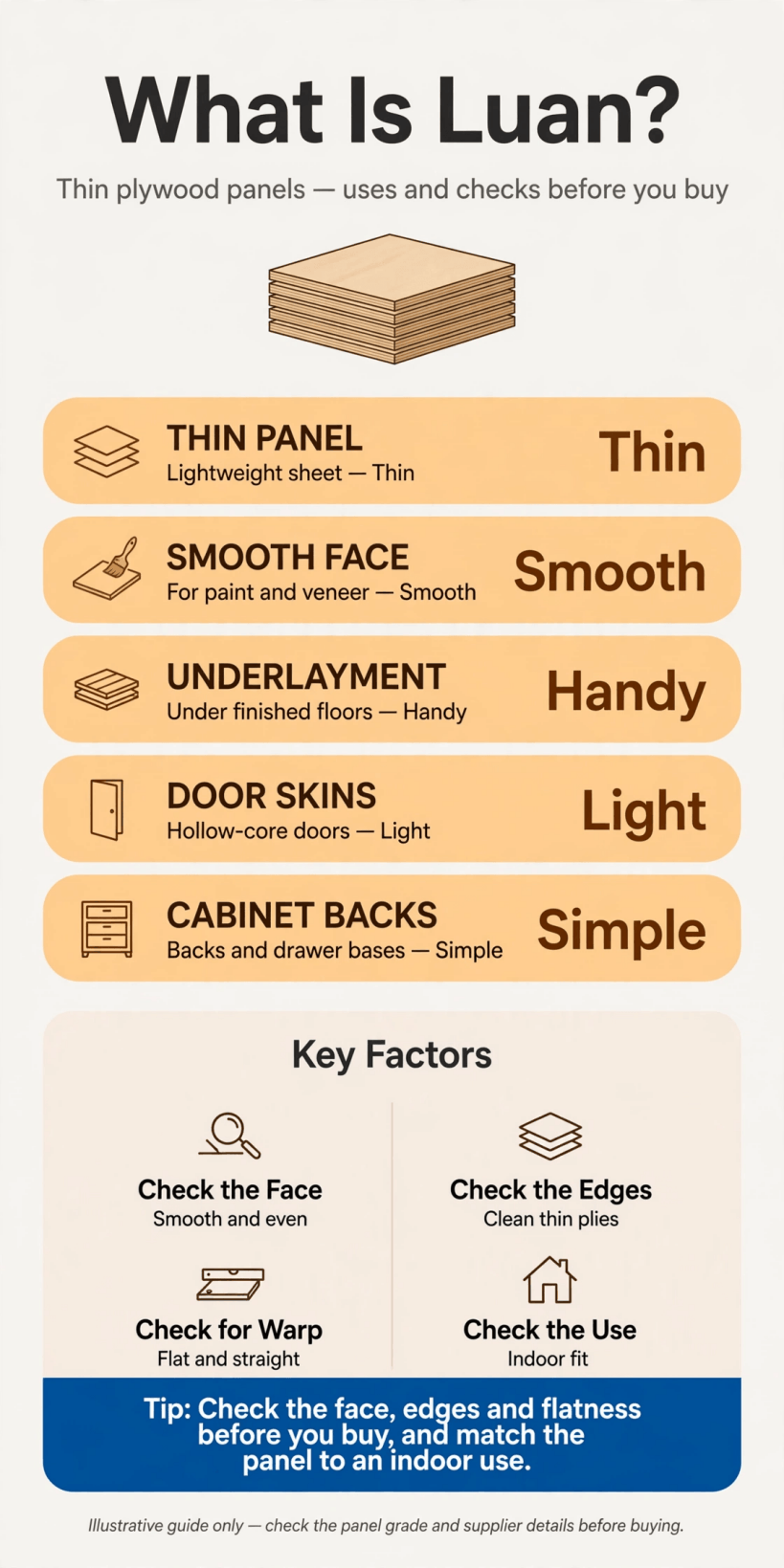
The essentials at a glance: a light, thin plywood for skins and linings, easy to work, best kept indoors and always worth inspecting sheet by sheet.
2. What Lauan Plywood Actually Is
Plywood is made by peeling a log into thin veneers on a lathe, then gluing those veneers together with the grain of each layer running across the one below. That cross-layering is what makes a thin sheet stable and resistant to splitting. In this case the outer veneers, the faces you see, come from fast-growing tropical hardwoods of the group sold as meranti, and a lighter core sits between them. The finished sheet is thin, light and easy to handle, with one face usually cleaner and smoother than the other.
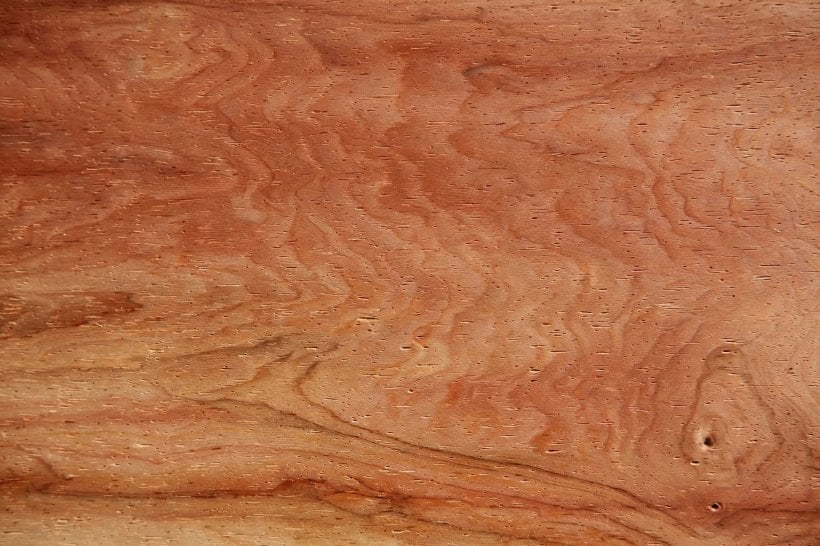
The important thing to grasp is that the name describes a family of products rather than one tightly controlled material. Sheets from different mills and different countries can share the label while differing in density, face quality and glue. That is why two stacks in the same yard can feel surprisingly unlike each other. It is also why the buying checks in this guide matter more than the name printed on the edge: you are buying the sheet in front of you, not the reputation of the word. If flat, dependable sheets matter to your project, compare them side by side with other plywoods before deciding, the same habit that pays off when choosing materials for framing a tiny house on a trailer.
3. Names, Spellings and Confusing Labels
Few building materials travel under as many aliases. The same kind of panel may be labelled lauan, luan ply, Philippine mahogany, meranti ply or simply red hardwood ply, depending on the country and the merchant. Philippine mahogany is the name that misleads most people: it was a marketing label for these meranti timbers, and the wood is not one of the true mahoganies, nor does it match their durability outdoors. None of this makes the material dishonest; it just means the label tells you less than you might hope.
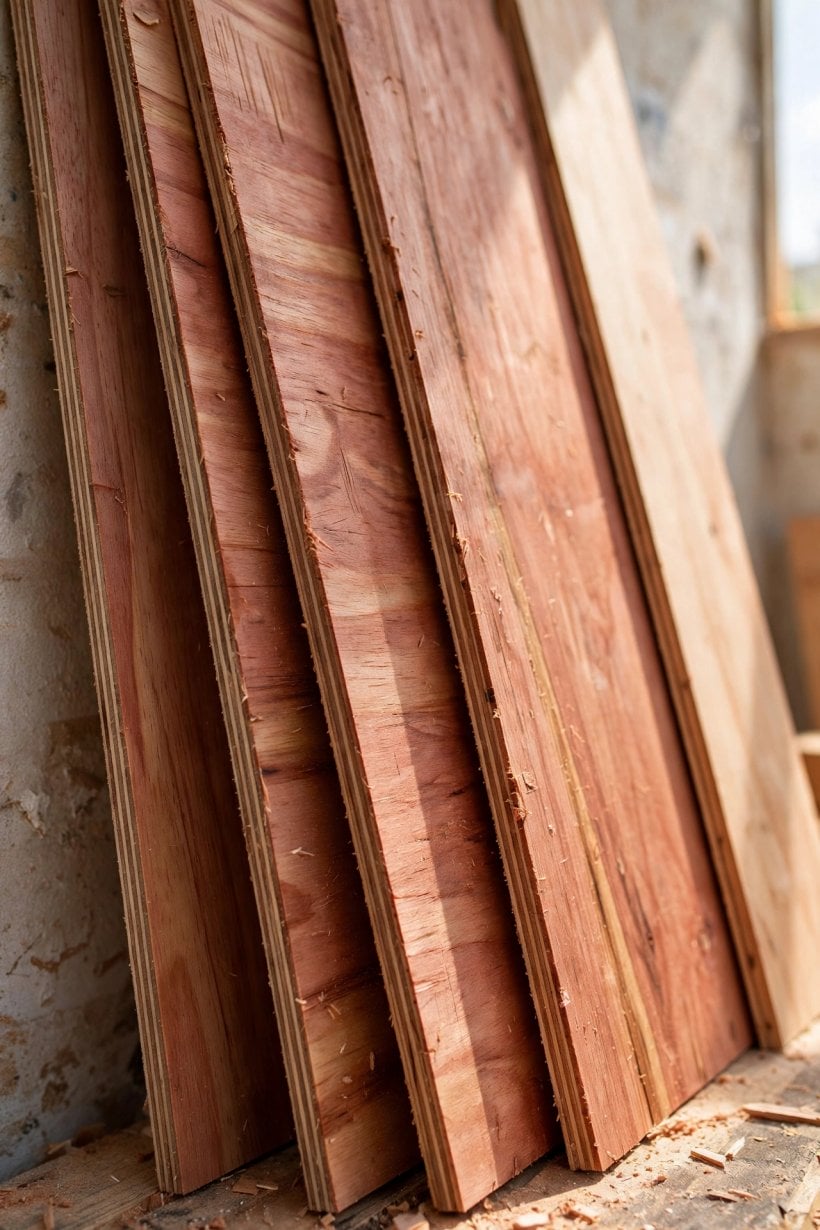
There is a second modern complication. Because the original timbers became harder to source in some markets, sheets sold under this name today may be made from other light hardwoods altogether, with a similar look and weight. Sometimes the substitution is declared on the label; sometimes it is not obvious at all. The practical response is simple. Ask the merchant what species and glue the sheet uses, look for any grade stamp or product sheet, and judge the panel by the checks in section 9 rather than by the romance of the name. A clearly labelled substitute in good condition is a safer buy than a vague sheet trading on an old reputation.
4. Typical Uses Indoors
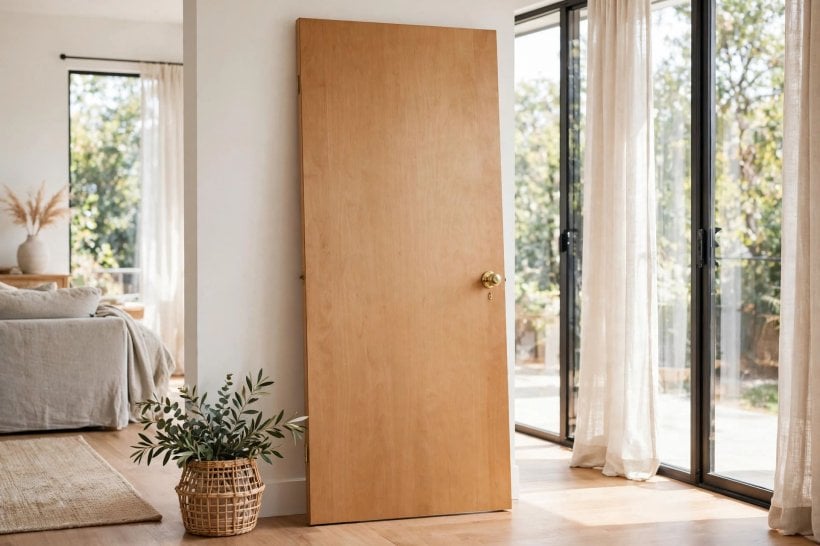
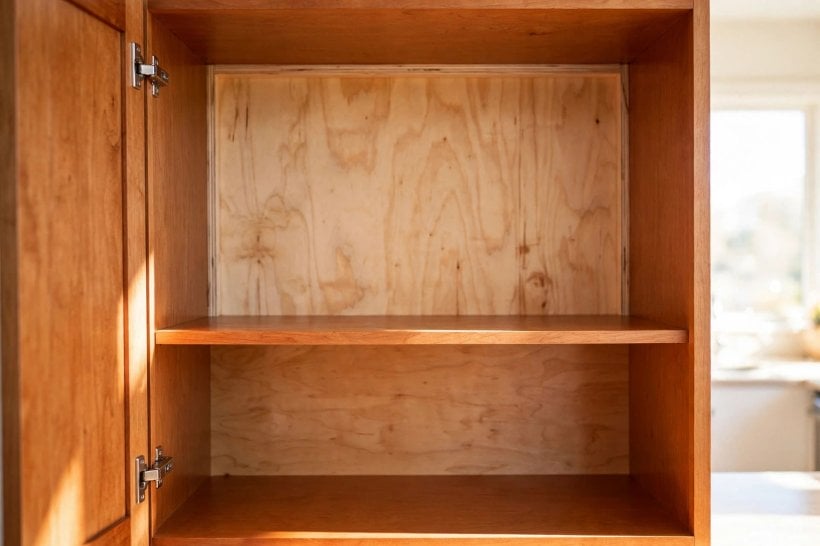
The classic uses all exploit the same virtues: lightness, smoothness and low cost per sheet. Hollow-core doors are skinned with it, which is why so many people first meet this plywood as the face of a plain interior door. Cabinet makers use it for backs and drawer bottoms, where a thin, light panel keeps the piece rigid without adding weight. As a wall or ceiling lining it gives a warm, continuous surface that takes paint well, and it has a long history in caravan, camper and boat cabin interiors for exactly the same weight-saving reason.
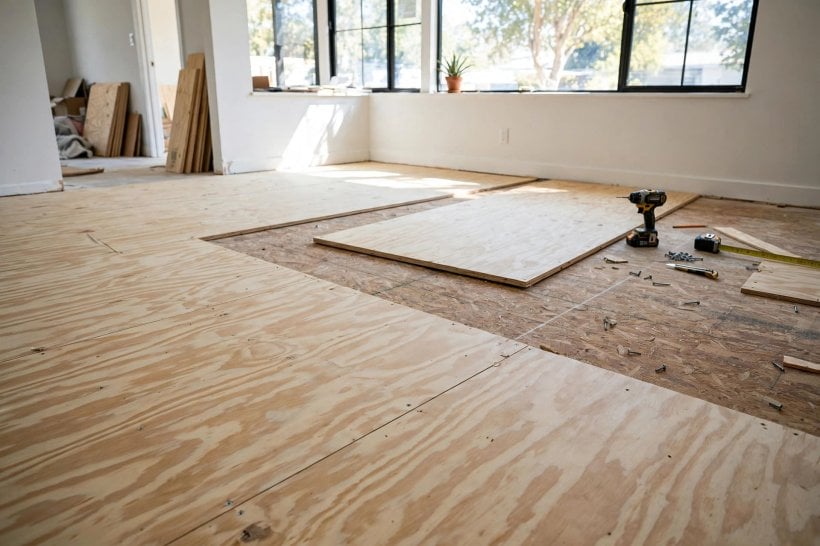
It was once the default underlayment under sheet vinyl, laid to give a smooth, joint-free base, although many flooring makers now prefer dedicated underlayment boards and some advise against thin plywood for that job, so check the flooring instructions before copying the old habit. Craft and model work suits it too, as do theatre scenery and exhibition panels that must look finished for a short life and then be recycled. Notice the pattern: every good use keeps the sheet dry, supported and out of harm’s way. The interior schemes in our tiny barn house interior tour show how well warm timber linings suit small spaces when they are used this way.
5. Grades, Faces and Cores
There is no single worldwide grading scheme that a buyer can lean on, so think in terms of face quality, which is what you can actually see. At the better end, faces are one continuous veneer with even colour and few repairs, suitable for clear finishes. Utility sheets show oval or boat-shaped patches, called footballs, where defects were cut out and replaced, along with colour variation and the odd filled split. Those sheets are perfectly serviceable under paint, inside cupboards or anywhere the face will not be on show, and they cost less for honest reasons.
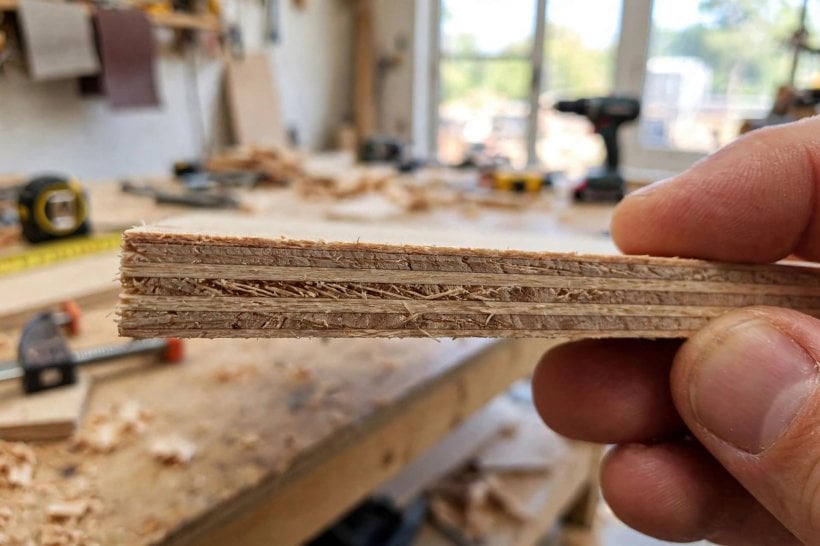
The core matters as much as the face. Look along the cut edges of the stack: a good sheet shows thin, even layers with no gaps. Voids in the core leave weak spots that dent under pressure and can telegraph through thin flooring or a painted finish. Also compare the two faces. Typically one is the show face and the other is rougher, with more repairs; that is normal, and it simply tells you which way round to fix the sheet. When a project shows both sides, such as a door skin or a room divider, pick a sheet whose lesser face you can live with, or budget for a better grade.
6. Strength, Weight and Limits
The headline virtue is weight. A sheet is light enough for one person to carry and position comfortably, which sounds like a small thing until you are lining a ceiling overhead or trimming out a vehicle where every kilogram counts against a payload limit. The same thinness that keeps it light sets its limits. It flexes between supports, so it needs a frame, battens or a solid backing at sensible spacing, and it will feel drum-like and cheap if you stretch the spacing to save timber.
Fixings are the other limit. Screws bite poorly into a few millimetres of soft veneer and core, and they pull through under modest loads, so never hang heavy items from the sheet alone; fix through it into the framing behind, or use proper battens as the structure. Edges chip and splinter if they are knocked, and the face scratches more readily than a dense hardwood ply. Finally, keep it away from weather and persistent damp: it is an interior board, and asking it to live outside, or as the lining of an unventilated wet room, is asking for swollen edges and peeling faces. Respect those limits and the material is dependable; ignore them and it fails quickly and looks like your fault, because it is.
7. Cutting, Fixing and Finishing
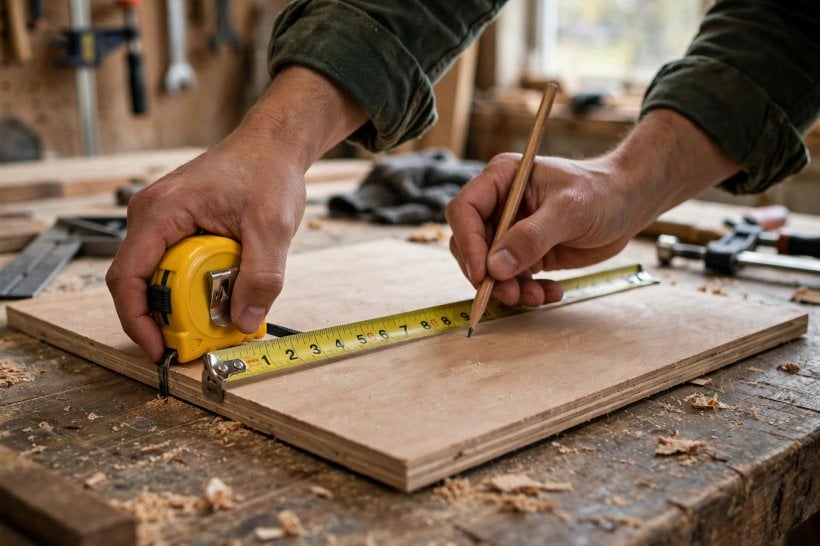
Work it gently and it rewards you with clean results. Support the whole sheet on a bench or trestles so the offcut cannot drop and tear the face at the end of a cut. Use a fine-toothed blade, cut with the good face in the direction your saw dictates, and score along the cut line with a knife first if the veneer looks prone to chipping. A straightedge clamped as a guide makes long cuts far tidier than a freehand line. Expect some fuzz and small splinters on the back face of the cut and allow a few minutes with fine abrasive paper to tidy them.
Sand the face with a light touch only. The decorative veneer is thin, and enthusiastic sanding breaks through to the paler core layer, leaving a patch that no finish will hide. For fixing, panel pins and a suitable adhesive are the usual pairing for linings, with screws reserved for fixing into battens and always pre-drilled near edges to prevent splits. Paint takes very well after a primer, which also evens out the colour differences between patched and unpatched areas. Clear finishes keep the warm colour but will show every repair honestly, so choose them only on the best faces. Seal edges in kitchens and bathrooms, where moist air is unavoidable.
8. Lauan in Tiny Houses and Small Interiors
Small homes on wheels are where this material’s virtues line up best. Interior lining is one of the largest surface areas in a tiny house, and switching that lining from a heavy board to a light plywood can save a meaningful amount of weight, which matters when the whole building must stay within a trailer’s carrying limit. It lines walls and ceilings neatly, forms wardrobe and cupboard carcasses with a frame, and its warm tone gives the plain, calm finish that small interiors wear well, as the projects in our guide to tiny house plans and layouts demonstrate.
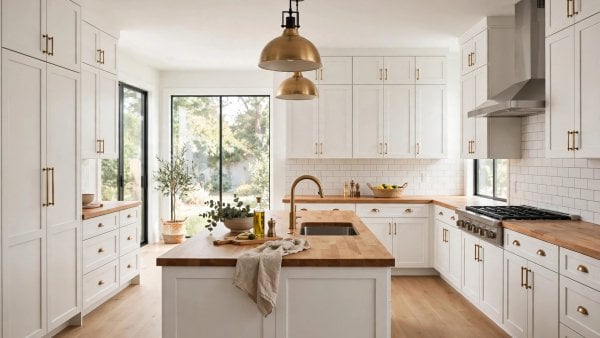
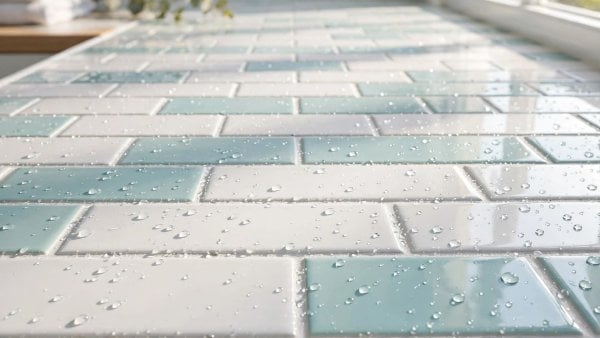
Use it with the same discipline as anywhere else. Keep it over battens or framing, not stretched across wide gaps; keep it clear of the shower zone and other persistently wet areas, or protect it thoroughly and ventilate well; and run fixings for shelves and cupboards into the structure behind the lining, never into the sheet alone. In the kitchen, a sealed and painted lining behind a splashback zone is fine, but it should not be the splashback itself. Planned that way, it is one of the most economical routes to a finished interior, which is why it appears in so many of the builds described in our walkthrough on building your own tiny house. The sleeping spaces in our small bedroom design ideas show the same material logic applied to snug rooms on foundations.
9. What To Check Before You Buy
Sheet goods are bought best in person. Work through the stack and pick your own boards rather than accepting the top one. Sight along each sheet from one end: reject any with a twist or a strong bow, because a lining that starts bent never sits flat. Run your eye over both faces for patches, splits and colour, and choose sheets from the same batch when the finish will be on show, since colour varies between batches. Check all four edges for core voids, crushed corners and glue lines that are opening up.
Ask the merchant three direct questions: what species is the face, what glue type is used and is the sheet intended for dry interior use, and what thickness and tolerance you are actually getting, since thin sheets vary. Confirm the intended use matches: a sheet sold for door skins and linings should not be quietly substituted for a job needing a sturdier panel. Finally, handle a sheet yourself. Real luan is strikingly light for its size; an unexpectedly heavy or dense sheet is a clue that the product under the familiar name is something else, which may still suit you, but you should know before you pay.
10. Alternatives Worth Comparing
Before settling, put it beside its rivals, because the cheapest sheet is not always the cheapest job. Birch plywood costs more and weighs more, but its faces are harder, its edges are cleaner and it holds screws far better, so for visible joinery and furniture it often wins on merit. MDF is smoother for paint and very consistent, but it is heavy, dislikes moisture at least as much and offers no grain. Pine and other softwood plywoods sit between the two on price and toughness and are worth comparing for painted linings.
The honest summary is that this material wins where the work is light, dry, supported and either painted or chosen for its warm face at a modest price. It loses where the sheet must span, carry fixings, resist knocks or live with damp. Deciding which of those camps your project falls into is the real buying skill, and it costs nothing but a few minutes of thought at the yard. For more on stretching a materials budget without storing up problems, see our guide to making a tiny house for less, and the broader material choices in our home designing ideas collection.
Final Considerations
Strip away the confusing names and the picture is simple: a light, thin, economical plywood with a warm face, made for skins, backs and linings in dry interiors. Choose sheets with sound faces and tight cores, keep the spans short, fix into structure rather than into the sheet, and keep it away from water. Do that, and it will serve quietly for years in doors, cupboards and lined rooms. Ask it to be a floor, a structure or an outdoor board, and no buying checklist in the world will save it, or you.

0 Comments