

A kitchen remodel often reaches a point where the layout is settled, the budget is broadly set, and the decision narrows to two cabinet lines on the dealer’s table. That is where Omega and Decora commonly meet — both established, both semi-custom, and both capable of a very different result depending on the choices you make.
This comparison works through the checkable differences — construction, finishes, customisation, and quoting — so you can judge fit, not marketing.
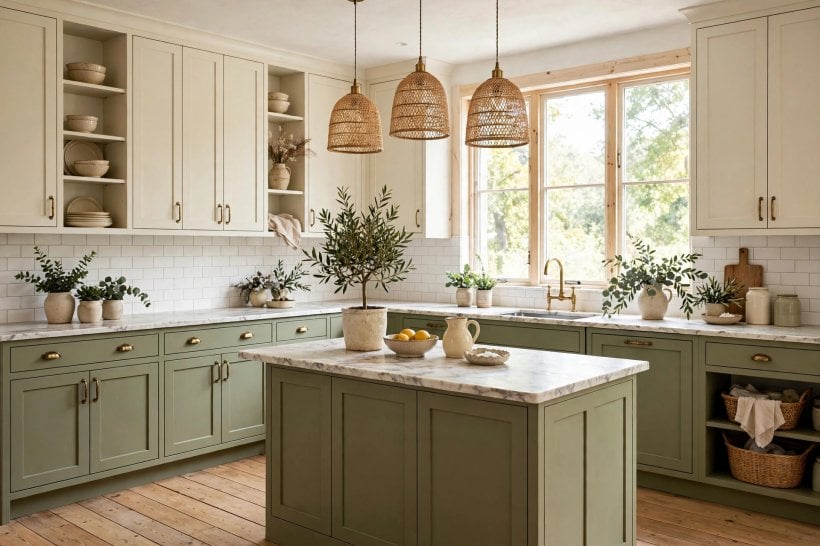
1. Omega vs Decora at a Glance
Both Omega and Decora are established US semi-custom cabinet lines, sold through authorised dealers rather than as flat-pack, off-the-shelf ranges. Semi-custom sits between stock and fully bespoke: you choose from set door styles, finishes, and cabinet sizes, then use modifications and accessories to adapt those standard pieces to your room.
| Attribute | Omega — What to Look For | Decora — What to Look For |
|---|---|---|
| Positioning | Design flexibility and a broad choice of styles and modifications. | Curated style collections and a streamlined path to a finished scheme. |
| Where sold | Authorised dealers and kitchen designers; confirm your local dealer’s service. | Authorised dealers and kitchen designers; confirm your local dealer’s service. |
| Construction options | Confirm current box materials, joinery, drawers, and hardware on the spec sheet. | Confirm current box materials, joinery, drawers, and hardware on the spec sheet. |
| Door styles | Compare the current traditional, transitional, and contemporary range in person. | Compare the current traditional, transitional, and contemporary range in person. |
| Finish range | Check current stains, paints, and glazes on physical samples, not screens. | Check current stains, paints, and glazes on physical samples, not screens. |
| Customisation depth | Ask how far sizes, depths, and configurations can be modified. | Ask which modifications are standard, which are upgrades, and which are unavailable. |
| How pricing tiers work | Dealer-built from door style, finish, construction upgrades, and accessories — no single list price. | Dealer-built from door style, finish, construction upgrades, and accessories — ask for it itemised. |
| What to verify with a dealer | Current warranty and lead time in writing, plus a fully itemised quote. | Current warranty and lead time in writing, plus a fully itemised quote. |
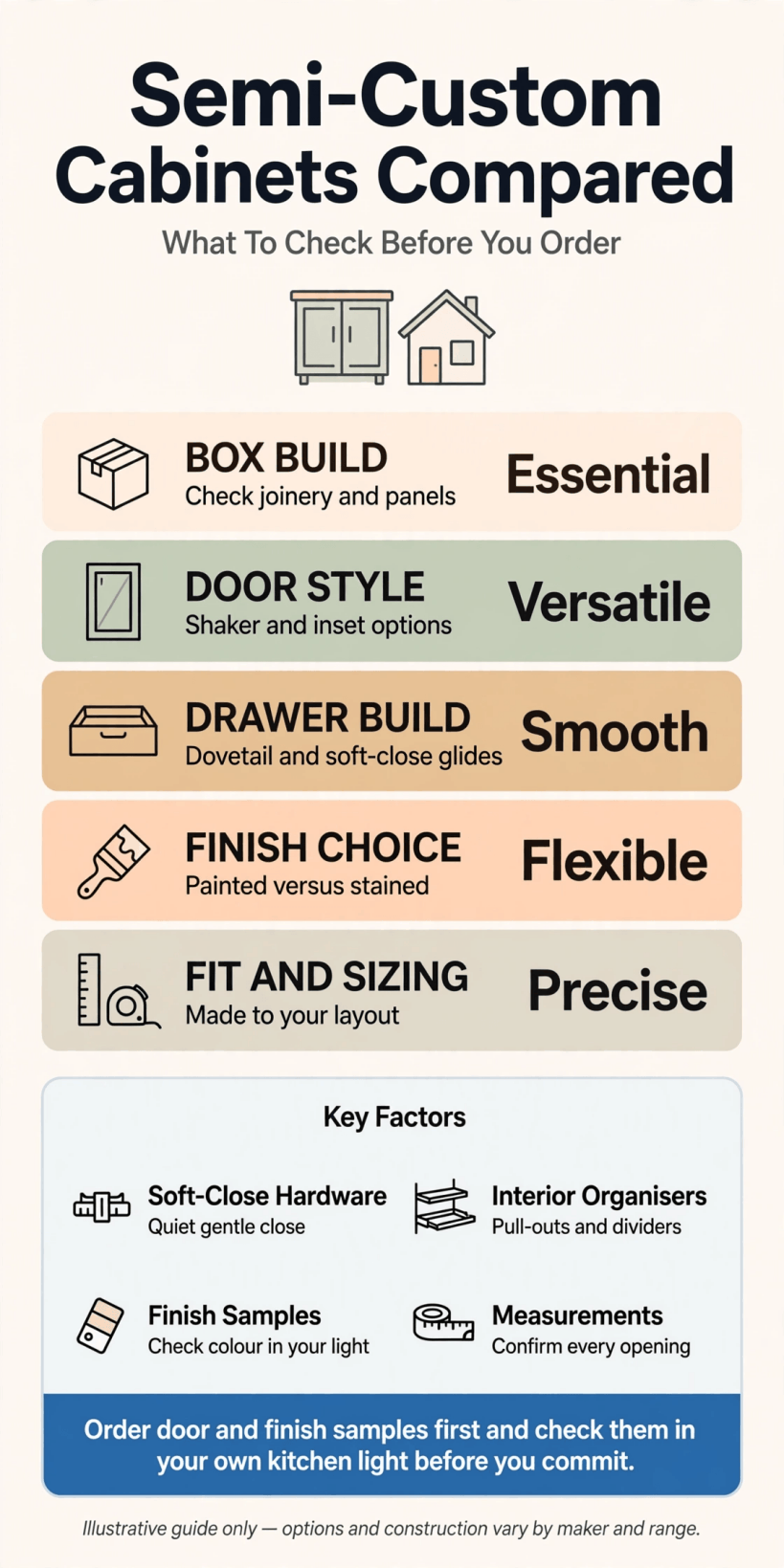
A head-to-head only works if both quotes describe the same room, layout, and specification — insist on itemised, like-for-like paperwork from each dealer.
2. Brand Positioning and Product Tiers
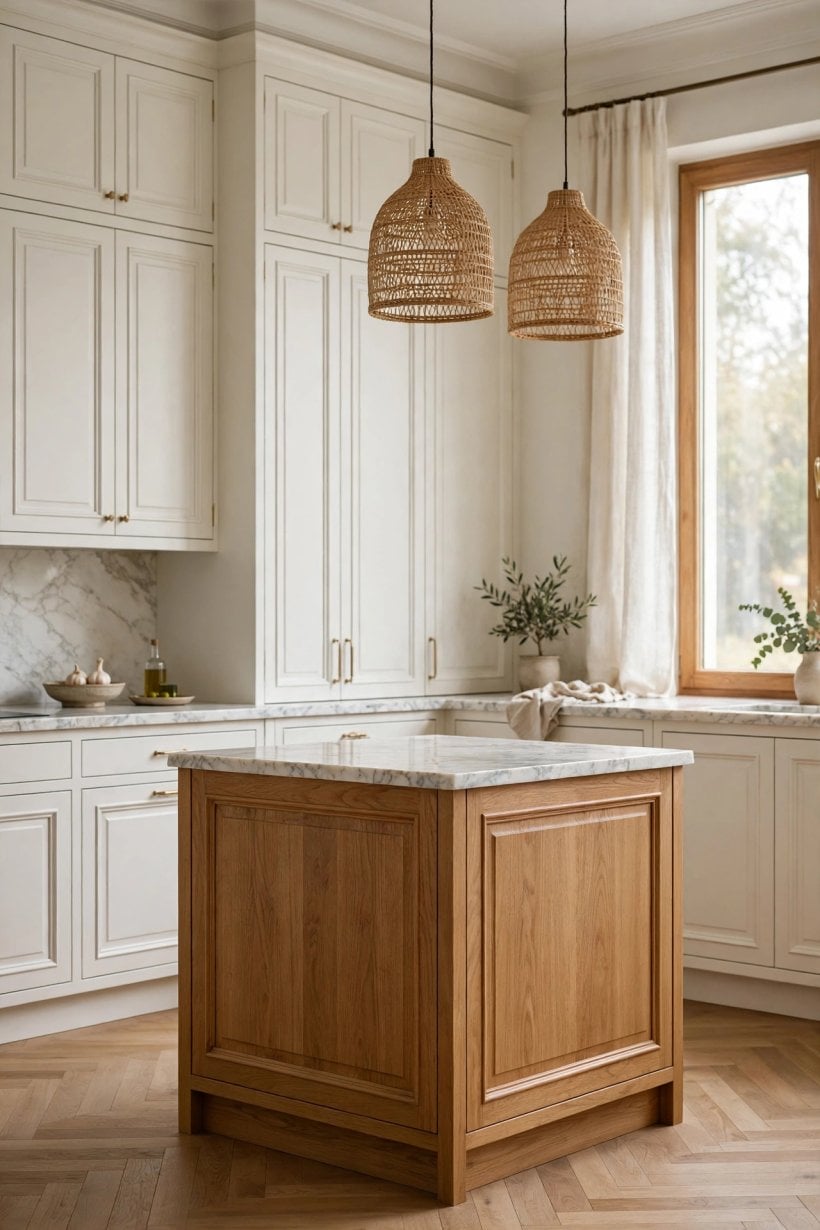
Read any decora cabinets reviews alongside Omega feedback and a pattern emerges that is less about quality in the abstract and more about positioning. Omega generally presents itself as the flexibility-first line: a wide spread of door styles, finish techniques, and modification options for buyers who want to shape a kitchen around a specific design idea. Decora generally presents itself as the curated line: collections organised around recognisable looks, making a coherent scheme easier to assemble without working through every possible combination.
Neither approach is inherently better. Flexibility rewards a buyer who enjoys detail or works with a designer who will manage the complexity. A curated range rewards a buyer who wants strong guidance and faster decisions. Problems arise when a buyer expects one approach from a line built around the other.
Tiers work similarly inside each line. Price and specification usually step up through door material, finish complexity, construction upgrades, and accessory content rather than through a completely different cabinet. Ask each dealer where your quote sits within the line: what is standard at that tier, what you have paid to upgrade, and what the next tier would actually change. For compact homes, positioning also affects how a big-kitchen range scales down — modification strength helps in awkward footprints, while a curated range can stop a small kitchen feeling busy. Browsing broader tiny house interior design ideas first helps you decide which quality your room needs more.
3. Box Construction and Materials
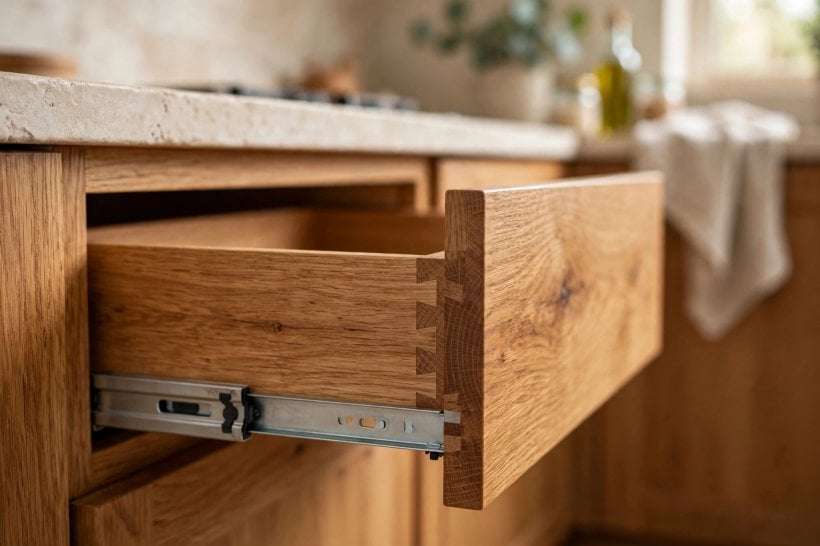
Construction is the least glamorous part of the comparison and the part that matters longest, because doors can be refinished but the cabinet box is the structure everything hangs from. Discuss both lines in general terms, and confirm every detail on the current spec sheet, because specifications can change and can vary by tier within the same brand.
Start with the box: what material the sides, floor, and back are made from at the tier quoted, what upgrades exist, and how the box is joined and braced. Then move to the moving parts — drawer boxes, runners, and hinges. Ask how drawers are constructed, whether runners are soft-close and fully extending, and whether those features are standard or paid upgrades. Test a drawer in the showroom: open it, check how it travels, and how it settles.
Shelving deserves the same attention: material, thickness, adjustability, and the interior finish, especially on glass-fronted units. Ask, too, how sink cabinets are configured for moisture. Be wary of comparisons built on a single feature — one line may offer a stronger standard drawer, the other a stronger standard box, each available as an upgrade on the other. List what matters to you and have each dealer price that same list.
4. Door Styles and Finishes
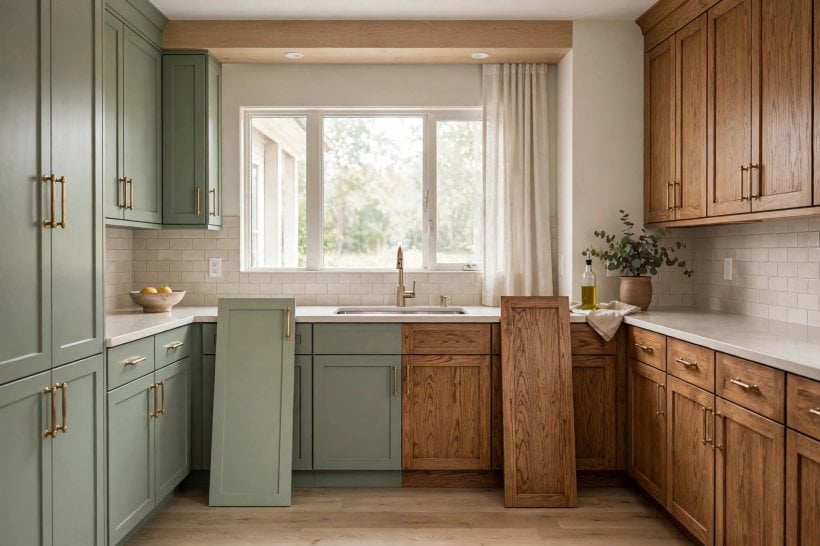
Doors are what you see, and this is where the two lines express their positioning most clearly. Both offer ranges spanning flat, contemporary profiles through to framed, traditional styles, with transitional designs between. Rather than counting styles, judge the overlap with your own taste: bring photographs of the look you want and ask each dealer to show the closest current match as a physical sample door, not a catalogue image.
Finishes need even more care. Stains show the wood beneath, so the same stain reads differently on different species and grain. Paints give uniform colour but show marks differently, and techniques such as glazing add depth at added cost. Ranges change — colours are added and retired — so confirm the current finish range with the dealer and never commit to a colour seen only on a screen.
Take samples home for a few days, against your floor, worktop, and wall colour, in morning and evening light. This matters doubly in open-plan spaces, where the kitchen is always in view. The restrained approach in this guide to modern tiny house interior design shows how much calmer a small space feels when finishes are chosen as one scheme. Finally, ask: if a door is damaged later, can a replacement be finished to match?
5. Custom Sizing and Modifications
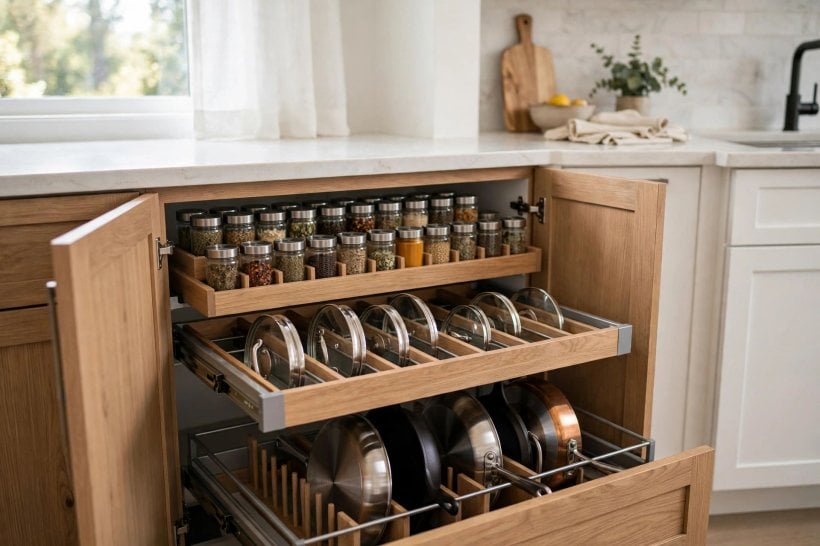
Customisation depth is the clearest dividing line in this comparison, and the one most likely to decide it for a specific room. Semi-custom cabinets start from standard sizes, but real kitchens rarely cooperate: ceilings are uneven, walls are out of square, windows land where a tall unit should go, and compact homes compress everything further. The question is how gracefully each line handles those realities.
Ask each dealer concrete questions based on your actual room. Can widths, heights, or depths be adjusted, and in what increments? Can a cabinet be reduced in depth for a tight run, or a tall unit shortened for a low ceiling? What fillers and trim close gaps neatly, and how are awkward corners handled? Then ask the follow-up that reveals the true limit: at what point does a modification become unavailable, or priced as a special?
This is where Omega’s flexibility-first positioning tends to appeal to buyers with unusual rooms, period properties, or a precise design in mind, while Decora’s more curated structure tends to suit rooms that fit standard sizes comfortably, where extensive modification adds cost without adding value. Treat that as general positioning, not a fixed rule — test both against your own measurements. Arriving with an accurate measured plan helps: working through your layout first with the tools compared in this guide to tiny house design software shows exactly where a standard cabinet will not fit, turning a vague chat into a specific list a dealer can price.
6. Storage Accessories and Interior Fittings
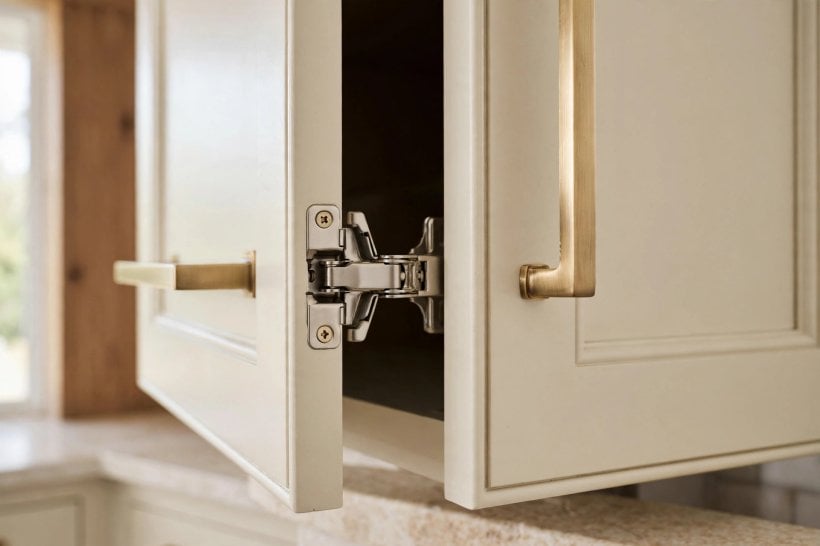
Accessories are where a kitchen is won or lost day to day, and where quotes quietly diverge. Both lines offer the familiar semi-custom repertoire in some form — pull-out trays, deep pan drawers, cutlery dividers, corner solutions, waste and recycling pull-outs, and tall-unit storage — but what is included, what is an upgrade, and what is unavailable varies. Confirm the current accessory range, and its compatibility with your chosen cabinet sizes, in the dealer’s current literature.
Prioritise by how you actually cook. Deep drawers under a hob usually outperform a cupboard with a fixed shelf for pans. A pull-out near the prep area earns its cost more than a novelty fitting elsewhere. Corner cabinets deserve honesty: every corner solution trades space for access, so ask to see the mechanism working in the showroom.
In smaller kitchens there is no spare cabinet to absorb mistakes. The space-saving thinking in these small space interior design ideas applies inside the cabinet too: vertical dividers for trays and boards, drawer-within-drawer layouts, and full-extension runners so nothing disappears at the back. Appliances interact with storage as well, so finalise appliance sizes first — this overview of the best compact kitchen appliances for tiny houses is a useful check that what you want exists in sizes your cabinet run can actually house.
7. Pricing Tiers and How Quotes Are Built
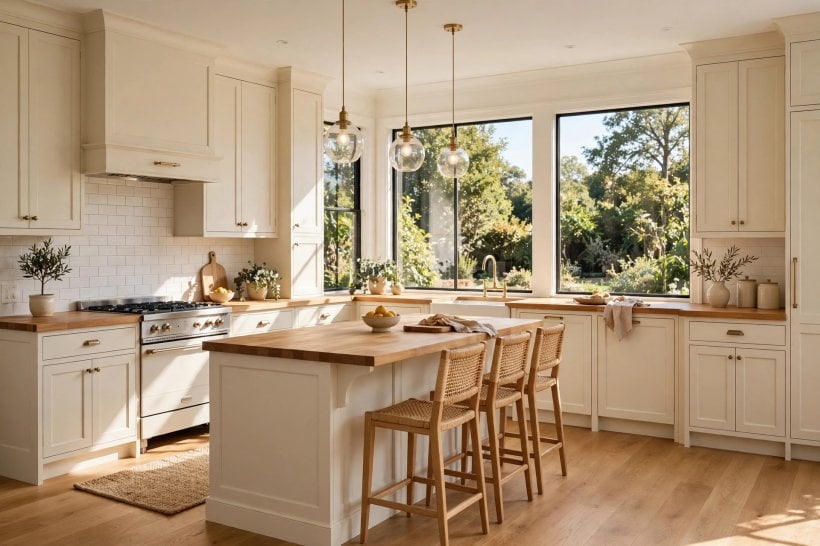
There is no honest single price for either line, and any comparison quoting one should be treated with suspicion. Semi-custom pricing is built, not listed: the dealer prices your design from the door style and material, the finish, the construction tier, the number and type of cabinets, the modifications, and the accessories, with design, delivery, and installation on that dealer’s own terms. The same kitchen can therefore be priced differently by two dealers — and two kitchens in the same range can differ widely.
That makes the quote itself the comparison document. Ask both dealers for a fully itemised quote against an identical written specification — same layout, door style category, finish type, construction upgrades, and accessories — then compare line by line. Where one quote is lower, find out why before celebrating: a missing accessory, a lower construction tier, or delivery excluded can explain a gap that looks like a saving.
Ask specifically what is not included. Design fees, delivery, installation, worktops, and handles are handled differently by different dealers, and assumptions here are the most common source of budget shock. Ask how long the price holds, too. Set the figure in whole-project context: this breakdown of how much a tiny house costs to build shows how fit-out costs stack across a home.
8. Dealer Experience and Design Services
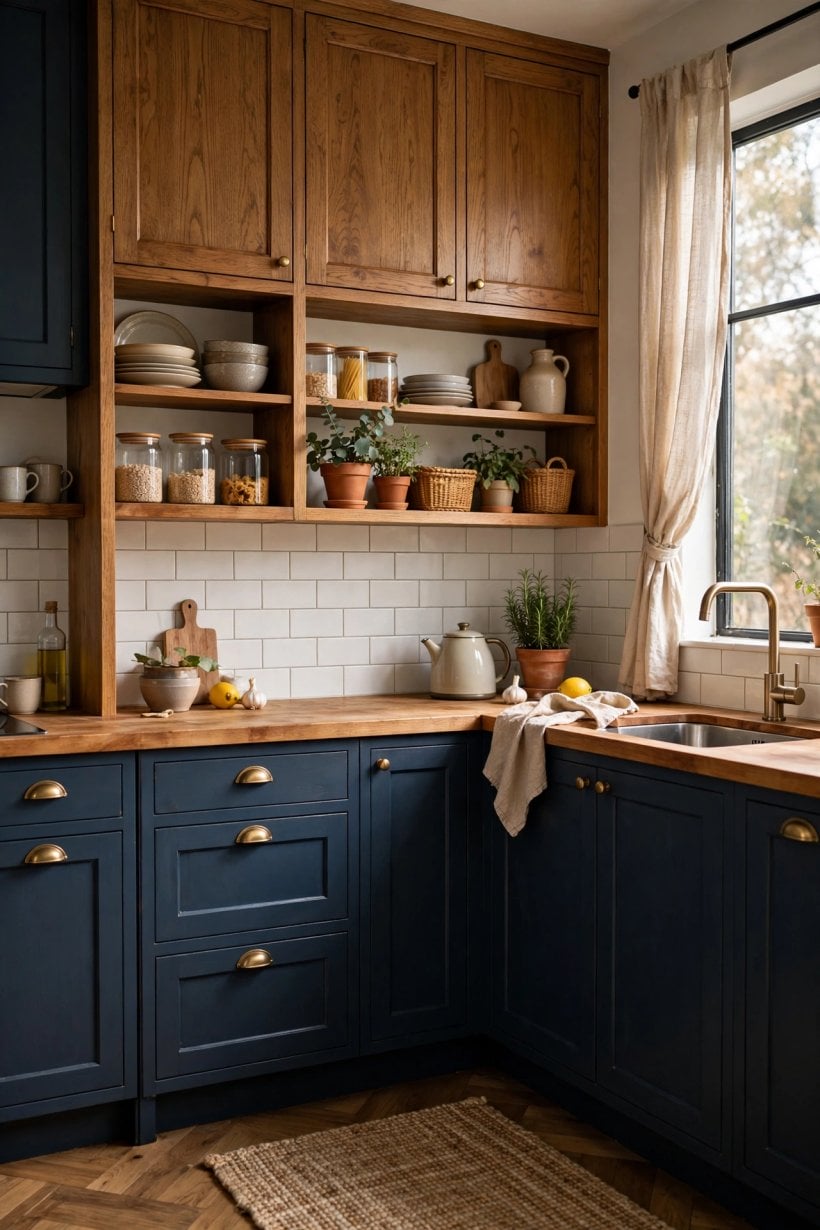
With dealer-sold lines, you are not only choosing a brand — you are choosing the business that will design, order, deliver, and stand behind your kitchen. That makes the dealer half the decision, and it can outweigh small differences between the ranges. A skilled designer working with either line will usually produce a better kitchen than a careless one working with your first-choice brand.
Judge the service on evidence. Ask to see completed kitchens the dealer has designed in a similar size and style to yours. Check how the designer works: do they measure your room themselves, produce detailed plans, and flag problems such as door clearances, or simply price the layout you brought in? Ask who checks the order before it is placed — ordering errors are expensive and slow to correct.
Communication is the other test. Note how clearly the dealer explains tiers, lead times, and exclusions at quoting stage; that clarity rarely improves after a deposit is paid. Ask for a single point of contact and everything important confirmed in writing. Dealer quality also varies by location for both brands, so weight local references over general national commentary.
9. Warranties, Lead Times and Delivery Checks
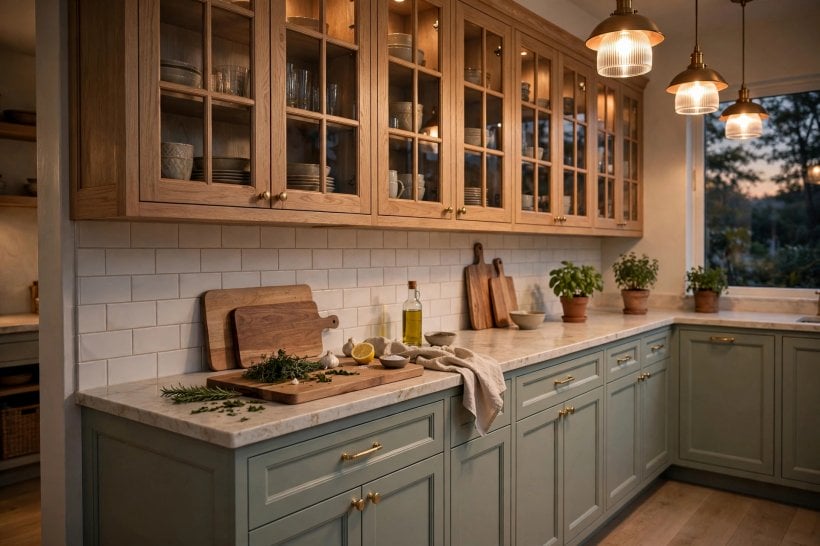
Warranties are an area where you should read documents, not summaries. Both lines offer warranty cover of some form, but the terms — what is covered, what is excluded, how claims are made, and how long cover lasts — are set out in each brand’s current warranty document and can change over time. Ask the dealer for the current warranty terms in writing, for the exact products you are ordering, and read the exclusions as carefully as the cover.
Check the boundaries. What counts as a manufacturing defect versus wear, moisture damage, or installation error? Who do you claim through — brand or dealer — and are hinges, runners, and finish covered on the same terms as the box? A warranty you understand is worth more than a longer one you have never read.
Lead times need the same written treatment. Semi-custom cabinets are made to order, so lead times vary with the range, the finish, the season, and current demand. Ask for the current lead time for your exact specification, confirmed in writing at the point of order, and what could extend it — specialty finishes and modifications commonly can. Plan the rest of the project around a confirmed date, not a first-meeting estimate.
On delivery day, agree in advance who unloads, where cabinets will be stored, and how damage is reported. Check every cabinet against the order as it arrives, note damage on the paperwork before signing, and photograph problems immediately. Never let an installer fit a damaged unit — agree the remedy with the dealer first, in writing.
10. Verdict: Who Should Pick Which
There is no universal winner here — the two lines suit different buyers, and the right choice matches your room and taste.
Pick Omega if your room or your design asks a lot of the cabinets. Awkward dimensions, a low or sloping ceiling, a period property, or a very specific look all point toward valuing modification depth and a broad options list. You will get the most from this route with a strong designer beside you, and the patience to work through samples, tiers, and specification choices carefully.
Pick Decora if your room fits standard sizes well and you want a coherent, well-judged scheme without an overwhelming decision load. A curated structure suits buyers who prefer a dealer to narrow the field and move the project forward at a comfortable pace — and smaller, open-plan spaces where a calm, unified finish matters more than maximum configurability.
Either way, run this pre-order checklist before you sign anything:
- Both quotes itemised against one identical written specification.
- Construction — box, drawers, hardware — confirmed on the current spec sheet.
- Door and finish chosen from physical samples, checked at home in your own light.
- Every modification your room needs confirmed as available, and priced.
- Accessories priced into the quote from the start.
- Current warranty terms received and read in writing, exclusions included.
- Current lead time for your exact specification confirmed in writing.
- Delivery, installation, and exclusions from the price stated in writing.
- Dealer references checked, with a named point of contact agreed.
Final Considerations
Omega and Decora are both credible semi-custom routes to a kitchen that fits better and lasts longer than a purely stock installation — the choice is about fit, not about finding a hidden flaw in one or the other. Let your room make the first decision: the more it demands modification, the more weight flexibility carries. Let your dealer make the second, because design care and honest paperwork shape your experience as much as the badge on the cabinet.
Keep the kitchen in proportion with the home around it, too. In compact, open-plan living, cabinets set the tone for everything nearby — including the relaxed feel explored in these tiny living room ideas. Choose the specification you can verify on paper, then enjoy choosing handles and filling drawers.

0 Comments