

New kitchen cabinets are one of the largest purchases in a home project, and the units you choose will be opened, wiped, loaded and leaned on every day for years. This guide sets out what to check before you buy.
Work through construction, doors and finishes, hardware, measuring, quotes and warranty paperwork for diamond cabinets in a calm order, and you will be able to judge any showroom sample on evidence instead of promises.
1. Know What You Are Actually Buying
A cabinet range is a system, not a single product. Behind one door style there may be several box constructions, drawer types and finish options, and the price you are quoted depends on which combination the plan uses. Start by asking which specific line, door style and finish your quote covers, and whether the display kitchen in front of you is built from exactly those parts or from a higher specification.
Ask where the cabinets are sold and how orders are handled. Some ranges are sold through kitchen dealers, some through home-improvement stores and some both, and the route affects who measures, who delivers and who you call if something arrives damaged. None of those routes is automatically better; what matters is that you know, in writing, who is responsible for each stage before money changes hands.
Finally, be clear about what a cabinet purchase is not. Worktops, appliances, sinks, taps, handles on some lines, delivery and fitting are frequently separate. A quote that looks low may simply exclude more. The questions below cover the points worth settling at this first stage.
| What exactly am I quoted for? | An itemised list of every cabinet, front, end panel and filler piece, with exclusions named, so quotes can be compared fairly. |
| Framed or frameless construction? | Establish which construction the quoted line uses, and inspect a sample corner unit in person to see how it looks and feels. |
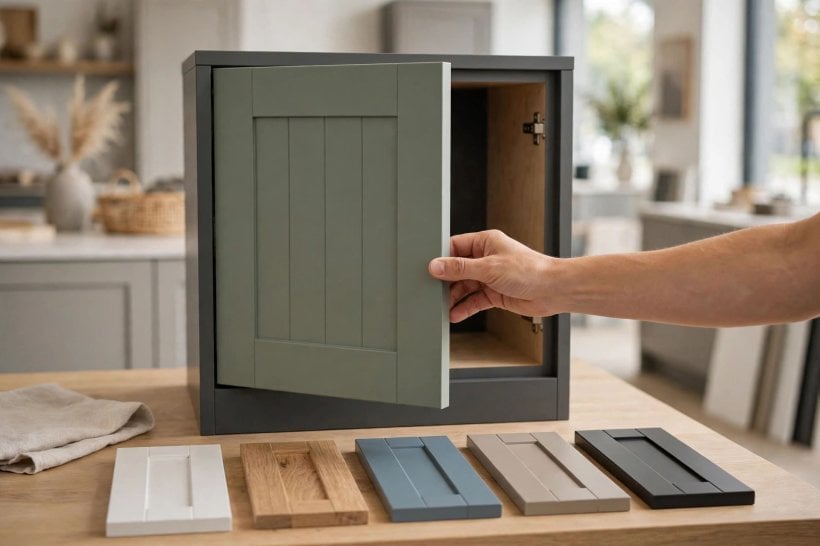
| Can I take a sample door home? | A sample lets you check colour and sheen in your own light, beside your flooring and worktop choices, at different times of day. |
| What paperwork should I receive? | The itemised quote, the agreed plan, terms of sale, delivery details, care guidance and the warranty document itself. |
| What is often not included? | Worktops, appliances, fitting, plumbing and electrical work, decorating and sometimes handles or delivery. |
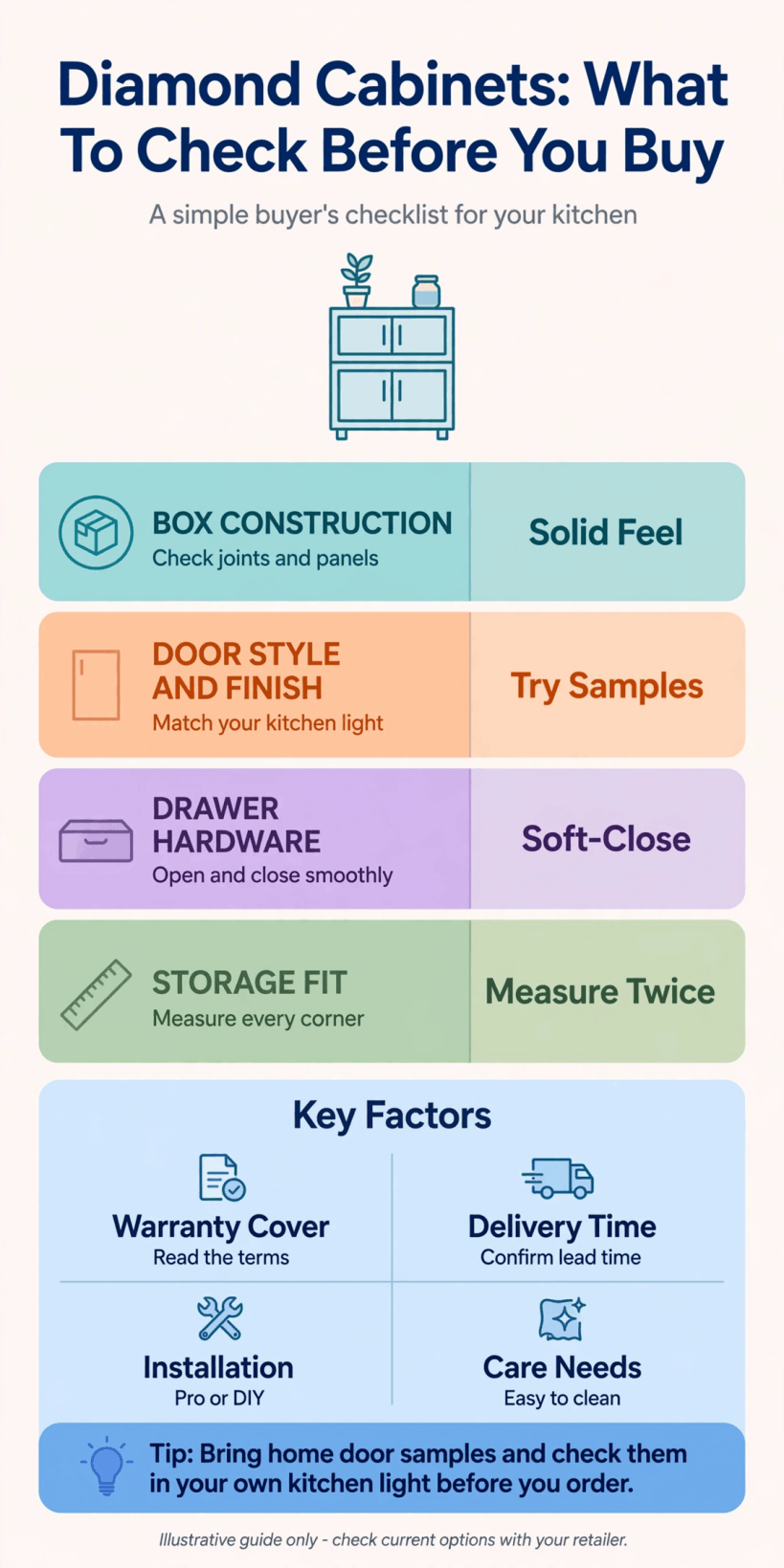
The pre-purchase checks for kitchen cabinets at a glance: construction, fronts, finishes, hardware, quotes and warranty.
2. Cabinet Box Construction: Materials and Joinery
The box is the part you will live with longest, because doors can be replaced far more easily than carcasses. Ask what the sides, back and shelves are made from and how thick they are, and look at a corner joint rather than a brochure diagram. Well-made boxes feel rigid when you push a diagonal corner; obvious flex at the showroom stage only grows once the unit is loaded with pans and tins.
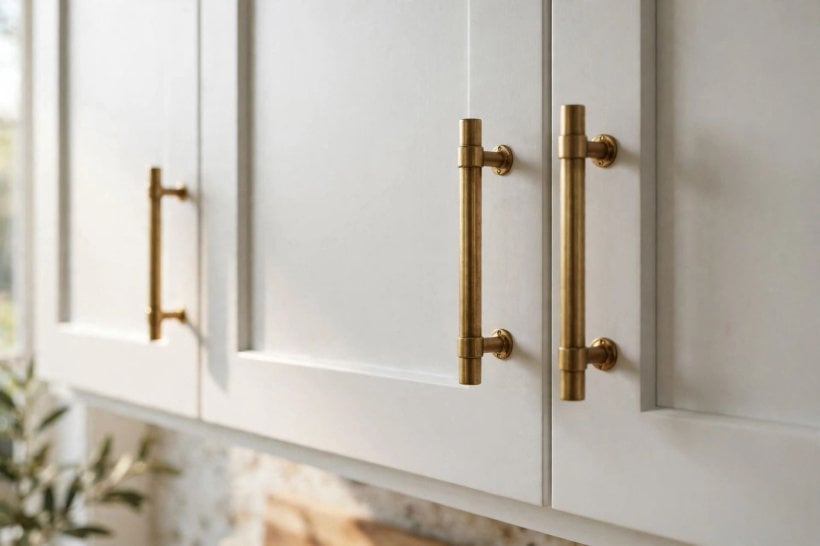
Check how the parts are joined. Dowelled, glued or mechanically fixed joints each have their place, but the visible evidence is what counts: tight seams, no gaps at the back, shelves that sit level and edge banding that is firmly bonded with no lifting corners. Look inside a sink cabinet, where cut-outs for pipework show how cleanly the material cuts and seals. If the range offers both assembled and flat-pack versions, ask whether the box specification is identical in each. Honest materials and tidy joinery are valued in any small build, and the same eye for solid construction runs through this tiny barn house interior, where the structure is part of the finish.
3. Doors, Drawer Fronts and Decorative Panels
Fronts set the look, but they also take the knocks. Open and close every door on the display: fronts should sit square, gaps between neighbours should be even, and a door should not spring or drift once released. On slab fronts, check the edges for consistent finishing; on framed or shaker-style fronts, sight along the rails for twists and look at the inside face, which is finished less carefully on some lines than the outside.
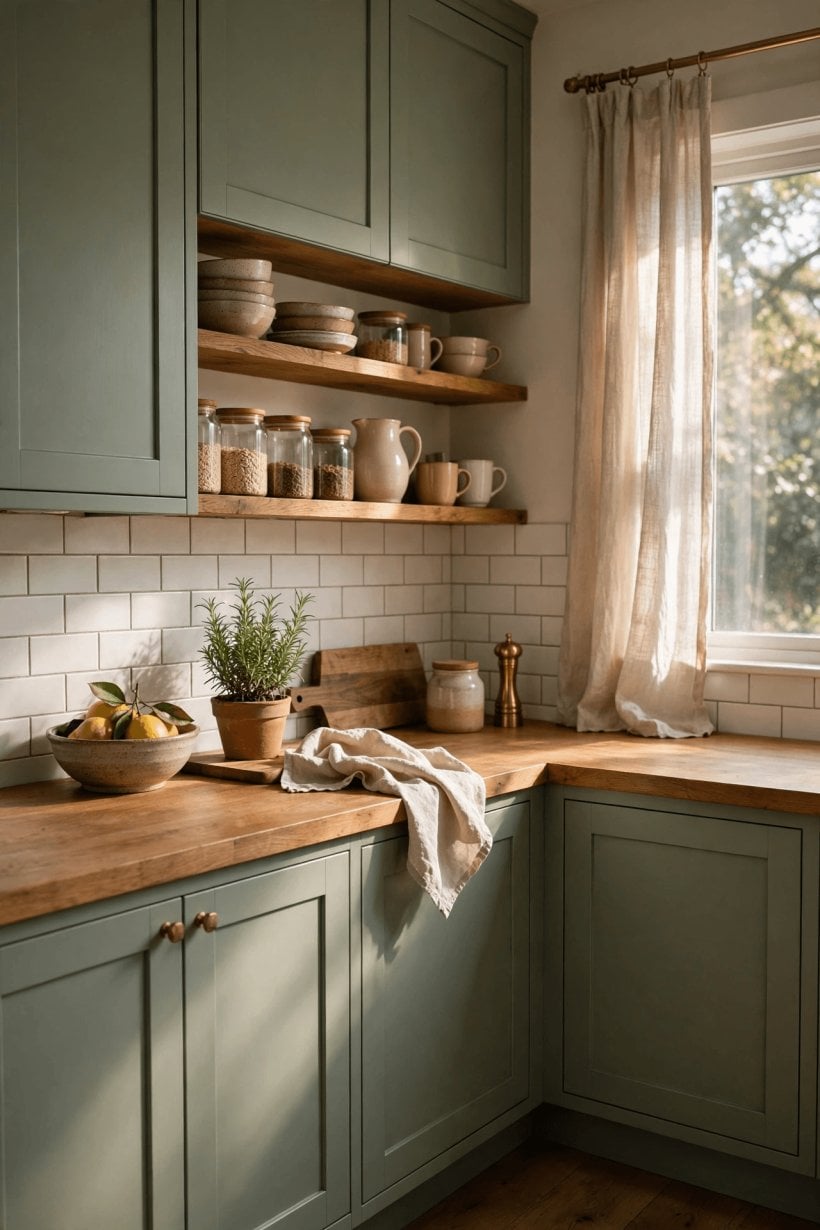
Drawers deserve the same attention. A drawer front that is separate from the box behind it can be adjusted; one that is fixed cannot, so ask how alignment is corrected after fitting. Tall larder and fridge housing doors are the most likely to bow, so view a full-height door from the side against the light. Decorative end panels matter too: confirm whether the sides of exposed cabinets are finished to match the doors or whether separate panels must be added to the order, because that affects both the look and the quote. Grain direction on wood-effect fronts should run consistently across a run of units, and a good dealer will show you how pattern matching is handled on the plan.
4. Finishes: Paint, Stain and Everyday Surface Checks
Finish quality shows fastest where hands go: around handles, at the top edge of drawers and beside the hob and sink. Run a fingertip along these areas on the display. Painted finishes should feel smooth with no rough overspray or thin corners where the base material grins through. Stained finishes should look even, without dark blotches at joints or pale patches where the timber was sanded differently.
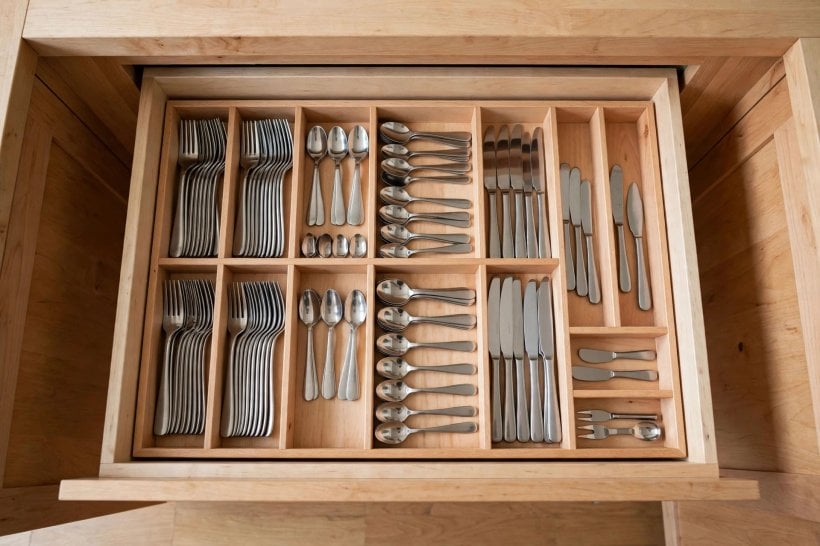
Colour judgement belongs at home, not under showroom lighting. Borrow or buy a sample door and live with it for a few days, propping it where the cabinets will stand and checking it morning and evening. Think about sheen as well as colour: matt finishes hide fingerprints better in busy households, while glossier surfaces wipe down more easily but show every smear. If you enjoy bolder colour decisions, the joyful schemes in these colourful tiny house interior ideas are a reminder to test daring choices as samples before committing a whole room to them. Ask how the finish is repaired if a door is chipped in five years, and whether touch-up materials or replacement fronts in the same finish will be orderable.
5. Hinges, Drawer Runners and Working Hardware
Hardware is where daily satisfaction is decided. Hinges should open smoothly through their full travel, hold the door at any angle without sagging, and close the last stretch gently if soft-close is fitted. Ask whether soft-close is standard across the quoted line or an upgrade on certain units, because a mixed kitchen of slamming and gliding doors feels oddly unfinished.
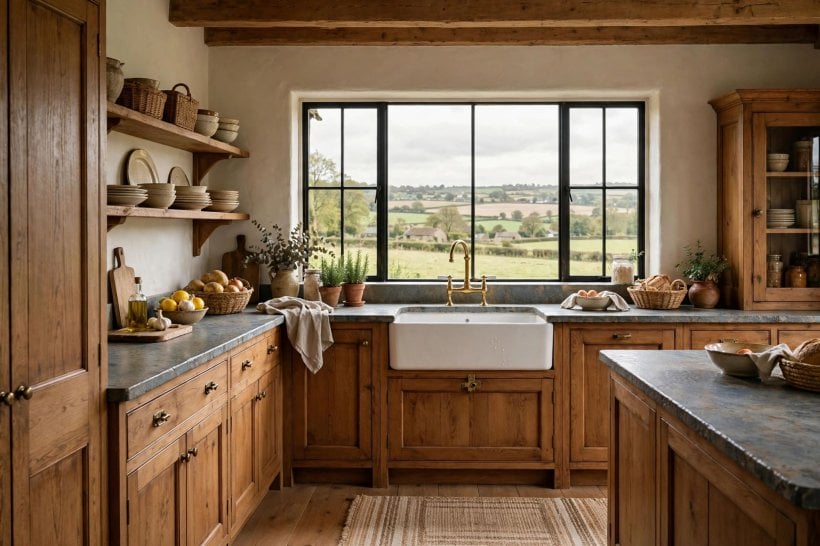
Load a display drawer with something heavy if the dealer allows it, or at least press down firmly on the open drawer front. Runners should stay smooth without a gritty feel, and the drawer should not tip or rack sideways when pulled from one corner. Check how much adjustment the hinges offer: doors get knocked, houses settle, and the ability to realign a front with a screwdriver keeps a kitchen looking new. The same hardware logic applies in miniature to vanity units, as the storage choices in these tiny house bathroom ideas show. Finally, ask which parts are covered by the warranty and for how long, because hardware cover is often described separately from cabinet cover.
6. Measuring the Room and Reading the Plan
More cabinet problems are born at measuring than at manufacturing. If the dealer measures, confirm who carries the risk of an error and get the final measured plan to check yourself against the room: window and door positions, ceiling height at several points, the slope of the floor, and anything that steals width, such as boxed pipework, radiators or an uneven chimney breast.
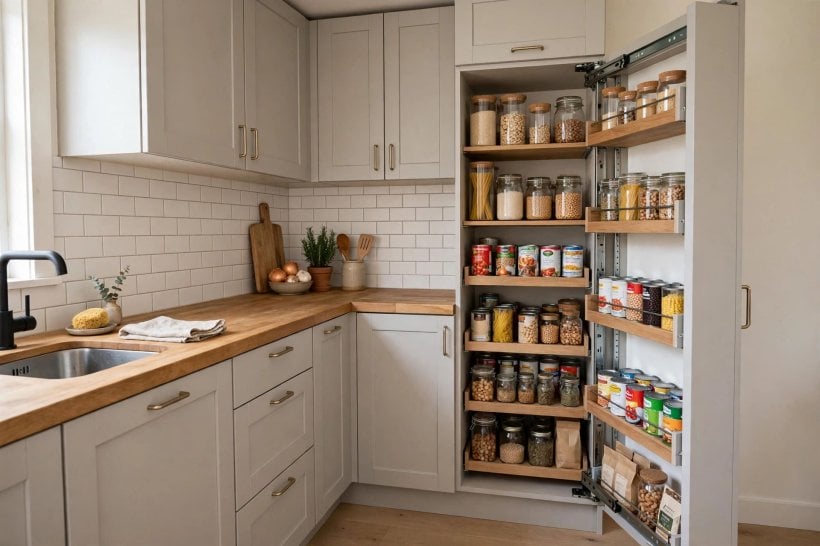
Read the plan as a cook, not as a drawing. Walk the triangle between sink, hob and fridge; check that drawers can open fully without clashing with handles opposite; confirm there is landing space beside the oven and somewhere to set down shopping near the fridge. Filler pieces at the ends of runs are normal, but large fillers can signal a plan that does not quite fit, so ask what each one is doing. If you are measuring for a compact home, the discipline is similar to planning any small build from scratch, and this overview of how to build your own tiny house is a good reminder that accurate dimensions come before beautiful drawings. Keep a signed copy of the final plan; it is the document everything else is judged against.
7. Quotes, Itemisation and What Is Included
A fair comparison needs itemised quotes on the same basis. Each quote should list cabinets, fronts, panels, plinths, cornice or pelmet, internal fittings such as cutlery inserts and pull-outs, handles, and any sink or worktop items, line by line. With that list you can see whether a lower total reflects a keener price or simply fewer parts, a cheaper drawer type or end panels quietly dropped.
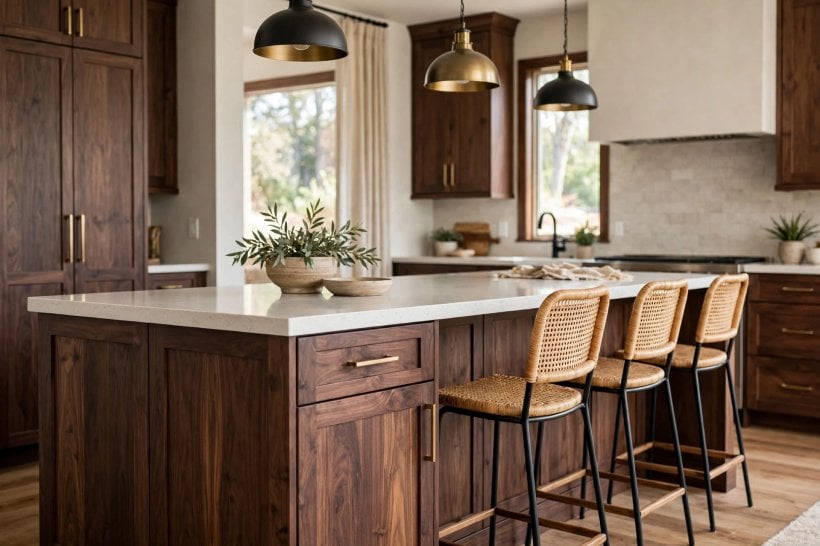
Ask what happens to the price between quote and order. Promotions change, but the terms for holding a quoted price, the deposit required and the point at which the balance falls due should all be stated plainly. Check the lead time in writing too, and what happens if delivery slips beyond the date your fitter is booked. If a quote bundles fitting, confirm exactly what the fitters do: removing the old kitchen, plumbing and electrical connections, tiling and decorating are commonly outside a cabinet fitting price. Written clarity here is not mistrust; it is how both sides avoid a miserable final week of the project.
8. Delivery Day: Checking, Handling and Storage
Most cabinet grief is avoidable in the first hour after the lorry leaves. Agree in advance where the delivery will be unloaded and who signs for it, and inspect the outer packaging for crush damage before signing anything. If the paperwork lets you note damage, write what you actually see rather than a general comment, and photograph problems while the driver is still there if you can.
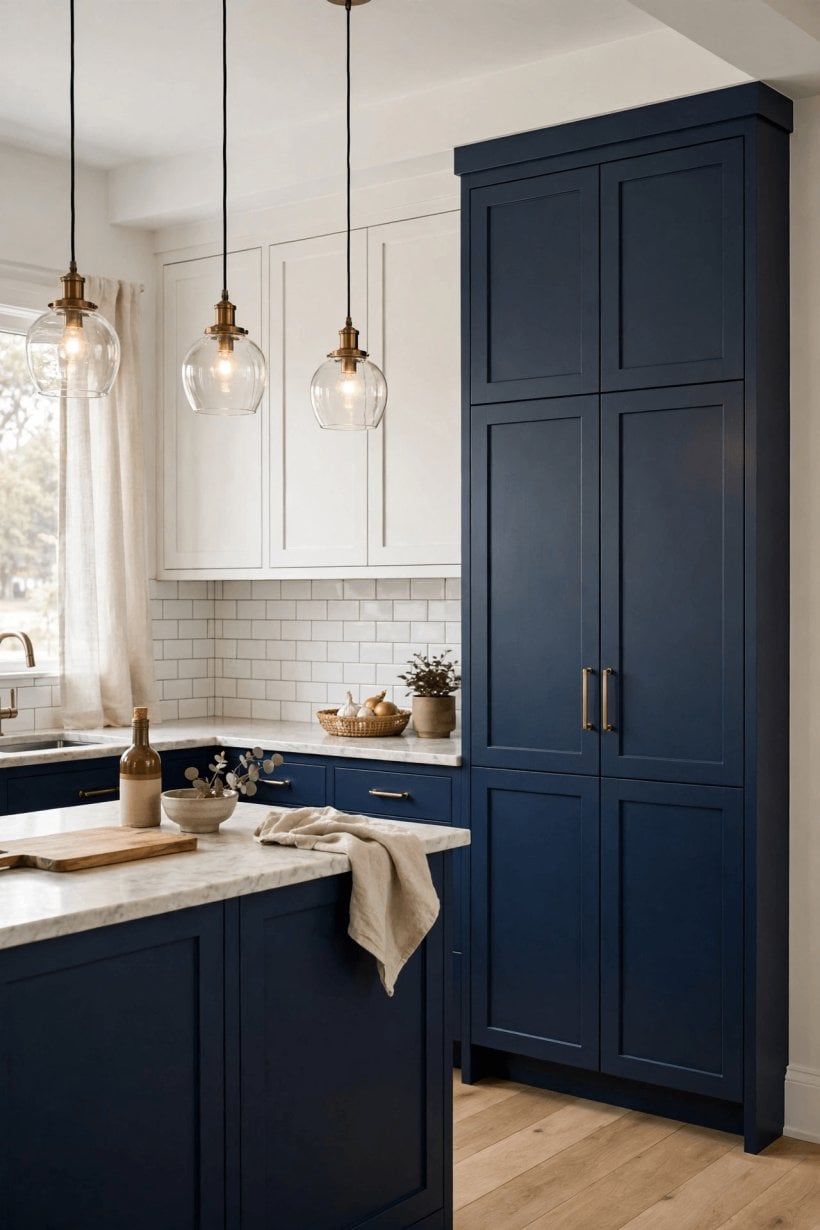
Open the cartons promptly, ideally within the window the seller allows for reporting shortages, and check each unit against the delivery note and your plan: right cabinet, right hand, right finish, no chipped corners or scratched fronts. Keep fronts in their protective wrapping until fitting where possible, store everything flat or upright in a dry room away from plastering and plumbing work, and keep small parts — hinges, handles, screws — together in a labelled box. Report anything wrong in writing straight away, with photographs, and keep the packaging until the issue is resolved. A calm, documented delivery day makes every later conversation with the seller easier.
9. Warranty Paperwork and Aftercare
A warranty is only as good as your understanding of it. Before ordering, read the actual warranty document rather than a headline summary: what parts are covered, for how long, what is classed as wear and tear, and what the remedy is — repair, replacement of a part, or replacement of a whole unit. Note any conditions, such as using the cabinets only in a domestic kitchen or following the supplied care instructions, and keep proof of purchase with the document.
Aftercare is mostly gentle habits: wipe spills promptly, keep steam from kettles and dishwashers away from the underside of units and worktop joints, use the cleaning products the care guide allows, and tighten or adjust hinges before a small misalignment starts wearing an edge. Keep one folder — paper or digital — with the quote, plan, receipts, delivery notes and warranty, so any future claim takes minutes instead of a weekend of searching. The same habit serves fitted furniture anywhere in the house, from kitchen units to the wardrobes discussed in this look at bedroom interior design in tiny houses.
Make digital backups as well. Photograph or scan the signed plan, the order confirmation and the warranty page, and name the files so you can find them in seconds. If you ever sell the house, passing this folder to the next owner is a small kindness that also proves the kitchen was bought and fitted properly. If a fault does appear, report it promptly with photographs and your order details, and keep a note of every conversation, date and promised action until the matter is closed.
10. Fitting Choices and the Final Walk-Through
Good cabinets can still disappoint if they are fitted carelessly, so settle the fitting route early. Dealer-arranged fitting offers one point of responsibility; an independent fitter may suit a project that also involves building work; confident DIY fitting is realistic for straightforward runs if you have the tools, time and patience for scribing and levelling. Whoever fits, agree beforehand who disposes of the old kitchen and packaging, and in what order worktops, appliances and decorating follow.
Protect the room before the first unit arrives. Cover floors on the route from the door, agree where tools and materials will live, and decide how you will cook and wash up while the kitchen is out of action, because even a smooth fit takes days rather than hours. A few trays, a kettle in another room and a washing-up bowl will carry you further than you expect. Confirm start dates, working hours and who to contact on the day if a delivery or a decision is needed, and keep that person’s number in your phone rather than in the paperwork folder.
When the last handle is on, walk the kitchen slowly with the plan in hand. Open every door and drawer, check gaps and levels, run a hand along worktop joints, confirm pull-outs and bins glide as they should, and test that doors clear appliances that were installed after the cabinets. Note any snags in writing and agree dates for putting them right before the final balance is settled, following whatever the contract says. Fitted storage rewards the same care in other rooms too, as the built-in solutions among these tiny house bedroom ideas demonstrate.
Final Considerations
Buying kitchen cabinets well is mostly a matter of sequence: understand the system, test the construction and finish in person, read the plan as the person who will cook there, and keep every piece of paper. Do that, and the choice stops being about a badge on a door and becomes what it should be — a judgement about boxes, fronts, hardware and service that you can defend line by line.
Whatever range you choose in the end, the checks in this guide travel with you. A sample door in your own light, an itemised quote, a signed plan, a careful delivery inspection and a warranty you have actually read will serve you just as well among these tiny house living room ideas for fitted storage as in any kitchen showroom. Take your time; the cabinets will be with you far longer than the afternoon you spend choosing them.




0 Comments