
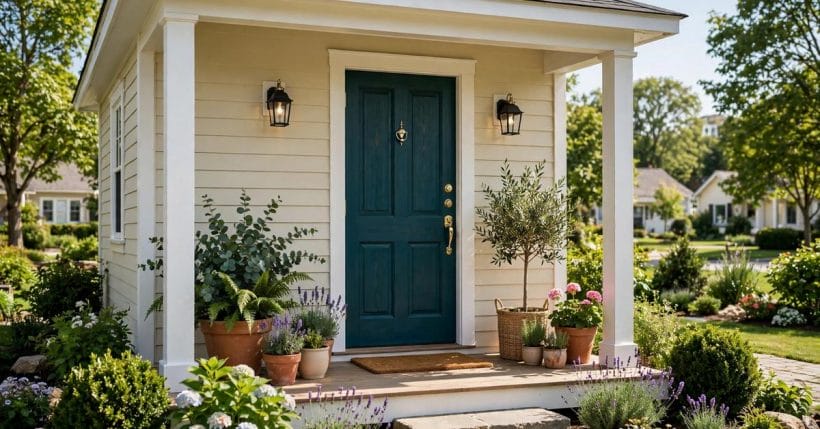
A new door is two purchases wearing one coat: the door itself, and the skilled hours that persuade it to hang true, swing silently and latch with a click.
This guide takes a door installation bill apart line by line — door families, frames, fitting, finishing and the extras that ambush the unwary — and teaches the calculator method, so any quote can be rebuilt on an envelope and judged. The door itself, in all its styles, is chosen over at front door ideas.
1. Door Installation Cost at a Glance
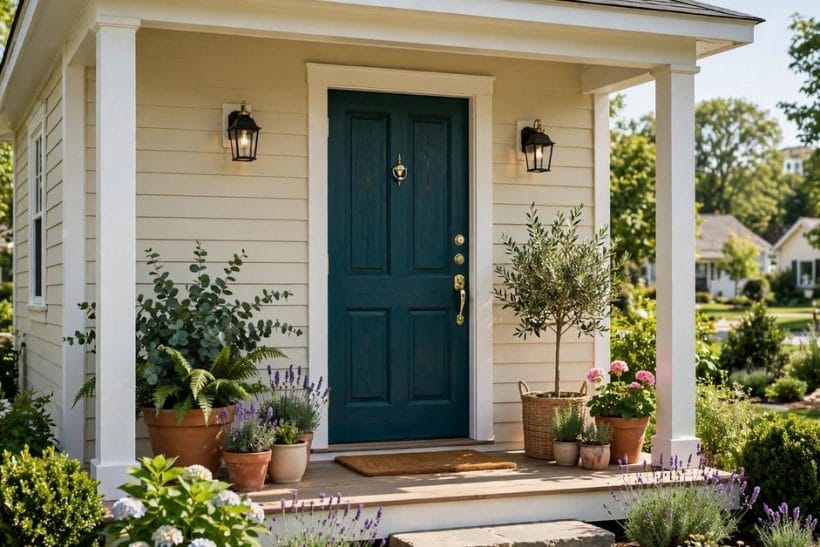
Door installation cost is the full price of putting a new door to work in a home: the door leaf itself, its frame or lining where that changes, the hardware it hangs and latches by, the fitter’s labour, and the finishing and making good that leave the opening looking as if it had always been so. The total varies mainly with the door’s family, the opening’s condition and how many doors share one visit. It is best understood — and best checked — as a small set of named lines rather than a single figure, which is how this guide treats it throughout: general ranges and drivers, honestly stated, and no invented figures.
| Question | Short answer |
|---|---|
| What does the bill include? | The door, frame parts, hardware, fitting labour, finishing and disposal of the old door |
| What is usually the biggest line? | On plain doors, the fitting; on fine doors, the door itself |
| What is the cheapest door job? | A standard interior door hung in a sound existing frame, one of several in a visit |
| What is the dearest? | An exterior or sliding door with structural work to its opening |
| Where can a householder save? | Painting, keeping sound frames and hardware, and batching doors into one visit |
| How do I check a quote? | Rebuild it line by line with the calculator method in this guide |
2. The Lines of Every Door Installation Bill
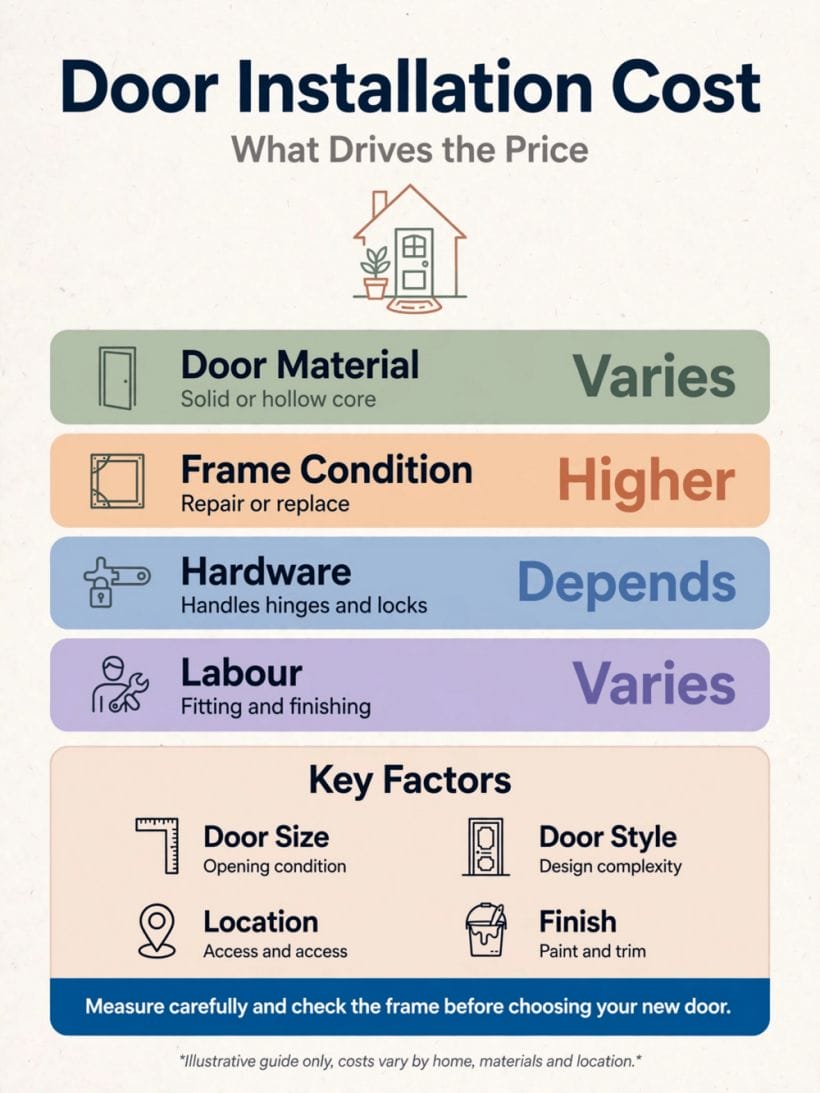
Every door installation quote, however it is dressed, is built from the same handful of lines. Learning the lines is the whole game: once you can name them, you can rebuild any fitter’s number on an envelope, spot the line that has been quietly padded, and see the line that has been left out entirely — which is the more dangerous trick.
The door itself
The leaf — the door as an object — is the line everyone shops for and the line with the widest range of all, running from plain hollow interior doors to solid exterior doors built like furniture. Its price follows its material, its construction and its finish, and it is rarely the whole story the headline price suggests.
The frame, lining and architrave
A door hangs in a frame, and the frame is a separate purchase: lining boards, stops, architrave to trim the joint, and the sill or threshold below an exterior door. Reusing a sound frame is the single largest saving in the whole job; replacing one adds timber, time and making good on both faces of the wall.
The hardware
Hinges, handles or knobs, the latch or lock, and on exterior doors the letterbox, knocker and weather seals: hardware is the bill’s most under-budgeted line, because it is bought in pieces and feels small until the pieces are added together. Good hardware is also the part of the job your hand judges daily.
The fitting labour
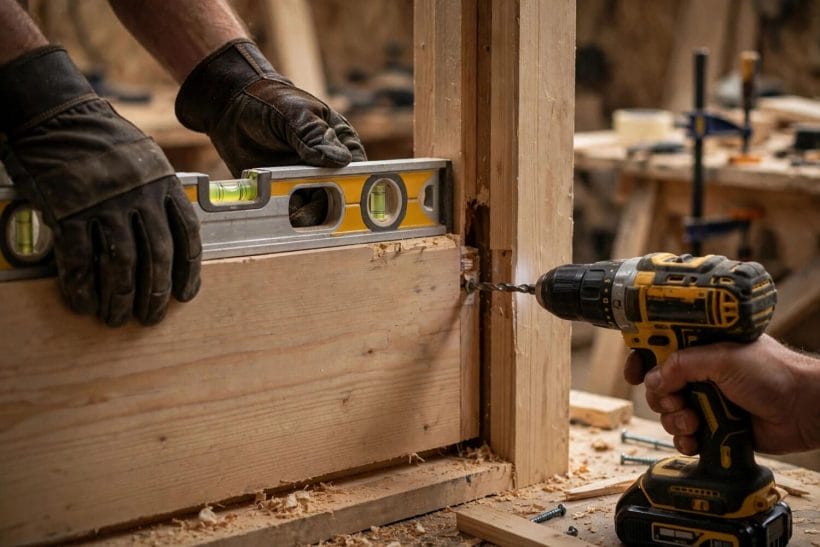
The fitter’s work — trimming the door to its opening, hanging it true, cutting in hinges and latch, fitting the furniture, adjusting until the door swings silent and latches with a click. On plainer doors the labour commonly rivals the door’s own price; on grand doors it is the smaller line but the more skilled one.
Finishing and making good
Paint or oil on the new timber, filler and paint where frame met wall, the floor’s edge at the threshold, and the disposal of the old door if there was one. Finishing is the line most often left vague in quotes and most often regretted in person.
3. Door Families: Six Logics of Price
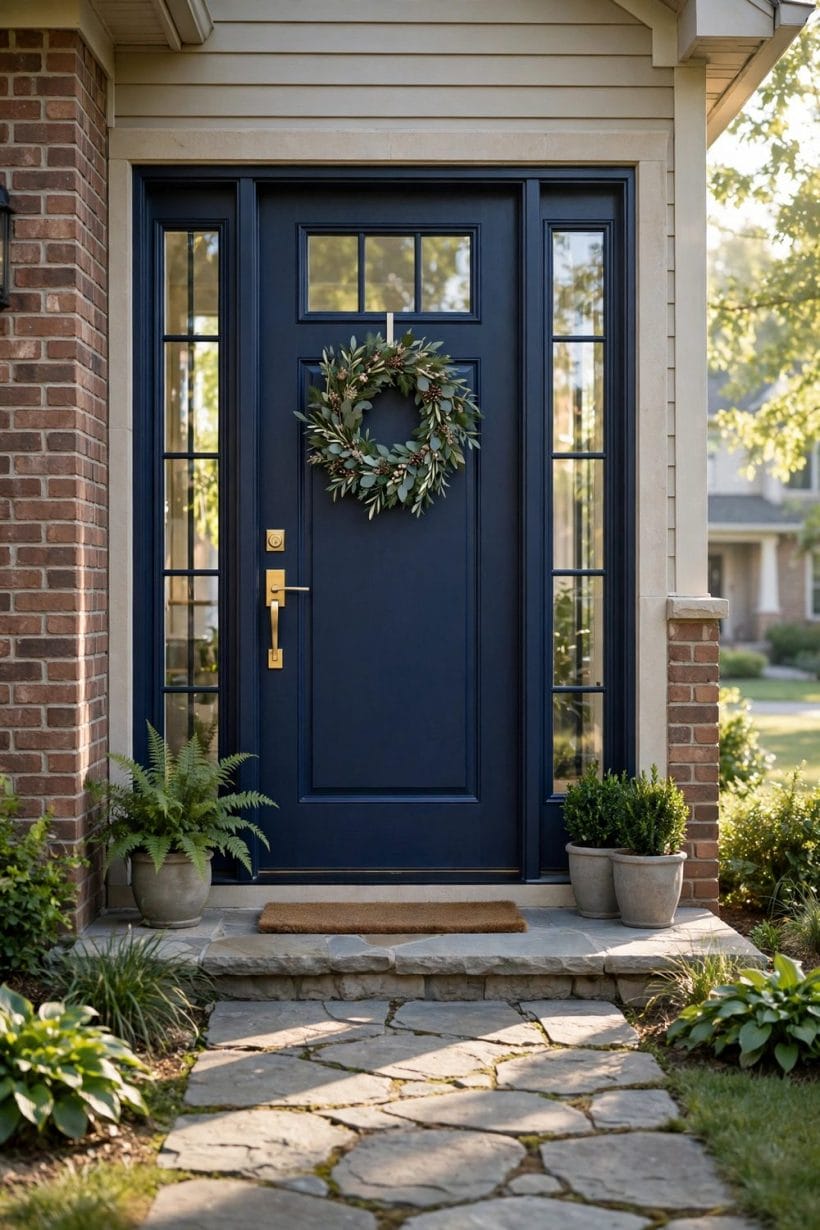
Doors are not one product at six prices; they are six families, each with its own logic of what costs and why. Pricing a job starts by naming the family honestly, because the family decides which lines of the bill grow and which stay small.
Interior doors
The volume family: light leaves, standard sizes, forgiving work. Interior doors are where fitting several in one visit pays best, and where the range runs from paint-grade plainness to veneered doors that ask to be treated as furniture.
Front and exterior doors
The security and weather family: heavier construction, real locks, seals against the rain, and fitting that must be exact or the door complains every winter. The choosing of the door itself — styles, glazing, materials — is its own study over at log cabin door and the front door pillar linked from this guide’s opening; here, what matters is that exterior work carries the heaviest labour logic of any family.
Sliding and patio doors
The track family: the door’s price is joined by its running gear, and the fitting is a matter of levels, drainage and weather sealing as much as carpentry. The design side of the family is surveyed in sliding patio doors; the cost side turns on opening size and whether the structure above it needs support.
Closet and bifold doors
The space-saving family: lighter leaves, cleverer hardware, fitting priced by the fussiness of tracks and pivots rather than by weight. closet doors and their sliding closet doors cousins are the cheapest doors in most houses to buy and the easiest to under-fit — a badly levelled bifold announces itself every morning.
Pantry, glazed and feature doors
The character family: glazed pantry doors, ledged doors, doors bought for how they look in a room’s story, as in the pantry door treatments. Glazing and non-standard sizes push the door’s own line up; the fitting stays ordinary unless the opening has wandered out of square, as old openings do.
4. The Opening: New, Enlarged or Reused
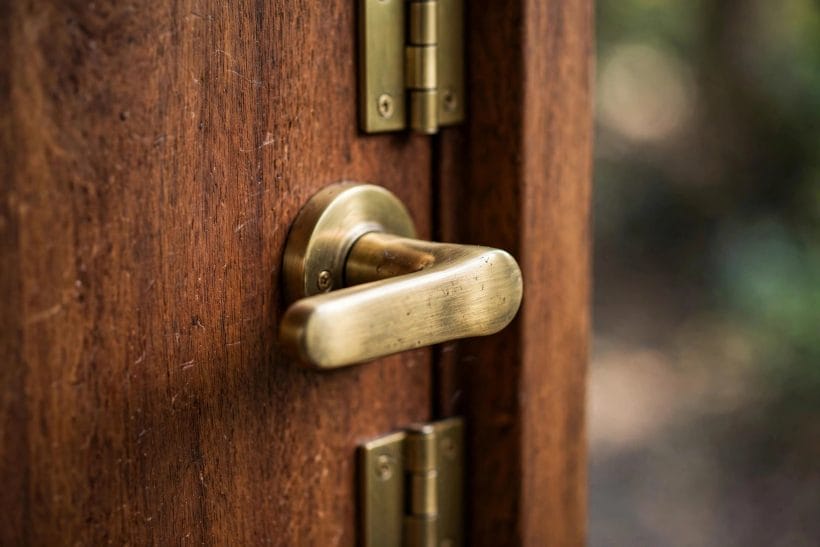
Ask not only what the door costs — ask what it is being fitted into. The opening is the job’s silent partner, and its condition decides whether fitting is an hour’s pleasure or a day’s negotiation. Four states account for nearly every quote you will ever compare.
Fitting into a sound existing frame
The kindest job in the family: frame true, hinges sound, opening standard. The fitter trims the new leaf to the old geometry and the bill stays close to door plus labour plus hardware. Most interior replacements in sound houses live here.
Replacing the frame as well
A rotted, twisted or wrongly sized frame turns a door swap into a small building job: frame out, new frame set plumb and square, door hung, both faces trimmed and made good. Expect the labour line to grow past the door’s own price without anything being wrong.
Widening or moving an opening
The structural end of the family: a wider door, a new doorway, an opening moved along a wall. Lintels, supports and building-control questions enter the bill, and the door itself becomes a minor character in its own installation. Price this as building work that ends with a door, not as door work.
Floors, thresholds and trims
New flooring changes floor levels; old thresholds hide rot; architraves rarely match their replacements. Small lines, all of them, but they are the difference between a door that looks fitted and a door that looks finished — budget them openly rather than discovering them in the final account.
5. Fitting: Labour Logic and the DIY Line
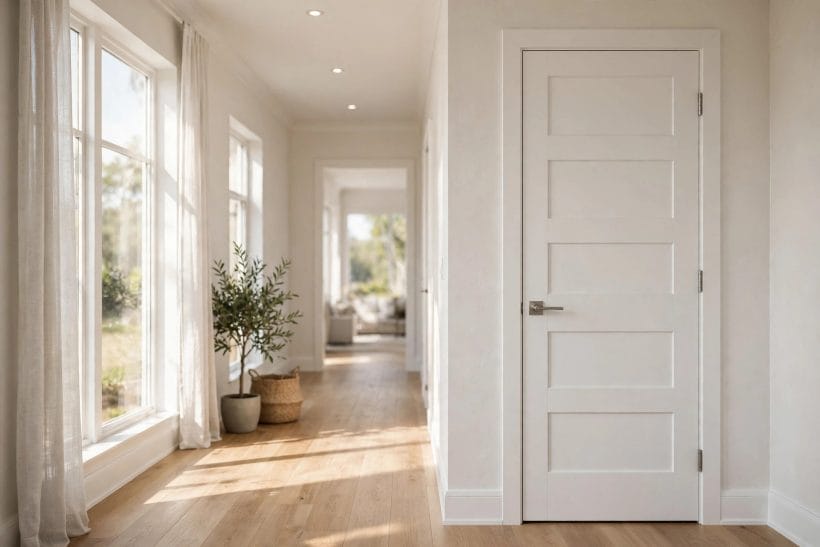
Fitting a door looks like hanging a plank and is actually an exercise in tolerances: a door must clear its frame by a hair everywhere, meet its latch without force, and swing without binding in summer or rattling in winter. The labour line buys that judgement, and understanding it tells you where the DIY line honestly falls.
Why fitting is skilled work
Every opening is slightly out of square and every door is trimmed to fit its own opening’s particular lies. The fitter planes, checks, planes again, cuts hinge recesses to the depth of a card and sets the latch so the door closes like a book. Rushed work is visible for the door’s whole life; good work is invisible, which is the point.
What a fitter’s visit covers
A visit usually prices by the door or by the day, with several plain interior doors the natural unit of a day’s work in sound frames. Single-door visits carry the journey and the setup in one door’s price — which is why the per-door cost of a whole houseful falls as the doors accumulate.
The honest DIY line
A confident carpenter-householder can hang a plain interior door in an existing frame and learn from the first one’s mistakes. Painting is the classic DIY contribution — the bold treatment in black interior doors is exactly the kind of finishing a householder can own. Exterior doors, sliding gear and anything structural belong to the fitter: the cost of a badly hung front door is paid in weather, security and temper, daily.
6. Before the New Door: Removal, Disposal and Preparation
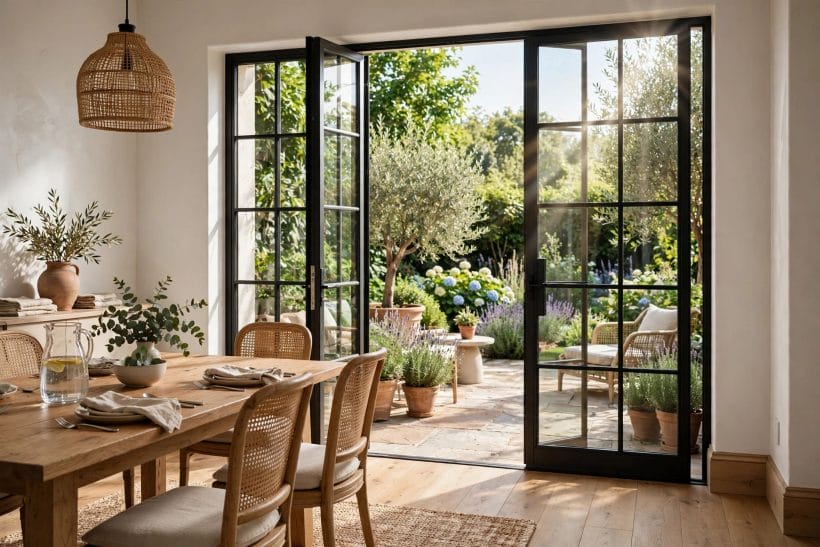
The new door’s bill begins before it arrives, in the unglamorous work of getting the old one out and the opening ready. These lines are small, real and forever being omitted from first quotes — which is why they appear in final ones as surprises.
Taking the old door away
Old doors are heavier than they look, awkward on stairs, and not welcome in most household waste streams. Fitters quote disposal or they do not; establish which before the door is leaning in your hall. Solid old doors sometimes earn their keep — a sound old leaf can be sold, reused in a garden structure or kept as the workshop’s bench top.
Repairs the new door will reveal
Frames hide rot at their feet, walls hide crumbled plaster behind architraves, and floors hide their true level under the old threshold. None of it is the fitter’s invention; all of it belongs in a contingency line, and a quote that mentions the possibility is more trustworthy than one that promises a clean run.
Protecting the house during the work
Door work makes dust exactly where the household walks. Agree the protection — sheets down, doors to other rooms closed, the plan for pets and children around an open doorway — before the first hinge is cut, and the job stays a pleasure to host.
7. The Calculator Method: From Tape Measure to Working Total
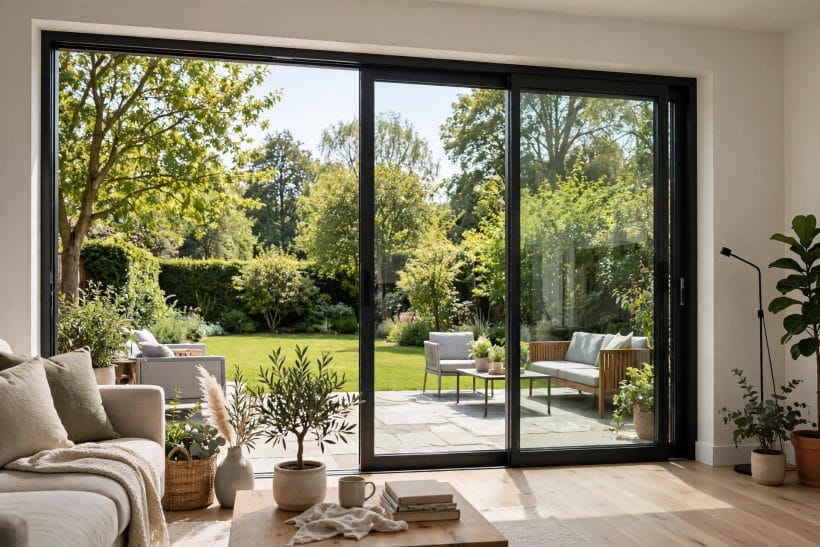
No calculator, honest or otherwise, can price your door from a photograph — but a method can, and it is the method the good quotes themselves are built from. Run it on an envelope before you collect quotes, and you will read every quote afterwards with new eyes.
Measure the opening honestly
Width at top, middle and bottom; height on both sides; the frame’s depth; the floor’s level and finish. Openings confess their irregularities to a tape measure, and the confession decides which cost family the job belongs to before any door is chosen.
Basket the door and its hardware together
Price the door with everything that touches it in one basket: leaf, hinges, handle, latch or lock, stops, seals, and frame parts where the frame is changing. A door priced alone is a fiction; the basket is the smallest honest unit of the supply line.
Price fitting per door, then the visit
Take a fitting figure per door for the family and opening you have, then adjust for the visit: several doors together dilute travel and setup; one door carries them whole. This single adjustment explains most of the spread between quotes for identical doors.
Carry the contingency line openly
Add a deliberate contingency for what the opening may reveal — frame feet, plaster, levels — sized by the house’s age and the frame’s visible condition. A contingency you choose is budgeting; a contingency you meet is a dispute.
A worked example, in words
Take a plain interior door, chosen at paint grade, with new hinges, handle and latch, hung into a sound existing frame as one of four doors in a single visit. The basket is modest because the door is; the fitting, diluted across four doors, is the smaller line fitters quote for the family; finishing is the householder’s own brush. Now change one fact — the same door alone in its visit, its frame rotted at the feet — and watch the total change its character: the visit’s costs land on one door, the frame line appears, and a job that looked cheap has become a building job. The method’s value is that you can see both versions before anyone visits.
Read the total back against the quotes
Your envelope total is not a target to beat the fitters with; it is a sense-check. Quotes far above it are carrying something you should ask about; quotes far below it are leaving something out, and the something is always a line from this guide.
8. What Pushes the Total Up — and What Brings It Down
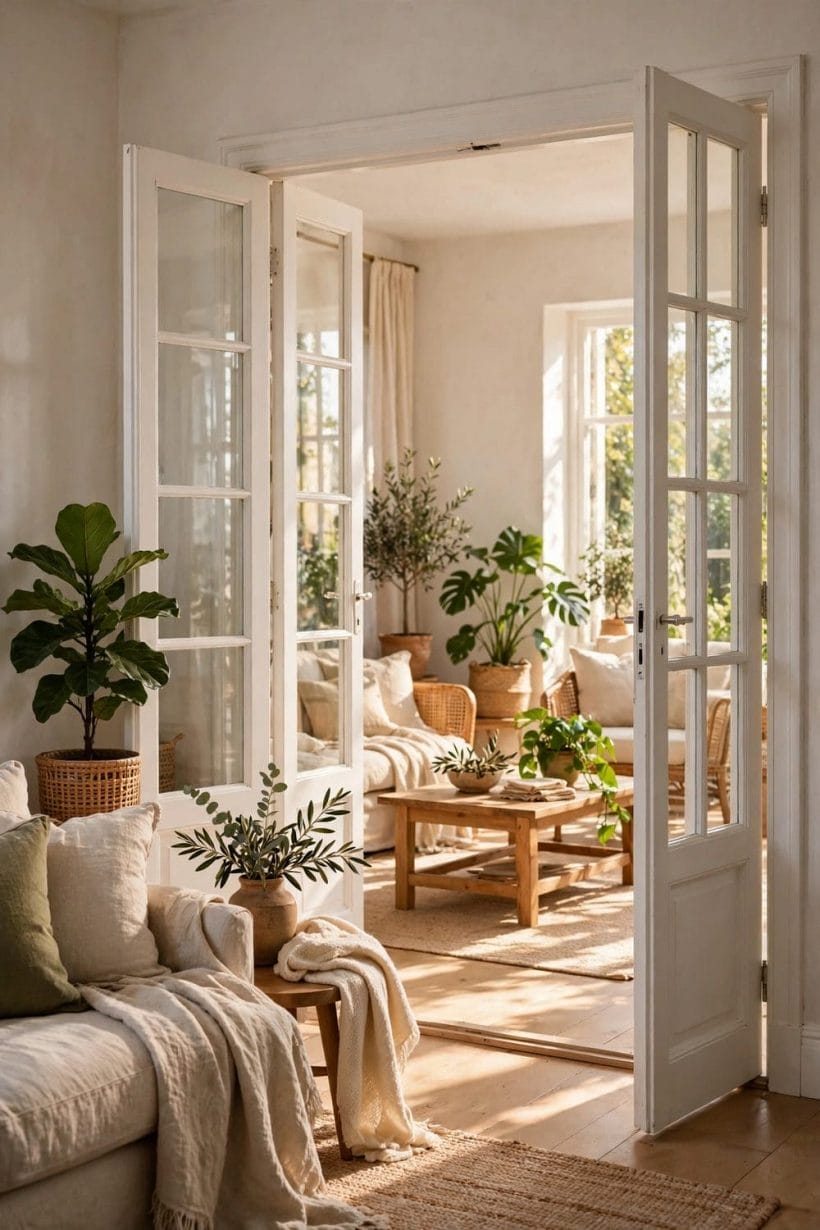
Two households can fit the same door into similar houses and pay honestly different totals. The difference is never luck; it is a short list of drivers, each knowable before the first quote is requested.
What pushes it up
Size and weight first: oversized, solid and glazed doors cost more to buy, more to handle and more to hang. Structural change next: any work to the opening itself. Then specification: fine finishes, quality hardware, sound and weather performance. Finally the one-door job, where a whole visit’s costs sit on a single leaf.
What brings it down
Standard sizes in sound existing frames are the great economiser, followed closely by doing several doors in one visit. Keeping the old hardware where it is sound, choosing paint-grade doors and painting them yourself, and timing the work with other carpentry already booked all pull the total down without pulling the quality after it.
The false economies
The cheapest leaf in the shop fitted by the cheapest quote is the dearest door most households ever buy: it binds, rattles, sheds its finish and is replaced inside its expected life. Economy in door work lives in the opening and the visit, never in the hinge.
9. Quotes Like for Like: Comparing Fitters and Suppliers
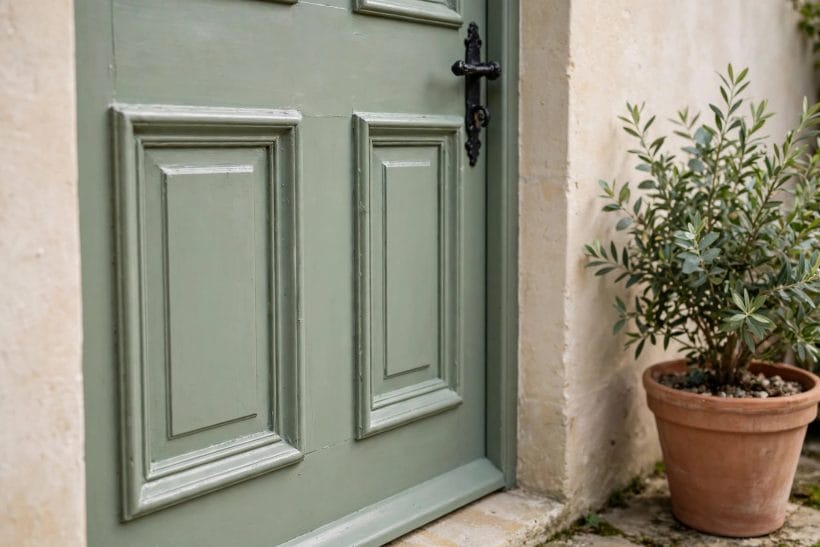
A door quote can only be judged against another quote for the same job — and jobs are the same only when their lines are the same. The last skill of the calculator method is clerical: make every quote answer the same questions, in writing, before any of them is accepted.
The same lines, in writing
Ask each fitter to price the lines separately: door and hardware supply (or labour only, if you supply), frame work, fitting per door, finishing, disposal. Written, itemised quotes are not bureaucracy; they are how you discover which fitter has understood your opening and which has merely seen your door.
What quotes leave out
The classic omissions: disposal of the old door, making good the plaster and paint, the threshold and floor edge, the second visit for finishing after painters. None is dishonest alone; together they are how the cheapest quote becomes the dearest job. Ask after each by name.
The cheapest-quote question
Put the lowest quote beside your envelope total and ask what line explains the gap. A fitter who can answer — sound frame, doors batched, hardware reused — has earned the job. A fitter who cannot has simply not priced it yet, and will, later, at your expense.
Keep the accepted quote with the house’s papers when the work is done. Door work is warranted, adjusted and occasionally revisited, and the itemised quote is the document that makes every later conversation short. It is also, years on, the best evidence of what the house’s doors are and what was done to them — the kind of record the next owner will thank you for.
10. Costs and Pulling It Together
Spend in the order the job fails without it: a sound opening and frame first, because no door out-performs a twisted frame; the door itself second, at the quality the household will touch daily; hardware third and properly, since hands judge it forever; finishing last but budgeted, because it is what the eye actually sees. Labour is not a line to squeeze — it is the line that makes every other line true.
Pull the whole job together by pricing it as this guide is built: name the family, judge the opening, basket the door with its hardware, price the visit, carry the contingency, and only then compare the quotes that answer in the same lines.
Final Considerations
A door is the hardest-working moving part in a house, opened and closed thousands of times by people who will never think about it unless it fails. Its installation cost, understood line by line, is simply the price of never having to think about it.
Measure honestly, basket completely, batch where you can, and let the fitter’s skill show in the only place it ever does — a door that closes like a book, every day, for decades.



0 Comments