

Floor colour sets the mood before any furniture arrives. Too dark and a small room shrinks; too pale and it can feel cold and unfinished.
Here are seventy-five shades and combinations to browse, from soft honey and calm white oak to deep walnut and near-black ebony, so you can find a direction that suits your light, your rooms and your nerve.
1. Honey and Golden Tones to Warm Up a Room
Golden floors are the friendly starting point for most homes. When people first compare hardwood floor colors, honey is often the shade they picture: warm, forgiving, and happy beside white walls, coloured cabinets or simple, calm schemes like those in Zen interior design ideas for tiny houses. Always view samples in your own light, morning and evening, before deciding.
| Family | Ideas | Feels Like | Best With |
|---|---|---|---|
| Honey and gold | 1–8 | Warm and welcoming | White walls, small rooms |
| Natural and pale oak | 9–16 | Light and airy | Scandi and minimal schemes |
| White oak variations | 17–24 | Calm and modern | Grey, sage and soft neutrals |
| Greys and weathered tones | 25–32 | Soft and relaxed | Coastal and casual rooms |
| Mid browns | 33–40 | Balanced and classic | Almost everything |
| Walnut tones | 41–48 | Rich and elegant | Cream, brass and leather |
| Red and cherry tones | 49–56 | Traditional and cosy | Classic furniture |
| Dark and ebony tones | 57–64 | Dramatic and smart | Light walls and rugs |
| Two-tone and patterned | 65–71 | Playful and personal | Hallways and feature rooms |
| Finishes and effects | 72–75 | The final character | Any colour above |
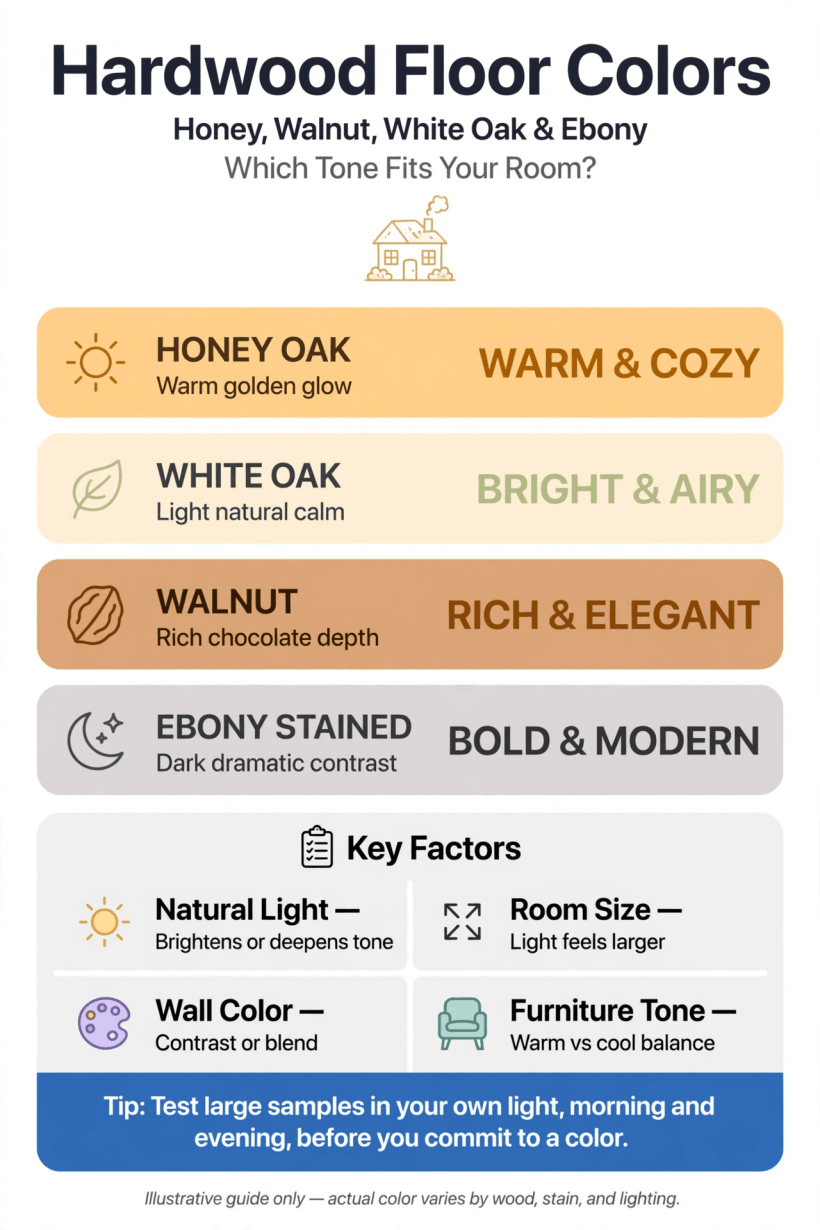
At a glance: ten colour families, from honey through white oak to ebony, with the rooms and schemes each family suits best.
1. Classic honey. A clear mid-gold that flatters most rooms, hides everyday dust kindly, and pairs with white, cream or sage walls without arguing with any of them.
2. Light honey. A paler golden wash that keeps small rooms feeling open while still giving the warmth that very pale floors sometimes lack on dull days.
3. Amber honey. Slightly deeper and more orange in tone, lovely in north-facing rooms where cooler daylight needs warming up with colour from below.
4. Golden oak. A cheerful, traditional gold with visible grain, at home in family kitchens and hallways that need a welcoming, lived-in feel.
5. Spiced honey. Honey with a hint of cinnamon warmth, rich enough for dining rooms yet still light enough for everyday family spaces.
6. Wheat gold. A softer, straw-like gold that sits quietly under colourful rugs and patterned textiles without competing for attention.
7. Honey with a matte finish. The same warmth without shine, which feels more modern and shows fewer reflections from windows and lamps.
8. Wide-plank honey. Broader boards in a honey tone make a room feel calmer and larger, because there are fewer join lines for the eye to count.
2. Natural and Pale Oak for Light, Airy Rooms
Pale floors bounce light around and make compact spaces feel generous, a trick that works as well here as it does in tiny house and small-space interior design guide projects. Keep some contrast in furniture or textiles so the room does not float away.
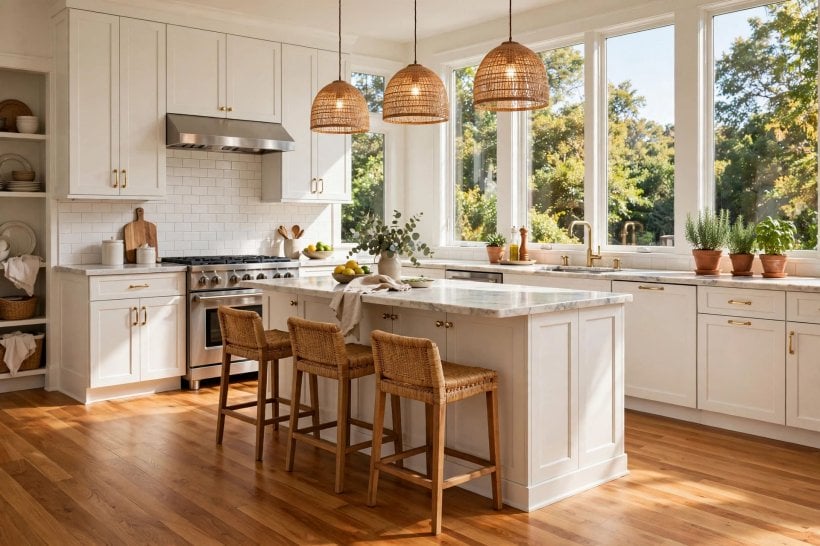
9. Natural raw oak. Looks almost unfinished, with gentle beige tones that let the grain speak and suit calm, uncluttered rooms beautifully.
10. Scandinavian pale. Very light and slightly cool, made for white walls, pale textiles and simple furniture with clean, honest lines.
11. Blonde oak. A sunny, yellow-leaning pale that cheers up hallways and keeps entrance spaces feeling bright all year round.
12. Sand-washed oak. Pale with a soft, beachy softness, lovely in bedrooms where you want mornings to feel gentle.
13. Barely-there white stain. A whisper of white over oak that lightens the boards while the grain still shows through underneath.
14. Pale oak, wide plank. Fewer lines, more calm; wide pale boards make small living rooms feel noticeably more spacious.
15. Natural oak with white walls. The classic bright pairing, warmed up easily with wood furniture, woven textures and one or two plants.
16. Pale floor, dark furniture. Contrast does the styling here: light boards below, deeper furniture above, and the room feels designed rather than decorated.
3. White Oak Variations for a Calm Modern Base
White oak is loved for its straighter grain and its ability to take stains evenly, which is why it appears in so many calm, modern homes and in A-frame tiny house interior ideas. These variations run from barely tinted to softly smoked.
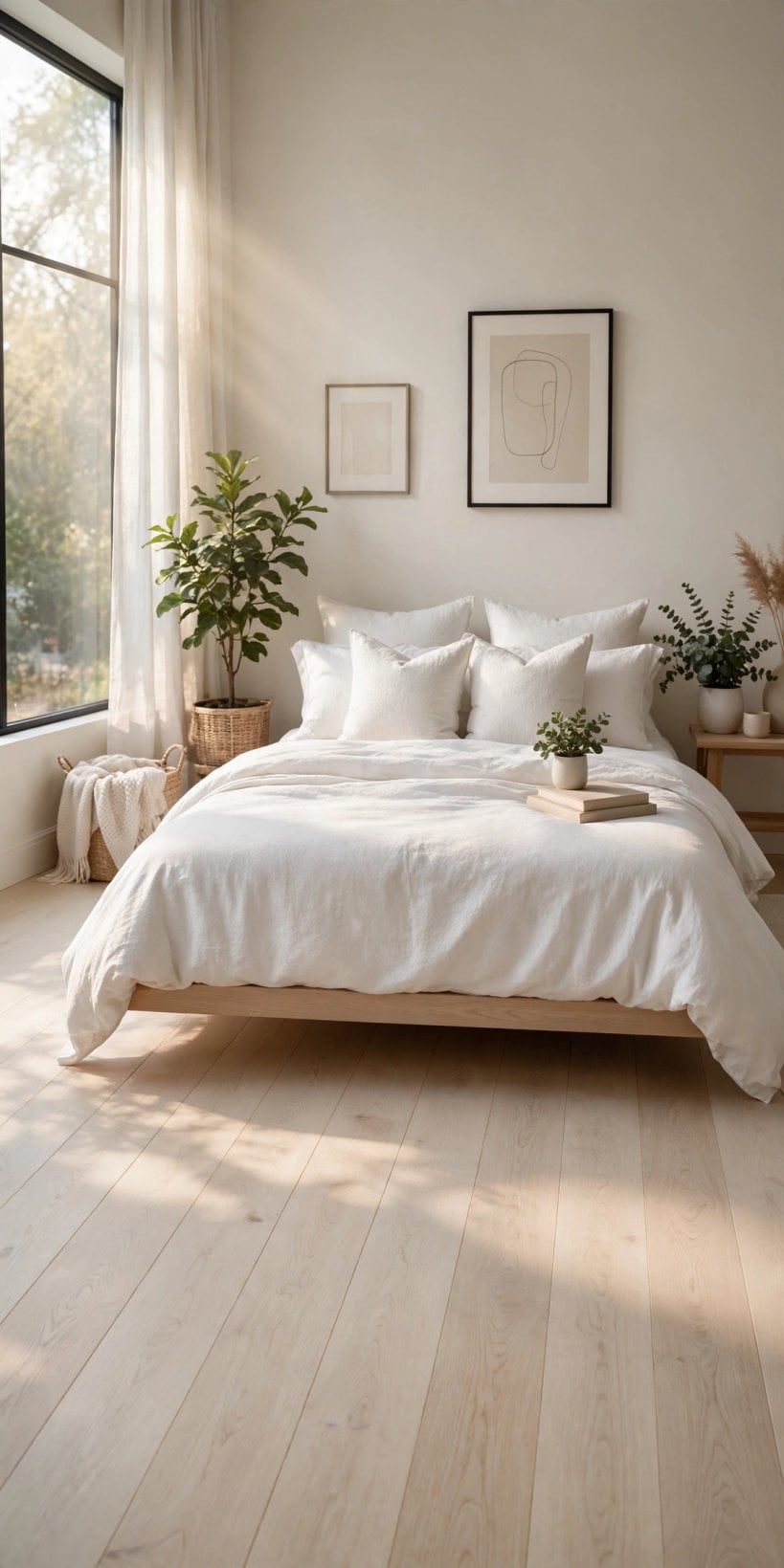
17. Clear white oak. Natural and neutral with a hint of warmth, an easy background for changing fashions in furniture and art.
18. White oak with whitewash. A milky veil that softens the grain and gives coastal and country rooms a relaxed, sunlit feel.
19. Greige white oak. Half grey, half beige, and famously easy to live with beside both warm and cool colour schemes.
20. Smoked white oak. Lightly darkened for depth while staying modern, good in living rooms that need grounding without going dark.
21. White oak, rift-sawn look. Straight, linear grain that feels tailored and quiet, suiting hallways and open-plan spaces especially well.
22. Honeyed white oak. A touch of gold over white oak bridges traditional warmth and modern calm in one floor.
23. White oak with grey walls. A soft, layered neutral scheme that stays interesting through texture: wool, linen, stone and wood together.
24. White oak in a herringbone lay. The pattern adds movement and formality while the pale colour keeps it light and current.
4. Greys and Weathered Tones for a Relaxed Feel
Grey and weathered floors feel casual and forgiving, hiding dust and pet hair kindly between cleans. They pair naturally with the easy, practical thinking in tiny house landscaping ideas, where outdoor and indoor textures meet at the door.
25. Driftwood grey. Washed and silvery, like wood softened by weather, beautiful in coastal and light-filled rooms.
26. Warm grey. Grey softened with beige so it never feels cold, a safe bridge between old and new furniture.
27. Stone grey. A mid, mineral grey that grounds white kitchens and gives black fittings something to echo.
28. Weathered barn tone. Varied grey-brown boards with a reclaimed character, forgiving of boots, dogs and busy family life.
29. Silvered oak. Pale grey with a slight sheen of silver in the grain, elegant in bedrooms and dressing areas.
30. Grey-brown blend. Boards that shift between grey and brown in different lights, ending many a household colour argument happily.
31. Charcoal-washed mid oak. A light charcoal veil over mid oak, modern without the commitment of a truly dark floor.
32. Grey floor, warm textiles. Keep grey boards and add rust, mustard or terracotta in rugs and cushions for balance and warmth.
5. Mid Browns: The Balanced, Classic Middle
Mid browns are the peacemakers of flooring: dark enough to feel grounded, light enough to stay friendly, and adaptable to almost any scheme, much like the flexible layouts in tiny house kitchen and small-space design ideas.
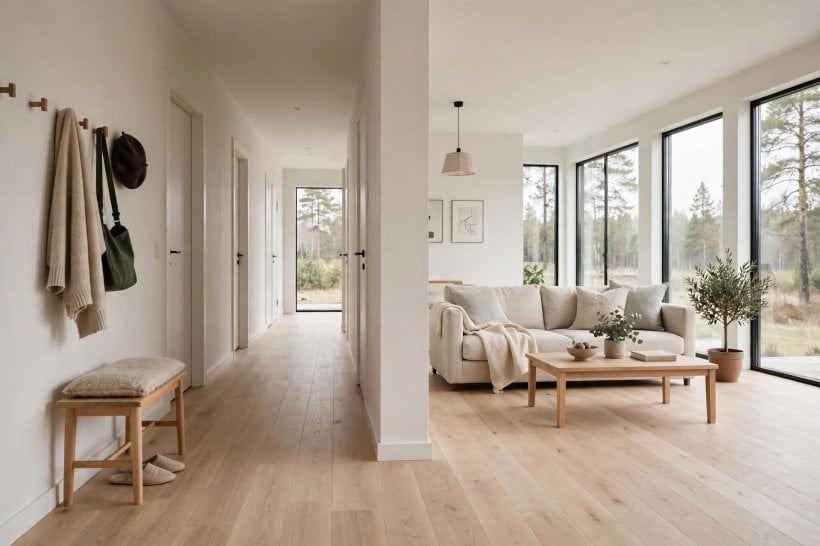
33. Classic mid oak. The dependable all-rounder for hallways, living rooms and bedrooms across almost any style of home.
34. Chestnut mid brown. Warm and slightly reddish, cosy in dining rooms and lovely by lamplight in the evening.
35. Toffee brown. Sweet and glossy in tone, pairing well with cream walls and brass or copper details.
36. Mid brown, narrow plank. More lines and more traditional rhythm, suiting older houses and cottage-style rooms particularly well.
37. Provincial mid stain. A mellow, furniture-like brown that makes new floors feel settled and established from day one.
38. Mid brown with black accents. Black frames, handles or lamps give mid brown a sharper, more contemporary edge instantly.
39. Cocoa-leaning mid brown. A step toward chocolate without going dark, rich in living rooms with pale sofas for contrast.
40. Mid brown throughout. Running one mid tone through every room makes a small home feel larger, calmer and more connected.
6. Walnut Tones for Richness and Elegance
Walnut brings natural richness: chocolate depths, flowing grain and a sense of occasion. A little goes a long way in small spaces, where it can anchor a scheme the way good storage anchors the rooms in tiny house closet design ideas.
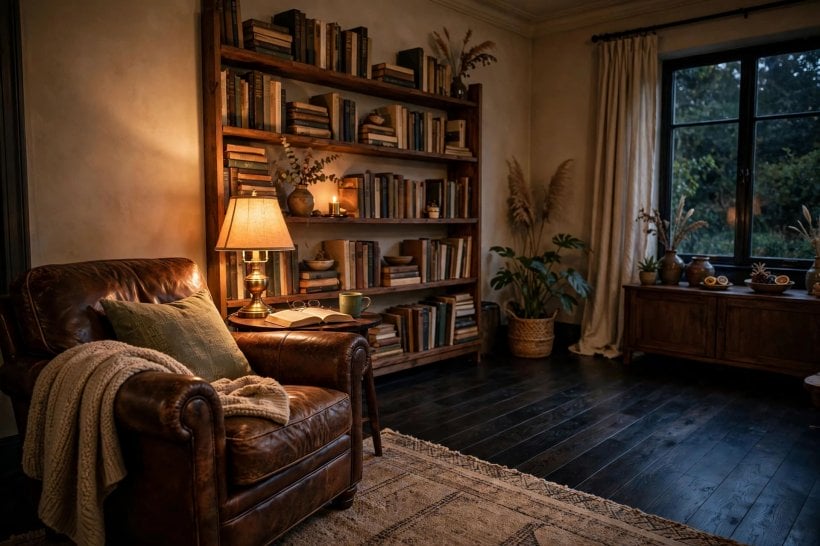
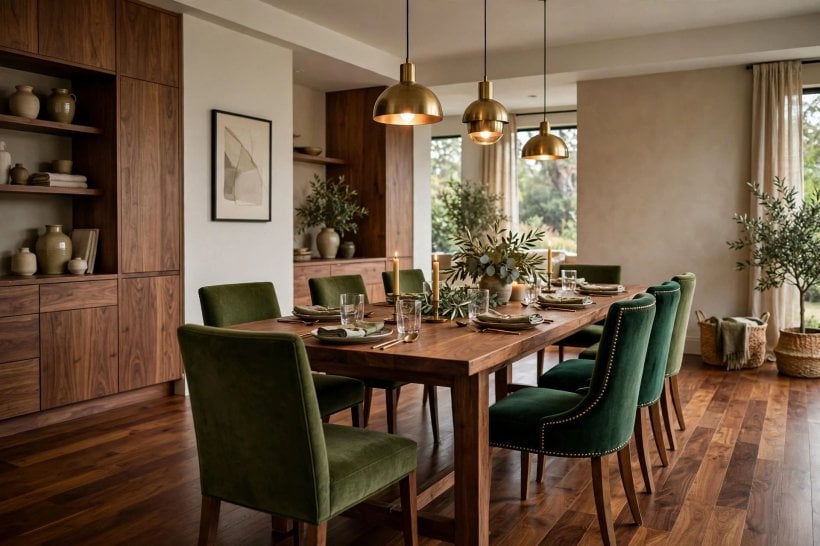
41. Natural walnut. Unstained depth with grain that shifts from caramel to dark chocolate across each board beautifully.
42. Light walnut. The paler end of walnut, giving richness without heaviness in bedrooms and smaller living rooms.
43. Dark walnut. Deep and formal, stunning with cream walls, pale rugs and warm metal details for contrast.
44. Walnut with cream walls. A timeless, gentle contrast that feels elegant in both traditional and modern rooms alike.
45. Walnut in the hallway. A rich welcome that hides scuffs kindly and makes artwork and mirrors look more expensive.
46. Walnut and leather. Leather seating over walnut boards is a classic pairing full of texture and warmth.
47. Walnut, wide plank. Broad boards show off walnut grain at its best and feel calm and luxurious underfoot.
48. Walnut with pale rug. A light rug in the centre keeps a dark walnut floor from overwhelming a modest room.
7. Red and Cherry Tones for Traditional Cosiness
Red-leaning floors are unfashionable in some circles and beloved in others, and they deserve a fair hearing: they are warm, characterful and wonderful with classic furniture, antiques and the kind of settled comfort celebrated in tiny house kitchen design ideas to borrow.
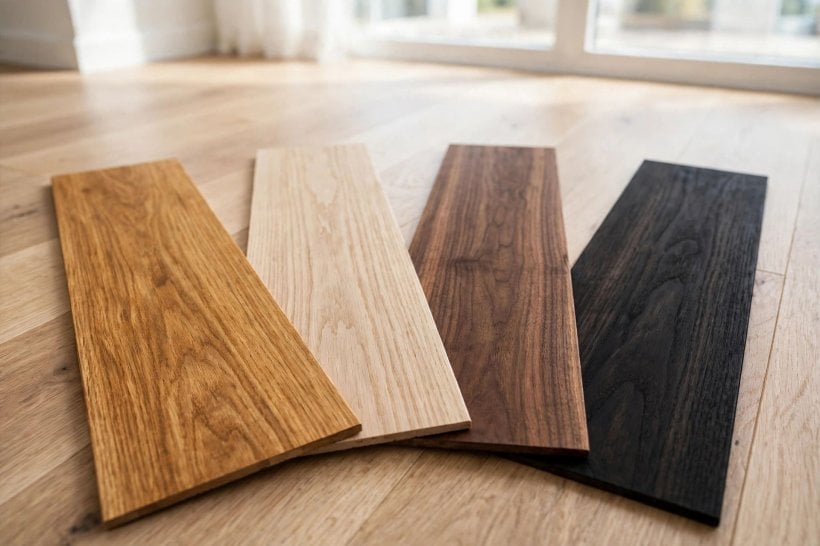
49. American cherry tone. A warm reddish brown that deepens gently with light over time, full of traditional character.
50. Brazilian cherry tone. Deeper and redder, dramatic in dining rooms and studies with classic furniture and books.
51. Mahogany tone. Rich red-brown formality that suits period rooms, panelling and inherited wooden furniture beautifully.
52. Cinnamon red-brown. A spiced middle ground, less red than cherry, easier with modern sofas and simple lines.
53. Red oak natural. Pinkish warmth under a clear finish, bright and friendly in family rooms and hallways.
54. Red tones with green walls. Deep green and warm red-brown are natural partners, cosy in libraries, snugs and dining rooms.
55. Red tones with cream textiles. Cream softens red floors and keeps traditional rooms from feeling heavy or dark.
56. Aged cherry look. Slightly muted and mellow, as if the floor has been loved for decades already.
8. Dark Browns and Ebony for Drama
Dark floors are a commitment and a joy: they make light walls glow, pale furniture float, and rooms feel instantly more deliberate. In compact homes, follow the small-space discipline of the how to build your own tiny house guide and balance them with light above.
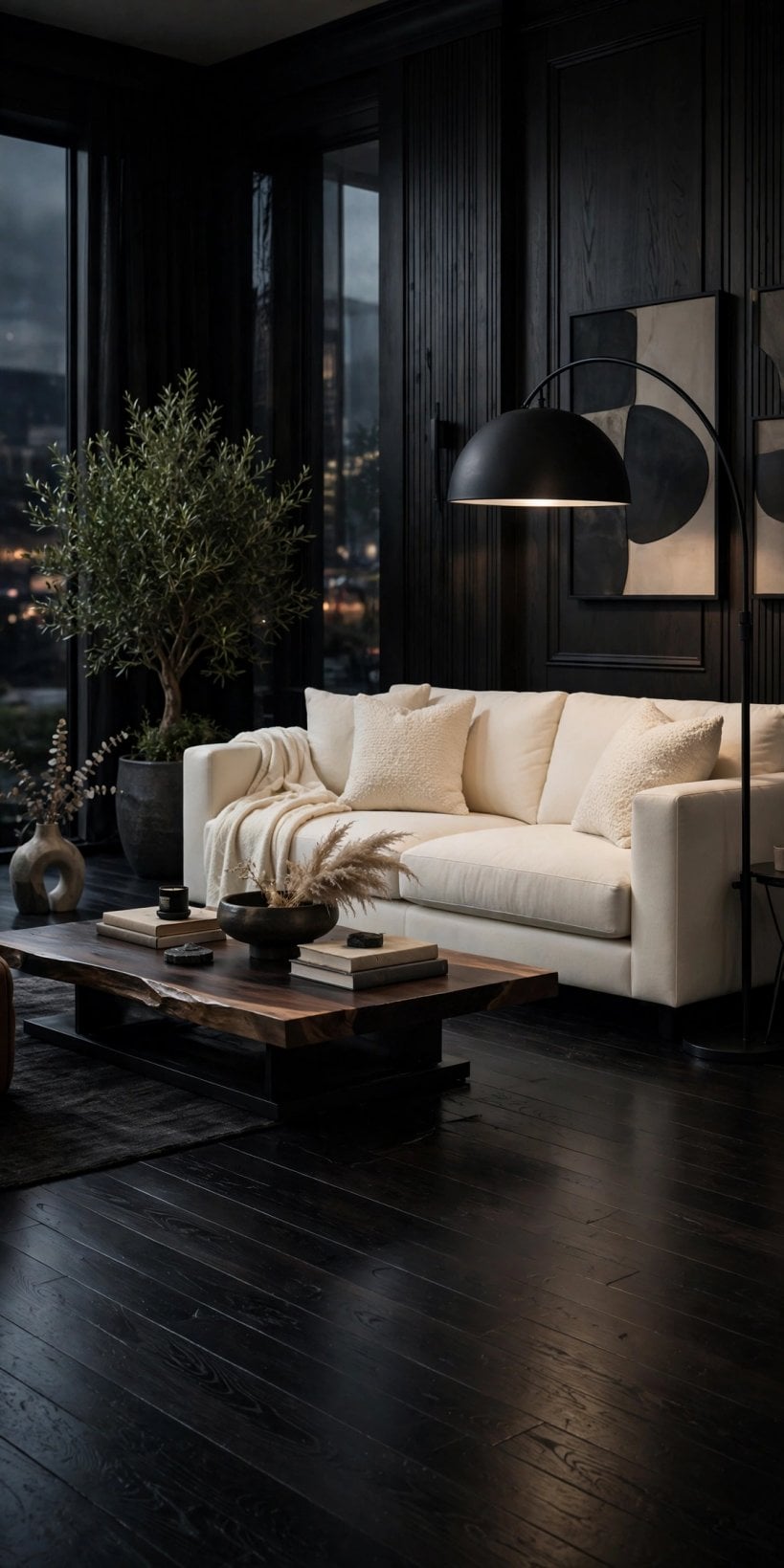
57. Espresso brown. Very dark brown, almost black in low light, smart with white walls and pale upholstery.
58. Ebony stain. Near-black boards for maximum drama in hallways and living rooms with good natural light.
59. Jacobean dark stain. A classic deep brown with warmth in it, traditional and forgiving in busy homes.
60. Dark floor, light walls. The high-contrast scheme that makes small rooms feel taller, sharper and more designed.
61. Dark floor, pale ceiling beams. Keep the top of the room light and the dark floor feels grounded rather than heavy.
62. Ebony in a small room. Counter-intuitive but effective: one dark floor with pale everything else can feel cocooning, not cramped.
63. Dark stained oak, matte. Matte darkness feels modern and soft, and shows fewer reflections and scuffs than gloss.
64. Dark floor with layered rugs. Rugs add light, pattern and softness while protecting high-traffic paths across dark boards.
9. Two-Tone, Borders and Patterned Lay Ideas
Colour is only half the story; how boards are laid changes how their colour reads. Pattern and contrast can make a plain colour feel bespoke, and a brave colour feel calmer, depending on the rhythm you choose.
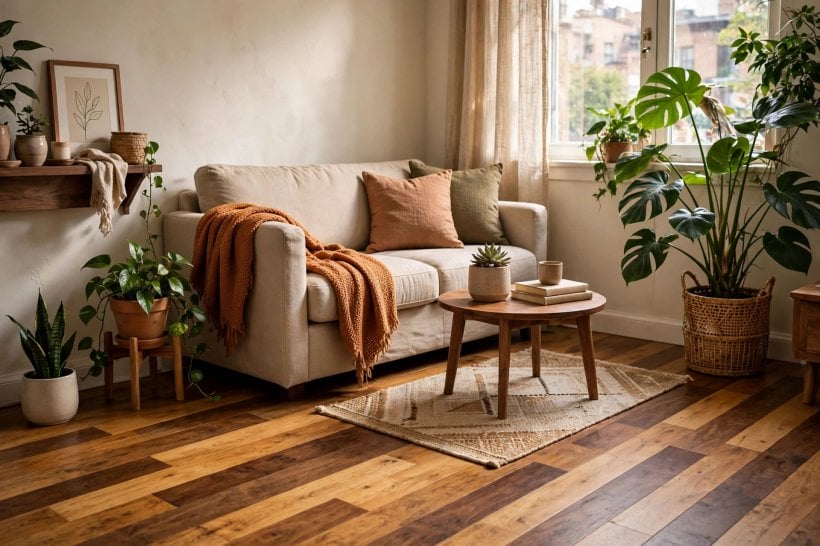
65. Herringbone in mid oak. A classic pattern that adds formality and movement while the mid colour stays versatile.
66. Chevron in pale oak. Sharper and more modern than herringbone, lovely in hallways that need a sense of direction.
67. Dark border, mid centre. A darker edge frames a room like a picture mount and makes furniture groupings feel intentional.
68. Light border, dark centre. The reverse framing, dramatic in dining rooms where a table sits inside the border.
69. Mixed-width planks. Varying widths in one colour family feel relaxed, rural and forgiving of everyday wear.
70. Two-tone alternating boards. Alternating light and mid boards create gentle rhythm; test a large sample area before committing.
71. Stair and floor colour match. Matching stair treads to the floor colour ties levels together and makes hallways feel considered.
10. Finishes and Effects That Change Everything
The same colour can look like three different floors depending on finish, light and what sits on it. These final four ideas are about testing honestly and finishing wisely, whatever family above you fell for.
72. Matte versus satin. Matte feels modern and hides marks; satin adds gentle shine and can brighten darker rooms slightly.
73. Test in your own light. Tape large samples down for several days, watch them morning and night, and move furniture across them before deciding.
74. One floor, whole home. A single colour throughout maximises flow and space; vary the mood with rugs, paint and textiles instead.
75. Choose for the next decade. Floors outlast trends and sofas alike, so pick the colour you will love on an ordinary Tuesday, not just in a photograph.
Final Considerations
There is no single best colour here, only the best colour for your light, your rooms and the way you live. Honey warms, white oak calms, walnut enriches and ebony dramatises, and every family in between offers a workable, beautiful middle. Sample generously, live with the samples, and trust what you see in your own home at different times of day.
Finally, think about care before you commit. Paler floors show crumbs, darker floors show dust, and every floor shows something, so choose the kind of upkeep you will mind least. Ask your supplier how your chosen colour and finish should be cleaned and refreshed, keep felt pads under furniture, and your floor should reward you with years of quiet, good-looking service.

0 Comments