

A child’s room is asked to be four rooms at once, and to change its mind about all of them every few years. No other room in the house works so hard for so small a person.
These kids’ room ideas build that room honestly: beds that grow, storage a child can operate alone, and territories that survive siblings, down to the keeping that hands it on kindly.
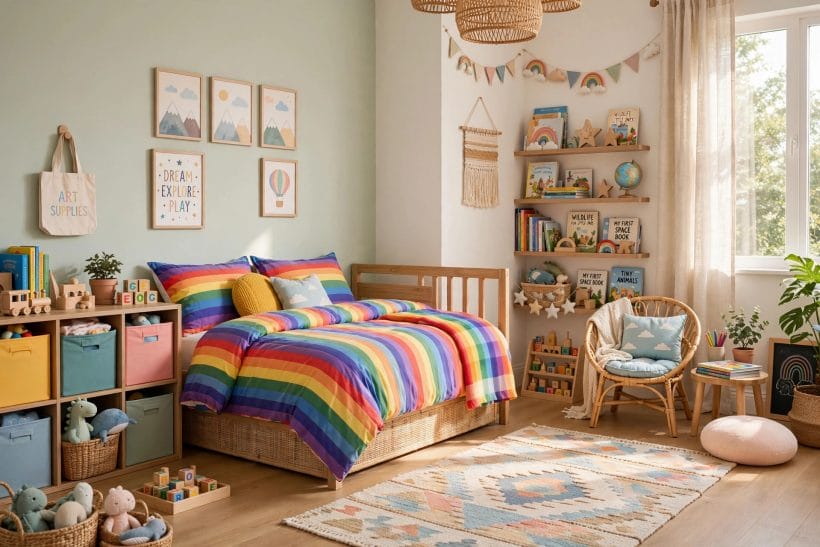
1. Kids’ Room Ideas at a Glance
The central entity is the child’s room: a bedroom that is also a playroom, a first study and a store, designed around one growing occupant. Its attributes are its zones (sleep, play and work in one set of walls), its bed (low, bunked, lofted or trundled, and growing with the child), its storage (open, low, labelled and operable by the child alone), its colour and light (calm in the permanent layer, changeable in the dress), and its keeping: a reset measured in minutes and a seasonal sort done with its owner. The keyword kids room names the guide in this post’s prose where it carries weight; the entity itself, the child’s room, carries the rest.
| Question | Short answer |
|---|---|
| What is a kids’ room’s hardest job? | Growing: the room must serve a toddler, a schoolchild and nearly a teenager in turn, ideally by promotion and rearrangement rather than replacement. |
| What storage actually works for children? | Open, low and categorised, with pictures for pre-readers. If a child cannot operate it alone, it is storage for adults stored in a child’s room. |
| Where should money go first? | A bed that grows or converts, storage the child can reach, and a washable floor layer. Themes and decoration come last and change cheapest. |
| What keeps siblings sharing in peace? | Territories: a bed, shelf and patch of wall that are each child’s alone, big things matched fairly, small things personalised freely. |
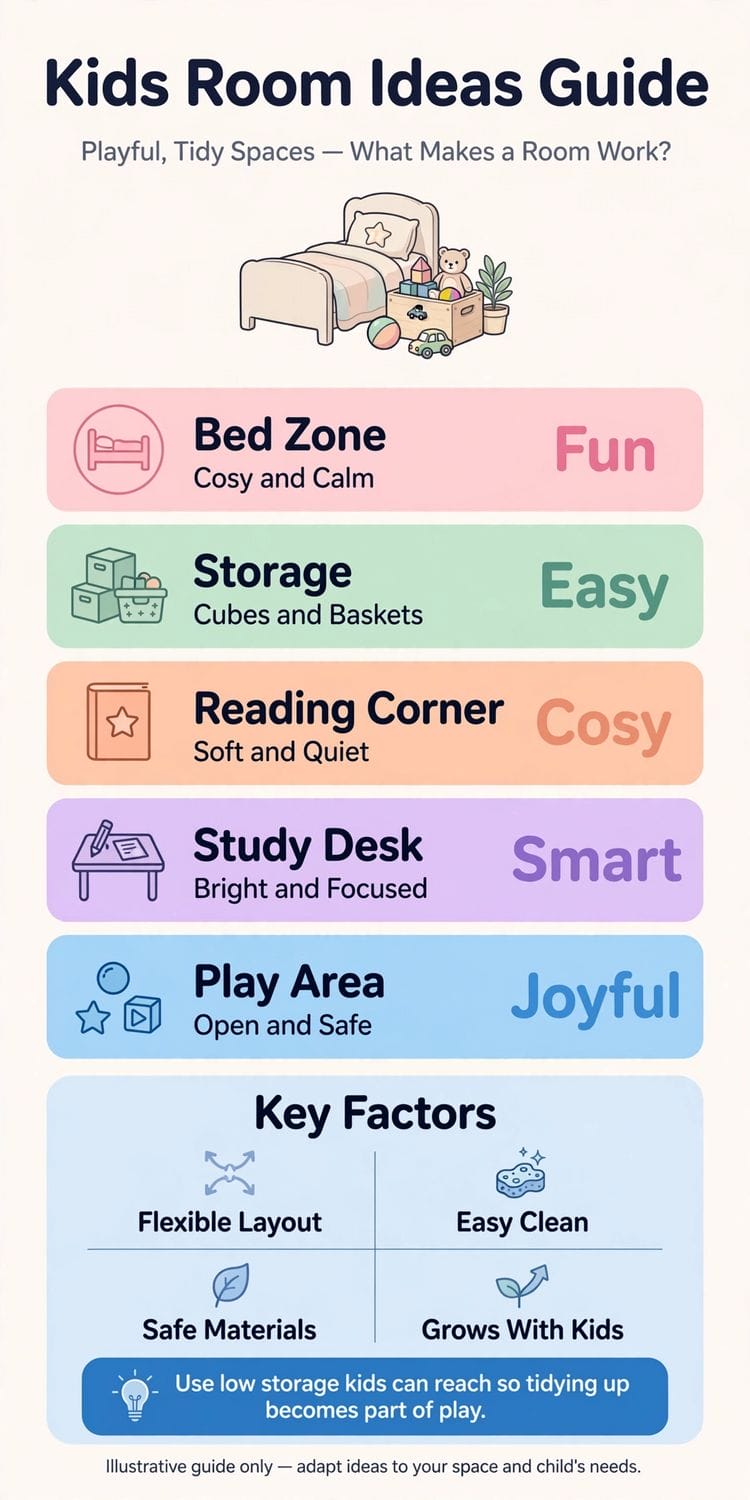
2. The Room Itself: Sleep, Play, Work and Growing, in One Room
A child’s room is the hardest-working room in the house: bedroom, playroom, schoolroom and store, asked to reinvent itself every few years as its occupant grows. Its parent room is surveyed in the bedroom ideas pillar, and the room its play spills into on wet afternoons is zoned in family room ideas; this post stays with the child’s version only, on the room that must sleep, play, work and grow in one set of walls.
1. Start With the Child Who Actually Lives There
Age, habits, fears and current passions are the brief. A room designed for a generic child fits nobody; a room designed around one child’s real days, read generously, will also adapt as those days change.
2. Zone the Room Into Sleep, Play and Work
Even a small room can hold three territories: the bed’s quiet corner, a play ground with room to build, and a surface for drawing and homework.
3. Let the Floor Be the Room’s Largest Toy
Children play on floors more than on any furniture.
4. Plan for Growth From the First Drawing
The cot becomes a bed, the toy corner becomes a desk, the picture books become school books. Choose furniture and layouts that can be promoted through those changes rather than replaced at each one.
5. Keep the Room’s Centre Clear as a Matter of Law
Beds against walls, storage along edges, the middle open: the centre is where childhood physically happens. A child’s room arranged like a showroom, charming and unusable, has failed its only examination.
6. Give the Room a Door That Closes on Calm
At day’s end the room should settle: toys in their places, the bed ready, the light warm.
7. Let the Child Choose Something Real
One colour, one poster, the arrangement of a shelf: a genuine choice, honoured by the adults, makes the room the child’s in fact. Ownership, even partial, is what turns tidying from obedience into care.
8. Think in Heights the Child Can Reach
Hooks, shelves and rails at child height are not cuteness; they are independence. What a child can reach, a child can use, hang, shelve and, eventually, put away without an adult’s ladder of help.
9. Keep the Room’s Bones Neutral and Its Dress Changeable
Walls, floor and the big furniture in calm, durable finishes; the child’s current era expressed in bedding, art and cushions that can change in an afternoon. Growth then costs a Saturday, not a renovation.
10. Borrow the Tiny-House Discipline of a Place for Everything
Small-space households learn that order comes from assigned homes, not from space. The same discipline, a place for every category of a child’s possessions, is the whole secret of a room that stays usable.
11. Let the Room Hold the Household’s Overflow Never
A child’s room that stores the parents’ clutter teaches its owner that the room is not really theirs. Guard its territory kindly and completely, and its owner’s care for it will follow.
3. Beds: Bunks, Lofts, Trundles and Frames That Grow
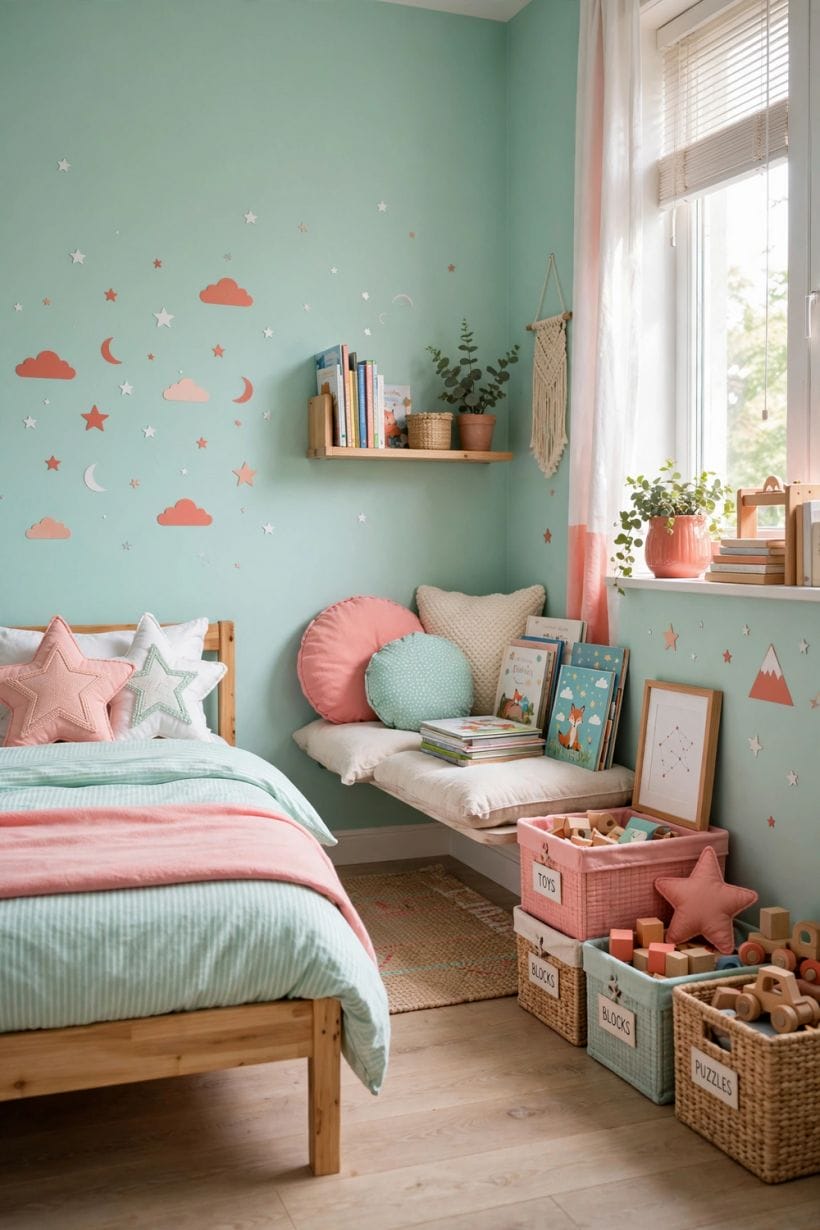
The bed is the room’s largest citizen, and the small-room end of its thinking is worked through in small bedroom ideas. This section keeps to children’s beds: the forms that save ground, the frames that grow, and the corners that make sleep a place a child wants to go.
12. Choose a Low First Bed a Child Can Own
A low bed a small child can climb into, out of and make alone is independence furniture. Its making, badly, is also a child’s first housekeeping, and low beds are where that pride begins.
13. Use a Trundle for the Sleepover Without Stealing the Room
A drawer bed beneath the main bed hosts friends and cousins without a permanent second bed eating the play floor. Wheeled honestly and stored with its bedding, it is hospitality in a drawer.
14. Let Bunks Serve Siblings and Small Rooms, Carefully
Bunk beds double a room’s sleeping on one footprint and are loved by their occupants with a rare passion.
15. Raise a Loft Bed Over a Desk or a Den
For the older child, a loft frees the ground beneath for study or a curtained den.
16. Build a Reading Corner Into the Bed Itself
A small light at the pillow, a shelf for the current book and a cushion to lean on turn bedtime reading from a negotiation into a ritual.
17. Keep Bedding Washable, Spare and Simple
Childhood’s nights include every fluid and fever. Two full sets of plain, washable bedding, swapped without ceremony, serve better than one beautiful set guarded anxiously by everyone.
18. Let a Growing Frame Extend Rather Than Replace
Beds that lengthen, convert or accept a bigger mattress stretch the furniture budget across childhood.
19. Make the Under-Bed a Store With Rules
Drawers or boxes on wheels under the bed hold a category, trains, dolls, the dressing-up box, that can be pulled out and cleared away whole.
20. Give the Bed a Sense of Shelter
A curtain, a canopy’s suggestion, a headboard that wraps slightly: children sleep better in beds that feel held.
21. Keep the Route to the Bed Clear in the Dark
Night brings small journeys. A room whose path from bed to door stays clear, with a low warm light to guide it, is a room designed by someone who remembers being six.
22. Let Siblings’ Beds Have Equal Honour
In a shared room, beds of equal comfort and equal claim end the daily diplomacy of whose is better. Match what can be matched, and let personality differ in bedding rather than in quality.
4. Storage: Toys, Books, Clothes and the Floor Again
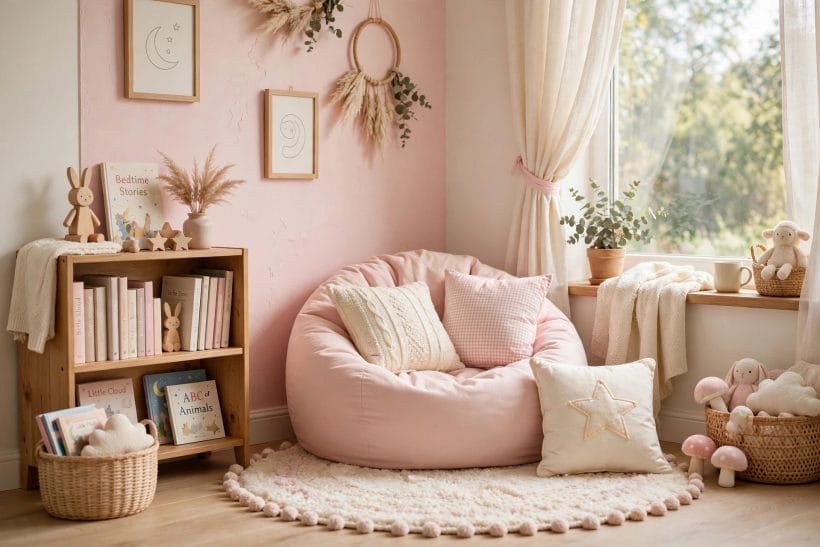
Storage is the kids’ room’s permanent negotiation, and the tiny-house version of its discipline is toured in tiny house bedroom ideas. This section keeps to the child’s store: open, low, labelled and honest about how children actually tidy, which is by category and at speed.
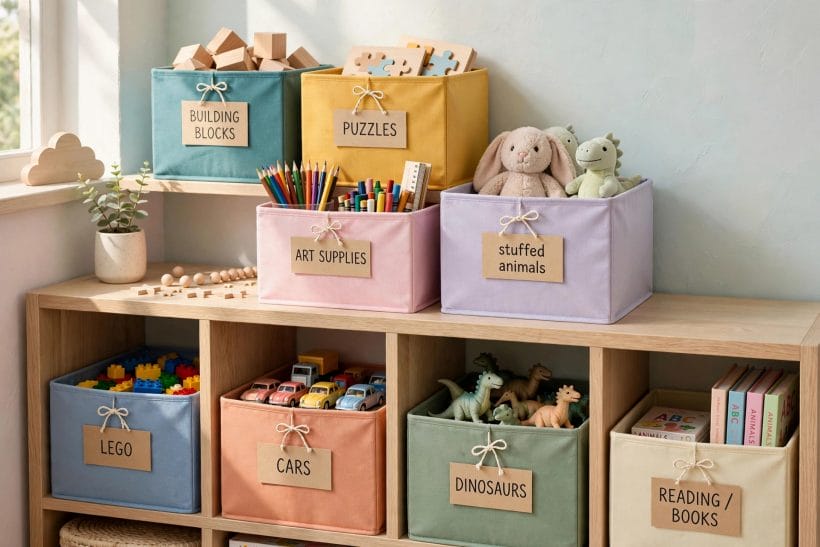
23. Store Toys Open, Low and in Categories
Open boxes and shelves at child height, one category to a container, are the storage a child can actually operate.
24. Let the Library Live at Reading Height
Books face-out on a shallow shelf or in a low rack are chosen by their covers, which is how children truly choose. A child’s library should be a shop window, not a filing cabinet.
25. Give Clothes a Rail the Child Can Reach
A low rail and a few drawers a child can open alone turn dressing from a service into a skill. Keep the week’s clothes in reach and the outgrown and out-of-season honestly elsewhere.
26. Use Pictures Where Words Cannot Yet Go
A label with a drawing of the box’s contents lets the pre-reader shelve correctly and proudly. It is the smallest possible investment in the largest possible return: a child who can tidy alone.
27. Keep a Rotating Store Outside the Room
A box in a cupboard elsewhere, swapped with the room’s toys in season, keeps the room’s stock fresh and its floor possible. Rotation is how small rooms hold large childhoods without drowning in them.
28. Make One Shelf the Proud Shelf
Finished models, the current masterpiece, the collected stones: one shelf where things are displayed rather than stored honours a child’s work. Rooms that display nothing teach their owners that nothing they make is kept.
29. Give Art Supplies a Box That Travels
Pens, paper and the makings live in one handled box or caddy that goes to the table and returns whole. Scattered creativity is charming for a day and a standing grievance by the month.
30. Plan the School Bag’s Landing Place
A hook and a floor spot by the door for the bag, the shoes and the coat end the morning excavation of the whole room.
31. Let Storage Furniture Double as Play Furniture
A bench that stores, a table with drawers, steps that are also boxes: in a small child’s room every piece should hold two jobs. Furniture that only stands there is ground the childhood cannot use.
32. Audit the Store With the Child, Kindly and Regularly
Outgrown toys and clothes leave in a rhythm the child shares in, choosing what passes to cousins, charity or the memory box.
33. Keep One Memory Box, Bounded and Honoured
The first shoes, the unbeatable drawing, the tiny jersey: one box, of a fixed size, kept with honour. Bounded memory is how a child’s room can grow forward without erasing where it has been.
5. Colour, Walls and Light a Child Can Live With
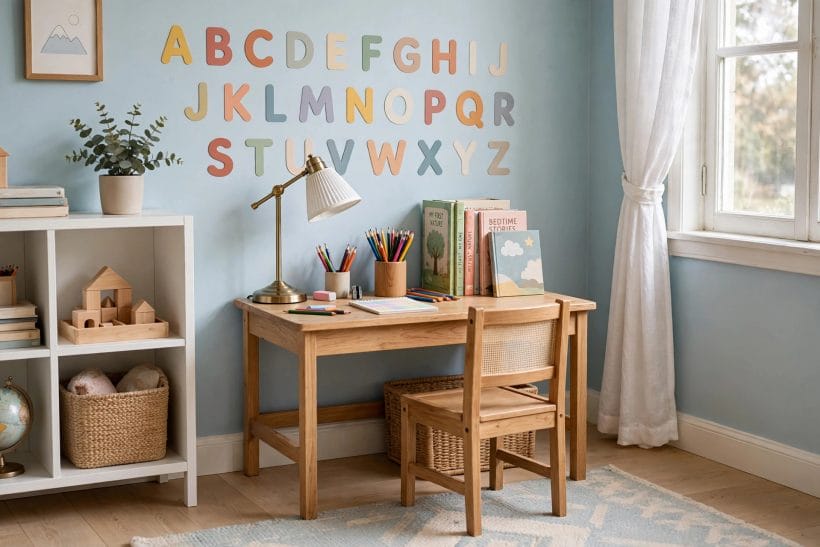
A child’s room should be the calmest riot in the house: colour and character in the changeable layer, peace in the permanent one. The decoration of small bedrooms generally is explored in small bedroom interior design ideas for tiny houses; this section keeps to the child’s walls, colour and light.
34. Keep Walls Calm and Let Bedding Carry the Era
The dinosaur year, the space year, the football years: bedding, cushions and art can change with each, over walls painted once in a soft, light, sleep-friendly colour. The room grows by laundry rather than by redecoration.
35. Give One Wall to the Child’s Own Gallery
A rail, a line with pegs, or a painted panel where the child’s own work is displayed and rotated is the room’s best art programme.
36. Use Colour Low, Where the Child Lives
Strong colour at skirting, on a chair, in a rug: at the height where a small person actually lives. Colour spread evenly over every wall shouts at a volume adults choose and children must sleep inside.
37. Choose a Floor That Forgives Paint, Play Dough and Life
Washable, warm underfoot and unprecious about its history, the floor is childhood’s canvas and road network. A rug that can be washed whole is worth three that must be guarded.
38. Light the Room in Layers a Child Can Work
A ceiling light for finding things, a lamp at the desk, a small warm light at the bed: three modest layers serve every act of the room’s day. One harsh light serves none of them kindly.
39. Black Out Sleep Where Sleep Needs Help
Where early sun or street light steals rest, honest blackout at the window is health equipment, not fussiness. Judge it by the child’s mornings, which will report the result plainly.
40. Let the Window Keep Its Light for Play
Desks and play tables placed to borrow the window’s light, without glare on a screen or a page, make the room’s daytime pleasanter and its lamps less needed. Move the furniture before buying brighter bulbs.
41. Paint a Door or a Stripe Rather Than a Theme
A painted door, a single stripe, a ceiling in a soft colour: gestures big enough to delight and small enough to change. Themes painted across four walls are mortgages taken out on a child’s changing mind.
42. Keep Glow Stars and Small Magics Cheap and Changeable
The ceiling’s glow stars, a string of paper shapes, a poster of the current hero: small magics at small prices are childhood’s interior design at its best, because they can be loved and then outgrown without waste.
43. Choose Finishes That Can Be Washed, Then Wash Them
Small hands audit every wall at hand height.
44. Let an Older Child Repaint One Element as a Rite
A shelf, a door, a single panel repainted by the teenager who owns the room marks the room’s next era honestly. Rooms that let their owners work on them are rooms their owners defend.
6. Desks, Study Corners and the Making Table
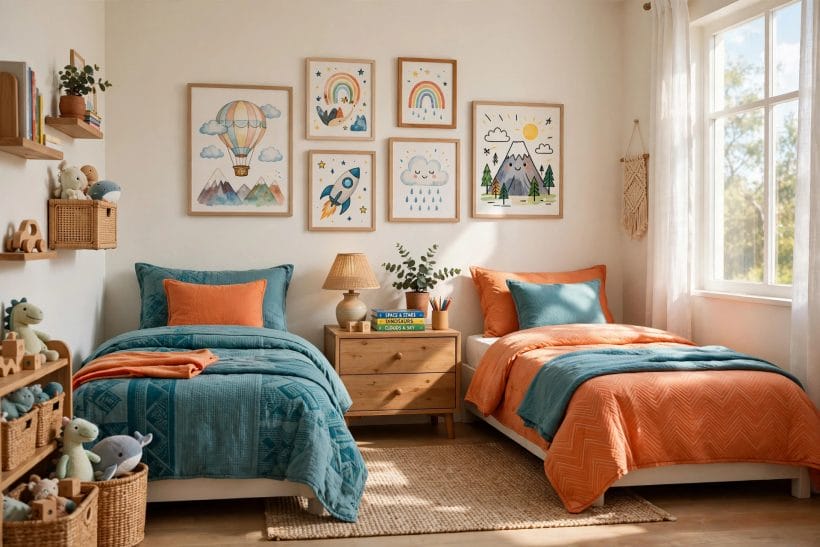
Work arrives in a child’s room gradually, then completely: first drawing, then homework, then the long projects of the older years. The room where the household’s older players gather is gathered in game room ideas; this section keeps to the child’s own work corner.
45. Give Drawing a Table Before Homework Needs a Desk
A small, sturdy table and chair at the right height, with the art box beside them, serve the first years completely.
46. Size the Desk to the Child and the Work, Honestly
A desk too grand intimidates and too small cramps the book and the elbows together. Judge by the real load, book, paper, lamp and forearms, and leave the week’s work visible rather than filed.
47. Put the Desk Where the Light Falls From the Side
Light over the working shoulder keeps the page bright and the worker’s own shadow off it. It is a small placement with a daily effect on homework’s temper, in both worker and supervisor.
48. Keep a Chair That Fits, With Feet Supported
A chair at the right height, with feet resting rather than dangling, is concentration equipment. Cushions and a box for the feet are honest interim engineering while the child grows toward the furniture.
49. Shelve the School Things Above or Beside the Desk
Books, files and the pencil pot within the seated child’s reach make the desk a self-contained station. Work that requires expeditions for every tool is work designed to be interrupted.
50. Let the Making Table Be Allowed to Stay Messy Overnight
A project in progress, left standing with a cloth over it or a tray beneath it, teaches that work has continuity. Rooms where everything must vanish nightly teach children to start nothing large.
51. Give Screens a Place That Is Not the Bed
Where the child has a tablet or a computer, a desk corner for its use, and a charging home outside the bed’s territory, keeps sleep and screens in their separate countries.
52. Pin a Board for the Week’s Papers and Pride
A pinboard or rail over the desk holds the timetable, the permission slip and the certificate in one visible place. Paper that has a home stops colonising the floor, the bed and the kitchen table.
53. Keep One Drawer as the Child’s Own Office
A drawer for the precious administrative clutter, letters, collections, the good pens, gives a child the adult pleasure of a place for papers. It also localises the archaeological layer to one excavatable site.
54. Let the Work Corner Grow Quieter as the Child Grows Older
The toddler’s table is social and central; the teenager’s desk wants the room’s quietest corner and a door’s respect. Moving one piece of furniture, in season, can mark that growth better than any speech.
55. Share the Work Corner With the Room’s Reading Life
Desk, book shelf and a comfortable seat nearby form the older child’s study in miniature. Rooms that group their quiet functions raise the odds that quiet is what happens in them.
7. Shared Rooms, Siblings and the Small-Room Problem
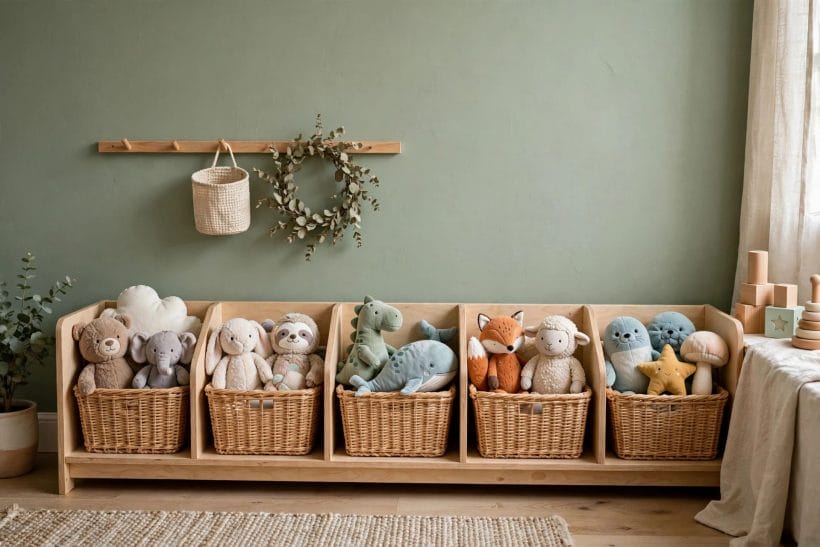
Sharing is where kids’ room design earns its keep, and the household that lives small together is met in living in a tiny house with kids. This section keeps to the shared and the small: two childhoods, one room, and everybody’s dignity intact.
56. Give Each Child a Territory, However Small
A bed, a shelf, a drawer and a patch of wall that are one child’s alone are the constitution of a shared room. Territories can be tiny; they cannot be theoretical, or sharing curdles into occupation.
57. Divide With a Curtain, a Shelf or a Rug, Lightly
Soft borders, a curtain on a line, a bookcase between beds, a rug per territory, give privacy without building works. Children understand declared borders and, mostly, honour what the room itself declares.
58. Match the Big Things and Personalise the Small
Equal beds, equal light, equal storage; different bedding, art and treasures. Fairness in a shared room is judged on the furniture, and freedom is expressed in the dress.
59. Keep a Shared Floor Treaty for the Play Ground
The middle belongs to both, with a clearing ritual both own. Disputes about shared floors are ended by routines agreed in calm, not by verdicts issued mid-battle over the bricks.
60. Let Different Bedtimes Have Their Own Lighting
One child’s lamp, shielded, and the other’s dark corner respected, let siblings of different ages share a room and a night’s peace. Light is the shared room’s most negotiable and most important resource.
61. Store Each Child’s Treasures Out of the Other’s Reach
The elder’s models and the toddler’s curiosity cannot share a shelf. High storage for the fragile and the precious, low for the robust and shared, is the shared room’s standing safety and fairness rule.
62. Plan the Age Gap as a Design Problem, Not a Hope
A teenager and a five-year-old in one room need a desk’s quiet zone and a toddler’s play ground planned as deliberately as any rooms in this post. It can be done kindly, but only on purpose.
63. Use Vertical Ground When the Floor Runs Out
Bunks, wall shelves, hooks and the backs of doors are the small room’s extra acres. Every category lifted honestly off the floor returns play ground, which is the currency small rooms are poorest in.
64. Keep the Small Room’s Palette Light and Its Floor Clear
In the smallest rooms, pale walls, one clear floor and furniture raised on legs so the floor reads continuous make ground feel larger. Visual floor is real estate a child can feel, even standing still.
65. Let the Shared Room Keep One Shared Delight
A reading tent, a joint project table, a window seat both claim: something the room gives the siblings together balances the territories it gives them apart. Sharing should have a headquarters of pleasure, not only borders.
8. Safety, Keeping and Handing the Room On
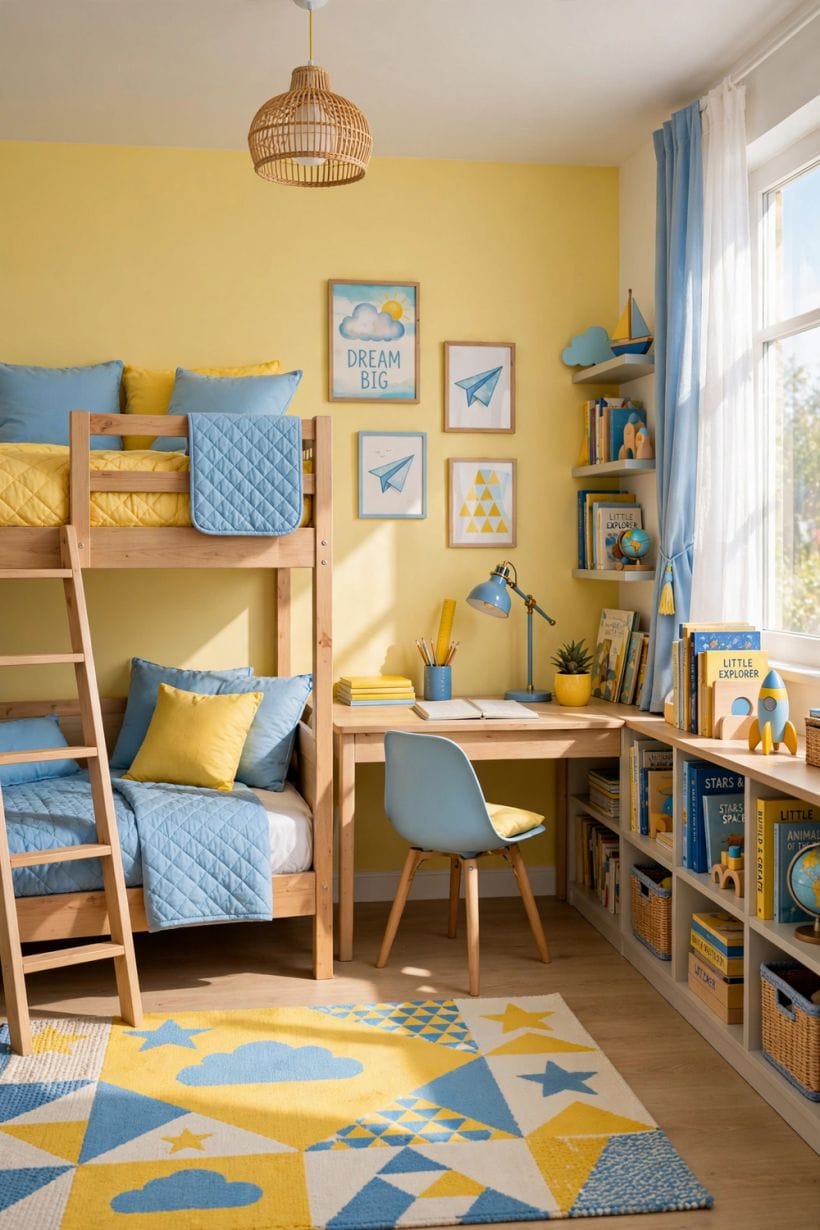
A child’s room is kept by small hands and judged by tired adults, usually at the same hour. This closing section covers the room’s safety in general terms, deferring always to makers’ guidance and local rules, and the keeping that lets it be handed, in time, to its owner’s next era or a sibling’s first.
66. Anchor Tall Furniture to the Wall as a Standing Rule
Bookcases, drawers and wardrobes in a child’s room should be fixed as their makers direct, before the first climber tests them.
67. Keep Cords, Small Objects and Hazards by Age, Honestly
What is safe for an older child is not safe for a toddler sibling or visitor. Audit the room against its youngest regular visitor, and let precious hazards live high, latched or elsewhere.
68. Choose Toys and Furniture Finished for Mouths and Hands
Young children test the world orally and at full grip. Soundly made things, finished as their makers intend for children’s use, are the room’s foundation stock; the dubious bargain is examined before it enters, not after.
69. Make the Evening Reset a Game With a Finish Line
A song’s length, a timer’s race, categories called like a quiz: a reset that ends is a reset that happens.
70. Keep a Basket for the Room’s Daily Arrivals
School notices, found treasures, the library book: one basket by the door catches the day’s imports for sorting. Rooms fail at their thresholds first, and a basket is a threshold with manners.
71. Launder the Soft Layer on a Rhythm, Not a Crisis
Bedding, the rug and the beloved soft toy all keep better washed regularly and gently. The rhythm can be the household’s own, but let it exist before illness or incident argues for it urgently.
72. Repair the Room’s Small Breakages Promptly
The wobbling rail, the drawer off its runner, the lamp with the doubtful switch: small faults in a child’s room grow by use. Fixed in the week they are found, they never become the room’s character.
73. Let the Child Lead the Seasonal Sort
Clothes outgrown, toys outlived, books passed down: sorted with the child, in daylight, with the memory box honoured, the sort teaches that things flow and rooms breathe.
74. Hand the Room On With Its Stories Intact
When the room passes to a sibling or its owner grows out of it, keep the photographs, the height marks and the memory box, and let the new era paint over the old with respect.
75. End With the Room Ready for Its Owner’s Morning
Bed made ready, clothes laid in reach, the floor clear for the first bare feet: the last act of the room’s day sets the first of the next.
9. Checks and Mistakes: Before the First Purchase or the First Stone
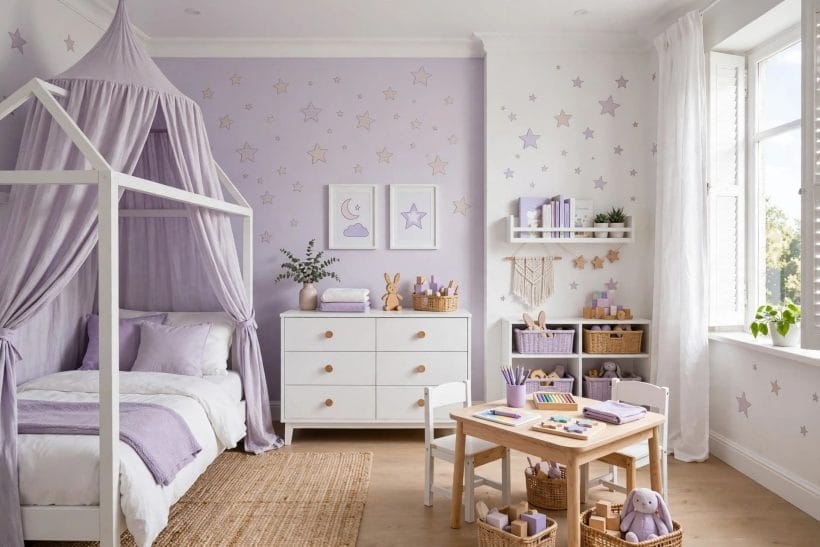
Measure the child, the room and the furniture’s future before buying: the bed’s next form, the desk’s next height, the storage the next era will need. Most kids’ room failures are purchases made for one birthday that cannot survive the next two, and the failures are felt in the budget as much as in the room.
Test the room at its real hours: the morning dressing rush, the homework hour and the bedtime settling, imagining each at the child’s actual height and reach. A room planned from adult eye level, for adult convenience, will be re-planned by its occupant’s daily life, without consulting anyone.
Follow makers’ guidance and local rules for every safety matter in a child’s room, bunk beds, furniture anchoring, window treatments and the rest, and check fixings in season. This post speaks generally throughout; the makers of the actual furniture in the actual room speak with authority, and theirs is the word that governs.
10. Costs and Pulling It Together
A child’s room’s costs gather in families that should be spent in order: the bed that grows, storage the child can operate, a floor layer that forgives, light in layers, and only then the changeable dress of bedding, art and colour that marks each era. Keep figures general, buy the bones once and well, and let birthdays spend on the dress, which is cheap, rather than on refits, which are not.
Pull the room together in this post’s order: zones first, bed second, storage third, colour last and lightest. A kids’ room built that way does not chase its occupant’s growth from behind; it is ready for it, and in the meantime it gives a child the thing every room in this series finally exists to give: a place that is truly, operably, theirs.
Final Considerations
A kids’ room is childhood with walls: the first territory a person ever owns, arranges, defends and learns to keep. Build it reachable, growable and calm beneath its changing colours, and it will do its quiet work for years, teaching its owner, one put-away toy and one made bed at a time, how a person makes a place their own.



0 Comments