
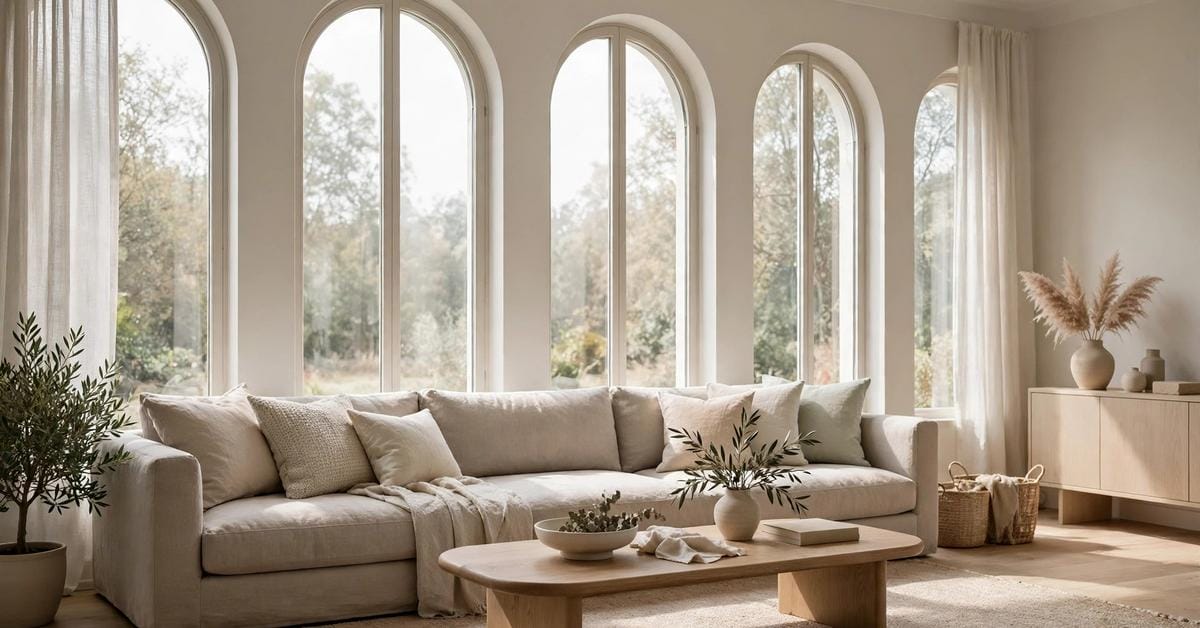
Walk into a room that feels settled, and your eye rarely stays still. It travels along a row of cushions, follows a line of pictures, pauses at a window, and then moves on again, as if the room itself were quietly showing you around. That easy movement is no accident. It comes from rhythm, the quiet repetition of shapes, colours and lines that gives a room a beat you can follow without thinking about it. This guide looks at rhythm interior design through five ways that beat engages your eye, and through the supporting choices that keep the beat legible rather than noisy.
Nothing here describes a particular house or a particular project. The five ways below are principles, and each one can be recognised in almost any room, from a small sitting room to a long hallway. Read them in order, and you will start to notice the same devices at work wherever you go: a repeated shape carrying your gaze across a wall, a gradual change pulling you toward a window, a steady alternation holding your attention, lines gathering toward one centre, and plain stretches that let your eye rest before it looks again. The later sections cover the choices that support those five ways: scale, colour, light and restraint.
1. Repeated Motifs Carry the Eye Across a Room
The simplest way rhythm engages the eye is repetition. When a shape, a colour or a material appears more than once, the eye treats each appearance as a stepping stone and hops from one to the next. A row of matching cushions along a sofa, a set of framed prints hung at the same height, or a run of timber beams overhead all do the same work: they give the gaze a path. Without that path, the eye tends to land on the nearest large object and stay there. With it, the whole room gets looked at, one familiar shape at a time.
Repetition works best when the repeated thing is easy to recognise. A clear shape, such as an arch, a square frame or a round cushion, reads at a glance, and the eye can pick out its next appearance without effort. If the repeated elements differ too much from one another in size or colour, the path breaks, because each new appearance has to be studied afresh instead of recognised. Keep the family resemblance strong, and let the differences be small: a change of tone here, a slightly different texture there. The eye enjoys the familiarity of the repeat and the mild interest of the variation, and it keeps travelling because the next stepping stone is always easy to find.
2. Gradual Change Draws the Eye Forward
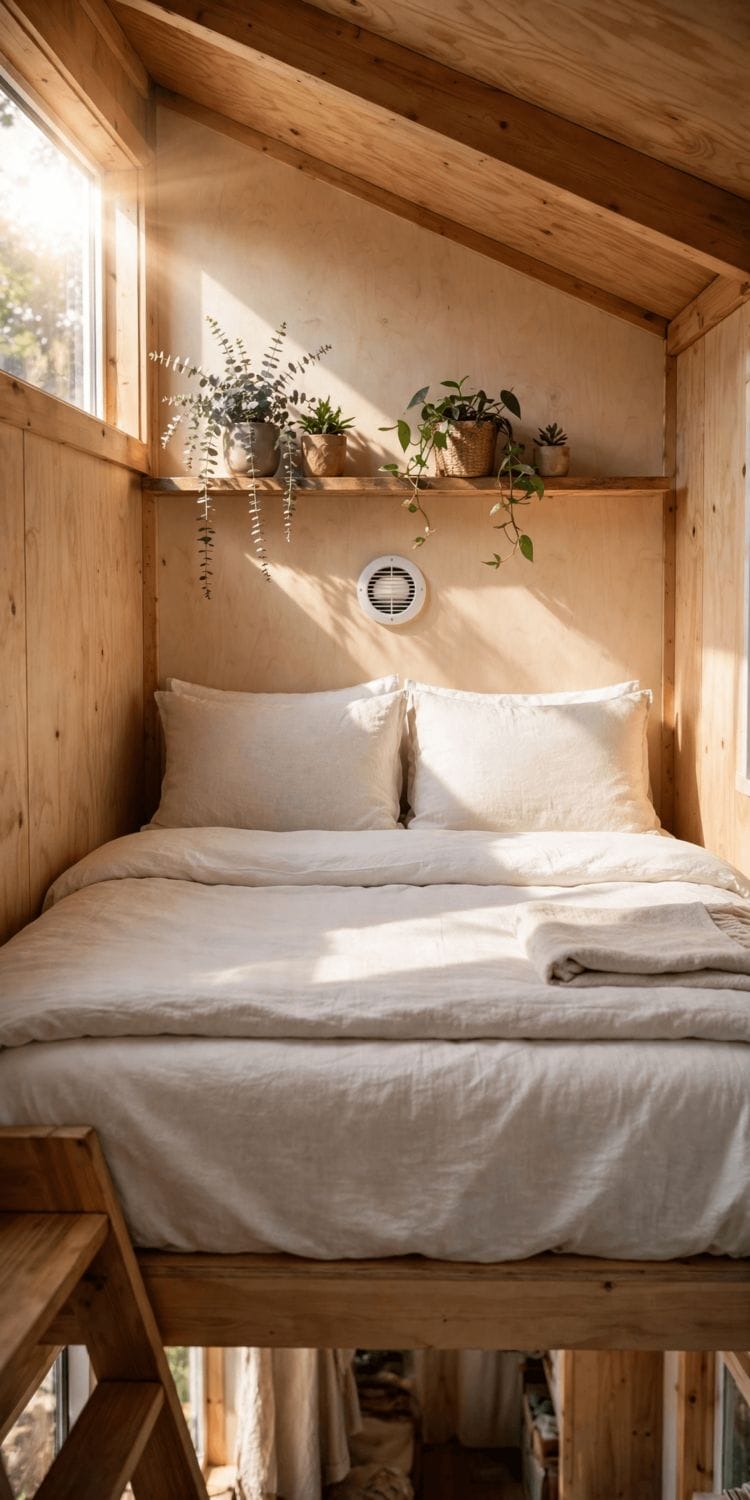
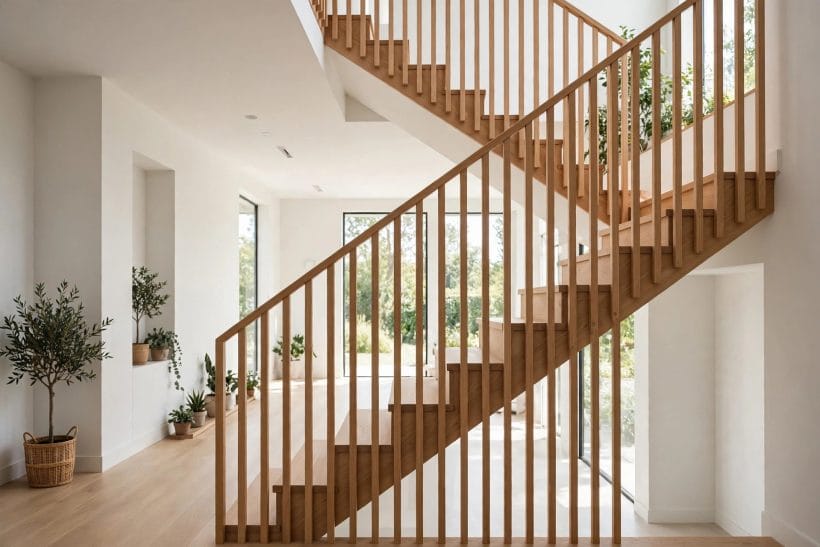
Where repetition moves the eye sideways, gradual change moves it forward. This is the way a series of elements that grow, shrink, lighten or darken step by step pulls the gaze along a line, much as a path of stones leads a walker onward. Picture a row of wall lights that grow slightly brighter toward a far window, or a run of shelves where objects rise gently in height from one end to the other. The eye follows the change because each step promises the next one, and the journey ends wherever the progression ends, often at exactly the spot the room wants you to notice.
The key to this way is gentleness. If the change between one element and the next is too abrupt, the eye reads it as a break rather than a journey, and the pull is lost. Small, even steps keep the movement smooth, and they also flatter the room, because a gradual change feels considered rather than accidental. This way pairs naturally with focal points, since a progression often ends at the very feature a room is arranged around, such as a fireplace, a window with a view, or a piece of art. Let the progression arrive there quietly, and the eye will feel it has been guided rather than pushed.
3. Alternation Sets a Beat the Eye Can Follow
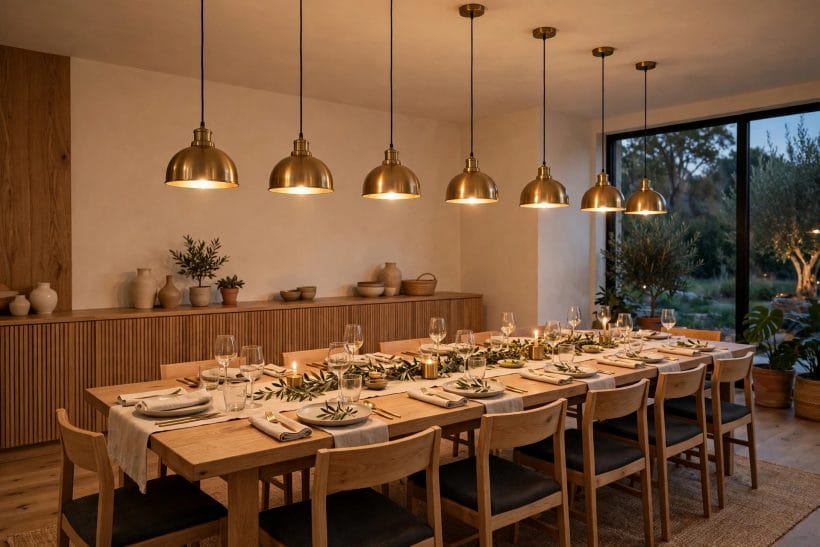
Alternation is rhythm at its most musical: two elements taking turns, one after the other, so the eye falls into a steady beat. Open and closed, light and dark, plain and patterned, tall and low — when such pairs alternate along a wall or across a room, the gaze rocks gently between them and keeps moving because the pattern promises that another turn is coming. A row of windows alternating with plain wall panels does this, and so does a bookcase where open shelves alternate with closed cupboards. The beat itself becomes the attraction, and the eye follows it for the pleasure of the pattern.
For alternation to hold attention, the two partners need to be clearly different yet clearly related. If they are too alike, the beat flattens into plain repetition. If they are too different, the eye reads chaos rather than rhythm, and the beat collapses. The happiest alternations share something — a colour, a material, a height — while differing in one clear respect, such as solid versus open, or light versus dark. Readers looking for broader room ideas will find the same balancing act in many interior design ideas, where a room succeeds not by piling on features but by letting two good elements take turns. Keep the turns even, and the beat will carry the eye the full length of the wall.
4. Radiation Gathers the Eye Toward a Centre
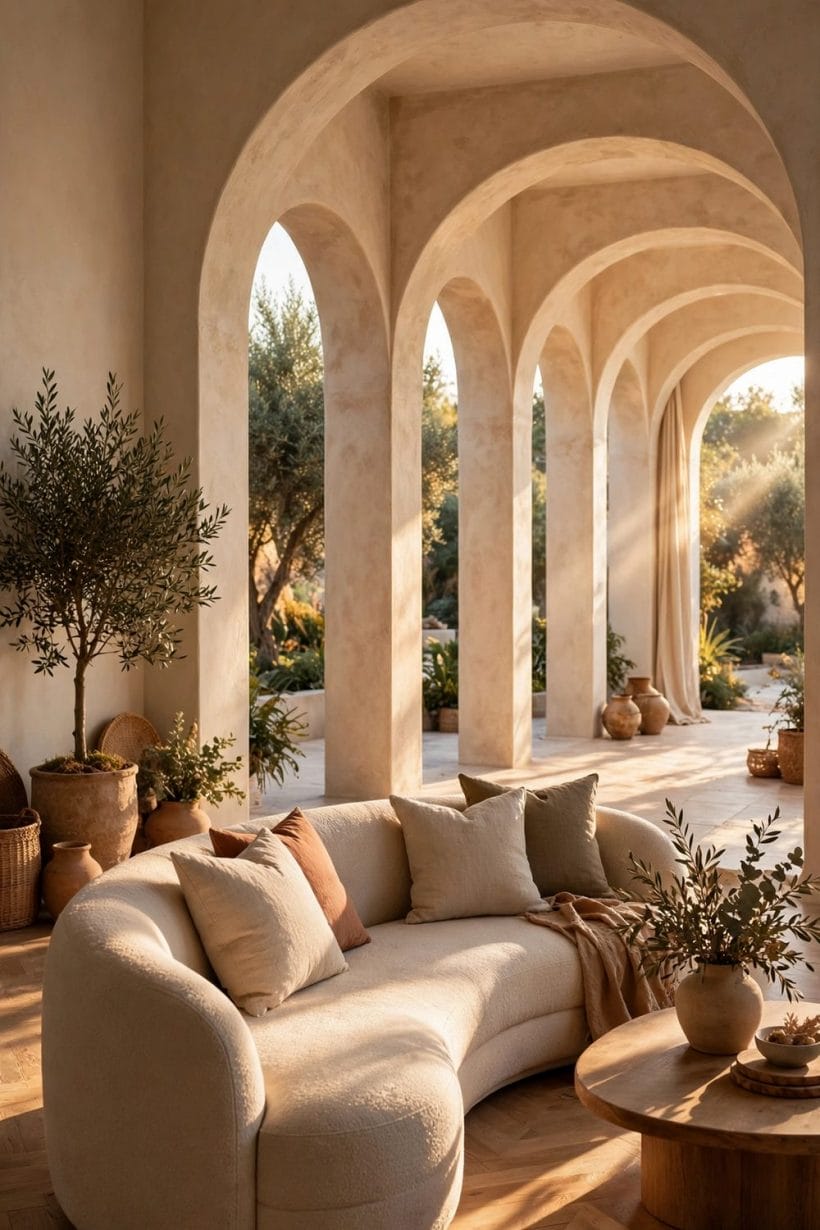
Radiation is the way lines, shapes or patterns fan out from a single centre, and it engages the eye by giving it a place to arrive. A round rug with a pattern that spreads outward, a ceiling rose with mouldings reaching in all directions, or chairs arranged around a central table all create the same effect: the gaze travels along the radiating lines and comes to rest at the middle. Where repetition spreads attention across a room, radiation collects it, and that collecting feeling is why a radiating arrangement often feels calm and settled, even in a busy room.
This way is most useful when a room already has a natural centre worth marking, such as a dining table, a coffee table, or a window seat. The radiating elements do not need to be grand. A few lines of floorboards meeting at an angle, a set of cushions angled toward one chair, or pendant lights hung in a loose ring can all suggest a centre without insisting on it. In compact rooms the effect is especially welcome, because a clear centre stops the eye from darting between competing corners. Many tiny living room ideas lean on this device for exactly that reason: one quiet centre, with everything else arranged in relation to it, makes a small room feel composed rather than crowded.
5. Pauses Let the Eye Rest and Look Again
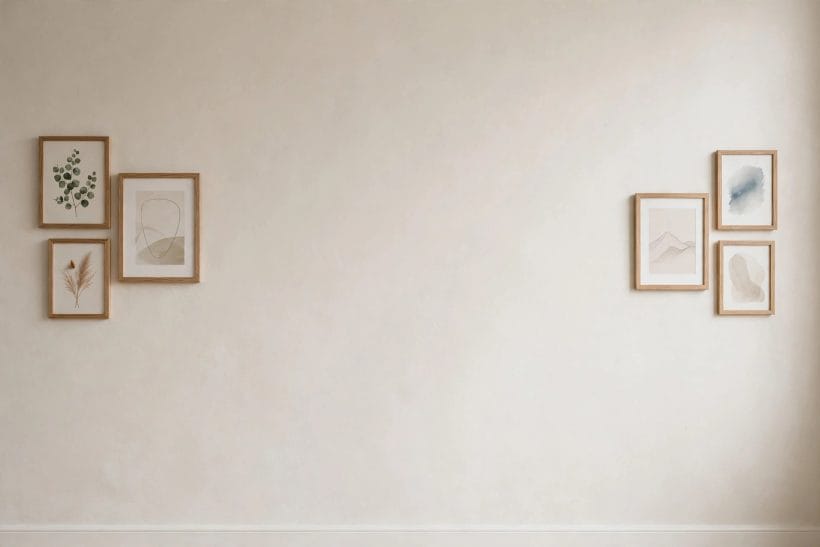
The fifth way is the quietest, and it is easy to overlook: the pause. A plain stretch of wall between two groups of pictures, an unadorned stretch of floor between two rugs, or a simple chair left on its own beside a busy bookcase gives the eye somewhere to rest. Without such pauses, even the loveliest repetition becomes tiring, because the eye never gets a breath. With them, each repeated passage reads more clearly, because the gaze arrives at it refreshed rather than weary. A pause is not empty space wasted. It is the silence between notes that lets the notes be heard.
Pauses also give a room its pacing. A long wall with one generous pause in the middle feels different from the same wall filled edge to edge, even when the decorated passages are identical. The pause says, in effect, that the room is confident enough to leave something unsaid, and the eye rewards that confidence by looking longer and more carefully at what follows. This is as true in a small sitting room as in a large one, and readers shaping compact living spaces will recognise the same principle in small living room ideas: a little plain wall, a little bare floor, and the room breathes. Treat pauses as part of the pattern, not as gaps in it, and the whole rhythm becomes easier to follow.
6. Scale: Keeping Repeats in Proportion to the Room
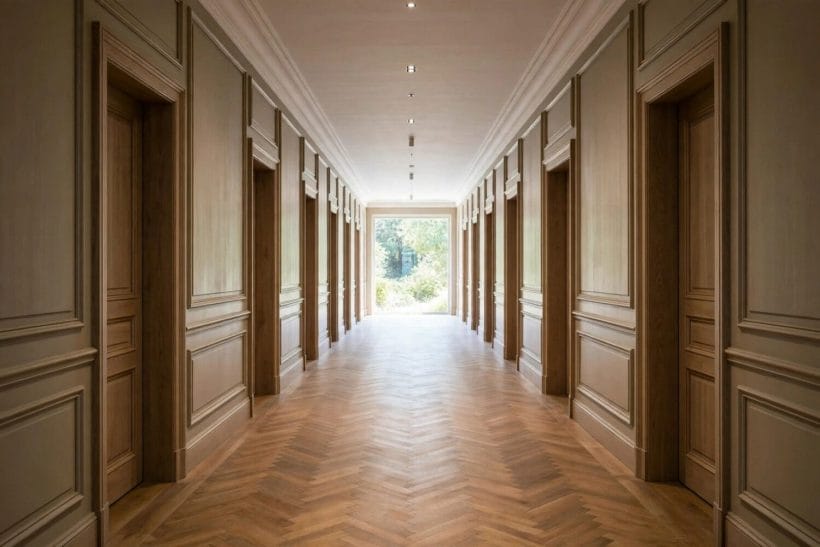
Once the five ways are understood, the supporting choices begin with scale. A repeated motif that suits a generous room can overwhelm a small one, and a delicate repeat that charms in a nook can vanish in a large space. The rule is simple to state and worth taking slowly: the size of the repeated element should suit the size of the surface it repeats across. Large arches suit long walls. Small frames suit short ones. When the scale is right, the eye reads the repetition as a single gesture. When it is wrong, the eye reads a crowd of unrelated objects, and the rhythm is lost in the noise.
Scale also governs how many repeats a room can carry. A long hallway can hold many door frames in a row and still feel calm, because each repeat is small against the length of the hall. A short wall can hold only a few pictures before the row starts to feel crowded. Count the repeats against the wall, not against your enthusiasm for the motif, and stop while the row still reads as one idea. The same care applies to furniture: a row of matching chairs suits a long table, while a short table asks for fewer. Rooms shaped around sleeping and rest make the point clearly, as tiny bedroom ideas often show: in a small room, two or three well-scaled repeats do more work than a dozen cramped ones.
7. Colour: Repeating a Hue Sparingly
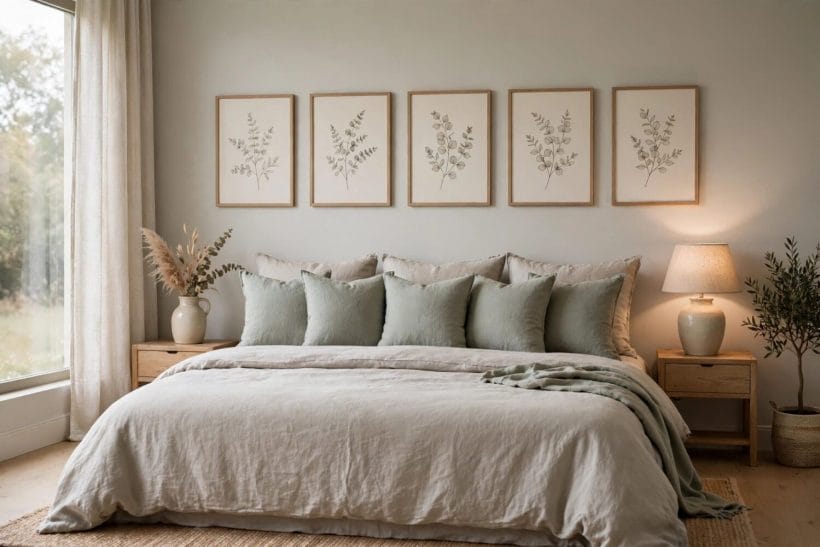
Colour is the most portable way to carry rhythm through a room, because a hue can repeat in a cushion, a picture frame, a vase and a rug without any of those objects matching in shape. A single colour appearing in several places ties the room together, and the eye, spotting the colour again and again, travels the same path it travels for repeated shapes. The danger is excess. A colour repeated everywhere stops being a thread and becomes a blanket, and the eye, finding the same hue at every turn, stops travelling and simply settles. Sparing repetition keeps the thread visible.
The pleasantest colour rhythms use one clear hue in a handful of places, with quiet neutrals between them. The neutrals act as pauses, and the colour appearances act as beats, so colour rhythm and pause rhythm support each other. It also helps if the repeated colour appears in different textures: a soft fabric here, a glazed surface there, a painted edge somewhere else. The eye recognises the hue while enjoying the change of surface, and the room gains depth without gaining clutter. Keep the count of appearances modest, let each one be easy to spot, and the colour will lead the eye around the room instead of shouting from every corner.
8. Light: How Daylight and Lamps Mark the Beat
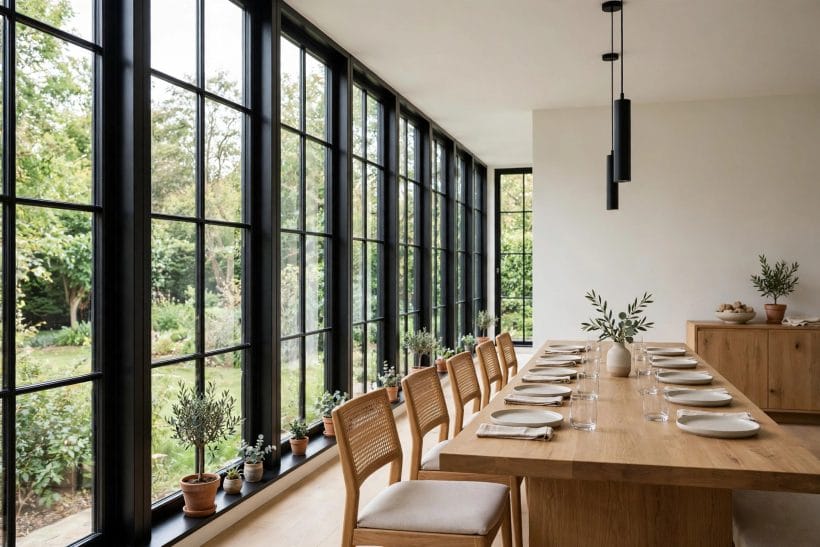
Light marks rhythm as surely as shape does, because a row of windows, a line of lamps or a run of sunlit floorboards gives the eye a beat made of brightness itself. In daylight, the beat moves: morning light picks out one side of a room, afternoon light another, and the rhythm of the room quietly changes through the day. A room with repeated windows enjoys this most, since each window offers the same bright shape at intervals along the wall, and the eye travels from brightness to brightness. Even on a dull day, the paler rectangles of the windows hold the beat.
After dark, lamps take over the work. A row of matching lamps at even intervals, or a set of wall lights hung at the same height, keeps the rhythm going when daylight fades, and the pools of light they cast become a second, softer beat on the floor and walls. The lesson is to treat light sources as members of the repeated family: match them where you want a beat, and vary them only where you want a pause. Rooms with a warm, traditional character show this plainly, and farmhouse living room ideas often rely on it: a run of similar lamps, a row of windows, and the room glows in a steady rhythm rather than in scattered bright spots. Keep the light sources related, and the beat survives the sunset.
9. Restraint: Knowing When to Stop Repeating
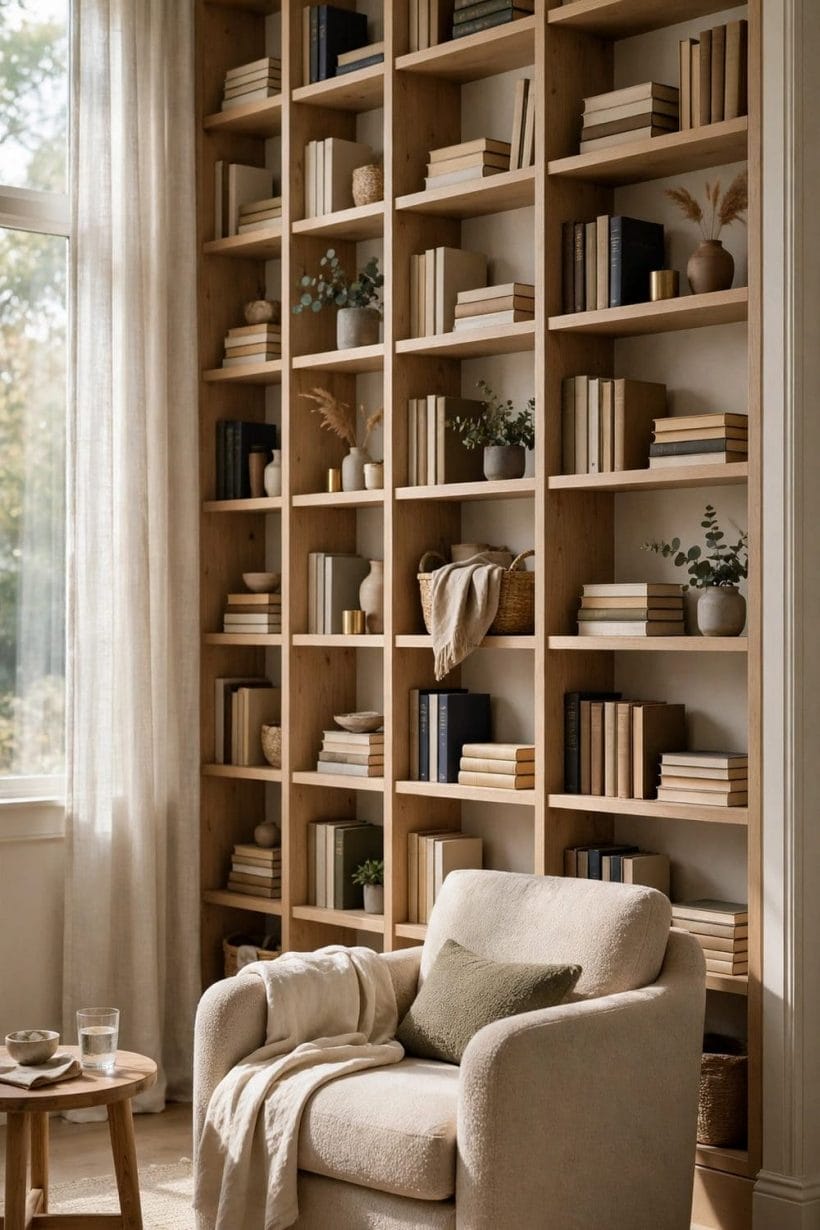
Restraint is the discipline that protects all five ways, because rhythm fails not only when there is too little of it but also when there is too much. A room in which every surface repeats, every colour reappears, and every wall carries a row will tire the eye rather than engage it. The gaze, offered the same beat everywhere, stops following it and starts searching for relief. Restraint means choosing where the rhythm runs and where it rests: one strong repeated passage per room, supported by quieter surfaces elsewhere, usually does more than several competing passages.
A useful test is to stand in the doorway and notice what your eye does first. If it travels calmly along one clear beat and then settles, the restraint is right. If it jumps between several loud repeats, one of them should probably go, or be quietened. This judgement applies outside as well as inside, since the same devices shape how a house reads from the street, and tiny house exterior ideas show the same discipline at work: a repeated window rhythm, a repeated trim detail, and plain wall left plain. Removing one repeat often strengthens the ones that remain, because the eye can finally hear the beat instead of the noise.
10. Putting the Five Ways Together
Read together, the five ways form a small toolkit rather than a set of rules. Repetition carries the eye across a room. Gradual change draws it forward toward a feature. Alternation sets a beat it can follow. Radiation gathers it toward a centre. Pauses let it rest and look again. Most rooms that feel settled use more than one of these at once: a repeated row of windows may also alternate with plain wall, and a radiating rug may sit in the middle of a repeated floor pattern. The ways overlap, and that overlap is a strength, because the eye enjoys a rhythm it can follow on more than one level at once.
The supporting choices decide whether that overlap reads as richness or as clutter. Scale keeps the repeats in proportion to the room. Colour carries the beat from object to object without shouting. Light marks the beat through the day and into the evening. Restraint decides where the rhythm runs and where it rests. Hold those four supports steady, and the five ways will do their work quietly: the eye will travel, pause, gather and look again, and the room will feel composed without ever announcing how the effect was achieved. That quiet guidance is the whole point of rhythm in a room.
Final Considerations
If you take one habit away from this guide, let it be looking before changing. Stand in a room you know well and trace what your eye actually does: where it travels easily, where it stalls, where it gathers, and where it longs for a pause. That short observation will tell you which of the five ways is already at work and which one is missing. Then make one change at a time — a repeated cushion, a cleared stretch of wall, a lamp moved into line with its neighbours — and watch how the beat responds. Small, deliberate adjustments usually teach more than a wholesale rearrangement, because each change shows its own effect on the way the eye moves.
Rhythm rewards patience. A room rarely gains a good beat in a single afternoon, and the best rhythms are often the ones that grow as pieces are added, moved and removed over time. Keep the five ways in mind as you live with a room, notice which passages please your eye on repeated visits, and let the failures teach as much as the successes. That patient attention is what turns a collection of furniture into a room that feels guided, and it is why rhythm interior design remains one of the quietest and most reliable tools a home can offer: no drama, no noise, just an eye that knows where to go next, and a room that is glad to show it.


0 Comments