

A stone fireplace turns a heat source into the room’s anchor, and the mantel is where its character concentrates. Get the surround, shelf and styling right and even a modest firebox looks architectural. This guide walks through materials, proportions, costs and stone fireplace mantel decor that feels warm, layered and lived-in rather than staged.
Stone is permanent, so choices here deserve a slow look.
1. At-a-Glance: Stone Fireplace Mantels in Brief
| Question | Practical answer |
|---|---|
| What makes a fireplace look ‘right’? | Proportion: a surround sized to the room and firebox, a mantel depth that suits what you will display, and materials that match the room’s weight of style. |
| Which stones are common? | Limestone, sandstone, slate, granite, marble and stacked-ledger panels, plus cast stone and stone veneer for lighter weight. |
| Does stone need sealing? | Most natural stone benefits from a suitable sealer, renewed periodically, especially pale and porous types near a working fire. |
| Can I fit stone around an existing fire? | Often yes — veneers and slips exist for covering brick or upgrading an existing surround, subject to heat and clearance rules. |
| What drives the cost? | The stone itself, whether it is solid or veneer, size and complexity of the surround, hearth work, installation and any flue or fire changes. |
| How is the mantel styled? | In layers with varied heights, a strong focal piece, natural textures and space left empty — changed seasonally if you enjoy it. |
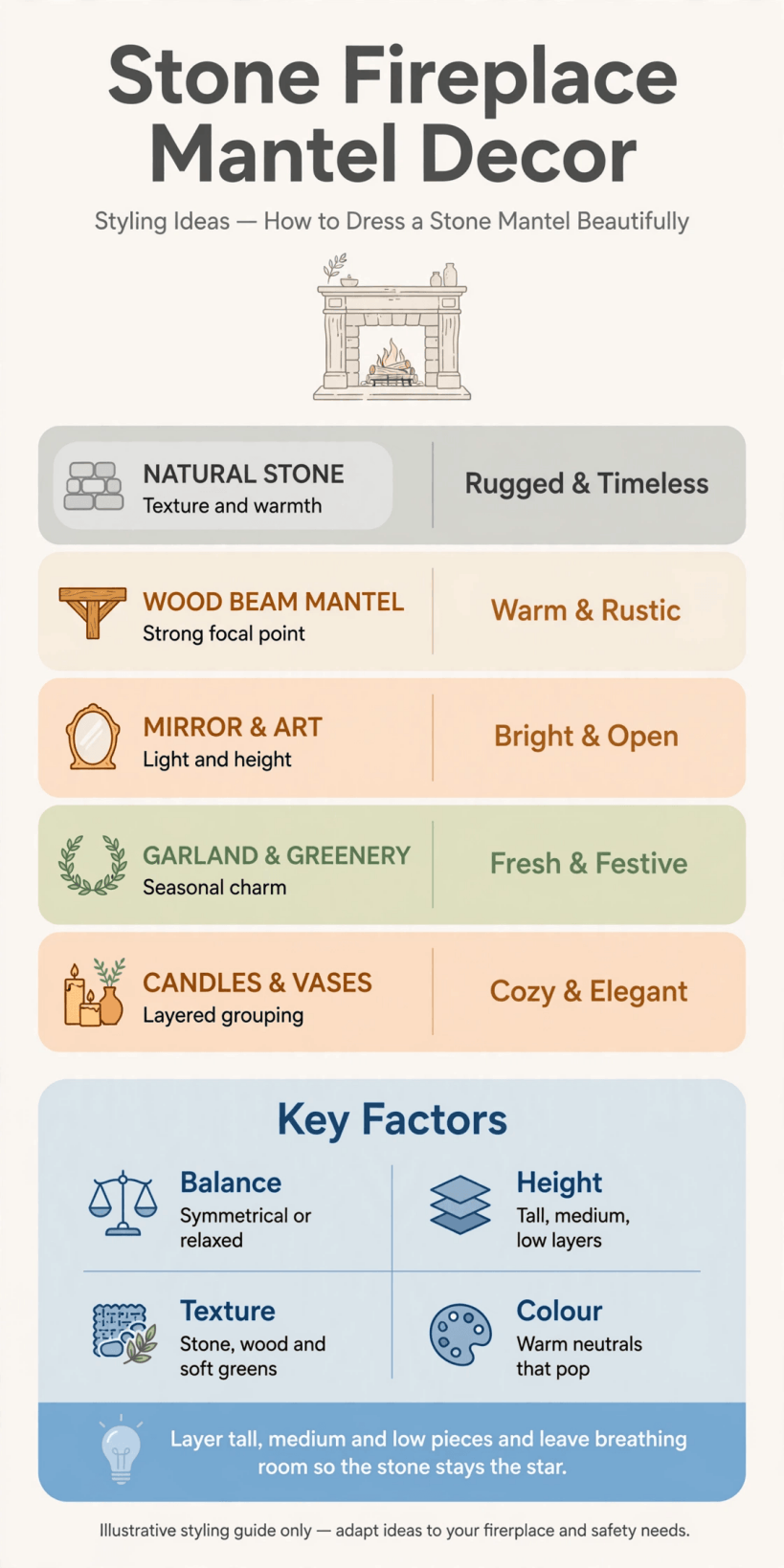
The essentials at a glance — surrounds, mantel shelves, materials and the layering that makes stone feel cosy.
A fireplace does three jobs at once: it heats, it structures the room’s furniture layout, and it gives the eye a resting place. Stone suits all three because it is fireproof, massive enough to feel permanent, and beautiful without decoration. But stone’s permanence cuts both ways — a surround is expensive to undo, so decisions about stone type, mantel depth, and how the whole composition sits in the room are worth making on samples and measurements rather than impulse.
The sections below break the project into its real parts: the surround (the stone frame around the opening), the mantel shelf itself, the firebox and hearth it must work with, the money, and then the enjoyable business of styling — the part you can change as often as you like once the stone is set.
2. Choosing the Stone Surround
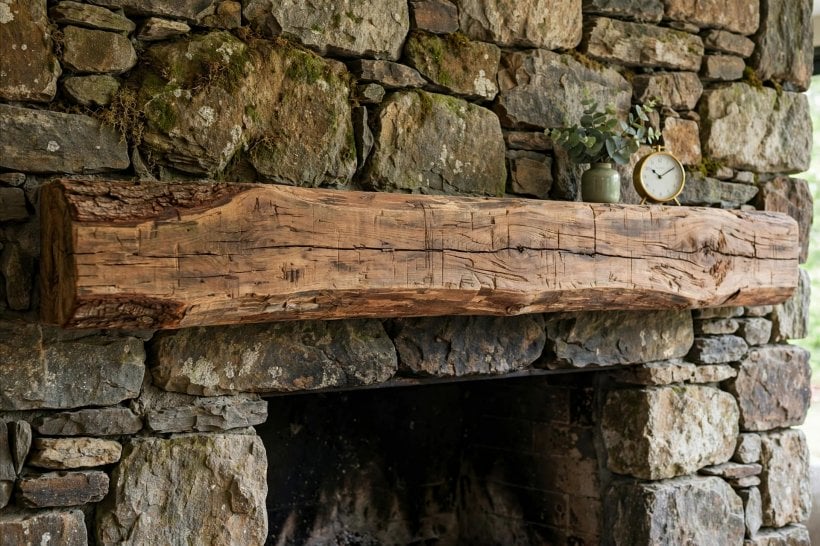
Start with the family of stone, because it sets the room’s temperature. Limestone and sandstone read warm, matt and traditional, with soft edges that suit cottages and calm modern rooms alike. Slate is darker, cooler and more contemporary, often cut in crisp rectangles; it hides soot gracefully. Granite is hard, polished-capable and formal in feel. Marble is the classic elegant choice, veined and cool to the touch, though it asks for care around heat and staining. Stacked-stone and ledger panels give a rustic, textured wall of stone — dramatic floor-to-ceiling, though their busyness needs a simple mantel and plain furnishings around them.
Then decide how much real stone you need. Solid stone surrounds are the heavyweight original: superb, permanent and a job for installers who handle weight and fixing properly. Cast stone recreates carved traditional profiles at lower cost and weight. Stone veneer and brick-slip-style stone tiles cover an existing chimney breast with a real stone face at a fraction of the depth and weight — often the practical route in renovations and smaller rooms, and visually convincing once pointed and lit well.
Live with samples against your wall before ordering. Stone changes dramatically with light: a warm limestone in a north-facing room can read grey, and a sample seen beside your sofa, flooring and paint tells the truth. The room-first approach in our tiny house living room ideas — start from how the room is used and lit — is exactly how a surround should be chosen, since the fireplace will organise everything else around it.
3. The Mantel Shelf: Timber, Stone or None
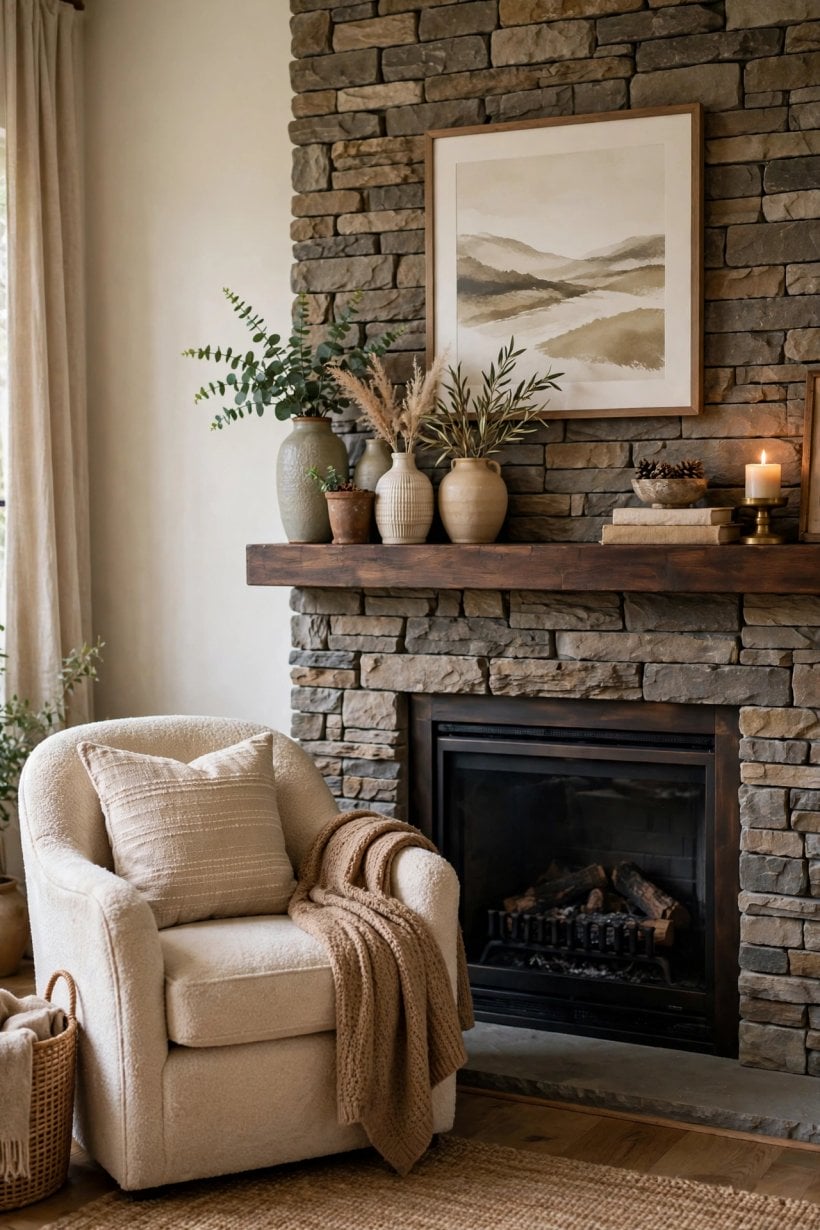
The mantel shelf is the display stage and the visual full stop of the surround, and you have three broad choices. A timber beam — oak, reclaimed pine, a railway-sleeper look — is the classic partner to stone: warm against cool stone, deep enough for candles and frames, and forgiving of fixings if you like to hang a wreath or mirror. Chunky rustic beams suit stacked stone and sandstone; slimmer, squared oak reads more modern. Timber must be positioned with proper clearance from the fire opening, following the stove or fire maker’s guidance and your local rules — beauty never overrides heat safety.
A stone shelf, cut from the same material as the surround, gives a seamless architectural look — especially in limestone, slate or marble, where the whole composition feels carved from one piece. It is cooler and sleeker, and shows objects crisply. The third option is no shelf at all: floor-to-ceiling stone with a simple opening, very contemporary, where styling happens on the hearth instead and the wall of stone is the decoration.
Depth is the practical detail people underestimate. A shelf too shallow fits nothing but cards; a generous depth takes layered frames, a clock, plants and candles comfortably. Think about what you actually display, measure those things, and let the shelf follow. If the fireplace doubles as a media wall, plan cable routes and heat distances for a television above with particular care, and get the installer and TV guidance to agree before anything is fixed.
4. Proportions and Shapes That Work
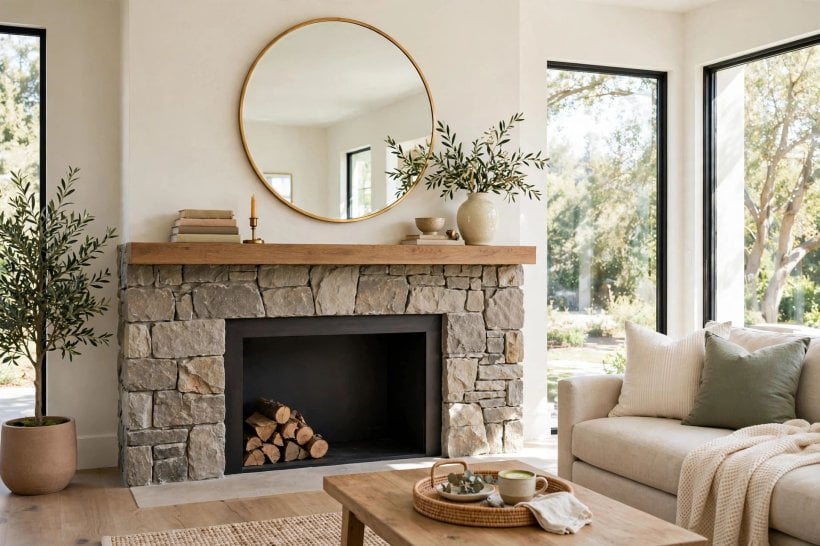
Most fireplace disappointments are proportion problems, not material problems. A surround should relate to three sizes: the firebox opening, the chimney breast, and the room. Too small on a wide breast and it looks apologetic; too grand in a low room and it crowds the ceiling. As a working method, tape the proposed surround outline on the wall at full size and live with it for a few days, furniture in place. Tape reveals instantly what drawings hide.
Shapes carry style. A simple rectangular surround with clean lines suits almost every interior and is the safest permanent choice. Arched openings lean rustic and Mediterranean; traditional carved profiles with legs and a frieze belong in period rooms; a wide, low landscape opening suits modern stoves and makes a lovely, calm focal wall. Matching the shape family to the house’s bones matters: forcing a farmhouse arch into a crisp new-build, or a stark slab into a cottage, usually fights the architecture every day afterwards.
Do not forget the hearth — the floor-level stone in front of the fire. It is legally and practically part of the installation for solid-fuel fires, must meet the applicable size and material requirements, and visually it grounds the whole composition. A hearth stone that echoes the surround ties the design together, and a slightly raised hearth can double as informal seating in a cosy room, as many arrangements in our tiny barn house interior ideas demonstrate in spirit: make the fireplace earn its floor space twice.
5. Fireboxes, Stoves and Safety Clearances
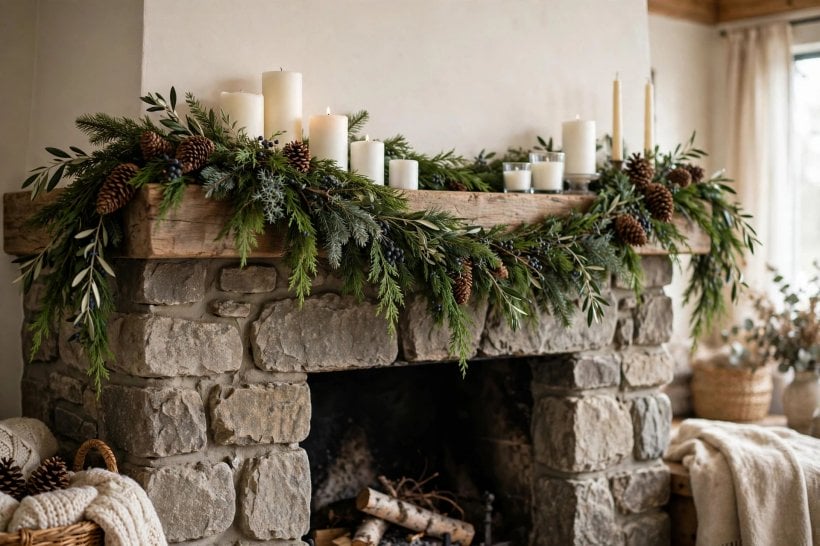
Stone and fire are natural partners, but the installation must respect the specific fire you have. Open fires, wood-burning stoves, gas and electric fires all impose different requirements for the surround material, the distances from the fire to combustible items like a timber mantel, the hearth, and the flue. These come from the appliance maker’s instructions and your local building regulations, and a qualified installer is the person to confirm them — never copy clearances from a photograph or a friend’s fireplace, because every appliance and flue differs.
A stove set into a stone chamber is the popular modern arrangement: the stone stores a little warmth, frames the stove beautifully, and the chamber’s interior stone — often heat-proof board finished to look like stone, or real slips — is chosen and installed to the stove’s specification. If you are converting an open fire to a stove or vice versa, expect the flue and chamber to need work, and budget for it before choosing stone, not after.
The same professional-installer rule applies to gas fires and to any structural change to a chimney breast. Stone is heavy: full-height stone cladding adds real load, and lintels and fixings must be verified. Treat the safety and structural questions as the foundation of the project — in the same way a wet room’s invisible tanking matters more than its tiles, as our tiny house bathroom ideas guide explains — and the visible beauty will look after itself.
6. Costs: What Really Drives the Budget
A stone fireplace can be a modest upgrade or a major project, and the spread comes from scope rather than stone alone. The main cost drivers are the stone and its format — solid surrounds and rare marbles at the top; veneers, slips and cast stone below them; the size of the work (a simple surround versus a full-height clad breast with hearth); and the making itself, since cutting, carving and finishing stone is skilled, slow work. A bespoke carved surround costs what it costs because someone carves it.
Installation is the second big block: preparing the chamber, any flue lining or repair, structural checks, fixing heavy stone, and making good plaster and flooring around the work. Changing the appliance at the same time — new stove, gas fire, or chamber stove — adds appliance and certified-installer costs that often exceed the stone. Decorating the mantel, by happy contrast, is the cheapest part of the whole project: mirrors, frames and candlesticks from anywhere, changed whenever you like.
To keep the budget in proportion, decide early whether your project is ‘surround only’, ‘surround plus hearth’, or ‘whole breast plus new fire’, and get quotes that describe the same scope, the same stone format and who handles flue and certification. Keep a contingency for what opening up a chimney reveals; old fireplaces hold surprises. Spend first on correct installation, second on the stone you will touch and see daily, and let styling be the thrifty layer — a principle our tiny house bedroom ideas applies to sleep spaces and which works just as well here.
7. Everyday Styling: Layers, Heights and Restraint
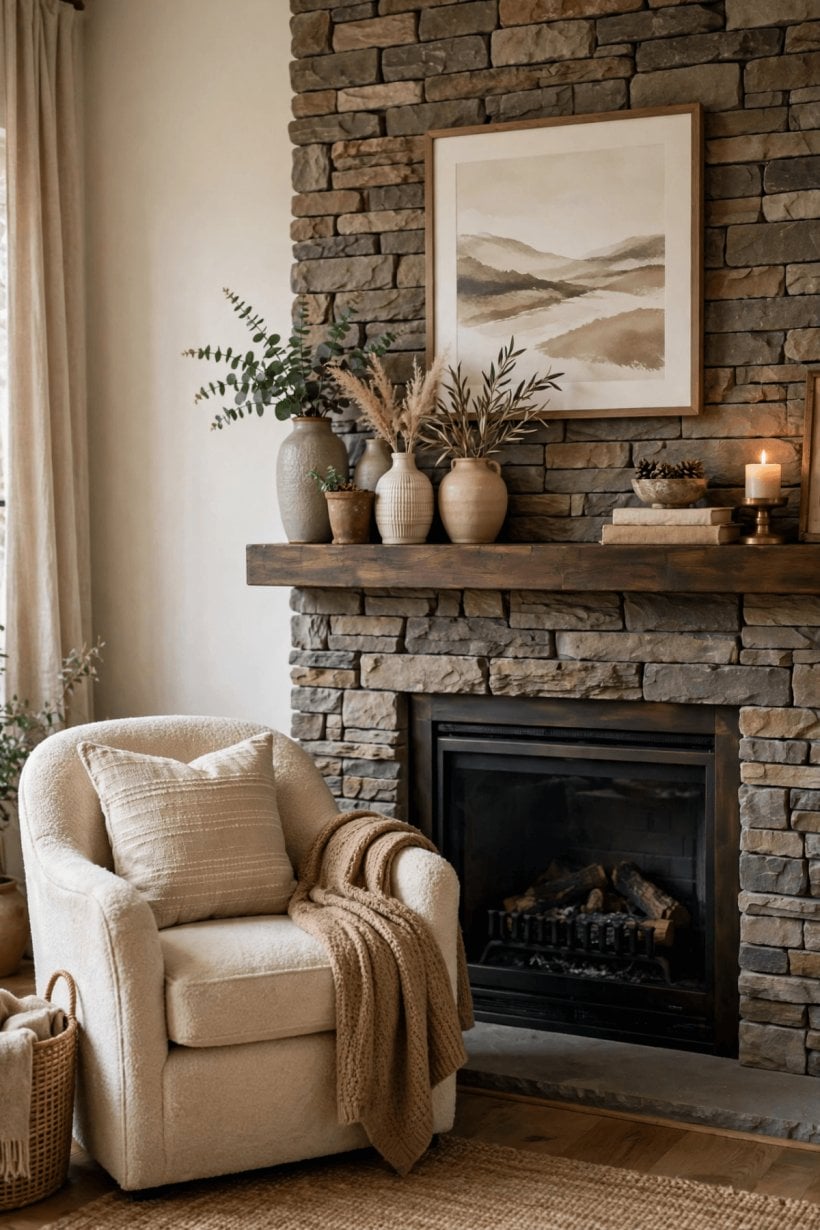
Good mantel styling is architecture in miniature: a focal point, supporting pieces, and breathing space. The classic composition starts with one strong central anchor — a mirror or a substantial piece of art, sized generously relative to the fireplace — then layers smaller frames, books and objects in front of and beside it at varied heights. Odd numbers group naturally, taller pieces go towards the centre or one end depending on whether you want symmetry or a relaxed slant, and something living — a plant, branches in a vase — softens all that stone and timber.
Symmetry is the tidy traditional route: matching lamps, candlesticks or vases either side of a centred mirror. It suits formal stone, especially marble and carved limestone. Asymmetry is the modern, cosier route: the anchor sits off-centre, objects cluster at one end with a low stack at the other, and the arrangement feels collected rather than installed. Either way, edit harder than feels natural — a mantel with gaps reads elegant; a mantel crowded edge-to-edge reads like a shelf in a shop.
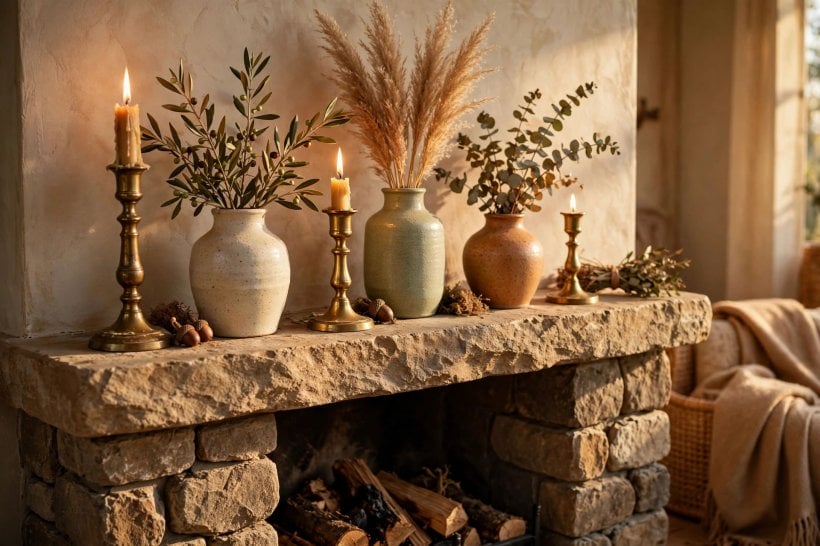
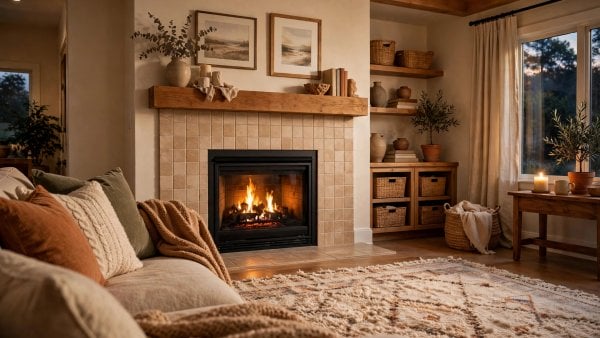
Materials in the styling should rhyme with the room: brass and blackened metal warm up pale stone, raw wood echoes a beam, glass keeps things light in small rooms, and textiles — a runner, a garland base, a basket of logs beside the hearth — supply the softness that makes stone feel cosy rather than cold. Borrow the palette discipline from our colourful tiny house interior ideas: let one or two accent colours repeat across mantel, cushions and rug, and the whole room will feel pulled together around the fire.
8. Seasonal Styling Without the Stress
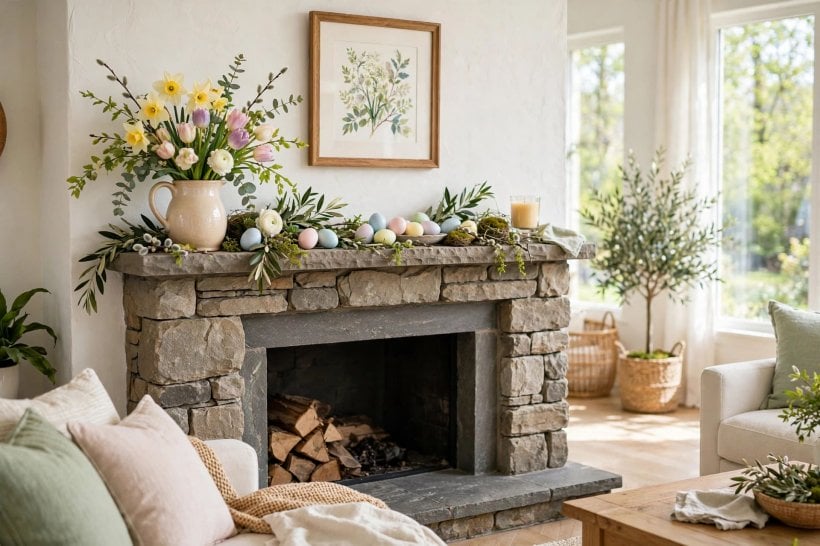
The mantel is the easiest place in the house to mark the seasons, precisely because the stone never changes. A simple formula works year-round: keep the anchor (mirror or art) and one or two permanent pieces, then swap a single seasonal layer. Spring might be branches of blossom and pale candles; summer, a jug of garden flowers and lighter, fewer objects; autumn brings the richest layer — foliage, seed heads, amber glass, a basket of cones by the hearth; winter and the holidays take garlands, candlelight and whatever your household celebrates, fuller than any other season because the fire itself is lit and the room gathers there.
A few practical courtesies keep seasonal dressing safe and sane. Keep garlands, cards and anything flammable well clear of the fire opening and never draped where heat or sparks reach, following your appliance guidance. Use battery candles inside garlands if you want glow without worry. Store the off-season pieces in one labelled box so changing the mantel takes twenty pleasurable minutes rather than an expedition into the loft.
Children’s cards, holiday post and family photos are part of a mantel’s real life in most homes — the styled photographs never show them, but a fireplace that cannot hold a birthday card is failing at its job. Build your arrangement with a little flexible space at the ends and the mantel will absorb real life gracefully.
9. Stone Fireplaces in Small Rooms and Tiny Homes
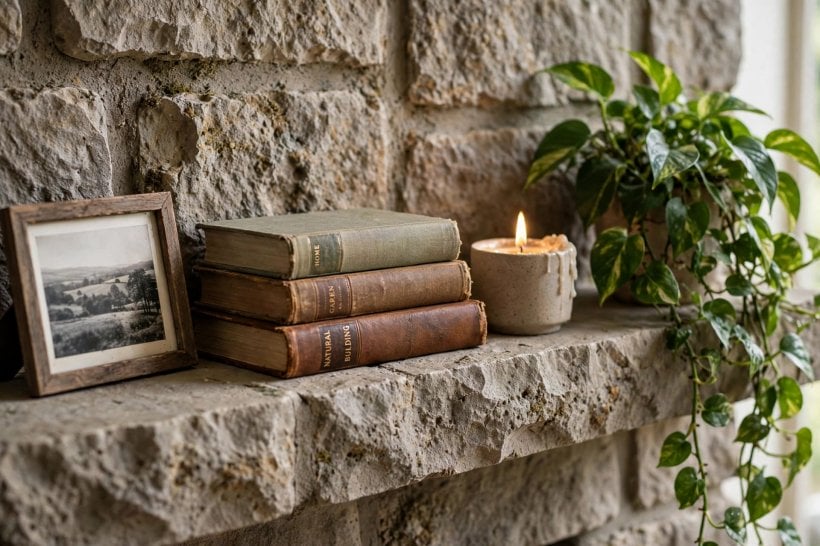
A fireplace in a small room sounds like a luxury, but a compact stove in a shallow stone surround is often the most space-efficient heating there is: no radiators on the walls, one strong focal point, and furniture that arranges itself naturally around warmth. Pale stone or a simple painted-brick-with-stone-hearth combination keeps the composition light; a full-height dark stacked-stone wall can work in a tiny room too, provided it is the only busy surface and everything else is calm.
Scale is everything. Choose a surround whose proportions suit the room rather than a standard grand design, a mantel shelf deep enough for a lamp and a few frames but no deeper, and a stove sized to the room’s actual heating need — an oversized stove in a small, well-insulated space will roast you and spend its life damped down, which is bad for the flue and the air. Your installer will help size it properly.
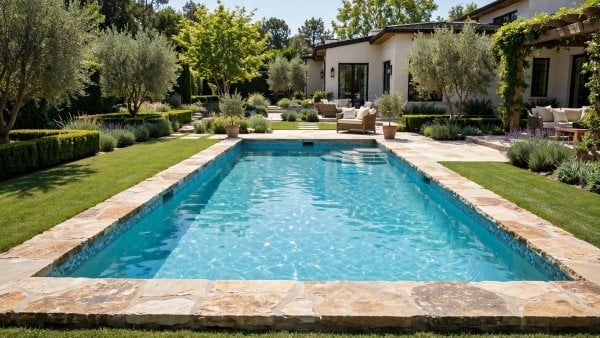
Carry the stone’s tones outside if you can: a hearth stone echoed in a patio slab or a garden wall makes a tiny plot feel designed end-to-end, and our tiny house landscaping ideas show how repeating one material links small indoor and outdoor spaces into a single, larger-feeling whole.
10. Cleaning, Sealing and Looking After Stone
Stone asks for little, but the little matters. Dust surrounds and mantels with a soft brush or cloth, vacuum the hearth’s joints, and wipe spills — wine, candle wax drips, sooty marks — sooner rather than later, since porous stones absorb what sits on them. Use cleaners made for natural stone or plain water and a mild soap as the stone’s supplier advises; acidic cleaners that suit ceramic can etch marble and limestone, so the bottle under the sink is not automatically your friend.
Sealing is the periodic job. Most natural stone around a fire benefits from an appropriate impregnating sealer, refreshed at the interval its maker suggests, which buys you time to wipe spills before they stain and makes soot marks lift more easily. Test any sealer or cleaner on an offcut or hidden edge first. Soot darkening on the stone directly above an open fire is the classic maintenance question: gentle, patient cleaning reduces it, and many owners accept a soft shadow as the honest patina of a working fire.
Chips and cracks in stone can usually be repaired by stone specialists with colour-matched fillers, and repointing tired joints freshens a surround surprisingly. Keep the name of your stone and its supplier with your house paperwork, along with any spare slips or tiles from installation — future-you, mid-repair, will be grateful, in exactly the way the organised builders in our guide on how to build your own tiny house keep records for every stage of a build.
Final Considerations
Choose the stone for your light and your house’s character, size the surround with tape on the wall, and let a qualified installer own the clearances, flue and structure. Pick a mantel shelf deep enough for the life you will display on it, keep proportions honest in small rooms, seal and clean gently, and style in layers with room to breathe. Do that, and stone fireplace mantel decor becomes the easiest part of all — because the fireplace underneath it was right from the start.


0 Comments