

Asheville, North Carolina is the mountain town where the tiny house movement feels at home — an artsy, welcoming city wrapped in the Blue Ridge, with an established tiny scene that keeps growing. This guide covers the area’s communities end to end: where they are, what they cost, how to join, and the zoning homework that comes first.
Tiny House Communities in Asheville NC: At a Glance
The tiny house communities in Asheville NC come in three forms — established villages, tiny-friendly parks and private leased land — and they share one rhythm: visit first, verify everything, and join the one that fits. Lot rents run $400–$800 a month, the realistic move-in is the home itself plus $2,000–$5,000 in move-in funds, and the rules differ between the City of Asheville and Buncombe County, so the current details are always checked directly. This guide follows the joining journey in order — why Asheville, the communities, the costs, the application, the zoning, the land beyond the villages, the builders, the lifestyle, the winters and the work — closing with the ten commandments that keep mountain tiny living happy.
| Topic | What It Covers | Key Fact or Figure |
|---|---|---|
| 1. Why Asheville | Arts culture, Blue Ridge setting, established scene | The mountains are the draw |
| 2. The Communities | Villages, tiny-friendly parks and leased land | Verify each one before committing |
| 3. The Costs | Lot rent, buy-in and utilities | Lot rent $400–$800 a month |
| 4. How to Join | Visit, application, interview and trial stays | The fit is mutual — the community chooses |
| 5. Zoning and Rules | City vs county, THOW treatment, what to ask | Two rulebooks: Asheville and Buncombe County |
| 6. Land Options | Private leases, acreage and farm work-trades | Unrestricted acreage is the gold |
| 7. The Builders | Local craftsmen, regional delivery, DIY workshops | Verify the builder before choosing |
| 8. Lifestyle and Culture | Outdoors, arts, potlucks, gardens and seasons | The culture is the community |
| 9. Winter and Work | Mountain cold, first winter, making a living | Serious insulation and reliable, redundant heat |
| 10. Commandments and Long Term | The ten rules, the mistakes, insurance, equity | Move-in: the home plus $2,000–$5,000 |
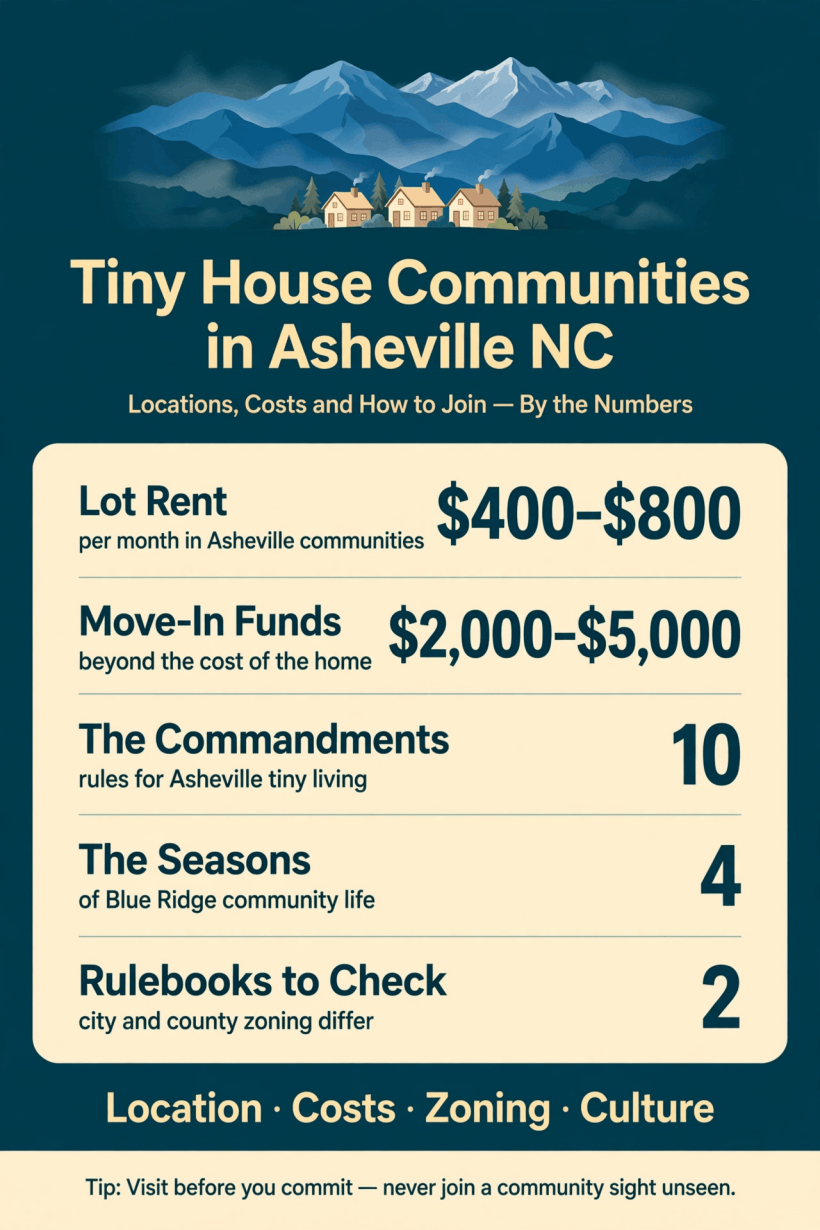
Asheville by the numbers: lot rent of $400–$800 a month, move-in funds of $2,000–$5,000 beyond the home, ten commandments for mountain tiny living — and two zoning rulebooks, city’s and county’s, to check before anything else.
1. Why Asheville for Tiny Houses
Three things make Asheville the natural home of tiny in the Southeast. The culture is artsy and welcoming — a creative city that treats an unconventional house as a neighbour, not a nuisance. The mountains are the Blue Ridge at their most beautiful, layered and blue, the daily backdrop rather than a weekend destination. And the community itself is established and thriving: the scene here is not experimental, it is lived-in, with villages, parks, builders, events and networks already in place for the newcomer to join.
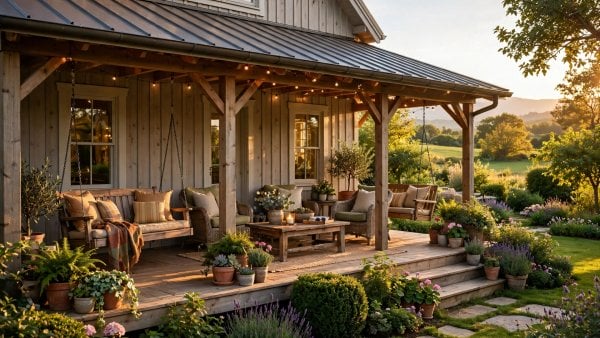
The view deserves its own word, because in Asheville the view is the reason. The ridge runs layered and blue on the horizon; the morning brings the mist, the magic hour when the valleys fill with fog; the evening brings the alpenglow, the gold light on the high slopes. A tiny house asks little of a place except that the place give something back — and Asheville gives the mountains, daily. The original guide’s rule for the whole city is the section in a line: Asheville is the tiny — the natural.
2. Asheville-Area Communities: Villages, Parks and Leased Land
Are there tiny communities in the Asheville area? Yes — the area hosts several tiny-friendly communities, villages and parks, plus a thriving private-land scene, and the established ones are researched, known quantities rather than rumours. The villages are the organised form: a gathered settlement of tiny homes with shared ground and a shared culture. The parks are the tiny-friendly form: sites that welcome tiny houses, verified one by one. And the land is the private form — a leased parcel from a local landowner, covered in full in section 6.

The rule that governs all three forms is the same: verify before — the committed. Communities evolve and details change, so every village and park is confirmed directly before any money moves: the current lot availability, the current rules, the current rent. The national picture helps the search start wide — our tiny home communities locator maps the movement across the country, and the Southeast’s other established scene, the villages in our guide to tiny house communities in Florida, shows how a mature community market reads. Asheville’s own scene rewards the same approach as both: a shortlist, then visits, then verification.
3. The Costs: Lot Rent, Buy-In and the Mountain Premium
The headline number is the lot rent: $400–$800 a month across the area’s communities. The buy-in varies — asked of each community directly, because it depends on the village and the site. Utilities split two ways: some included in the rent, some separate and metered to the home — which is why the costs are always totalled in full before joining, a commandment this guide returns to in section 10.
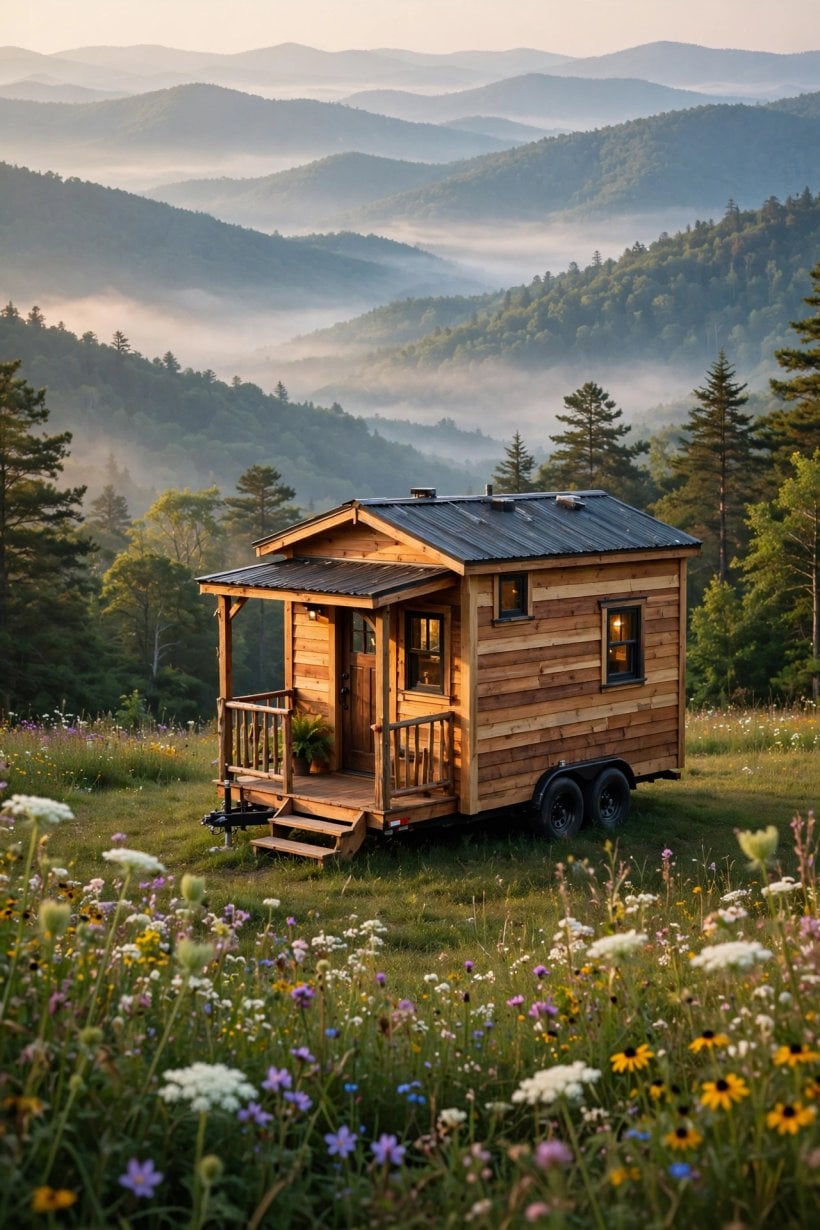
So how much does it cost to live in an Asheville tiny community, in one answer? Lot rent typically $400–$800 a month, plus the cost of the home itself. And is Asheville expensive for tiny living? Honestly, yes — more than the rural surroundings. The mountain premium applies: lot rents sit where they sit, the land costs more, and the setting is the reason. The original guide’s defence is the one residents give: the culture and the mountains justify it for many — but budget honestly, because the premium is real and it is monthly.
4. How to Join: Visit, Apply, Interview
Joining runs in three steps, and the first is not paperwork. The visit — the tour — is essential: walk the ground, feel the vibe, meet the neighbours, read the rules where you would actually live under them. The application follows, the process completed honestly: the form filled in full, the references provided and checked. Then the interview, where the fit is assessed from both sides — because the community chooses, and the joined are the ones both parties picked. The decision is mutual, and the welcomed are the ones who visited.
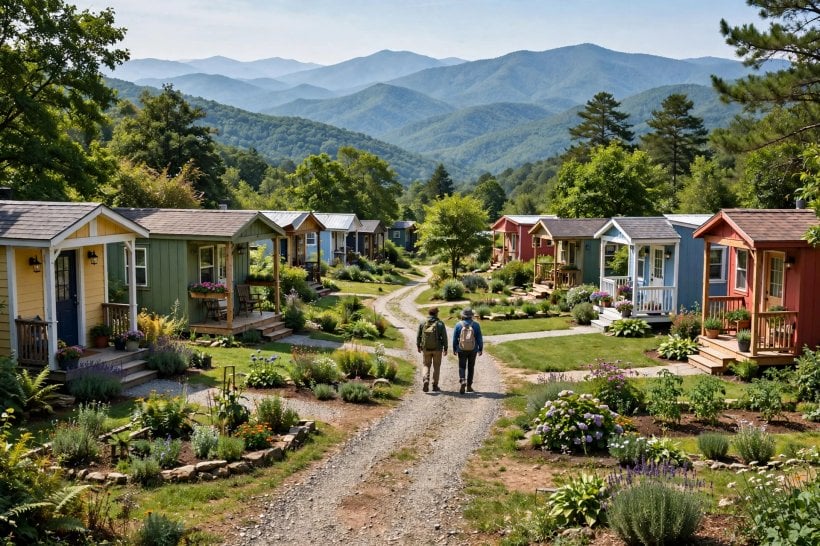
The scouting trip is how the visit is done properly: a dedicated weekend, the list of communities toured one by one, the notes compared until the decision makes itself — the trip decides, on feet, not on photographs. The trial goes further still: can you rent before buying? Yes — vacation rentals and longer-term options let you test the lifestyle, and an extended trial stay is part of the application culture here. The rent-before-buy is the wise route: the mountains, the tiny, the tested. What is the minimum needed to move in once accepted? The home, bought or built; the application approved; the first month plus deposit; and the insurance bound — realistically, the home cost plus $2,000–$5,000 in move-in funds. And the best community near Asheville? The one that fits — visit several, compare the costs, the rules and the culture, because the best is the personal: the community you will love living in. The joining discipline is the same across the South — our buyer’s guide to tiny houses for sale in Memphis TN walks the purchase side of the same journey at Tennessee prices.
5. Zoning and Rules: City, County and the THOW Question
Two rulebooks govern tiny living here, and they are not the same book. The county is Buncombe — checked. The city is Asheville — verified. A parcel inside the city answers to city rules; a parcel in the county answers to the county’s, and a community’s own rules sit on top of whichever jurisdiction hosts it. The standing warning from the original guide heads the section: the rules change — the current. Whatever was true when a forum post was written is history; the current code, checked directly, is the only version that protects you.
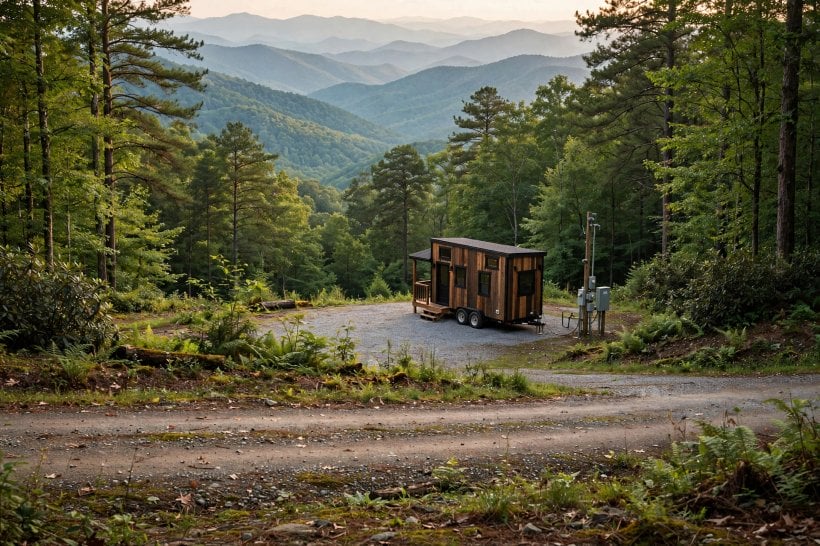
Can you put a tiny house on wheels in Asheville? It depends on the jurisdiction — city and county rules differ, and the treatment of a THOW varies between them. The wheels are the questioned part of any tiny application, so the THOW check happens before the purchase, never after the delivery. The wider placement picture, state by state, is mapped in our overview of where you can legally live in a tiny home. Before joining any community, four questions get written answers: the lease — the terms, read; the rules — the community’s own, understood; the costs — all of them, totalled; and the exit — the terms, known before you need them. The utilities get the same definition treatment: water shared or metered, power from the grid or solar, waste by sewer or septic, and the internet — the essential — verified on site, because a mountain signal is a thing to test, not assume.
6. Land Options Beyond Communities
Not every Asheville tiny sits in a community, and the options extend beyond them. The private lease is the negotiated route: a landowner with a suitable parcel, terms agreed between two parties. The purchase is the owned route: acreage of your own, the tiny placed on land that is yours. And the farm is the arranged route: a work-trade, labour exchanged for a place to park and live, a pattern the area’s farm culture makes natural. The rule orders the three: the options extend — the communities are the beginning of the search, not its end.
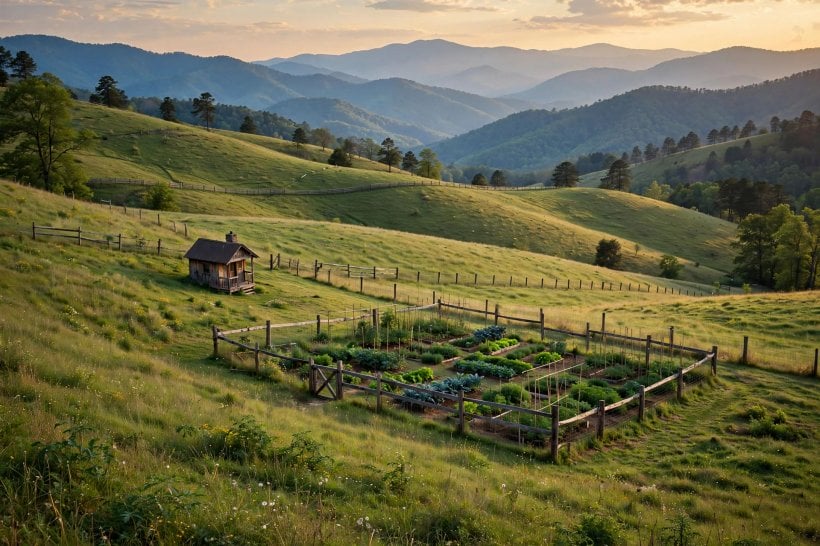
How do you find tiny house land for sale near Asheville? The original guide’s three channels still hold: the local realtors — the tiny-experienced ones, who know which parcels carry which restrictions; the land listing sites; and the community networks, where land changes hands by word of mouth before it is ever advertised. The unrestricted acreage is the gold — the parcel whose zoning lets a tiny house simply be — and the standing caution rides on every offer: verify the zoning before the offer, not after it. Buyers weighing a house-and-land package against assembling the two separately will find the comparison in our guide to a tiny house for sale with land.
7. Builders Near Asheville
A community lot is only half the move; the home itself has to come from somewhere, and Asheville builds its own. The local craftsmen are the known names — the area’s makers, whose finished houses can be visited in the very communities this guide covers. The regional builders widen the choice: shops from across the mountain South that deliver to Asheville, options at more price points and in more styles. And the DIY route is genuinely supported here — the workshops where building is learned, run by the same culture that fills the villages.
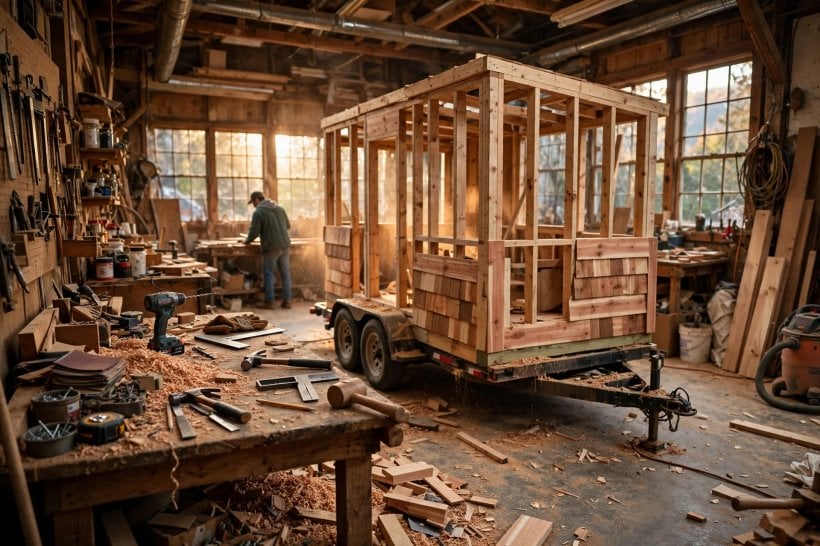
The rule for choosing among them is the section’s spine: the builder verified — the chosen. Visit finished homes, talk to owners inside the communities, and let the network’s recommendations (section 8) do their work. A builder whose houses already stand in the village you are joining has passed the only inspection that matters.
8. The Asheville Tiny Lifestyle and Community Culture
What the rent actually buys is a life, and Asheville’s is unusually rich. The outdoors is the hiking — the daily trail, not the occasional trip. The arts are the galleries and the music, a creative economy you live inside. The food is farm to table, the area’s fields feeding its kitchens. The original guide’s truth for the whole section: Asheville lives — the well. Inside the communities, the culture has its own calendar: the potlucks, shared and regular; the gardens, communal and grown together; the governance, meetings participated in rather than complained about. The culture is the community — the lived.
The neighbours complete the picture, and they are a chosen cross-section: the artists, the makers, the inspired; the remote workers, the quiet; the retirees, the wise, the gardening. The network wraps around all of it — the online groups joined, the local meetups attended, the builders known and recommended — because the network knows, and the asked get answers. Events keep the web tight: the tiny festivals attended, the building workshops learned at, the open tours that inspire the next arrival. And the welcome is real: the arrival helped and settled, the introduction made at the first potluck, the belonging earned and given. The seasons score the whole life — spring the gardens planted, summer the outdoors shared, fall the colour, the glorious, winter the cozy, the gathered. Even the inside of the tiny joins the culture: the styling ideas in our tiny house and small-space interior design hub are how these small interiors carry the mountain arts scene indoors.
9. Winter in the Mountains and Working in Asheville
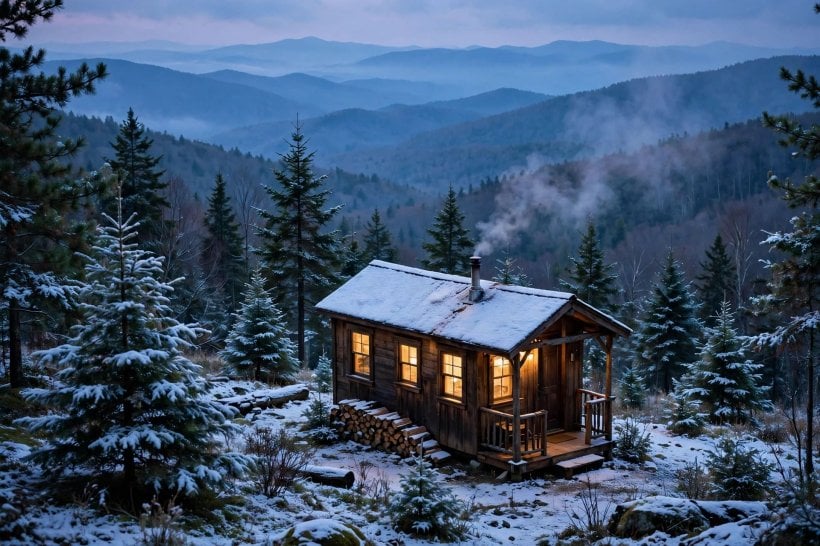
The weather question gets the honest answer first: four seasons — the beautiful summers, the real winters. The cold is real and the prepared respect it: the insulation serious, the essential; the heat reliable and redundant, two ways of warming the small space because one failure in January is a crisis; the plumbing winterized against the freeze. The rule crowns the section: the mountain winter — the respected. The first winter is the making of the resident: the learning curve climbed, the cozy earned and loved, and the spring awaited — the glorious reward on the other side of it. The first winter makes the mountaineer.
Work, meanwhile, follows the tiny here unusually well. The remote work is the ideal — the common pattern, a laptop and the verified internet of section 5. The local economy offers its own routes: the tourism and the arts, the industries the city runs on. And the commute is the short one — the mountain version, minutes rather than the metropolitan hour. The truth of the section pairs with the winter’s: the work follows — the tiny, for those who plan the season and the signal together.
10. The 10 Commandments, the Mistakes and the Long-Term Picture
The whole guide compresses into the ten commandments of Asheville tiny living: visit before committing; verify the zoning; total the costs; read the rules; meet the neighbors; check the utilities; plan the winter; insure the home; know the exit; love the mountains. The mistakes to avoid are the commandments broken: the unseen commit, regretted — the visited avoid it; the assumed zoning, fined — the verified avoid it; the winter surprise, frozen pipes and all — the prepared avoid it; the cost blind spot, the overrun — the totalled budget avoids it. The rule under both lists: the verified avoids — the regretted.
The long term is designed, not drifted into. The equity sits in the home — the owned asset, yours whatever happens to the lot. The land is the leased part — considered honestly, its terms and its exit part of the plan from day one. The future stays planned and flexible. Insurance belongs in the same long view (commandment eight): a THOW insures through the specialty market — shopped for, because cover varies; a foundation home insures on the standard route, the easier; and the mountain weather is the covered risk either way — the insured sleeps the sound. The decision itself, when the visits are done and the numbers are run, is the felt one — the gut trusted, the home known. Readers comparing joining scenes across the region will find the same visit-verify-join discipline in our guide to the Tulsa tiny house community and to tiny house communities in Austin.
Final Considerations
The tiny house communities in Asheville NC offer what few tiny scenes can: the mountain setting, the creative culture and the established community, all in one Blue Ridge valley. The method never changes — verify the current details, visit in person, total the costs honestly, and join the community that fits. The payoff waits on the other side of the homework: the setting daily, the culture fed, the like-minded found. Visit, verify, join — the mountains await. One last note, carried from the original guide: community details, costs and zoning rules change — verify all current information directly before making decisions.

6 Comments