

Tulsa, Oklahoma — the heartland city where tiny house living meets affordability. Space is available, land is attainable, and the community is growing and welcoming. This guide covers the whole scene: where the communities are, what they cost, how to join, and the rules, storms and daily life that come with a tiny home on the plains.
Tulsa Tiny House Community: At a Glance
Joining a Tulsa tiny house community is less about finding a parking spot for a small house and more about choosing a way of life: heartland affordability, room to breathe, and neighbours who chose the same trade. This guide follows the journey in the order it actually happens — why Tulsa works, where its communities are forming, what they cost, how to join one, and the zoning questions to settle first. Then come the lifestyle and culture, the land and builder options beyond the communities, the storm planning Oklahoma demands, work and the long-term picture, and finally the ten commandments and the payoff that make the decision feel easy.
| Topic | What It Covers | Key Fact or Figure |
|---|---|---|
| 1. Why Tulsa | Affordability, available land, a growing scene | Heartland costs stretch the tiny dollar |
| 2. The Communities | Villages, tiny-friendly parks, private leased land | Three ways in — verify each directly |
| 3. The Costs | Lot rent, buy-in and utilities | Lot rent $300–$600 a month |
| 4. How to Join | The visit, the application, the interview | The fit is mutual — never commit unseen |
| 5. Zoning and Rules | City, county and the tiny-house-on-wheels question | Rules differ by jurisdiction — check the current ones |
| 6. Lifestyle and Culture | The river, the arts, potlucks and governance | The culture is the community |
| 7. Land and Builders | Private leases, acreage, local craftsmen | Affordable acreage — verify zoning before the offer |
| 8. Storms and Insurance | Tornado planning, tie-downs, wind cover | The storm plan is non-negotiable |
| 9. Work and the Long Term | Remote work, local jobs, equity and flexibility | The long-term picture is designed, not drifted into |
| 10. Commandments and Payoff | The ten rules, the mistakes, the decision | Visit, verify, join — the heartland awaits |
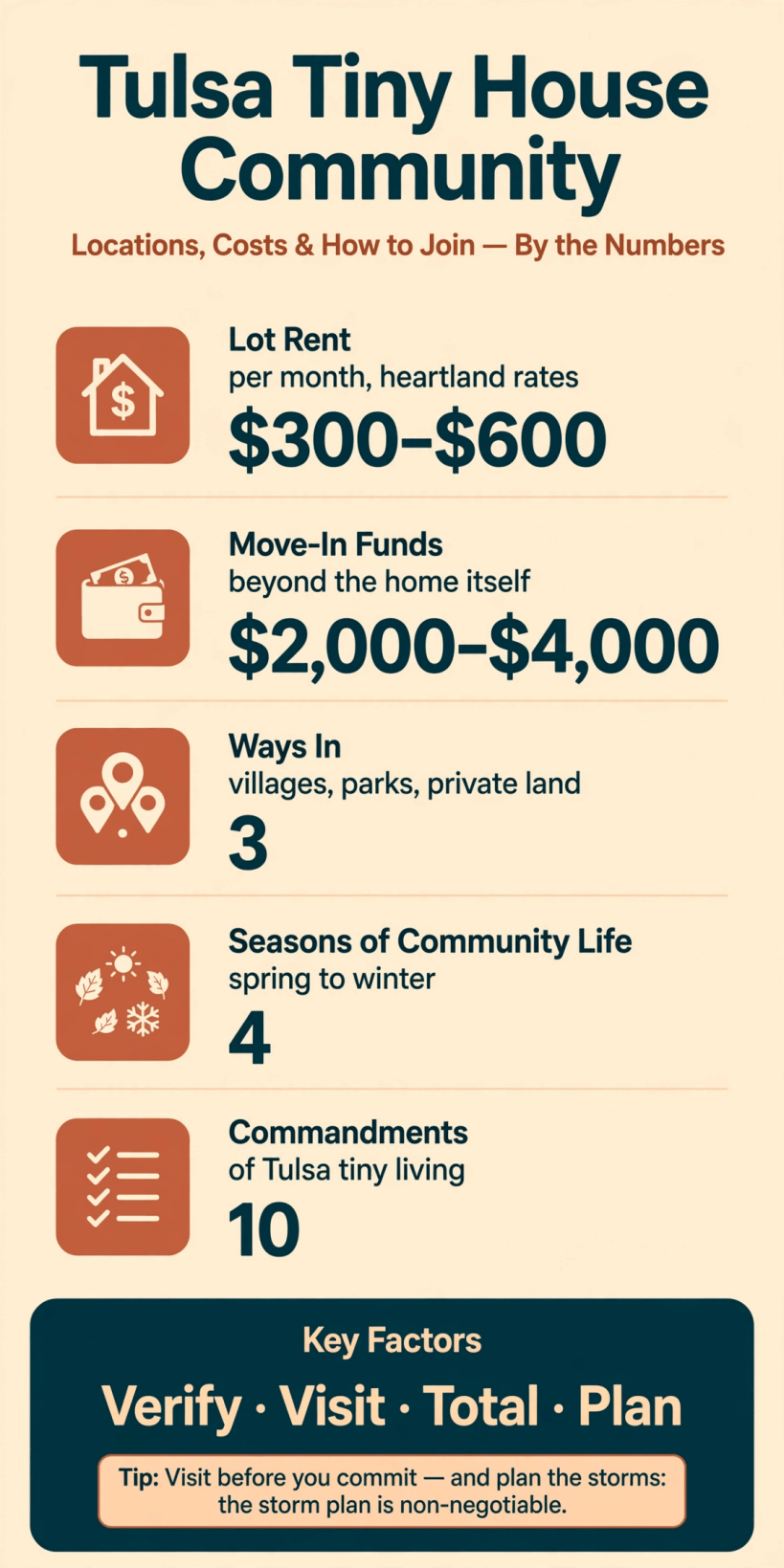
The community by the numbers: lot rent of $300–$600 a month, move-in funds of $2,000–$4,000 beyond the home itself, three ways in, four seasons of community life — and ten commandments to live by.
1. Why Tulsa for Tiny Houses
Three things make Tulsa work for tiny living, and the original guide names them plainly. The first is affordability: this is the heartland, and heartland prices are the accessible ones — the lot rents, the land and the general cost of living all sit far below the coasts, so the tiny budget stretches further here than almost anywhere else. The second is space: land is available around Tulsa in a way it simply is not in crowded coastal markets, and a tiny house needs exactly that — a legal, serviced place to be. The third is the community itself: growing, welcoming, and increasingly organised.
Is Tulsa affordable for tiny house living? The original answer is an unqualified yes — the heartland affordability is the draw. Lot rents run $300–$600 a month, the land is reasonable, and the overall cost of living stretches the tiny budget further than the coasts. The rule the guide sets over the whole section is the one the rest of this article keeps returning to: Tulsa is the tiny, attainable — a place where the small-house life is not a compromise forced by prices, but a choice the prices make easy.
2. Tulsa-Area Communities: Villages, Parks and Private Land
Are there tiny house communities in Tulsa? Yes — the Tulsa area has a growing tiny-friendly scene, and it takes three forms. There are the villages: purpose-formed communities, emerging around the city and worth researching carefully as they develop. There are the parks: existing parks that welcome tiny houses, tiny-friendly and verifiable. And there is private land: lots leased from individual landowners, the quiet third route that much of the local scene actually runs on. The rule over all three is the same: verify before you commit — the scene evolves, details change, and every option in this section should be confirmed directly before money moves.

What is the best tiny community near Tulsa? The original answer refuses to name one, and it is right to: the best is the one that fits. Visit several, compare the costs, the rules and the culture, and choose personally — the “best” community is the one you will love living in, not the one with the longest feature list. The comparison habit travels well: the same visit-and-compare method anchors our guide to tiny house communities in Asheville, NC, and the village scenes gathered in our roundup of Florida tiny house communities show how different regions answer the same questions of rent, rules and culture.
3. The Costs: Lot Rent, Buy-In and Utilities
How much does it cost to live in a tiny community in Tulsa? The headline figure is the lot rent: typically $300–$600 a month, plus the cost of the home itself. Beyond the rent, expect the buy-in to vary — it is set community by community, so ask for it directly and early. Utilities are the third line: some are included in the rent, some are separate, and the arrangement differs by community, which is why totalling the real monthly figure — rent, buy-in amortised, utilities, insurance — is one of the commandments later in this guide. The truth the original attaches is simple: Tulsa costs are heartland costs.
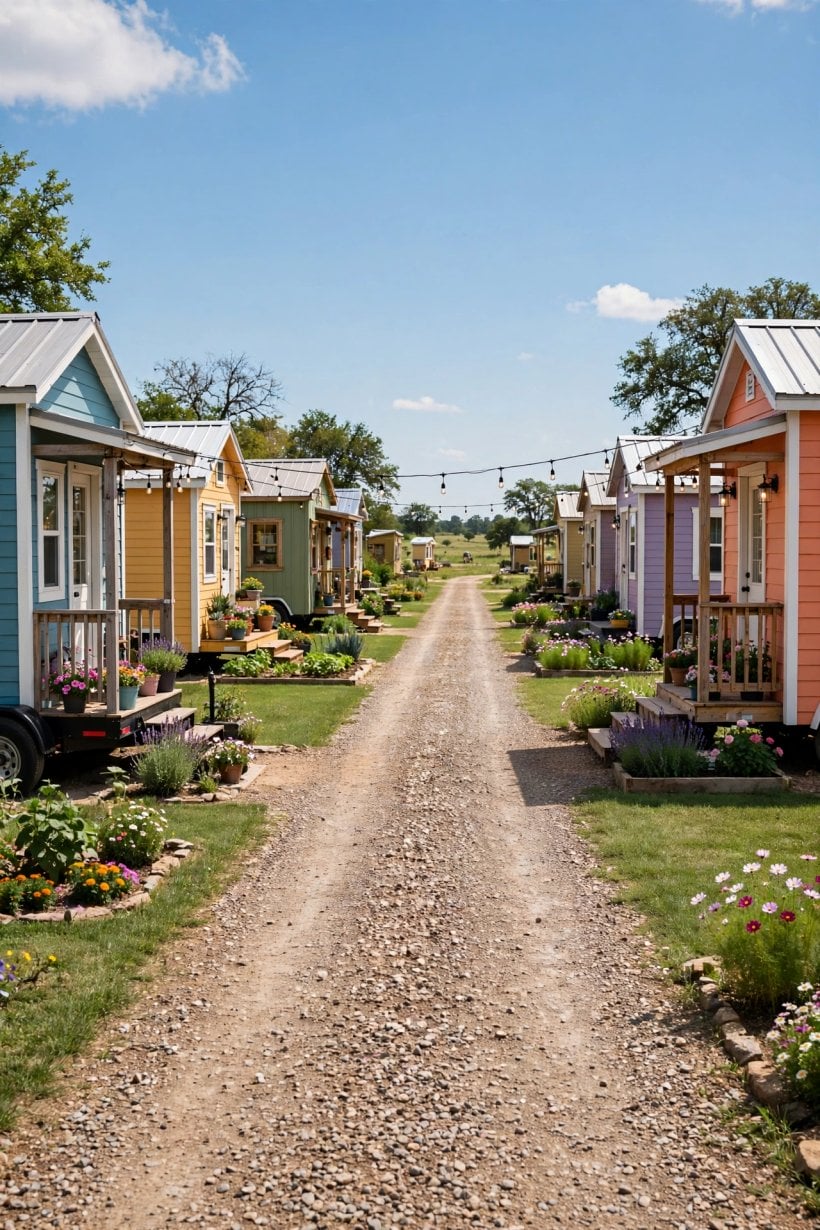
The utilities themselves are defined before you join, and each has its local pattern. Water is shared or metered, depending on the community’s setup. Power is the grid, with solar as the supplement some residents add. Waste runs to a sewer line or a septic system. Internet is the essential modern utility — verified, not assumed, because for the many residents who work remotely it is the one connection that cannot fail. And what is the minimum you need to move in? The home itself, bought or built; the application approved; the first month’s rent plus the deposit; and the insurance bound. The realistic entry, beyond the home, is $2,000–$4,000 in move-in funds.
4. How to Join: Visit, Apply, Interview
How do you join a tiny house community? The original answer is three words: visit, apply, interview — because the community fit is mutual. The visit comes first and is essential: tour in person, feel the vibe, meet the neighbours, read the rules where they will actually govern you. Never commit sight unseen. The scouting trip deserves its own dedication: make it a weekend, work from a list of communities, tour each one, and take notes — the compared notes are what the decision is later made from. The trip decides, and it decides with your feet.
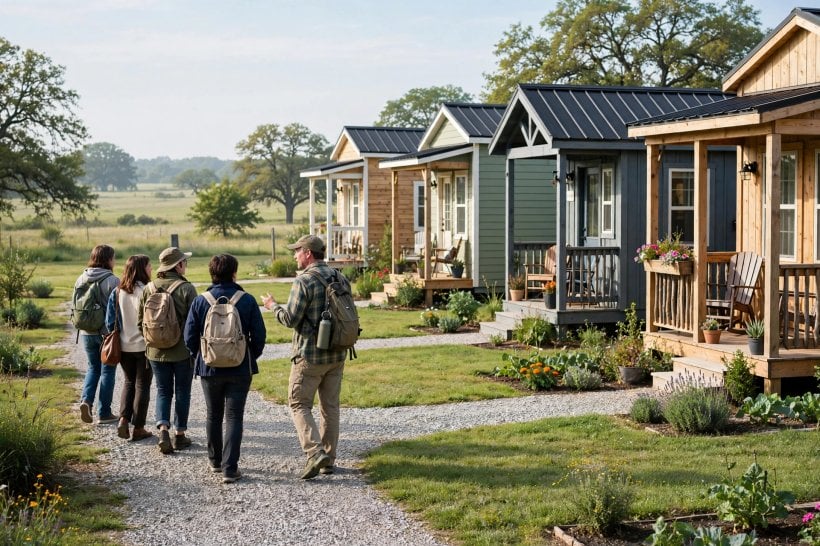
The application process then formalises what the visit started. The form is completed honestly; the references are provided and checked; the visit may be extended into a trial stay, so both sides can test the fit over days rather than hours. The decision, when it comes, is mutual — and the welcomed resident is the product of the process working as designed, because the process protects the community. Can you rent a tiny house in Tulsa before buying? Yes — vacation rentals and longer-term rental options let you trial the lifestyle first, and rent-before-buy is the wise route: the heartland, the tiny, the tested. The rule over the whole section is the one every community repeats: the community chooses, and the joined are chosen well.
5. Zoning and Rules — and What to Ask Before Joining
Zoning is the section where Tulsa asks for homework rather than enthusiasm. The city has its rules, and they must be checked; the surrounding county has its own, and they must be verified separately, because the two do not match. Can you put a tiny house on wheels in Tulsa? It depends on the jurisdiction — city and county rules differ, and the treatment of a tiny house on wheels varies by location. Check the current Tulsa rules before committing to anything, because rules change and the current version is the only one that counts. Our walkthrough of how to talk to local officials about tiny house zoning laws shows how to get straight answers from the people who enforce them.
Before joining, four questions protect you, and the original lists them in order. The lease: read the terms — all of them, before signing. The rules: understand the community’s rules as they are actually enforced, not just as they are written. The costs: total them all — rent, buy-in, utilities, insurance — into one honest monthly number. And the exit: know the exit terms before you need them, because a community you can leave cleanly is one you can join confidently. These questions are not suspicion; they are the difference between a resident and a cautionary tale.
6. The Tulsa Tiny Lifestyle and the Community Culture
Daily life is the reward the paperwork buys. Tulsa itself supplies the backdrop: the Arkansas River and its trails for the morning walk, the arts district and its music for the evenings, and the local BBQ for everything in between. The original’s verdict is that Tulsa lives well — the city gives a tiny resident more than the lot does. Inside the community, the culture is the lived part: potlucks that are shared and regular, communal gardens that are planted and grown together, and governance — meetings, participated in — that keeps the place run by the people who live in it. The truth is in the original’s own line: the culture is the community.
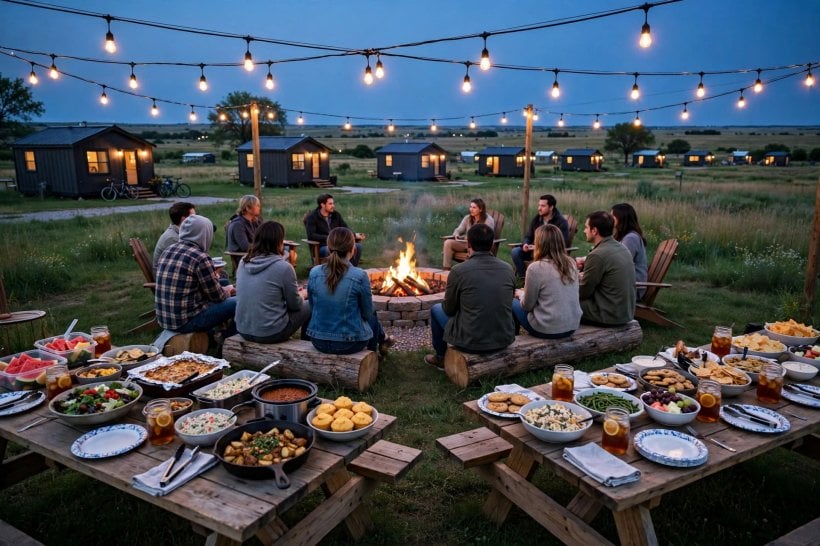
The neighbours make it concrete. The makers and craftsmen inspire; the remote workers keep the days quiet; the families root the place and keep it friendly. The gathering place is the heart they share — the central green, the fire pit in the evening, the common hall when it rains. Events widen the circle: tiny house festivals attended, building workshops learned at, open tours that inspire the next resident. The network — online groups joined, local meetups attended, builders known and recommended — knows what no listing does, and it is generous to those who ask. New arrivals feel the system working at the welcome: helped in, settled, introduced at the first potluck — belonging, earned and given. Residents who fall for this life sometimes end up building a version of it themselves; how to start your own tiny house community is the step-by-step for when that day comes.
7. Land Options Beyond Communities — and Builders Near Tulsa
Community lots are not the only route. Beyond them, the options extend: the private lease, negotiated directly with a landowner; the purchase, acreage that heartland prices keep affordable; and the rural option, the surrounding countryside where space is spacious by default. How do you find tiny house land for sale near Tulsa? Through local realtors — the tiny-experienced ones — through the land listing sites, and through the community networks, where plots change hands by word of mouth. The affordable acreage is the gold here, with one standing instruction: verify the zoning before the offer. Our complete guide to buying land for a tiny house walks the search, the checks and the closing, and buyers weighing a house-and-land package should compare it against tiny houses for sale in Colorado with land to see how the heartland’s prices stack up.
The builders complete the picture. Locally, there are known craftsmen building for this market; regionally, builders deliver into the Tulsa area and widen the choice; and for the hands-on, DIY workshops teach the skills to build your own. The rule is the same one that governs the land search: the builder verified is the builder chosen — tour the work, talk to past buyers, and let the verified record decide.
8. Storms, Seasons and Insuring the Heartland Tiny
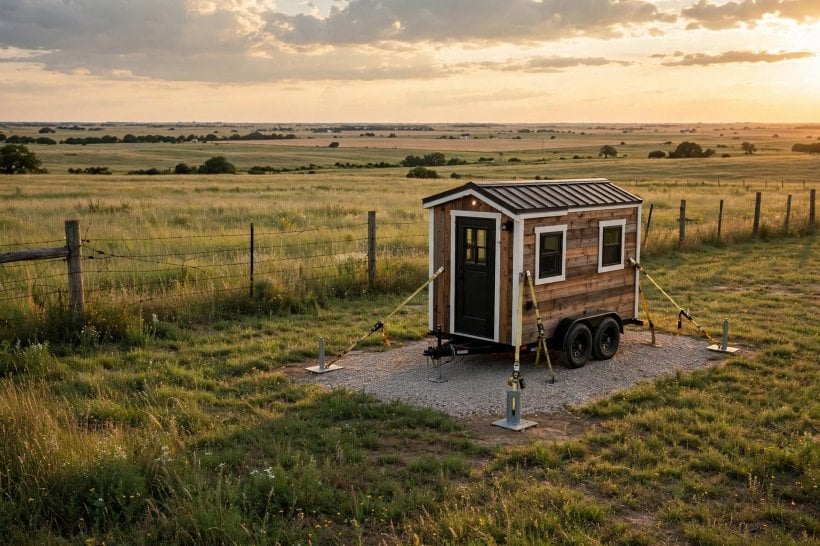
Oklahoma adds one chapter no Tulsa guide can skip: the storms. This is tornado alley, and the planning is non-negotiable. How do you prepare a tiny house for Oklahoma storms? With tie-downs and anchoring that secure the home, a community shelter plan that every resident knows, insurance with wind coverage, and plain weather awareness through the season. The prepared tiny weathers the storms — plan like the plains demand. The first storm season teaches the lesson the drill prepared you for: the drill practised, the shelter reached, the calm afterwards, and the gratitude of the prepared.
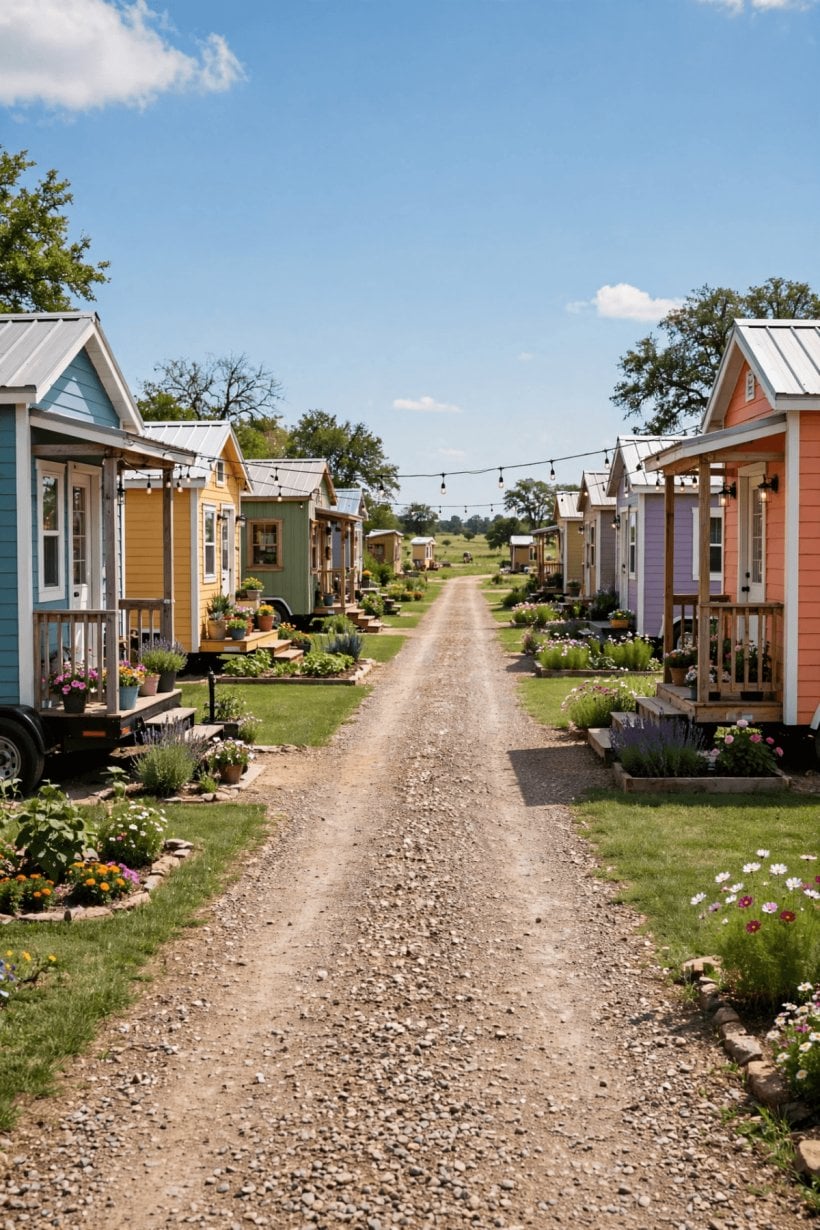
The seasons of community life frame the year around that planning. Spring is the storms, watched. Summer is the heat, shaded against. Fall is the mild, the glorious season on the plains. Winter is the ice, prepared for. Insurance matches the risk: a tiny house on wheels takes specialty cover, shopped for; a foundation home takes standard cover, the easier route; and the plains weather is the thing the policy must actually cover — our guide to tiny house insurance for homes on wheels vs on a foundation compares the two routes in full. The rule closes the section the way the original closes it: the insured sleeps sound.
9. Working in Tulsa and the Long-Term Picture
Work follows the tiny here, and in two patterns. Remote work is the ideal and the common one — the community’s quiet days and verified internet suit it exactly. Local work runs on Tulsa’s own economy: energy and healthcare are the named employers, and the commute, for those who make one, is easy and affordable by big-city standards. The truth is that a resident rarely has to choose between the tiny life and a working one; the city makes both fit the same week.
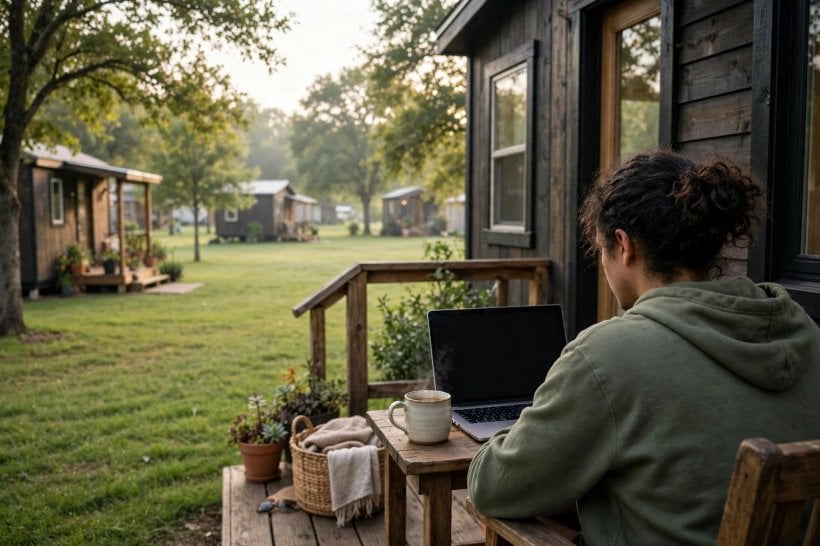
The long-term picture is the designed one. The equity sits in the home, which you own; the land is leased, and that arrangement is considered — weighed honestly against the purchase route of section 7 — rather than defaulted into. The future stays planned and flexible: a leased lot and a house on wheels is, by design, a life that can move if life changes. The long-term, in the original’s phrase, is the designed — the intentional. Nothing about a Tulsa tiny life needs to be drifted into; every part of it, from the lot to the lease to the storm plan, rewards the resident who chose it on purpose.
10. The 10 Commandments, the Mistakes and the Decision
The original collects its wisdom into ten commandments of Tulsa tiny living, and they are reproduced here as they were given: visit before committing; verify the zoning; total the costs; read the rules; meet the neighbours; check the utilities; plan the storms; insure the home; know the exit; love the heartland. The mistakes to avoid are the commandments broken in advance — committing unseen, and regretting it; assuming the zoning, and being fined for it; going storm-blind, unprepared; going cost-blind, and overrunning. The verified resident avoids the regretted life.
The decision itself, when the visits are done, is threefold: the visited, toured and felt; the numbers, run honestly; and the gut, trusted at the end — the decision is the felt, the known. What waits on the other side of it is the Tulsa payoff: the affordability, daily; the space, the land, the room; and the community, like-minded and found. Comparing heartland scenes before you decide is only fair — our Memphis buyer’s guide prices the Tennessee version of this same affordable life. The invitation the original ends on stands: visit, verify, join — the heartland awaits.
Final Considerations
Tulsa’s tiny house scene offers the heartland’s affordability, available land, and a growing, welcoming community — everything the small-house life needs, at prices that make it attainable. Choose the right Tulsa tiny house community and you get the full package: a lot at $300–$600 a month, neighbours chosen by the same values, a storm plan that lets you sleep through spring, and a city with a river, a music scene and a table worth sitting at. Verify the current details, visit in person, and join the community that fits. The heartland is waiting. One standing note, carried from the original guide: community details, costs and zoning rules change — verify all current information directly before making decisions.


1 Comment