

A tiny house for sale with land is the bundled version of tiny living: one purchase that gives you the home and the plot it stands on, with no separate search for somewhere legal to put it. For many buyers that bundle is the whole appeal. A house on wheels without land is only half a plan, and a package promises the finished thing — a home you can simply move into, on ground that comes with it.
Packages appear in more places than the obvious listings: builder yards, community noticeboards, local land agents, and the classified corners of tiny house marketplaces all carry them, and the best-priced ones often travel by word of mouth because the seller pool and the buyer pool are both small. Search for the land and the house simultaneously — many packages are listed under one half or the other, and a listing titled as a plot with “a cabin included” can be the same product wearing plainer clothes.
The bundle is also where buyers get caught. A package price mixes two very different assets — a small building and a piece of land — and each half can hide the other’s problems. This guide separates the two: what packages look like, what really drives the price, the land checks that matter more than the house tour, and the pitfalls that turn a simple purchase into an expensive lesson.

1. What a House-Plus-Land Package Actually Is
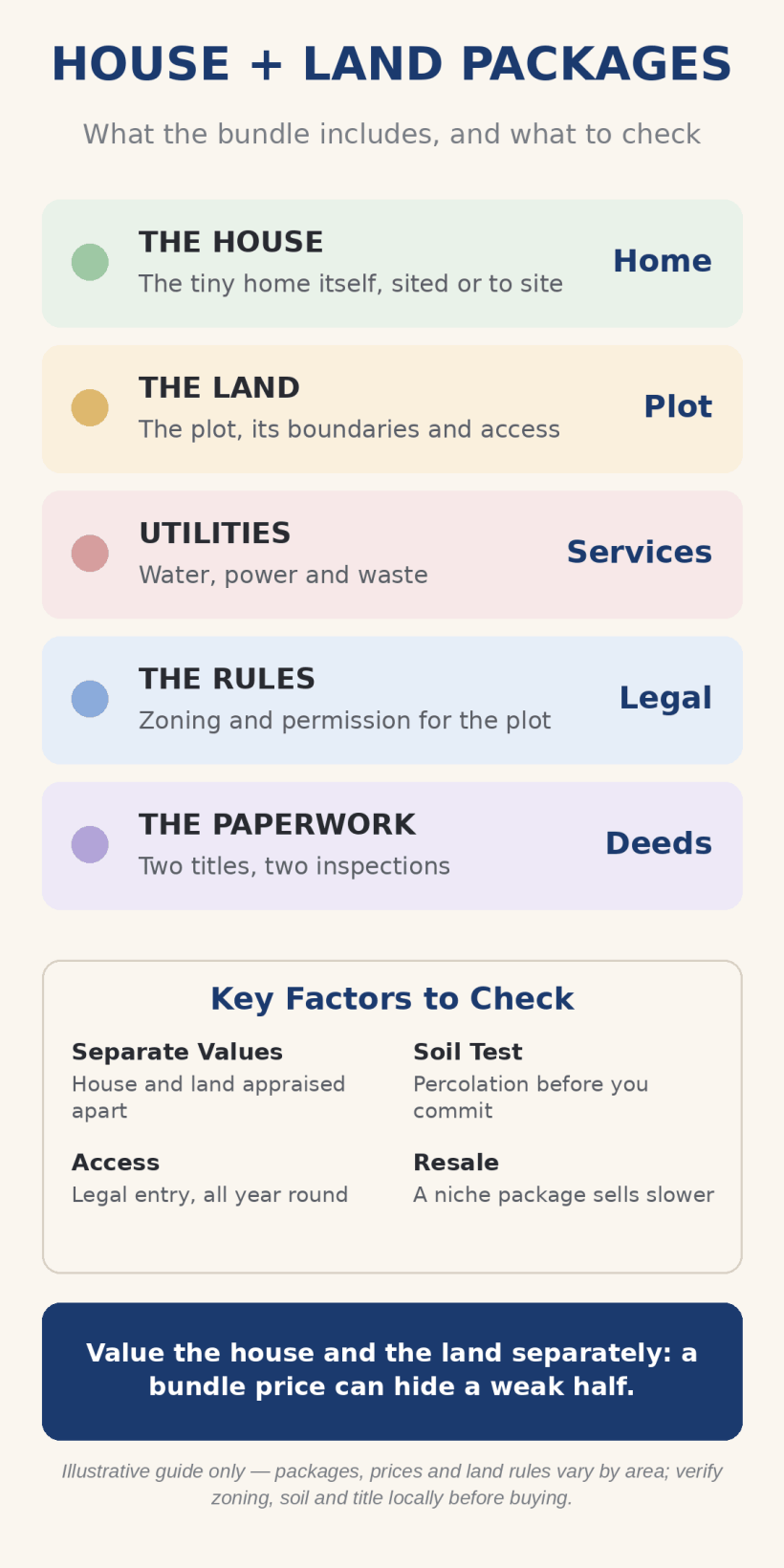
A package is any sale where a tiny house and the land under it transfer together. Sometimes the house is already sited, connected and lived in; sometimes a builder sells a house and a plot as one product, with the siting still to happen. Either way, you are really making two purchases at once — a dwelling and a parcel — and each deserves its own checks, its own valuation and its own paperwork.
The distinction matters because the two halves obey different rules. The house is a product: it can be inspected, compared and, if it is on wheels, sometimes titled like a vehicle. The land is real estate: it carries zoning, boundaries, easements and a recorded title. A package deal does not merge those two worlds; it just puts them in one contract. Understanding where a tiny house can legally be placed is the starting point, because the land half decides whether the house half can be lived in at all.
2. The Kinds of Packages You Will Meet
Builder packages are the most polished: a builder offers a finished or to-be-built tiny house on a plot they control, often in a small development or on scattered rural lots. These are convenient and usually the most expensive way to buy, because the builder’s margin covers both halves. Ask exactly what the price includes — siting, utility connections, and permits are not always inside the headline figure.
Sited resales are packages created by life rather than marketing: an owner who placed a tiny house on their own land and now sells both together. These can be good value, but the paperwork varies the most — the house may never have been formally permitted as a dwelling, however happily it has been lived in. Private resales demand the fullest checks in this guide. A third kind, the community package, sells a house with a long lease or ownership share in shared land; treat that as its own tenure type and read the community terms as carefully as the deed.
3. What Really Drives the Price
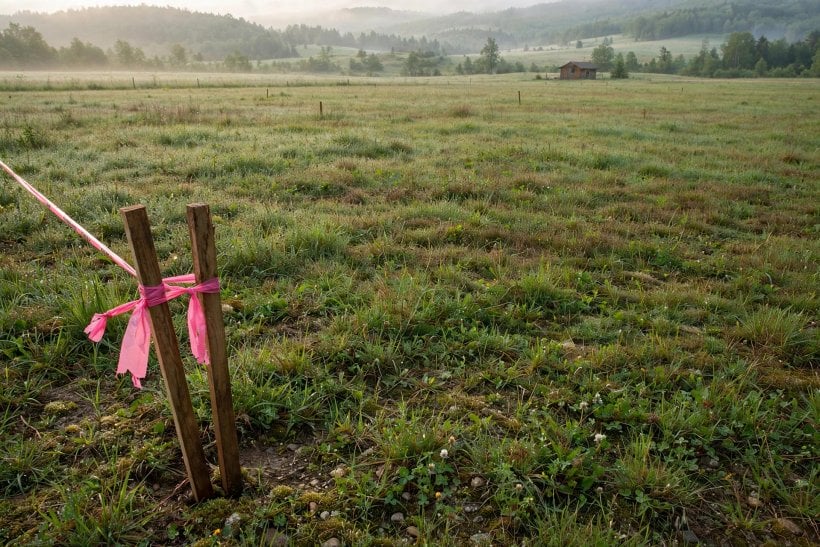
You will see advertised packages at wildly different prices, and the spread is honest: the land half varies by location more than the house half ever can. A modest house on a serviced plot near a town can cost far more than a better house on remote acreage. That is why this guide prints no single “typical” price range — any such range would mix unlike places into a number that helps no one.
Instead, price the halves separately. Value the house as you would any tiny house — age, build quality, size, condition — using the thinking in our guide to how much a tiny house costs. Value the land as land: comparable local plots, services available, and the cost of adding whatever is missing. A well or septic system still to install, a long driveway to build, or power to bring in from a distant pole all belong in your total, priced by local quotes rather than guesses. When the two separate values add up to roughly the package price, the bundle is fairly priced; when they do not, you have found your negotiating ground.
4. The Land Check That Matters Most: Permission to Live There
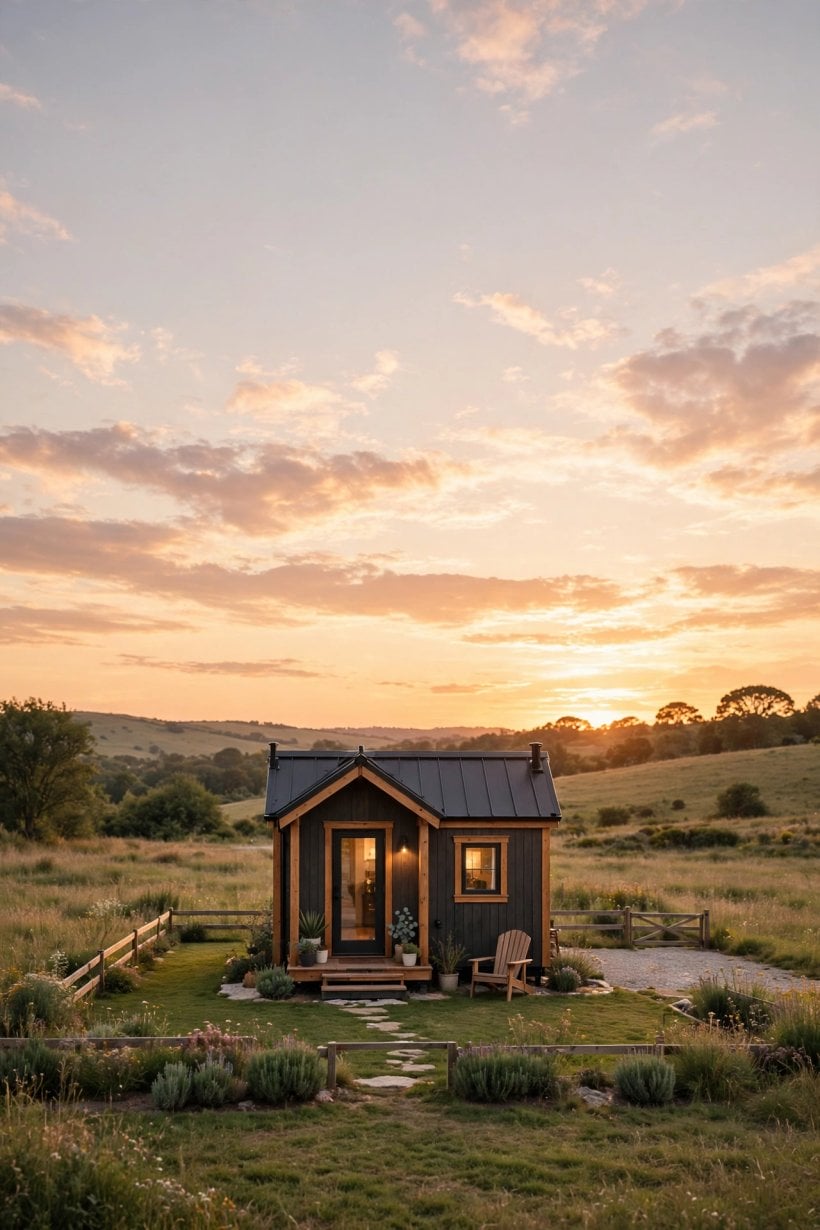
The single most important question in any package is whether the house may legally be lived in on that plot. Land can be beautiful, serviced and cheap, and still not allow a dwelling of this type — zoning may reserve it for agriculture, set a minimum dwelling size the house fails, or permit tiny houses only as accessory units beside a main house. A seller’s assurance that “people live in these here all the time” is not permission.
Check with the local zoning or planning office for the exact parcel, and get the answer in writing where you can. Our guide to zoning laws and talking to officials walks through how to ask, and the state-by-state tiny house laws index gives the wider picture for your area. Also check private restrictions: deed covenants and homeowners’ association rules can ban what zoning allows, and they bind you just as firmly. If the permission answer is no, the package is not a home with land — it is a house you would have to move, plus some land.
5. Soil, Septic and Water: The Invisible Costs
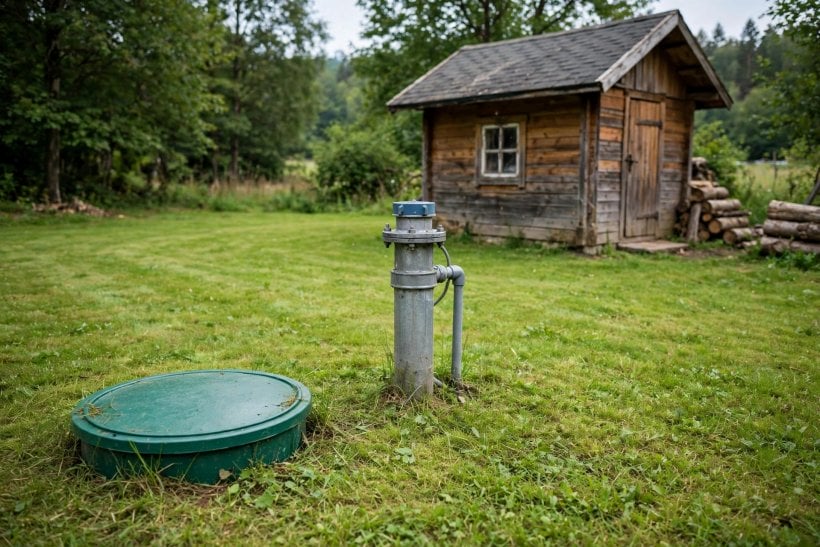
What is under the ground decides much of what a package is worth. If the plot relies on a septic system, ask for its paperwork and condition; if no system exists, the soil must pass a percolation test before one can be installed, and soil that fails can make a plot effectively unbuildable as a home site. This is a professional test arranged through local installers or the health department — never a detail to take on trust.
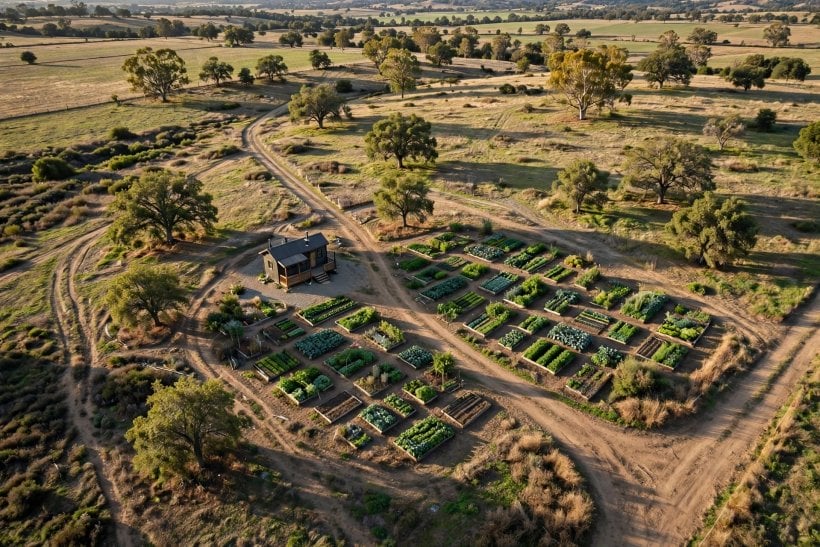
Water is the twin question. A drilled well should come with some record of its depth, yield and water quality testing; a plot without a well needs a realistic quote for drilling one, and in dry country that quote can be sobering. If the package advertises “utilities available,” pin down what that means: available at the boundary is very different from connected to the house, and the gap between the two is measured in trenching, poles and permits. Our guide to preparing land for a tiny house covers the full sequence of turning a raw plot into a serviced home site.
6. Boundaries, Access and Title
Walk the land, and walk its edges. A survey — recent, professional, with the corners marked — tells you what you are actually buying; fences and hedges drift over the years and are not evidence. If no recent survey exists, commissioning one is money well spent on any package where the boundary is unclear, because boundary disputes with neighbours are among the most miserable problems a land buyer can inherit.
Two quieter items belong on the same walk: easements and services that cross the plot. A neighbour’s right to run a water line or power cable across your land, a shared driveway maintained by handshake, a footpath the village has used for decades — each limits what you can build and where, and each should appear in the deeds you are shown. If an arrangement exists only in conversation, price the risk of formalising it, or of it being disputed, before you fall for the view.
Access deserves the same care. A plot reached by a track across someone else’s land needs a legal right of way recorded in the deeds, not a friendly understanding with the current neighbour. Check the title for both halves of the package: the land’s recorded title, and the house’s ownership documents — which, for a house on wheels, may be a vehicle-style title or a builder’s certificate. Every lien, easement and restriction attached to either half becomes yours at closing, so read for both, ideally with a local conveyancer or attorney doing the formal search.
7. Financing a House and Land Together
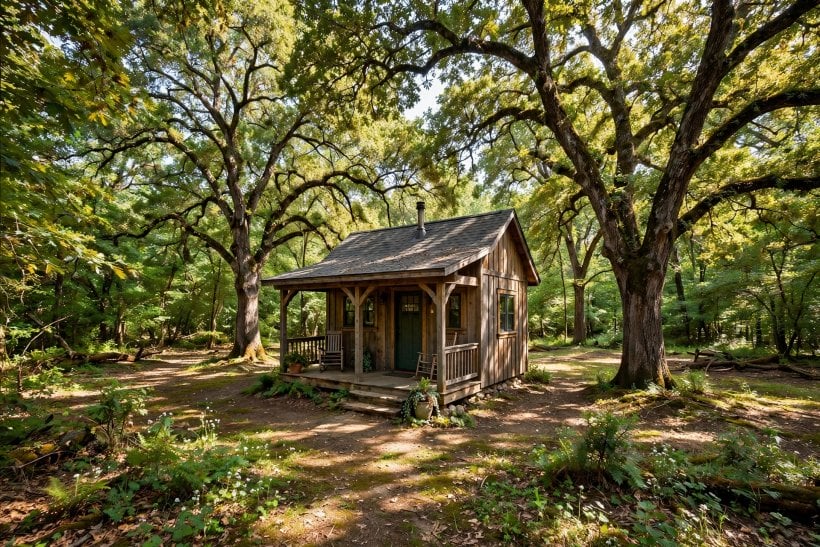
Financing a package can be simpler or harder than financing a house alone, depending on how the house is classified. A tiny house fixed on a foundation on its own land may fit ordinary real-estate lending; a house on wheels is often treated as a vehicle or personal property even when sold with land, which pushes lenders toward separate products for the two halves. Some buyers use a land loan plus a personal or RV-style loan; others buy with cash because the combined ticket is smaller than a conventional house.
Do not assume a lender will treat the bundle as one tidy mortgage until one has said so in writing. Our guide to tiny house mortgages explains how classification drives the lending route. Whichever route you take, compare the total cost of borrowing — term, rate, fees and early-repayment terms — across at least two lenders, and keep the two halves’ valuations separate in your own spreadsheet even if the loan combines them.
8. The Appraisal Gap and How to Negotiate
Packages often appraise below their asking price, because appraisers must compare against recorded sales — and recorded sales of tiny houses with land are scarce in most areas. When an appraisal comes in low, the gap is not automatically a reason to walk away, but it is always information: it tells you what a cautious professional, using local evidence, thinks the two halves are worth.
Negotiate from your own separate valuations, not from feelings about the bundle. Inspection findings on the house, missing services on the land, and the cost of the survey, septic or access work all translate into specific, defensible adjustments. Sellers of packages are often testing the market; a calm, evidence-based offer below asking is normal practice in this niche, and a seller who refuses to allow inspections or a soil test is telling you something worth hearing.
9. Pitfalls: The Packages That Go Wrong
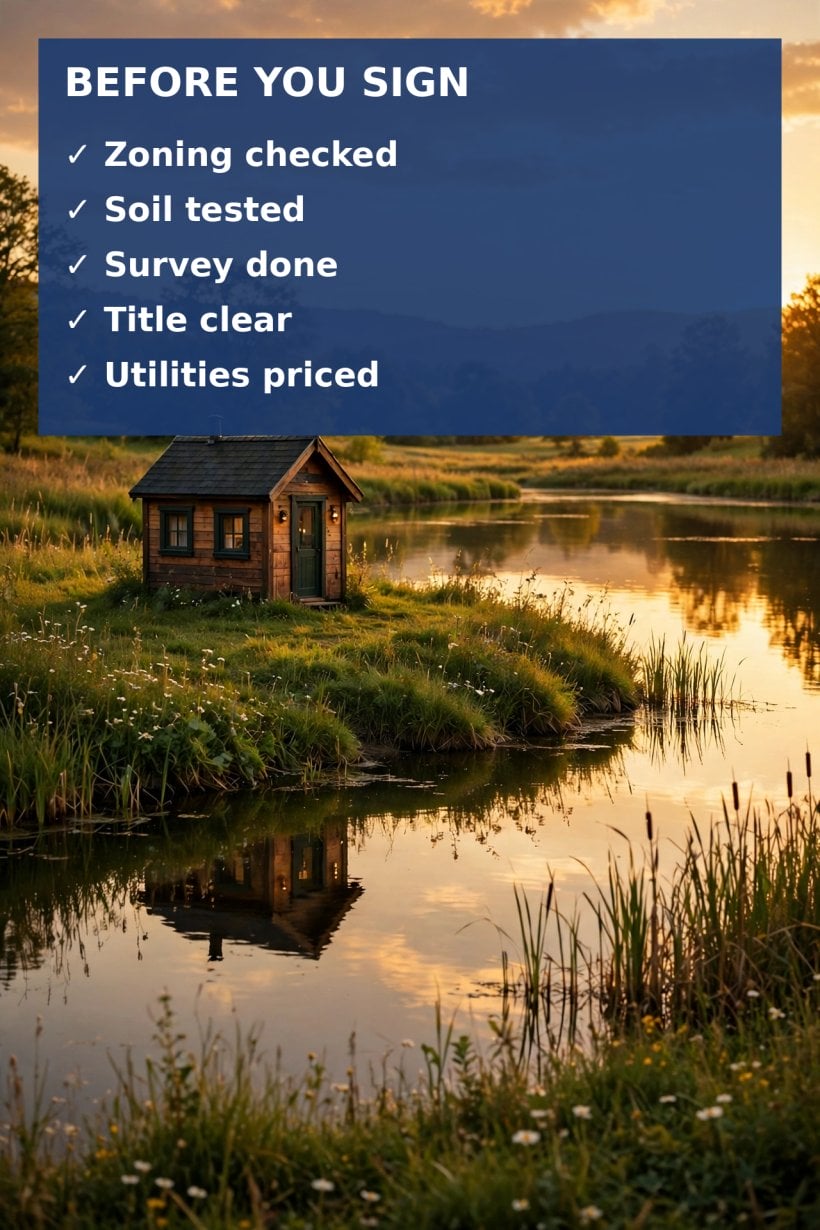
The classic failure is the unbuildable plot: land sold with a house already on it, where the dwelling was never permitted and the soil cannot take a septic system. The buyer owns a house they may not live in and land they cannot easily sell as a home site. Every check in sections 4 and 5 exists to prevent exactly this purchase. The second classic is overpriced land — a bundle priced on the house’s charm while the plot, valued honestly, is worth a fraction of the difference.
Other recurring traps: shared wells or driveways with nothing in writing, a house whose title cannot be transferred because the seller never held it cleanly, flood-prone ground described as “seasonally damp,” and community packages whose ground rent or rules can change after purchase. If you are also considering buying the land first and the house separately, our guide to where to buy tiny house lots covers that route. None of these pitfalls is a reason to avoid packages — they are a reason to buy one with your eyes open.
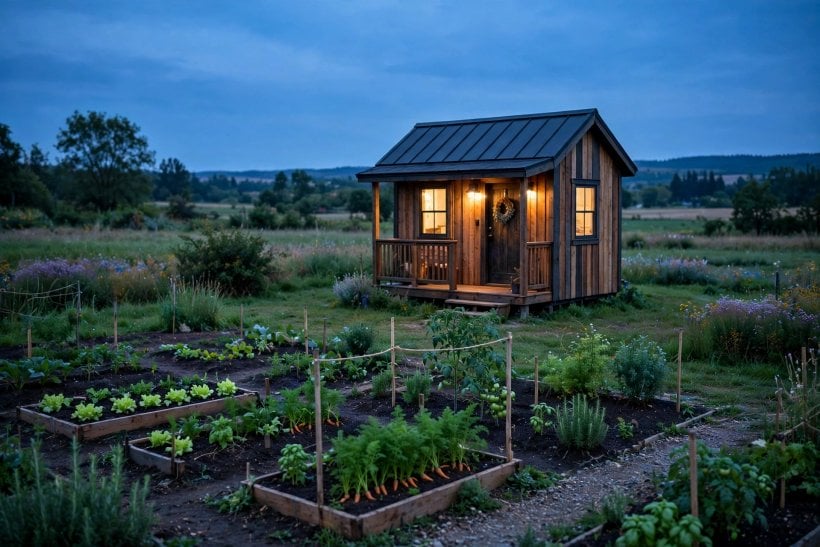
One more consideration belongs in the diligence column: resale. A package is a niche product, and niche products sell to a smaller pool of buyers, so a package can take longer to sell than either a conventional house or a plot alone. That is not a reason to avoid buying one — it is a reason to buy at a price that already reflects the niche, keep every document from your own purchase in a single file, and maintain both halves as if their next buyer’s surveyor were coming next spring. One day, one is.
10. Frequently Asked Questions
Can you buy a tiny house with land included?
Yes. Builders sell house-and-plot packages, communities sell houses with land tenure, and private owners sell sited houses together with their plots. The sale combines two assets, so expect two sets of checks and paperwork — one for the dwelling, one for the land — inside a single purchase.
How much does a tiny house with land cost?
There is no honest single range, because the land half swings the total far more than the house does. Price the two halves separately: the house by age, size and condition, the land by local comparable plots plus the cost of any missing services. If the separate values roughly equal the package price, it is fairly priced.
What should I check before buying a tiny house with land?
Permission first: zoning and any deed restrictions must allow living in the house on that plot. Then the soil and septic position, water supply, surveyed boundaries, legal access, and clean title for both the house and the land. Have the house itself inspected just as you would in a house-only purchase.
Can I finance a tiny house and land together?
Sometimes. A house on a permanent foundation may fit ordinary property lending, while a house on wheels is often financed separately from the land. Ask lenders how they classify the house before assuming a single loan exists, and compare total borrowing costs across routes.
How much land comes with a tiny house package?
It varies from a modest plot in a community or development to rural parcels of an acre or more. What matters is not the headline size but the usable, permitted part of it — boundaries, setbacks, soil and access decide how much of the plot you can actually use.
Can I add a second tiny house on package land?
Only where zoning, density rules and any deed restrictions allow a second dwelling or an accessory unit. Some plots permit it, many do not. Check with the local planning office before pricing that possibility into what you pay for the package.
Final Considerations
A tiny house with land is the simplest route into tiny living when it is what it claims to be: a permitted home on owned ground. Buy the two halves with two checklists — permission, soil, water, boundaries and title for the land; condition, classification and paperwork for the house — and value them separately before you let the bundle price impress you. Packages reward diligent buyers and punish trusting ones, so do the checks, get answers in writing, and then enjoy the rare simplicity of arriving at a home that is already, completely, yours. This guide is general information only, not legal or financial advice.


0 Comments