

You can place a tiny house in more situations than the sales brochures suggest: on your own land, on leased land, on family land, in a community built for tiny houses, in a park that accepts them, or on a farm or rural property by agreement. What decides whether any of those placements actually works is not the shape of the land — it is permission, services, and access. A beautiful field with no right to live on it and no water is not a placement; a modest lot with all three settled is.
This guide maps the placement options, the checks that apply to all of them, and how to choose between owning your placement and renting it. For the narrower question of parking a house on wheels day to day, see our companion guide to where to park a tiny house; this page covers the wider placement picture for both wheeled and foundation homes.
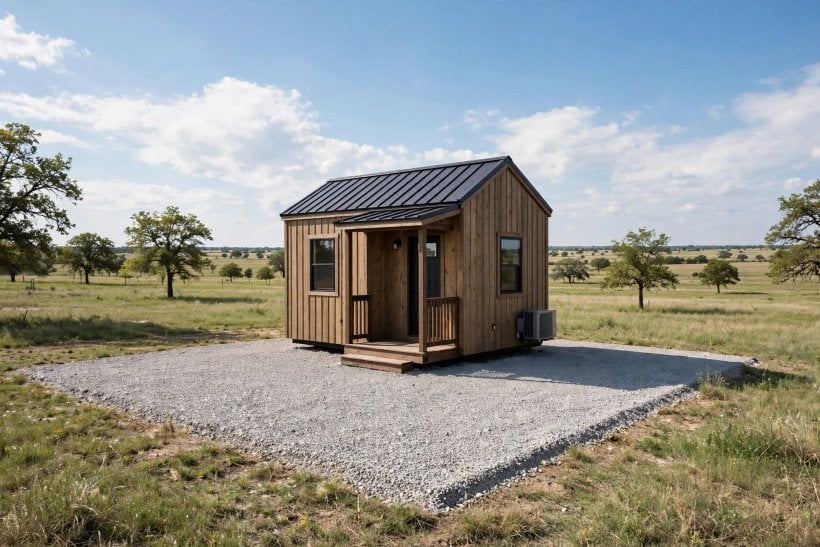
1. The Placement Options at a Glance
Every placement is one of six situations: land you own, land you lease, family land used by agreement, a lot in a tiny house community, a space in an RV park or campground, or a spot on a working farm or rural property. Each situation answers the three core questions — may I live here, how do services reach the house, how does the house get in — in a different way, and each carries a different balance of cost, control, and security.
Two facts about your home shape the options before you start. A house on a foundation is placed once, permanently, and is judged by officials much like any small dwelling. A house on wheels can be placed in more kinds of spots and moved again, but is classified differently — often like a recreational vehicle — and that classification opens some doors and closes others. Know which home you have, and half the placement map draws itself.
Time is the third fact. Some placements only make sense permanently — a foundation home on your own serviced lot — while others are designed to be temporary: a park space for a season, family land while you search, a leased field for a year. Matching the placement’s natural lifespan to your actual plans prevents the two classic mismatches: over-investing in a spot you will leave, and under-securing a spot you intend to keep for a decade.
2. On Your Own Private Land
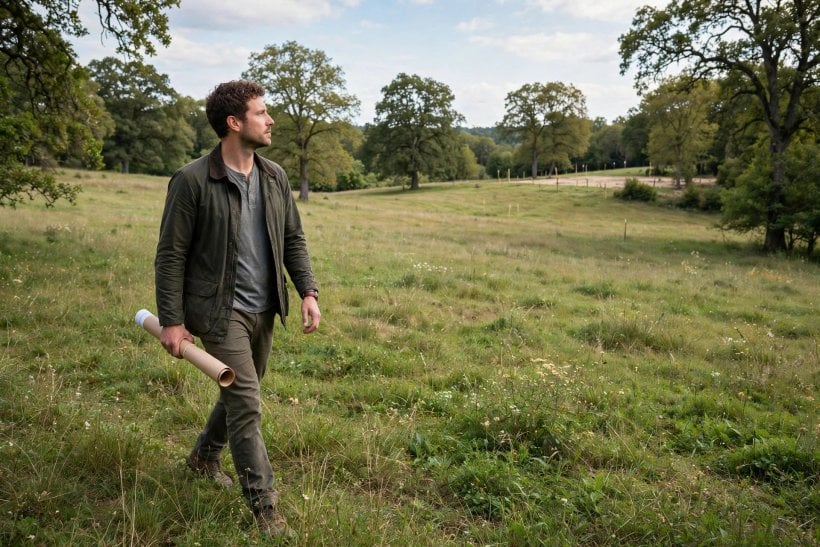
Placing a tiny house on land you own is the most permanent and controllable option — and the one buyers most often assume is automatically allowed. Ownership alone does not settle it. The parcel’s zoning decides whether a dwelling may stand there at all, whether a wheeled home counts differently from a foundation home, whether there is a minimum dwelling size, and whether a tiny house may be the main home or only an accessory to an existing one.
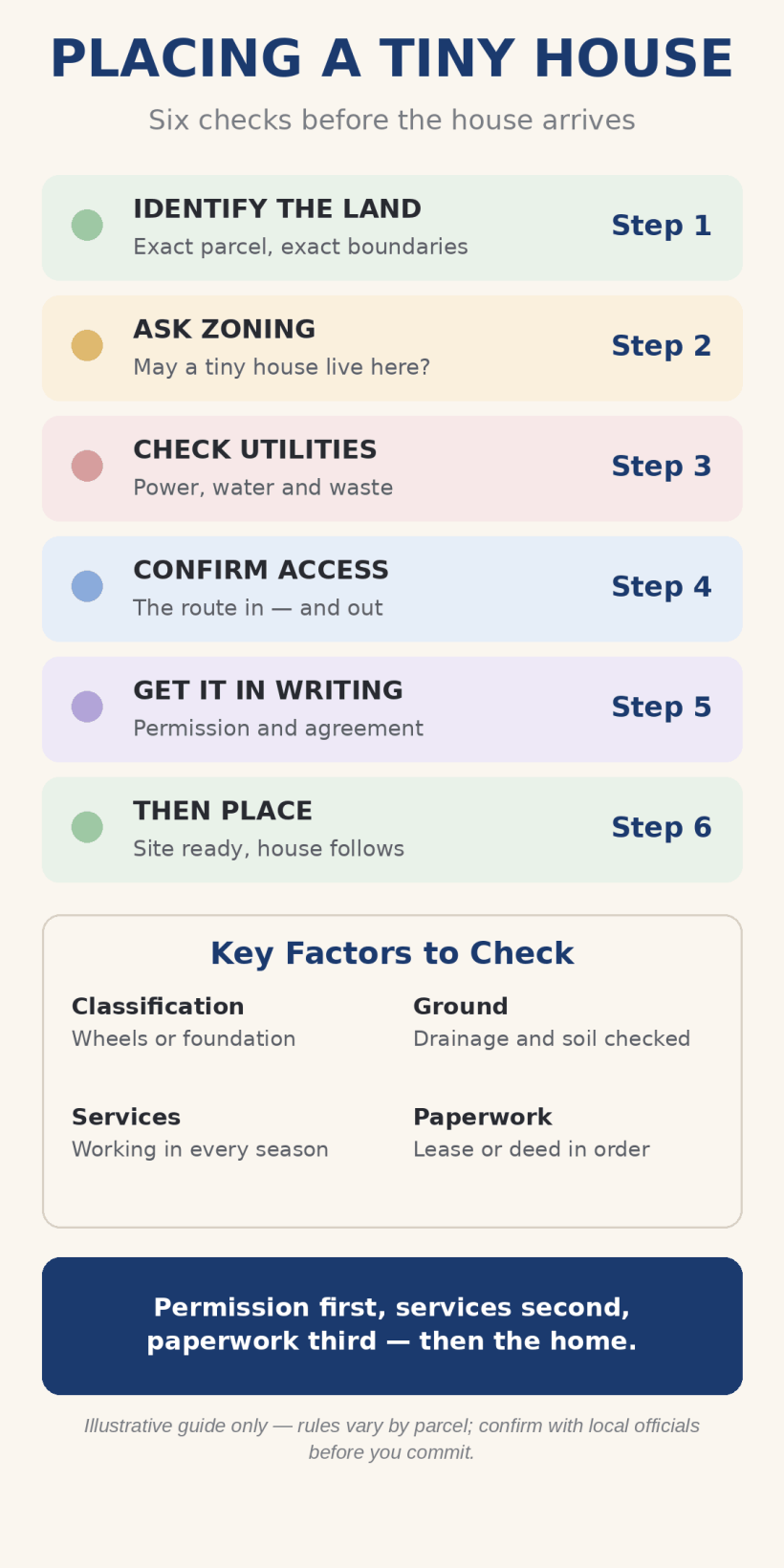
Work the parcel, not the county map: the exact lot’s district, setbacks, and any private restrictions recorded against the land, such as covenants that survive the sale. Then confirm services — how water, waste, and power will be provided — because rural land without a feasible well, septic, or connection plan is a view, not a homesite. If you are buying land for placement, our guide to where to buy tiny house lots covers choosing parcels with the checks built in.
The ground itself gets a vote, too. Soil that drains poorly, a slope that sheds storm water toward the house, ground that floods seasonally, or rock that makes a septic system impractical can each end a placement that looked perfect on paper. A simple soil and drainage check — and honest questions about the wettest month of the year — belong in the same visit as the view. Placement is a physical decision as much as a legal one, and the land charges for mistakes in the currency of mud.
3. On Leased Land
Leasing land places your home on someone else’s property for an agreed term. It avoids the cost of buying land and keeps you movable, and it is common everywhere from rural acreage to organised lot rentals. Its strength and weakness are the same thing: the arrangement lasts exactly as long as the agreement — no longer.
So make the agreement real. A written lease should say the term and how it renews, the rent and what it includes, who provides and pays for utilities, the access you are guaranteed, and the notice each side must give to end it. Verify, too, that the landowner actually has the right to host a dwelling there — a friendly lease on land where living is not permitted leaves the risk with you, the person whose home has to move.
Finding a lease is often a matter of asking well. Landowners with more land than they use, small farms, and rural properties with existing outbuildings are the usual sources, reached through local groups, community boards, and direct, well-prepared approaches. Present yourself the way a good tenant would be presented anywhere: the home shown in photographs, the setup explained, references if you have them, and the written agreement offered by you before it is asked for.
4. On Family Land and in Backyards
Family land is where many tiny houses land first: a corner of a parent’s property, space behind a relative’s house, a spot on land the family already owns. Where the rules allow an accessory dwelling, this can be a fully legal, long-term placement. Where they do not, it is a temporary arrangement at the mercy of a complaint — comfortable right up until it is not.
Even inside a family, write it down. A short agreement covering how long the placement lasts, what is paid toward utilities and upkeep, how the house gets in and out, and what happens if the property is sold protects the relationships the arrangement depends on. Properties change hands, circumstances change, and the tiny house is always the easiest thing on the land to ask to leave.
Practically, backyard placements live or die on services and access: how power and water reach the house without overloading the main home’s systems, where waste goes, and whether the house can physically pass the gate, the trees, and the corner of the house. Walk those details with the homeowner before the home is built or bought to fit the spot — a placement measured wrong is a placement that exists only in the conversation.
5. In Communities and Parks
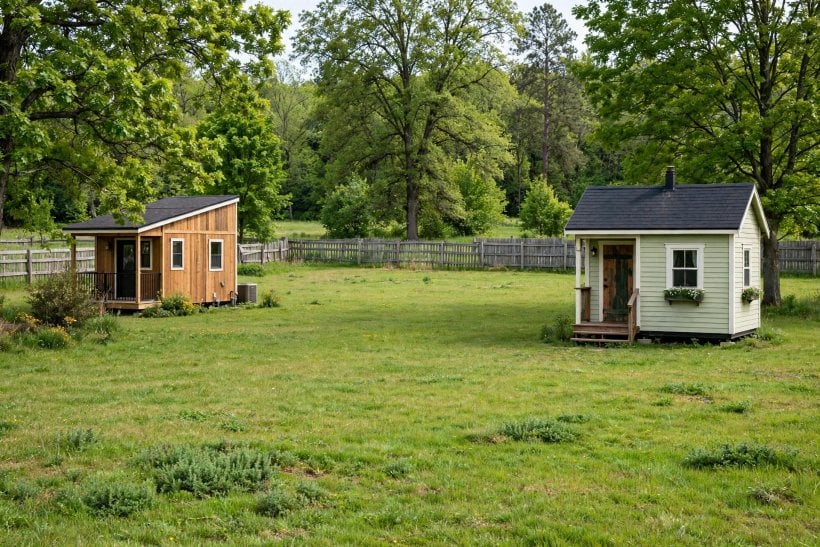
Communities built for tiny houses are placements where the permission work has largely been done by someone else: the lots are meant for these homes, and the community’s own rules govern the details. They range from simple lot-rental grounds to resident-owned cooperatives and cottage developments. Our guide to tiny house communities in North Carolina shows how one state’s communities are organised, and the pattern — tenure first, rules in writing, visit before committing — holds everywhere.
RV parks and campgrounds accept tiny houses on wheels in many areas, usually under their own stay limits and standards rather than dwelling rules. They are the fastest placements to arrange and the easiest to leave, which makes them ideal bridges and poor assumptions: a park that hosts you this season is not obliged to host you indefinitely. Confirm the longest permitted stay and whether long-term living is genuinely allowed before treating a park as your placement rather than your stopgap.
6. The Zoning Reality, Without the Myths
Placement law is local, layered, and specific. There is no national tiny house rule, and a state being “tiny friendly” in headlines tells you little about your parcel. What you will actually meet, in varying combinations, are zoning districts and permitted uses, distinctions between wheeled and foundation homes, minimum dwelling sizes in some places, accessory-dwelling provisions in others, and separate approvals for septic, wells, and utility connections. Our overview of tiny house laws by state maps the landscape; the verdict for any address comes from the office that administers that address.
Two myths cause most placement disasters. The first is that rural land is unregulated — counties zone and enforce too, and distance from town changes response times, not rules. The second is that an existing similar home nearby proves yours is allowed — it may be older than the rules, permitted differently, or simply unchallenged so far. Our guide to zoning laws and talking to officials shows how to get a reliable answer, and our rebuilt Wisconsin placement walk-through shows the parcel-by-parcel checks worked end to end in one state.
7. Utilities: The Placement Is Only Real When Services Work
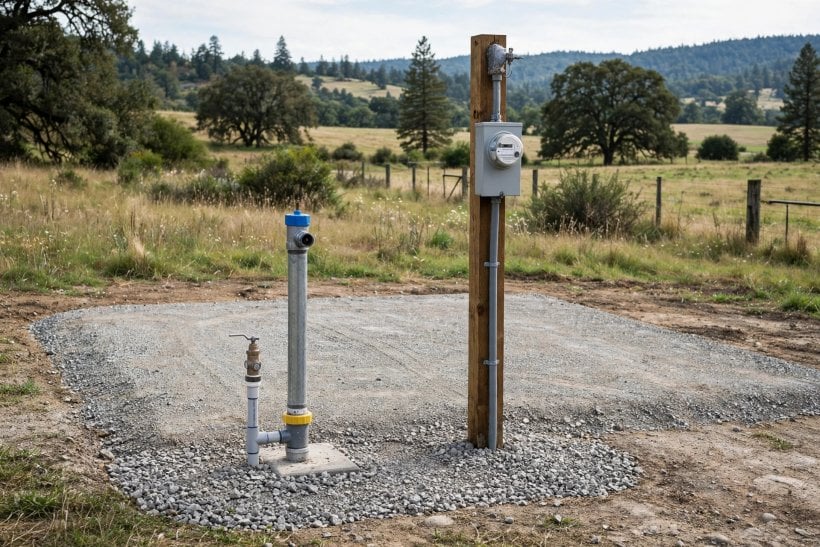
A placement is a place where the house can function. Power can come from a grid connection or a properly designed off-grid system; water from a mains supply, a well, or delivered storage; waste to a sewer, a septic system, or — for the toilet — a composting setup paired with a lawful way to handle greywater. Each service has its own permissions and practicalities, and “we will figure it out” fails most often on waste, the least glamorous and most regulated of the three.
Plan services before the house arrives, not after: what connects where, who installs it, what it costs in general terms for your situation, and how it behaves in the coldest and wettest weeks of your climate. Our guide to how to prepare land for a tiny house covers pads, drainage, and connections step by step for raw-land placements.
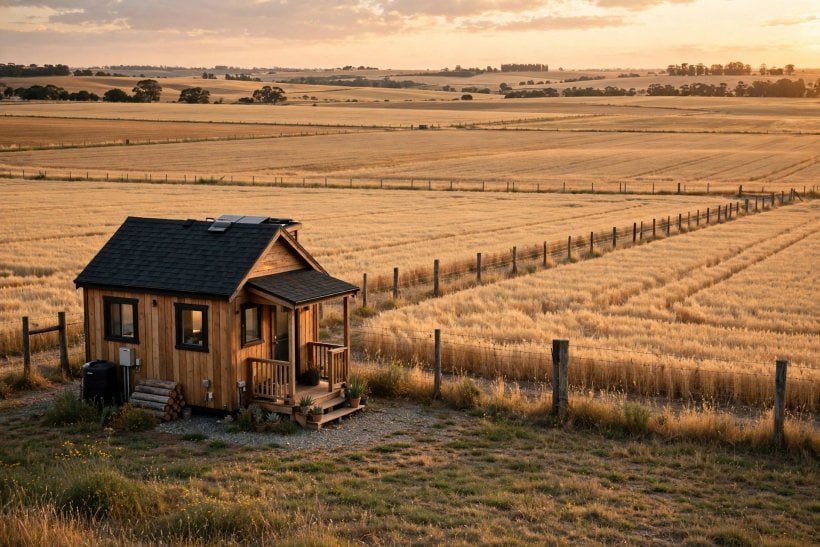
Off-grid placements deserve a particular note. Freedom from connections is real, but it substitutes systems you must size, maintain, and live within: solar and storage matched to your actual usage, water delivered or harvested and stored safely, and waste handled in a way your local rules accept. An off-grid placement is a services plan with no utility to fall back on — design it as carefully as the house itself, and have the waste arrangement confirmed, because that is where off-grid placements most often meet the rulebook.
8. Access: Getting the House In — and Out Again
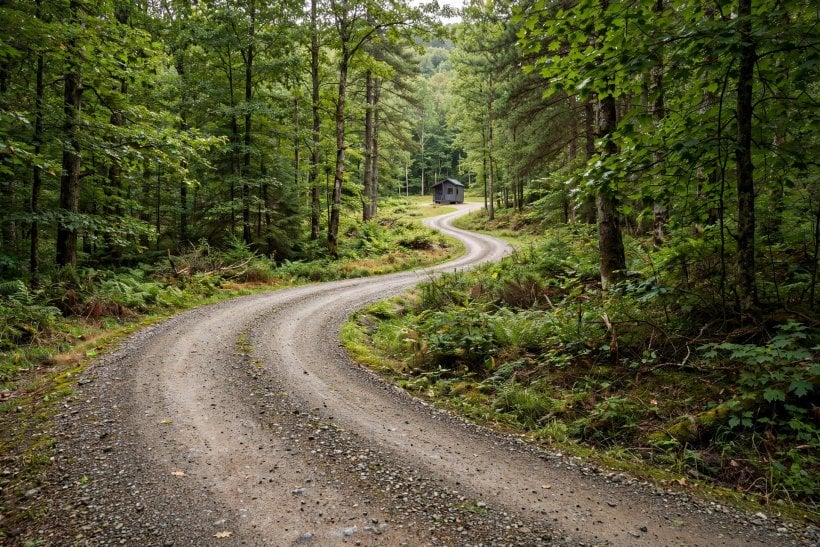
Placement includes the journey. A wheeled home needs a route a tall, heavy load can travel and a site it can be manoeuvred onto: gate widths, overhanging branches, tight turns, steep or soft ground, and somewhere for the tow vehicle to work. A foundation home needs construction access instead — deliveries, machinery, and trades reaching the site across the build.
Walk the route as the driver will see it, in the season the move will happen. Mud, snow, and saturated ground turn feasible summer access into a recovery operation. And keep the exit in mind from day one: a placement you cannot leave without dismantling fences or waiting for ground to freeze is a trap wearing a view.
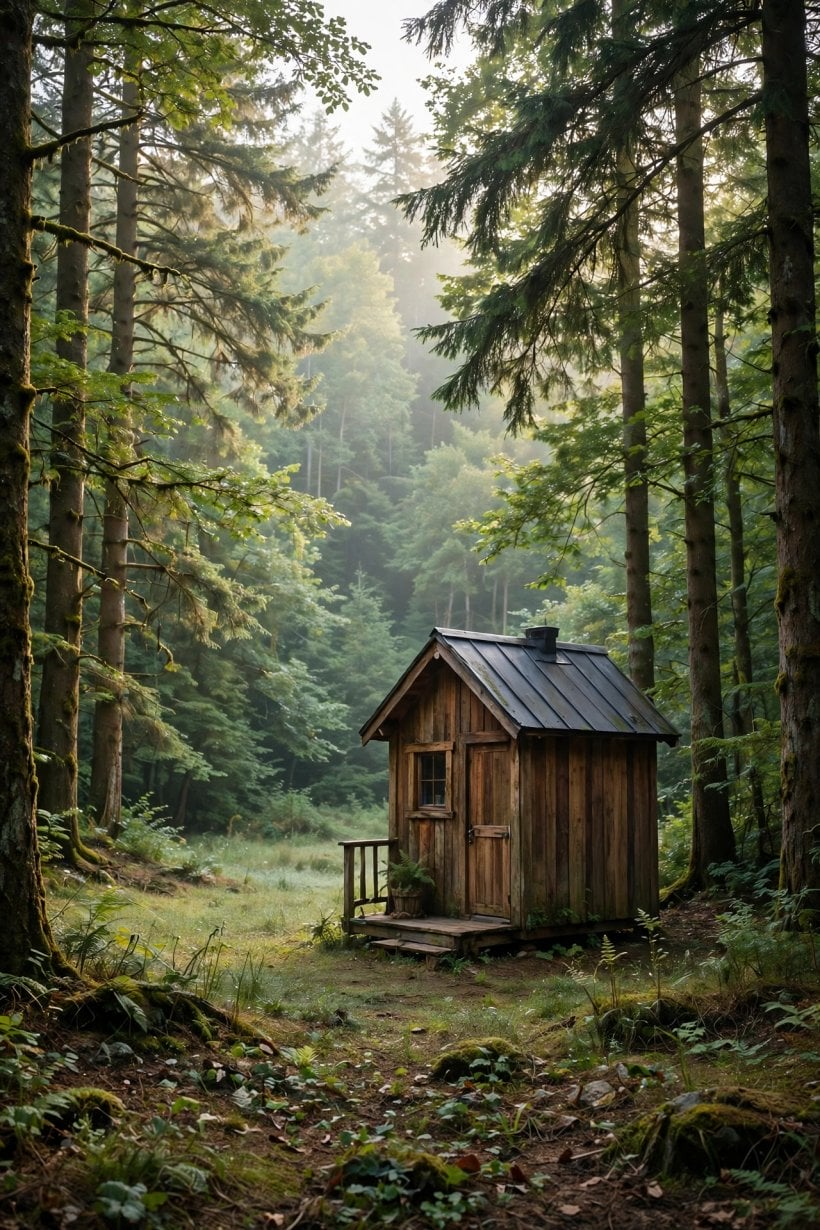
9. Buy the Land or Lease the Spot?
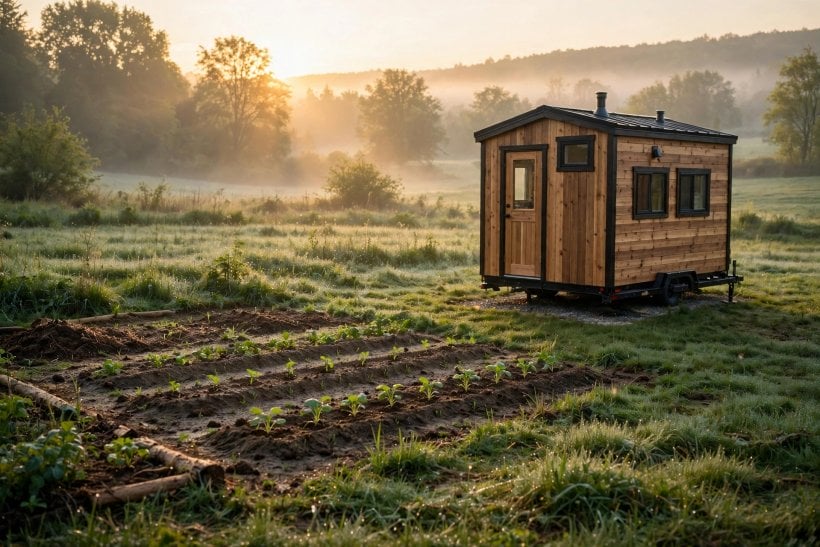
Buying gives permanence and control: no landlord, no lot rent, and a placement that improves with everything you invest in it. It also ties your money and your mobility to one parcel, adds purchase and site-development costs, and makes the permission checks entirely your problem. Leasing inverts the trade — lower commitment, easier exit, and an arrangement that can end on someone else’s decision.
Match the choice to your horizon. If this is a home for the long term and the right parcel passes every check, buying is usually the sturdier answer. If you are testing tiny living, expecting to move for work, or still proving your budget, leasing a lawful spot buys information cheaply. Either way, the order is the same: permission first, services second, paperwork third — then the home.
Costs follow the same split and should be compared in full. Buying concentrates spending at the start — the land, the site works, the connections — and then runs comparatively lean. Leasing spreads smaller payments across the whole stay and adds the risk premium of possible moves. Neither is cheaper in general; each is cheaper for a particular horizon and a particular household, which is why the comparison belongs in your own numbers rather than in anyone’s headline figure.
10. Frequently Asked Questions
Can I place two tiny houses on one lot?
Sometimes — where the zoning allows more than one dwelling or an accessory unit, and where services can support both. It is a specific question about a specific lot, decided by the local rules and any covenants on the land. Ask the administering office about your exact parcel rather than assuming a second home follows the first one’s permission.
What if neighbours object to my tiny house placement?
If your placement is permitted and properly approved, an objection is a conversation, not a veto — respond with the facts of your permission and keep the site tidy and considerate. If your placement relies on nobody objecting, the objection exposes the real problem, which is why this guide insists on permission in writing before the house arrives.
How long does it take to find a placement?
Anywhere from days, for a park space, to months, for the right parcel or community lot. The searching is rarely the slow part; the verification is, and it runs at the speed of official answers, landowners’ decisions, and utility providers’ schedules rather than yours. Build your timeline around the checks — permission, services, paperwork — rather than around listings, and the placement you end with will be one you can actually keep.
Is it better to buy land or lease a spot?
It depends on your horizon, as section 9 sets out: buying suits permanence and passed checks; leasing suits testing, mobility, and lower commitment. Both fail the same way when the order is skipped — home first, permission later.
Final Considerations
Where can you place a tiny house? On your own land, leased land, family land, in a community, in a park, or on a rural property — provided the placement passes the same three tests everywhere: living there is permitted for your kind of home, the services genuinely work, and the agreement is written down. Work those tests in order and a placement stops being the hardest part of tiny living and becomes what it should be: the ground your home stands on, settled and secure. Rules vary by place and change over time, so verify the current position with local officials before you commit. This guide is general information, not legal advice.


1 Comment