

Ask whether tiny houses are legal in America and you get fifty different answers — because there genuinely are fifty different answers. The country has no national tiny house law. What it has is a stack: federal standards for manufactured homes, model building codes that states adopt, amend or ignore, zoning written by thousands of cities and counties, health rules about wells and septic systems, flood maps, deed restrictions and park rules. Your state’s layer of that stack decides where a tiny house can stand, what it must be built to, and whether the home you already own counts as a house at all.
That is why this site carries a full legal guide for every state — and why this page exists. It is the index to all fifty: one door into the complete series, organised by region, with the short version of how American tiny house law actually works before you dive into your state. Every guide in the series answers the same questions in the same order — legal status, wheels versus foundation, building codes, minimum size, zoning and placement, accessory dwellings, where you can live full-time, permits and utilities, local examples, and the practical steps that keep a project legal — so once you know the pattern, you can compare states honestly.
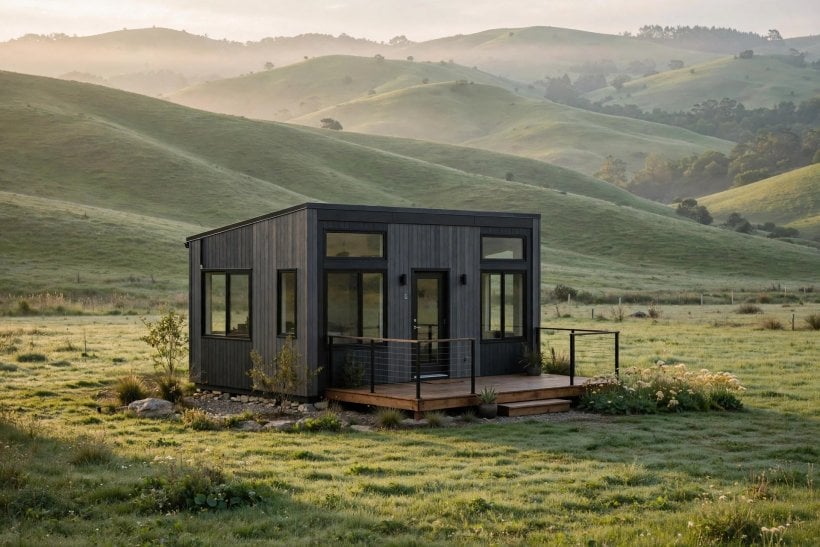
1. Why Tiny House Laws Differ So Much by State
Three forces pull the rules apart. The first is who writes them. In some states the legislature and state code councils set a strong floor; in others, residential rules are almost entirely local, and two counties an hour apart can treat the same house oppositely. The second is what the house is called. A tiny house on a permanent foundation is usually judged as a small house. The identical house on a trailer chassis is usually judged as a vehicle — an RV — and vehicles live under a different, stricter set of placement rules almost everywhere. The third is what the land brings with it: floodplains, septic limits, wildfire zones, historic districts and private covenants all sit on top of the public rules.
The practical consequence is that statewide claims — “tiny houses are legal in X” — are only ever half true. They are legal somewhere in every state in this index, and restricted somewhere in every state too. The state guides exist to tell you which half your parcel falls in. Before any of them, though, the discipline is the same one this site teaches for every project: zoning laws for tiny houses are a conversation with the office that enforces them, held before you buy land or a house — not after.
2. How to Use This Index
Find your state in the regional lists below and read its guide end to end — each one is written to stand alone. If you are choosing between states, read two or three neighbouring guides and compare the same sections: the “at a glance” table in each guide is built for exactly that comparison. Then work the ground itself: how to prepare land for a tiny house covers the checks — access, drainage, utilities, setbacks in practice — that decide whether a legally allowed house is actually buildable on the lot you are looking at.
One habit protects every reader of this series: treat each guide as the map, not the territory. Ordinances change, code editions roll over, and clerks interpret. The guides tell you what to ask, who to ask, and what the answer usually looks like; the confirmation always comes from the city, county or health department that covers your exact address.
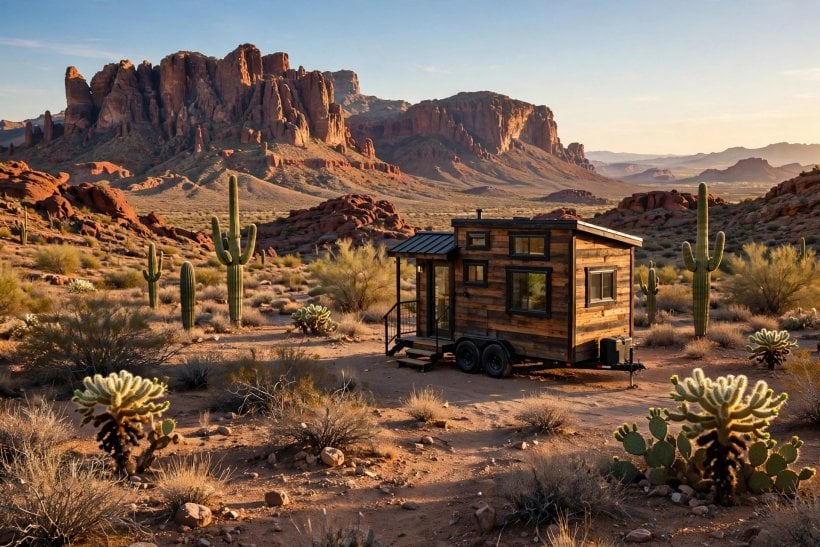
3. The Northeast: Town Rules and Old Housing Stock
New England and the Mid-Atlantic run the most local version of tiny house law in the country: zoning is written town by town and city by city, housing stock is old, and minimum sizes and lot rules were drafted long before anyone parked a house on a trailer. Expect the widest gap between one town and the next — and the strongest accessory dwelling movement in the larger cities. Every guide below follows the same route: start with the town or city zoning office, then the code the house itself must meet.
- Tiny House Laws in Maine — zoning, building codes, minimum size and where you can legally live.
- Tiny House Laws in Vermont — the full picture: zoning, codes, placement and permits.
- Tiny House Laws in New Hampshire — wheels vs foundation, codes, minimum sizes and legal places to live.
- Tiny House Laws in Massachusetts — zoning, building codes, minimum size and where you can legally live.
- Tiny House Laws in Rhode Island — the full picture: zoning, codes, placement and permits.
- Tiny House Laws in Connecticut — wheels vs foundation, codes, minimum sizes and legal places to live.
- Tiny House Laws in New York — zoning, building codes, minimum size and where you can legally live.
- Tiny House Laws in New Jersey — the full picture: zoning, codes, placement and permits.
- Tiny House Laws in Pennsylvania — wheels vs foundation, codes, minimum sizes and legal places to live.
4. The Southeast: County Patchworks and Coastal Rules
The Southeast is a patchwork in the truest sense: some counties regulate almost everything, others almost nothing, and the coast adds flood and wind rules that can matter more than zoning itself. Manufactured housing history runs deep here, health departments carry much of the practical weight through septic approval, and the difference between inside and outside a city limit is often the whole story. The guides below keep that split — city rules, county rules, coastal rules — at the centre.
- Tiny House Laws in Virginia — zoning, building codes, minimum size and where you can legally live.
- Tiny House Laws in West Virginia — the full picture: zoning, codes, placement and permits.
- Tiny House Laws in Delaware — wheels vs foundation, codes, minimum sizes and legal places to live.
- Tiny House Laws in Maryland — zoning, building codes, minimum size and where you can legally live.
- Tiny House Laws in North Carolina — the full picture: zoning, codes, placement and permits.
- Tiny House Laws in South Carolina — wheels vs foundation, codes, minimum sizes and legal places to live.
- Tiny House Laws in Georgia — zoning, building codes, minimum size and where you can legally live.
- Tiny House Laws in Florida — the full picture: zoning, codes, placement and permits.
- Tiny House Laws in Kentucky — wheels vs foundation, codes, minimum sizes and legal places to live.
- Tiny House Laws in Tennessee — zoning, building codes, minimum size and where you can legally live.
- Tiny House Laws in Alabama — the full picture: zoning, codes, placement and permits.
- Tiny House Laws in Mississippi — wheels vs foundation, codes, minimum sizes and legal places to live.
5. The Midwest: Farm Country Meets City Codes
Midwestern tiny house law splits along a familiar line: agricultural counties where a small house on your own land raises few questions, and cities and suburbs with complete zoning and code systems of their own. Winter does quiet regulatory work here too — insulation, frost depth and heating shape what a legal build looks like even where nobody wrote a tiny house rule. Each guide separates the rural picture from the in-town picture so you can read the half that applies to your parcel.
- Tiny House Laws in Ohio — zoning, building codes, minimum size and where you can legally live.
- Tiny House Laws in Michigan — the full picture: zoning, codes, placement and permits.
- Tiny House Laws in Indiana — wheels vs foundation, codes, minimum sizes and legal places to live.
- Tiny House Laws in Illinois — zoning, building codes, minimum size and where you can legally live.
- Tiny House Laws in Wisconsin — the full picture: zoning, codes, placement and permits.
- Tiny House Laws in Minnesota — wheels vs foundation, codes, minimum sizes and legal places to live.
- Tiny House Laws in Iowa — zoning, building codes, minimum size and where you can legally live.
- Tiny House Laws in Missouri — the full picture: zoning, codes, placement and permits.
- Tiny House Laws in Kansas — wheels vs foundation, codes, minimum sizes and legal places to live.
- Tiny House Laws in Nebraska — zoning, building codes, minimum size and where you can legally live.
- Tiny House Laws in South Dakota — the full picture: zoning, codes, placement and permits.
- Tiny House Laws in North Dakota — wheels vs foundation, codes, minimum sizes and legal places to live.
6. The South Central States: Land, Deeds and Light County Rules
Texas anchors this group and sets its theme: in much of the South Central region the public rules are lighter than buyers expect, and the private rules — deed restrictions, subdivision covenants, homeowners associations — do the real governing. Cheap land is only cheap once the recorded restrictions, the flood map and the septic evaluation say so. The four guides below are written deed-first for exactly that reason.
- Tiny House Laws in Arkansas — zoning, building codes, minimum size and where you can legally live.
- Tiny House Laws in Louisiana — the full picture: zoning, codes, placement and permits.
- Tiny House Laws in Oklahoma — wheels vs foundation, codes, minimum sizes and legal places to live.
- Tiny House Laws in Texas — zoning, building codes, minimum size and where you can legally live.
7. The Mountain West: Water, Wildfire and Wide-Open Counties
Across the Mountain West the legal questions change character: zoning still matters, but water rights, well and septic feasibility, wildfire exposure and winter access decide more projects than any size rule. Counties here range from hands-off ranch country to tightly managed resort communities a short drive apart. The guides below treat land capability and placement law as one subject, because in this region they are.
- Tiny House Laws in Montana — zoning, building codes, minimum size and where you can legally live.
- Tiny House Laws in Wyoming — the full picture: zoning, codes, placement and permits.
- Tiny House Laws in Colorado — wheels vs foundation, codes, minimum sizes and legal places to live.
- Tiny House Laws in Utah — zoning, building codes, minimum size and where you can legally live.
- Tiny House Laws in Idaho — the full picture: zoning, codes, placement and permits.
- Tiny House Laws in Nevada — wheels vs foundation, codes, minimum sizes and legal places to live.
- Tiny House Laws in Arizona — zoning, building codes, minimum size and where you can legally live.
- Tiny House Laws in New Mexico — the full picture: zoning, codes, placement and permits.
8. The Pacific, Alaska and Hawaii: The Full Spectrum
The Pacific states contain the whole American spectrum in five guides: states with formal tiny house provisions in their codes, cities running organised accessory dwelling programmes, and — in Alaska and Hawaii — island and frontier conditions that rewrite the usual assumptions about land, shipping, climate and cost. If you want to see how differently American law can treat the same 300 square feet, read these five back to back.
- Tiny House Laws in Washington — zoning, building codes, minimum size and where you can legally live.
- Tiny House Laws in Oregon — the full picture: zoning, codes, placement and permits.
- Tiny House Laws in California — wheels vs foundation, codes, minimum sizes and legal places to live.
- Tiny House Laws in Alaska — zoning, building codes, minimum size and where you can legally live.
- Tiny House Laws in Hawaii — the full picture: zoning, codes, placement and permits.
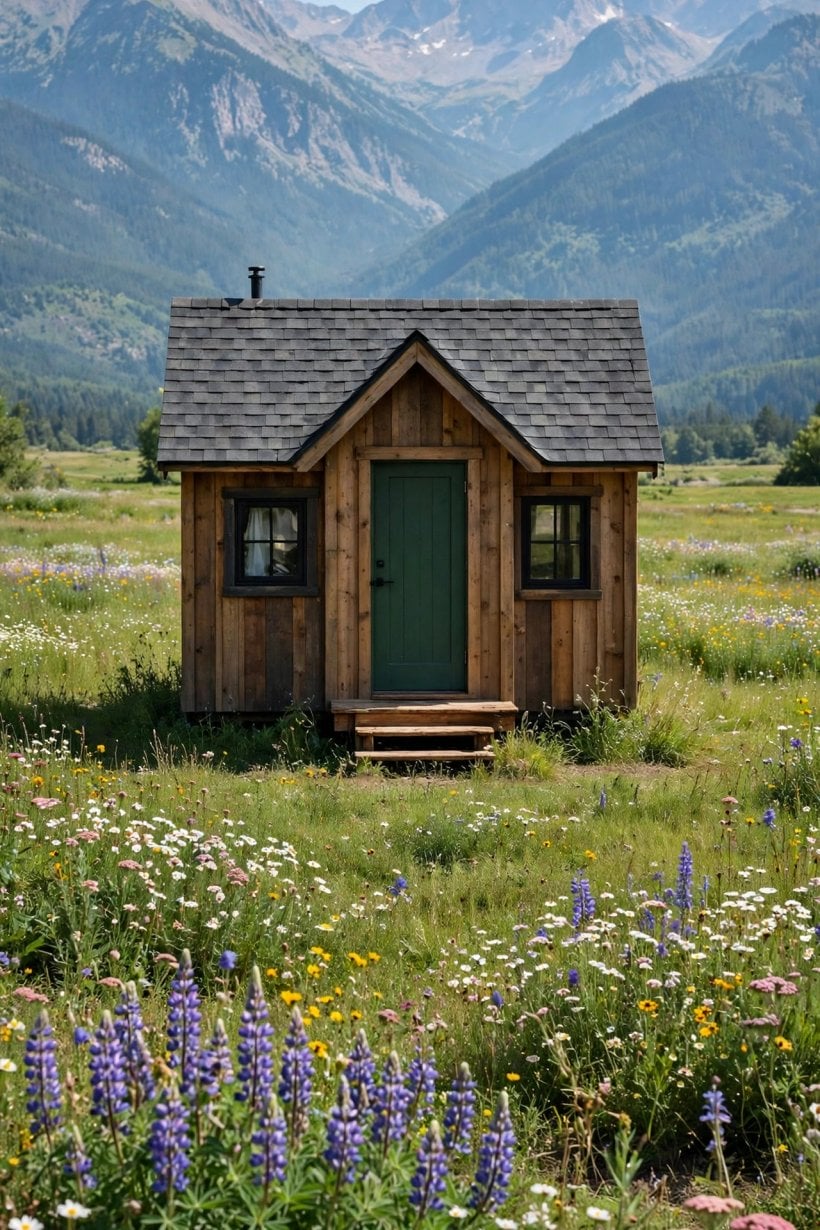
9. Start With Zoning: The Question Every State Answers Differently
Whatever the state, the first legal question is never “how big is the house?” — it is “does this district allow a dwelling here, and of what kind?” Zoning decides whether a tiny house can be a primary home, an accessory dwelling behind an existing house, part of a recognised community, or not permitted at all. Building codes then decide how it must be built; minimum sizes, where they exist, are usually found inside those codes or in the zoning ordinance itself. Readers who internalise that order — placement first, construction second, size third — read every state guide faster and make fewer expensive assumptions.
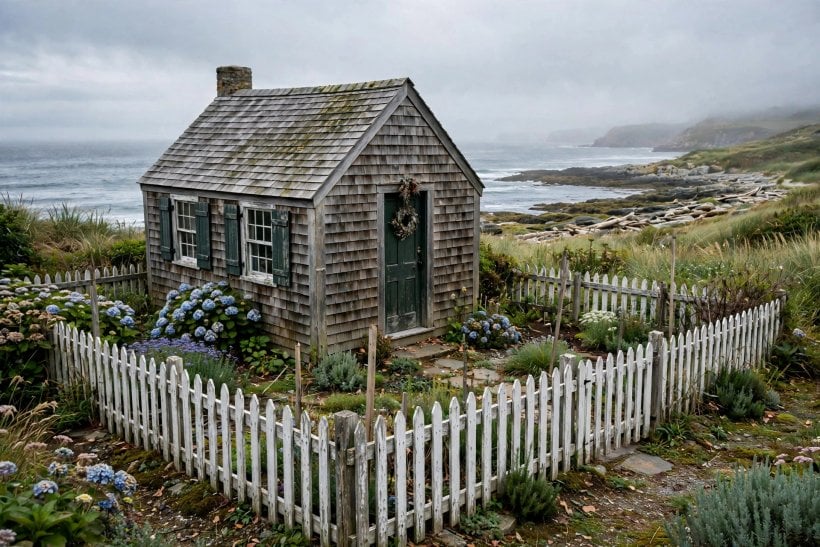
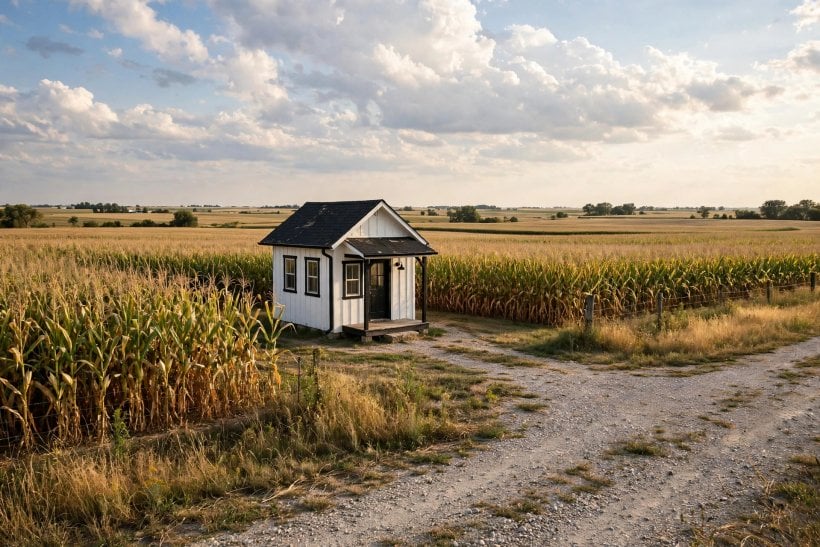
Zoning also explains the series’ most repeated sentence: the answer changes at the city limit. Unincorporated county land is the lightest-regulated ground in most states, which is why so many tiny houses stand on it; the same house inside a small town can meet a full ordinance, a minimum size and a permitting desk. Neither is automatically better — county freedom comes with septic, flood and resale homework that city process handles for you — but confusing one for the other is the classic beginner’s error.
10. Wheels vs Foundation in Legal Terms
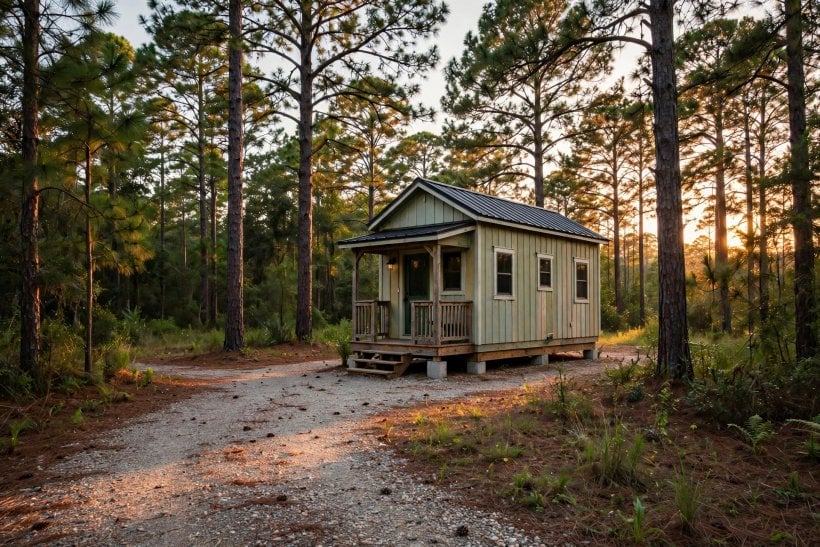
The deepest divide in every state guide is not size; it is the chassis. A foundation tiny house enters the legal system as real property: permitted, inspected, taxed and financed like any house, simply a small one. A tiny house on wheels enters as a vehicle: titled and registered rather than permitted, welcomed in RV parks and tiny-home communities, tolerated unevenly on private land, and barred from full-time residence in many zoned districts regardless of how house-like it looks.
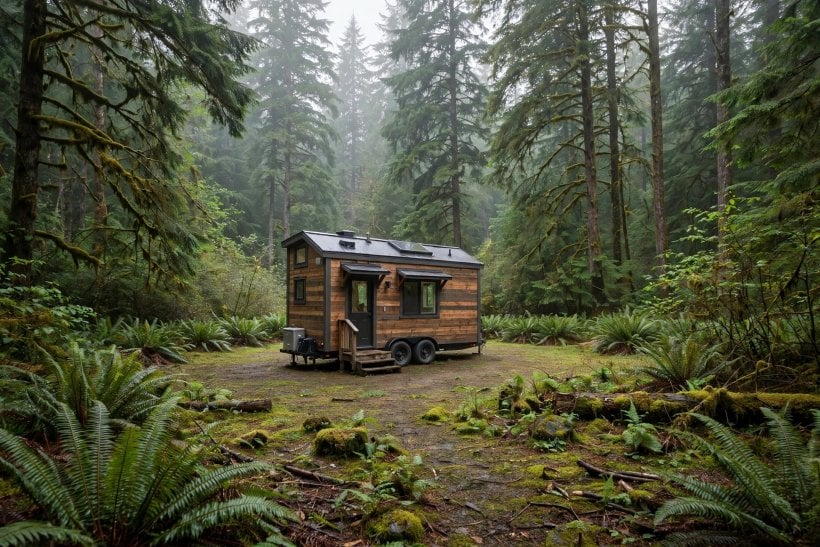
That classification then travels: it shapes insurance, lending, where you may park for a month versus live for a decade, and what happens when you sell. Several guides in this series are worth reading purely for their wheels-versus-foundation sections if your build is still on the drawing board — the choice is far easier to make before the trailer is bought than after.
Final Considerations
Fifty states, fifty stacks of rules — and one consistent way through them: identify the jurisdiction, classify the house honestly, read the placement rules before the building rules, and confirm everything at the counter that will enforce it. This index will keep its shape as the law moves: when a state rewrites its accessory dwelling rules or adopts a tiny house appendix, its guide is where the change lands, and this page remains the front door to all of them.

Start with your state. If the guide leaves you between two readings of a rule, that is not a gap in the guide — it is the exact question to carry to your zoning office, and you will arrive asking it better than most. Legal tiny living in America is not a loophole; it is fifty ordinary systems, each learnable, each documented above.


0 Comments