
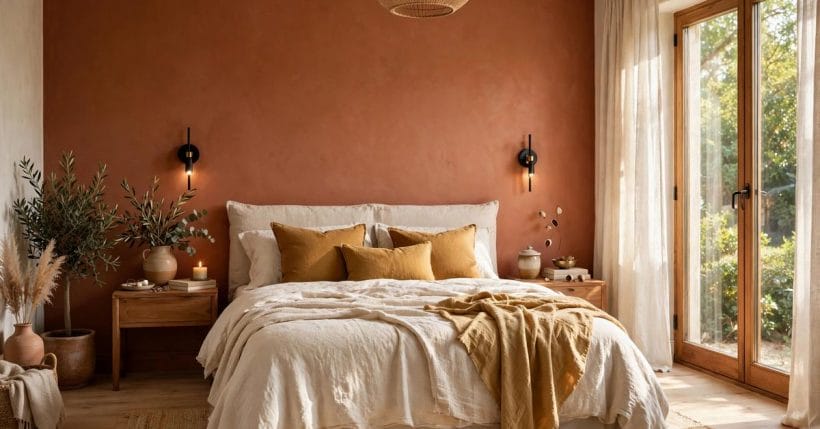
The wall behind the bed does more work than any other wall in the bedroom. It is the first thing you see when you walk in, the backdrop to every morning, and the surface your eye rests on last thing at night. Treat it as an afterthought and the whole room feels unfinished, however good the bedding or the furniture. Treat it as a deliberate accent and the room gains a centre, a mood and a sense of being designed rather than merely furnished.
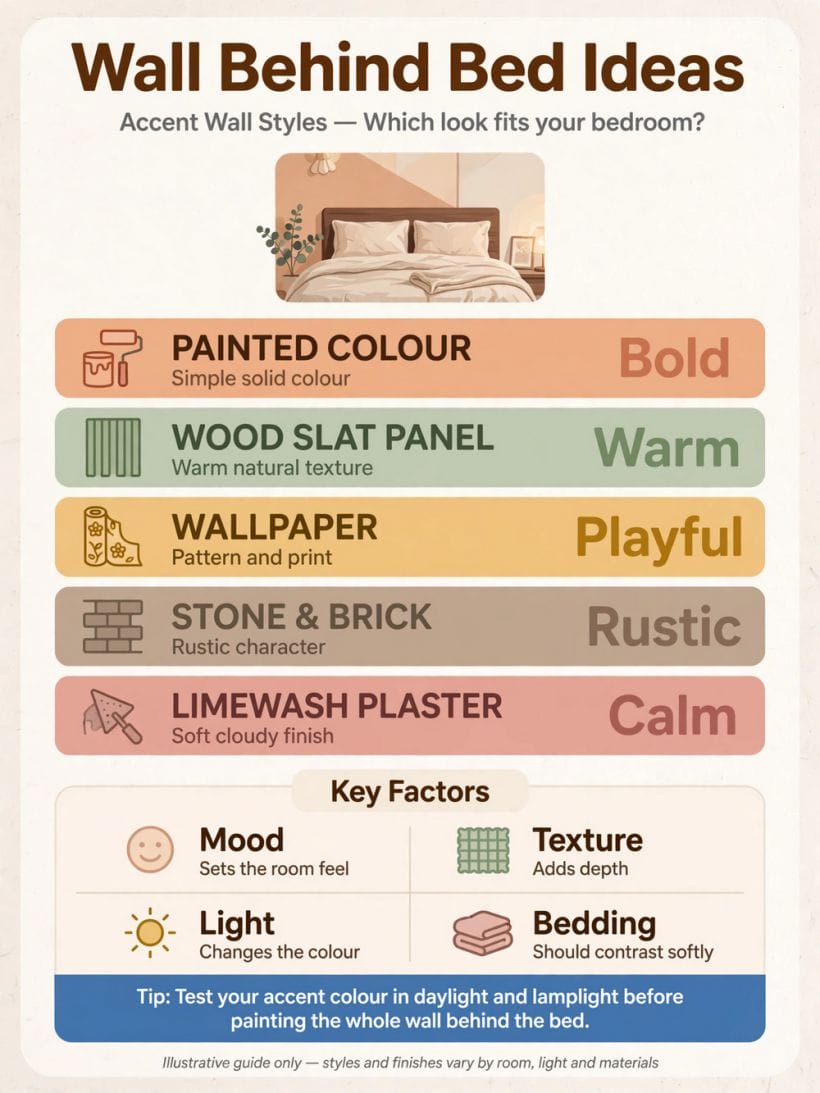
An accent wall behind the bed is not about shouting. The best ones are quiet: a colour that deepens the room, a texture that catches the light, a panel rhythm that gives the bed a frame. The ideas below work through the choices in order — colour, material, pattern, light and the practical details that keep the wall looking good rather than merely photographed well. Nothing here needs a specialist finish or an unusual product; every idea can be judged by eye, in your own light, before you commit.
1. Start With the Bed, Not the Paint Chart
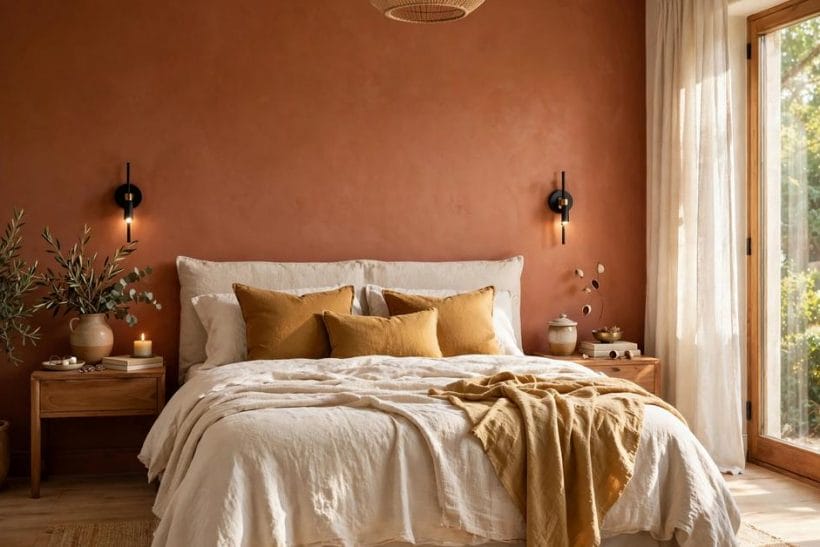
The bed sets the scale of the wall. A tall upholstered headboard already gives the wall a shape, so the accent behind it should support rather than compete: a flat colour, a soft limewash effect, or a single panel width that echoes the headboard. A low wooden frame or no headboard at all leaves the wall exposed, which is where a bolder treatment earns its place — vertical panelling, a painted arch, or a textile hanging that acts as the headboard itself.
Stand in the doorway and look at the bed as a composition. The wall, the headboard and the bedding should read as one arrangement, not three separate purchases. If the bedding is patterned, keep the wall calm. If the bedding is plain, the wall can carry the pattern. This single decision prevents most accent-wall mistakes, which are almost always a clash between two things each trying to lead.
2. Colour That Deepens Rather Than Darkens
Another useful test is the pillow test: prop your usual pillows and a folded throw against the painted wall and live with the combination for an evening. Bedding occupies a large share of the wall’s visual field, and a colour that looks perfect on bare plaster can turn muddy or harsh once white or patterned linen sits against it. If the combination jars, adjust the wall colour rather than replacing bedding you already love — paint is the cheaper change, and the wall is the supporting player, not the star.
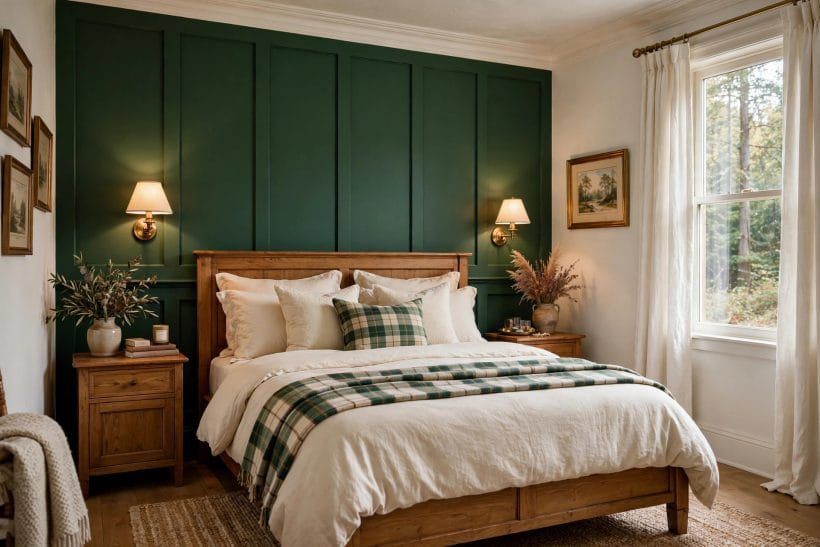
Deep colour behind a bed feels enveloping rather than gloomy when the rest of the room stays light. The trick is undertone: a green with a grey cast, a blue with a warm cast, a terracotta softened toward clay. Test large swatches on the wall itself, not on a card held at arm’s length, and look at them in morning light, evening light and lamplight before deciding. Colour shifts more on a bedroom wall than anywhere else because the light changes so much across the day.
Keep the ceiling and the other three walls pale and the deep wall reads as a backdrop, not a box. Carry one echo of the accent colour elsewhere — a cushion, a throw, a vase — so the wall feels connected to the room rather than pasted on. A dusty rose accent, for instance, can warm a pale room without turning it pink, provided the echo stays small and the bedding stays calm.
3. Texture You Can Feel From the Door
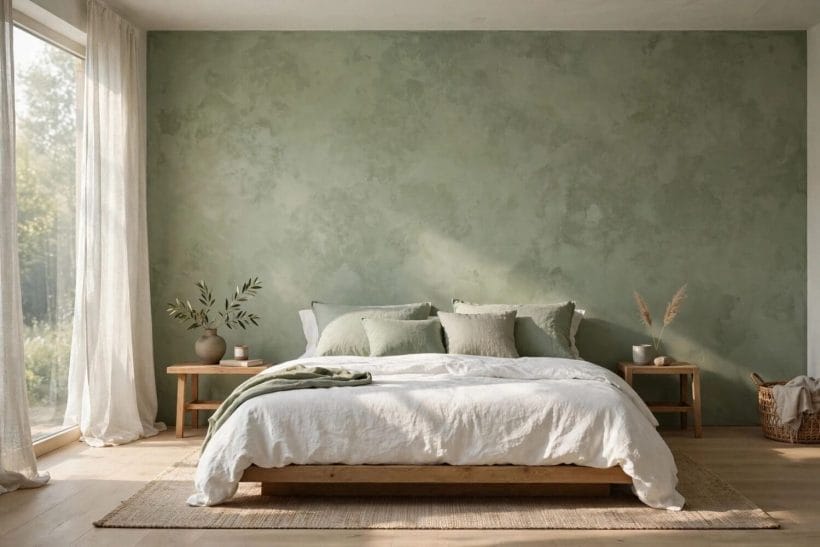
Texture is the accent wall’s quiet advantage. A flat colour photographs well but can feel thin in person; a textured surface — limewash, grasscloth-style paper, vertical timber battens, a woven hanging — gives the wall depth that changes as you move around the room. Texture also forgives: small marks and uneven light disappear into a textured surface where they would show on flat paint.
Choose texture by touch as well as by sight. Run a hand over samples in the shop and imagine them at bed-head height, where you will see them up close every day. Rough plaster and raw timber feel honest and calm; high-gloss panels and metallic finishes feel sharper and more formal. Neither is wrong, but the texture should match the room’s mood, not fight it.
Texture also helps the wall work across seasons. A woven hanging or a limewash wall looks soft in summer and warm in winter, because texture catches whatever light is available rather than depending on one kind. Flat, glossy finishes, by contrast, can look cold in winter light and glaring in summer sun. If your bedroom faces north or gets little direct sun, lean toward texture; it gives the wall life that the light alone cannot provide, and it keeps the room feeling intentional even on the greyest morning.
4. Panelling That Frames the Bed
Panelling also gives you a practical gift: a firm, flat surface behind the bed that protects the plaster from scuffs and makes bedside shelves and lights easier to fix securely. A shallow picture ledge fitted across panelled battens, for instance, holds books and a small clock without drilling into bare plaster, and the battens themselves hide minor wall imperfections that paint alone would show. Think of panelling as furniture for the wall — it should earn its place by being useful as well as decorative.
Vertical battens or simple picture-frame moulding turn a plain wall into architecture. The rhythm matters more than the detail: evenly spaced verticals that run from skirting to ceiling make a low room feel taller, while a single wide frame centred on the bed gives a small room a focal point without fuss. Paint the panelling the same colour as the wall for a subtle shadow effect, or one tone deeper for definition.
Measure the bed first and centre the panelling on it, not on the wall. Beds rarely sit dead centre on a wall once bedside tables and doors are accounted for, and panelling centred on the wall but off-centre to the bed looks like a mistake. Mark the bed’s edges on the wall with tape before fixing anything, and step back to check the composition from the doorway.
5. Pattern, Used Sparingly
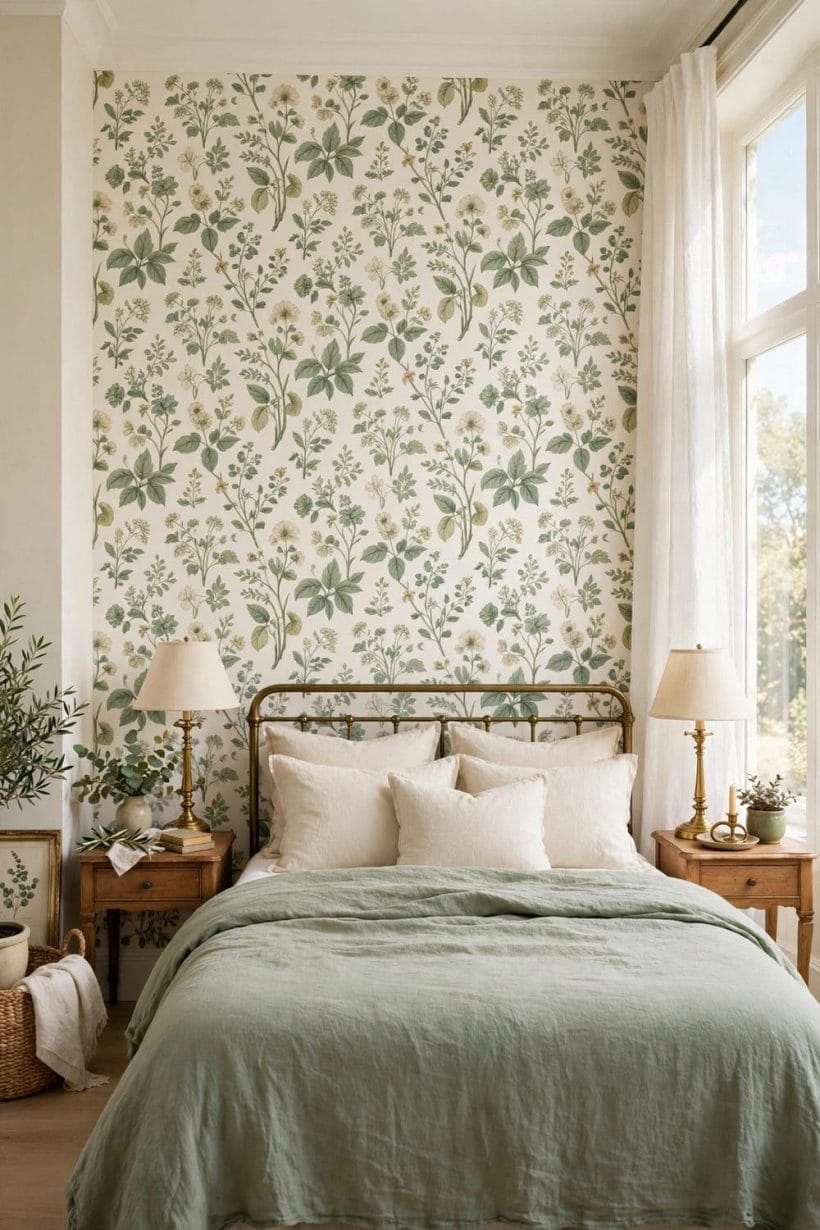
Pattern behind a bed works when it is the room’s only pattern. A bold botanical paper, a geometric print or a striped wall can be beautiful, provided the bedding, curtains and rug stay plain. The moment two patterns compete, the room feels busy rather than designed. If you love pattern, let the wall have it and keep everything else quiet.
Scale matters as much as motif. Large motifs suit a large wall and a large bed; small, dense patterns can feel fussy behind a double bed and disappear behind a king. Hold a full roll or a large sample against the wall and step back to the doorway — the distance from which the wall will actually be seen — before committing. What looks charming at arm’s length can overwhelm at room distance.
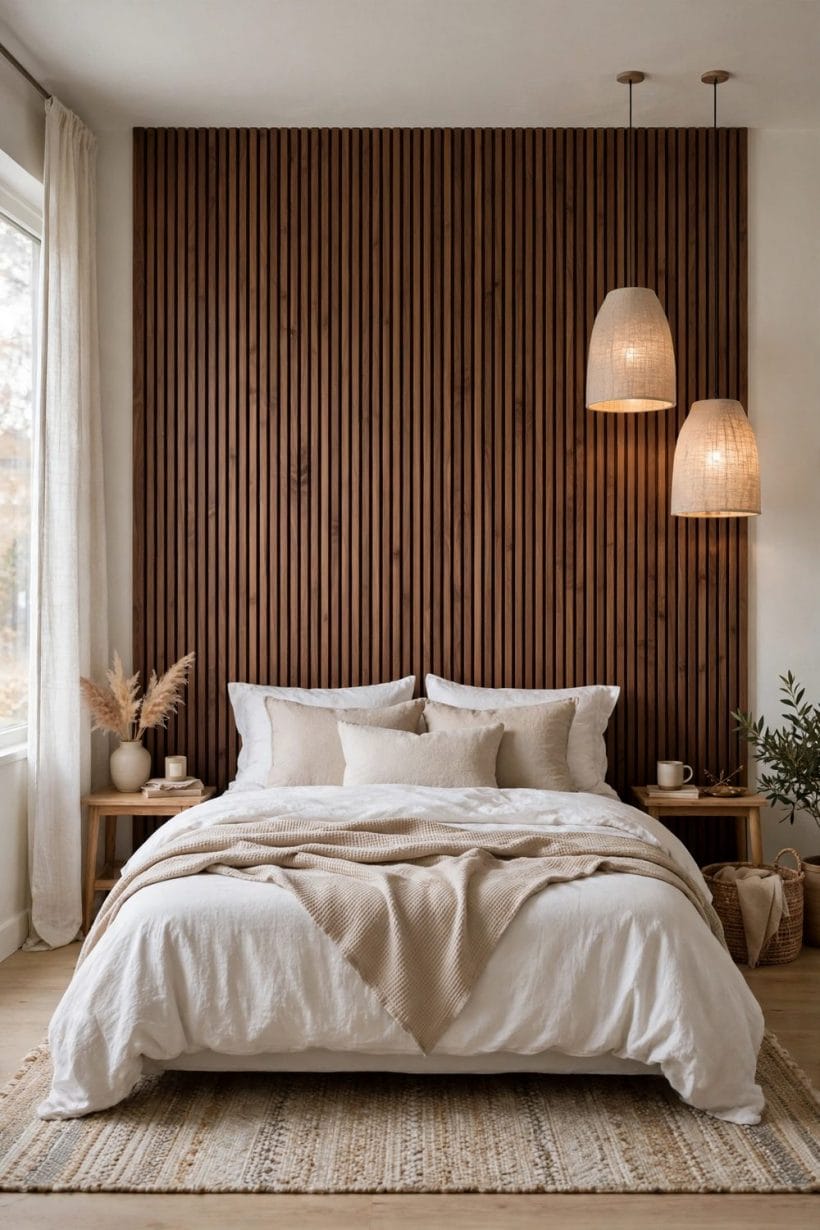
6. Wood, Warm and Honest
When choosing timber for a bedroom wall, look at the grain in the same light the room will have at night. Strong cathedral grain can feel busy under warm lamplight, while quiet straight grain stays calm. If the budget only stretches to a feature panel rather than a full wall, centre it on the bed and let plain painted wall carry the rest — a well-placed timber panel beats a thin, wall-to-wall cladding job that looks stretched. Finish with a matt seal so the wood keeps its natural colour rather than turning amber under the sealant.
Timber brings warmth that paint cannot. Vertical cladding, a slatted screen or a reclaimed-look panel wall gives the bedroom a cabin calm, and wood pairs naturally with linen bedding and soft light. Keep the finish matt and the tone mid-range: very dark timber can dominate a small room, while very pale timber can disappear against pale walls.
Wood also absorbs sound slightly, which suits a bedroom, and it ages gracefully — small knocks and marks read as character rather than damage. If the room already has wooden furniture, match the timber’s warmth rather than its exact species; a room full of identical wood feels like a showroom, while related warm tones feel collected.
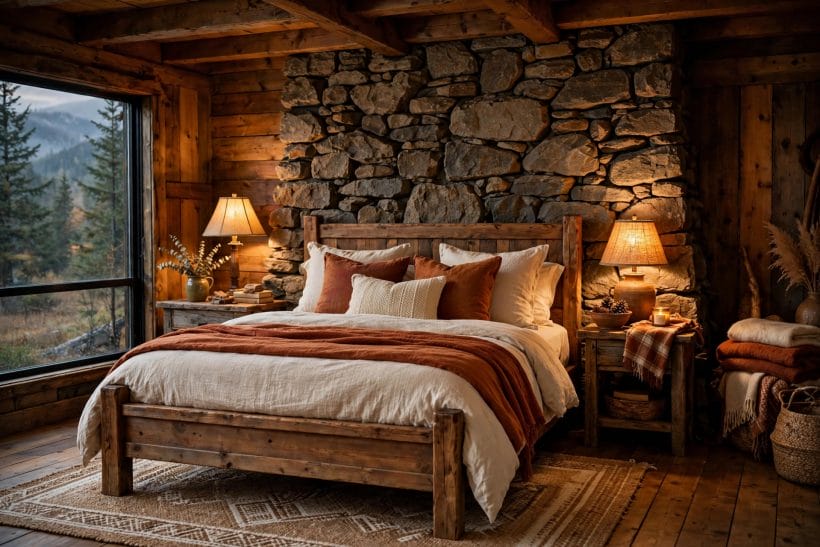
7. The Painted Arch and Other Painted Shapes
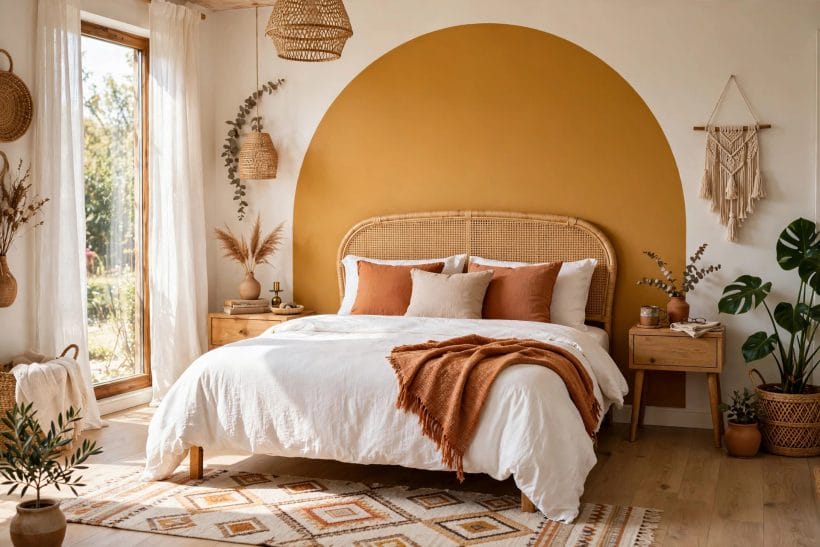
A painted arch behind the bed is a simple way to create a headboard where none exists. Painted in a colour one or two tones deeper than the wall, an arch frames the bed, draws the eye upward and costs little more than a tin of paint and a steady hand. The same idea works as a rectangle, a circle or a soft-edged panel — the shape matters less than its placement, centred on the bed and sized to it.
Keep the edges crisp by masking carefully and removing the tape while the paint is still slightly tacky. A wobbly edge ruins the effect, so take time over preparation rather than rushing the painting. If freehand shapes feel risky, a simple rectangle with clean corners is just as effective and far more forgiving.
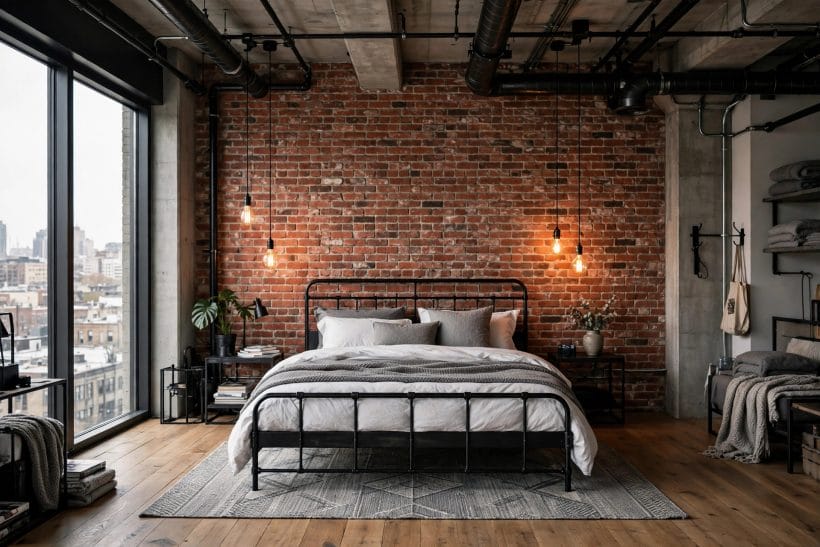
8. Textiles as the Accent
A large textile — a woven wall hanging, a quilt, a length of block-printed cotton — makes a soft, changeable accent. Textiles suit renters and the indecisive alike, since they hang from a rail or a few hooks and come down without damage. They also soften the room acoustically and add a layer of craft that paint cannot.
Hang the textile so its centre sits at eye level from the doorway, not from the bed, and let it breathe: a textile crowded by bedside lamps and shelves loses its presence. A single large piece beats several small ones behind a bed, where the eye wants one calm focal point rather than a gallery.
9. Light That Flatters the Wall
One more lighting detail is worth planning before the wall is finished: where the switches sit. A dimmer by the bed lets you tune the accent wall from bright morning backdrop to soft evening glow without getting up, and it costs little if wired while other work is under way. If rewiring is out of reach, a plug-in dimmer on a bedside lamp achieves most of the same effect. The point is control — an accent wall lit at one fixed brightness all day will flatter the room for only part of it.
An accent wall is only as good as its light. Wall washers, picture lights or bedside lamps that throw light up the wall will reveal texture and deepen colour; a single ceiling light that flattens everything will undo the effect. If the wall is textured or panelled, light it from the side or from below so shadows give it depth.
Check the wall at night, when the bedroom is actually used, not just in daylight. A colour that glows under a warm bedside lamp can look cold under a white ceiling light, and a texture that sings in sideways evening light can vanish under overhead light. Choose bulbs and shades with the wall in mind, and dimmers where possible, so the accent can shift mood with the hour.
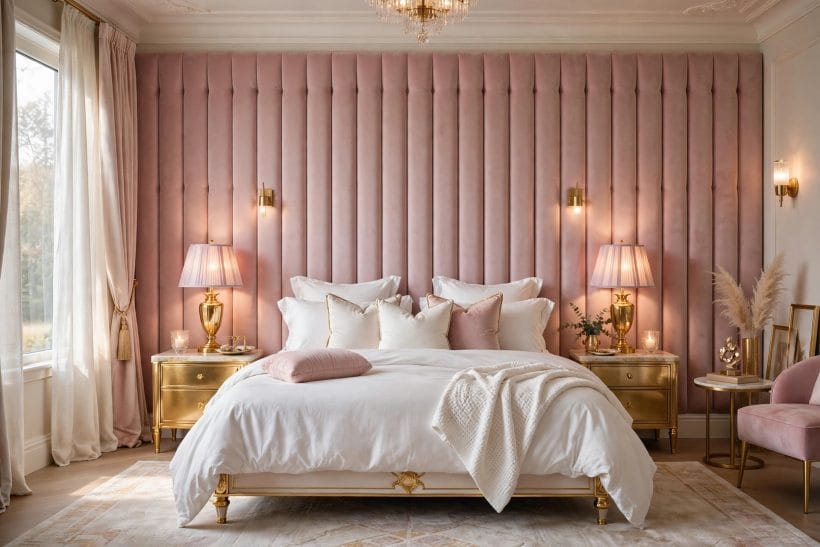
10. The Practical Details That Keep It Good
Finally, photograph the finished wall in daylight and at night before you call it done. A camera flattens texture and exaggerates colour casts, so if the wall looks good in a phone photo under both lights, it will look good in person too. If it does not, the photo usually reveals why — a lamp glaring on gloss paint, a panel edge catching shadow, a colour reading colder than it felt in the shop. Fix the cause, not the photo, and the wall will reward you every morning. A bedroom accent done this carefully needs no further decoration; it simply sits behind the bed and makes the whole room feel considered.
Behind a bed, a wall takes wear: pillows rub, heads rest, bedside items lean. Choose finishes that wipe clean and touch up easily, and keep a small pot of the exact paint for repairs. If the wall is papered, keep an offcut for patching. If it is panelled, fix battens firmly enough to survive a bed being pushed back against them.
Leave a small gap between the bed and the wall where possible, so bedding does not constantly scuff the finish, and check that bedside tables do not hide the accent’s best part. The most common disappointment with an accent wall is not the idea but the execution — a beautiful wall half-hidden by furniture. Step back, look at the whole composition, and move what blocks it. A Scandinavian bedroom shows the principle well: pale surroundings, one calm accent, and nothing competing for attention.
Final Considerations
An accent wall behind the bed succeeds when it does three things: it gives the bed a centre, it suits the room’s light at every hour, and it survives daily use without fuss. Colour, texture, panelling, pattern, wood, painted shapes and textiles are all routes to the same end — a wall that feels intentional. Pick the route that suits your room, your budget and your patience for upkeep, and test it large, in your own light, before committing.
The rest of the room should stay quiet enough to let the wall lead. That is the whole discipline: one accent, well chosen, well lit and well placed, with everything else in support. Get that right and the bedroom feels designed from the doorway in. For the wider room around the bed, the same calm logic applies — see interior design ideas for rooms that hold together, tiny house designs for small rooms done well, bookcase ideas for storage that doubles as display, and coffee table pictures for the living spaces beyond the bedroom door.




0 Comments