

Search for Amerimax windows reviews and you will find five-star raves sitting directly above one-star warnings — for the same windows. The reviews are not lying; they are describing different installations, different dealers and different expectations.
This guide shows you how to read those reviews properly, and what to check — frame, glass, ratings, warranty and installer — before any vinyl replacement window earns your money.

1. Amerimax Windows at a Glance
Amerimax is a US manufacturer of vinyl replacement windows and patio doors, sold mainly through dealer and installer networks rather than as a measure-and-fit-it-yourself product. That single fact explains most of what you read in reviews: the window you live with is the product of the frame, the glass package, the options the dealer specified and the crew who fitted it — judge all four, not just the brand name.
| What type of windows? | Vinyl-frame replacement windows and patio doors — the frame material most of the review debate is really about. |
| How are they sold? | Typically through dealers/installers, so your contract is with the local company as much as the manufacturer. |
| Why do reviews conflict? | Installation quality, dealer service and option choices vary; the same window line can delight one street and disappoint the next. |
| What should you compare? | The written quote: frame construction, glass package, certified ratings, warranty terms and who installs. |
| Biggest mistake? | Judging by the brand’s star average instead of the specific line, options and installer in front of you. |
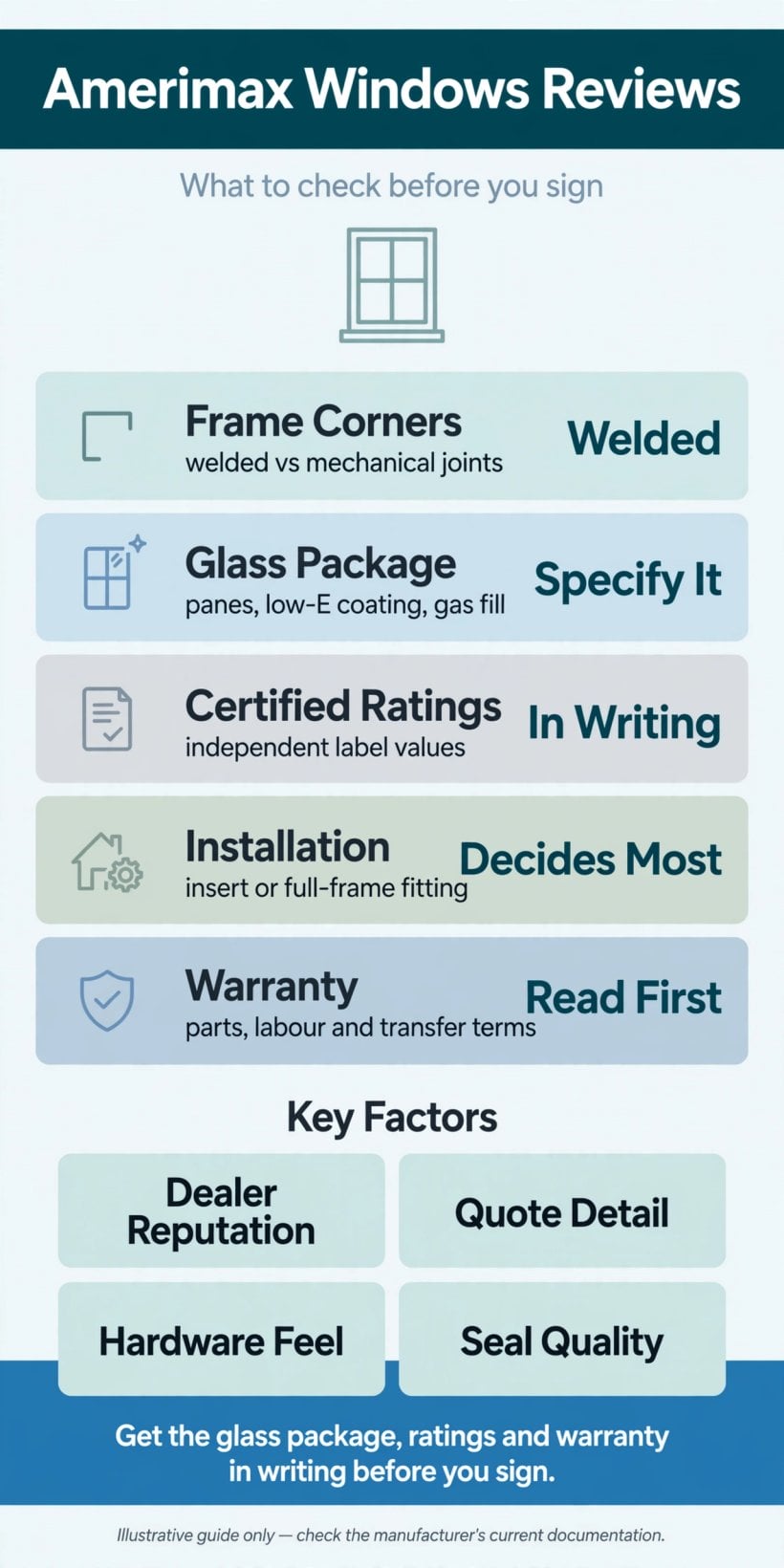
At a glance: with dealer-sold vinyl windows, the installer and the specification matter as much as the brand — check all three in writing.
2. How to Read Amerimax Windows Reviews Without Being Misled
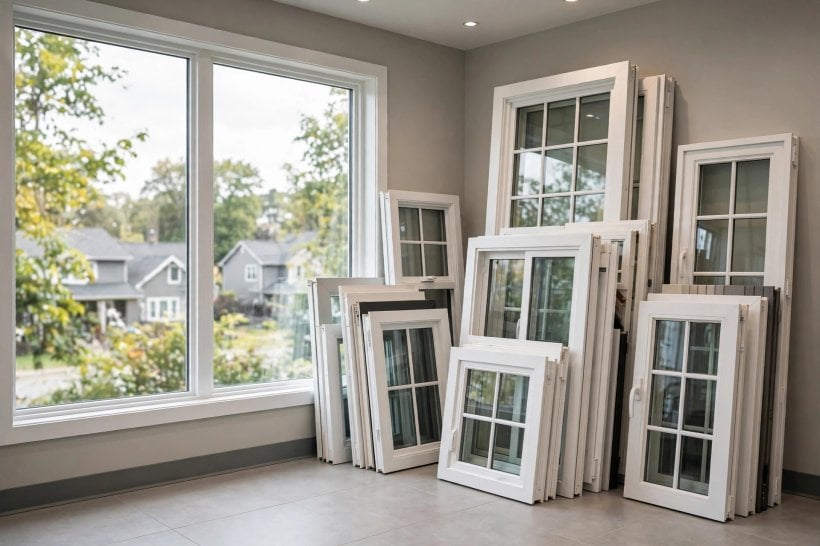
Star averages hide the signal. Read reviews for patterns instead: when many owners mention the same thing — smooth or stiff operation, condensation between panes, a dealer who did or did not return calls — that pattern is data. One detailed review describing a failed seal at year six tells you more than twenty reviews saying “great windows!” written the week of installation.
Sort complaints into three buckets. Product complaints (seal failure, warping, hardware problems) belong to the manufacturer and the window line. Installation complaints (draughts, leaks, poor finishing, windows out of square) belong to the fitting crew — a different company may install the same window flawlessly. Service complaints (delays, warranty runaround) belong to the dealer. A review page that mixes all three will mislead you about each. The same read-the-pattern discipline applies to any big home purchase — it is how the owners in steel vs wood tiny house comparisons separate material facts from builder experiences.
3. The Frame: What to Check on Any Vinyl Window
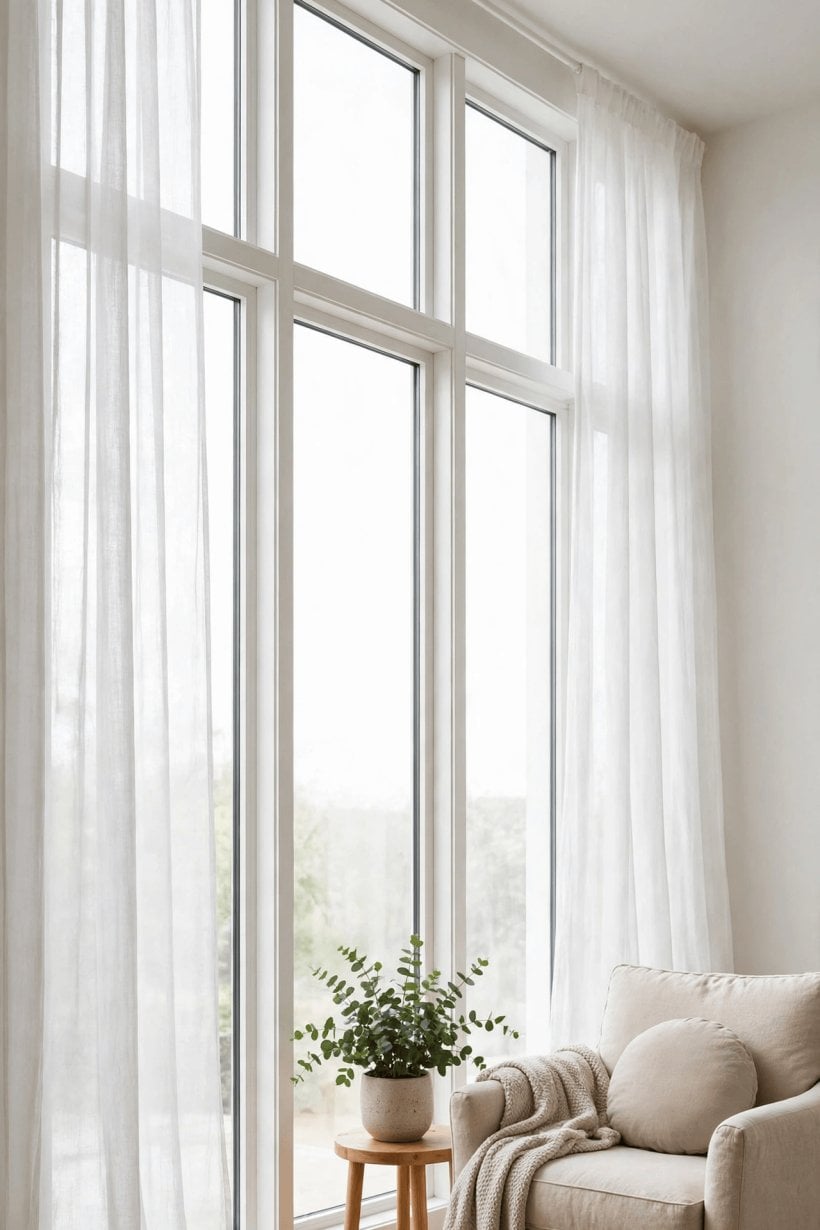
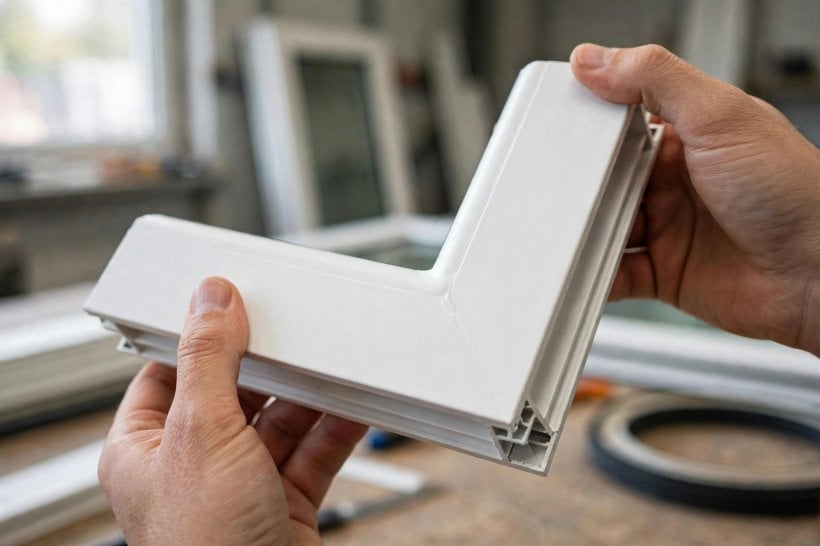
Vinyl frames are not one thing. When you compare an Amerimax quote against any other vinyl brand, examine the frame itself — in a showroom, pick it up and look at the cut corner sample most dealers keep.
Corner construction: fusion-welded corners form a single piece and resist air and water leakage better than mechanically fastened corners; ask which you are being quoted. Chamber design: multi-chambered frames insulate better and feel stiffer than thin single-wall extrusions. Reinforcement: larger windows and doors may need internal reinforcement to stay rigid; ask what is specified for your biggest units. Frame profile depth: chunkier profiles can look heavy in fine or historic openings — check the sightlines against the windows you are replacing. And colour stability: white vinyl is the proven standard; darker exterior colours in vinyl vary by maker and formulation, so ask how the colour is applied and what the warranty says about fading.
4. The Glass Package: Where Comfort Is Actually Decided
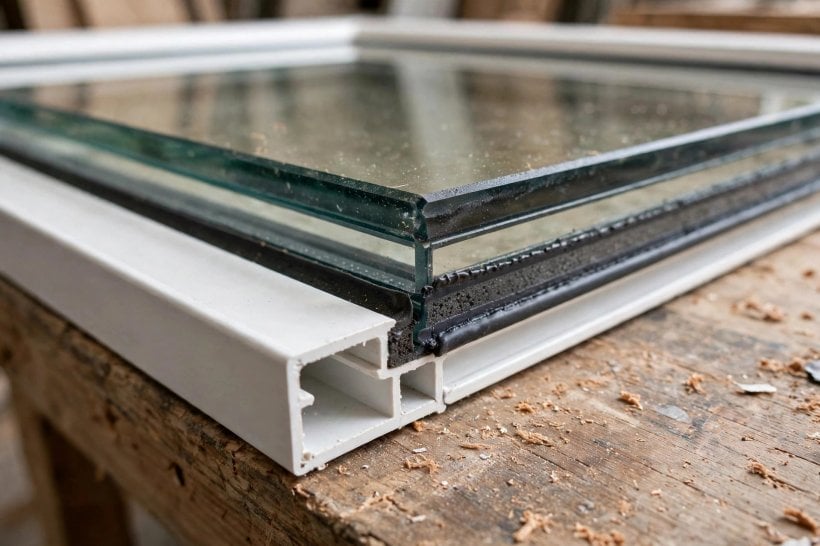
Most owner satisfaction with any replacement window — comfort, quiet, condensation behaviour — is decided by the glass package, not the frame brand. Check what the quote actually specifies, line by line. Pane count: double-pane is the standard baseline; triple-pane adds insulation and noise reduction at more weight and cost, worth it in harsh climates and on noisy streets. Low-E coating: the invisible layer that reflects heat; different coatings suit different climates, so ask which low-E the dealer has specified for yours rather than accepting “low-E included”. Gas fill: argon between panes is a common upgrade — ask whether it is included and how the manufacturer warrants seal longevity, since the gas only works while the seal holds. Spacer system: the edge spacer affects condensation at the glass edge; warm-edge spacers are the better specification. Condensation behaviour matters most exactly where space is tightest and ventilation hardest, as the glass and daylight sections of these small space interior design ideas make clear. If a quote just says “double pane, low-E”, it has not told you enough to compare against another quote — ask for the package in writing.
5. Certified Ratings: The Numbers You Can Trust
Rather than relying on brochure claims, compare windows by their independently certified label values — in the US, the NFRC label that rates the exact window configuration.
Three figures matter most. U-factor measures how much heat escapes through the whole window: lower is better, and it is the headline number for heating climates. Solar heat gain coefficient (SHGC) measures how much sun heat passes through: lower suits hot, sunny exposures; a moderate value can be welcome on cold, shaded ones. Air leakage tells you how draughty the unit itself is when closed — distinct from installation draughts, which are the fitter’s responsibility.
Two disciplines when using ratings. First, compare like with like: ratings apply to the tested configuration, and changing the glass package changes the numbers. Two supporting figures are worth a glance as well. Visible transmittance describes how much daylight the glass admits — higher means a brighter room, and it falls as coatings darken the glass for solar control, so check it if the room is already gloomy. Condensation resistance rates how well the window’s interior surfaces resist fogging in cold weather; it is a comfort figure rather than an energy one, and it predicts the winter-morning behaviour owners so often describe in reviews. Neither figure replaces the big three, but together the five give you the window’s whole certified character — and any dealer who cannot produce them for the exact unit quoted is asking you to buy on faith.
Finally, remember that a window is one part of the wall’s performance — the insulation thinking in how much to build a tiny house applies at every scale: the best window in a leaky wall still disappoints. Ask each dealer to quote the NFRC values of the precise units you are buying, printed on the quote.
6. Styles, Operation and Hardware Checks
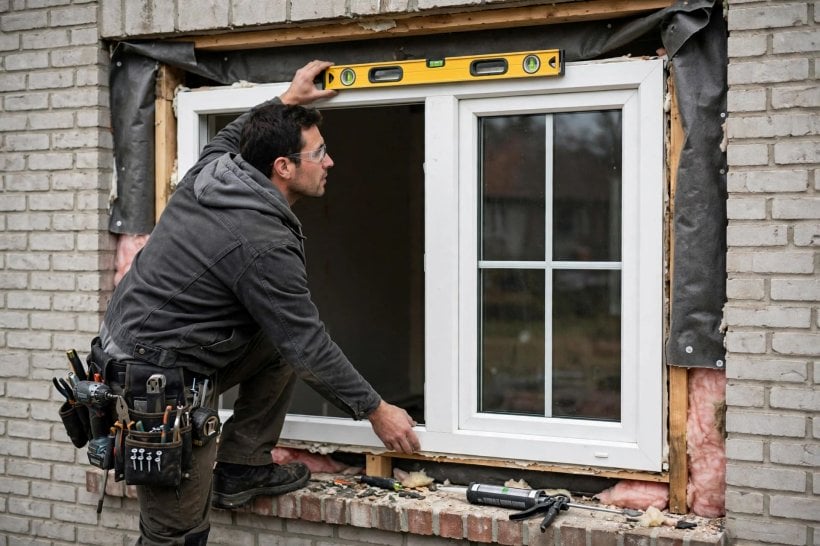
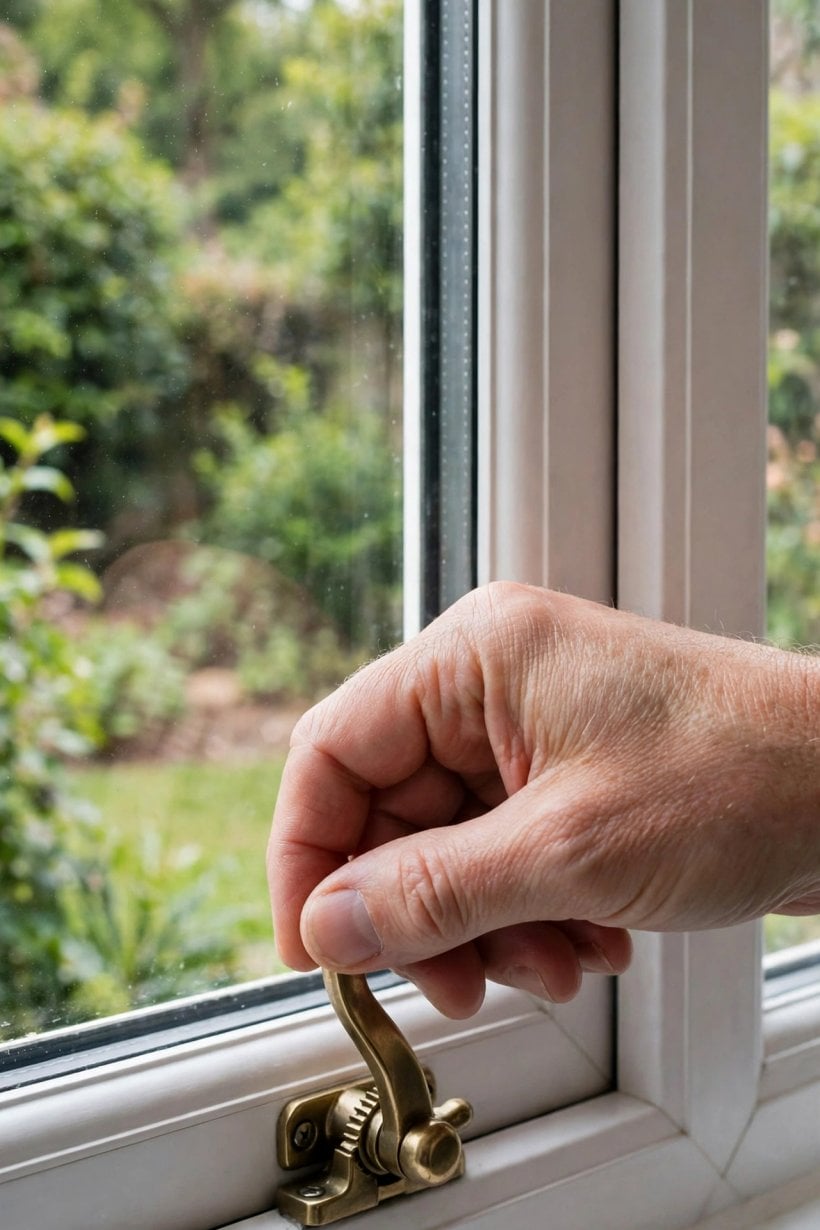
Reviews frequently praise or blame a window for what is really a style choice. Sliders are simple, economical and easy to operate, but seal less tightly than compression-seal styles. Casements and awnings seal firmly and ventilate well, and depend on their crank hardware — operate one in the showroom and feel for smoothness and play. Single-hung windows keep costs down with one moving sash; double-hungs let both sashes move for cleaning access and ventilation. For every style, check the locks and latches (metal generally outlasts plastic), the screen quality, the balance system on hung windows, and whether the hardware is covered by the warranty — hardware is the part you touch daily, and its feel in the showroom predicts your daily satisfaction better than any brochure.
7. Installation: The Variable Behind Most Bad Reviews
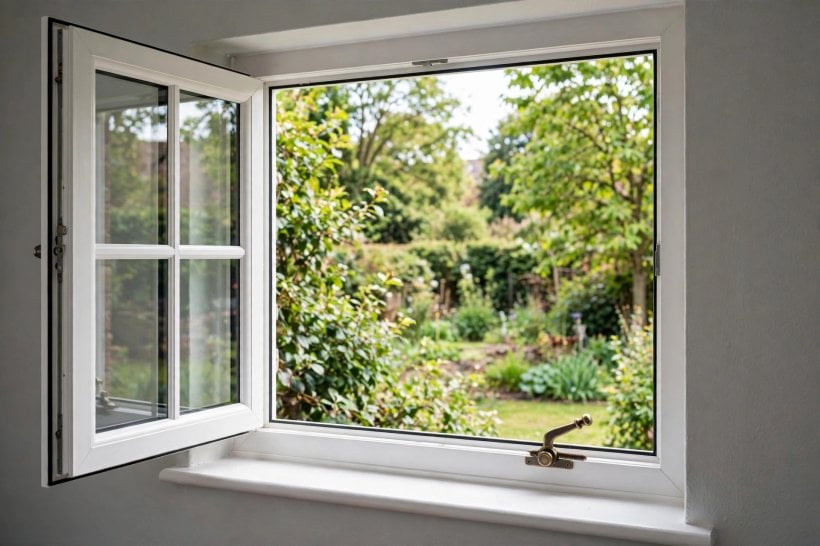
Industry experience is consistent on one point: most “bad window” stories are bad installation stories. Before signing with any dealer — for Amerimax or any other brand — establish which installation you are getting. Insert (pocket) installation fits the new unit inside the existing frame: faster, cheaper, less disruptive, but it keeps any hidden rot in the old frame and slightly reduces glass area. Full-frame installation removes everything to the studs: more work and cost, but it exposes and fixes water damage and restores full glass area. Neither is always right; what matters is that the choice is deliberate and stated.
Ask who physically installs — the dealer’s own crew or subcontractors — how the opening will be flashed and sealed, what happens if rot is found mid-job, and how interior and exterior trim is finished and included in the price. Get the answers on the quote. A homeowner preparing a whole exterior will find the same get-it-in-writing discipline throughout new home exterior design ideas, where specification, not brand, decides the result.
One more installation question separates careful dealers from corner-cutters: what they do about the exterior finish. A replacement window changes how the opening sheds water, so the quote should name the exterior cladding or capping, the sealant approach and how the sill will shed water away from the wall. If the answer is a shrug, expect the review you write in three winters to be about staining and swelling, not about the window.
8. Warranty Fine Print: What “Lifetime” Usually Means
Vinyl windows are often sold with “lifetime” warranties, and the word means different things in different documents. Read the actual warranty — ask for it before you sign, not after — and check five points. What is covered: frame, glass seal, hardware and screens are separate categories and may carry different terms. Labour: many product warranties cover the part but not the labour to replace it; a failed unit at year ten can still cost you a fitting fee unless labour is covered by the manufacturer or dealer. Transferability: if you sell the house, does the warranty pass to the next owner, in full or reduced? Exclusions: look for installation by non-approved fitters, acts of nature, and condensation on the room side (usually a humidity matter, not a defect). Who stands behind it: a manufacturer warranty is only as reachable as the dealer network that services it — one more reason the local dealer’s reputation in reviews matters.
9. Getting and Comparing Quotes Properly
Compare at least three quotes, and make them comparable: same openings, same styles, same installation type, glass package and NFRC values printed, warranty document attached, and a total price that includes trim, disposal and finishing. Resist judging on the per-window price alone — quotes differ in what they hide. Ask each dealer for two or three recent local customers you may contact, and weight those conversations above anonymous reviews: they used the same crew who would fit your windows. Note the pressure pattern too — a quote that expires tonight is a sales technique, not information. Windows are usually one line in a larger renovation budget, and the line-item discipline in the tiny house cost breakdown — every quote itemised, nothing bundled into vagueness — is exactly the standard to hold window quotes to. Finally, schedule realistically: custom vinyl windows are made to order, and honest lead times in reviews (“worth the wait” is a common phrase for a reason) beat promises of impossible speed.
10. When Vinyl Is Not the Answer: Alternatives in Brief
A fair reviews guide admits the category’s edges. Vinyl wins on price, maintenance and thermal performance per unit of cost, which is why brands like Amerimax sell in volume. Consider alternatives where vinyl’s limits bite: fibreglass frames are stronger and slimmer-profiled and handle dark colours and big temperature swings well, at higher prices; wood and clad-wood remain the choice for historic homes and the finest interiors, with maintenance or cost to match; composite frames sit between, marketing wood-like looks with vinyl-like upkeep. If your openings are unusually large, your climate extreme, or your home listed/historic, the extra money may be well spent elsewhere. If yours is a typical home and a typical budget, a well-specified, well-installed vinyl window — from Amerimax or a comparable maker — is the value pick, and the durability questions in how long tiny houses last make the same point for whole buildings: materials matter, installation and maintenance matter more.
Final Considerations
Read Amerimax windows reviews the way an inspector reads a house: patterns over averages, and causes over stars. The brand makes vinyl windows; your experience will be made by the line and glass package you specify, the certified ratings on the quote, the warranty’s fine print, and above all the crew who installs them.
So do the unglamorous things: operate the window in the showroom, get the glass package and NFRC values in writing, read the warranty before signing, and vet the dealer like the long-term service relationship it is. Owners who did those four things are the ones writing the five-star reviews — whatever brand is on the frame.




0 Comments