

Replacing windows is one of the larger purchases a homeowner makes, and the differences between a good job and a disappointing one are mostly decided before anything is ordered. This guide to vinyl replacement windows explains, in plain order, what to check: whether repair would do, how openings are measured, how frames and glass packages differ, what ratings mean, how installation methods compare, and what should be in writing before you sign.
1. Replacement Windows at a Glance: Questions and Short Answers
Most buying mistakes come from comparing windows on price and appearance alone, when the important differences sit in measurement, glass specification, installation method and warranty terms. Two windows that look identical in a showroom can perform very differently once fitted, because one was measured generously, sealed poorly or supplied with a basic glass package. The table below answers the questions that decide the outcome, so you can read the detailed sections that follow with a clear checklist already in mind.
Work through the questions in order. Establish whether the existing frames are sound enough for an insert replacement or too damaged for anything but a full-frame job, confirm exactly how each opening will be measured, and agree the glass and energy specification in writing. Then compare quotes only when each one describes the same work, the same specification and the same responsibilities for finishing, sealing and disposing of the old units. That discipline, more than any single product feature, is what separates a comfortable, quiet home from an expensive lesson.
| Question | Short answer | What to check |
|---|---|---|
| Do my windows need replacing at all? | Only if frames are damaged, sashes fail to operate, seals have failed or draughts persist after repair | Inspect each window individually; some may need repair, not replacement |
| Insert or full-frame replacement? | Insert if the existing frame is sound and square; full-frame if it is rotten, damaged or you want to change size or style | Ask the installer to justify the method window by window |
| What glass should I choose? | Double glazing suits most homes; consider low-emissivity coatings, gas fill and laminated or triple options for noise, cold or security needs | Match the glass package to each room’s orientation and exposure |
| Which ratings matter? | Whole-window energy ratings and U-values describe the complete unit, not just the glass | Compare like-for-like ratings measured the same way |
| How are quotes made comparable? | Only when specification, installation method, finishing and disposal are itemised identically | Get the full scope in writing before comparing totals |
| What warranty questions should I ask? | Who covers the product, the glass seal and the installation, for how long, and what voids cover | Keep warranty documents and the installer’s details together |
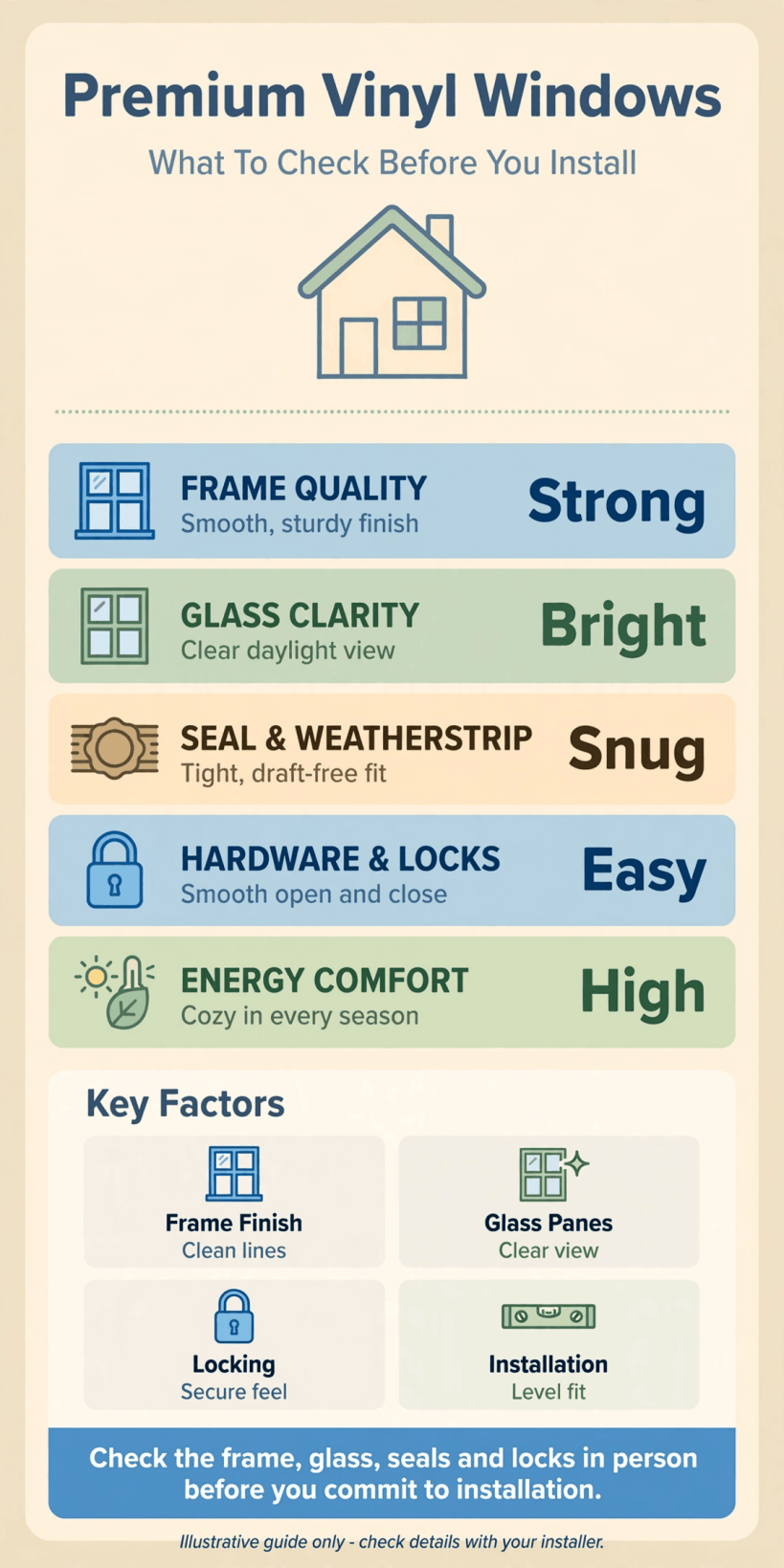
At a glance: the key questions and short answers to work through before ordering replacement windows.
2. Is Replacement the Right Call, or Will Repair Do?
Replacement is not always the answer, and an honest assessment can save a great deal of money. Windows that are draughty because the weatherstripping has perished, that stick because paint has built up, or that mist only on the room side in cold weather may need servicing rather than replacing. Failed sealed units, where condensation sits between the panes, can sometimes be replaced as glass only if the frames themselves remain sound, square and weathertight.
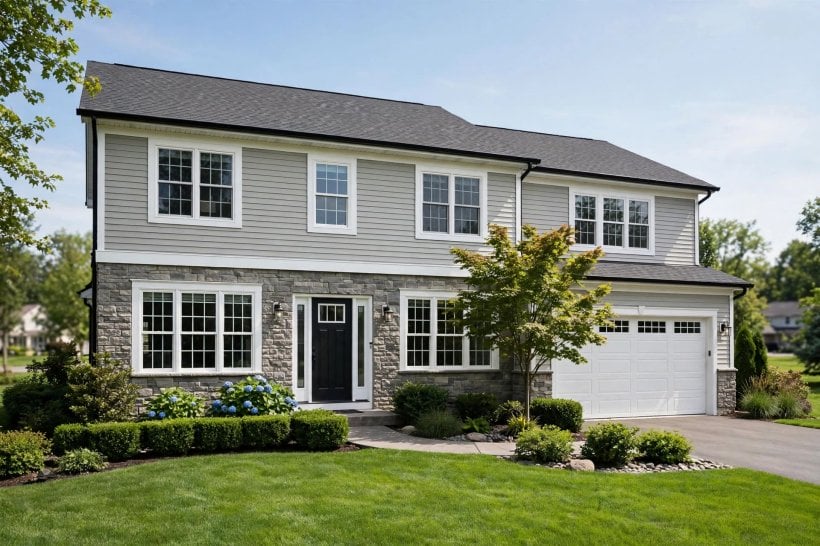
Replacement earns its cost when frames are rotten, warped or damaged, when sashes no longer open, close and lock properly, when draughts come through the frame itself rather than tired seals, or when you want a different opening style or better security and ventilation. Go window by window with a notebook, because a house rarely needs the same answer everywhere, and a phased job, worst windows first, is often the sensible route. The repair-first mindset is familiar to readers of how to build your own tiny house, where diagnosing before spending is the habit that protects every budget.
3. Measuring Openings and Understanding Sizes
Accurate measurement is the least glamorous and most consequential part of the whole project, because a replacement unit made to the wrong size cannot be made right on the day. A proper survey measures each opening in several places, width and height at the top, middle and bottom, checks how square the opening is, and notes sill condition, wall depth and anything that projects into the reveal. Ask who is responsible for the survey measurements, and get that responsibility acknowledged in writing, because it decides who pays if a unit arrives the wrong size.
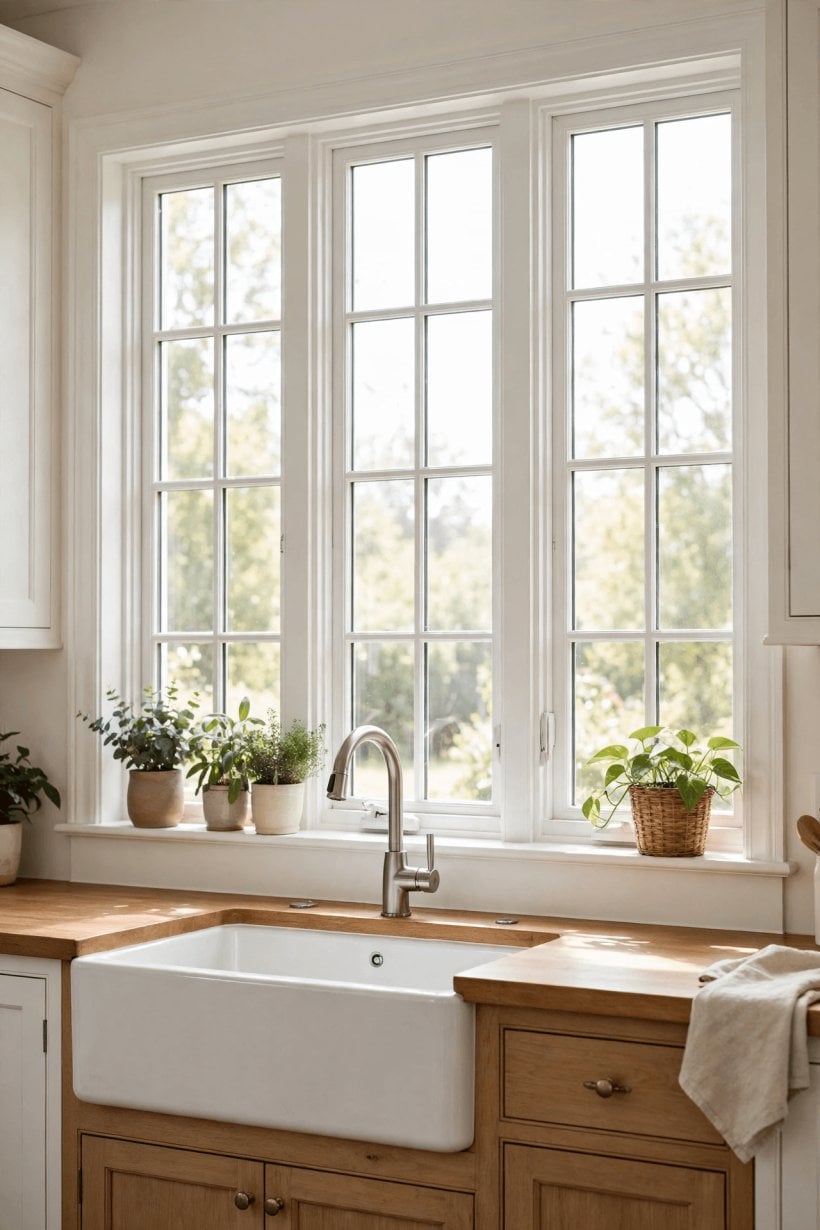
Understand, too, what the quoted sizes mean. Overall unit size, glass size and the daylight opening are three different numbers, and insert replacements slightly reduce the glass area because the new frame sits inside the old one. If maximising light matters in a small room, that reduction is worth discussing before you order, and it may argue for full-frame work there. Careful measuring and honest discussion of trade-offs are the same skills on show in tiny house living room ideas, where a few centimetres, planned well, change how a whole room feels.
4. Frame Construction, Sashes and Reinforcement
Vinyl frames are built from extruded profiles with internal chambers, and the details that matter are largely hidden, so ask direct questions. Multi-chamber profiles generally insulate better than simple hollow ones, welded corners should be neat and consistent, and larger or darker-coloured units may need internal reinforcement to stay stiff and operate smoothly. Check how the sash sits in the frame, how the weatherstripping runs and whether it is continuous around corners, and operate a showroom sample through its full travel rather than judging it standing still.
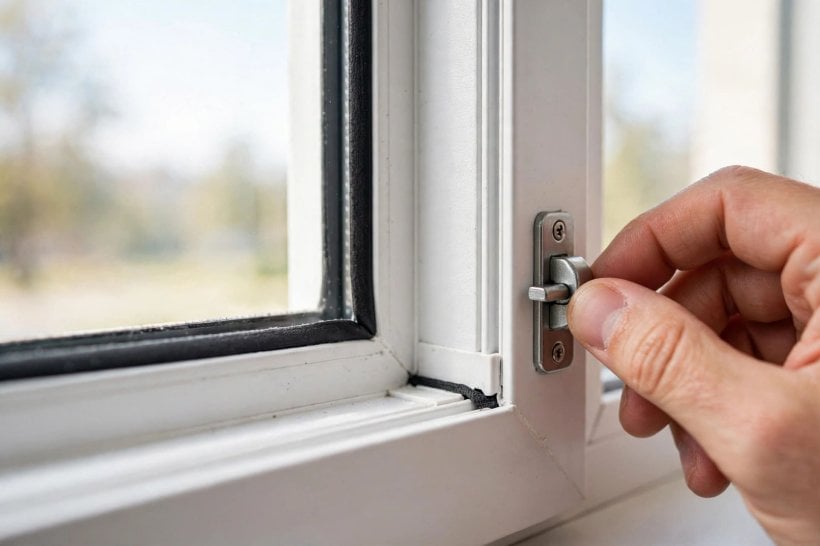
Hardware deserves the same scrutiny as the frame. Locks should engage at more than one point on larger sashes, handles should feel solid rather than flexing, and hinges and friction stays should carry the sash weight without sagging through repeated use. Ask how hardware can be serviced or replaced in future, and whether trickle vents or night-vent positions are available if you want background ventilation. A window is a moving machine as much as a piece of glazing, and the parts you touch every day are the parts that will annoy you first if they are flimsy.
5. Glass Packages: Panes, Coatings, Gas and Spacers
The glass package is where comfort is won or lost. Double glazing with a low-emissivity coating reflects heat back into the room while letting light in, and it is the sensible baseline for most homes. The cavity between panes may be filled with an inert gas such as argon, which insulates better than plain air, provided the seals keep it there. Warm-edge spacer bars, which separate the panes around their perimeter, reduce the cold stripe and condensation risk at the glass edge compared with traditional metal spacers.
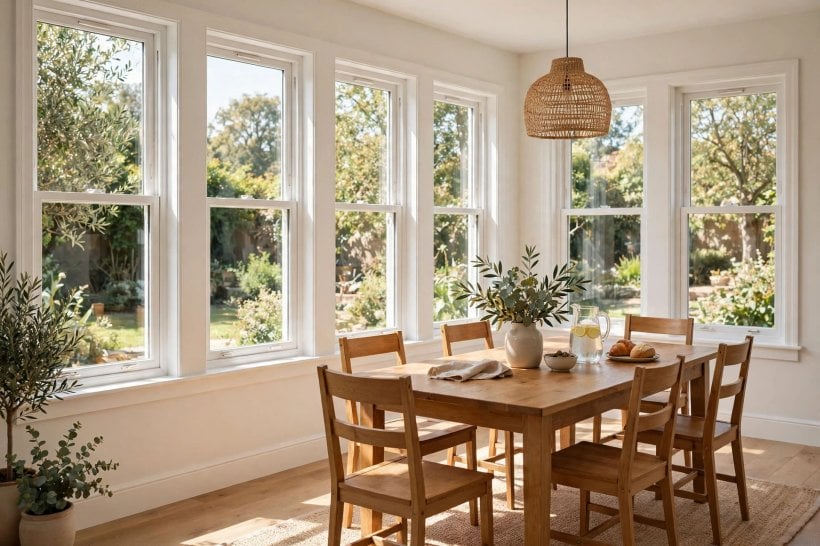
Beyond the baseline, match upgrades to real problems. Triple glazing can help on cold, exposed or noisy elevations, but adds weight and cost that sheltered rooms may never repay. Laminated glass improves security and reduces noise, and toughened glass is required in certain low or door-adjacent positions for safety, so confirm where safety glass applies in your home. Obscure patterns suit bathrooms, while solar-control coatings can calm overheating in large south-facing rooms. Room-by-room thinking like this mirrors tiny house bathroom ideas, where specifying for the actual conditions in each room always beats a single blanket choice.
6. Energy Ratings and What the Labels Actually Tell You
Energy labels exist to make whole windows comparable, and the key word is whole. A rating or U-value for the complete unit, frame, glass, spacer and all, describes what will actually be fitted in your wall, whereas a glass-only figure will always look better and tells you much less. Lower U-values indicate slower heat loss. When you compare products, confirm that figures were measured or calculated on the same basis and for a comparable window size and configuration, because ratings shift with both.
Ratings also capture more than heat loss. Solar gain, how much free warmth a window lets in, and air leakage are part of the picture in many rating schemes, which is why a highly insulating window that blocks useful winter sun is not automatically the best choice for every elevation. Ask suppliers to explain, in plain language, what their headline figure includes, and treat any reluctance to do so as information in itself. A calm, specific explanation is worth more than a folder of badges, just as clear measurement guidance matters more than slogans in tiny house bedroom ideas.
7. Styles and Operation: Choosing How Each Window Opens
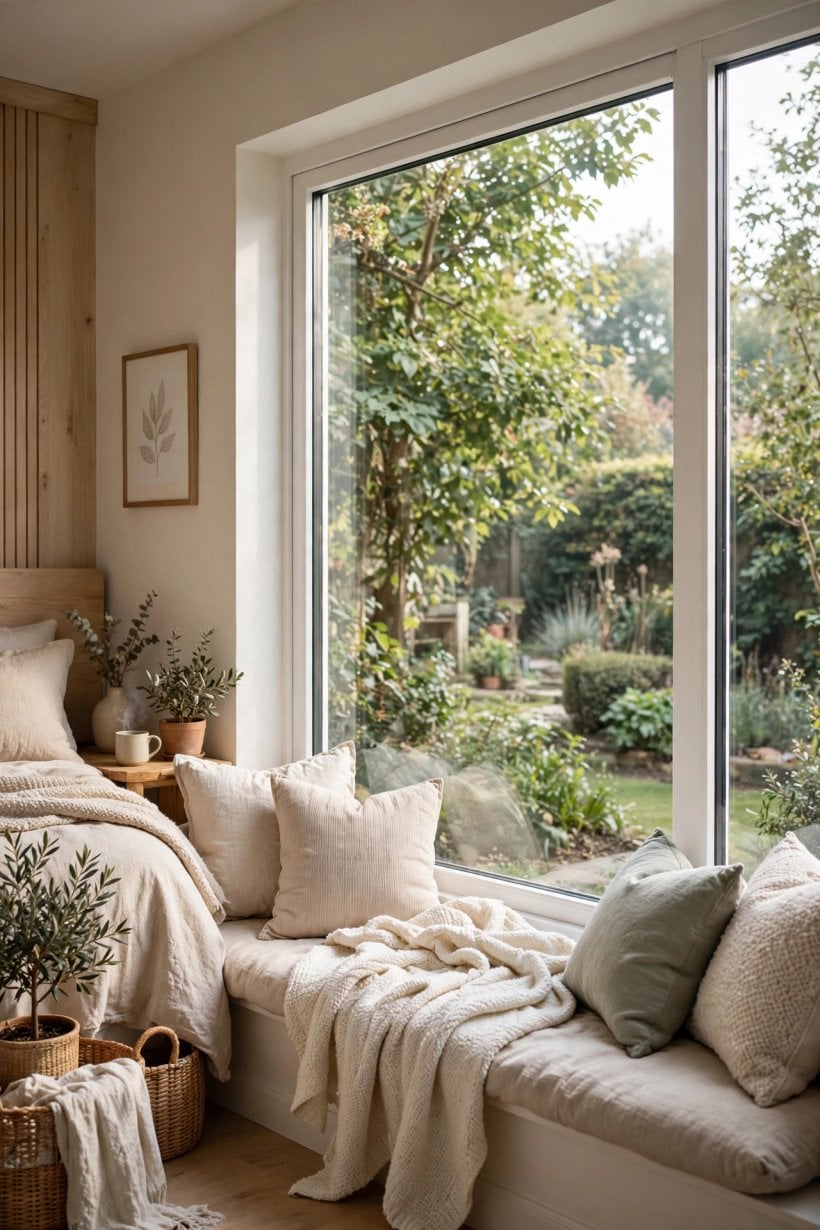
Style is a practical decision disguised as an aesthetic one. Casement windows, hinged at the side or top, seal tightly and ventilate well, and they suit most rooms. Sliding sashes keep a traditional look and do not project into the room or garden, but check how they seal and how they will be cleaned in your home. Tilt-and-turn designs offer secure background ventilation and easy cleaning from inside, which is valuable upstairs, while fixed picture windows maximise light where opening is unnecessary.

Decide each window around how the room is used. Kitchen windows over sinks need handles and openings that are easy to reach, bathroom windows need privacy glass and secure ventilation, and bedrooms need an opening that can serve as an escape route where rules require one, so confirm those requirements before ordering rather than after fitting. Consider, too, which side each casement should hinge from, how far it will open against furniture, curtains and planting outside, and whether restrictors are needed for children’s rooms. These everyday details decide whether new windows feel like an upgrade every single day.
8. Installation Methods: Insert or Full-Frame
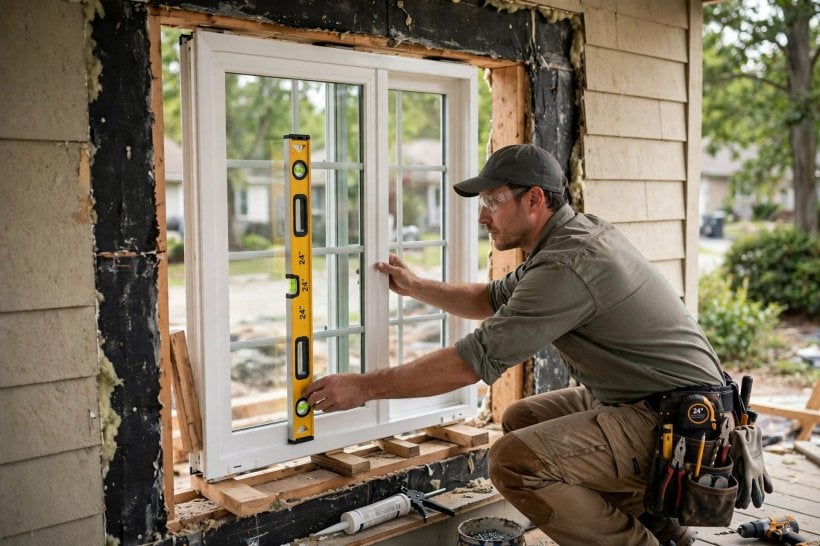
The installation method shapes the price, the disruption and the finished result, so it should be a named item on every quote. In an insert, or pocket, replacement, the existing frame stays in place and the new unit is fitted inside it. It is quicker, tidier and usually cheaper, preserves interior trim and exterior finishes, and works well when the old frame is sound, square and dry. Its costs are a slightly smaller glass area and the fact that hidden damage inside the old frame stays hidden.
Full-frame replacement removes everything back to the opening. It costs more, takes longer and disturbs surrounding finishes, but it exposes and cures rot or damage, allows the opening to be insulated and sealed properly, permits changes to size or style, and restores the full glass area. Whichever method is chosen, the finishing details decide whether the window performs: correct packing and fixing, continuous sealing inside and out, insulation of the perimeter gap, and neat making-good of plaster, sills and trim. Ask exactly which of those are included, because ‘fitted’ can mean very different scopes of work.
9. Quotes, Warranties and What Should Be in Writing
Compare quotes as documents, not as totals. Each should name the window specification, glass package, opening style and hardware for every unit, state the installation method, and itemise extras such as scaffolding, disposal of old windows, new sills, trim work and making good. Deposits, stage payments and the point at which the balance is due should be written down, along with who is responsible for survey measurements, for protecting floors and furnishings during the work, and for registering any guarantees or building-control paperwork that applies where you live.
Warranties need the same clarity. Separate cover may apply to the frames, the sealed glass units and the installation workmanship, each for a different period and from a different party, so ask who honours each part if the installer stops trading, what maintenance the cover expects from you, and what actions, such as painting or drilling the frames, would void it. Keep the final invoice, specification and warranty together. This paperwork habit is second nature in larger projects like those in tiny barn house interior ideas, where keeping specifications and receipts is what makes later care straightforward.
10. After Installation: Checks, Care and Troubleshooting
Before the installers leave, open, close, lock and vent every window, check each one from outside for neat, continuous seals, and confirm that protective films, stickers and excess sealant have been removed and rooms left clean. Run a hand around each frame on a breezy day to feel for draughts, look for daylight where it should not be, and make a written snag list there and then, while everyone responsible is still on site. Photograph each finished window for your records.
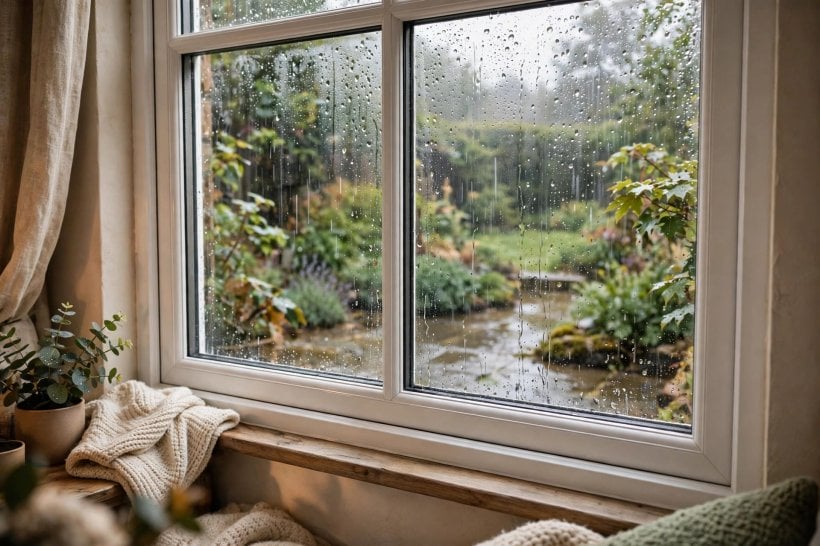
Day-to-day care is light. Wash frames with mild soapy water and a soft cloth, keep drainage slots clear, lubricate moving hardware occasionally as the maker directs, and avoid harsh solvents or abrasive pads on vinyl and seals. Condensation on the room-side
Finally, keep expectations honest and specific. New windows will not silence every outside sound, cure a damp wall that has another cause, or fix a cold room whose insulation elsewhere is poor, and any salesperson who promises otherwise is telling you something useful about the company. Ask instead what improvement is realistic for your house, your elevations and your specification, and have that conversation before the order is placed. Windows chosen this way, with clear-eyed expectations and written promises, are the ones homeowners describe as money well spent, because the result matches the brochure in the only place that matters: daily life at home, season after season.
glass usually signals indoor humidity rather than a failed unit, so ventilate bathrooms and kitchens and use extractor fans; condensation between panes, by contrast, means a sealed unit has failed and belongs in a warranty conversation. Gentle, regular care of this kind, like the routines in bedroom interior design for tiny houses, keeps a big purchase performing quietly for years.
Final Considerations
Buying replacement windows well is a process, not a product. Start by proving that each window truly needs replacement, choose insert or full-frame work according to the condition of each existing frame, and insist on an accurate, owned survey. Specify the frame and glass package room by room, compare whole-window ratings on a like-for-like basis, and select opening styles around ventilation, cleaning, safety and daily reach. Then put everything in writing: specification, method, finishing, disposal, payments and the separate warranties for product, glass and workmanship.
Do that, and the showroom decision becomes the smallest part of the project, which is exactly as it should be. The windows that satisfy homeowners years later are rarely the ones with the longest feature list; they are the ones that were measured carefully, specified honestly, fitted and sealed properly, and checked thoroughly before the final payment changed hands. Keep your paperwork, care for the hardware and seals, and your new windows should repay the effort with quieter rooms, fewer draughts and easier mornings for a very long time.

0 Comments