

Every flooring forum argues about brands, and every argument ends the same way: somebody’s floor is perfect, somebody else’s is peeling, and both of them bought the “best” name on the shelf.
This guide compares best luxury vinyl plank brands the useful way — not a league table, but the brand families, the construction and warranty checks, and the shortlist method that matches a maker to your rooms and your household.
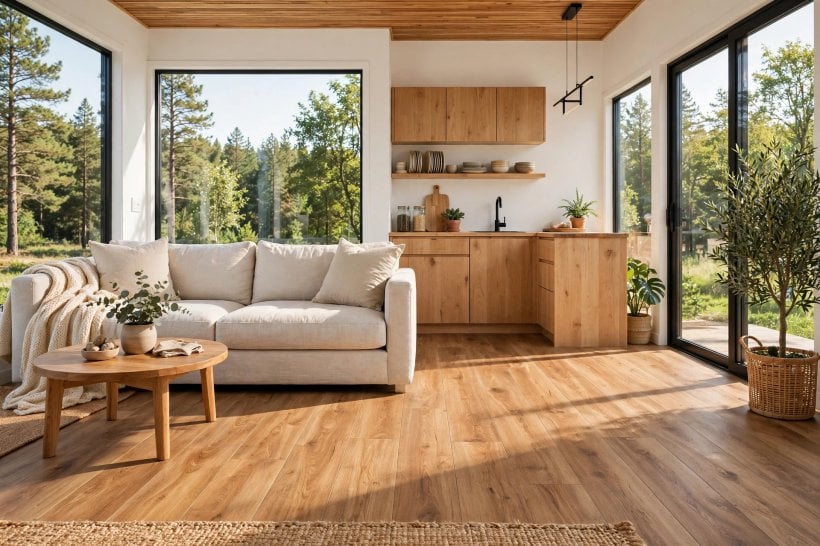
1. Luxury Vinyl Plank Brands at a Glance
A luxury vinyl plank brand is not a product; it is a maker’s whole system — its ranges, its stated wear layers, its warranties, its sample and support service, and the retailers who stand behind the sale. Floors fail or succeed on the plank, but brands earn their reputations on everything around the plank. Comparing brands fairly means comparing those systems, in the order a floor actually meets your life: construction first, paperwork second, service third, decor last.
| Is there one best brand? | No honest one. The major makers all produce strong flagship ranges and thinner value ranges; the right comparison is range against range at the same level, not logo against logo. |
| What separates strong brands? | Consistent stated specifications, warranties that read plainly, good sample availability, stable decors that stay in production, and support that answers after the sale. |
| What should I compare first? | The wear layer and core construction stated for the exact range — then the warranty terms for your room type, then whether you can get samples home. |
| Do expensive brands guarantee a better floor? | They generally buy thicker wear layers, better print realism and stronger warranties. Installation and subfloor preparation still decide more of the outcome than the logo does. |
| How many brands should I shortlist? | Two or three, with one range from each at the same tier. More than that and the samples blur together; fewer and you have no honest comparison. |
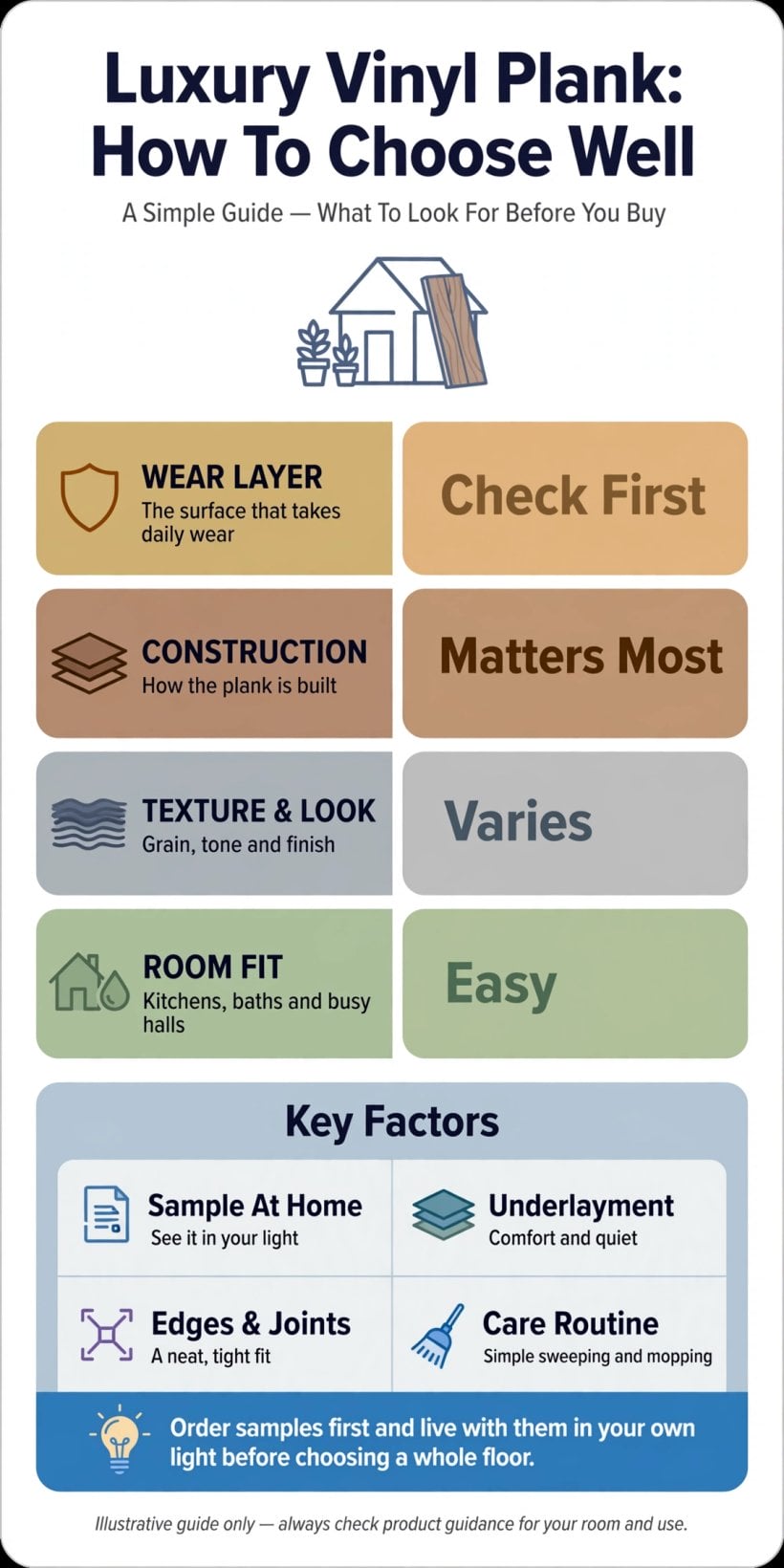
At a glance: compare ranges at the same tier, read the warranty like a contract, and let samples settle what brochures cannot.
2. Why “Best Brand” Is the Wrong First Question
Ask which brand is best and you will collect anecdotes, because every maker sells several ranges at several quality levels, and an anecdote about a value range says nothing about the same logo’s flagship line. The better first question is: which tier of floor does this room need, and which brands build honestly at that tier? A hallway with dogs and grit needs a different answer from a spare bedroom, and both answers can carry the same brand name on the box.
The second reason is that the floor under your feet is a system: plank, underlayment, subfloor preparation and installation. Brands control only the first of those. The preparation discipline in our subfloor fastening guide has saved more floors than any logo ever printed, and it is free. Judge brands on what they control — construction, honesty of specification, warranty, service — and keep your own side of the system to the same standard.
3. The Four Brand Families You Will Meet
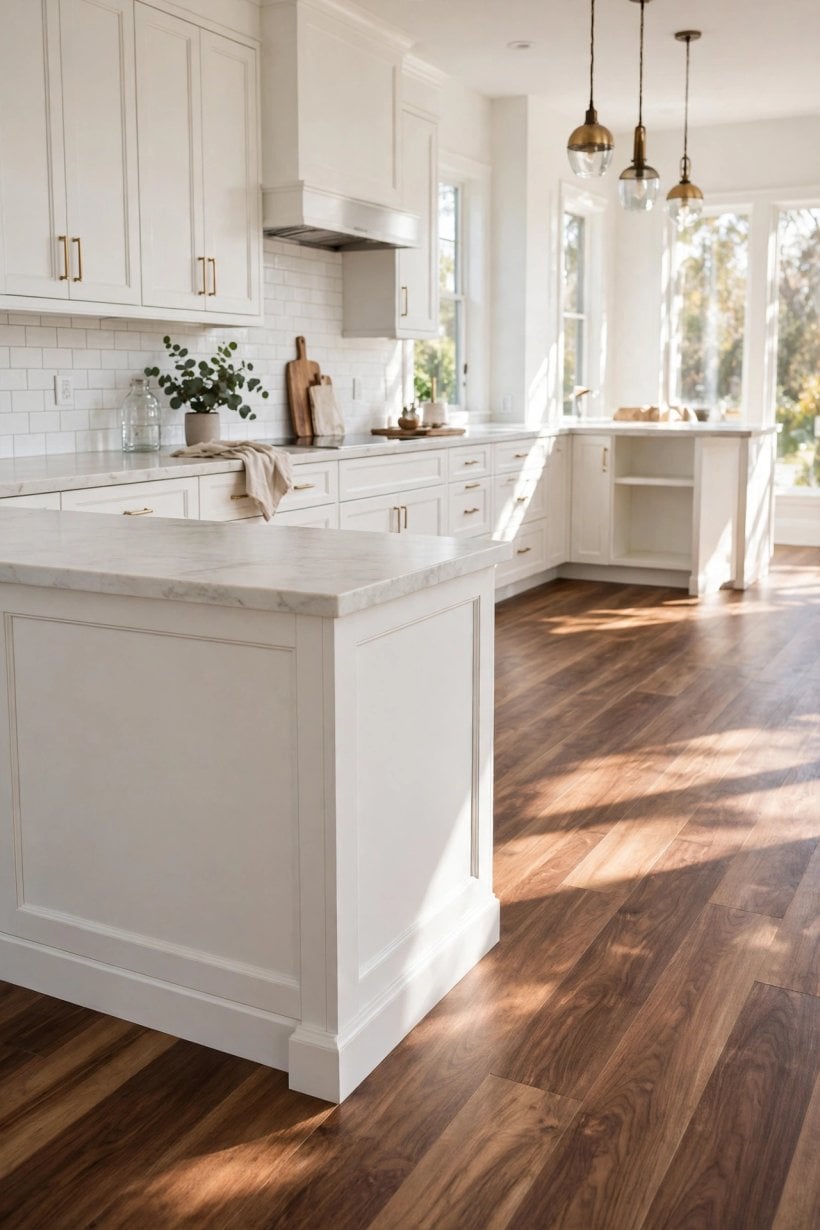
The market sorts into four families, and knowing which family a name belongs to tells you how to buy it. First, the flagship manufacturers: long-established flooring makers whose names headline their own ranges, sold through many retailers, with deep decor libraries and the most developed warranty and support structures. Second, retailer-exclusive lines: ranges made for one big-box chain, often by a major manufacturer, where the retailer’s promotions and logistics are part of the deal. Third, pro and trade lines: brands aimed at installers and commercial work, sometimes plainer in decor, often serious in construction. Fourth, value and import lines: the friendliest shelf prices, thinner stated specifications, and warranties that deserve the closest reading.
None of the four is automatically the right buy. Flagship names charge for their depth of range and support; exclusives can offer remarkable value when the chain promotes them; trade lines suit whole-house projects; value lines can be the honest answer for a low-traffic room or a short-tenure home. The mistake is comparing across families without noticing — a flagship’s mid range against a value line’s best is a comparison of tiers wearing brand costumes.
4. Wear Layer and Construction: What Brands Actually Differ On
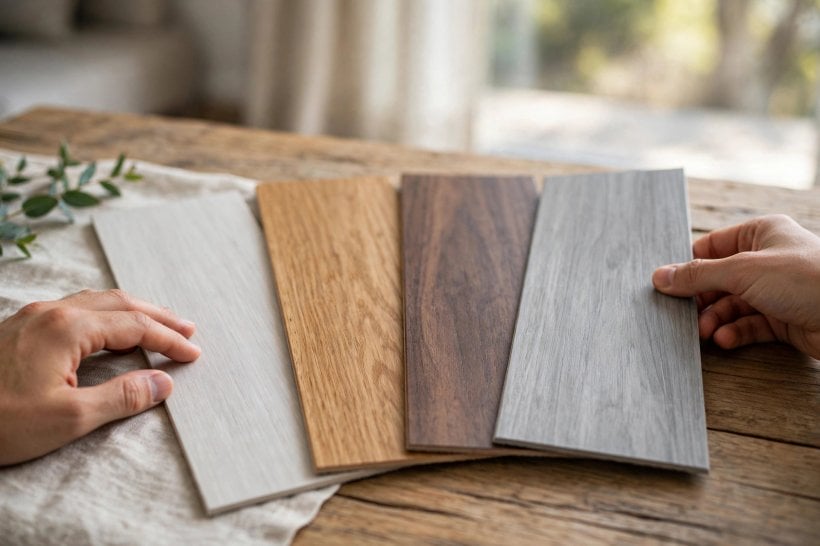
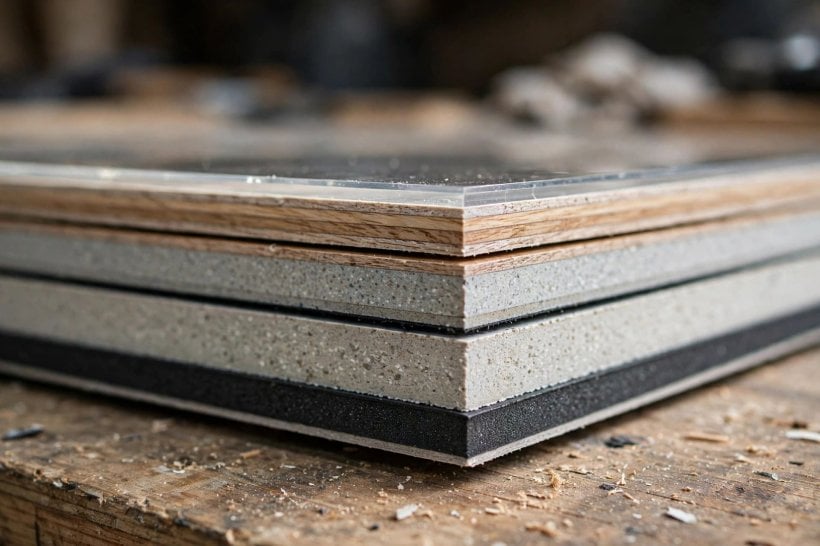
Strip the marketing away and brands differ on a short list of physical things. The wear layer — the clear protective coat over the print — is stated in mil on reputable packaging, and a thicker stated layer is the most reliable single marker of a range’s intended duty. The core decides feel and forgiveness: rigid stone-composite cores resist dents and hide minor subfloor sins; more flexible constructions feel warmer and quieter but ask more of the floor beneath. Attached underlayment, plank thickness, and the click profile’s robustness round out the physical differences — all readable off the box or the maker’s specification sheet, none requiring faith.
Brand quality shows in the consistency of those numbers across a range and in how plainly they are published. A maker that prints its wear layer, core type and coverage per box on every carton is telling you how it expects to be judged. A maker whose packaging leads with lifestyle photography and hides the figures is telling you something too. In warm-floor projects, one more figure joins the list — the stated temperature limit for use over heating, which matters if your floor will partner the systems in our underfloor heating guide.
5. Warranties: Reading a Brand’s Confidence
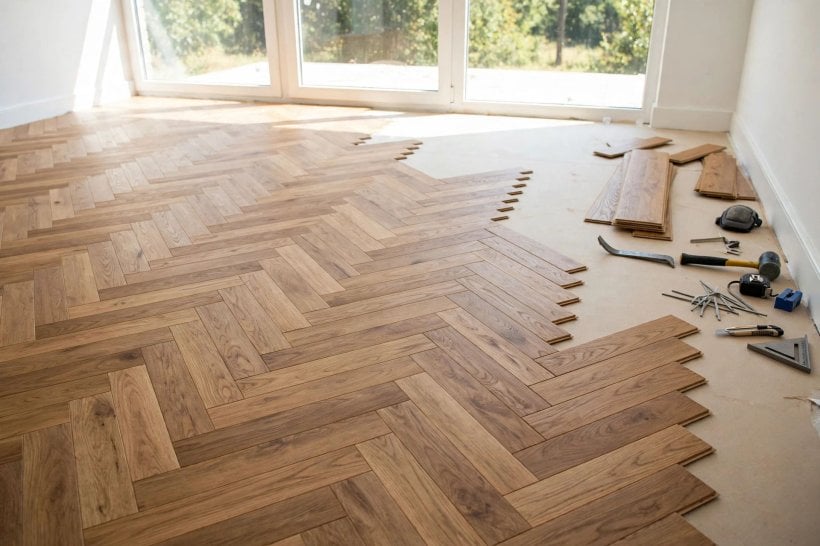
A warranty is the brand’s own review of itself, written by its lawyers. Read three things: what is covered (wear-through of the wear layer is the classic promise; staining, fading and manufacturing defects vary), where it is covered (residential warranties are the generous ones; a floor warranted only lightly for the room you plan is a warning), and what the conditions demand of you — subfloor moisture testing, approved underlayment, acclimation, and maintenance with approved cleaners appear again and again, and several can only be satisfied before installation.
Length of warranty is the weakest signal on the page; a long promise with narrow terms protects less than a shorter, plainer one. Proration matters too: some warranties repay a shrinking fraction of the floor’s value over time, which changes what the promise is worth in year nine. None of this requires legal training — it requires one slow read of the document for the exact range you are buying, before the boxes are opened, filed beside the receipt the way careful buyers file the paperwork for the rooms planned in our tiny house kitchen floor plans.
One more warranty habit separates careful brands from careless ones: how a claim actually begins. Makers who publish their claims route openly — who to contact, what photographs and documents to send, whether the retailer or the manufacturer inspects first — are describing a process they expect to be used. Keep the box end with its batch code and the receipt from the day of purchase, and that process, if you ever need it, starts with answers instead of archaeology. A brand’s confidence is written in its terms; its character is written in how easily those terms can be invoked.
6. Realism: Print, Texture and the Repeat Test
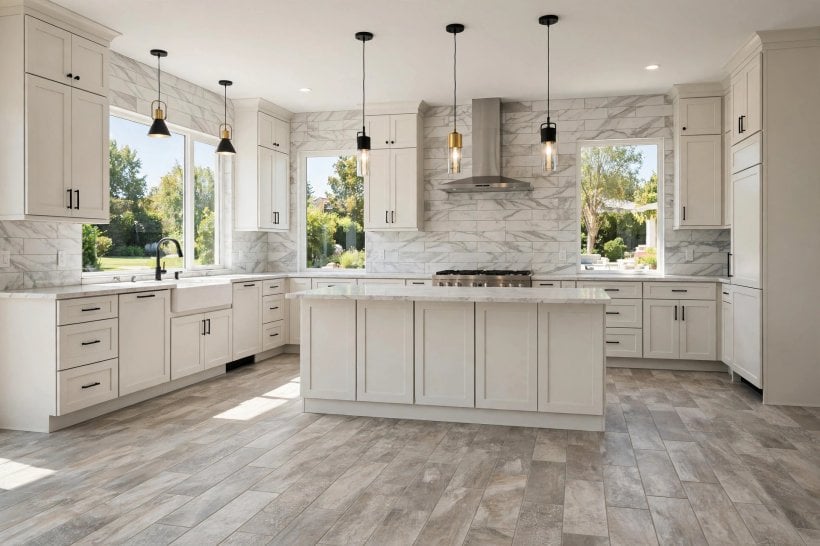
Where brands visibly differ, across a showroom floor, is realism. The printed film under the wear layer carries the wood or stone image; better ranges invest in sharper print, embossing that follows the grain (“registered” emboss), bevelled edges that separate each plank visually, and — the detail that decides whole rooms — enough different print patterns that the same knot does not repeat across your floor like wallpaper. Ask how many unique plank patterns a range carries, and lay six or eight planks loose in the store to watch the repeats.
Realism is also where samples earn their keep a second time. A decor that reads as warm oak under showroom spots can turn grey at home, and a texture that feels grippy in the hand can feel rough under bare feet at midnight. Take the finalists home, live with them in your light for a few days, and walk on them in socks. Brands confident in their decors make samples cheap and easy; treat reluctance as information. The rooms where realism matters most are the ones you see whole — open living spaces like those in our farmhouse living room ideas, where a repeating pattern announces itself across twenty planks at once.
7. Ranges Within a Brand: Good, Better, Best Done Honestly
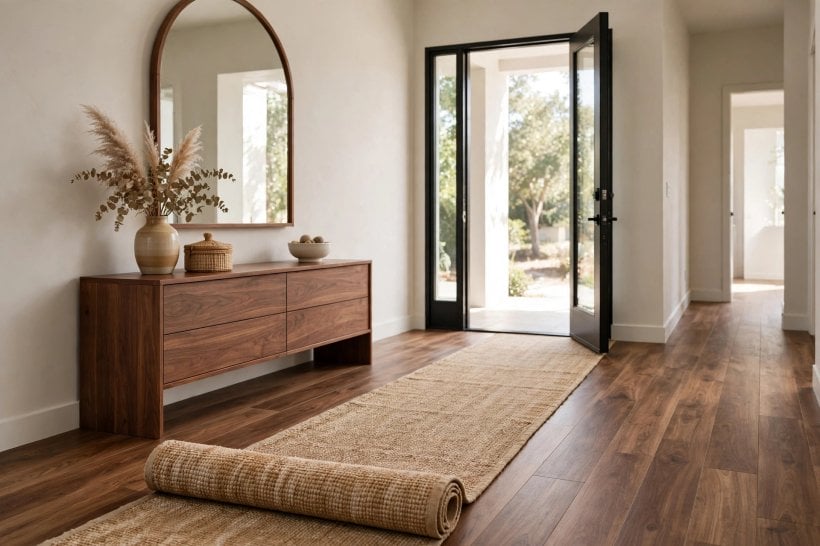
Inside one brand, the ranges step up in a predictable order: wear layer thickens, cores grow more substantial, underlayment gets attached, decors get richer, warranties lengthen and clarify. The honest way to use that ladder is to price the step, not the story. If the move from a brand’s middle range to its top costs a modest amount per box, it is often the best-value upgrade in the whole project, because it buys the two things that cannot be retrofitted: wear surface and warranty. If the step buys mostly decor, judge it as decor.
Mixed-tier buying is legitimate when it follows traffic, not wishful thinking: the flagship range in the hall, kitchen and living run, the middle range in bedrooms, all in the same decor family so the house reads as one floor. What does not work is the reverse — value flooring in the traffic lanes because the budget went to the quiet rooms first. Buy the ladder from the busiest room down, and let the last room, not the first, absorb any compromise. Room-by-room planning like the layouts in our small living room ideas keeps that priority visible while you shop.
8. Samples and Support: The Service Test

A brand is also the experience of dealing with it. Before committing, run the small tests that predict the big ones. Samples: can you get them quickly, in the exact ranges you are comparing, at a fair price or free? Documentation: are specification sheets and installation instructions published openly, in full, or hidden behind a dealer login? Support: does the maker answer technical questions — over heating, on stairs, below grade — with specifics or with brochure language? Retailer bench: does the store employ people who know the ranges, or only the promotions?
These are not soft factors. Flooring questions arrive years after purchase — a discontinued decor to match, a plank to replace, a warranty condition to clarify — and the brand that published everything and answered promptly before the sale is the one still answering after it. Decor stability belongs here too: ranges that stay in production for years protect your ability to extend or repair the floor, while fast-rotating decor lines strand finished rooms. Ask how long the decor has been in production; it is a fair question and good brands answer it proudly.
9. Matching the Brand to the Room and the Household
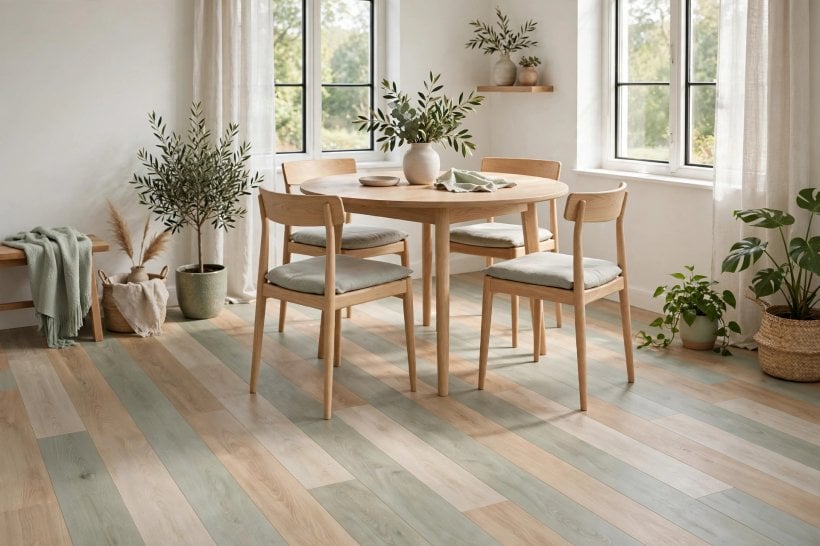
The final filter is your own life. Wet rooms — kitchens, bathrooms, utility spaces — ask for the waterproof construction and the warranty that covers the room, of the kind worked through in our waterproof tiny house bathroom guide. Households with dogs ask for wear layer and texture that hides the evidence; households with toddlers ask for warmth and forgiveness underfoot; allergy-conscious households ask for the smooth, sealed surface vinyl naturally offers. Renters and short-tenure owners may honestly choose the value family and spend the savings elsewhere.
Whole-house consistency is the last household factor. One brand, one decor, one batch family through the home is easier to buy, easier to repair, and usually reads calmer than a patchwork of near-matches — the whole-home thinking in our tiny house interior design ideas applies to floors exactly as it does to paint. Where two brands genuinely tie on construction, warranty and realism, choose the one whose samples looked right in your rooms. That is not a soft verdict; it is the floor you will actually see every day.
10. The Shortlist Method: Choosing Without Regret
Work the comparison down in passes, and the brand chooses itself. Pass one — tier: fix the duty level each room needs and strike every range below it. Pass two — paper: read the warranties and stated specifications of the survivors and strike any that hide their figures or exclude your rooms. Pass three — samples: take the remaining two or three ranges home, abuse the samples honestly, watch the print repeats, and walk them in your light. Pass four — whole cost: planks, underlayment or attached-pad saving, trims, transitions and delivery, priced as one number per finished room. The brand still standing after four passes has earned the order on evidence, not advertising.
Then buy it properly: one batch across the order, a spare box in storage, paperwork filed, subfloor prepared to the standard the warranty assumes. A “best brand” chosen this way is not a claim about a logo; it is a description of a process — and the process is what actually protects the floor.
Final Considerations
Brands matter, but as systems, not as badges: stated construction, plain warranties, stable decors and support that answers. Compare ranges at the same tier, let the warranty document argue for its maker, and let samples in your own light settle the rest.
Do that, and the name on the box becomes the least interesting thing about your floor — which is exactly what a good floor should be: quiet, durable, and never again a topic of argument.



0 Comments