

SmartCore lives on one retailer’s shelves, which makes the buying experience half the product. The planks matter, but so do the labels, the batch numbers, the delivery terms and the receipt you keep.
This guide covers smartcore pro reviews from the shopper’s side of the aisle: what Lowe’s actually stocks, how the ranges differ, and the in-store checks that decide whether the floor you bring home is the floor you thought you bought. For the product verdict itself — how the ranges are built and who they suit — read our SmartCore Pro verdict guide on Togaze, which this page deliberately does not repeat.

1. Buying SmartCore at Lowe’s at a Glance
SmartCore is a rigid-core vinyl plank range sold through Lowe’s, which makes it a retailer-exclusive line rather than a brand you comparison-shop across stores. That exclusivity shapes everything in this guide: the range naming is Lowe’s naming, the promotions are Lowe’s promotions, and the useful questions are the ones you can only answer standing in the aisle or at the pro desk. What follows is a buying guide, not a product verdict.
| Where can you buy SmartCore? | Through Lowe’s, in store and online. It is a retailer-exclusive range, so price and stock comparisons happen between Lowe’s locations and Lowe’s own promotions, not across competing retailers. |
| What are the ranges? | Typically a standard line, the Pro line aimed at heavier use, and an Ultra line at the top of the shelf — each step generally adds wear-layer and construction substance. Shelf-edge labels, not range names, carry the details that matter. |
| What should you check in store? | The wear layer stated on the box, plank dimensions, whether the underlayment is attached, the exact waterproof wording, and that every box shares one production batch. |
| Can you take samples? | Sample pieces are the single most valuable thing in the store — take them home, live with them in your light, and test them with water, heels and pet claws before ordering. |
| What paperwork matters? | The box itself (batch and product codes), the receipt, and the manufacturer’s warranty terms printed for the exact range you bought. |
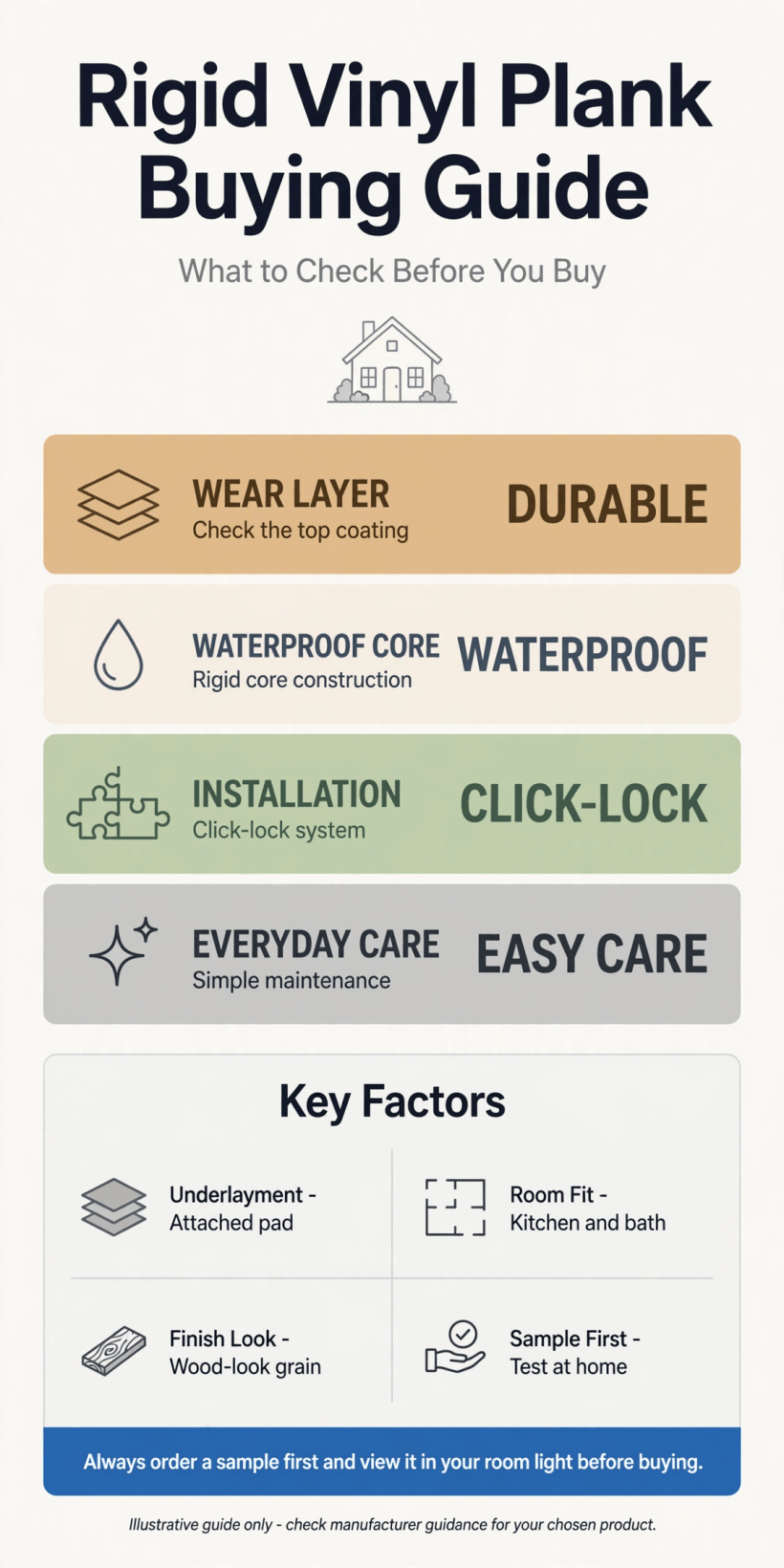
At a glance: an exclusive range bought in one place — so the shelf-edge labels, the samples and the batch numbers are the review that counts.
2. What Lowe’s Actually Sells Under the SmartCore Name

Walk the flooring aisle and the SmartCore bay breaks into tiers. The standard range covers everyday rooms at the friendliest shelf prices in the line; Pro steps the construction up for busier households; Ultra sits at the top with the most substantial build of the three. Around them sit the matching trims, transitions and stair pieces — and those accessories matter more than shoppers expect, because a floor’s finished look lives or dies on its edges, and the matching profiles are range-specific.
Because the line is exclusive, the comparison work you would normally do across retailers happens inside the bay instead: range against range, and this week’s promotion against next month’s. It also means the reviews ecosystem around the product is really a reviews ecosystem around one retailer’s stock, service and delivery — which is exactly the ground this guide covers. The floor itself is going into real rooms: kitchens like those in our tiny house kitchen design guide and bathrooms like our tiny house bathroom designs, where the buying checks below matter more than any star rating.
3. How the Ranges Differ — Without a Scorecard
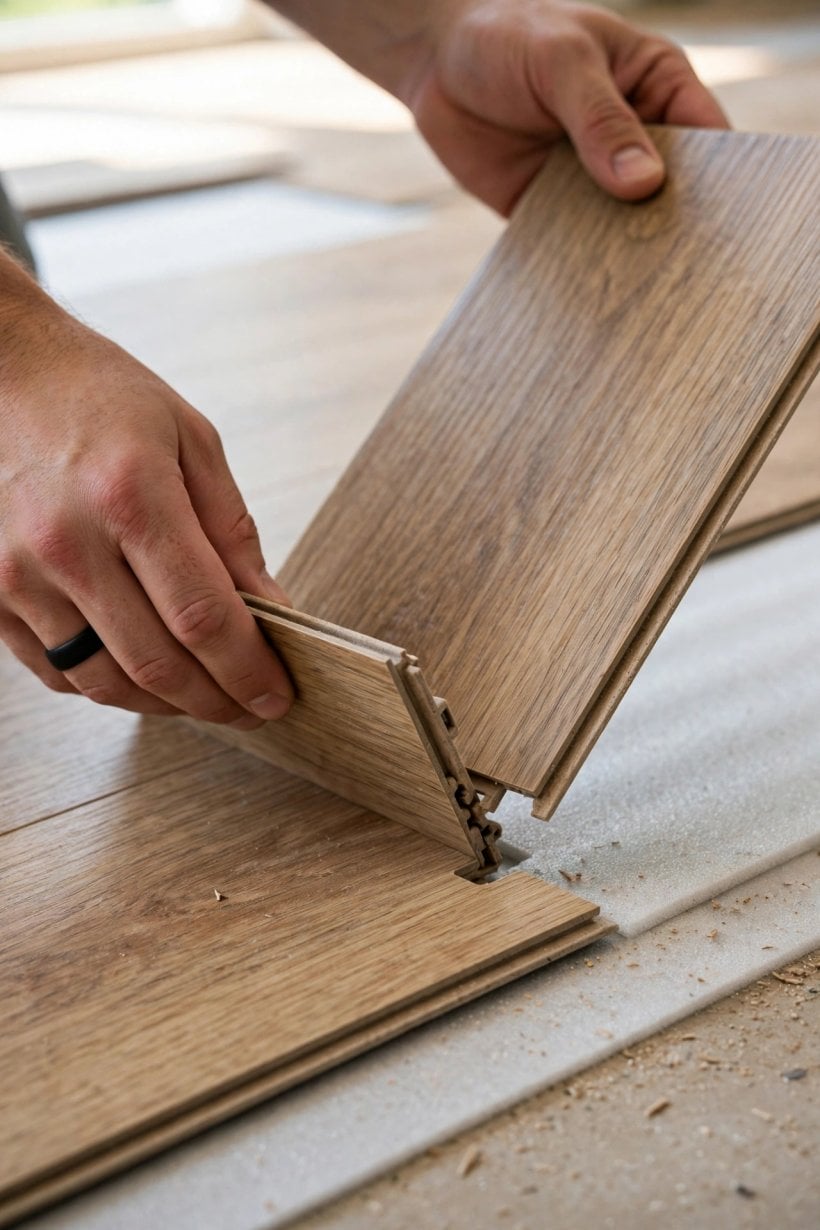
The honest differences between the tiers are construction differences, and they are all readable off the box rather than out of a review. Wear layer: the clear protective coat on top, stated in mil on the packaging — a thicker stated wear layer is the headline step-up as you climb the ranges. Core: the rigid stone-composite core that gives the planks their stability and dent resistance. Attached underlayment: better tiers more often include it, saving a separate purchase and a step at install. Plank size and bevel: wider, longer planks with more defined bevels read more like real boards and generally live in the upper ranges.
What the tiers do not change: the installation logic (a floating click floor), the waterproof claim structure, and the care rules. Choose the tier by the room’s traffic and your tolerance for visible wear, not by fear — a bedroom floor and a hallway floor have genuinely different jobs, and the standard range in the quiet room plus Pro in the corridor is a legitimate, money-saving split that the aisle layout quietly encourages.
4. What to Check on the Shelf Edge
The shelf-edge ticket and the box end are the two most reliable documents in the store. Read them for the stated wear layer, the plank length and width, the coverage per box, the core type, whether underlayment is attached, and the exact waterproof wording — “waterproof” on a rigid-core plank describes the plank, not a licence to flood the room, and the box’s own fine print is where the conditions live. Note the room recommendations printed by the maker: above, on or below grade, and any rooms the range is not warranted for.
Two quiet traps live here. First, similar decor names across tiers: the same wood look may appear in more than one range with different constructions, so the decor name alone does not identify the product — the item number does. Second, display boards are handled by thousands of shoppers and fade under store lights; judge colour from a fresh sample, never from the display. If the floor is destined for a small, hard-working space, the layout thinking in our small space interior design ideas — plank direction, width versus room size — is worth settling before the store visit, not after the delivery.
5. In-Store Checks: Samples, Boxes and Batch Numbers
Samples first. Take the sample home and put it where the floor will live: beside the cabinets, under the window, next to the sofa fabric. Store light lies about colour, and the decor that looked warm grey in the aisle can read blue at home. Then abuse the sample the way your household will — drag a chair leg, set a wet mug down, let the dog cross it — because a sample is a free durability test you will never get from a review.
Boxes second. Vinyl plank colour is produced in batches (sometimes called dye lots or production runs), and boxes from different batches can differ by a shade you will see across a finished floor. When your order is picked or delivered, check that every box carries the same batch or run code, and reject a mixed pallet politely and immediately — swapping a stray box in store is an errand, while swapping it after installation is a heartbreak. Buy your overage for cuts and mistakes in the same batch too; the spare box in the garage is your insurance policy for a damaged plank in five years’ time. Subfloor reality is the third check: click floors telegraph what is beneath them, so the preparation standards in our subfloor fastening guide apply in spirit to any base — flat, clean, dry and sound before the first plank clicks.
6. Price Signals and How Lowe’s Discounts Flooring
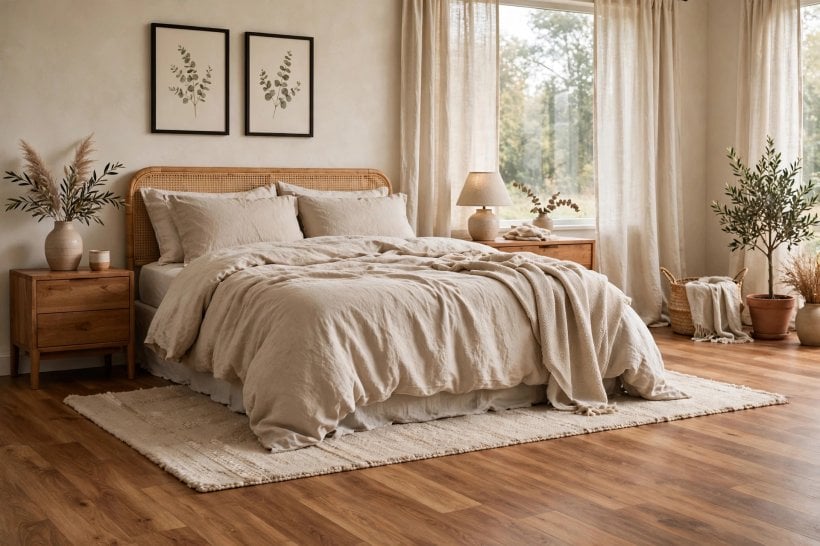
With an exclusive range, price work is timing work. Big-box flooring runs on a promotional rhythm: seasonal sale events, holiday weekends, bulk-pricing tiers when a full project quantity is bought at once, and clearance tags when a decor is being rotated out. Clearance deserves a warning alongside the welcome — a discontinued decor at a fine price is only a bargain if the quantity in stock covers your room plus overage, because there is no reordering a retired decor when you come up two boxes short.
Measure before you shop, and measure honestly: room dimensions plus the overage allowance for cuts, mistakes and the spare box. A promotion on a quantity you have mis-measured is how projects end up one box short in a decor that no longer exists. Ask at the pro desk about project-quantity pricing even for a domestic project — the desk exists for volume, and a whole-house order is volume. And keep the total picture in view: underlayment if it is not attached, trims, transitions, and tool hire belong in the same budget conversation as the planks, the way whole-room budgets are built in our tiny house interior designs.
7. Delivery, Pickup and Returns: The Practical Questions
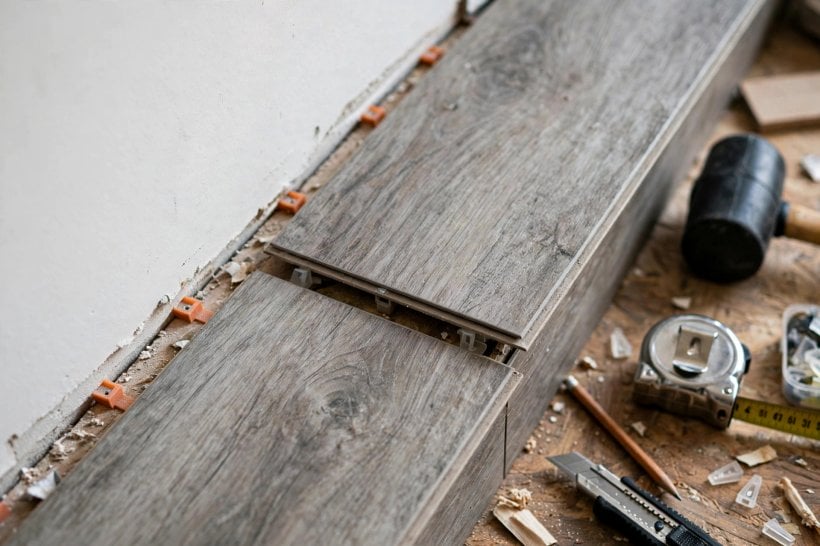
Few shoppers can carry a room’s worth of rigid-core plank in a car boot — the boxes are long, numerous and surprisingly heavy — so decide the logistics in the store, not at the kerb. Ask what the delivery threshold and scheduling look like for your order size, whether delivery is to the door or into the room, and how much notice rescheduling needs. If you are collecting, confirm stock at the specific store on the day; the website’s count and the shelf’s reality are cousins, not twins.
Returns are the other half of logistics, and big-box flooring returns are generally workable for unopened boxes within the retailer’s stated window — which is one more argument for the spare box: buying overage you can return beats under-buying a batch you cannot match. Opened boxes, cut planks and installed floors live under different rules, so keep boxes sealed until the layout is proven in the room. Read the current returns terms at the desk before a large order; retailer policies adjust, and the version that applies to you is the one in force on your purchase date, printed on or linked from your receipt.
8. Installation Support: What the Store Will and Won’t Do
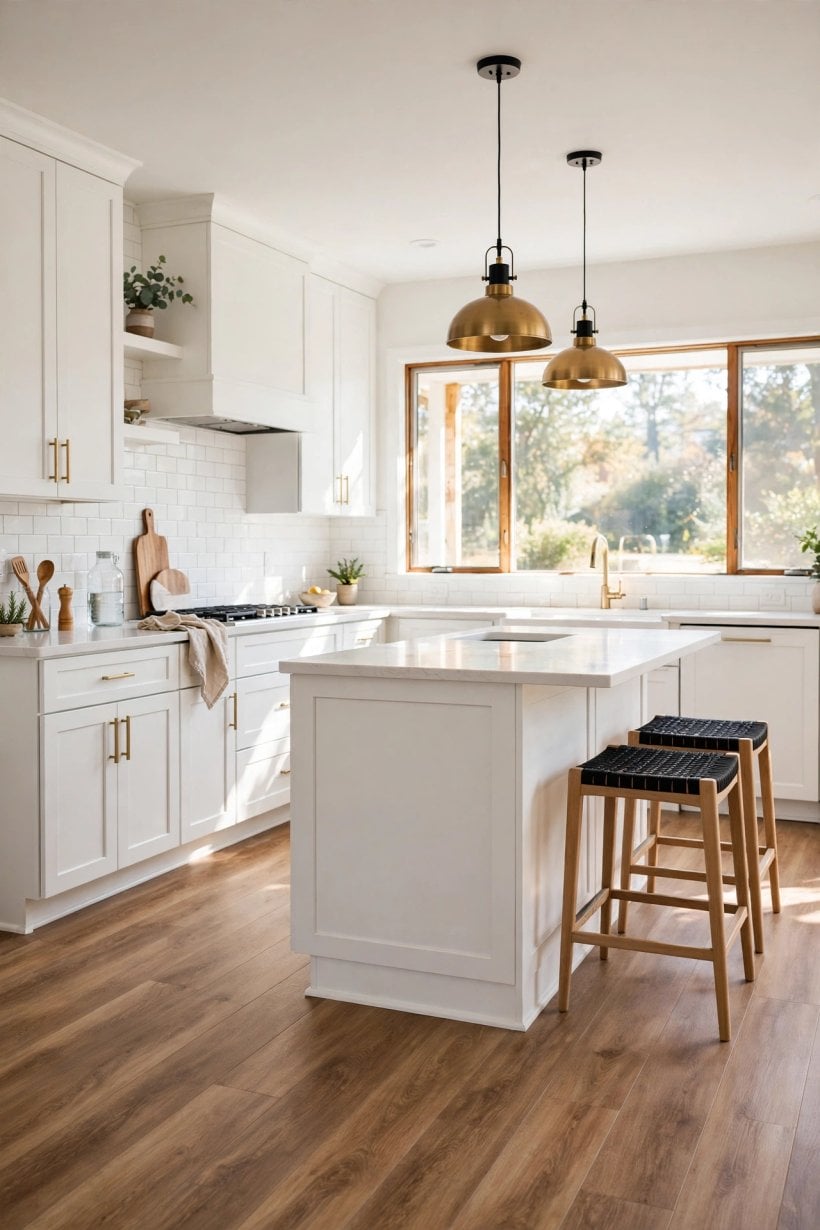
Lowe’s, like its peers, offers installation services through independent contractors alongside the DIY route. The store’s role is arrangement and retail accountability; the installer’s role is the floor. If you use the arranged route, the details that matter are the same ones a private installer would face: who measures, who levels the subfloor and at what charge, who moves furniture and appliances, who removes the old floor and disposes of it, and what the workmanship warranty covers and for how long. Get those answers in the quote, not in the follow-up phone call.
If you are installing it yourself, the store’s genuine contributions are tool hire, the accessory bay — underlayment where needed, spacers, tapping blocks, trims — and the instruction sheet in the box, which is the governing document for expansion gaps, acclimation and stair work. Rigid-core floors going over existing heat are a special case worth planning: if your project pairs new plank with the systems in our underfloor heating guide, check the box’s stated temperature limits before the floor and the heat ever meet.
9. Warranty Paperwork: Keep the Box, Keep the Receipt
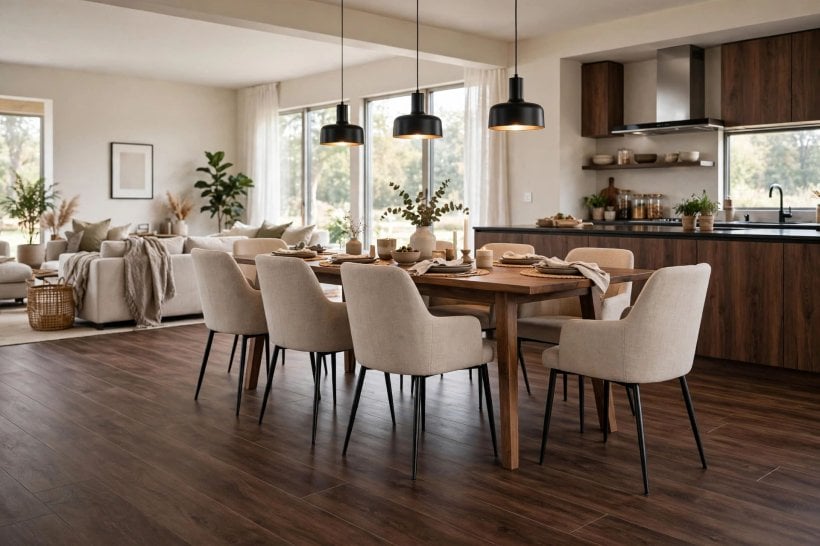
Two warranties touch a store-bought floor: the retailer’s returns promise, which is short and practical, and the manufacturer’s product warranty, which is long and conditional. The manufacturer’s terms for the exact range you bought are printed with the product documentation and govern wear-through, manufacturing defects and the waterproof claim — with conditions about installation, moisture testing of the subfloor, and maintenance that are worth one careful read before installation, because several conditions are things you can only comply with before the floor goes down.
The paperwork habit that makes warranties real is dull and decisive: photograph or file one box end (product, item and batch codes), the receipt, and the delivery note, together. If a claim ever comes, those three images answer every first question the manufacturer asks. Keep one unopened box from the batch as well, if storage allows — it is simultaneously your repair stock and your proof of what was laid. None of this is specific to one brand; it is how any exclusive-range flooring purchase stays provable, and it belongs in the same project file as the room measurements and the layout sketch.
10. The Buying Checklist: Before You Pay
Stand at the till with these answered and the purchase is sound. Room measured, with overage and a spare box allowed for? Range chosen by stated wear layer and room traffic, not by decor alone? Sample taken home, seen in your light, and given a honest week’s abuse? Item numbers — not decor names — confirmed on every box, with one batch code across the whole order? Waterproof wording and room restrictions read on the box itself? Delivery or collection arranged for a date after the subfloor is ready? Returns window noted, paperwork filed, and the installation route — arranged or DIY — quoted with the subfloor work spelled out?
That is the whole discipline of buying a retailer-exclusive floor well: the product verdict lives in our SmartCore Pro verdict guide; the purchase verdict is made here, in the aisle, with the labels read and the batch codes matched. Shoppers who do the second part rarely regret the first. Finish the room’s look with the same whole-space thinking used in our modern tiny house interior design guide — floors are the largest surface in the room, and they are bought once.
Final Considerations
An exclusive range concentrates the shopping into one relationship: the retailer’s labels, promotions, logistics and paperwork are the product experience as much as the plank is. That is neither a warning nor an endorsement — it is a description of where your attention pays.
Spend it on the sample in your light, the batch code on every box, and the receipt in the file. Do those three unglamorous things and the floor that arrives will be the floor you chose — which is the only promise any review can honestly help you keep.



0 Comments