

Here is the short answer to one of the most-asked appliance questions on the internet: Sears never manufactured its own gas ranges. Not one. Every Sears and Kenmore range ever sold was built by a major appliance manufacturer and badged for the store.
This explainer shows who actually made them, how to identify the real manufacturer of any Sears gas range from its model number, and why that identification is the key to parts, manuals and repairs.
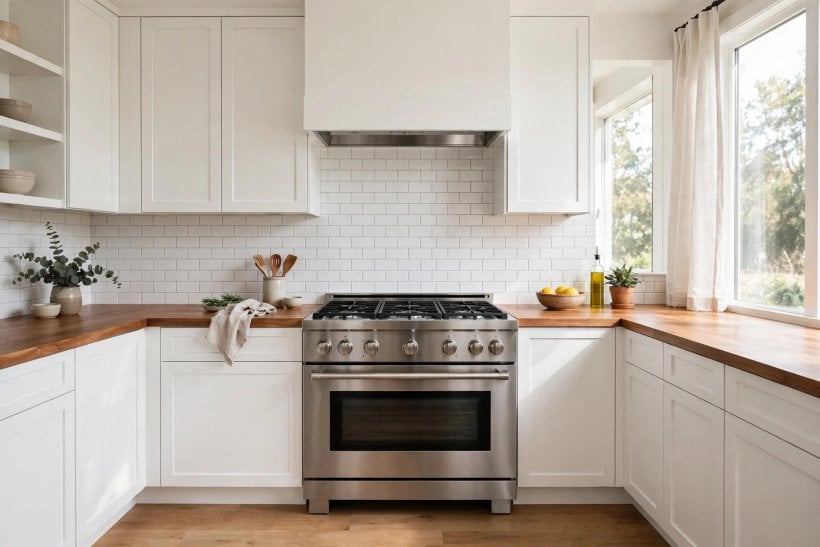
1. Sears Gas Ranges at a Glance
A Sears gas range is a free-standing or slide-in gas cooker sold through Sears stores or the Sears catalogue under the Kenmore name — Sears’ house brand — but designed and manufactured by an outside appliance maker under contract. That is the entity, and its defining attribute is the split between the badge and the builder: Sears specified, priced and retailed the product and handled the warranty relationship, while the factory, the engineering and the parts stream belonged to the manufacturer behind the badge. Everything practical about owning one of these ranges today — finding a manual, ordering a burner valve, understanding a recall — starts from identifying that manufacturer, which is what most of this guide teaches. For the broader logic of how appliance ranges and tiers are organised, this guide to compact kitchen appliances for tiny houses covers the same specification thinking at a smaller scale.
| Who manufactured Sears gas ranges? | Major appliance makers under contract — over the decades the Kenmore range lines were built by different manufacturers in different years, including the big American and later Korean makers of cooking appliances. |
| How do I identify the maker of mine? | By the model number. The first three digits — the prefix before the decimal point — are a source code identifying the manufacturer, and parts suppliers publish the matching lists. |
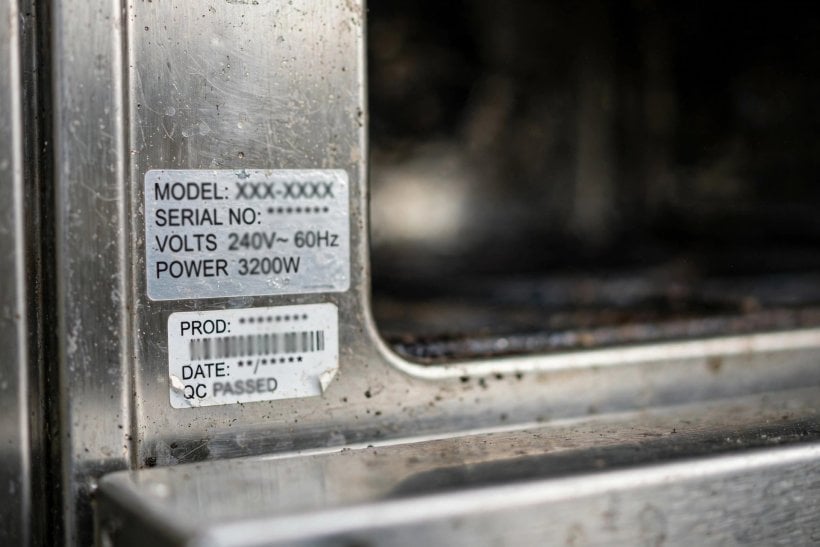
| Where is the model number? | On the rating plate: commonly on the frame behind the storage drawer, around the oven door frame, or on the back panel of the range. |
| Why does the maker matter? | Parts, manuals and service information are filed under the manufacturer and the full model number — not under “Sears”. The identification turns a dead end into a parts search. |
| Are parts still available? | For many models, yes — through appliance parts suppliers who cross-reference Kenmore model numbers. Wear parts are easiest; cosmetic and model-specific trim is hardest and gets harder with age. |
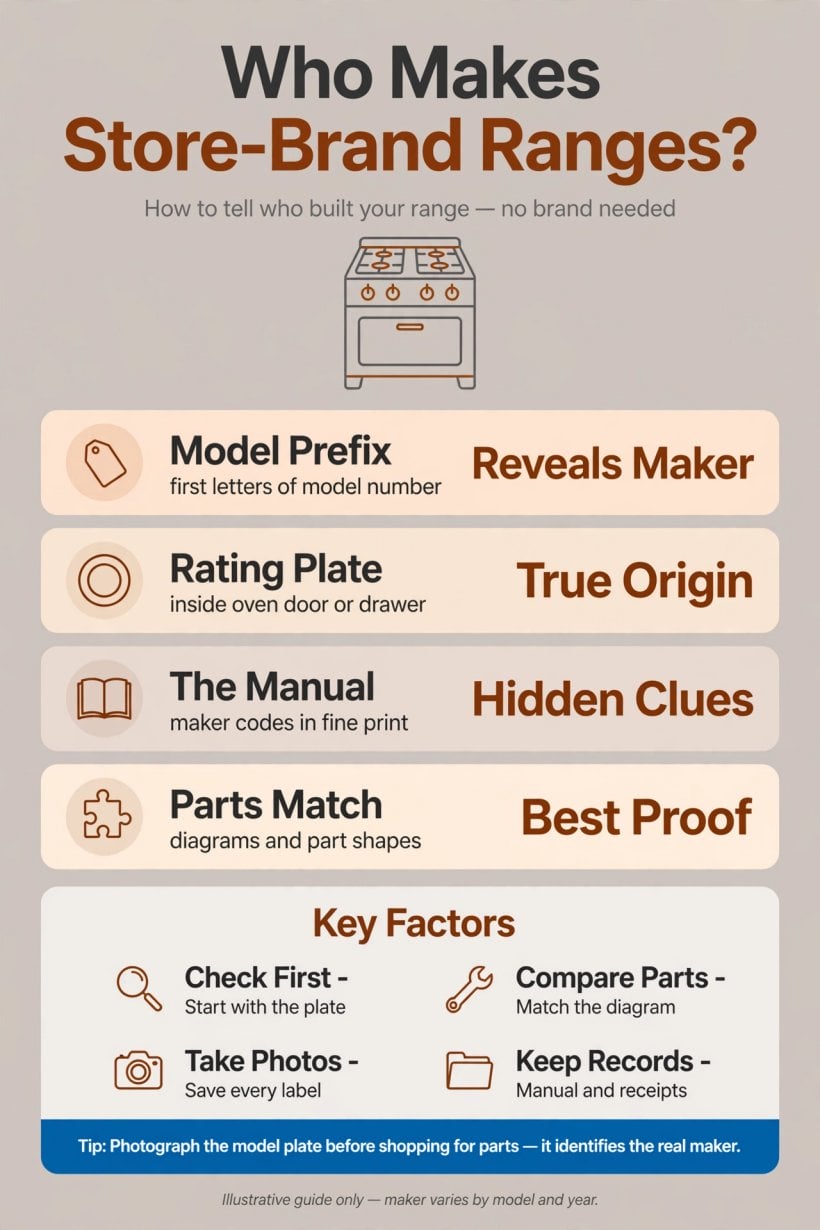
At a glance: Sears sold them, other factories built them — and the three digits before the dot in the model number tell you which factory.
2. How the Kenmore System Worked
For most of the twentieth century Sears was one of the largest retailers of appliances in North America, and it owned no appliance factories. Instead it contracted manufacturing to the industry’s established makers, specifying features, styling details and price points, and sold the results under house brands — Kenmore above all. The same factory often produced near-identical machines for its own badge and for Sears in the same year, differing in control styling, trim and model numbering. For the buyer of the era this was a good deal: manufacturer engineering with Sears’ retail reach, catalogue sales and service network behind it.
The system also explains the question’s persistence. A Kenmore badge tells you who sold the range and nothing about who built it — and because contracts shifted between makers across years and product lines, no single answer covers every Sears range. Two Kenmore gas ranges five years apart may come from entirely different factories, with different parts, different manuals and different service literature. The only reliable route to the maker of a specific range is the range itself: its model number, read correctly. That is the skill the rest of this guide teaches, and it generalises to every Kenmore appliance — washers, dryers, refrigerators — built under the same system, as well as to the layout questions that decide where such an appliance sits, covered by this appliance placement strategy guide.
3. The Manufacturers Behind the Badge
Across the decades, the list of makers who built cooking appliances for Sears reads as a roll of the industry itself. The long-standing American manufacturers of ranges — the makers behind the era’s best-known cooking brands — supplied Kenmore lines for many years, and in the later decades large international makers, including Korean manufacturers, built substantial parts of the Kenmore cooking range as production globalised. Which maker built which line changed with contracts, factories and model years, and that churn is precisely why general answers satisfy nobody: “Whirlpool made them” and “Frigidaire made them” have both been true, for different ranges in different years.
What can be said honestly at the general level is this. Kenmore gas ranges were built to the standards of genuine major manufacturers — these were not unbranded imports of unknown origin, but contract production from the same industry that filled every other showroom. Features, burner arrangements and oven designs track the manufacturer’s own contemporary ranges, because the engineering was theirs. And the paper trail — manuals, parts diagrams, service bulletins — was kept in the manufacturer’s systems and in Sears’ parts operation, keyed to the Kenmore model number. All of which leads to the practical heart of the matter: identifying the maker of your specific range, which the model number does decisively.
4. The Model Number: The Three Digits That Answer the Question
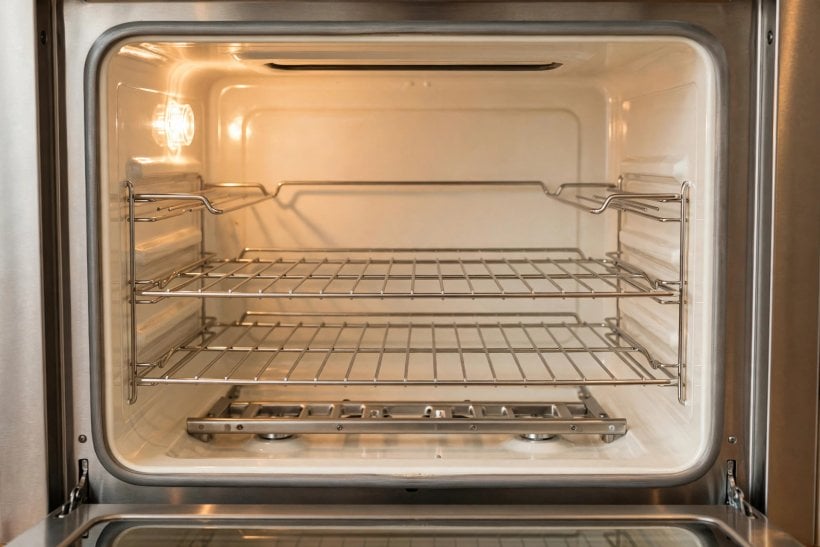
Every Kenmore appliance model number carries its origin in its first three digits. The number takes the form of a three-digit prefix, a decimal point, and then the model-specific digits — and the prefix is a manufacturer source code, assigned by Sears to the factory that built the unit. Appliance parts suppliers and service references publish prefix lists matching those codes to manufacturers, so the identification is a lookup, not a guess: read the prefix, check the list, and you know whose factory your range came from, and therefore whose parts diagrams and service literature describe it.
Finding the number is the only fiddly part. On gas ranges the rating plate — the metal or foil label carrying model and serial numbers — is most often found on the frame revealed by removing the bottom storage or broiler drawer, on the oven door frame visible with the door open, or on the back panel. Copy the full number exactly, prefix and all, and the serial number with it: the serial usually encodes the year and factory of manufacture, which together with the maker answers most of what a parts supplier or technician will ask. Photograph the plate before you scrape, clean or paint anything near it — a legible plate is the single most valuable component on an older range, worth more than any trim piece, because everything else about the machine can be looked up once it is read.
5. Why the Identification Matters: Parts, Manuals and Recalls
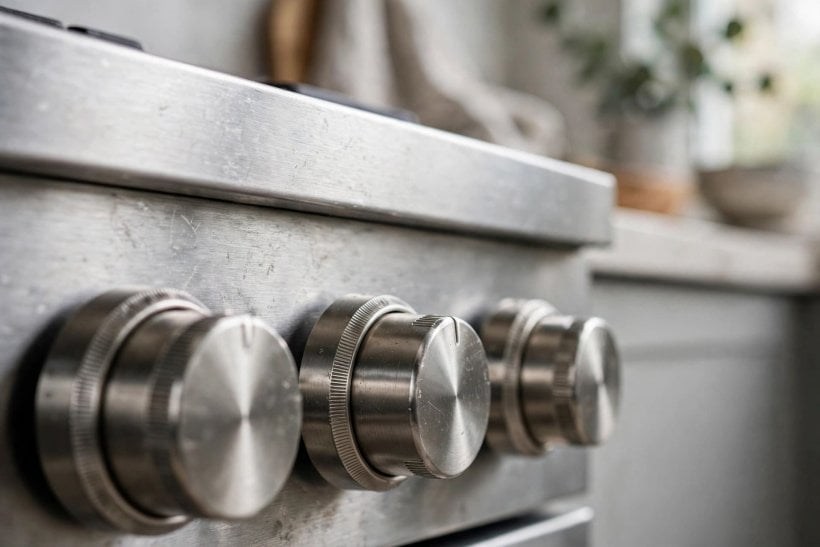
Start with parts. Burners, igniters, oven thermostats, valves, grates and knobs for Kenmore ranges are catalogued by model number in parts suppliers’ systems, and the manufacturer’s identity confirms you are looking at the right diagrams when two similar ranges share a badge. Igniters and wear items for popular models remain widely stocked; model-specific cosmetic parts — a particular control panel fascia or trim strip — are the first to become unobtainable, and a range kept running for decades usually ends up cosmetically unique and mechanically standard, which is the right way round.
Manuals follow the same key: owner manuals and installation instructions for Kenmore models are archived by model number through parts and manual libraries, and knowing the manufacturer opens their equivalent literature where the Kenmore copy is lost. Recalls matter most of all. Safety recalls on ranges — for burner, valve or oven-door issues across the industry — are published against manufacturers and model numbers, and checking an older range against the recall record is part of responsible ownership: the consumer product safety authorities maintain searchable recall databases, and a five-minute check with the model number in hand is the way to run it. None of this is possible from the word “Kenmore” alone — all of it follows from the plate and its prefix. And when the range anchors a kitchen you are planning or refitting, that same identification quietly feeds the clearance and ventilation decisions collected in these kitchen ideas.
6. Buying or Keeping an Older Sears Range: The Checks
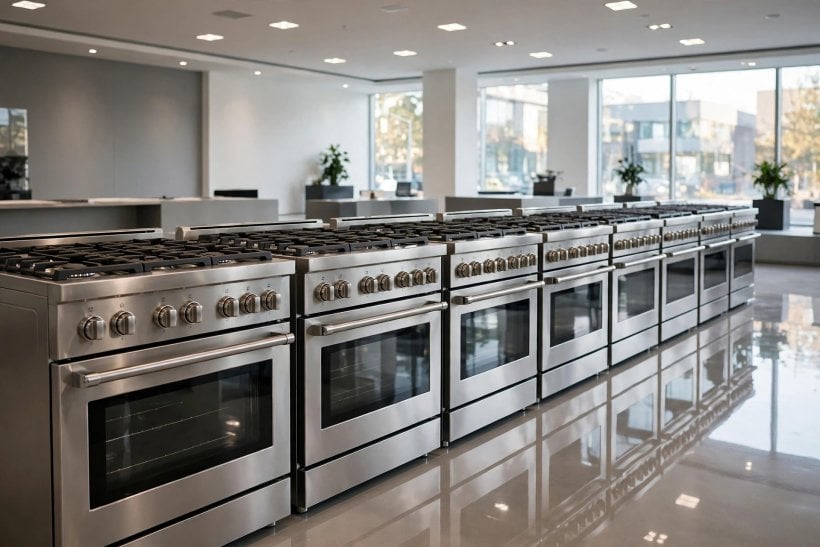
If you are considering buying — or deciding whether to keep — an older Sears or Kenmore gas range, the identification is step one of a short, practical checklist. Confirm the rating plate is present and legible; without it, parts sourcing becomes archaeology. Run the prefix lookup and a parts search for the model’s common wear items — igniter, burners, thermostat — before money changes hands, because availability today predicts runnability tomorrow. Check the recall databases for the model. Then assess the machine as a gas appliance, whoever made it: burners lighting promptly and burning with a steady, even flame pattern, oven igniting without delay or boom, door sealing properly, and no smell of unburned gas at any point — any failure there means a qualified gas technician’s inspection before use, full stop.
Value judgments come last and are refreshingly simple. These were mass-market ranges built by major makers; a sound example with available parts is a practical cooker, not a collectible, and it should be priced as one. The premium cases are condition and completeness — original grates, intact plate, working oven — not rarity. If the range is destined for a compact kitchen, the planning logic in this guide to tiny house kitchen design applies to a full-size cooker exactly as to small ones: ventilation, clearances and worktop either side decide whether the kitchen works, whatever badge the range wears.
7. Gas Safety Notes That Apply to Any Older Range
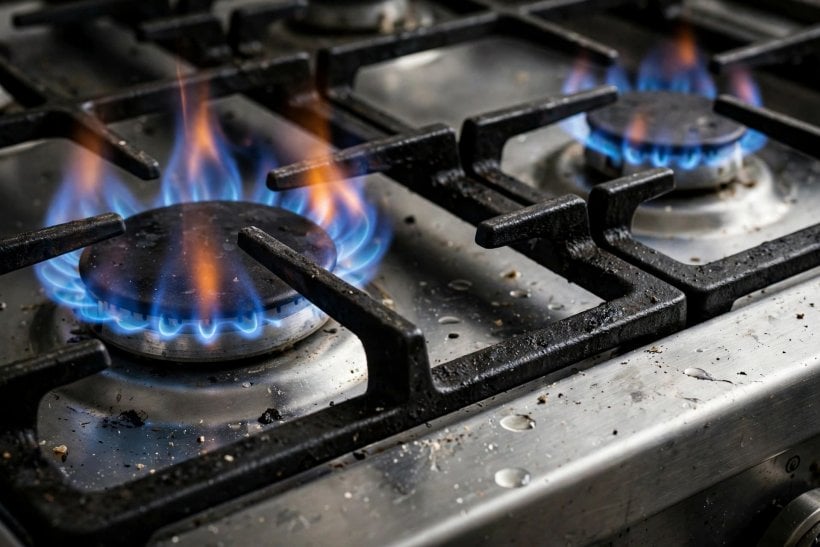
Because these ranges are now older appliances, a short safety section belongs in any honest explainer — stated generally, as it applies to any ageing gas cooker. Gas connections, flexible hoses and shut-off valves age along with the appliance; any move, reinstall or reconnection of a gas range is work for a qualified gas fitter in most jurisdictions, and local rules may require it. A range that has stood disconnected, been stored, or come from another house deserves a professional check of its connections, its burners and its oven ignition before it is put into daily service.
Carbon monoxide awareness belongs with any gas appliance: a properly adjusted burner burns clean, while a poorly adjusted or obstructed one does not — another reason the flame check in the previous section matters, and another reason a working carbon monoxide alarm in the home is non-negotiable equipment rather than an accessory. Keep the area around burners free of stored items, keep the manual’s clearances to combustible surfaces, and treat any persistent gas smell as an emergency to act on first and diagnose later. None of this is specific to Sears ranges; all of it is the price of admission for cooking with gas on older equipment, and it is cheap at the price.
8. After Sears: Kenmore’s Later History and What It Means for Owners
Sears’ long decline, its 2018 bankruptcy and the subsequent sale of the Kenmore brand to new ownership changed the retail picture without changing the facts in your kitchen. Kenmore-badged appliances continued to be made by contract manufacturers and sold through other retailers after the Sears store network shrank, and the parts ecosystem for older models carried on through independent parts suppliers, who had always been the practical source for most owners anyway. The service question that matters — “can I get the igniter for this model number?” — is answered by the parts trade, not by the fate of the department store.
For owners, the consequences are practical rather than dramatic. Warranty routes on older ranges have mostly expired by age regardless of the retailer’s history. Documentation lives in model-number archives. And the identification skill in this guide matters more, not less, as the years pass: with no Sears counter to walk up to, the rating plate and its prefix are the whole of the law. If you own one of these ranges, write the model and serial numbers into the household records you keep — with the range’s manuals if you have them — because that scrap of data is what any future repair, sale listing or parts order will be built on. The space-planning side of keeping a big cooker in a small home is covered in these tiny house kitchen ideas, where a full-size range earns its footprint or gives way to compact kit.
9. Frequently Asked Cross-Checks
A few confusions recur around this topic and are worth clearing directly. First: the same range wearing two badges. Because manufacturers sold their own-badged versions alongside Kenmore contracts, a Kenmore range and another brand’s range can be near-twins — similar is not identical, though: controls, trim and sometimes burner specifications differ, so parts should always be ordered against the Kenmore model number, not against the twin’s. Second: the prefix identifies the manufacturer, not the year — age comes from the serial number, and suppliers’ references decode that too. Third: not every appliance Sears sold was Kenmore — the stores also stocked manufacturers’ own brands outright in later years, and those carry the maker’s own model system with no prefix puzzle at all.
Fourth, and most practically: a missing or unreadable plate is not quite the end. Technicians can often identify a range’s maker from construction details, burner and valve types, and the parts themselves — the industry was small enough that its fingerprints are recognisable. But “often” is doing work in that sentence, and the exercise costs more than the photograph that would have prevented it. If your range’s plate is intact, record it today; if you are viewing a range to buy and the plate is gone, price that uncertainty into the offer. The identification system is elegant, durable and entirely dependent on one small label — treat the label accordingly.
10. The Answer, Assembled
Assemble the whole story and the original question dissolves into a method. Sears gas ranges were manufactured by the major appliance makers of their eras under contract to Sears, sold as Kenmore, and identifiable individually — never collectively. The range in front of you was made by the maker its three-digit model prefix names: read the plate, look the prefix up in a parts supplier’s published source-code list, and you have the manufacturer, the parts stream, the manual archive and the recall record in one move.
That is a more useful answer than any single brand name, because it is true for the range you actually own rather than for the average of all ranges ever sold. Keep the model and serial recorded, check wear-part availability before committing to a purchase or a restoration, give any older gas appliance its professional safety check, and the badge-engineered cooker will do what it was built by a major factory to do: cook, for years, with its parts findable by anyone who knows the three digits that matter. For planning the kitchen around it — clearances, ventilation and worktop flow — this run through tiny house kitchen floor plans shows how even tight layouts make room for a full-size range when the plan respects it.
Final Considerations
The honest headline is the one this guide opened with: Sears manufactured nothing — the Kenmore gas range in question was built by a major maker, and its model number’s three-digit prefix names that maker exactly. Everything an owner needs flows from that identification.
So skip the forum guessing and read the plate. Photograph it, record the numbers, run the lookup, and your Sears range stops being a mystery badge and becomes what it always was: a known manufacturer’s appliance, with a findable manual, a live parts stream, and a checkable safety record.



0 Comments