

New windows and doors are among the biggest-ticket improvements most homes ever get, and the choices you make will affect warmth, light, security and bills for decades. This plain-English guide walks through exactly what to check before you commit to replacement windows and doors, in the order a careful buyer would check them.
1. At a Glance: The Quick Questions
Start here. These are the questions every buyer asks first, with short, honest answers. The rest of this guide expands each one, so by the end you will know what a good quote, a good survey and a good installation should include, and which details are worth slowing down for.
| Question | Answer |
|---|---|
| Q: How do I know mine need replacing at all? | A: Look for draughts, condensation between panes, stiff or rotten frames, and rooms that never feel warm. |
| Q: Should I replace everything at once? | A: Not always. Prioritise the worst-performing rooms first if the budget is tight, and keep styles consistent. |
| Q: Which frame material is best? | A: Each material trades off cost, upkeep and appearance differently; compare them in section four below. |
| Q: Does new glazing really cut heating bills? | A: Modern sealed units typically lose far less heat than old single glazing, and the comfort difference is usually obvious. |
| Q: What should a proper quote include? | A: Itemised units, glass specification, installation work, making good, disposal and the guarantee terms in writing. |
| Q: How long does installation usually take? | A: It varies with the number and type of units; your installer should give a realistic schedule before work starts. |
| Q: What guarantees should I expect? | A: Separate cover for the product, the sealed glass units and the installation workmanship, all stated in writing. |
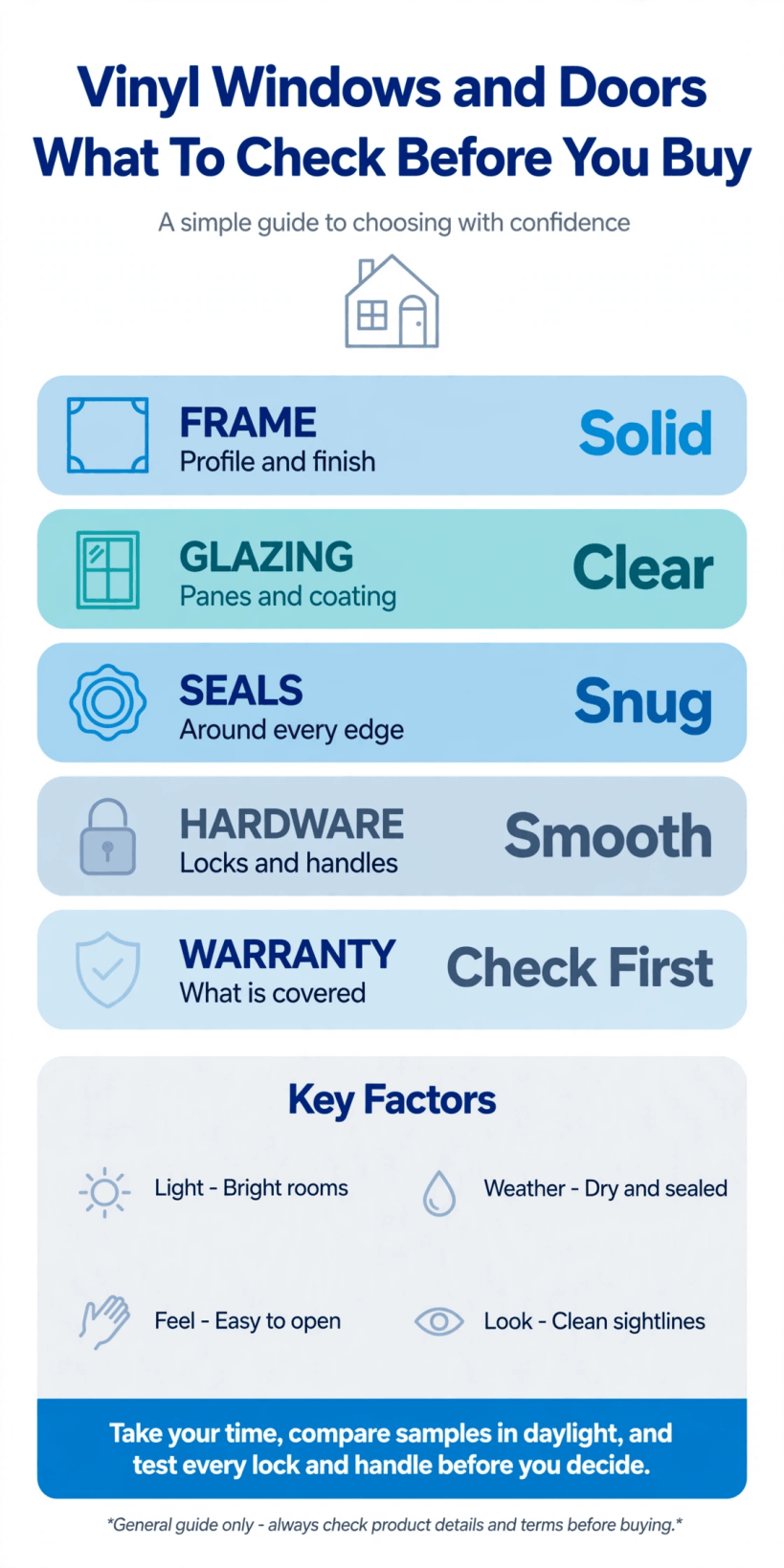
A visual summary of the checks in this guide, from the first draught test to the final guarantee paperwork.
Work through the sections in order and you will cover condition, measurements, materials, glazing, security, installation and aftercare. Keep notes as you go, room by room, because the same checklist applies whether you are improving a family house or a compact dwelling like the projects in our guide to how to build your own tiny house.
2. Signs It Is Time to Replace
Not every tired-looking window needs replacing. Repainting, new seals and adjusted hinges can rescue frames that are fundamentally sound, so begin with an honest condition check. Walk the house on a cold or windy day and note where you feel air moving around closed units. Hold the back of your hand near the edges: a steady cool stream usually means the seals or the fit have failed, and no amount of paint will fix that.
Condensation trapped between the panes of a sealed unit is another clear signal. It means the unit’s seal has broken down and the insulating gap is no longer doing its job. Timber frames need a poke test with a screwdriver at the corners and sills: soft, spongy wood suggests rot has taken hold below the paint. Also check how each unit opens and closes. Sashes that stick, drop or need a shoulder to shift them are telling you the frame has distorted or the hardware has worn out.
Finally, listen. If traffic noise seems louder than it used to be, or one room is always colder than the rest of the house, the glazing in that room is a prime suspect. Write down every symptom per window; that list becomes the backbone of your conversations with installers and stops the project drifting into replacing units that were perfectly fine.
3. Measuring and Checking Sizes
Accurate measurement is the least glamorous and most important part of the whole project. A replacement unit is made to fit your opening, and errors here are expensive because made-to-measure products usually cannot simply be returned. A reputable installer will insist on a full technical survey before manufacture, measuring each opening in several places rather than trusting a single width and height.
Openings are rarely perfectly square, especially in older houses, so check diagonals and note where walls bow or lintels dip. The survey should also record how the existing frame sits within the wall, what the surrounding masonry looks like, and whether the cills, lintels and damp-proof details are sound. If anything structural looks tired, it is far cheaper to address it while the old unit is out than to discover it halfway through fitting day.
Ask who is responsible if a unit arrives the wrong size. The answer should be simple: the party who measured. Confirm that the survey, not your rough phone measurements, is what the factory works from, and keep a copy of the final sizes with your paperwork. The same discipline applies to framing work generally, as anyone who has read our guide to framing a tiny house will know: measure twice, commit once.
4. Frame Materials Compared
The frame shapes how your new units look, how much upkeep they ask for, and how they feel to use every day. uPVC is the popular all-rounder: generally affordable, easy to wipe clean and available in a wide range of colours and wood-effect finishes. Its plain sightlines suit most homes, though very slim profiles are not its strength, and cheaper hardware can let an otherwise good unit down, so handle display models and work the locks yourself.
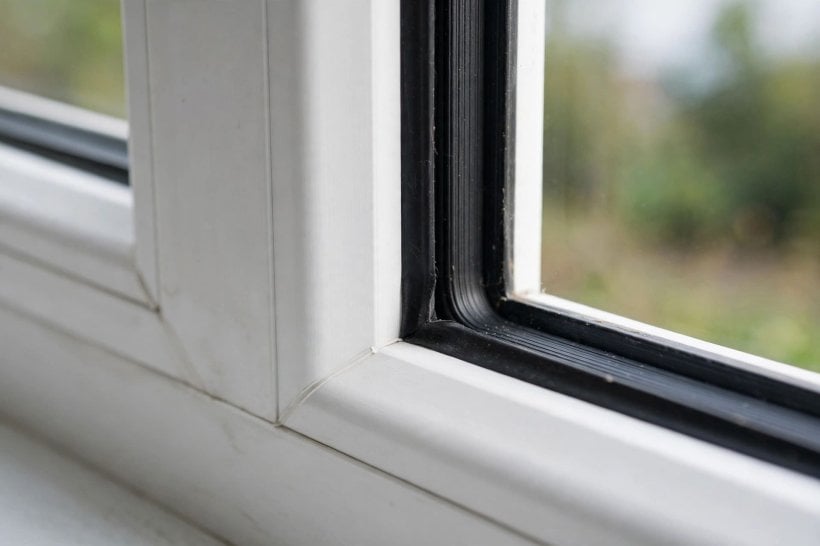
Timber brings natural warmth and can be repaired and repainted for decades, which makes it a favourite for period properties and anyone who dislikes throwaway materials. The trade-off is maintenance: paintwork needs attention on a cycle, and neglected timber will eventually suffer. Engineered timber behaves more predictably than old softwood, resisting the twisting and swelling that plagued earlier generations of wooden frames.
Aluminium offers the slimmest frames and therefore the largest glass area, which suits contemporary extensions and anyone chasing maximum light. Modern aluminium units include thermal breaks that address the cold-bridge problems of decades past. Composite frames blend materials, typically a low-maintenance exterior with a warmer timber interior. Whichever you shortlist, view full-size samples in daylight, check corner joints closely, and ask how the finish is warranted.
5. Glazing and Energy Performance
Glass does most of the thermal work in any window, so its specification deserves real attention. Modern double-glazed sealed units trap an insulating layer of air or inert gas between panes, and low-emissivity coatings reflect heat back into the room. The practical result most owners describe is not a number on a certificate but a feeling: rooms hold their temperature, and the chilly downdraught you used to feel beside large windows is greatly reduced.
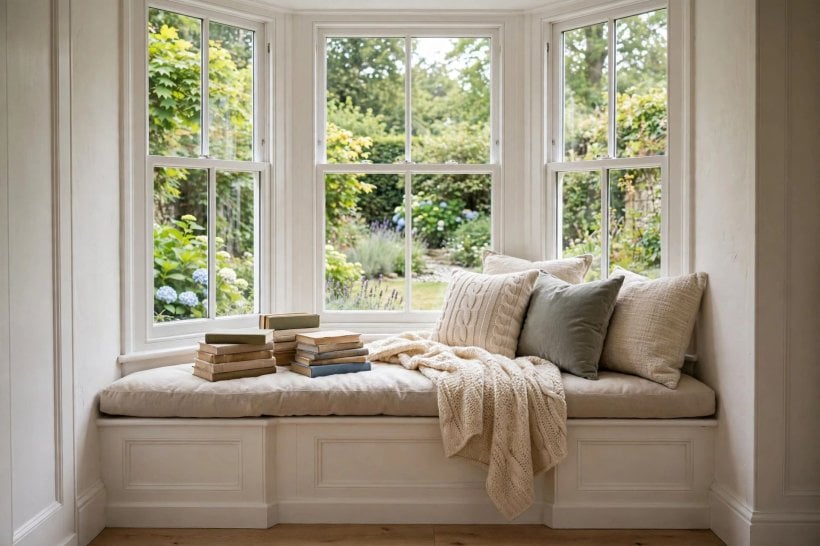
Triple glazing adds a further pane and can suit exposed, noisy or north-facing rooms, at the cost of extra weight that hinges and frames must be designed to carry. Ask whether your frames and openers are rated for the heavier units before assuming more glass is automatically better. For most homes, good double glazing, properly installed, delivers the bulk of the benefit.
Whole-window energy ratings exist to help you compare complete products rather than glass alone, because a brilliant unit in a poor frame still leaks heat. Ask for the rating of the exact configuration you are buying, including your chosen frame and opener layout. Also consider solar gain: south-facing glass can warm a room usefully in winter, while shading or solar-control coatings may help rooms that overheat in summer. Comfort in small, well-insulated spaces matters just as much, as our complete guide to tiny house and small-space interior design explores.
6. Door Types and What to Check
Front and back doors carry a heavier burden than any window: security, weatherproofing, daily wear and first impressions all at once. Composite doors pair a solid, insulated core with a tough coloured skin, and they resist the warping and sticking that older timber doors often develop. Timber doors remain beautiful and repairable but need their finish maintained. uPVC doors are economical and low-maintenance, while aluminium suits wide or contemporary openings.
Whichever style you choose, check the threshold. A low threshold helps pushchairs, wheelchairs and everyday comings and goings, but it must still shed driving rain, so ask how the drainage works. Check the letterbox position, the spy-hole or viewer height, and whether the door can open fully against your internal layout. For glazed doors, confirm the glass is toughened safety glass as standard and think about obscure glazing where privacy matters.
French doors and sliding patio doors bring garden and room together but introduce their own checks: smooth-running gear, secure multi-point locking, and glass large enough that it must be toughened. Sliding units save swing space in compact rooms, which is why they appear so often in small bedroom interior design ideas and other tight layouts. Bi-folding doors open widest of all but need careful surveying, because long runs of moving panels demand a level, well-supported opening.
7. Security, Locks and Hardware
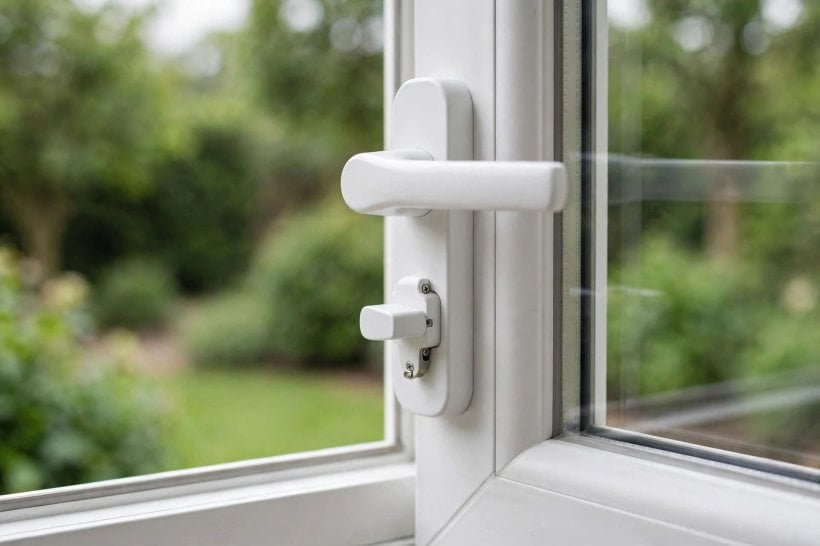
New units should make your home harder to enter, not just prettier. Modern windows and doors typically use multi-point locking, where one turn of the handle engages bolts at several points around the frame. Check that locks engage smoothly without hauling on the handle, because a lock that fights you will eventually be left unengaged. Ask what standard the cylinders and handles are tested to, and expect a straight, written answer rather than vague reassurance.
Hinges and friction stays matter too. Openers you use daily should feel solid, with no wobble, and upstairs windows need restrictors where children could reach them, balanced against a quick-release for emergency escape. Fire-escape windows in bedrooms must open wide enough and be reachable, so raise this explicitly during the survey rather than assuming the default design complies with what your household needs.
Hardware finishes are a small decision with a long shadow. Handles, letterplates and hinges sit at eye level and get touched constantly, so choose finishes that suit the house and are simple to keep clean. Check that trickle vents, where fitted, open and close positively, and ask how many keys are supplied and how additional keys can be obtained in future. Thoughtful hardware choices age well in any room scheme, from traditional spaces to the calm interiors in our tiny house bedroom decor ideas.
8. Ventilation, Light and Comfort
Sealing a house tightly is only half the story; homes also need controlled fresh air. Background trickle vents in the frame head let stale, moist air escape gradually, helping to manage condensation on the new glass itself. If your current windows have no vents and your home suffers misted mirrors and damp corners, discuss ventilation openly, because fitting airtight units into a home with no planned airflow can shift condensation to the coldest remaining surfaces, usually walls.
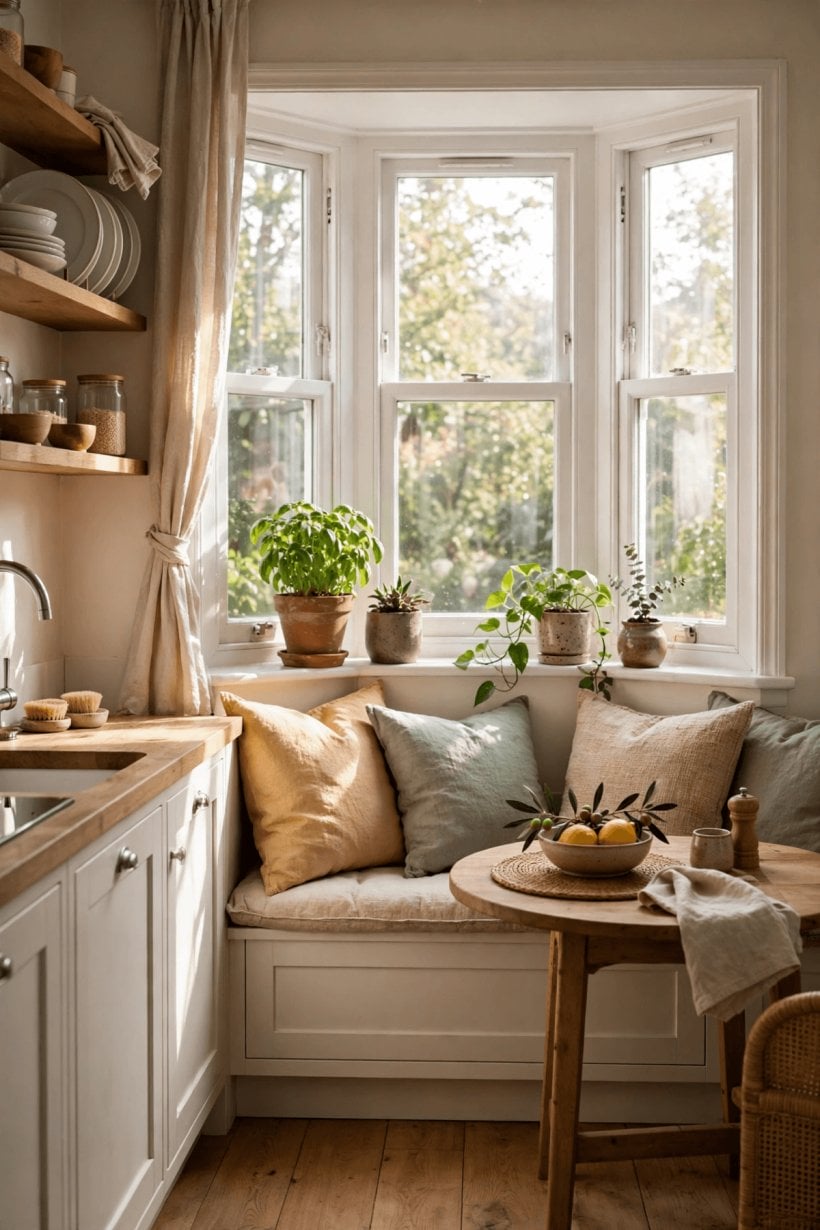
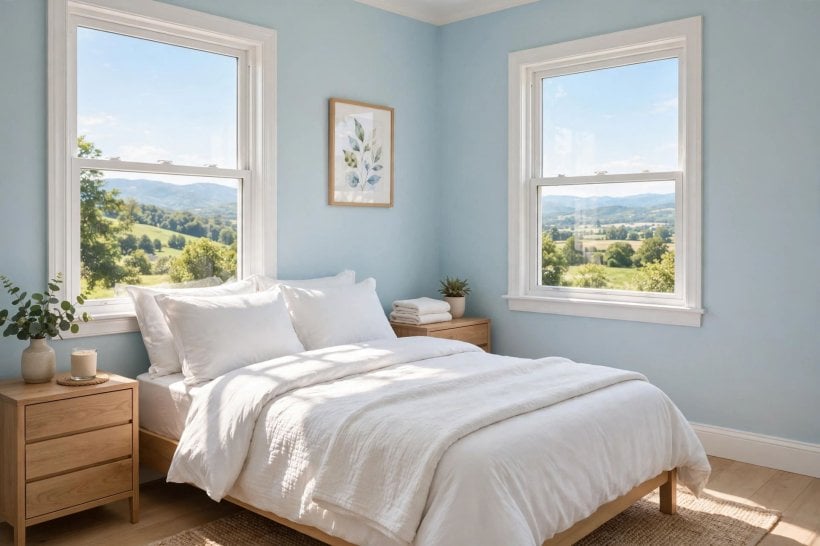
Think about light at the same time. Slimmer frames and slightly larger glass areas can transform a gloomy room, and opener positions decide where summer breezes actually flow. Top-hung openers shed rain while ventilating; side-hung casements catch cross-breezes best. In bedrooms, consider how much early light you want: a bright dawn can be glorious or maddening depending on the sleeper, and glazing choices interact with curtains and blinds you already own.
Noise deserves a check of its own. Standard sealed units already soften outside sound compared with single glass, and laminated acoustic glass can help homes on busy roads, though it adds weight and cost. Be honest about priorities: it is easy to overspend chasing silence in a quiet street, or to underspend and regret it beside a main road. Comfort upgrades like these pair naturally with the calm, light-focused rooms in our modern tiny house bedroom guide.
9. Installation, Sealing and Finishing
Even excellent products fail when fitted carelessly, so interrogate the installation as closely as the catalogue. A good fitting team removes old units methodically, protects floors and furnishings, and keeps the building weather-tight at every stage. The new frame must sit square and level, fixed securely without being distorted, and the gap around it should be properly insulated and sealed inside and out; expanding foam alone, smeared and left, is not a finished job.
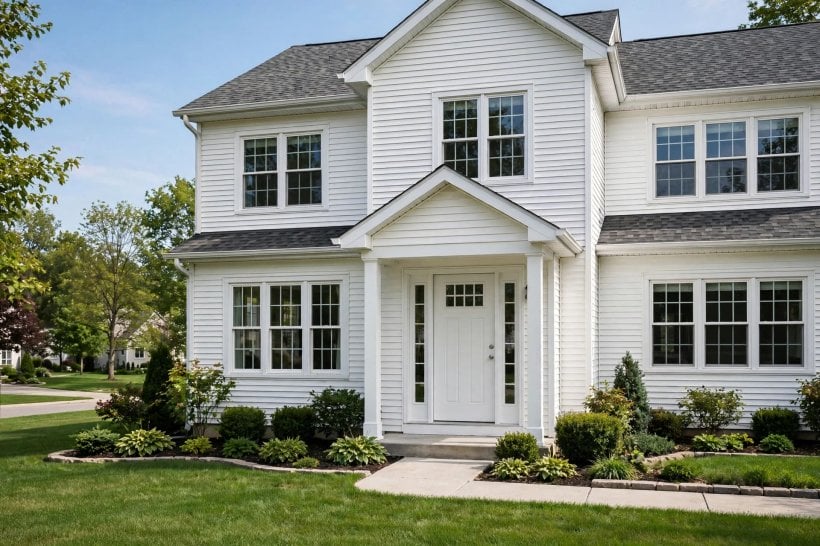
Ask what making good is included: internal plaster and paint repairs, replacement of damaged cills, and how external rendering or brickwork around the frame will be left. Confirm disposal of the old units and packaging is in the price, and agree where skips or vans will stand if space is tight. At handover, operate every opener yourself, check seals meet evenly, and look along each frame for daylight or uneven gaps before anyone leaves.
Keep a simple snag list on the day. Minor adjustments to keepers and hinges are normal as new units settle, and a decent installer will return willingly to fine-tune them. Photograph each finished unit inside and out; those pictures are useful evidence alongside your guarantee paperwork if questions arise later.
10. Quotes, Guarantees and Aftercare
Get more than one quote and compare them like for like. Each should itemise every unit, its size, style, glass specification and furniture, plus the survey, installation, making good, disposal and any scaffolding, so you can see exactly where prices differ. Beware of quotes that stay vague until the day of fitting, and of pressure tactics built around discounts that expire the same evening. A confident installer expects you to take time.
Read guarantee wording before you sign, not after. Product cover, glass-unit cover and installation workmanship are often separate promises with separate terms, so note what each covers, how long it lasts, and what you must do to keep it valid, such as maintaining seals and finishes. Ask what happens if the company stops trading, and whether any insurance-backed protection accompanies the guarantee, because paperwork that survives the firm is the paperwork that protects you.
Aftercare is simple but real. Wash frames with mild soapy water, keep drainage slots clear, lubricate moving parts lightly as directed, and check external sealant each year for gaps that a small repair can fix before water gets in. Keep your contract, final sizes, ratings and guarantee documents together in one folder. When replacement windows and doors are chosen patiently and checked at every stage, the reward is a warmer, quieter, more secure home that feels better every single day.
Final Considerations
There is no single right answer to what you should buy, only the right answer for your house, your exposure to weather and noise, and your budget. Spend on accurate surveying and careful installation before spending on decorative upgrades, because fit and sealing decide how any unit performs in real life. Use the At-a-Glance table as your pocket checklist, ask every question in writing, and keep the answers with your guarantee.
Do that, and this purchase becomes one of the most satisfying home improvements there is: visible every day, useful in every season, and quietly working for you long after the fitting team has packed up and gone.

0 Comments