
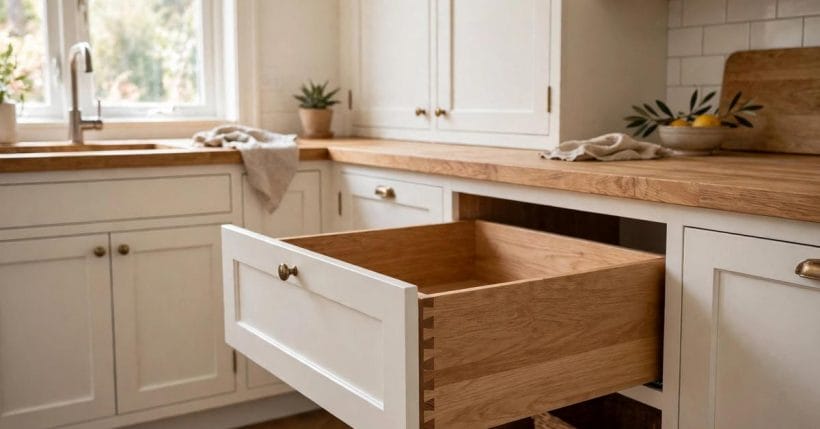
Every cabinet line looks good in a showroom photograph, and almost every disappointment with new kitchen cabinets traces back to something that was visible, or askable, before the order was placed. This guide sets out what to check on any semi-custom cabinet line: the box it is built from, the fronts it wears, the drawers it runs on, the finish it carries and the paperwork that stands behind it. Nothing here judges one maker against another. The checks are the same in every showroom, and they answer the only question that matters — how is this line actually made?
Work through the checks in order, because they follow the cabinet itself: structure first, then the parts you touch daily, then the surface, then the terms. A line that passes the early checks and stumbles on paperwork is a different purchase from one that fails on the box, and the sections below keep those judgements separate.
Related Guide: Diamond Cabinets: What To Check Before You Buy
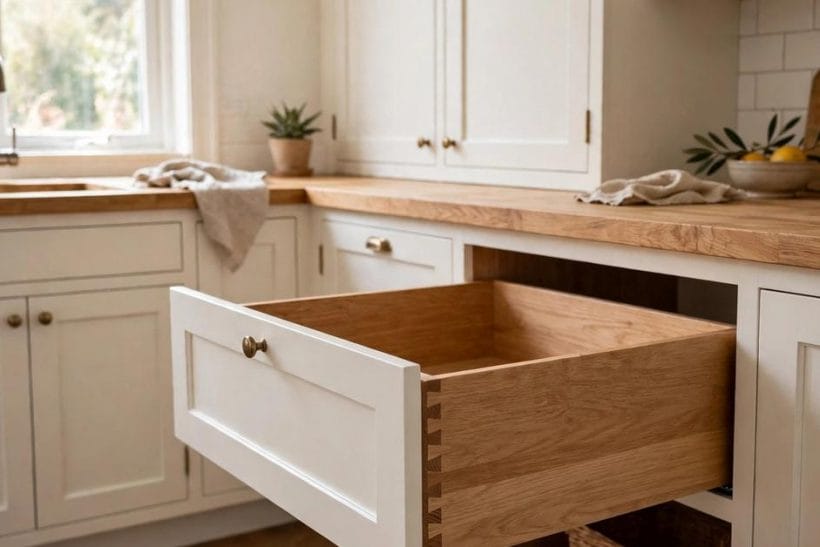
1. The Semi-Custom Checks at a Glance
Five checks cover the whole cabinet: what the box is made from, how the fronts are built, how the drawers are joined and run, how the finish is applied and sealed, and what the warranty actually promises. The table below puts the five side by side; the sections after it take each one apart. Judge every line you consider against the same five, in the same order, and the showroom fog lifts quickly.
| Check | What to look at | In a word |
|---|---|---|
| The Box | Plywood or board core | Foundation |
| The Fronts | Solid frames and true doors | The face |
| The Drawers | Dovetailed, full extension | Daily proof |
| The Finish | Even colour and sealed edges | The skin |
| The Paperwork | Warranty terms in writing | The promise |
Four factors run under every check: materials, because the box, fronts and backs decide the structure; hardware, because hinges and runners are the parts touched every day; fit, because measuring, levelling and scribing are what make factory cabinets sit true against real walls; and terms, because the warranty and the lead time decide what happens on the day something is wrong.
One habit matters more than any single check: look at the plainest unit in the range, not the dressed display. Judge a cabinet line by its cheapest drawer box and its plainest side panel — the showroom door is the best it will ever look. The display door has been selected, lit and polished; the standard drawer box is what will actually arrive at your house.
2. Where Semi-Custom Sits: Stock, Semi-Custom and Custom
Cabinet lines are usually sold in three broad bands. Stock cabinets come in fixed sizes from a warehouse shelf: fast and simple, but the range of widths, finishes and interior fittings is whatever the catalogue holds. Fully custom cabinets are built to order for one kitchen by a workshop: any size, any finish, and a price and a wait to match. Semi-custom cabinets sit between the two — a factory range with a wide menu of sizes, door styles, finishes and interior options, made to order once you choose.
That middle position is exactly why the checks matter. A semi-custom line is a system, not a single product: the same door style can ride on different box constructions at different points in the range, and the options list is where quality is either confirmed or quietly trimmed. When you compare lines, compare like with like — the box construction, drawer build and finish process behind the door style you like, not just the door style itself. A kitchen planned well, as the layouts in kitchen ideas show, deserves cabinets whose construction has been read as carefully as their colour.
3. The Box: What the Carcass Is Made From
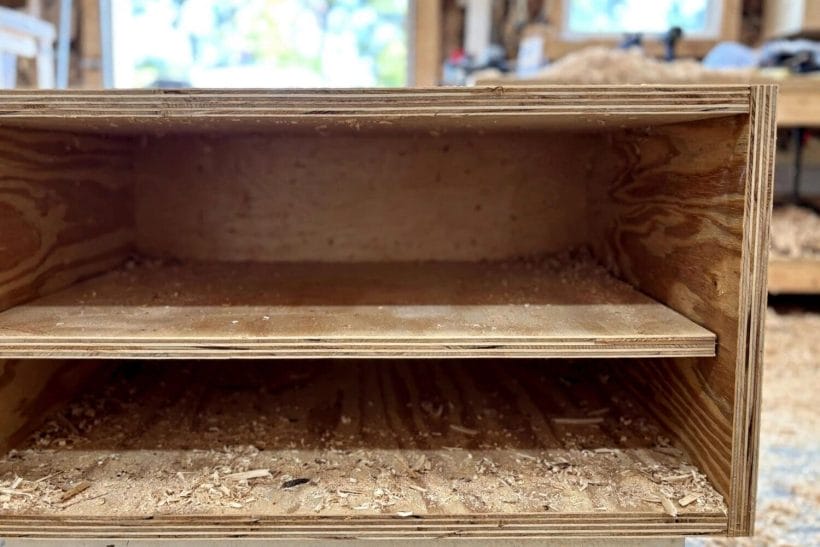
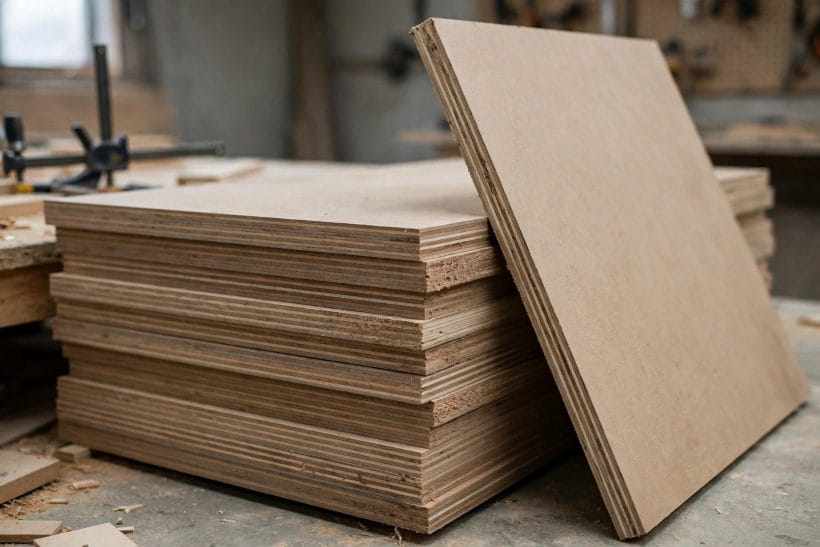
The box — sides, floor, back and shelves — carries everything. Ask what the sides are made from: plywood cores are widely preferred for screw-holding and moisture tolerance, while engineered board cores vary a great deal by density and facing. Neither answer is automatic; a dense, well-faced board box can outlast a thin plywood one. What you are listening for is a maker who can answer plainly, with the material named in the written specification rather than described in adjectives.
Look inside the box, not just at it. A full back panel, properly fixed, stiffens the whole unit and keeps it square on the wall; a thin or partial back is a saving made where you will feel it every time a door swings. Check how the box is joined — glued and mechanically fixed joints, with corner bracing on wide units, are the signs of a carcass built to be hung, loaded and levelled without racking. In a compact kitchen, where every unit works hard, the planning logic in tiny house kitchen design applies double: the box is the furniture, and it has to be honest.
Shelves deserve a question of their own. Ask what they are made from, how they are supported and whether the supports are metal or plastic. A shelf that bows under cookbooks in the showroom will not improve under pans at home.
4. Fronts and Doors: Frames, Panels and Alignment
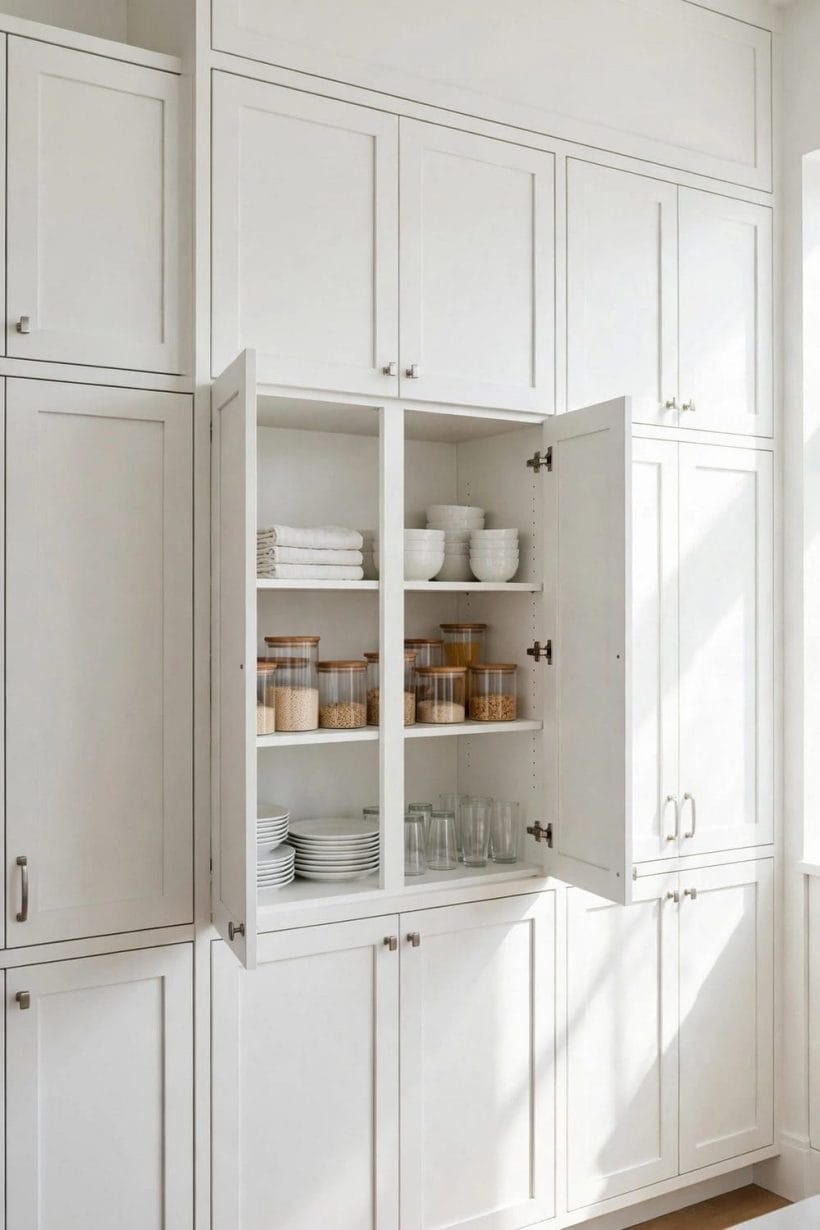
The fronts are what you see, so give them the same structural reading. On a framed door, check the frame joints: they should be tight, flush and free of filler, with the finish running consistently across rails and stiles. On any door, sight along its face for twist — a door that is not flat in the showroom will not hang true at home. Centre panels should sit firmly in their grooves without rattle, and the back of the door should be finished to the same standard as the face; rough backs are a reliable tell of a line trimmed behind the scenes.
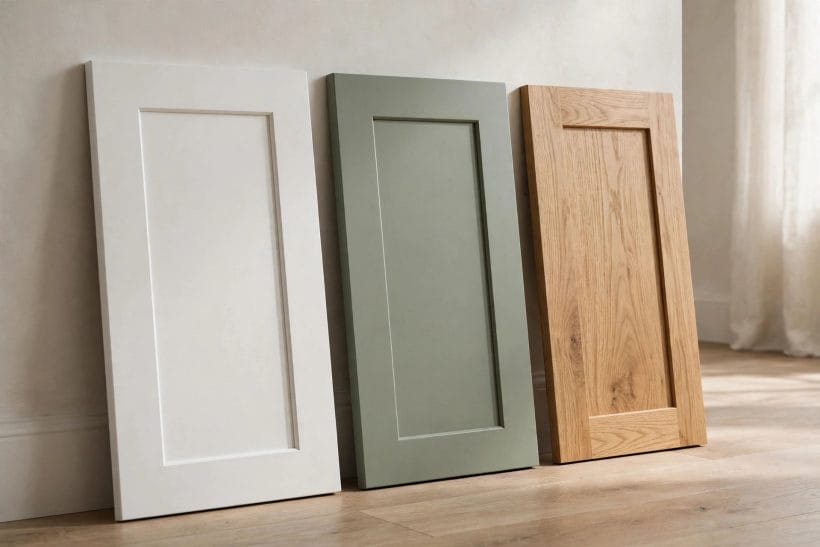
Open and close every display door you can. Hinges should hold the door where you leave it, without sag or spring-back, and pairs of doors should meet evenly along their full height. Compare a painted front with a stained one if the range offers both: paint shows joint lines and surface preparation honestly, while stain shows the timber selection. The same door-reading applies beyond the kitchen — the checks in white cabinets in a bathroom start from fronts and finish for the same reason.
5. Drawers and Hardware: The Daily Proof
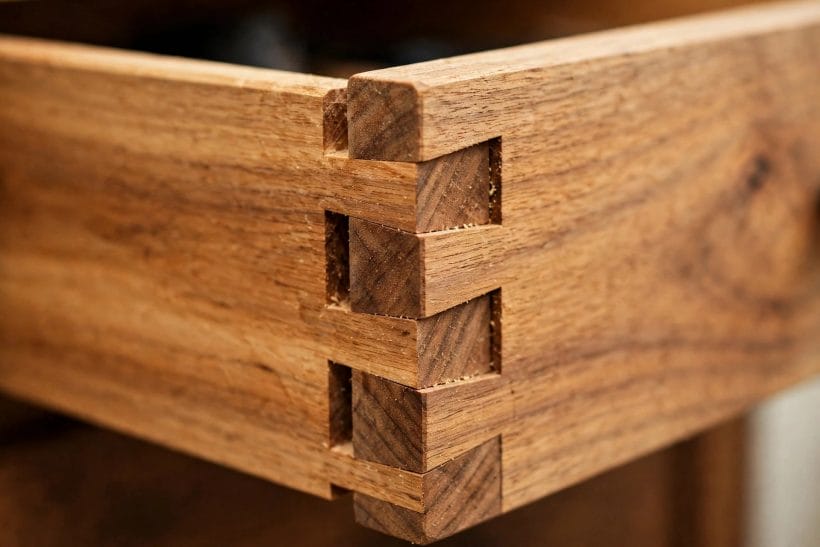
If one part of a cabinet tells the truth, it is the drawer. Pull the showroom drawers fully out. The box should be solid timber or quality plywood, joined at the corners — dovetails are the classic sign, with strong dowelled or boxed joints following — rather than stapled thin board. The base should be properly captured in grooves, not simply tacked beneath. A drawer box that feels like furniture is the single best predictor of how the whole line will age.
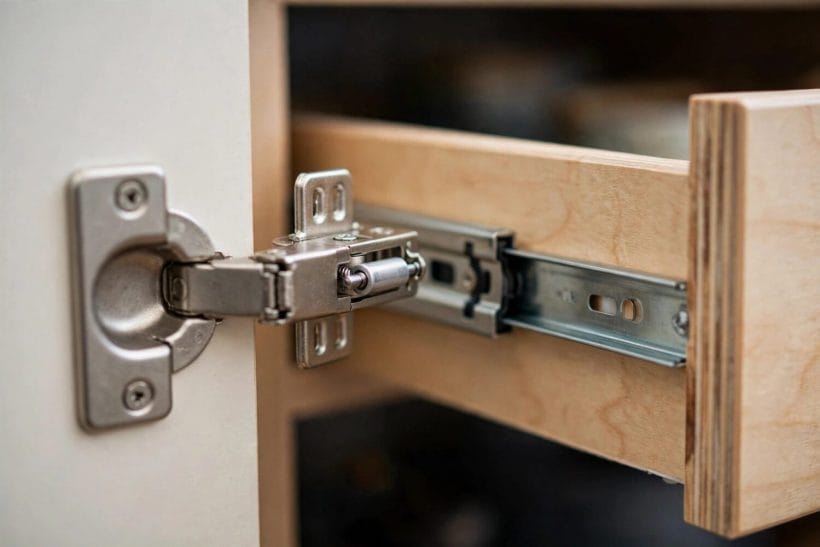
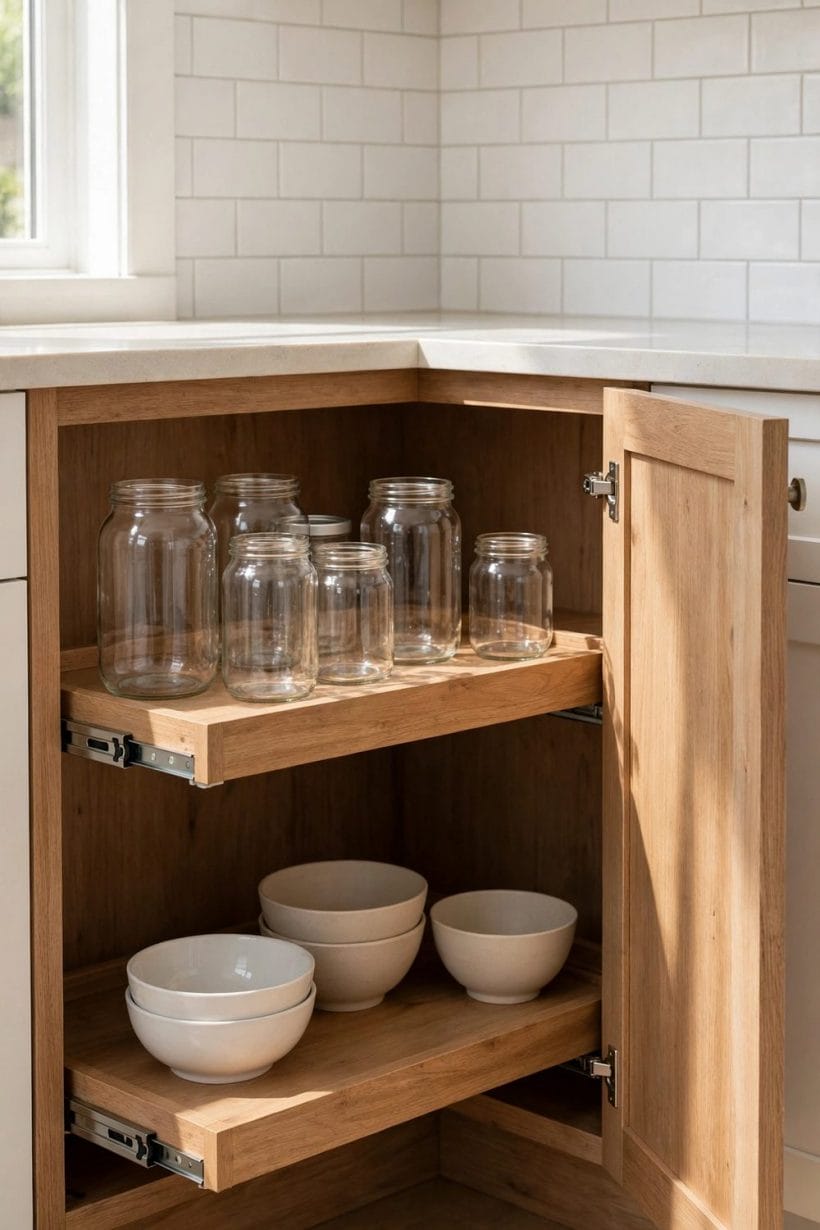
The runners matter as much as the box. Full-extension runners let you reach the back of the drawer; undermount runners keep the box sides clean and are usually the quieter, stronger option. Loaded or empty, the drawer should run without rocking from side to side, and soft-close should arrive gently rather than slam or stall. The storage thinking in tiny kitchen storage hacks leans on drawers doing this work for decades, and the compact layouts in tiny kitchen ideas assume the same.
Hinges are the drawer’s counterpart. Look for metal, adjustable hinges — adjustability in several directions is what lets a fitter true up doors after the boxes settle on real walls. Plastic or fixed hardware on a display is a cost decision you will live with.
6. The Finish: Colour, Coats and Edges
A cabinet finish works three jobs: colour, protection and touch. On painted fronts, look for even colour across a door and its frame, a surface free of pinholes, dust nibs and orange-peel texture, and complete coverage inside the grooves of the profile, where thin finishing shows first. On stained fronts, the colour should sit evenly without blotching, and the topcoat should feel smooth rather than tacky or rough at the edges.
Edges and ends are where finishes fail early. Run a finger along door edges, the tops of drawers and the inside faces of frames: the finish should wrap them all, because unsealed edges drink moisture from steam and spills and swell first. Ask how the finish is applied and cured, and whether touch-up material is supplied for the small knocks of installation. Set the finished fronts against the room’s other big surface while you judge them — the pairings in dark cabinets with dark floors show how much a floor’s tone can shift the colour you thought you chose.
7. Fit and Installation: The Questions Before the Order
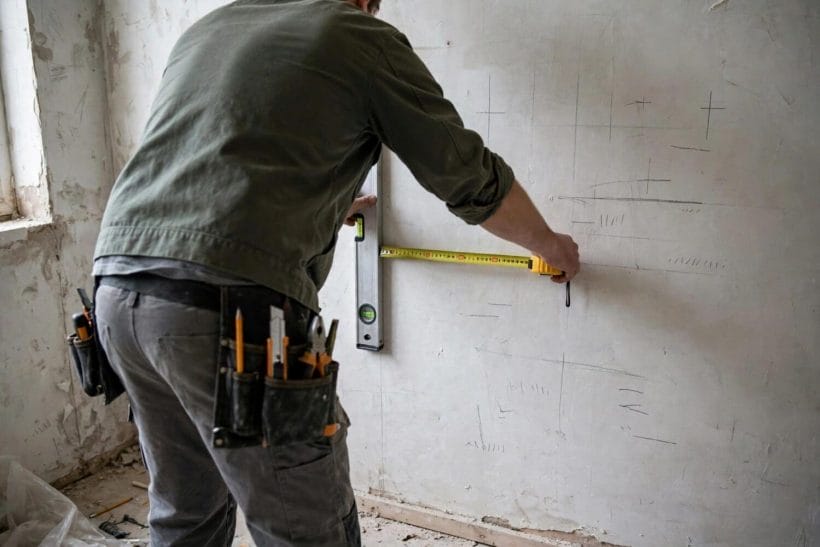
Cabinets are only as good as their fit against real walls, which are never the walls in the brochure. Before ordering, the measuring should be done by the party who carries the risk for it — ask plainly who measures, who is responsible if a unit does not fit, and how fillers and scribe pieces are handled at walls and ceilings. A good supplier talks about out-of-square corners and uneven floors as routine, because they are.
Ask what the installation includes and what it assumes: levelling and fixing, scribing to walls, cutting for services, and the removal of the old kitchen if that is part of your plan. Confirm how doors and drawers are adjusted at the end of the fit — the final truing-up visit is where alignment is made or lost, and it should be named in the paperwork rather than left as a favour. None of this is suspicion; it is the ordinary diligence that turns a good line into a good kitchen.
8. Pricing Drivers: Where the Money Goes
Semi-custom prices spread widely because the specification spreads widely, and understanding the drivers lets you spend on the parts that matter. The box construction and drawer build are the deepest costs, because they are material and joinery through every unit. Door style follows: intricate profiles, glazed units and applied mouldings all add machining and finishing time. Finish itself is a driver — multi-stage painted finishes cost more than simple stains for honest reasons of labour.
Size and count drive the rest. Tall units, wide drawer banks, corner solutions and interior fittings — pull-outs, bins, tray dividers, cutlery systems — each add their own hardware and assembly. Delivery, installation and the measuring service may sit inside or outside the headline figure, which is why two quotes for the same kitchen can look far apart while describing different scopes. The same discipline applies to the floor beneath them, as tiny house flooring ideas sets out: compare what is included, not just the number. Read every quote as a specification first and a price second, and push your budget toward box, drawers and hardware — the parts you cannot upgrade later.
9. Warranty and Paperwork: What to Get in Writing
The warranty is a specification document wearing legal clothes, and it rewards the same close reading. Look for what is covered — box, fronts, finish and hardware may each carry different terms — and for how long, stated plainly. Note what voids cover: water damage, heat exposure near ovens and unauthorised modification are common boundaries, and knowing them tells you how the maker expects the cabinets to be used and cleaned.
Beyond the warranty itself, gather the full paper trail before you commit: the written specification of box, drawer and finish construction; the itemised quote with its inclusions and exclusions; the lead time and what happens if it slips; and the care instructions the maker stands behind. Keep the finish name and code from the order paperwork — it is the reference you will need for any future touch-up or additional unit. Paperwork feels like the dull end of the purchase, right up to the day it becomes the most valuable part.
10. Judging a Showroom Display Like an Inspector
Pull the threads together into a showroom routine. Start with the plainest unit in the display, not the hero island: open its drawers, look inside its box, read the back of its door. Then work the five checks in order — box, fronts, drawers, finish, paperwork — asking the questions from each section and noting whether the answers come from a specification sheet or from memory. A line that is genuinely well made survives this routine comfortably; its sellers usually welcome it.
Finish by testing the things you will do thousands of times: close the drawers with a fingertip, swing the doors, kneel and look along the fronts for twist and alignment. Then leave, and read the paperwork at home before deciding. Cabinets are among the longest-lived purchases in a house; an hour of checking is a small price for twenty quiet years of drawers that run true.
Final Considerations
The question people bring to a cabinet showroom is usually about a name — is this line a mistake? The honest answer never lives in the name. It lives in the box construction, the drawer joinery, the finish on the edges you were not meant to inspect and the warranty terms in writing. Any semi-custom line that passes those five checks, judged on its plainest unit rather than its display door, has earned its place on your shortlist; any line that cannot answer them has told you what you needed to know.




0 Comments