

Premium windows are a long-term decision you look through every day, so the smartest approach is a calm checklist, not a rushed signature.
This guide walks you through what to check before you commit to sierra pacific windows for your home, using questions you can ask any supplier, in writing, before you buy.
1. The Buying Decision at a Glance: Questions and Answers
Before details, get the shape of the decision clear. You are not only choosing a window; you are choosing a measurement process, an installation method, a set of documents and a relationship with whoever supplies and fits the units. This guide deliberately makes no claims about any company’s history, performance figures or prices, because those are facts to request directly from the company and to confirm in current documents at the time you buy. What it can do is show you which questions separate a careful purchase from a hopeful one, and in what order to ask them, so that answers arrive while you can still act on them. Treat the table as your first meeting agenda.
| Question | What to check |
|---|---|
| What exactly is being quoted? | The precise units, sizes, opening styles, glass and finish for each opening, listed item by item. |
| Who measures, and who is responsible if a unit does not fit? | Ask for the measuring process and the responsibility for errors to be confirmed in writing. |
| Which documents describe performance? | Ask for the current product literature and any test or rating documents for the exact specification proposed. |
| How will the units be installed? | The method, the sealing and finishing details, and what happens to the openings if weather turns. |
| What warranty applies, and to what? | Ask what is covered for the unit, the glass, the finish and the installation, and for how long, in writing. |
| What will the final total include? | Ask whether fitting, finishing, disposal and any making-good are included or listed separately. |
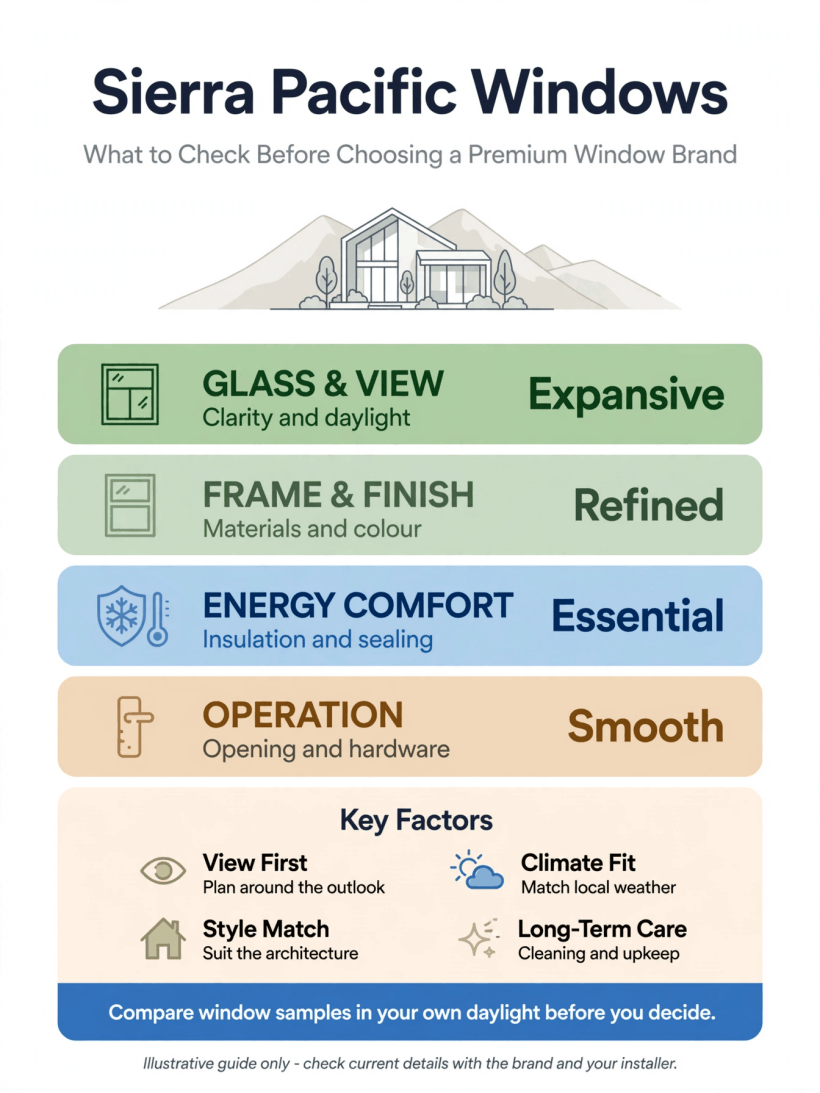
The decision at a glance: specification, measuring, documents, installation, warranty and a fully itemised quote.
Keep a single folder, paper or digital, for everything about this purchase: quotes, drawings, product literature, correspondence and receipts. Window projects generate small, important details, a finish name here, a handing choice there, and memory is not a filing system. If you are choosing windows as part of a wider home search, you may also find it useful to browse tiny houses for sale and rent to see how window size and placement change the feel of compact homes, which is the best free education in what generous glass does for a room.
2. Start With Your Home, Not the Brochure
Walk your home with a notebook before you look at any samples. For each opening, note the room, the view you want to keep or improve, how the current unit opens, where furniture stands, and what bothers you today: draughts, condensation, noise, stiffness, fading, or simply a style that fights the house. That list becomes your brief, and a brief protects you from being sold features your rooms do not need. Photograph each elevation from outside as well, because windows are architecture, and proportions that sing from the street can look mean or oversized entirely because of their divisions.
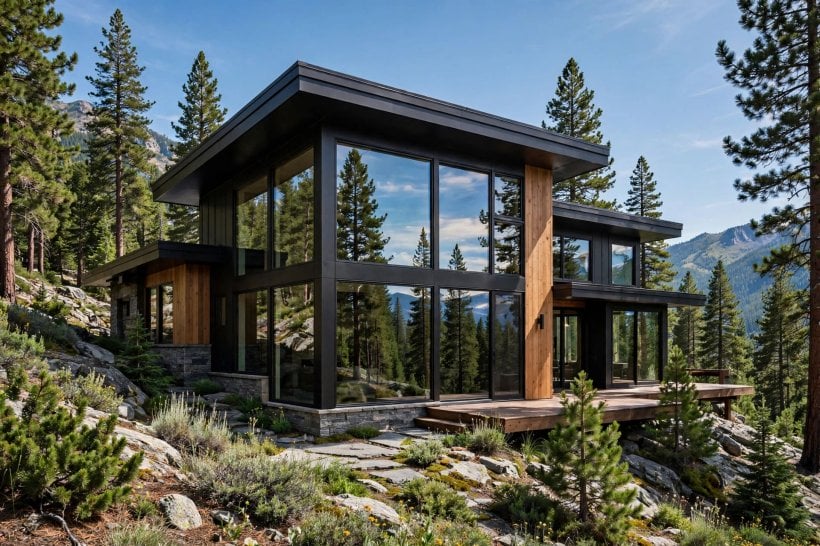
Think about how each room is actually used at the times the window matters. A bedroom window is about darkness, quiet and a secure night position; a kitchen window is about ventilation while cooking and a view while washing up; a living room picture window is about light and the garden. Ask the supplier to talk through your rooms one by one rather than treating the house as a count of identical holes. If a recommendation treats every opening the same, ask why, because your own notes probably say the rooms are not the same at all.
Finally, decide your priorities in order before prices enter the conversation: for example, comfort first, then ease of use, then appearance, then cost. Every window project trades something against something else, and a written order of priorities makes those trades deliberate. If you are planning rooms around new glass, the room-first thinking in these home interior design ideas for tiny houses is a good companion, because window decisions and room layouts always end up negotiating with each other.
3. Frame and Material Questions to Ask
Frames do more than hold glass: they set the sightlines of the whole window, influence how it feels to operate, and define much of its maintenance rhythm. Rather than assuming what any range is made from or how it is constructed, ask the supplier to explain, for the exact units proposed for your home, what the frame and sash are made of inside and out, how the corners are joined, and what finishes protect each surface. Ask to handle a full-size sample or visit an installed example if one is available, because a corner sample in your hand tells you about weight, finish and care in a way photographs never quite do.
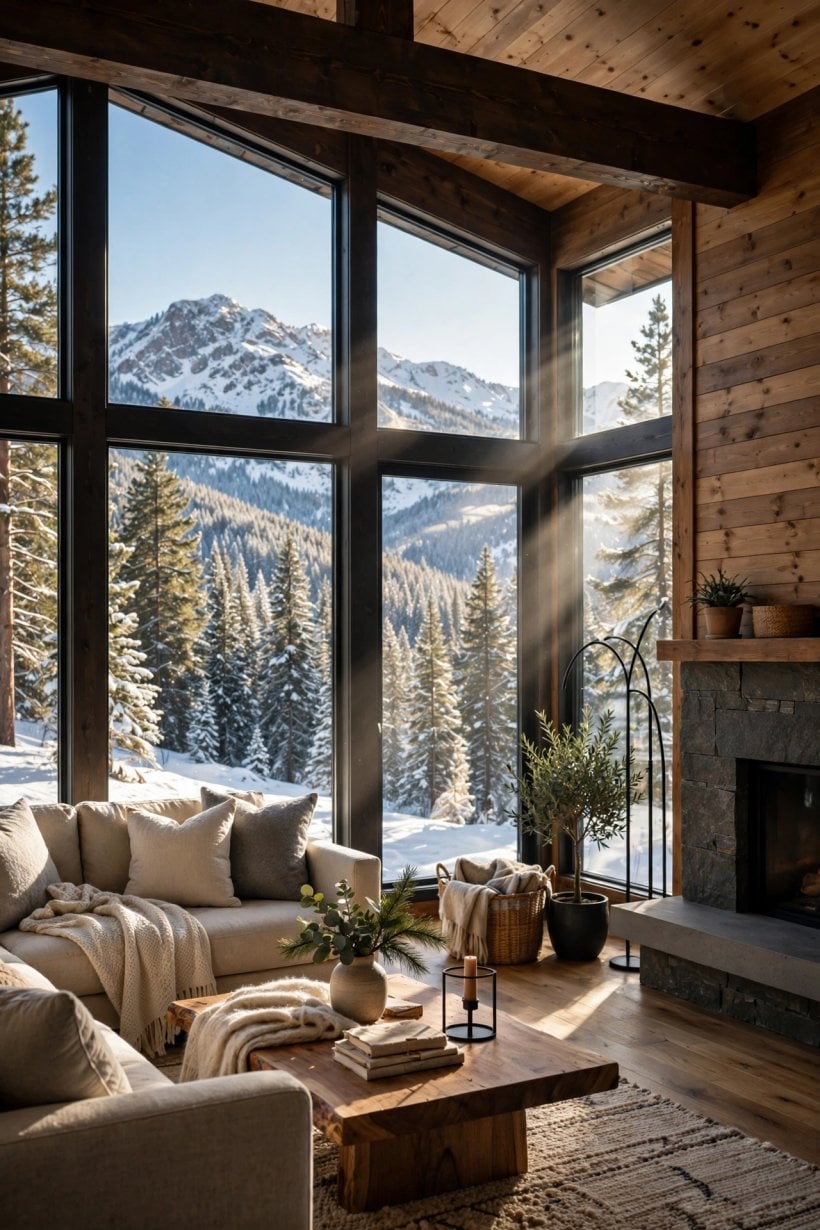
Maintenance deserves plain questions. Ask how each surface should be cleaned, what products to avoid, whether any surface needs refinishing over time and, if so, how that work is done and who typically does it. Ask what happens at the most exposed elevations of your home, the ones that take driving rain or strong sun, and whether the supplier recommends any different detail there. A good supplier answers maintenance questions without flinching, because they know a window that is easy to live with is a window that gets recommended to neighbours.
Also ask about sightlines and equality: will the visible frame widths match across different opening styles on the same elevation, and can fixed and opening units sit in one composed grid? Small misalignments that are invisible on a drawing shout from the driveway. Request a simple elevation drawing of your principal facades showing the proposed divisions, and live with it on the fridge for a few days. You are not checking the supplier’s artistry; you are checking your own reaction while changing your mind is still free. For exterior composition generally, the facade-first approach in our tiny house landscaping ideas guide shows how openings, planting and paths read together from the street.
4. Glass, Energy and Comfort: Read the Documents
Glass is where comfort claims multiply, so slow down and ask for the paperwork. Ask which glass configuration is being proposed for your units, what options exist, and what each option is intended to do, in the supplier’s own current literature. Where ratings or test figures are quoted to you, ask for the documents behind them and check that they refer to the whole unit and to the exact specification on your quote, not to a different size or configuration. If energy rules or minimum standards apply where you live, check with the city or county or your project professional about what your project must meet, and ask the supplier to confirm in writing that the proposed units meet it.
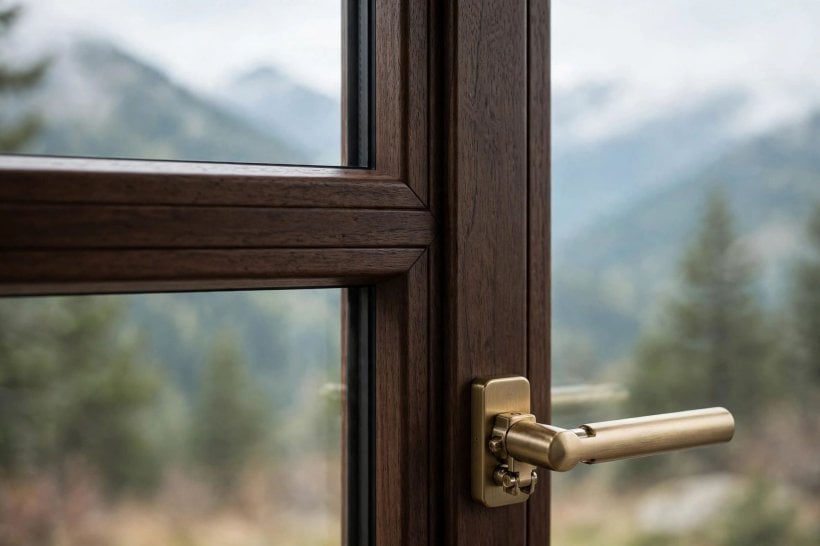
Comfort is more than a rating. Ask about the glass choices for rooms that overheat in summer and for rooms that feel cold in winter, because the right answer may differ by elevation, and a thoughtful supplier will talk about orientation with you. Ask, too, about condensation: what it means when it appears on the outside, the inside or between panes, and what the supplier would want you to do in each case. Clear answers here prevent both needless worry and needless delay if something genuinely needs attention later.
Noise and privacy belong in the same conversation. If a bedroom faces a road, say so and ask what glass and sealing options the supplier suggests discussing, and what difference they say those options make, in writing. For bathrooms and overlooked rooms, ask to see obscured glass options in real light rather than on a screen, and check how they look from outside at night with the room lit. None of these are questions with one universal answer; they are questions that reveal whether the person selling you the windows is thinking about your house or only about your order. Anyone planning a whole build will recognise this documents-first habit from our guide on how to build your own tiny house, where paperwork is treated as a building material in its own right.
5. Styles, Operation and Everyday Living
A window is a machine you operate daily, often with a mug in one hand. So check the operation of every proposed unit as if you already lived with it: which way it opens, how far, what it clears, and what it collides with. Ask about ventilation positions for secure night air in bedrooms, about how high openings are reached in tall rooms, and about how the units open for cleaning, especially above ground floor. If anyone in the household has limited grip or mobility, raise it early and ask to try the handles and locks in person, because ease of use is a specification, not a luxury.
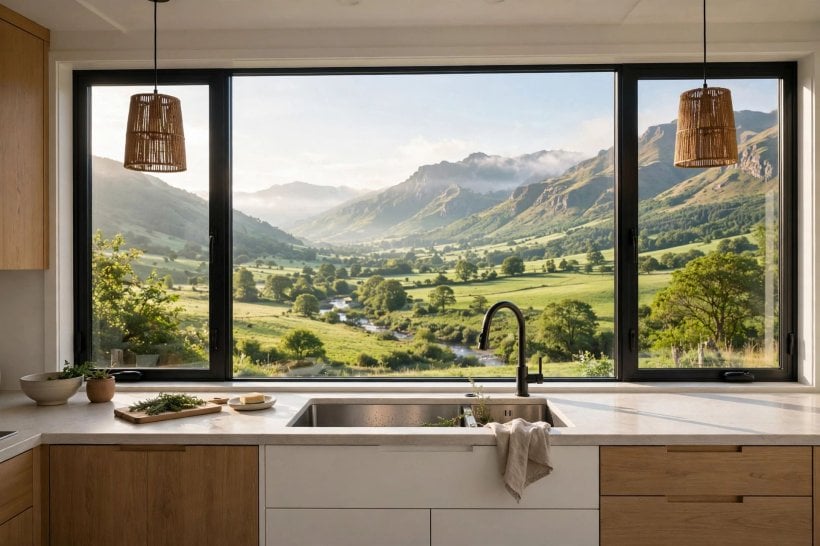
Check the safety and rules side with equal care. Ask which openings may need restrictors, safety glass or particular escape provisions under the rules that apply to your home, and confirm who is responsible for checking: you, the supplier, the installer or a building professional. This guide cannot tell you your local requirements, because they vary by place and by project, so check with the city or county and treat any supplier’s answer as something to verify, not a verdict. The same caution applies to homes in designated or historic areas, where exterior changes can need permission before any order is placed.
Then stand inside your rooms and mime the furniture against the openings. A casement that opens onto a favourite chair, a handle at cushion height behind a sofa, a wide sash whose swing crosses a pendant light: these are the irritations that drawings hide and daily life reveals. Note blinds and curtains as well, since new frame depths or opening directions can fight existing tracks and poles. It is far cheaper to move a handle on a specification than to move your life around a handle afterwards. For help visualising room layouts around openings, these tiny house living room ideas show how seating gravitates to light, which is exactly the force you are planning around.
6. Colour, Finish and the Look From Both Sides
Windows are seen from the garden as much as from the sofa, so choose colours and finishes from both viewpoints. Ask what colour and finish options are available for the exact units you are ordering, inside and out, and whether the two sides can differ if your rooms and your facade want different things. Do not choose from a small screen image: ask for physical samples and hold them against your exterior walls, your interior paint and your flooring, in morning and evening light, because window colours borrow tones from everything near them.
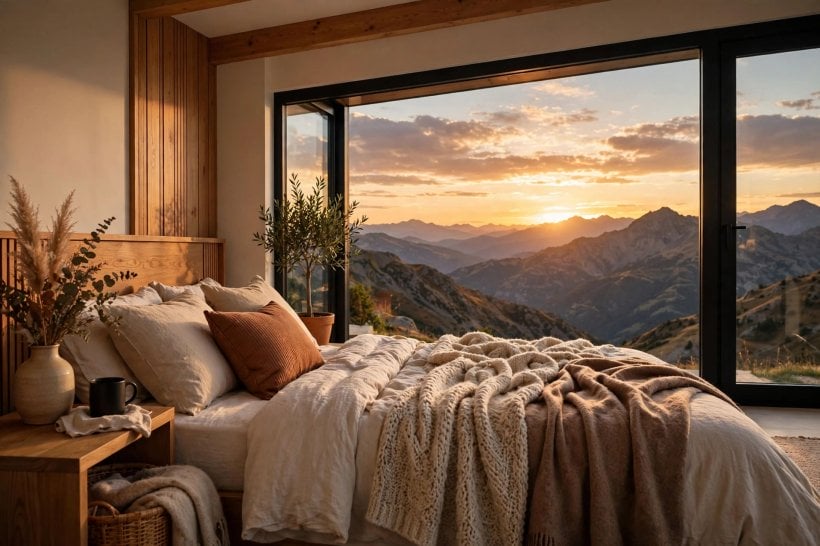
Ask how the finish is applied, how it should be cleaned, and what touch-up or repair looks like if a ladder or a child’s bicycle marks it in year three. Ask, too, about the small visible components that complete the look: handles, hinges, trickle vents if your project needs them, and any visible fixings, and whether their colour is matched or contrasted. A premium look usually comes from these quiet coordinations rather than from any single dramatic choice, and they are easiest to agree before manufacture, not after delivery.
Think about the glass’s own appearance as well. Ask to view the proposed glass from outside a sample building or showroom if you can, because some glass reads greener, darker or more reflective than people expect, and it changes how a facade colour is judged from the street. If your home has a strong material, brick, stone, timber siding, bring a photograph and, if possible, a loose sample of that material to the colour conversation. Colour confidence comes from comparisons made in real light with real materials, a principle that runs through our tiny house interior paint colors guidance as happily outdoors as in.
7. Installation: The Half of the Job You Cannot See Later
Even an excellent window can disappoint if it is installed carelessly, because installation decides how the unit meets the wall, sheds water and keeps its seal. So ask, in detail, who will install your windows: the supplier’s own team, an approved installer, or your own builder, and who is contractually responsible for the finished result. Ask what the installation includes, from protecting floors and removing old units to sealing, insulating the perimeter as specified, fitting trims and making good the surrounding surfaces, and ask what is explicitly not included, because exclusions discovered mid-project are the expensive kind.
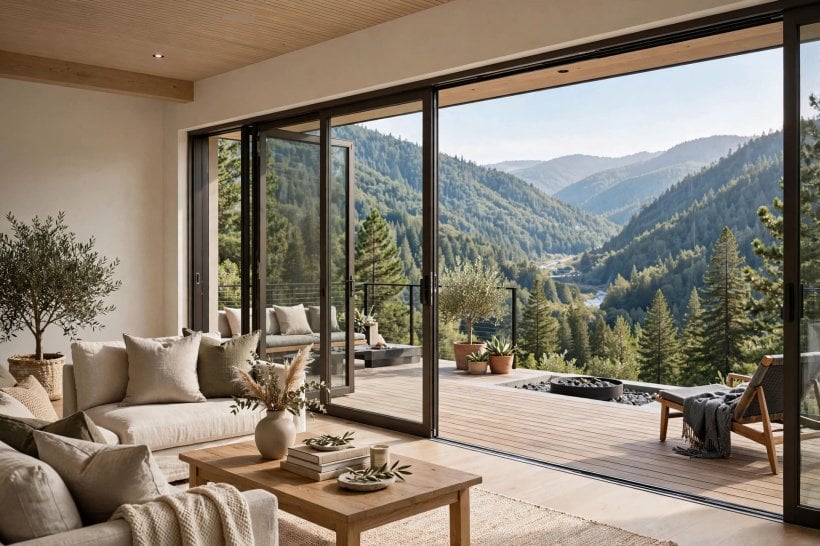
Ask about sequence and weather. How many openings are tackled at once, how long will each opening be open to the elements, and what happens if the weather turns during fitting? Ask how the installers will check each unit for level, plumb and smooth operation before they leave, and how you will be shown the operation and care of your new windows. If your project involves structural changes, new or enlarged openings, or work in wet areas, check with the city or county whether permissions or inspections apply, and use suitably qualified professionals for structural, electrical or plumbing work that the window project touches.
Finally, agree the standard of finish in words while everyone is still smiling: what the internal and external trim will look like, how gaps are finished, and what happens if an opening turns out to be out of square or rotten once the old unit is out. Surprises inside old walls are normal; the question is whether your agreement already says how surprises are priced and approved. Ask for that process in writing, along with how changes you request mid-project will be recorded, so goodwill is never asked to do the work of a document. The same prepare-for-surprises discipline appears throughout these tiny house decorating ideas, where the projects that age best are the ones whose details were agreed early.
8. Warranty, Documents and Aftercare Questions
Warranty is a word that sounds simple and behaves like a contract, because it is one. Ask for the actual warranty documents for the units, the glass, the finish and the installation before you sign anything, and read what is covered, what is excluded, what you must do to keep cover valid, and how a claim is made. Ask who honours each part, the manufacturer, the supplier or the installer, and what evidence you should keep. If any period or promise is mentioned in conversation, ask for it in the documents rather than relying on memory, and be politely suspicious of any promise that cannot be produced on paper.
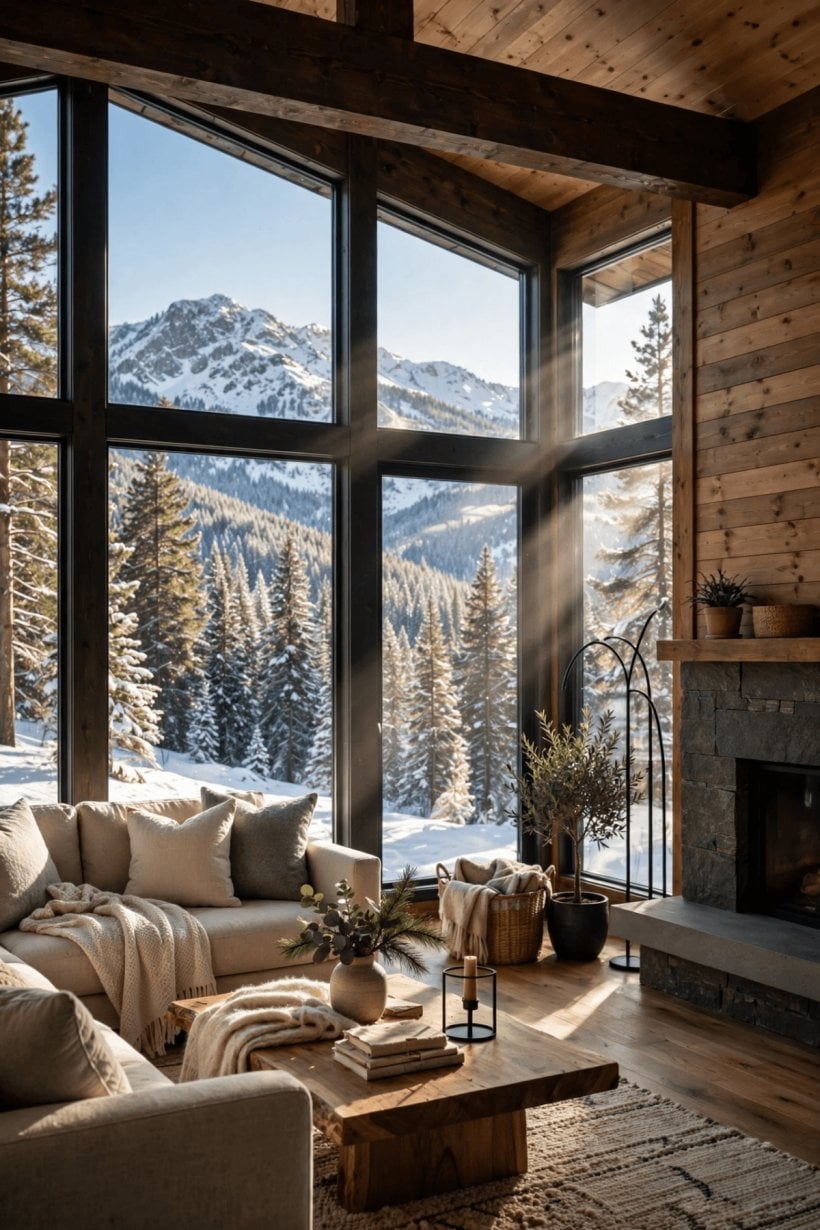
Aftercare is the everyday twin of warranty. Ask what routine care the units need, what you should inspect each season, and what small adjustments, such as hardware lubrication or seal checks, the supplier recommends and describes in their literature. Ask how you obtain spare parts, replacement handles, screens or glass in future, and whether those items are ordered through the supplier. A window you will live with for many years should come with a clear, boring, well-organised answer to the question: if something small goes wrong in year six, who do I contact, and what will they ask me?
Keep your documents together from day one: final specification, drawings, quote, order confirmation, warranty papers, care instructions and a note of installation dates and installer names. Photograph each unit after installation, inside and out, while everything is fresh. If you ever sell the home, that tidy file becomes a genuine asset you can hand over, and if you ever need help with a unit, it turns a vague phone call into a precise one. Good paperwork is not pessimism; it is how careful buyers protect a hopeful purchase. This habit of keeping the file is second nature to readers of interior design & home decorating ideas for tiny houses, where small homes reward organised owners.
9. Reading a Quote Like a Detective
A quote is only useful if you can compare it, line by line, with another. Ask for the quote to be itemised by opening, showing the unit, its size, style, glass and finish, and the installation and finishing included for that opening. Ask what could still change the total: discoveries inside walls, changes you request, additional trims or making-good, and how each would be priced and approved before work proceeds. Talk about money qualitatively and clearly at this stage: what makes a specification cost more is usually size, complexity, glass choices and installation difficulty, so ask the supplier to show you where your own specification’s cost is concentrated and what sensible alternatives exist.
Check the practical terms with the same care as the numbers: lead times as currently estimated, how and when payments are staged, what happens if timings slip, and how long the quote itself remains valid. Ask whether old windows and site waste are removed and disposed of, and whether that is included. None of these questions is confrontational; careful suppliers expect them, and their answers, ideally in writing on the quote itself, are part of what you are buying. If two quotes differ, resist comparing only the totals: compare the specifications until the documents describe the same windows, the same installation and the same finishing, because only then does a price difference mean anything.
Take time at this stage on purpose. Sleep on the documents, re-read your room-by-room brief from the start of this guide, and check the quote against it line by line. Did every opening get the operation you wanted? Are the finishes the ones you sampled? Is anything included that you never asked for, or missing that you did? A premium purchase should survive a week’s calm scrutiny without needing urgency to close it, and a seller who respects that pause is telling you something good about how they will behave after your signature as well.
10. The Final Visit: Measure Twice, Sign Once
Before you sign, arrange the final check visit and treat it as the project’s real beginning. Walk every opening with the measurer or supplier, confirm each unit’s handing, opening direction and handle side out loud at the window it belongs to, and watch the measurements being recorded rather than assuming them. Confirm sill details, internal finishes and how existing blinds, shutters or trim will be treated at each opening. If two people from the supplier’s side tell you different things at any point, pause and get the agreed version written down; confusion before manufacture is free to fix and expensive afterwards.
Re-confirm the whole chain in that visit: the specification and finishes from the samples you approved, the glass from the documents you read, the installation scope and exclusions, the warranty papers you were given, and the payment and timing terms on the quote. Ask what happens next, in order: order confirmation, manufacture, delivery, installation, inspection and handover, and who contacts whom at each step. Ask, finally, what the supplier wishes every customer checked before signing; it is a revealing question, and the answer often hands you the one check you had not thought of.
Then, and only then, sign, when the documents in your folder describe the windows you believe you are buying, for the home you actually live in, at terms you have read. Keep copies of everything you signed, note the agreed dates in your calendar, and prepare the rooms before installation day: clear access, move fragile things, and decide where furniture will wait. The calm you feel at this point is not luck. It is the result of asking ordinary questions early, in writing, one opening at a time.
Final Considerations
Buying sierra pacific windows, or any premium windows, well is mostly a matter of sequence: your brief before brochures, samples before colours, documents before claims, itemised quotes before totals, and a measured final visit before a signature. Nothing in that sequence requires expertise, only patience and a folder.
Ask every question in this guide of the actual people who will supply and install your units, confirm their answers in current documents, and check any local rules that apply to your project with the city or county. Do that, and whichever specification you choose will be a deliberate one, fitted to your rooms, your light and your life, and you will know exactly what to expect from the day the first unit arrives.

0 Comments